

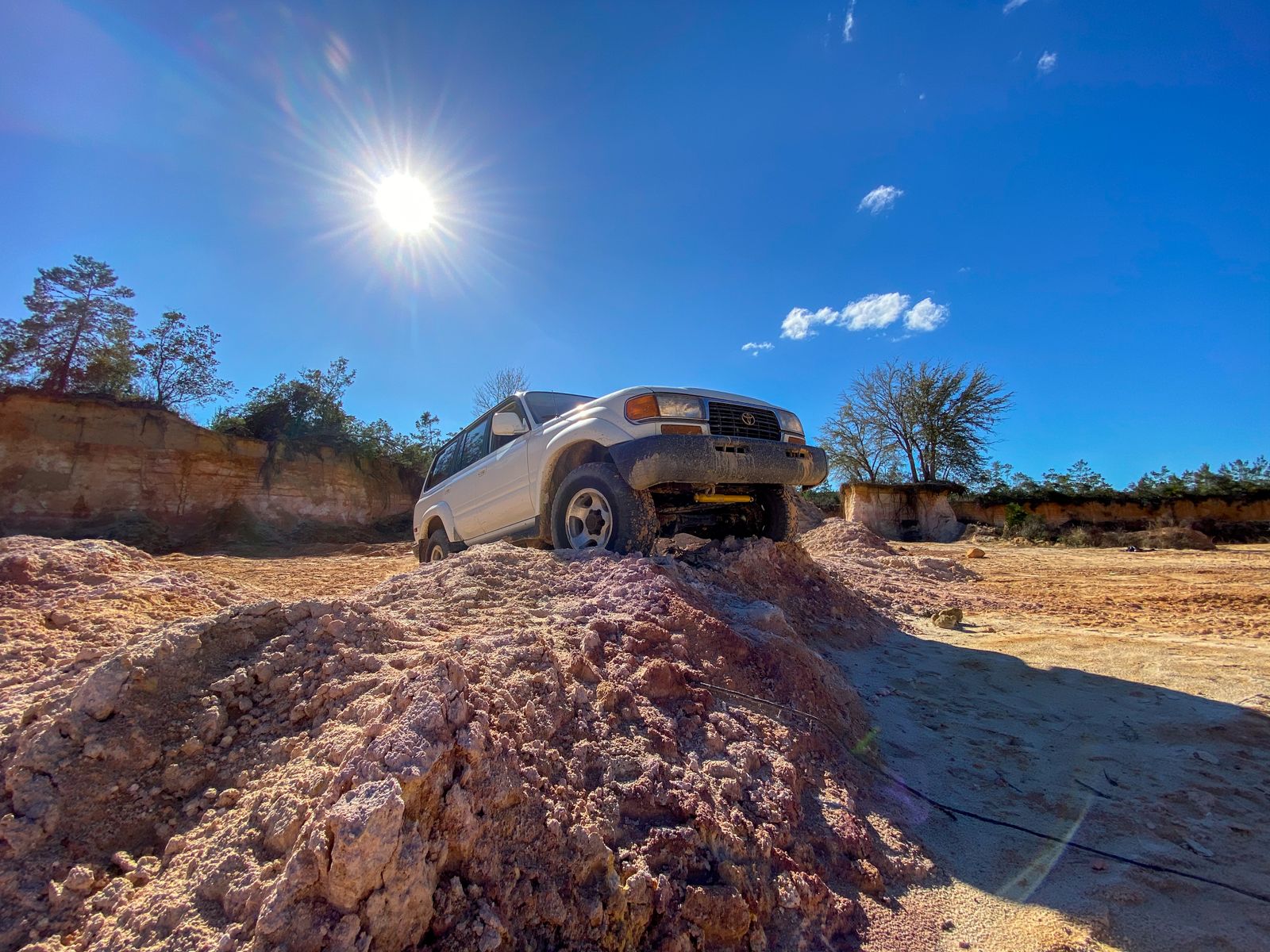
Short answer
The Land Cruiser 70 Series is our first choice for off-road work, with the 80 Series the strongest passenger-carrying alternative.
- Heavy-duty foundation
- Land Cruiser 70 introduced in November 1984
- Expedition wagon
- Land Cruiser 80 introduced in October 1989
- Classic Toyota 4x4
- 40 Series introduced in August 1960
- Recreational grades
- 4Runner TRD Off-Road and FJ Cruiser Trail Teams
5 Best Toyota Off-Road Vehicles of All Time at a Glance
| Rank | Toyota 4x4 | Distinction | Best role | Construction |
|---|---|---|---|---|
| 01 | 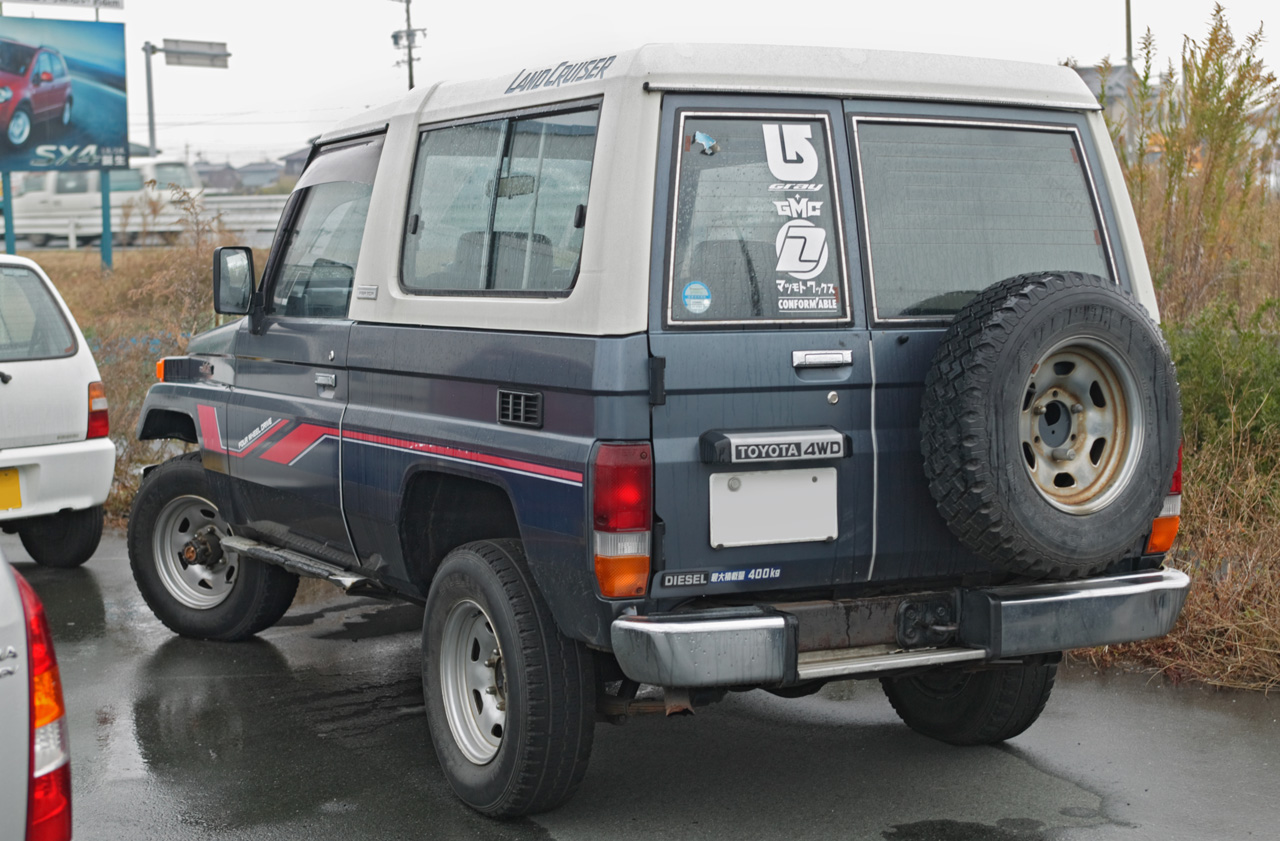 | Best heavy-duty off-roader | Remote work and utility | Separate chassis |
| 02 | 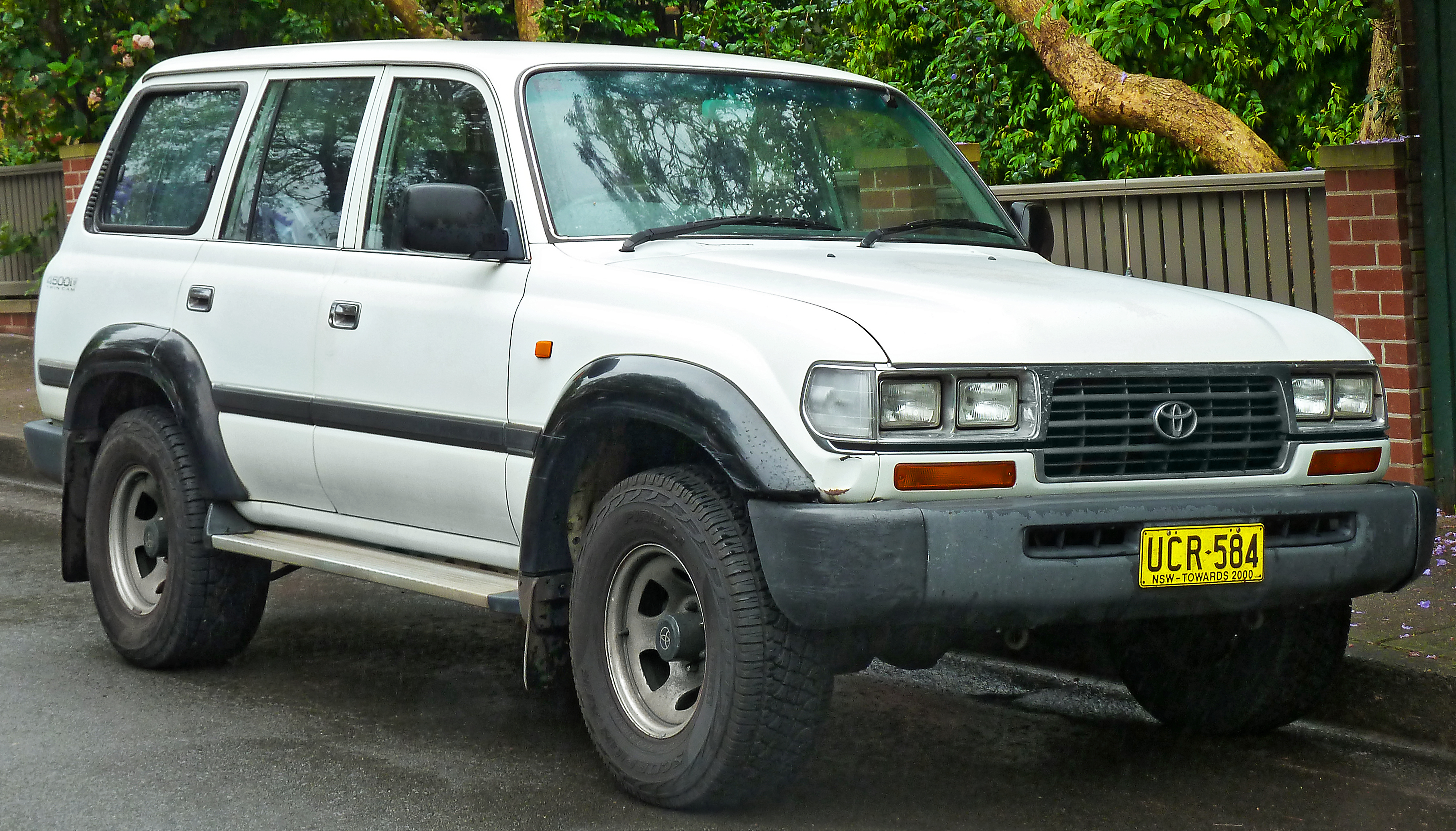 | Best expedition wagon | Passenger-carrying expeditions | Separate chassis and rigid axles |
| 03 | 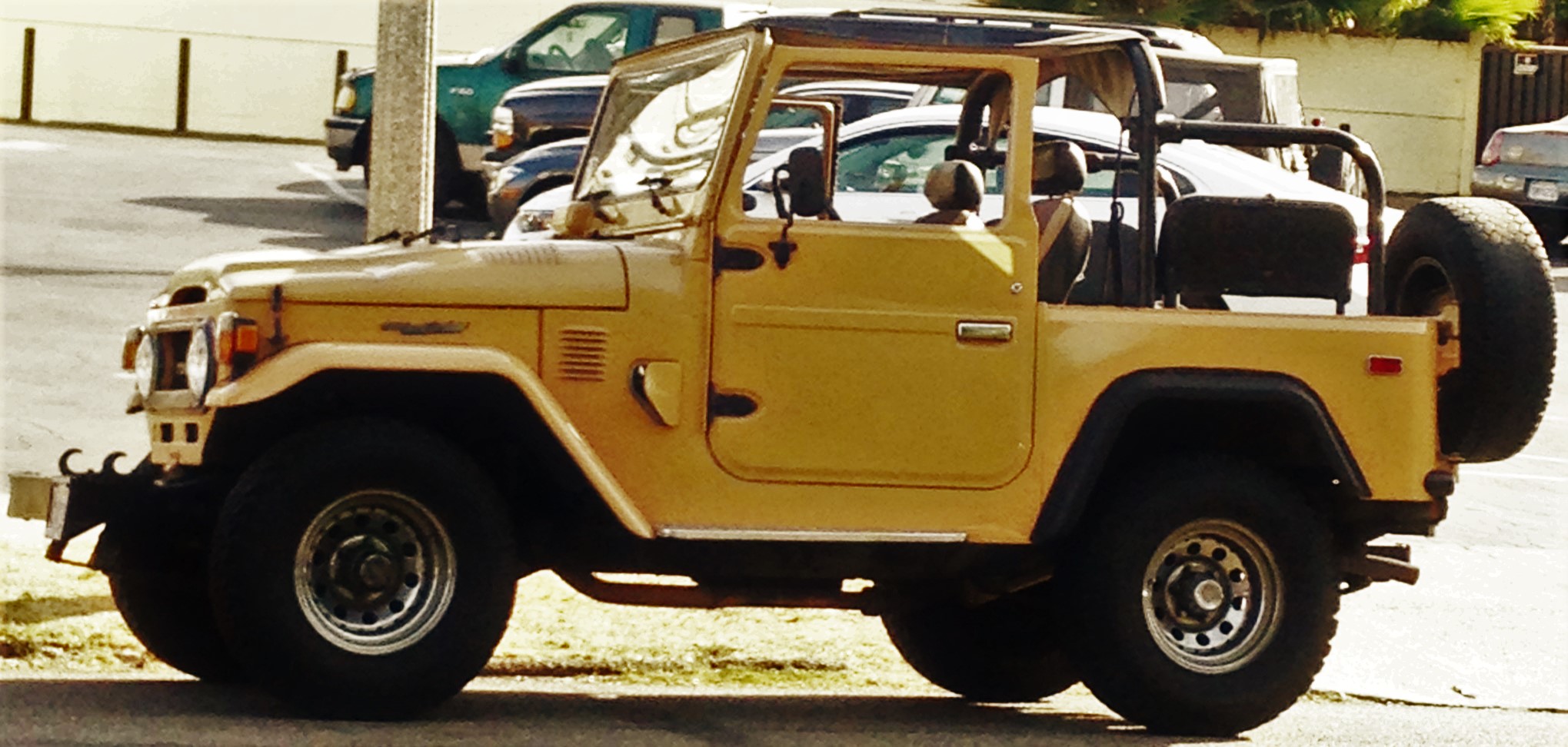 | Best classic trail Toyota | Classic short-wheelbase trail driving | Separate chassis and rigid axles |
| 04 |  | Best everyday trail wagon | Everyday use and weekend trails | Separate chassis and independent front suspension |
| 05 |  | Best recreation-focused Toyota | Recreational trail driving | Separate chassis and independent front suspension |
No entries match your search.
5 Best Toyota Off-Road Vehicles of All Time: Entry Details
Toyota Land Cruiser 70 Series
Introduced in 1984 · Best heavy-duty off-roaderThe 70 Series earns first place by adapting the Land Cruiser's working role to multiple bodies and wheelbases. Its original range included soft tops, vans and chassis intended for specialist coachwork.
- Focus
- Remote work and utility
- Construction
- Separate chassis
- Historical milestone
- Replaced the heavy-duty 40 Series in November 1984
Toyota Land Cruiser 80 Series
Introduced in 1989 · Best expedition wagonThe 80 Series makes the strongest case for carrying passengers comfortably without abandoning rigid axles. Coil suspension and available full-time four-wheel drive moved the Land Cruiser wagon closer to luxury-car expectations while preserving its rough-country layout.
- Focus
- Passenger-carrying expeditions
- Construction
- Separate chassis and rigid axles
- Historical milestone
- Replaced the 60 Series in October 1989
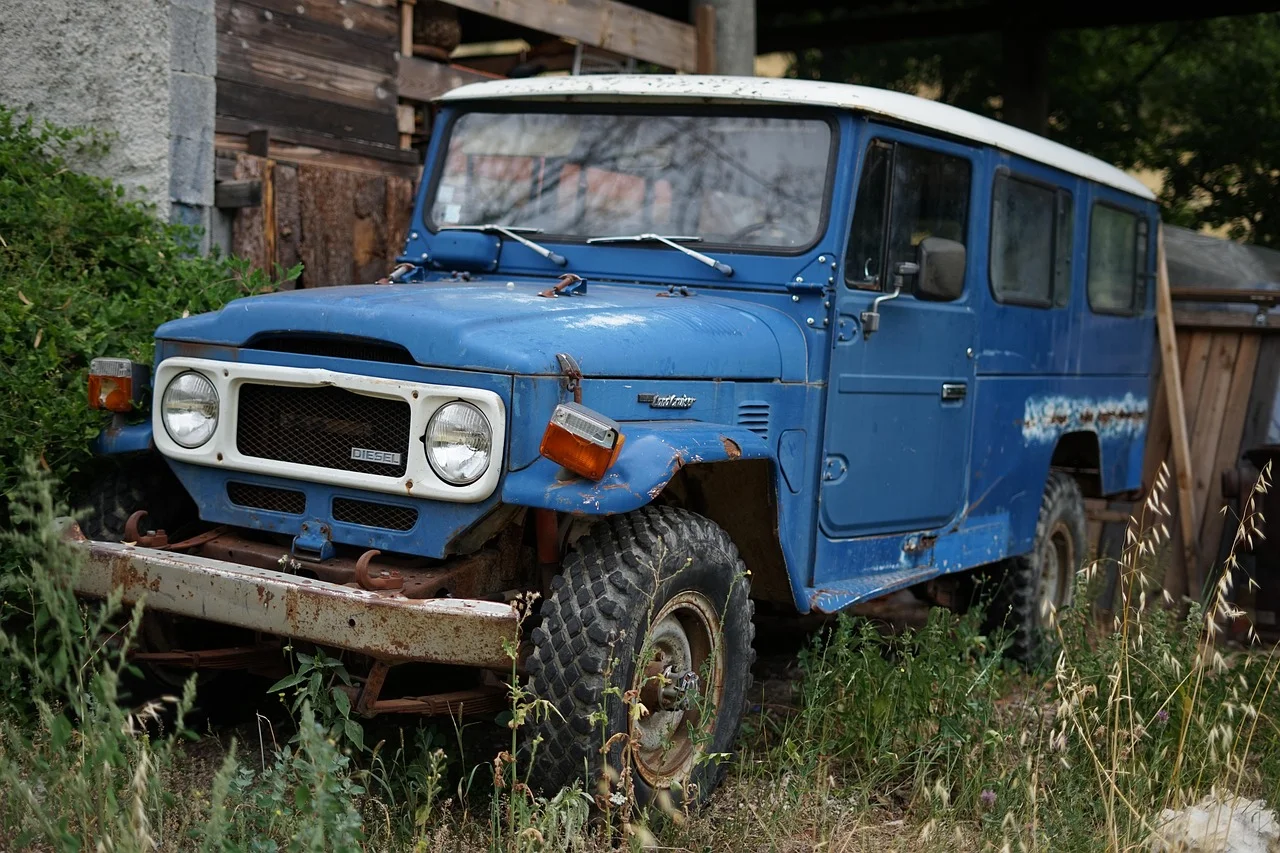
Toyota Land Cruiser FJ40
40 Series introduced in 1960 · Best classic trail ToyotaThe short-wheelbase petrol FJ40 gives Toyota's early off-road identity its clearest shape. Its place rests on the 40 Series' cross-country purpose and global influence, rather than the comfort or traction electronics of newer trucks.
- Focus
- Classic short-wheelbase trail driving
- Construction
- Separate chassis and rigid axles
- Historical milestone
- 40 Series launched in August 1960
Toyota 4Runner fifth generation
US model years 2010–2024 · Best everyday trail wagonThe fifth-generation 4Runner balances an enclosed family cabin with serious factory trail grades. TRD Off-Road and TRD Pro versions supplied rear differential locking and Crawl Control, giving recreational drivers useful capability without a conversion project.
- Focus
- Everyday use and weekend trails
- Construction
- Separate chassis and independent front suspension
- Equipment example
- 2023 TRD Off-Road with optional KDSS
Toyota FJ Cruiser 4x4
US model years 2007–2014 · Best recreation-focused ToyotaThe FJ Cruiser turns the FJ40's visual cues into a modern recreational 4x4. Its rear-hinged access doors make the cabin less convenient than the 4Runner's, but factory trail editions show how directly Toyota targeted enthusiastic off-road drivers.
- Focus
- Recreational trail driving
- Construction
- Separate chassis and independent front suspension
- Equipment example
- 2014 Trail Teams Ultimate Edition
5 Best Toyota Off-Road Vehicles of All Time: Analysis
Why the Land Cruiser 70 Is Our Best Toyota Off-Roader
The Land Cruiser 70 accommodates demands beyond a recreational trail. Toyota's original range supplied multiple wheelbases and bare chassis for custom coachwork, allowing one vehicle family to support very different jobs. That adaptability makes the 70 our first choice for off-road work.
The 70 separates two branches that are easily confused. Toyota derived a lighter-duty vehicle from the family, leading to Prado, while retaining the heavy-duty line. A Prado badge does not identify the same vehicle as a 70 Series utility wagon.
The 80 Series Kept Solid Axles and Added Comfort
The Land Cruiser 80 replaced the 60 Series wagon's leaf springs with coils and offered full-time four-wheel drive on higher grades. Passengers gained a more forgiving ride without the wagon abandoning rigid axles. That combination earns the 80 second place and makes it the passenger-focused counterpart to the working 70.
The 80's broad wagon body provides space that a short FJ40 cannot. The trade-off is physical size on tight trails. Its appeal is the ability to carry people and luggage across rough ground, rather than the compactness of Toyota's early utility vehicle.
FJ40 and FJ Cruiser Share an Idea, Not the Same Hardware
The FJ40 ranks above the FJ Cruiser because the older truck helped establish the formula the newer one revisited. Toyota introduced the 40 Series in 1960 as a cross-country vehicle and developed different body lengths and engines within the family. The Toyota logo history follows the manufacturer behind that expansion.
The FJ Cruiser's strongest factory farewell was the 2014 Trail Teams Ultimate Edition. Rear locking, A-TRAC and specially tuned Bilstein dampers made it more than a paint package. Its rear access doors still make carrying passengers less straightforward than in the four-door 4Runner.
Choosing a Fifth-Generation 4Runner Trail Grade
The fifth-generation 4Runner rewards attention to grade names. For 2023, TRD Off-Road and TRD Pro both supplied a locking rear differential and Crawl Control. TRD Off-Road could add KDSS for greater wheel travel at low speed, while Pro followed a separate suspension recipe.
The 4Runner's place below the FJ40 reflects historical influence, while its place above the FJ Cruiser reflects passenger access and everyday usefulness. Its trail hardware provides a Toyota counterpart to the factory off-road SUV comparison.
Important context
- The 80 Series retained rigid axles while replacing the earlier wagon's leaf springs with coils.
- FJ40 denotes a petrol-powered member of the 40 Series, which also included diesel models and longer bodies.
- Fifth-generation 4Runner TRD Off-Road models offered KDSS, while TRD Pro used its own damper package.
- The 2014 FJ Cruiser Trail Teams Ultimate Edition paired a locking rear differential with specially tuned Bilstein suspension.
Our verdict
Our Toyota off-road verdict
Choose the 70 Series for a vehicle built around work, the 80 Series for passenger-carrying expeditions and a fifth-generation 4Runner for regular road use between trails. The FJ40 belongs with classic-car enthusiasts, while the FJ Cruiser suits drivers happy to trade rear-seat access for its recreational character.
Strengths
- The 70 Series supports utility bodies as well as passenger configurations.
- The 80 Series combines coil springs with rigid axles.
- Specified 4Runner and FJ Cruiser trail grades add factory traction equipment.
Things to consider
- FJ40 ownership brings the packaging and comfort compromises of an older utility vehicle.
- The 80 Series needs more room on narrow tracks than a short FJ40.
- FJ Cruiser rear-seat access depends on its rear-hinged door arrangement.
FAQ: 5 Best Toyota Off-Road Vehicles of All Time
What is the best Toyota off-road vehicle of all time?
The Land Cruiser 70 Series takes first place here for its heavy-duty working versatility. The 80 Series is the stronger choice when a roomy passenger wagon matters more than the availability of specialist utility bodies.
Is the Land Cruiser 80 better off-road than the 100?
The 80 Series retains rigid axles at both ends, while the 100 Series wagon adopted independent front suspension. The 80's layout appeals to drivers who prioritise axle articulation, while the 100 moved further toward road comfort.
What is the difference between an FJ40 and an FJ Cruiser?
The FJ40 is a short-wheelbase petrol model from the older 40 Series family. The FJ Cruiser is a later recreational SUV with styling inspired by that earlier truck and a different chassis and suspension design.
Which fifth-generation 4Runner is best for off-road driving?
TRD Off-Road and TRD Pro are the relevant factory trail grades. In the 2023 US range, both included rear differential locking and Crawl Control, and TRD Off-Road offered optional KDSS for additional low-speed wheel travel.
Was the FJ Cruiser Trail Teams Ultimate Edition four-wheel drive?
Yes. The 2014 Ultimate Edition was available only with four-wheel drive and included a locking rear differential. Crawl Control was included with its automatic transmission configuration.
Is the Land Cruiser 70 the same as the Prado?
No. Toyota's heavy-duty 70 Series continued as a working vehicle family, while a lighter-duty derivative led to the Prado. The shared Land Cruiser name covers vehicles with different roles and specifications.
Sources & methodology
Editorial order weighs off-road engineering, utility and historical influence using Toyota histories and US specifications. Generations and example grades are identified separately. No capability or reliability scores are assigned.
Maintained by Artsiom Dusau, a software engineer and BMW 4 Series owner. Editorial policy
View sources (9)
- Toyota Land Cruiser heavy-duty model history
- Toyota Land Cruiser station-wagon evolution
- Toyota 2021 Land Cruiser introduction and historical chronology
- Toyota 1984 full model change to the Land Cruiser 70
- Toyota 2023 4Runner grades and off-road equipment
- Toyota 2014 FJ Cruiser Trail Teams Ultimate Edition
- Toyota fifth-generation 4Runner chronology
- Toyota FJ Cruiser 2010 suspension and body specifications
- Toyota FJ Cruiser Japanese launch and access-door design

_GXL_wagon_(2011-11-17)_01.jpg)

_DSC_2927.jpg)
_wagon_(2010-10-16)_01.jpg)