
Short answer
The original Honda NSX ranks first for combining an aluminium mid-engine structure with a usable, precisely developed sports-car brief. Mazda MX-5 NA follows for renewing the lightweight roadster, and Skyline GT-R R32 is the strongest technology-led performance alternative.
- Leading generation
- Original Honda NSX
- Selection period
- Generations introduced from 1967 to 2012
- Range of briefs
- Roadsters, coupes, rally-derived cars and a hot coupe
15 of the Greatest Japanese Sports Cars Ever Made at a Glance
| Rank | Car or generation | Introduction | Engine | Layout |
|---|---|---|---|---|
| 01 | 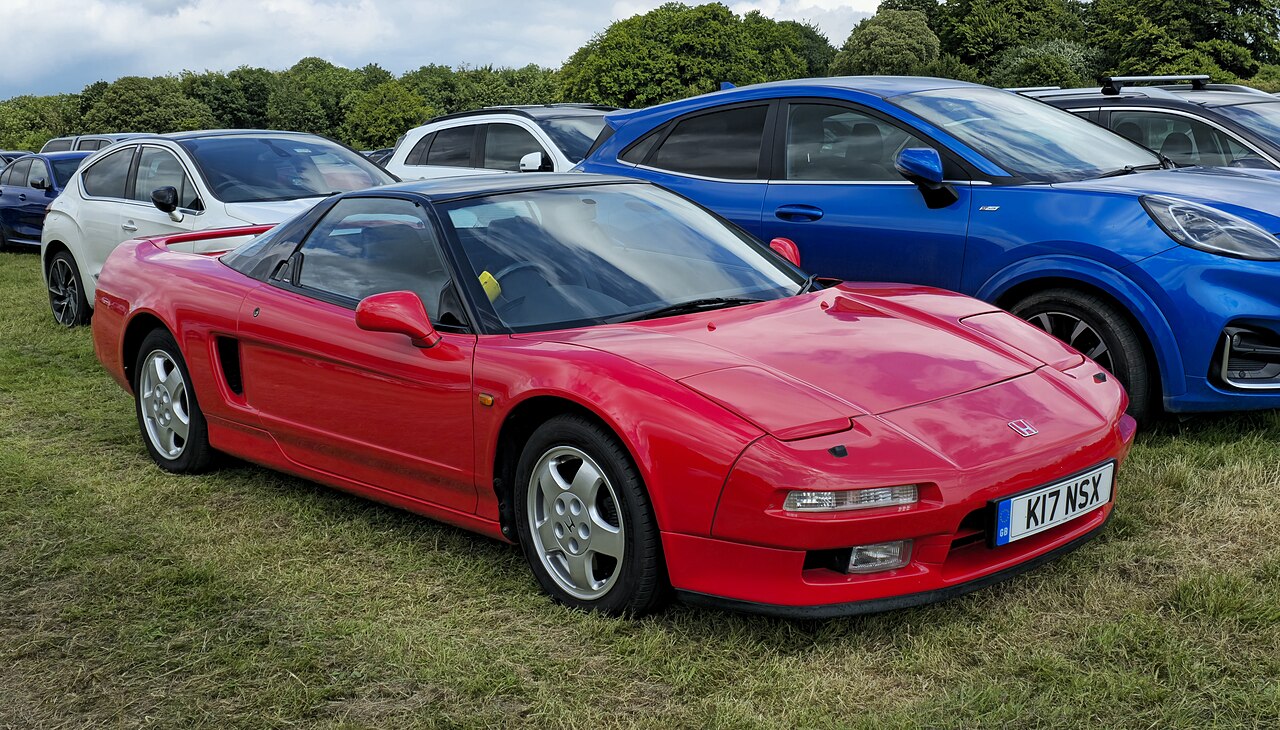 | NA1, introduced 1990 | 3.0-litre naturally aspirated V6 | Mid engine, rear-wheel drive |
| 02 |  | NA, introduced 1989 | Naturally aspirated four-cylinder | Front engine, rear-wheel drive |
| 03 | 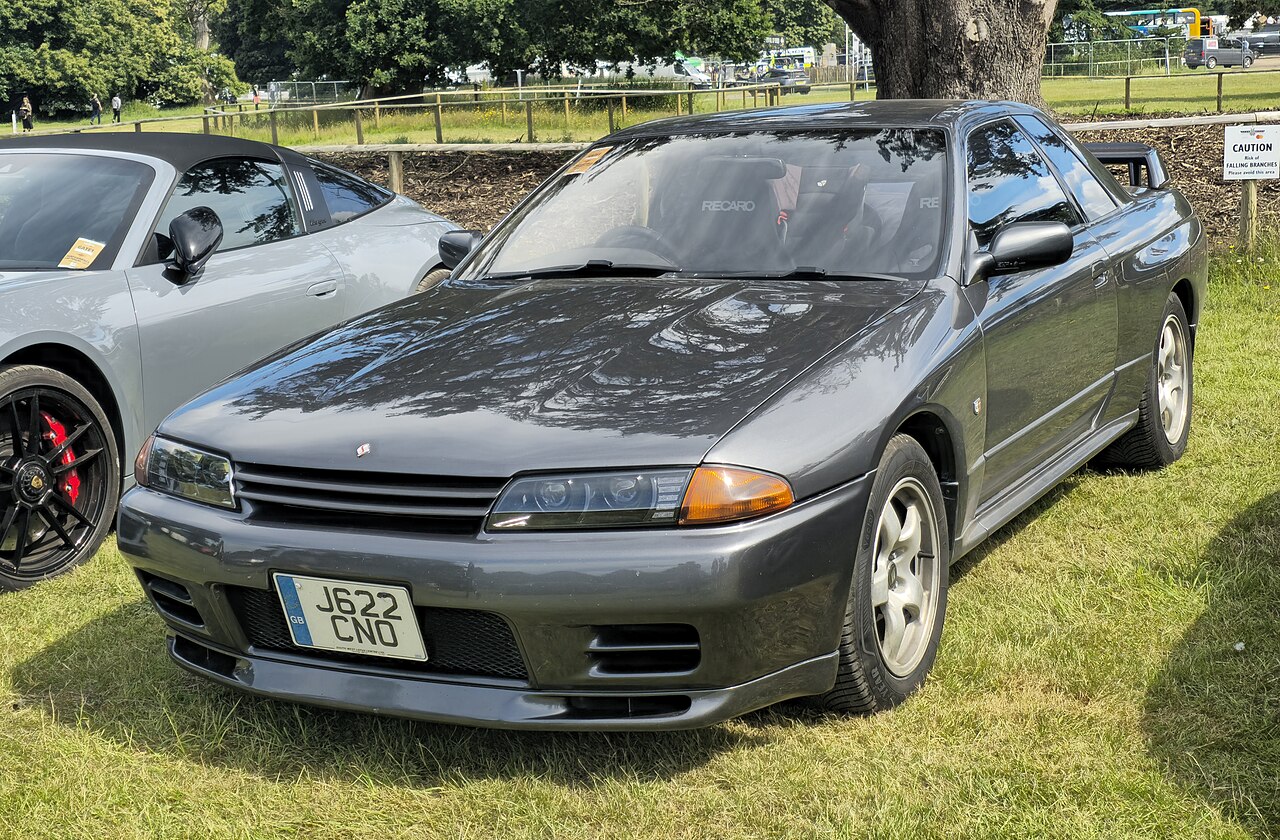 | R32, introduced 1989 | 2.6-litre twin-turbo straight-six | Front engine, four-wheel drive |
| 04 | 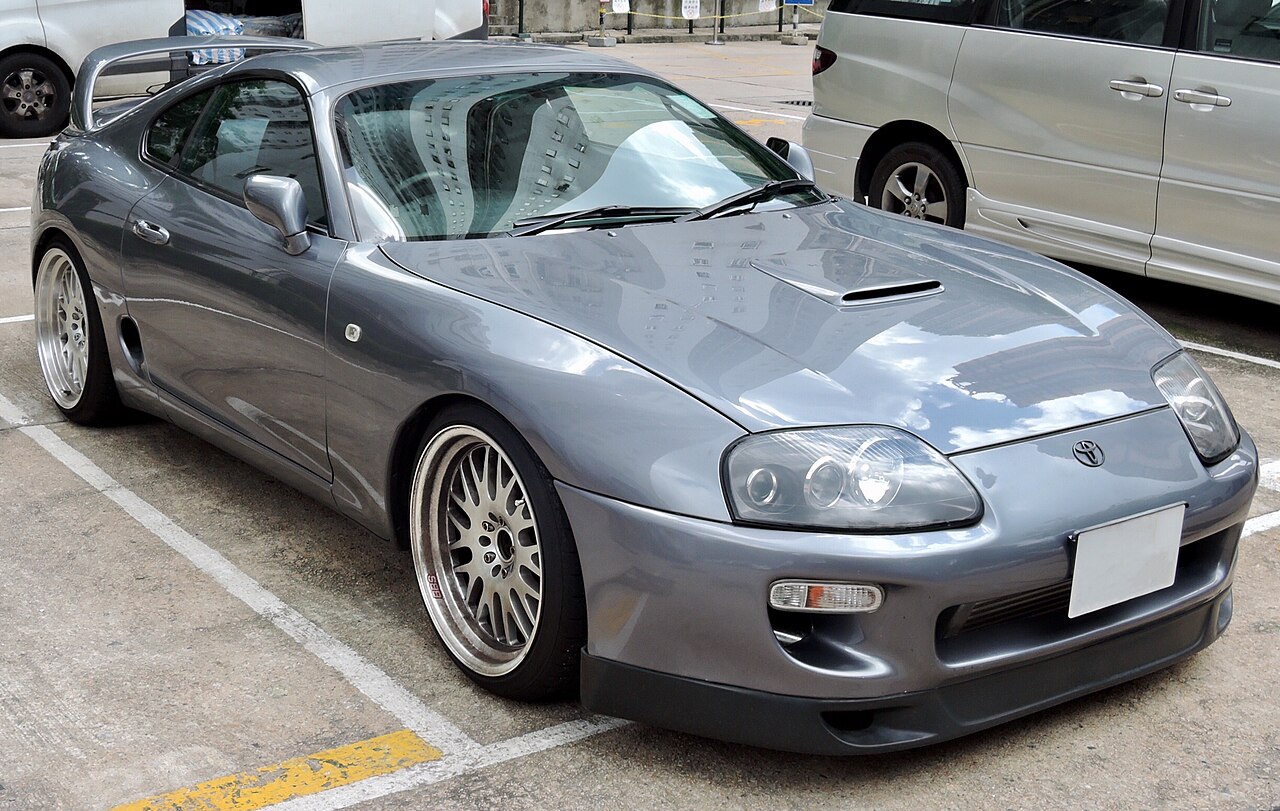 | A80, introduced 1993 | 3.0-litre 2JZ straight-six family | Front engine, rear-wheel drive |
| 05 | 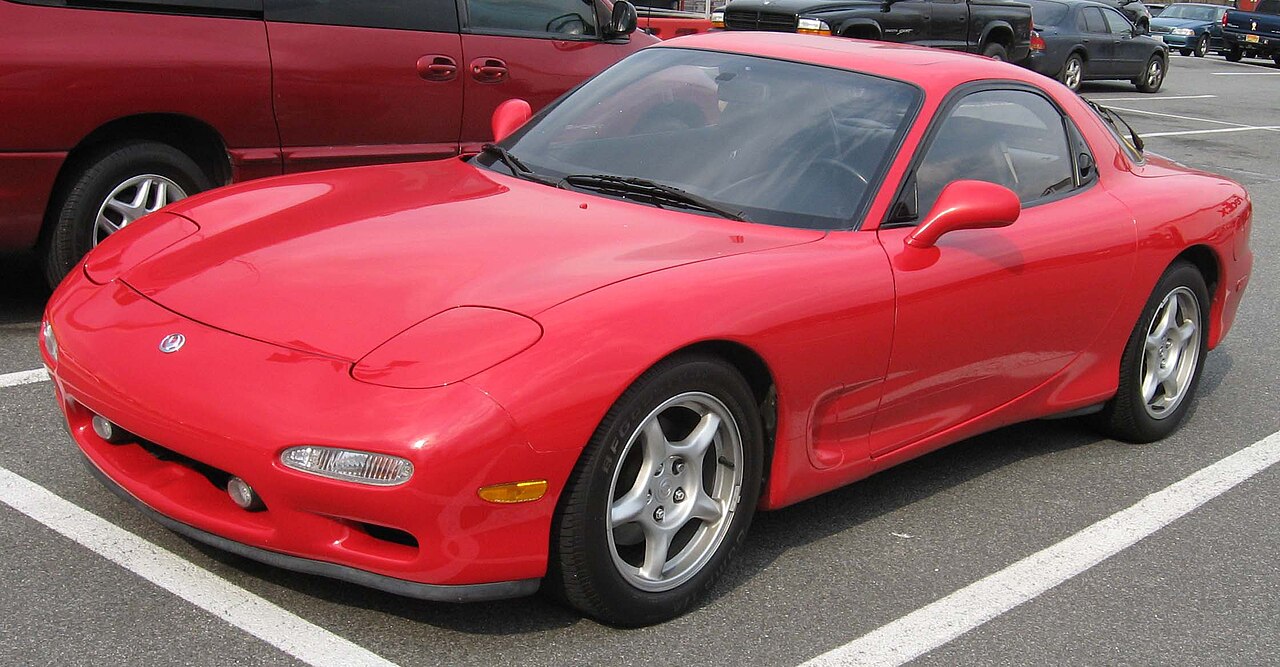 | FD, introduced 1991 | Twin-turbo rotary | Front engine, rear-wheel drive |
| 06 | 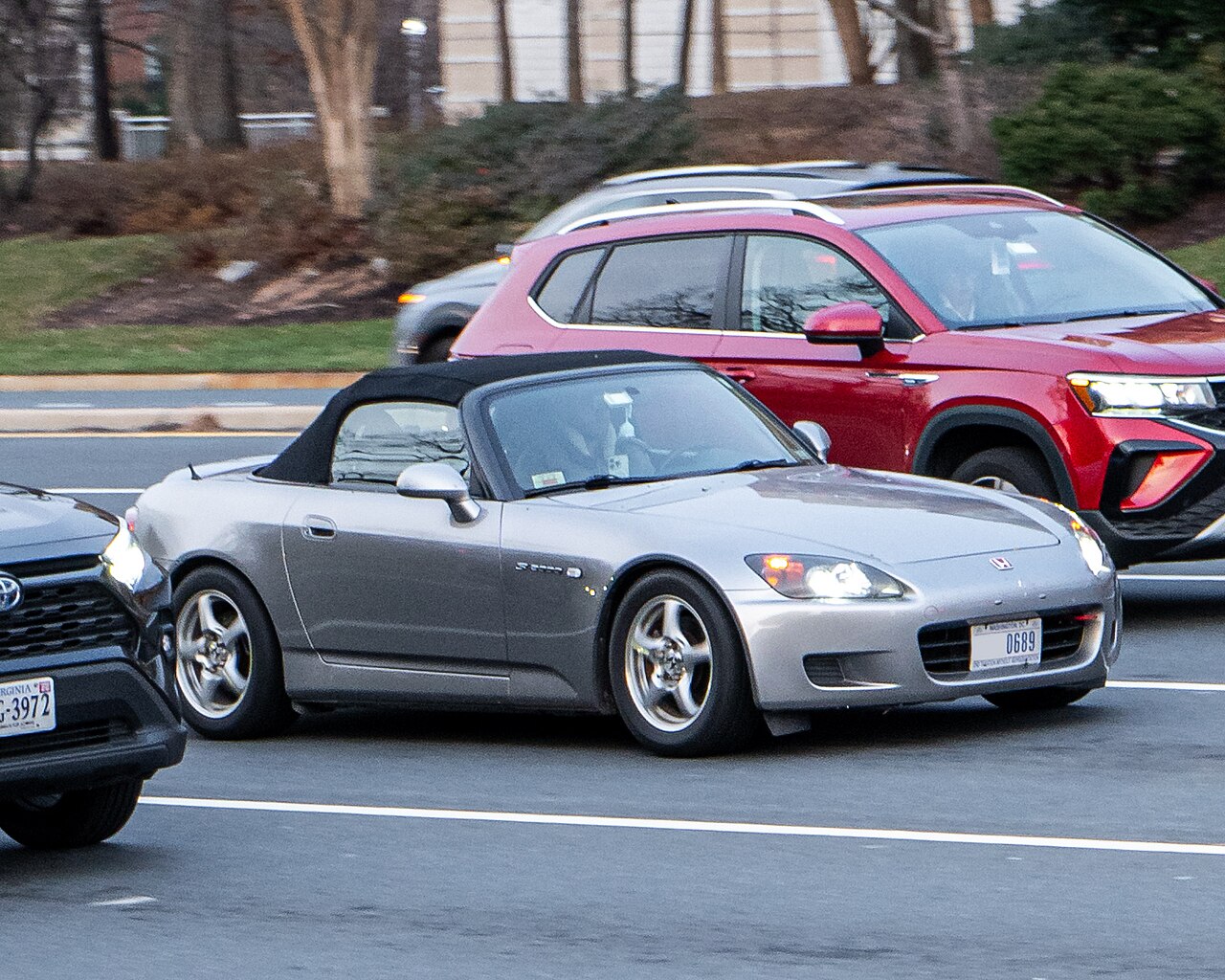 | AP1, introduced 1999 | 2.0-litre naturally aspirated four-cylinder | Front-mid engine, rear-wheel drive |
| 07 | 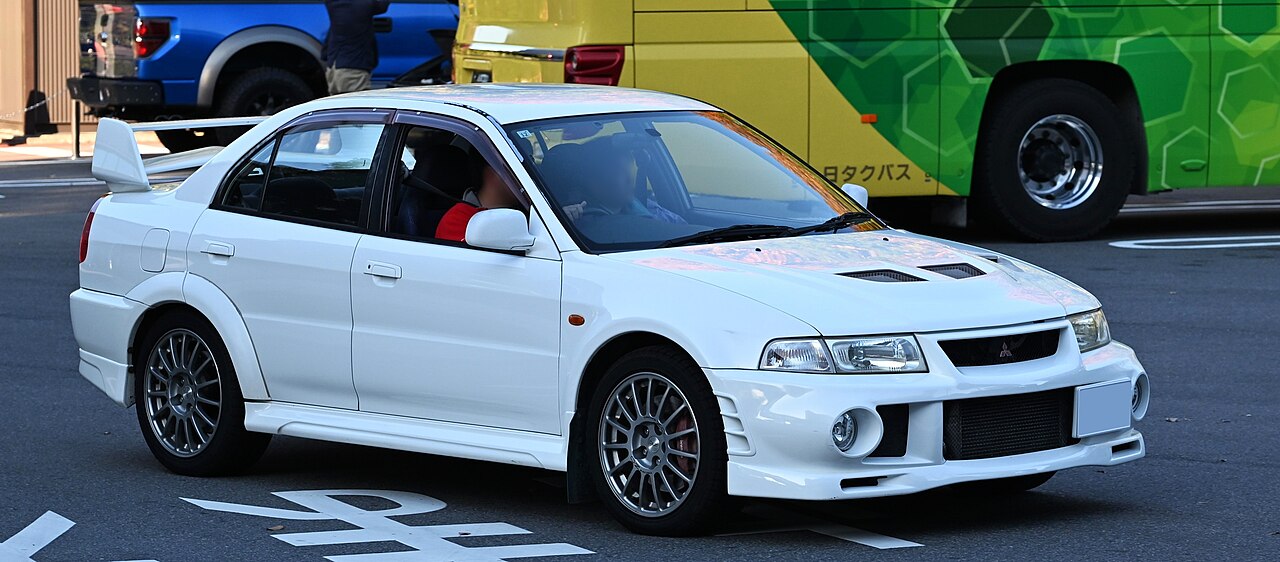 | Introduced 1999 | 2.0-litre turbocharged four-cylinder | Front engine, four-wheel drive |
| 08 | 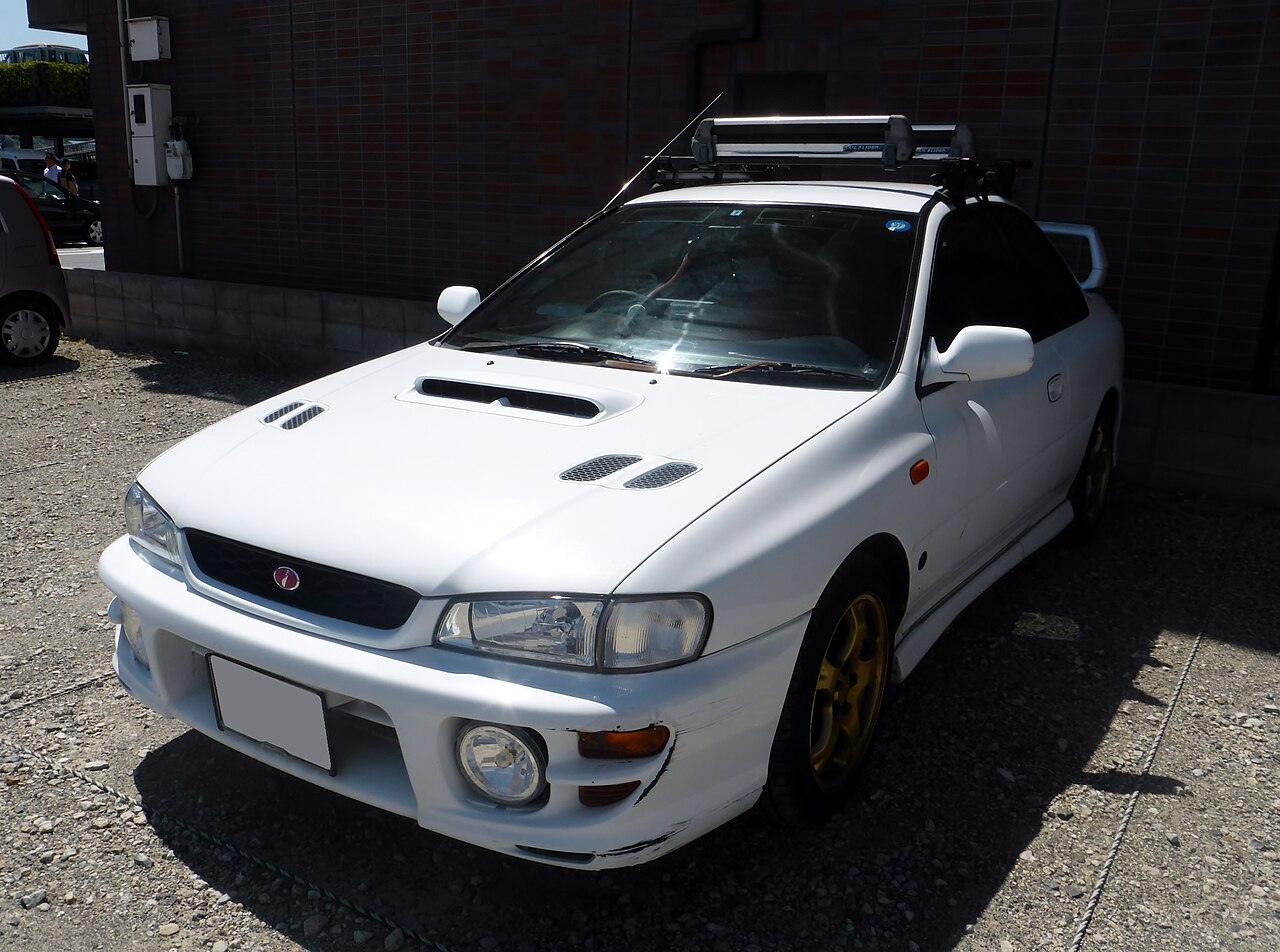 | GC8 two-door, introduced 1997 | 2.0-litre turbocharged boxer four | Front engine, four-wheel drive |
| 09 | 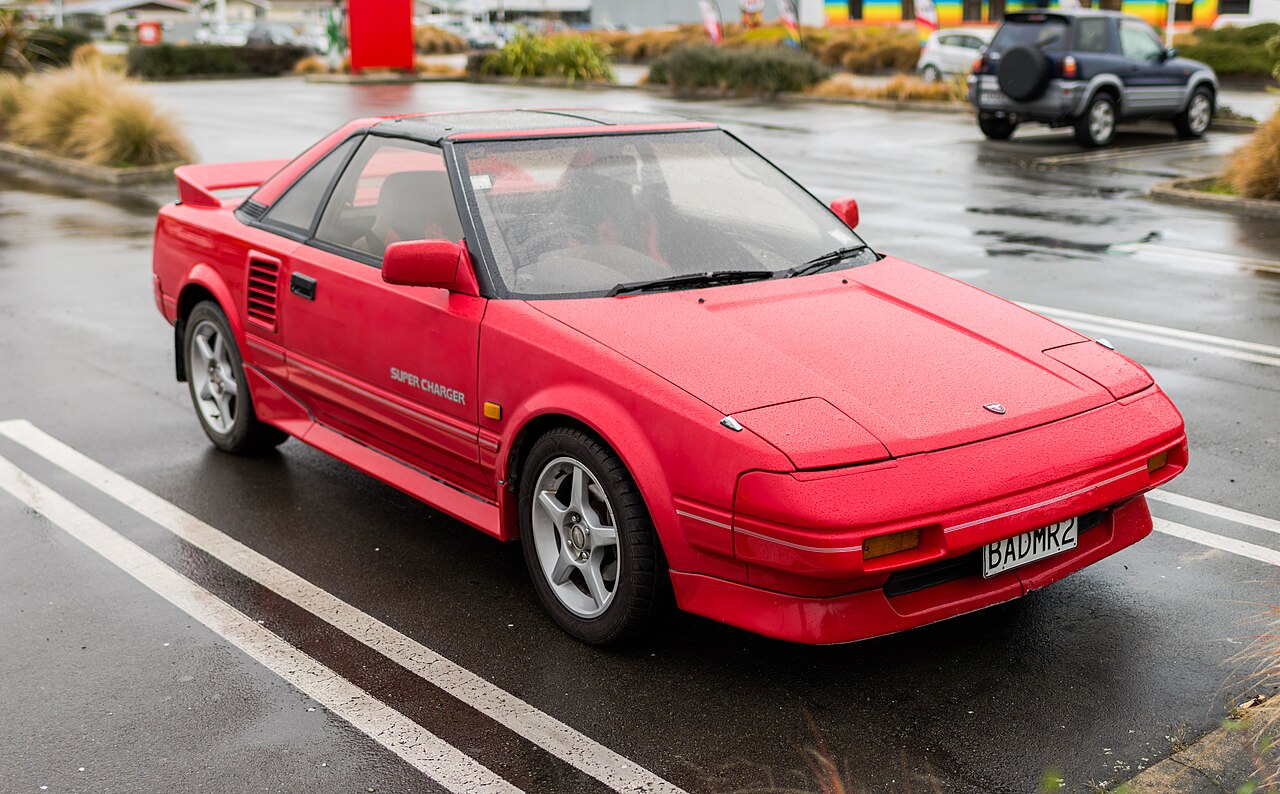 | AW11, introduced 1984 | 1.6-litre four-cylinder family | Mid engine, rear-wheel drive |
| 10 | 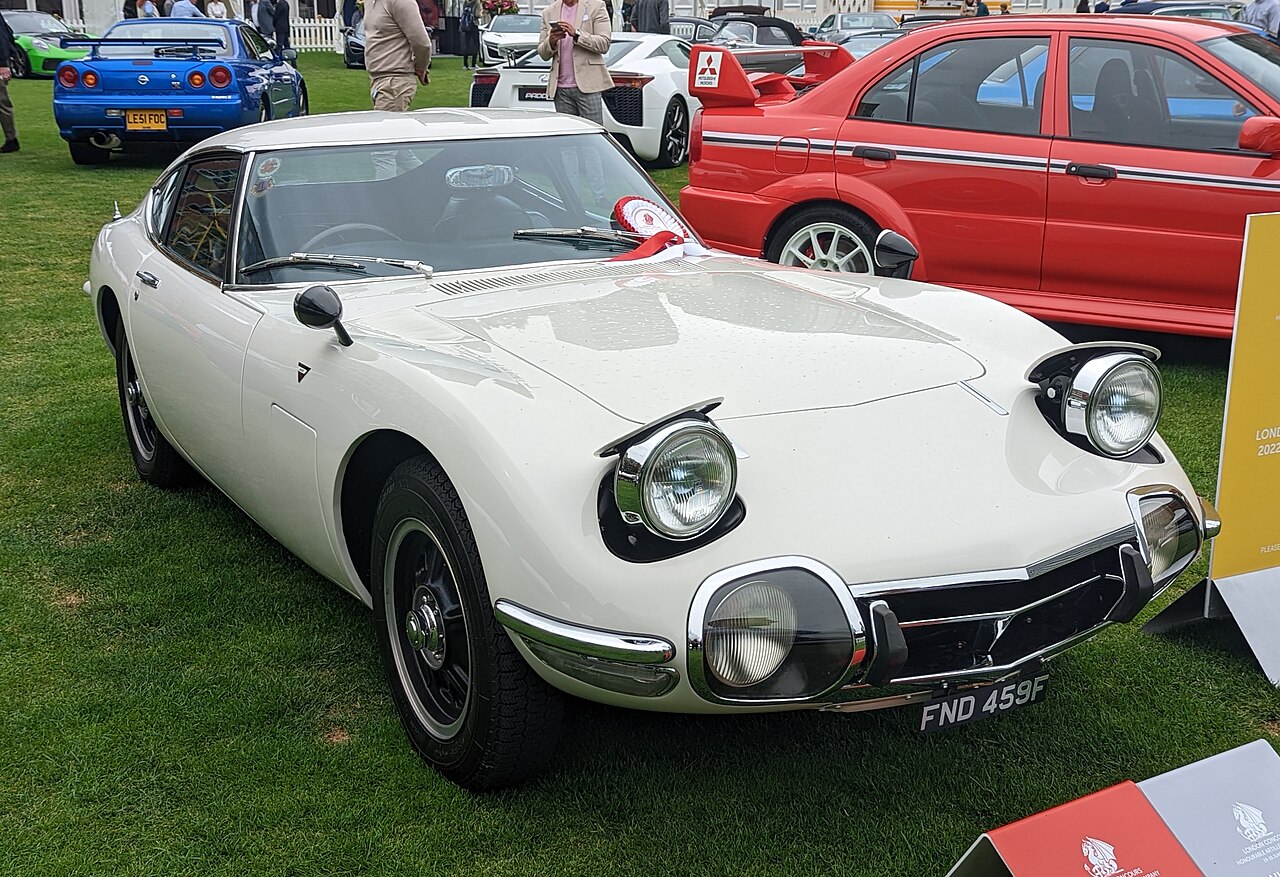 | Introduced 1967 | Twin-cam straight-six | Front engine, rear-wheel drive |
| 11 | 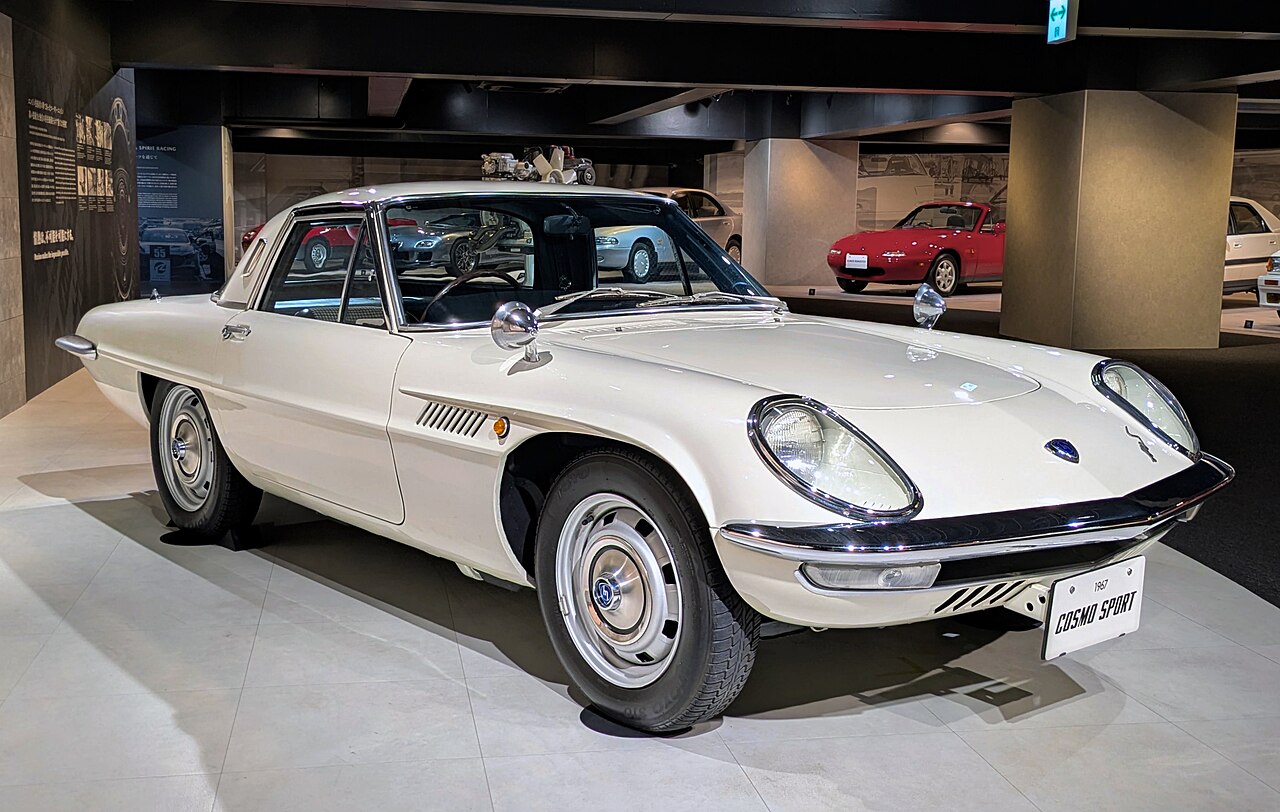 | L10A, introduced 1967 | Twin-rotor rotary | Front engine, rear-wheel drive |
| 12 | 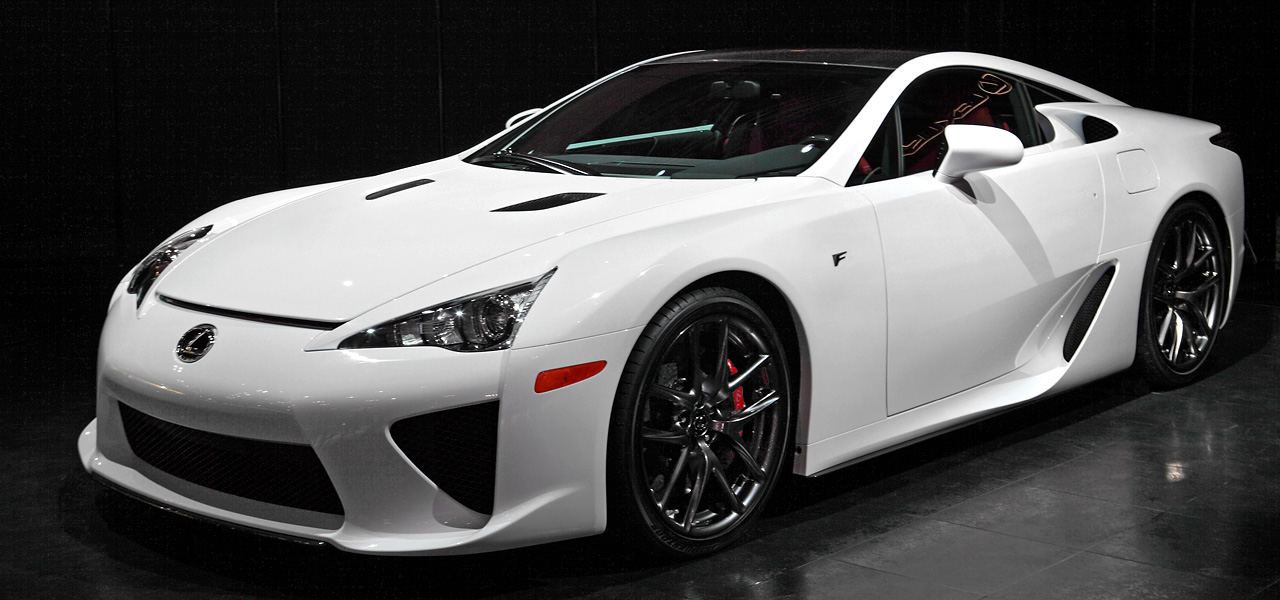 | Production began 2010 | 4.8-litre naturally aspirated V10 | Front-mid engine, rear-wheel drive |
| 13 | 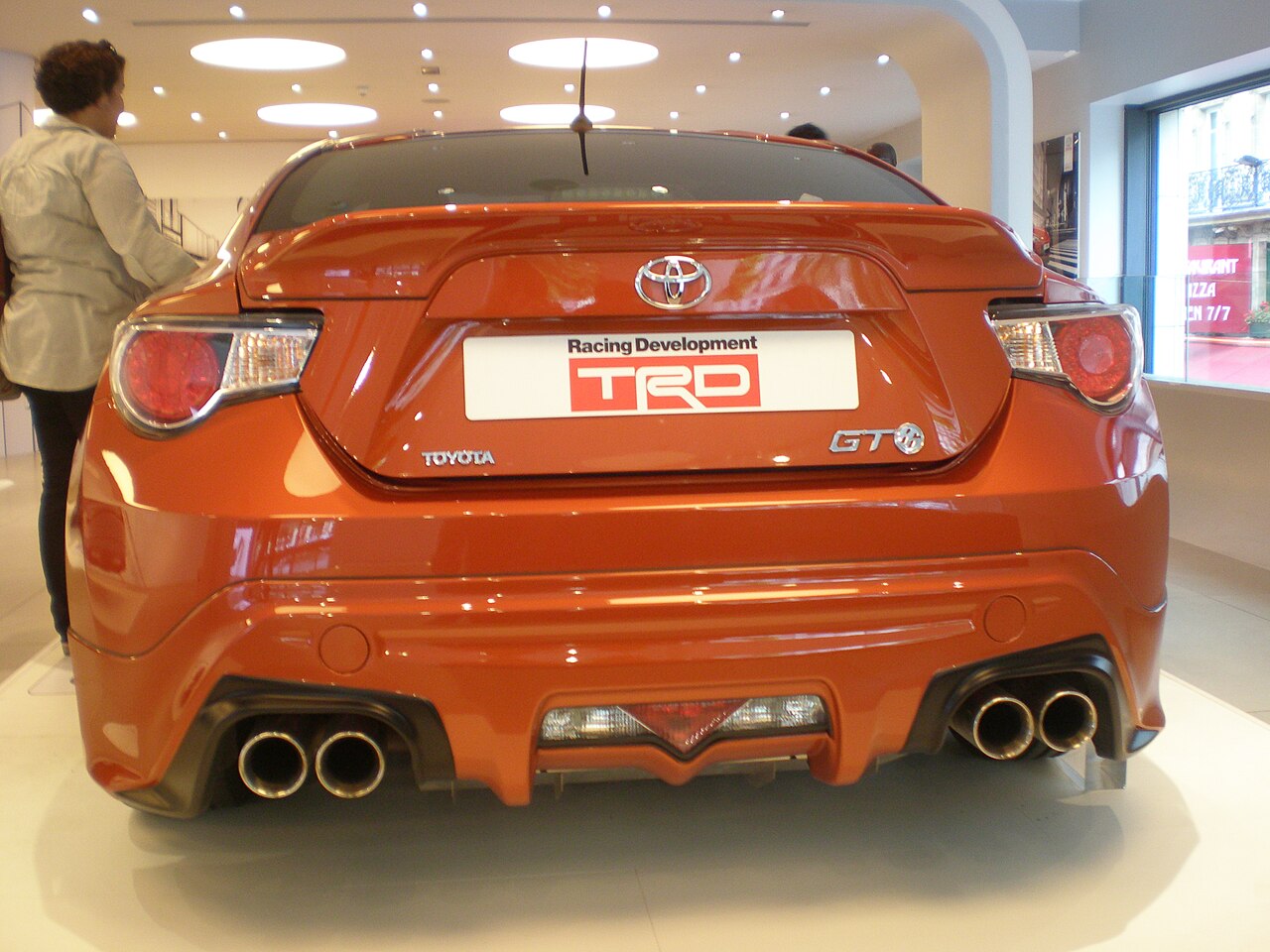 | First generation, 2012 | 2.0-litre naturally aspirated boxer four | Front engine, rear-wheel drive |
| 14 | 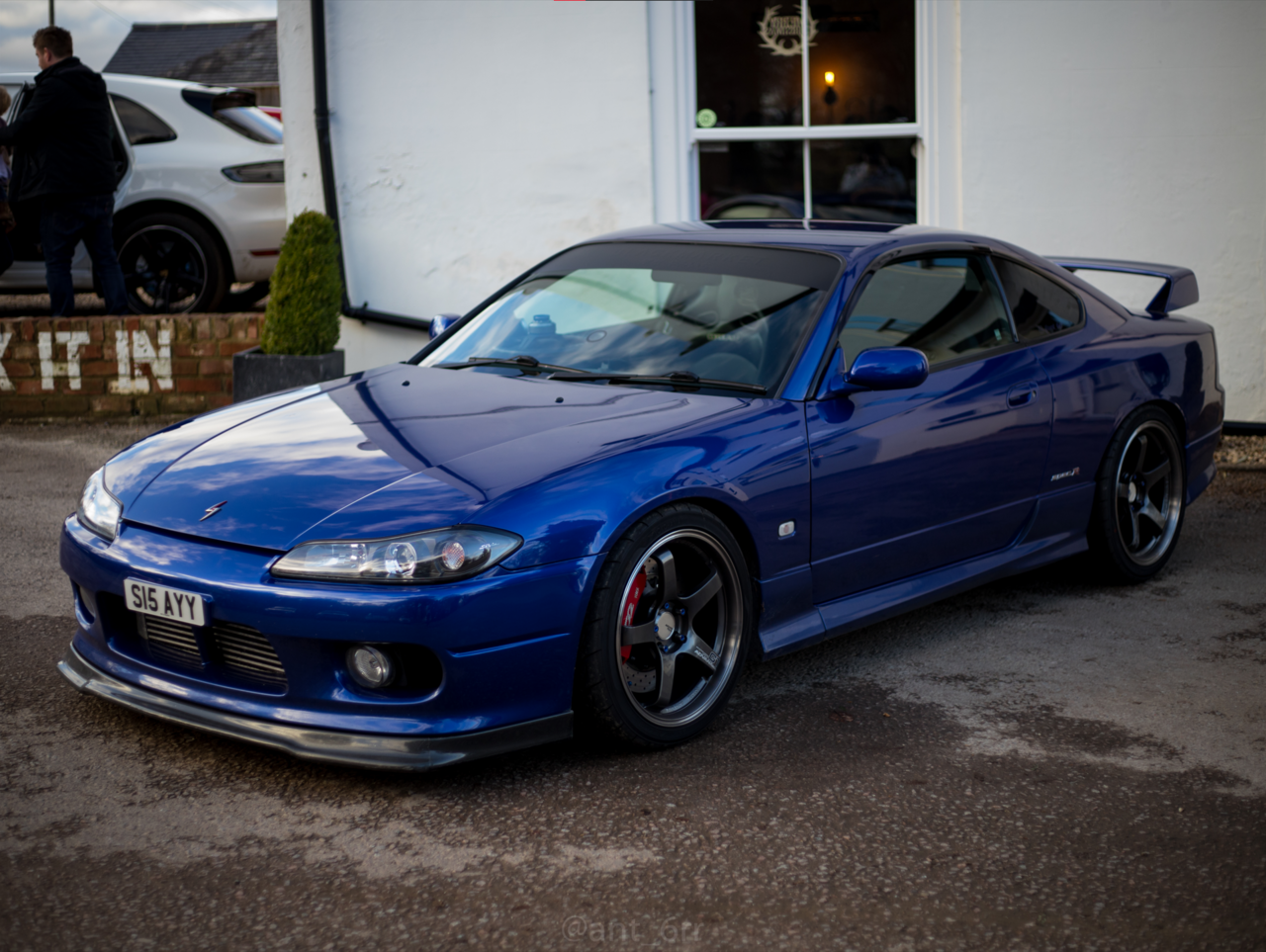 | S15, introduced 1999 | 2.0-litre turbocharged four-cylinder | Front engine, rear-wheel drive |
| 15 | 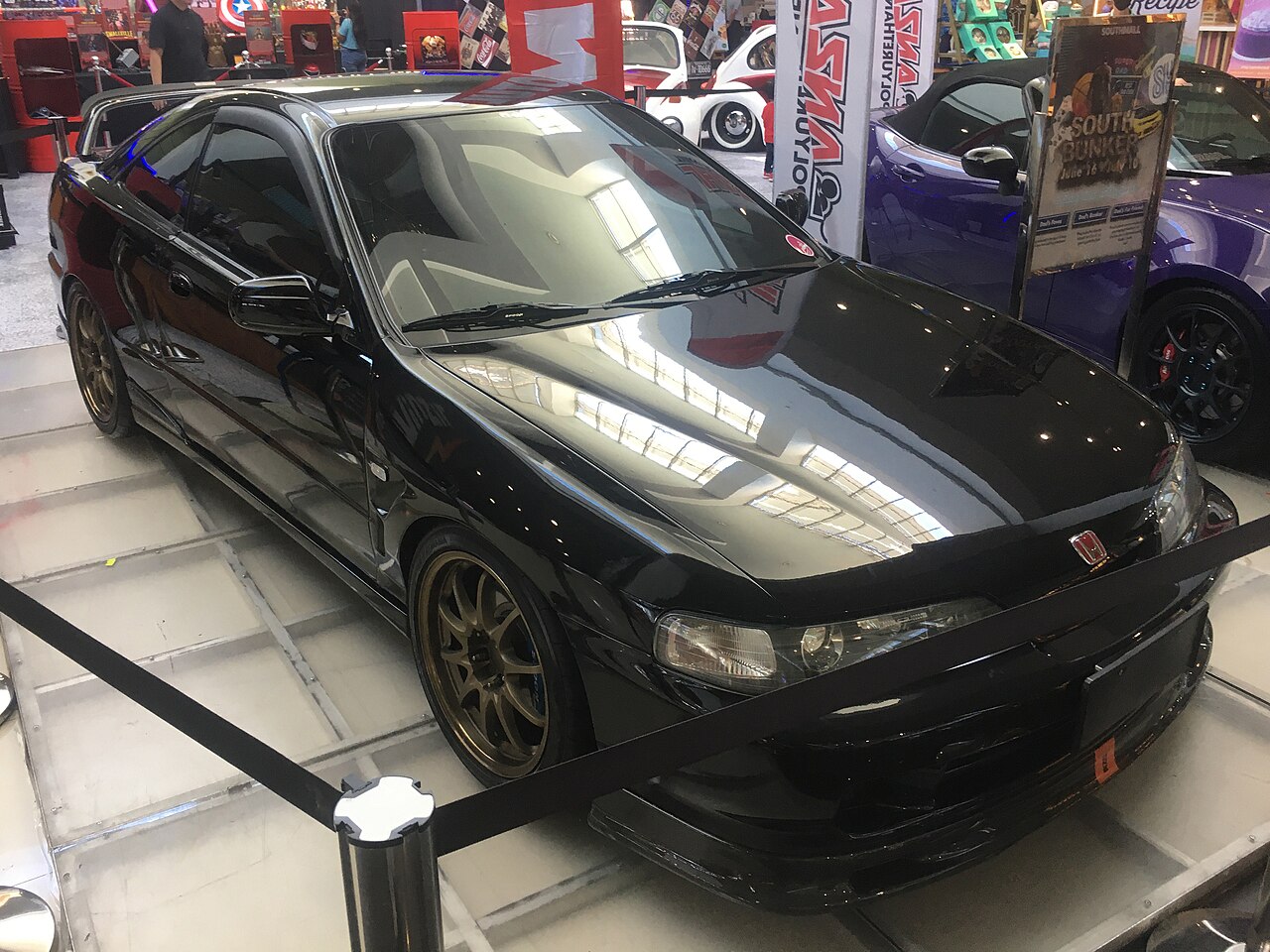 | DC2, introduced 1995 | 1.8-litre naturally aspirated VTEC four | Front engine, front-wheel drive |
No entries match your search.
15 of the Greatest Japanese Sports Cars Ever Made: Entry Details
Honda NSX
NA1, introduced 1990 · Usable mid-engine landmarkThe original NSX combines an aluminium structure with a mid-mounted V6. Its precise, coherent driving brief gives advanced construction a practical purpose rather than making complexity the attraction.
- Engine
- 3.0-litre naturally aspirated V6
- Layout
- Mid engine, rear-wheel drive
- Defining idea
- Aluminium sports-car structure
Mazda MX-5
NA, introduced 1989 · Lightweight roadster revivalA compact body, modest four-cylinder engine and rear-wheel drive renew the classic roadster formula. MX-5 ranks second for making a clear driver-focused idea broadly usable rather than technologically elaborate.
- Engine
- Naturally aspirated four-cylinder
- Layout
- Front engine, rear-wheel drive
- Defining idea
- Small, accessible open sports car
Nissan Skyline GT-R
R32, introduced 1989 · Technology-led performanceThe R32 combines a twin-turbo straight-six with electronically controlled four-wheel drive. Its integrated engine and traction technology gives it a stronger historical role than raw power alone would explain.
- Engine
- 2.6-litre twin-turbo straight-six
- Layout
- Front engine, four-wheel drive
- Defining idea
- ATTESA E-TS performance system
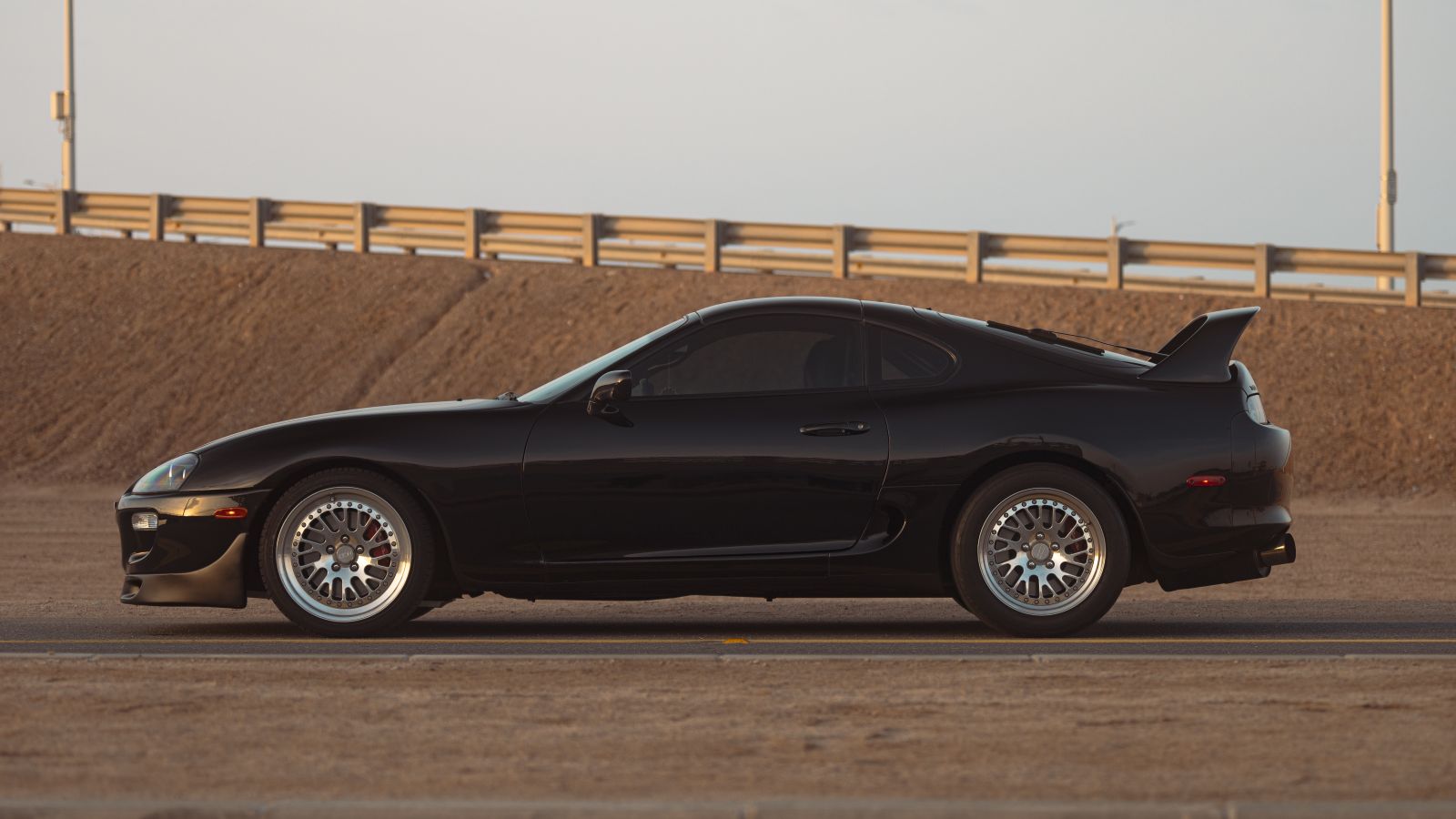
Toyota Supra
A80, introduced 1993 · Substantial straight-six coupeThe A80 develops the Supra into a substantial six-cylinder sports coupe. Its long-bonnet proportions and adaptable 2JZ engine family give it a lasting identity beyond any one tuned example.
- Engine
- 3.0-litre 2JZ straight-six family
- Layout
- Front engine, rear-wheel drive
- Defining idea
- Naturally aspirated and turbo coupe range
Mazda RX-7
FD, introduced 1991 · Compact rotary performanceThe FD pairs a compact rotary engine with a low, flowing coupe body. Its distinct engine architecture gives the design a mechanical identity that ordinary piston-engined rivals do not share.
- Engine
- Twin-turbo rotary
- Layout
- Front engine, rear-wheel drive
- Defining idea
- Compact rotary-powered coupe
Honda S2000
AP1, introduced 1999 · High-revving roadsterThe original S2000 combines a high-revving 2.0-litre engine with rear-wheel drive and an open body. Its character comes from precise controls and an engine that rewards committed use.
- Engine
- 2.0-litre naturally aspirated four-cylinder
- Layout
- Front-mid engine, rear-wheel drive
- Defining idea
- High-revving VTEC roadster
Mitsubishi Lancer Evolution VI
Introduced 1999 · Rally-derived tractionEvolution VI gives the compact saloon a turbocharged engine, four-wheel drive and an assertive chassis brief. Cooling and aerodynamic development connect its identity closely to Mitsubishi’s rally programme.
- Engine
- 2.0-litre turbocharged four-cylinder
- Layout
- Front engine, four-wheel drive
- Defining idea
- Rally-developed performance saloon
Subaru Impreza WRX STI Type R
GC8 two-door, introduced 1997 · Compact rally-related coupeThe Type R puts Subaru’s turbocharged boxer and four-wheel-drive performance into a two-door body. It earns its place as a distinct GC8 variant rather than borrowing the identity of the rarer 22B.
- Engine
- 2.0-litre turbocharged boxer four
- Layout
- Front engine, four-wheel drive
- Defining idea
- Two-door WRX STI performance body
Toyota MR2
AW11, introduced 1984 · Compact mid-engine alternativeThe AW11 places a four-cylinder engine behind the cabin within a small, angular body. Its appeal is the accessible mid-engine layout, with later supercharged versions adding a separate performance branch.
- Engine
- 1.6-litre four-cylinder family
- Layout
- Mid engine, rear-wheel drive
- Defining idea
- Small mid-engine production coupe
Toyota 2000GT
Introduced 1967 · Early Japanese flagshipThe 2000GT’s low body and twin-cam straight-six established a highly specialised Japanese sports-car proposition. Its historical importance rests on that complete flagship identity, not simply its rarity.
- Engine
- Twin-cam straight-six
- Layout
- Front engine, rear-wheel drive
- Defining idea
- Dedicated sports coupe developed with Yamaha
Mazda Cosmo Sport
L10A, introduced 1967 · Rotary foundationThe first Cosmo Sport makes Mazda’s rotary programme visible in a distinctive small coupe. Its role as the foundation of a long-running engineering identity gives it significance beyond its production scale.
- Engine
- Twin-rotor rotary
- Layout
- Front engine, rear-wheel drive
- Defining idea
- Mazda’s first rotary production sports car
Lexus LFA
Production began 2010 · Dedicated V10 flagshipA bespoke V10 and carbon-fibre construction give LFA an unusually focused engineering identity. Its highly specialised nature places it below more widely influential cars while preserving its status as a distinctive flagship.
- Engine
- 4.8-litre naturally aspirated V10
- Layout
- Front-mid engine, rear-wheel drive
- Defining idea
- Carbon-fibre supercar structure
Toyota GT86
First generation, 2012 · Balanced rear-drive coupeGT86 returns to a naturally aspirated engine and a compact rear-drive body. Its appeal comes from balance and an approachable driving brief rather than a race for headline engine output.
- Engine
- 2.0-litre naturally aspirated boxer four
- Layout
- Front engine, rear-wheel drive
- Defining idea
- Compact, balanced 2+2 coupe
Nissan Silvia Spec-R
S15, introduced 1999 · Compact turbo rear-drive coupeThe S15 Spec-R gives a compact coupe turbocharged performance and rear-wheel drive. Its straightforward layout makes it a distinct driver-focused alternative to the more elaborate Skyline GT-R.
- Engine
- 2.0-litre turbocharged four-cylinder
- Layout
- Front engine, rear-wheel drive
- Defining idea
- Compact turbo performance coupe
Honda Integra Type R
DC2, introduced 1995 · Front-drive chassis landmarkIntegra Type R applies weight reduction and focused chassis development to a front-wheel-drive coupe. It broadens the performance tradition beyond rear-drive bodies through a highly specific, coherent engineering brief.
- Engine
- 1.8-litre naturally aspirated VTEC four
- Layout
- Front engine, front-wheel drive
- Defining idea
- Reduced weight and focused chassis tuning
15 of the Greatest Japanese Sports Cars Ever Made: Analysis
NSX Joined Exotic Construction to a Usable Car
The original NSX combined an aluminium body structure with a mid-mounted V6 and careful chassis development. It leads because the engineering supports an unusually coherent complete car. The same focus on a precise driving response later appears in S2000 and Integra Type R, although those cars use very different layouts. Together they illustrate a performance strand within Honda.
MX-5 and MR2 Keep the Lightweight Brief Clear
The NA MX-5 restored the appeal of a small, rear-drive roadster with a simple mechanical layout. AW11 MR2 placed a four-cylinder engine behind the occupants in a compact coupe instead. Both show why sports-car character need not depend on a large engine. Mazda also pursued the rotary-powered RX-7, giving the marque two very different routes to a compact performance car.
Skyline, Evolution and WRX Use Driven-Axle Technology
R32 Skyline GT-R combines a twin-turbo straight-six with an electronically controlled four-wheel-drive system. Evolution VI and the GC8 WRX STI Type R apply turbocharged, four-wheel-drive performance to rally-related bodies. Their appeal comes from traction and the way the chassis supports the engine. The R32 is a particularly important step in Nissan’s history of technology-led performance.
Supra, LFA and the Earlier Flagships Broaden the Tradition
A80 Supra represents the substantial straight-six coupe, while LFA takes a dedicated V10 and carbon-fibre construction into a much rarer flagship. Earlier 2000GT and Cosmo Sport establish the historical foundations. GT86 returns to a smaller, naturally aspirated rear-drive brief. The range shows how Toyota and its Lexus marque developed both accessible driver involvement and highly specialised engineering.
Our verdict
Our verdict
NSX is the strongest complete engineering landmark, MX-5 the clearest lightweight roadster and R32 GT-R the most influential technology-led alternative. RX-7 and Integra Type R show why a distinctive engine or drivetrain brief can matter as much as prestige.
Strengths
- Specific generations and variants identified
- Different performance layouts explained
- Influence considered alongside engineering
Things to consider
- Roadsters, rally-derived cars and a front-drive coupe have different briefs
- Driving character is an editorial assessment
FAQ: 15 of the Greatest Japanese Sports Cars Ever Made
Which Japanese sports car ranks first?
The original NSX leads for combining advanced aluminium construction with a usable, coherent mid-engine sports-car brief. The first MX-5 is the lightweight alternative, while R32 GT-R leads the technology-focused group.
What makes the first MX-5 important?
It renewed the small rear-drive roadster around a modest engine, compact dimensions and a clear driving purpose. Its influence comes from making that formula broadly usable rather than chasing maximum power.
Does the Supra entry cover only the Turbo?
No. It covers the A80 generation, which included naturally aspirated and turbocharged 2JZ straight-six versions. The exterior photograph is not used to infer the pictured car’s engine.
Is the selected Subaru a 22B?
No. The entry is the GC8 WRX STI Type R two-door. The 22B is a separate variant with a different identity and should not be substituted for the ordinary Type R.
How does RX-7 differ from a conventional sports coupe?
The FD uses a compact twin-turbo rotary engine rather than an ordinary reciprocating piston engine. That architecture is central to its mechanical identity and connects it with Mazda’s earlier Cosmo Sport.
Why include a front-wheel-drive Integra Type R?
Its weight reduction, engine character and focused chassis development make it an important Japanese performance coupe. It earns inclusion through that driving brief, even though its layout differs from the rear-drive sports cars.
Sources & methodology
Manufacturer histories, original introductions and heritage vehicle records identify fifteen specific generations or variants. Editorial order weighs engineering identity, driving purpose and historical influence, with rally-derived and front-drive performance coupes included explicitly.
Maintained by Artsiom Dusau, a software engineer and BMW 4 Series owner. Editorial policy
View sources (17)
- Honda original NSX development history
- Mazda original MX-5 tenth-anniversary history
- Nissan heritage collection R32 GT-R
- Toyota Supra model history
- Mazda FD RX-7 production history
- Honda original S2000 introduction
- Mitsubishi Lancer Evolution official history
- Subaru original WRX STI Type R release
- Toyota MR2 model history
- Toyota 2000GT development history
- Mazda Cosmo Sport fortieth anniversary
- Lexus original LFA press information
- Lexus LFA development and production timeline
- Toyota original GT86 launch-year account
- Nissan original S15 Silvia introduction
- Honda Integra Type R development history
- Honda original 1998 Integra Type R specification