
Short answer
Lewis Hamilton ranks first for combining seven championships with sustained front-running performance across different Formula 1 eras. Michael Schumacher is the closest alternative for his Ferrari peak, while Juan Manuel Fangio has the strongest case from the sport’s earliest decade.
- Completed-season cutoff
- End of 2025
- Joint title leaders here
- Hamilton and Schumacher, seven each
- Comparison
- Career achievement and era-defining performance
10 Best Formula 1 Drivers of All Time at a Glance
| Rank | Driver | World titles | Defining strength |
|---|---|---|---|
| 01 | 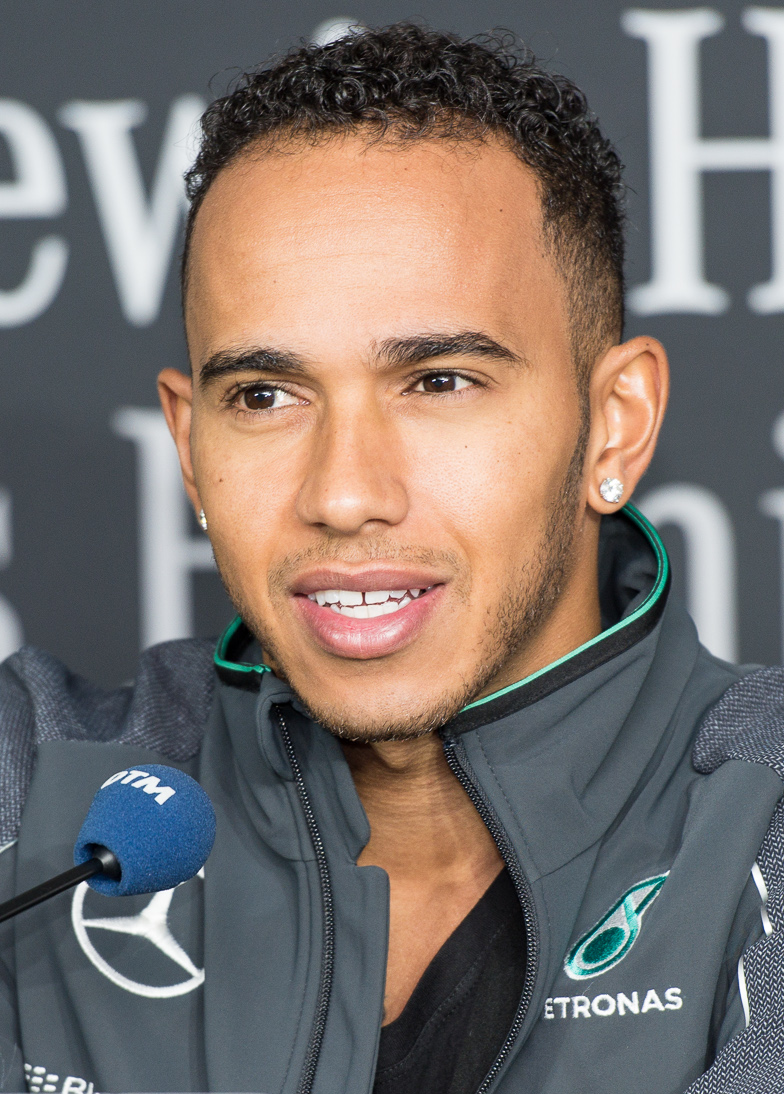 | 7 through 2025 | Sustained performance across eras |
| 02 | 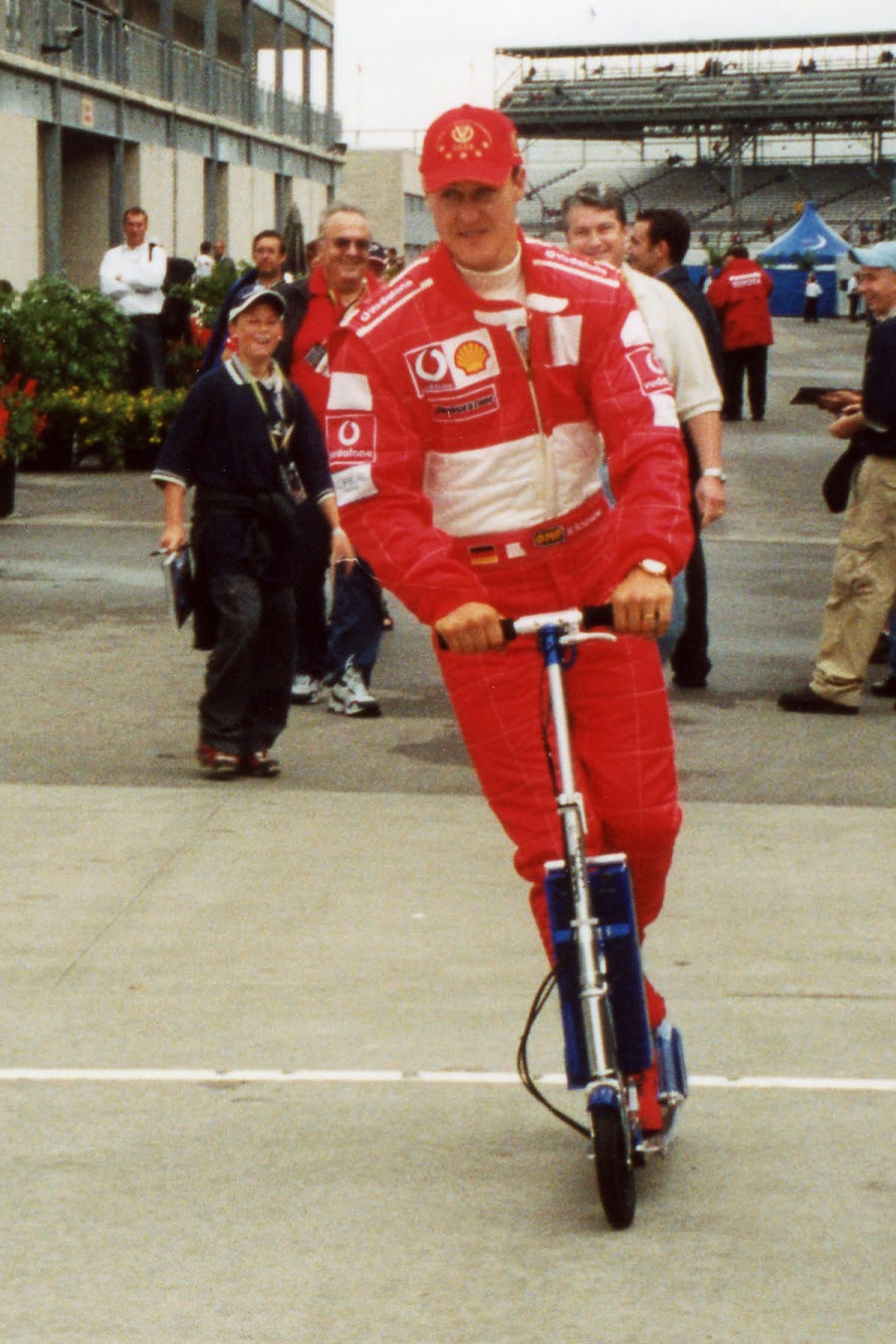 | 7 | Sustained peak and team development |
| 03 | 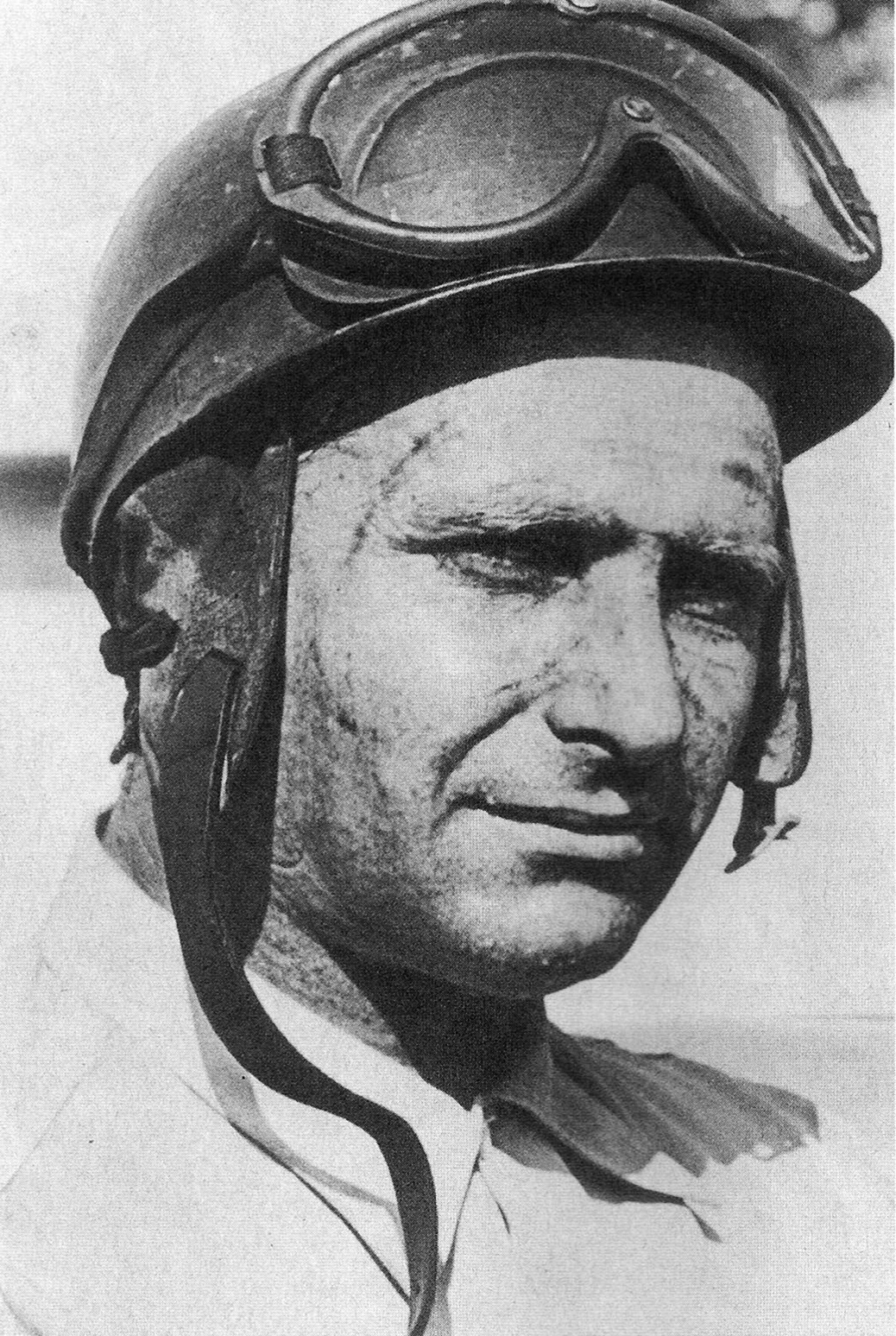 | 5 | Adaptability across leading teams |
| 04 | 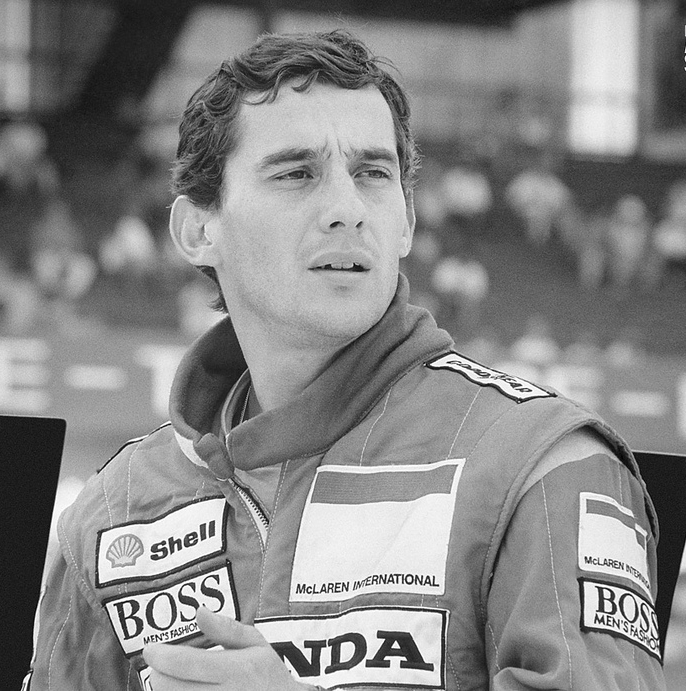 | 3 | Qualifying and difficult-condition pace |
| 05 | 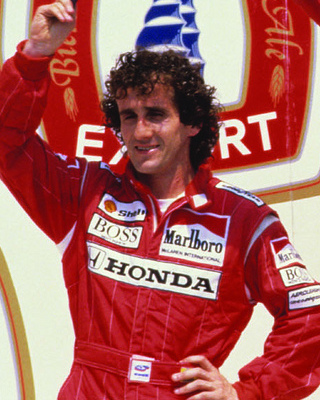 | 4 | Race and championship management |
| 06 | 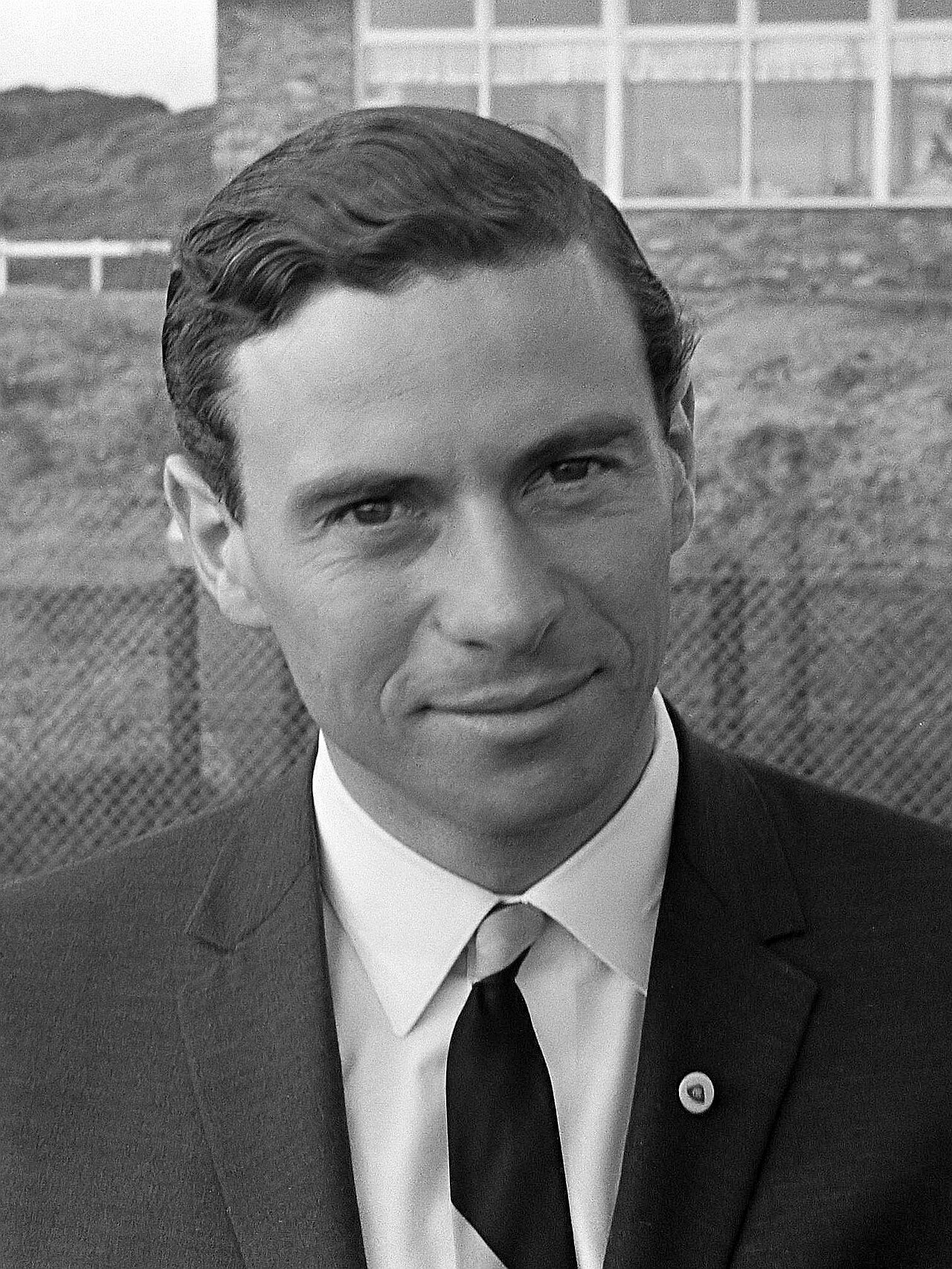 | 2 | Precision and racing versatility |
| 07 | 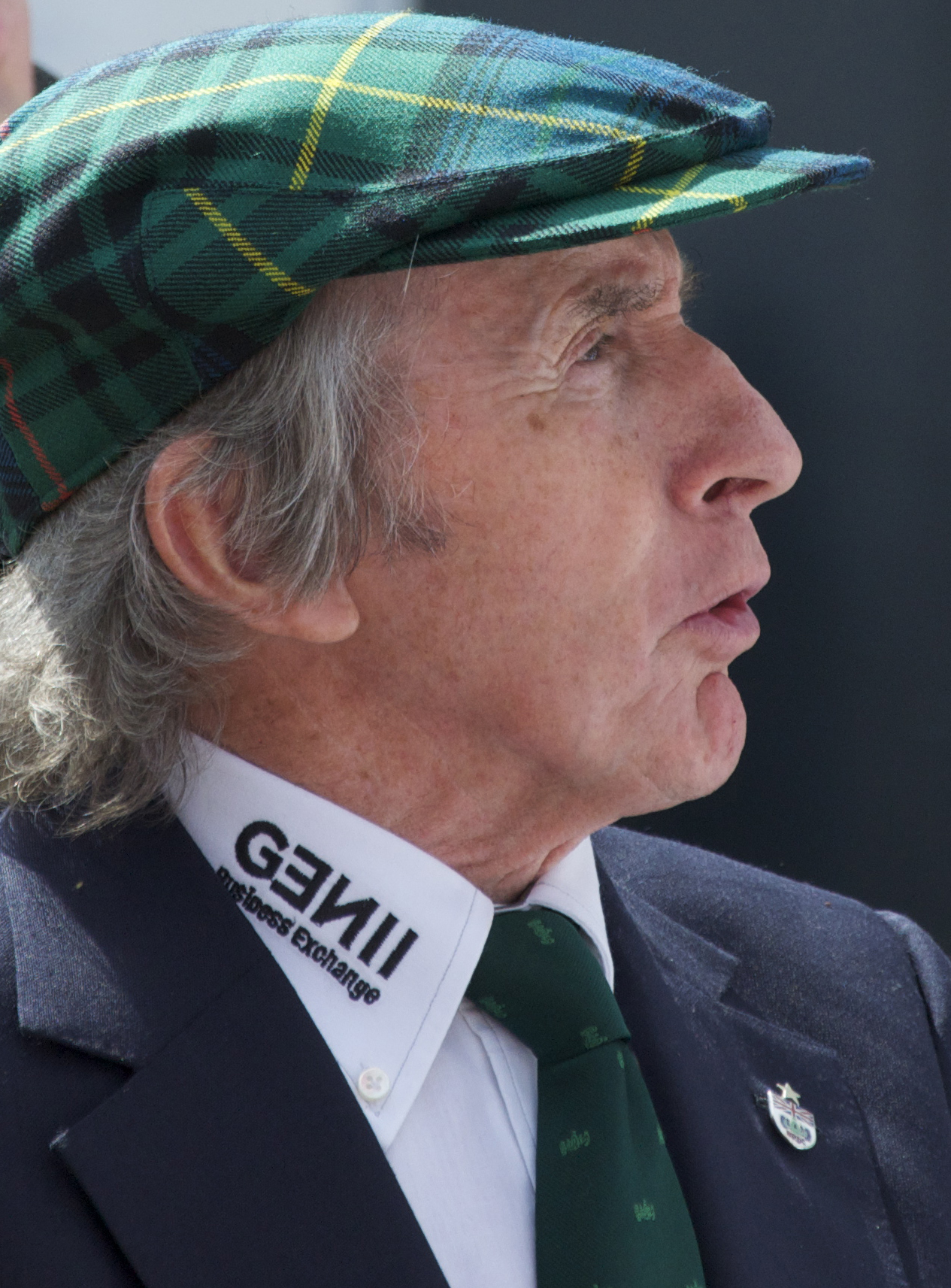 | 3 | Precision and lasting safety influence |
| 08 | 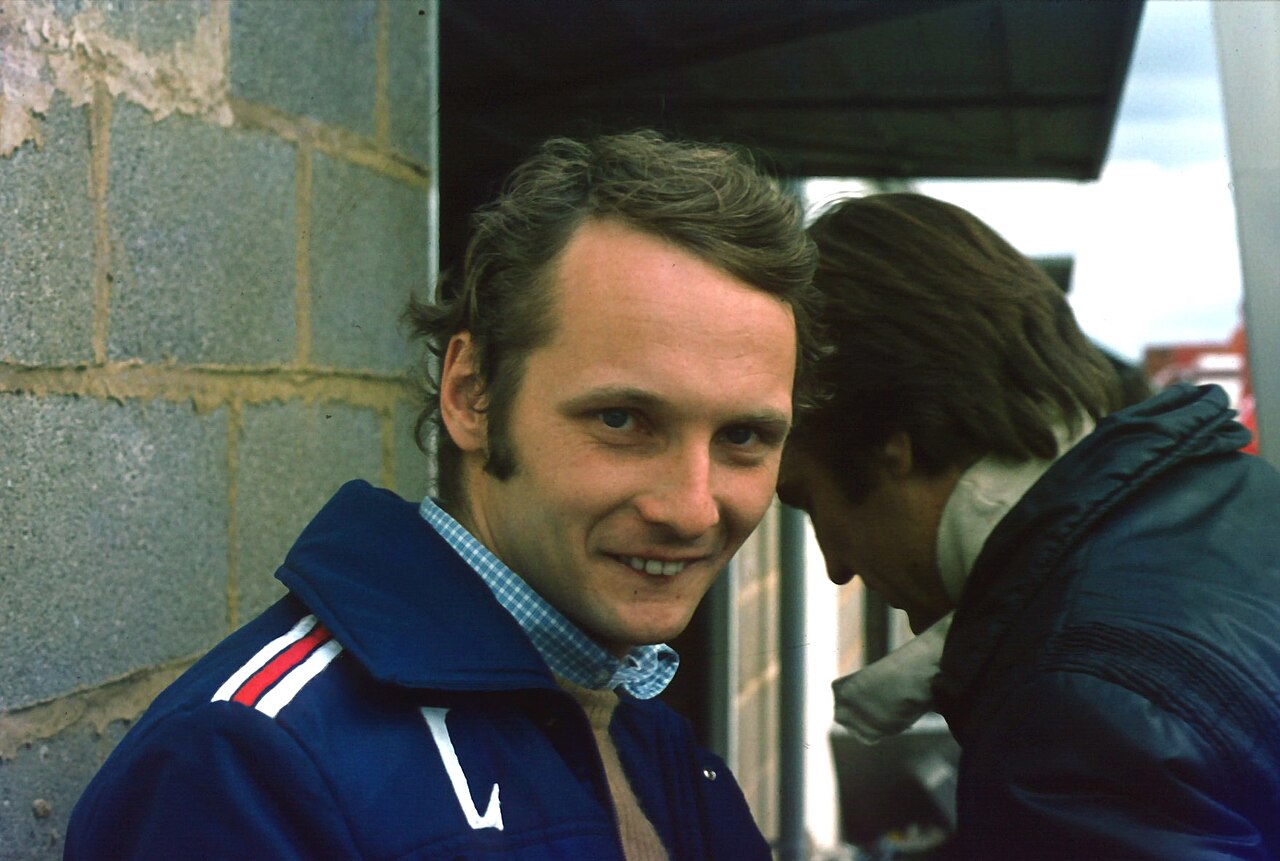 | 3 | Technical judgement and renewed peak |
| 09 | 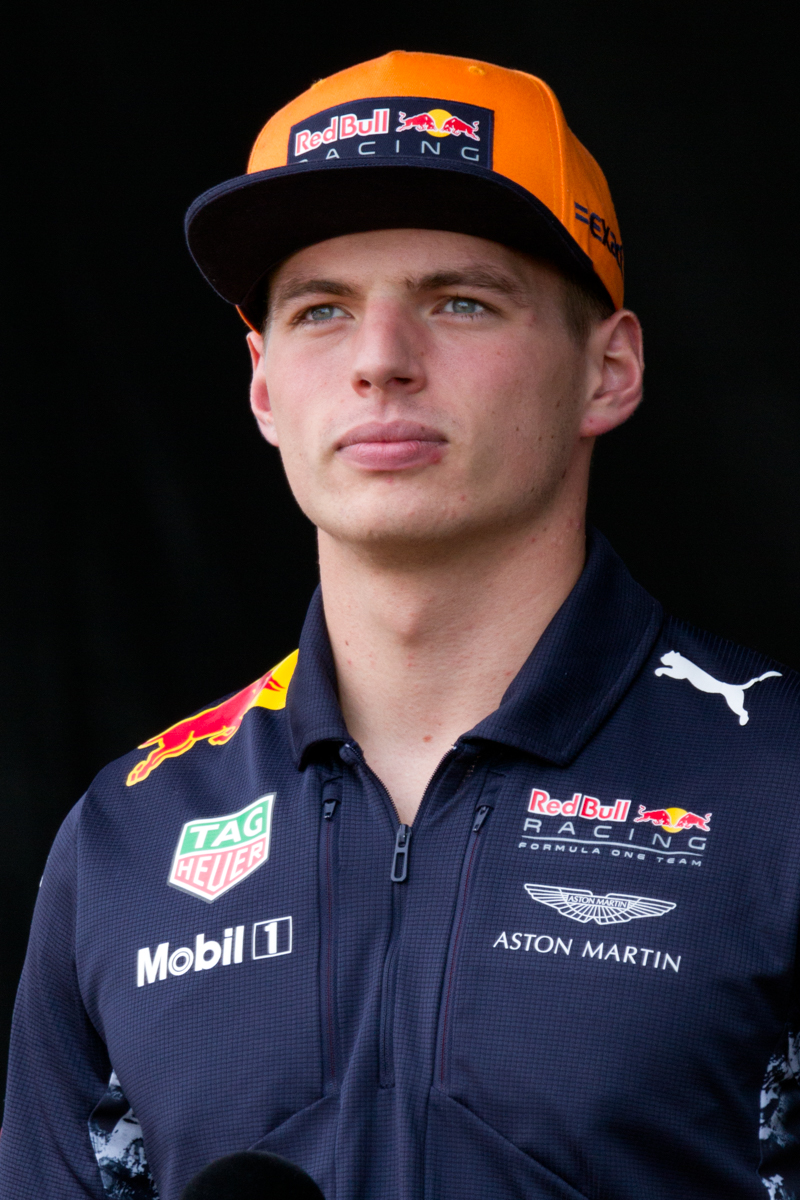 | 4 through 2025 | Sustained modern peak |
| 10 | 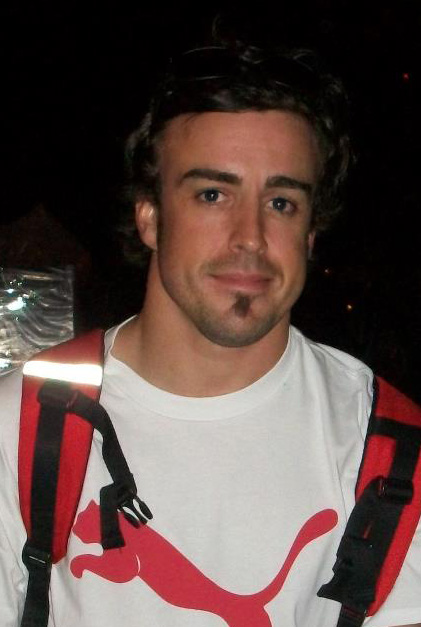 | 2 through 2025 | Adaptability and long competitive career |
No entries match your search.
10 Best Formula 1 Drivers of All Time: Entry Details
Lewis Hamilton
Titles 2008, 2014–2015, 2017–2020 · 7 championshipsHamilton combines an early McLaren title with prolonged Mercedes success across changing regulations. His sustained front-running level and breadth of achievement give him the strongest complete career case.
- Championships
- 7 through 2025
- Title-winning teams
- McLaren and Mercedes
- Defining strength
- Sustained performance across eras
Michael Schumacher
Titles 1994–1995, 2000–2004 · 7 championshipsSchumacher’s early Benetton success developed into a defining Ferrari period. Five consecutive Ferrari championships make team-building, relentless pace and repeatable performance central to his case.
- Championships
- 7
- Title-winning teams
- Benetton and Ferrari
- Defining strength
- Sustained peak and team development
Juan Manuel Fangio
Titles 1951, 1954–1957 · 5 championshipsFangio won titles across four manufacturers in Formula 1’s earliest decade. That breadth, combined with his judgement and pace, gives him the strongest early-era claim.
- Championships
- 5
- Title-winning teams
- Alfa Romeo, Mercedes, Ferrari and Maserati
- Defining strength
- Adaptability across leading teams
Ayrton Senna
Titles 1988, 1990–1991 · 3 championshipsSenna’s qualifying speed and performances in difficult conditions give his peak unusual force. The rivalry with Prost places those strengths against one of the most demanding contemporary benchmarks.
- Championships
- 3
- Title-winning team
- McLaren
- Defining strength
- Qualifying and difficult-condition pace
Alain Prost
Titles 1985–1986, 1989, 1993 · 4 championshipsProst combined front-running pace with calculated race and championship management. His success with McLaren and Williams shows how that approach could convert different opportunities into titles.
- Championships
- 4
- Title-winning teams
- McLaren and Williams
- Defining strength
- Race and championship management
Jim Clark
Titles 1963, 1965 · 2 championshipsClark’s smooth precision and versatility give his career significance beyond two titles. His Indianapolis success strengthens the picture of a driver whose ability travelled across different forms of racing.
- Championships
- 2
- Title-winning team
- Lotus
- Defining strength
- Precision and racing versatility
Jackie Stewart
Titles 1969, 1971, 1973 · 3 championshipsStewart paired precise driving with three championship seasons. His sustained work on driver safety also changed the profession in a way that competitive statistics cannot capture.
- Championships
- 3
- Title-winning teams
- Matra and Tyrrell
- Defining strength
- Precision and lasting safety influence
Niki Lauda
Titles 1975, 1977, 1984 · 3 championshipsLauda’s technical judgement and championship success with Ferrari and McLaren make him more than a comeback story. Returning to title-winning form in a later career phase adds depth to that case.
- Championships
- 3
- Title-winning teams
- Ferrari and McLaren
- Defining strength
- Technical judgement and renewed peak
Max Verstappen
Titles 2021–2024 · 4 championshipsFour consecutive titles establish an exceptional modern peak. Verstappen’s decisive race craft and ability to sustain performance place him among the greats while his longer historical legacy continues to develop.
- Championships
- 4 through 2025
- Title-winning team
- Red Bull Racing
- Defining strength
- Sustained modern peak
Fernando Alonso
Titles 2005–2006 · 2 championshipsAlonso’s Renault titles establish his championship peak, while his longer career demonstrates adaptability. His place rests on the breadth of his competitive driving as well as those two winning seasons.
- Championships
- 2 through 2025
- Title-winning team
- Renault
- Defining strength
- Adaptability and long competitive career
10 Best Formula 1 Drivers of All Time: Analysis
Hamilton and Schumacher Combined Peak and Duration
Hamilton’s championships with McLaren and Mercedes connect an early competitive peak with a prolonged period at the front. Schumacher’s Benetton titles preceded five consecutive championships with Ferrari, making his contribution to that team’s sustained success central to his case. Both benefited from strong teams and cars, but also converted those opportunities into repeated championship seasons.
Fangio and Clark Set Standards in Shorter Calendars
Fangio won championships with Alfa Romeo, Mercedes, Ferrari and Maserati, giving his record unusual breadth across teams. Clark’s precision and versatility support a case much larger than his two Formula 1 titles alone, including victory in the Indianapolis 500. Their careers belong to shorter championship calendars, making the quality of each peak more informative than raw race totals.
Senna and Prost Excelled in Different Parts of a Weekend
Senna’s case centres on exceptional qualifying, forceful race craft and memorable performances in difficult conditions. Prost’s lies in managing a race and a championship with unusual calculation. Their years together at McLaren made those contrasting strengths visible against an exceptionally strong common benchmark. Neither driver’s importance is adequately explained by titles alone.
Stewart, Lauda, Verstappen and Alonso Broaden the Picture
Stewart combined three titles with a sustained influence on driver safety. Lauda’s technical precision and return to championship-winning form establish a different kind of authority. Verstappen’s four consecutive titles through 2024 demonstrate a remarkable modern peak. Alonso’s Renault championships and long competitive career make versatility central to his appeal. Hamilton’s later Mercedes period illustrates how much sustained success also depends on a complete team.
Our verdict
Our verdict
Hamilton has the strongest complete career case, with Schumacher close behind. Fangio, Senna and Clark become stronger alternatives when adaptability or peak driving matters most. Prost and Stewart deserve particular weight when race management and lasting influence are central.
Strengths
- Completed-season cutoff stated clearly
- Championships anchored to official profiles
- Distinct driving strengths explained
Things to consider
- Cars and calendars differ between eras
- Career greatness has no single objective unit
FAQ: 10 Best Formula 1 Drivers of All Time
Who ranks as the greatest Formula 1 driver here?
Hamilton leads for the combination of seven titles, longevity and sustained front-running performance across different eras. Schumacher is the closest alternative, with Fangio providing the strongest early-era case.
Who has the most championships in this list?
Hamilton and Schumacher each have seven. Fangio has five, while Prost and Verstappen have four each through the completed 2025 season.
Which teams did Fangio win championships with?
He won titles with Alfa Romeo, Mercedes, Ferrari and Maserati. That breadth across manufacturers is a central part of his historical significance.
Why is Jim Clark’s Indianapolis victory relevant?
It demonstrates the racing versatility that strengthens Clark’s case beyond his two Formula 1 championships. He won the Indianapolis 500 in 1965, the same year as his second Formula 1 title.
What distinguishes Senna from Prost?
Senna is particularly associated with exceptional qualifying and difficult-condition pace. Prost’s reputation rests strongly on race management and calculating a championship campaign. Their rivalry made those contrasting strengths especially visible.
How many titles did Verstappen have after 2025?
He had four, won consecutively from 2021 through 2024. Lando Norris won the 2025 championship, so that completed season did not add a fifth Verstappen title.
Sources & methodology
Formula 1 Hall of Fame profiles and FIA champion records establish achievements through the completed 2025 season. Editorial order considers peak performance, longevity, adaptability and influence across eras, rather than sorting title totals into a definitive measurement.
Maintained by Artsiom Dusau, a software engineer and BMW 4 Series owner. Editorial policy
View sources (12)
- Formula 1 Hall of Fame and completed champions
- FIA Hall of Fame champion records
- Formula 1 official profile of Lewis Hamilton
- Formula 1 official profile of Michael Schumacher
- Formula 1 official profile of Juan Manuel Fangio
- Formula 1 official profile of Ayrton Senna
- Formula 1 official profile of Alain Prost
- Formula 1 official profile of Jim Clark
- Formula 1 official profile of Jackie Stewart
- Formula 1 official profile of Niki Lauda
- Formula 1 official profile of Max Verstappen
- Formula 1 official profile of Fernando Alonso