
Short answer
The 911 Carrera RS 2.7 leads for its lightweight homologation purpose and ducktail body. The 356 A Speedster follows as an early open Porsche, while 944 Turbo and 986 Boxster provide different engine layouts for a broader collection.
- First choice
- 911 Carrera RS 2.7
- Engine layouts
- Rear engine, front engine and mid-engine
- Collection themes
- Air-cooled classics, turbo cars and transaxle models
10 Porsche Models Worth Collecting and Buying at a Glance
| Editorial place | Collector model | Version | Layout | Before buying |
|---|---|---|---|---|
| 01 | 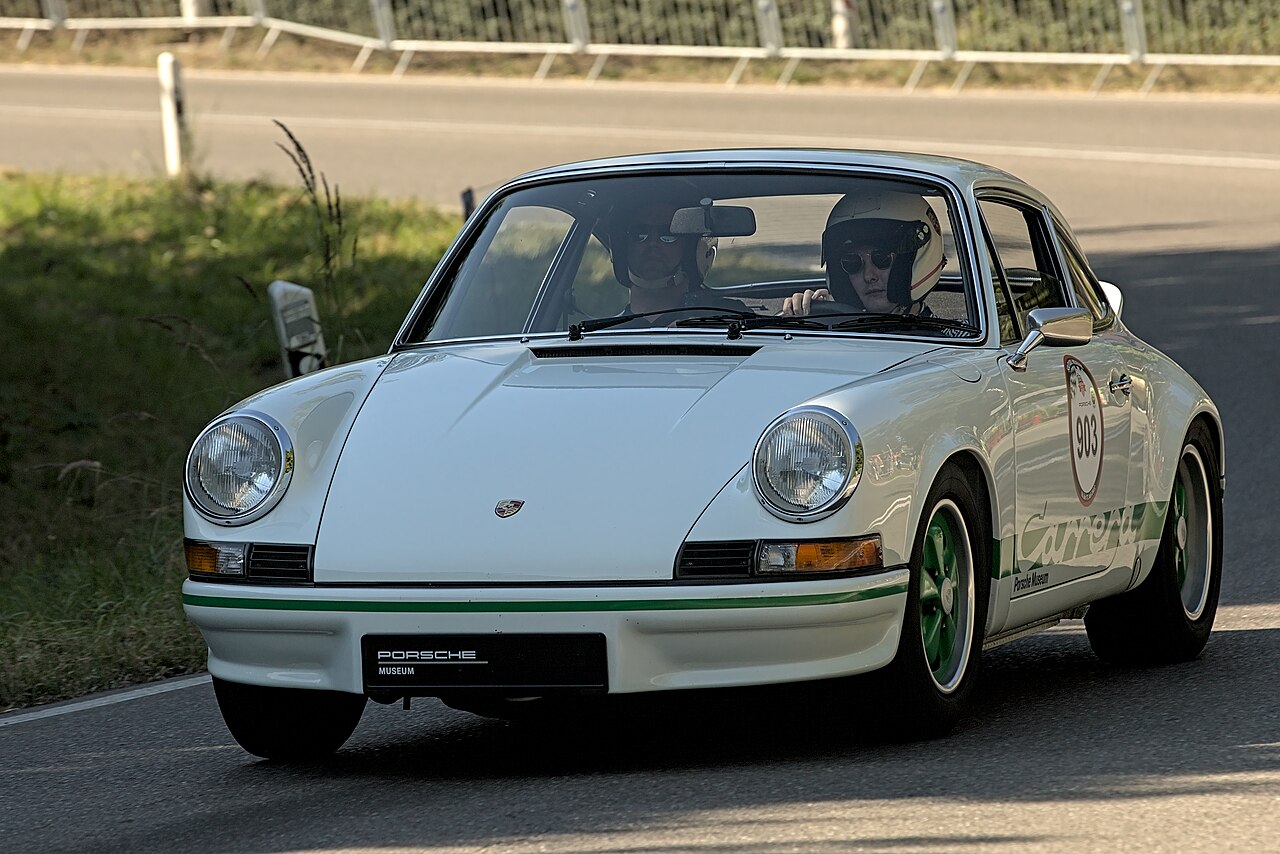 | 1973 model | Rear engine | Original RS identity and equipment |
| 02 | 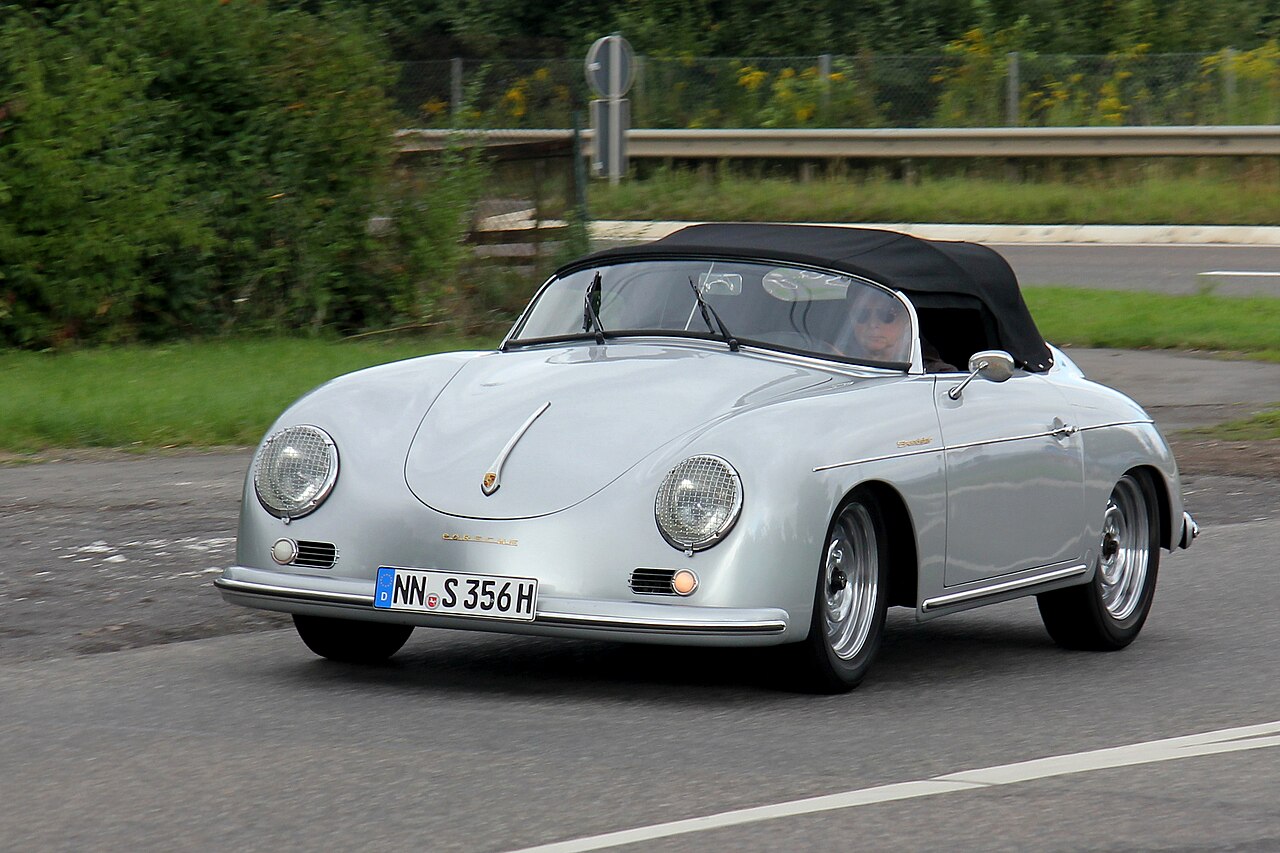 | 1955–1958 | Rear engine | Speedster body, screen and hood |
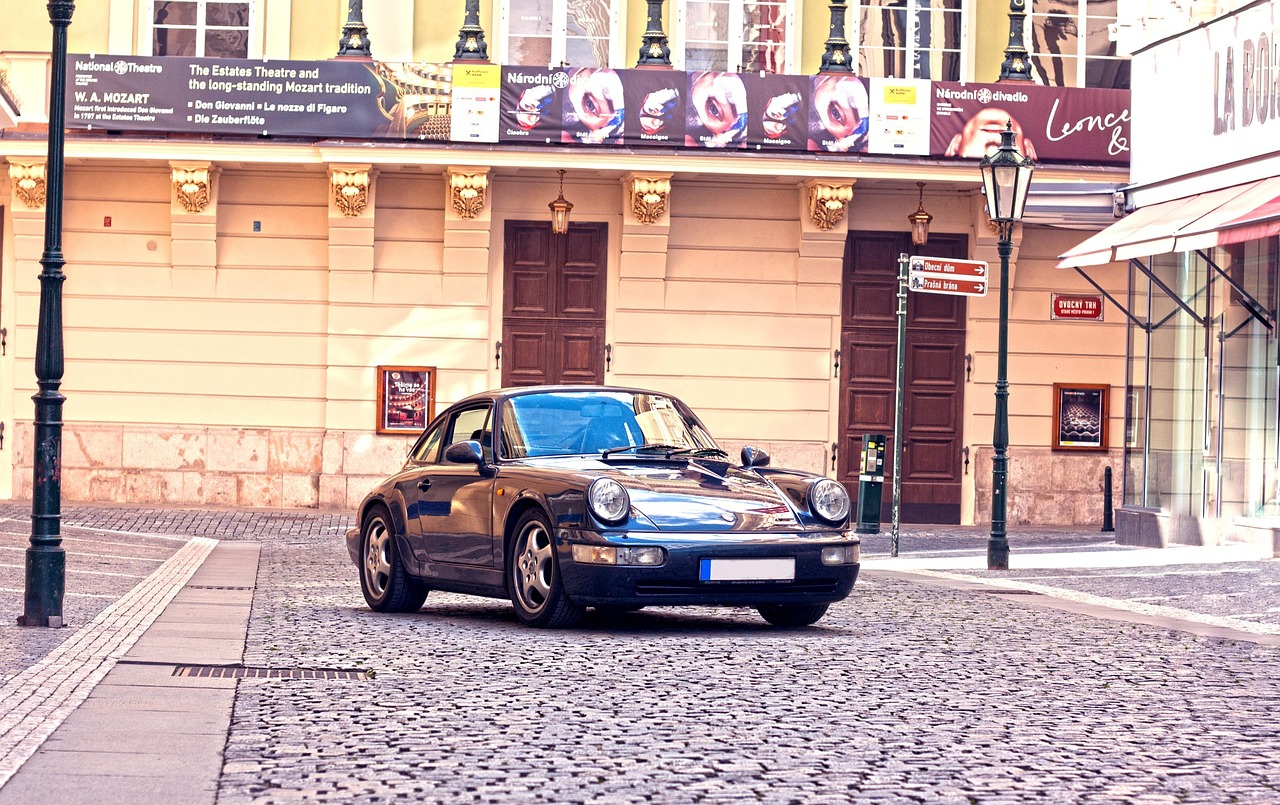
| 03 | 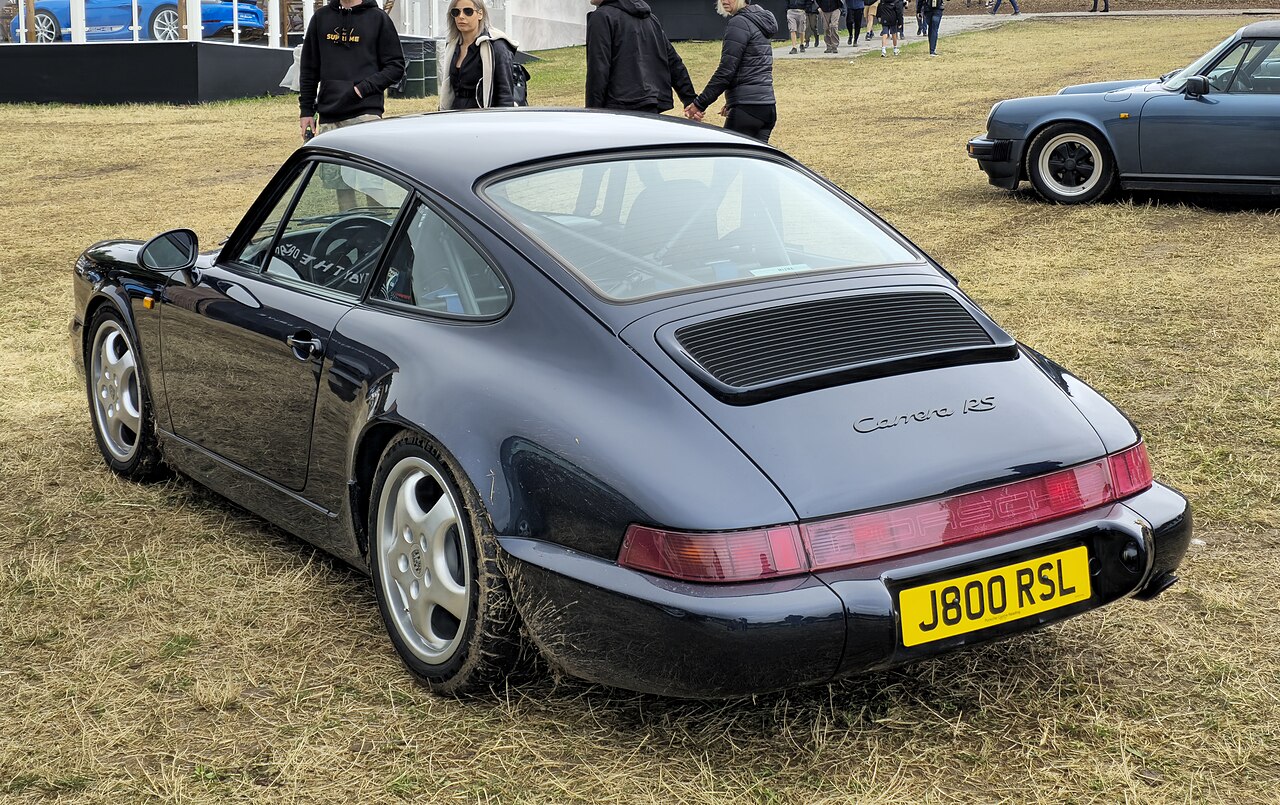 | 964 generation, introduced 1992 | Rear engine | Factory RS 3.6 specification |
| 04 | 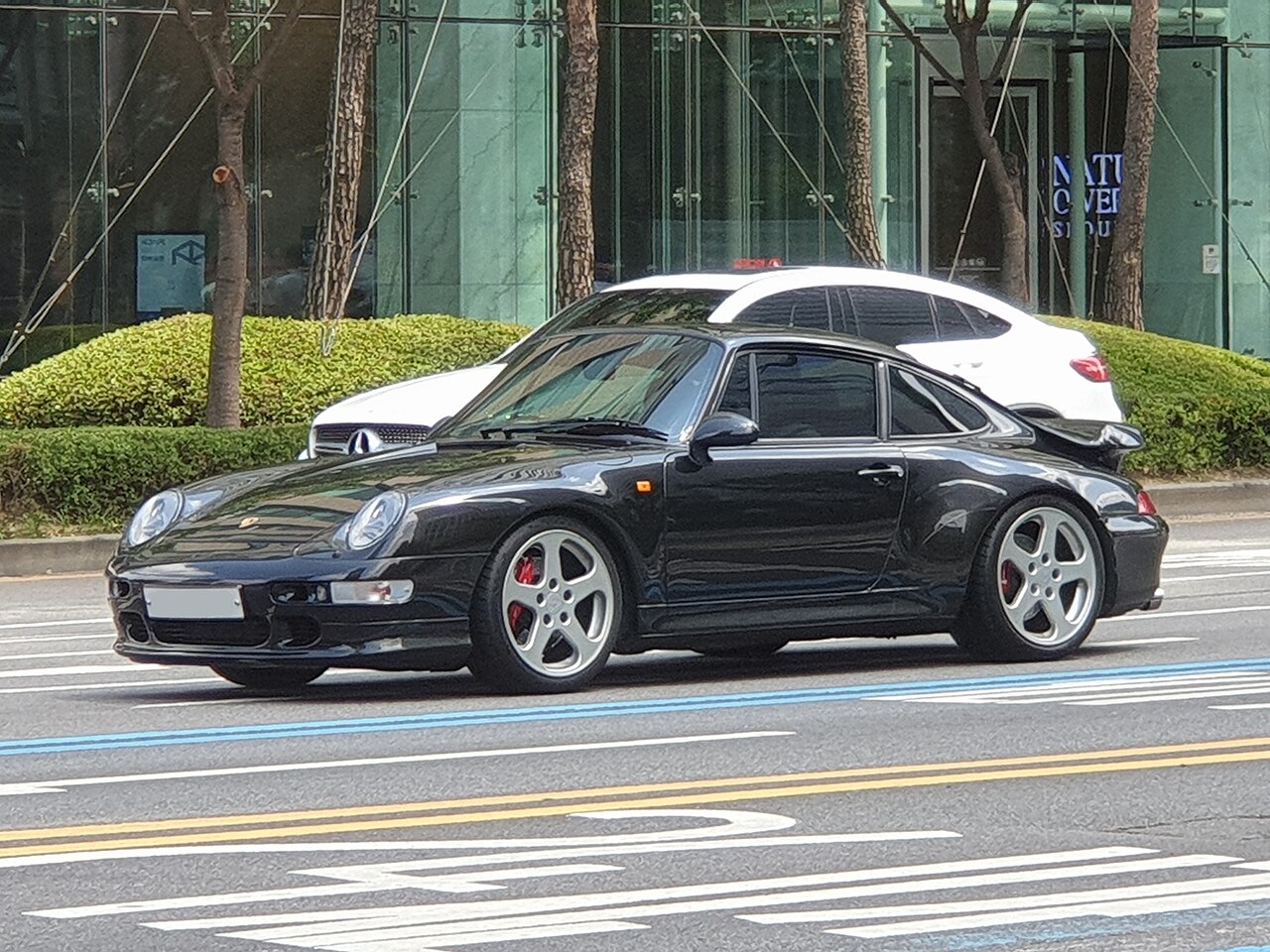 | 993 generation, introduced 1995 | Rear engine | 993 Turbo body and drivetrain |
| 05 | 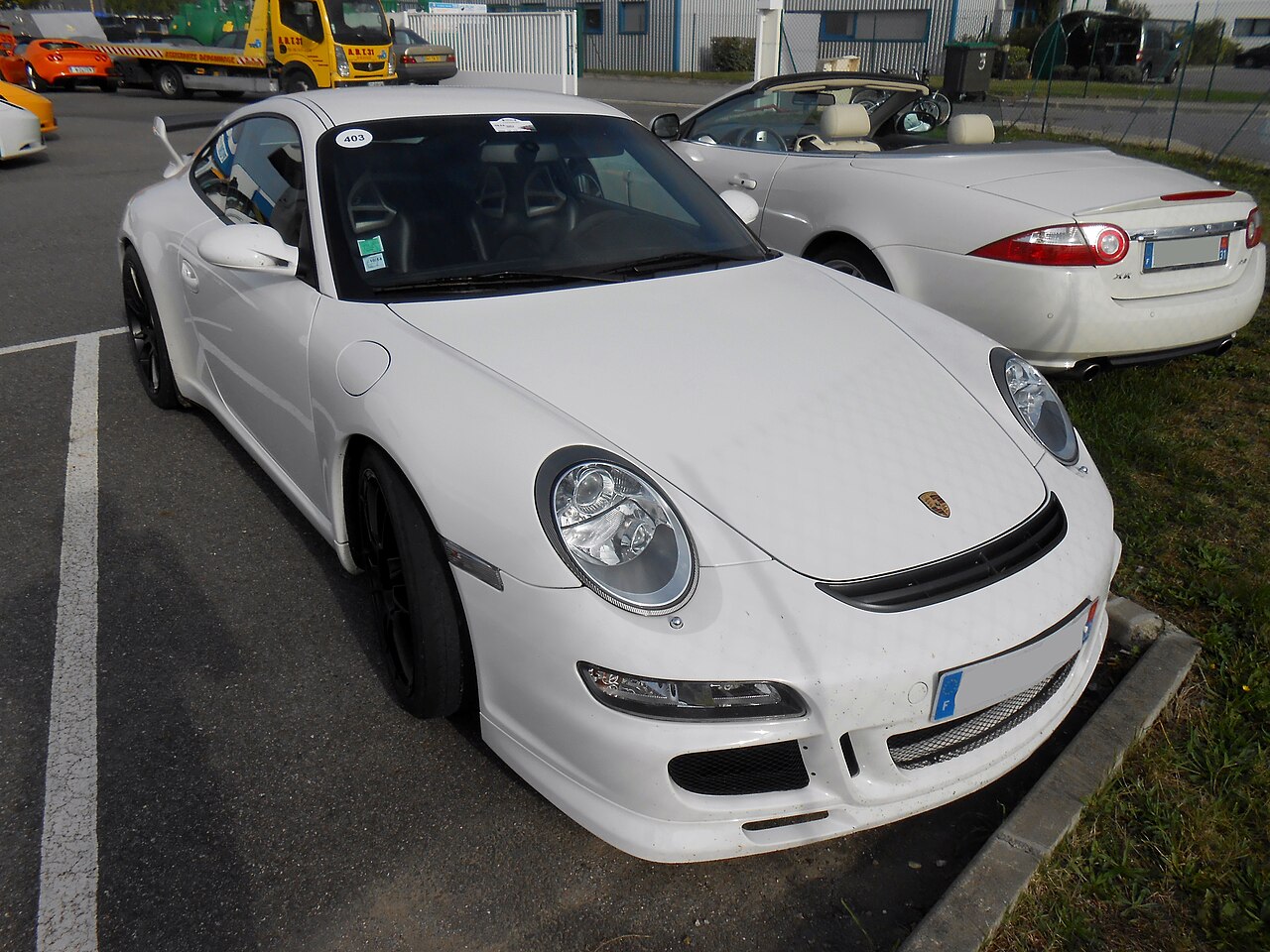 | 997.1 generation, introduced 2006 | Rear engine | First-generation 997 GT3 equipment |
| 06 | 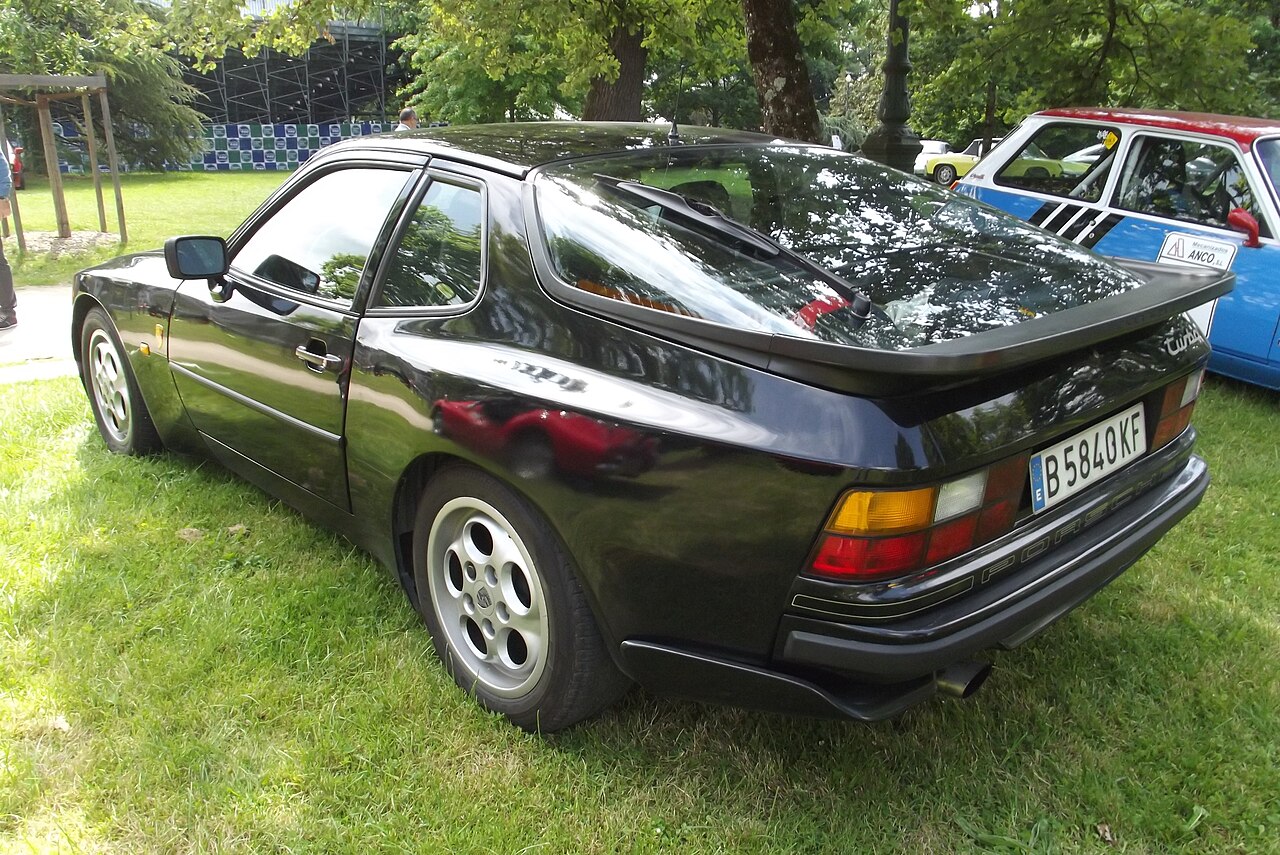 | Introduced 1985 | Front engine and rear transaxle | Factory Turbo specification |
| 07 | 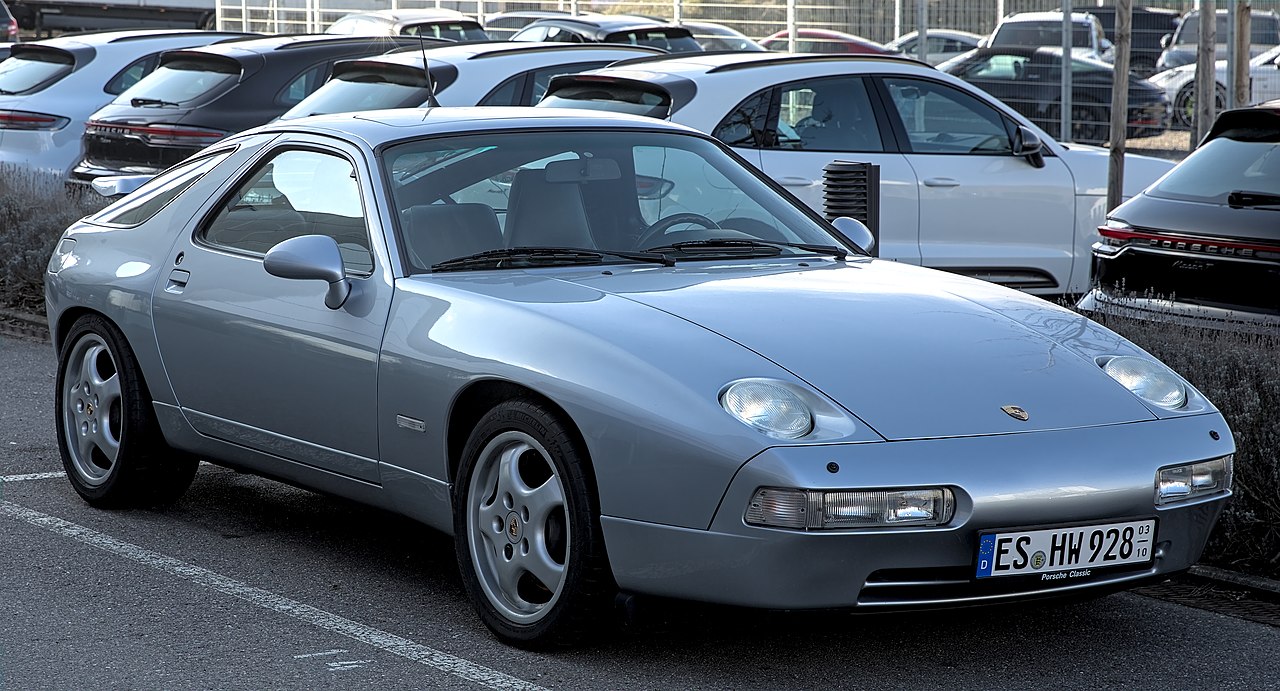 | Introduced 1992 | Front engine and rear transaxle | GTS engine and widened rear body |
| 08 | 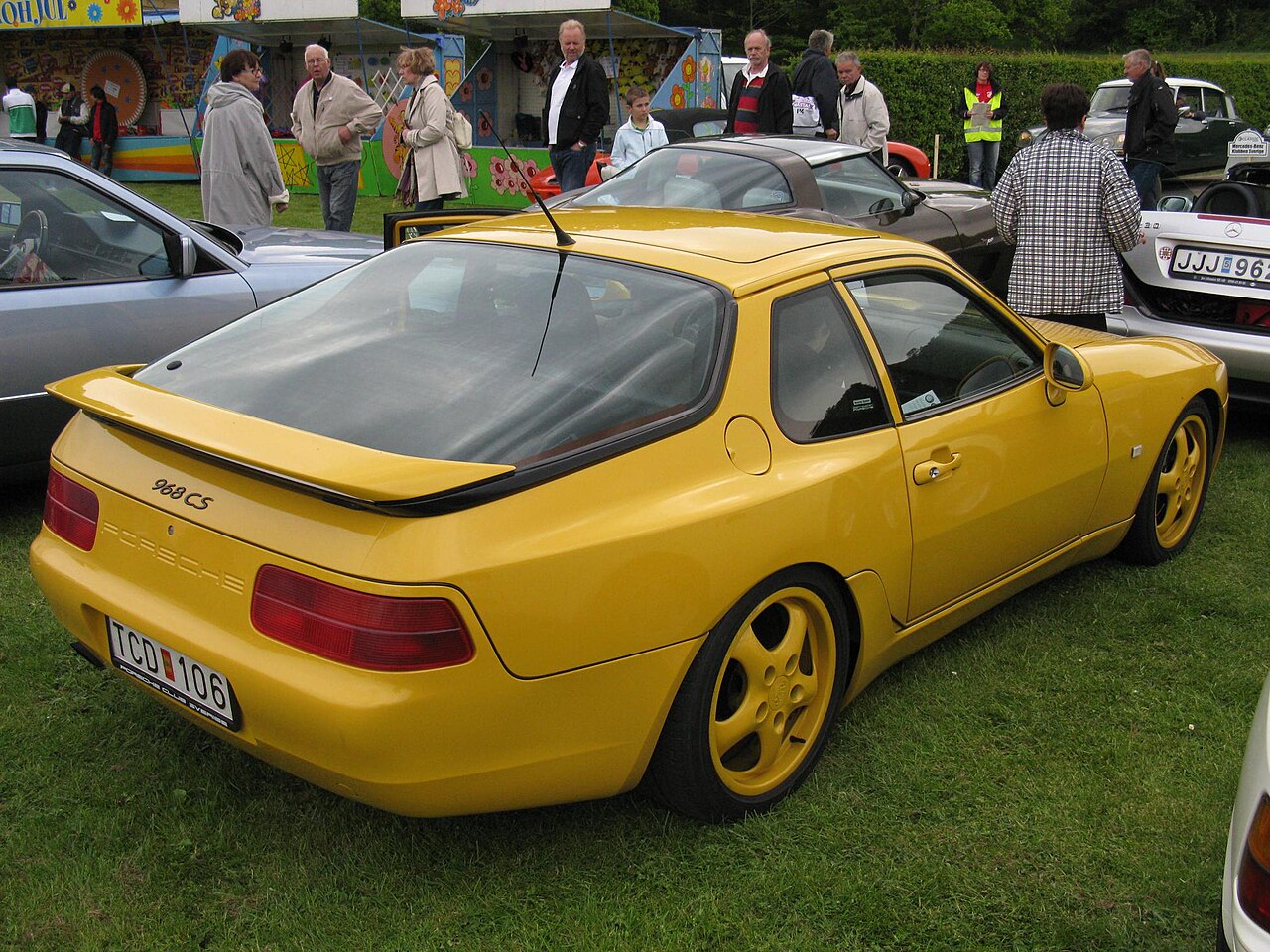 | 1993–1995 | Front engine and rear transaxle | Original Club Sport equipment |
| 09 | 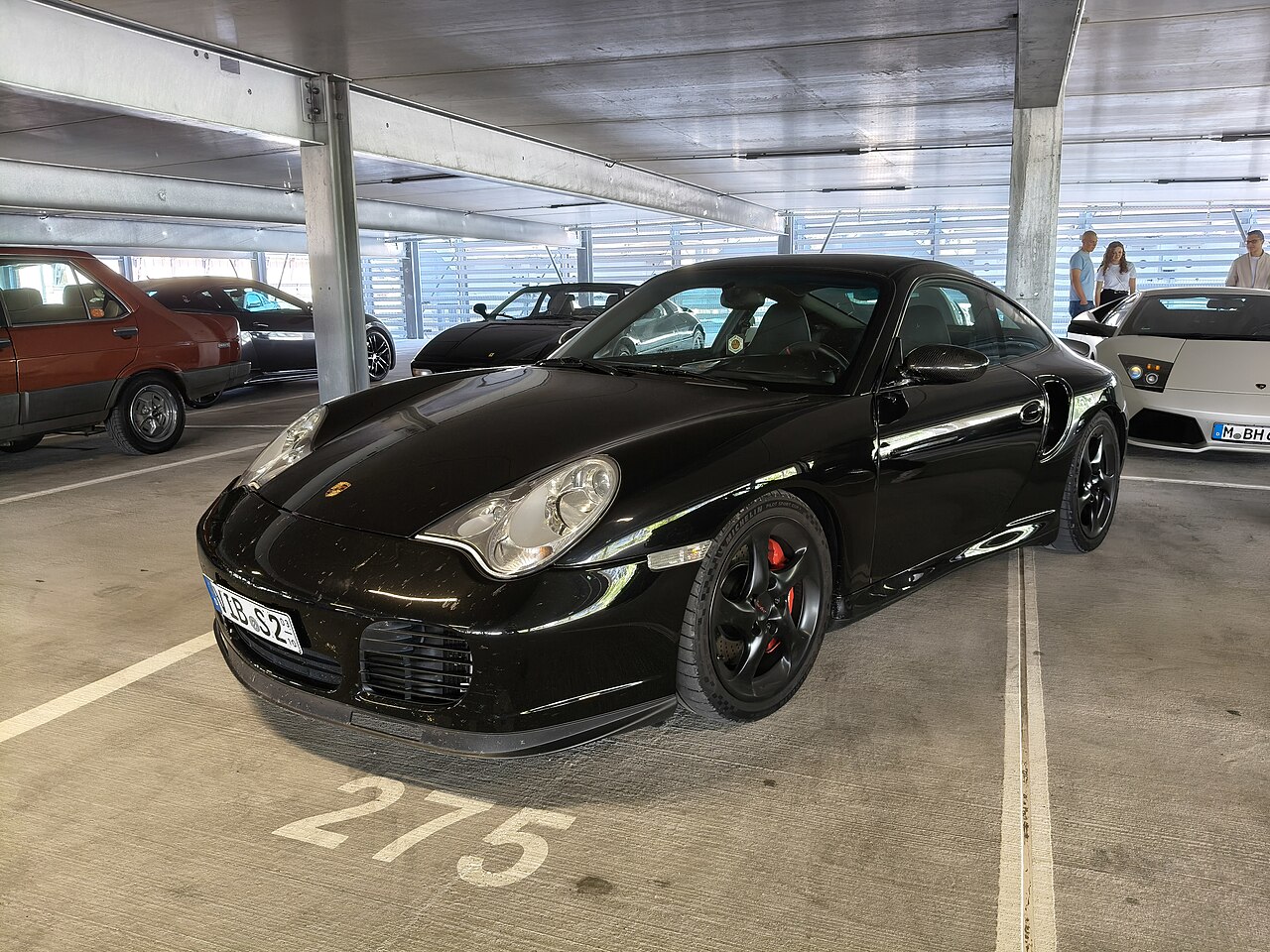 | 996 generation, introduced 2000 | Rear engine | Turbo powertrain and coupe body |
| 10 | 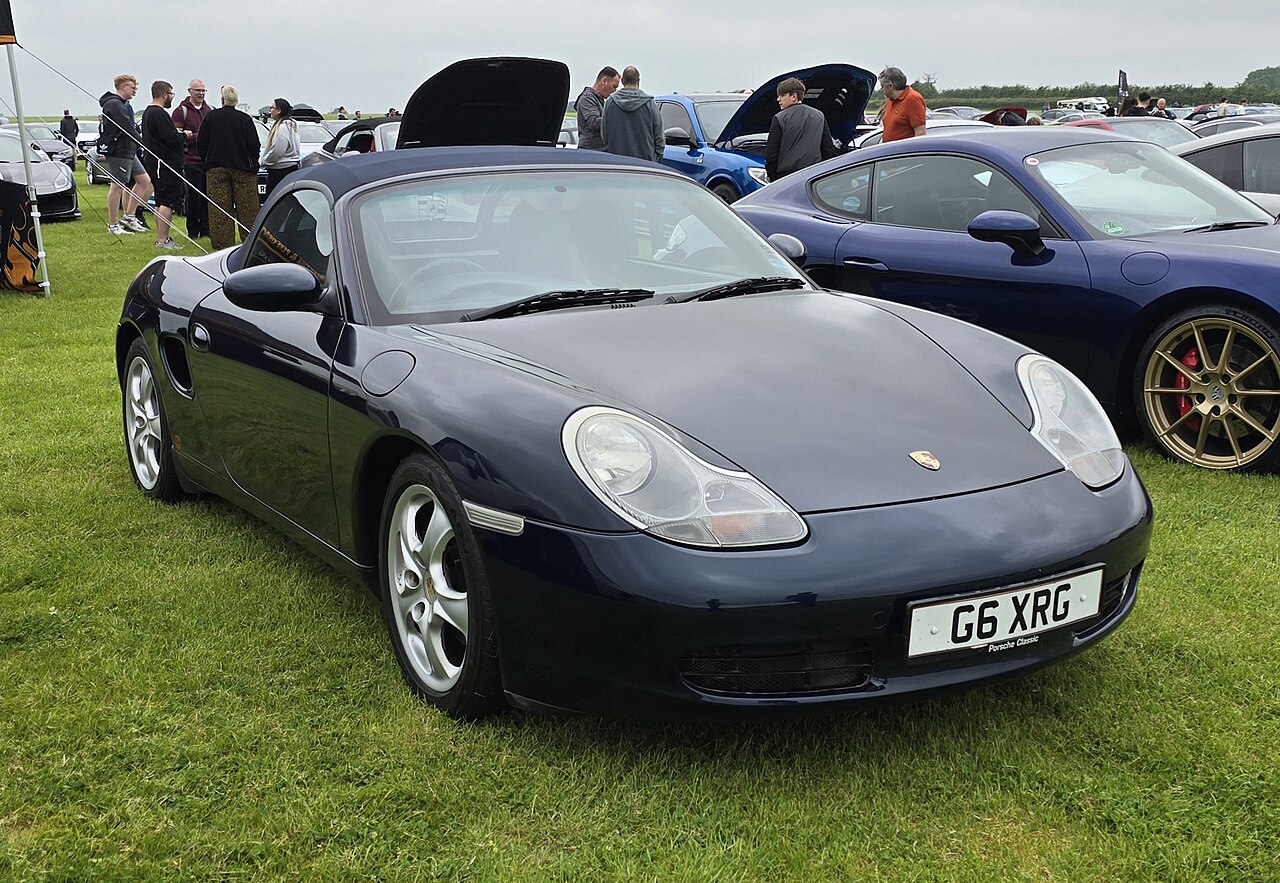 | 986 generation, introduced 1996 | Mid-engine | Original 986 body and specification |
No entries match your search.
10 Porsche Models Worth Collecting and Buying: Entry Details
Porsche 911 Carrera RS 2.7
1973 model · Best homologation-era centrepieceThe ducktail RS connects lightweight road-car equipment with a racing homologation programme. Its specific body and mechanical identity put it first among these collector themes.
- Engine
- Air-cooled 2.7-litre flat-six
- Layout
- Rear engine
- Collector focus
- Original RS identity and equipment
Porsche 356 A Speedster
1955–1958 · Best early open PorscheThe low windscreen and simple hood create an open car distinct from the 356 coupe. It ranks second for representing Porsche’s early road-car design before the 911.
- Engine
- Air-cooled flat-four
- Layout
- Rear engine
- Collector focus
- Speedster body, screen and hood
Porsche 911 Carrera RS 3.6
964 generation, introduced 1992 · Best later air-cooled RSThe 964 Carrera RS revives the lightweight road-car idea within a later 911 generation. Its focused equipment separates it from an ordinary Carrera fitted with RS styling.
- Engine
- Air-cooled 3.6-litre flat-six
- Layout
- Rear engine
- Collector focus
- Factory RS 3.6 specification
Porsche 911 Turbo
993 generation, introduced 1995 · Best final air-cooled TurboTwin turbochargers and all-wheel drive give the 993 Turbo a distinct place in the last air-cooled 911 generation. It provides a strong contrast to the naturally aspirated RS models.
- Engine
- Air-cooled 3.6-litre twin-turbo flat-six
- Layout
- Rear engine
- Collector focus
- 993 Turbo body and drivetrain
Porsche 911 GT3
997.1 generation, introduced 2006 · Best manual GT3 themeA naturally aspirated flat-six and manual transmission carry the GT3 programme into the first 997 generation. It takes the focused later-911 position ahead of the broader-use Turbo.
- Engine
- Water-cooled 3.6-litre flat-six
- Layout
- Rear engine
- Collector focus
- First-generation 997 GT3 equipment
Porsche 944 Turbo
Introduced 1985 · Best turbocharged transaxle contrastThe 944 Turbo supplies a front-engine, rear-transaxle alternative to the 911. Its turbocharged four-cylinder creates a different mechanical theme within the same marque.
- Engine
- Water-cooled 2.5-litre turbo four-cylinder
- Layout
- Front engine and rear transaxle
- Collector focus
- Factory Turbo specification
Porsche 928 GTS
Introduced 1992 · Best V8 grand-touring contrastThe GTS represents the final development of the 928’s V8 grand-touring idea. It earns its place by adding a front-engine eight-cylinder Porsche to a collection dominated by smaller engines.
- Engine
- Water-cooled 5.4-litre V8
- Layout
- Front engine and rear transaxle
- Collector focus
- GTS engine and widened rear body
Porsche 968 Club Sport
1993–1995 · Best reduced-equipment transaxleClub Sport gives the 968’s naturally aspirated four-cylinder a lighter, reduced-equipment road-car package. It is a separate collecting proposition from the more comfort-focused standard 968.
- Engine
- Water-cooled 3.0-litre four-cylinder
- Layout
- Front engine and rear transaxle
- Collector focus
- Original Club Sport equipment
Porsche 911 Turbo Coupe
996 generation, introduced 2000 · Best early water-cooled Turbo themeThe 996 Turbo combines a water-cooled twin-turbo flat-six with all-wheel drive. Its role is to represent the Turbo’s engineering transition rather than repeat the 993’s air-cooled character.
- Engine
- Water-cooled 3.6-litre twin-turbo flat-six
- Layout
- Rear engine
- Collector focus
- Turbo powertrain and coupe body
Porsche Boxster
986 generation, introduced 1996 · Best original mid-engine roadster themeThe first Boxster brought a mid-engine flat-six roadster into the production range. It completes the collection by providing an open car with a layout different from the 356 and 911.
- Engine
- Water-cooled flat-six
- Layout
- Mid-engine
- Collector focus
- Original 986 body and specification
10 Porsche Models Worth Collecting and Buying: Analysis
Carrera RS Collecting Starts With the Original Specification
Carrera RS 2.7 and the 964 Carrera RS represent separate generations of the lightweight 911 idea. A ducktail or an RS badge alone cannot establish the original specification. Build information, chassis identity and the documented relationship between body, engine and equipment are the useful questions before buying either car. The Porsche badge history traces the marque behind both eras.
356 A Speedster Gives Up Weather Protection for a Distinct Body
The Speedster uses a lower windscreen and a simpler folding hood than the more enclosed 356 bodies. That makes its open-car character central to the collecting decision. A buyer choosing between a Speedster and a coupe should examine the actual roof, screen and seating arrangement rather than treating every 356 as the same car.
993 Turbo and 996 Turbo Sit on Opposite Sides of Water Cooling
The 993 Turbo belongs to the final air-cooled 911 generation and combines twin turbochargers with all-wheel drive. The 996 Turbo carries turbocharged performance into the water-cooled era. Both occupy a different role from the naturally aspirated 997.1 GT3, whose manual gearbox and focused chassis connect it more directly with the GT3 programme.
Transaxle Porsches and Boxster Expand the Collection
944 Turbo, 928 GTS and 968 Club Sport place the engine at the front and the transaxle at the rear. The 928 contributes V8 grand-touring character, while the 968 Club Sport concentrates on reduced equipment. The 986 Boxster adds a mid-engine roadster. These distinctions complement the much narrower performance question answered by the fastest Porsche road cars.
Our verdict
Our verdict
Carrera RS 2.7 is the leading historical centrepiece. A collection intended to explore Porsche engineering gains more variety from adding a 928 or Boxster than from buying only successive 911s. For an individual purchase, documented identity and the actual factory specification are more useful than a badge-led description.
Strengths
- The models cover three engine positions and several cooling systems.
- RS, Turbo and Club Sport have distinct factory identities.
Things to consider
- Speedster weather protection is less enclosed than a coupe’s.
- An RS-style body or a Club Sport badge does not establish factory identity.
FAQ: 10 Porsche Models Worth Collecting and Buying
Which Porsche is the leading collector choice here?
The 911 Carrera RS 2.7 leads for its lightweight homologation purpose and recognisable ducktail body. Original specification and documentary identity are central to that choice.
Is every Porsche 356 a Speedster?
No. Speedster identifies a specific open body with a low windscreen and simple hood. The 356 also appeared in other open and enclosed forms.
Which 911 Turbo is the last air-cooled generation?
The 993 Turbo belongs to the final air-cooled 911 generation. The following 996 Turbo uses a water-cooled flat-six.
Does the Porsche 928 have a flat-six engine?
No. The 928 is a front-engine V8 grand tourer. The GTS version here uses a 5.4-litre V8 with a rear transaxle.
What makes a Porsche 968 Club Sport different?
Club Sport reduces comfort equipment and focuses the 968’s chassis and cabin specification. Its naturally aspirated four-cylinder and transaxle layout remain central to the model.
Is the original Porsche Boxster rear-engined like a 911?
No. The 986 Boxster places its flat-six ahead of the rear axle, behind the cabin. The 911 carries its engine behind the rear axle.
Sources & methodology
Editorial order weighs historical significance, mechanical variety and original specification using Porsche archives, without forecasting prices. Engine and trim identity must match the particular car offered.
Maintained by Artsiom Dusau, a software engineer and BMW 4 Series owner. Editorial policy