
Short answer
The 1967 Mercury Cougar ranks first because it gave the pony-car format a convincing Mercury identity through hidden headlamps, sequential rear indicators and a more upmarket presentation. The 1949 Eight follows for its defining post-war shape and lasting design influence.
- Selection
- Ten classic Mercury model-year highlights
- Period
- 1939–1970
- Basis
- Design identity and historical importance
The 10 Best Mercury Classic Cars Ever Made at a Glance
| Rank | Mercury | Model year | Why it matters |
|---|---|---|---|
| 01 | 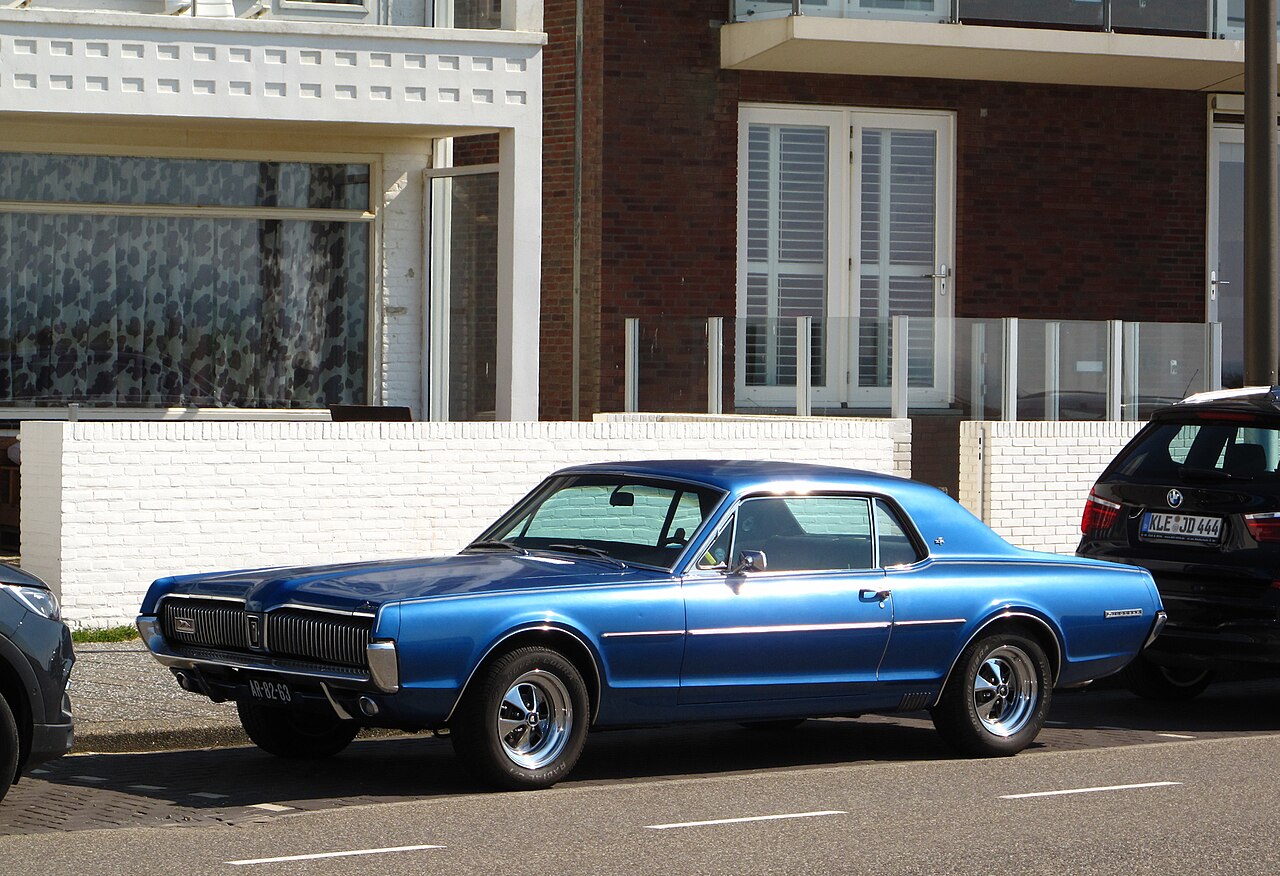 | 1967 | Distinctive pony car |
| 02 |  | 1949 | Post-war design landmark |
| 03 | 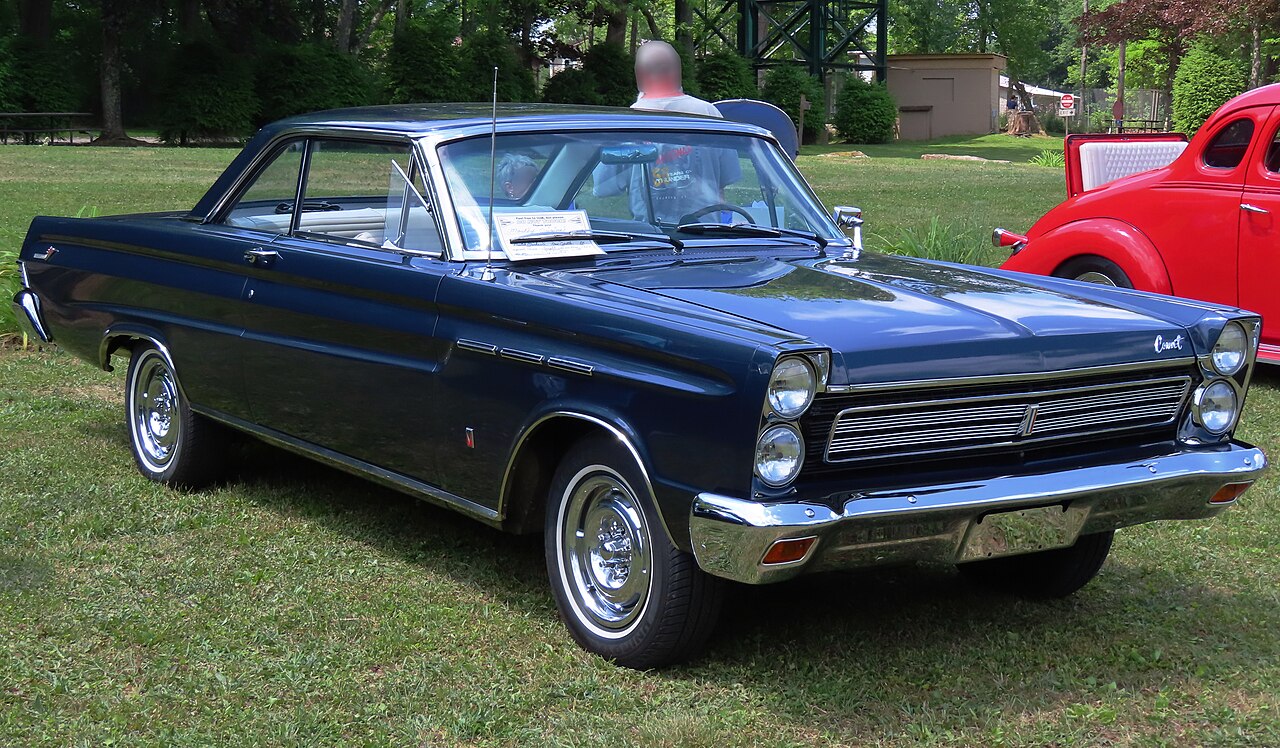 | 1965 | Compact performance coupe |
| 04 | 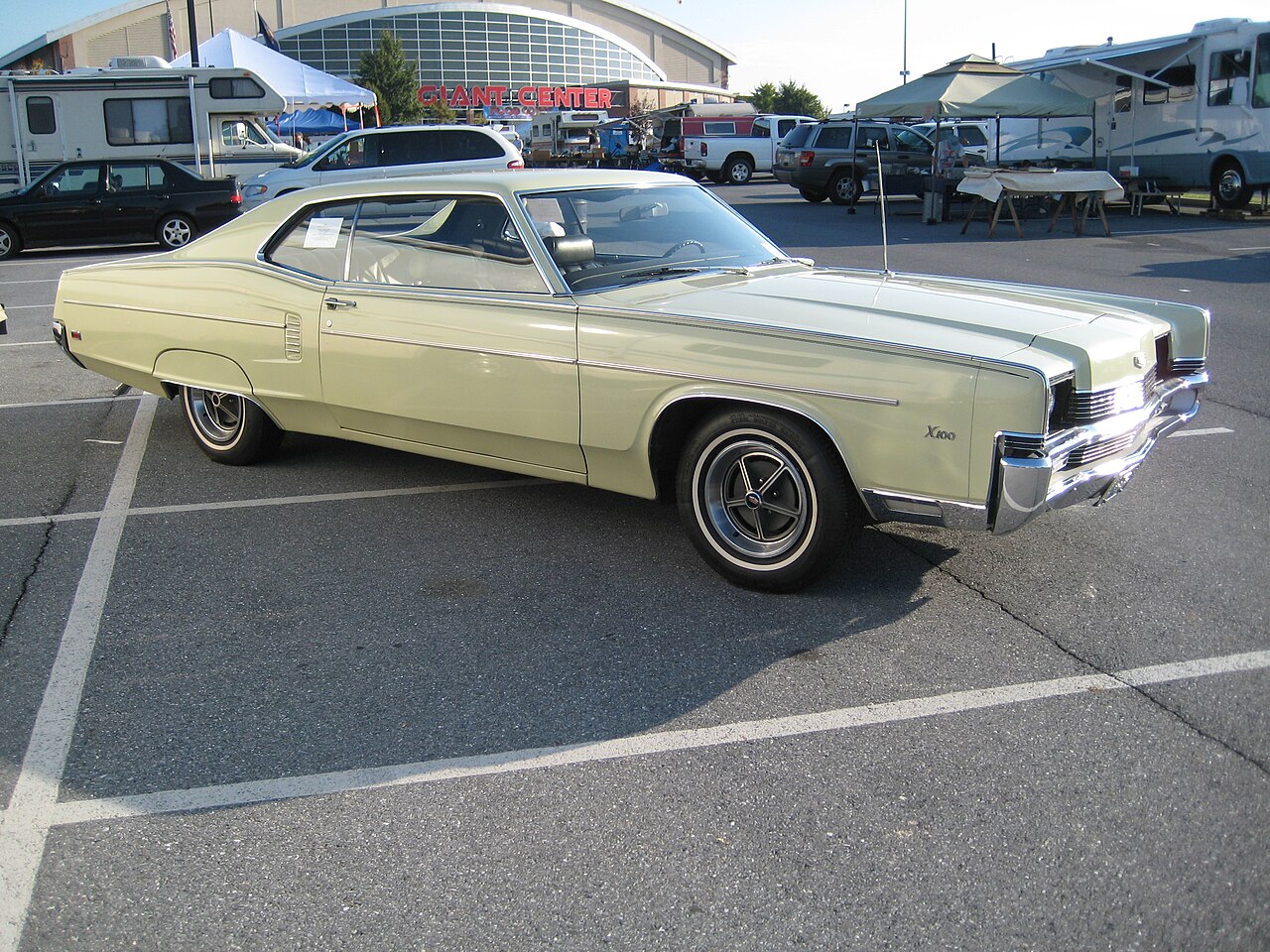 | 1969 | Large performance coupe |
| 05 | 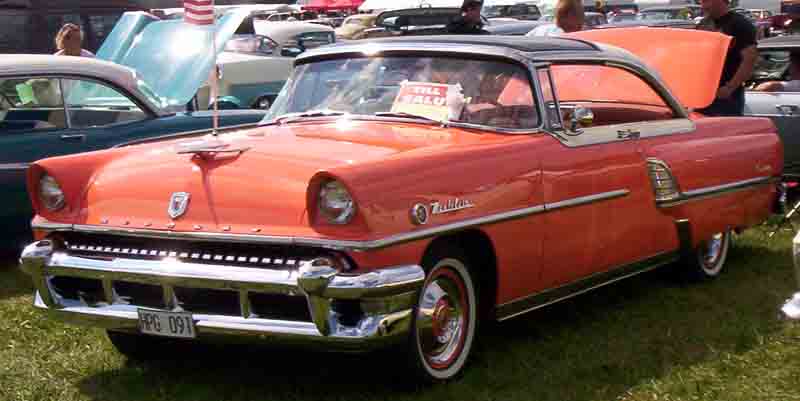 | 1955 | Mid-century style |
| 06 | 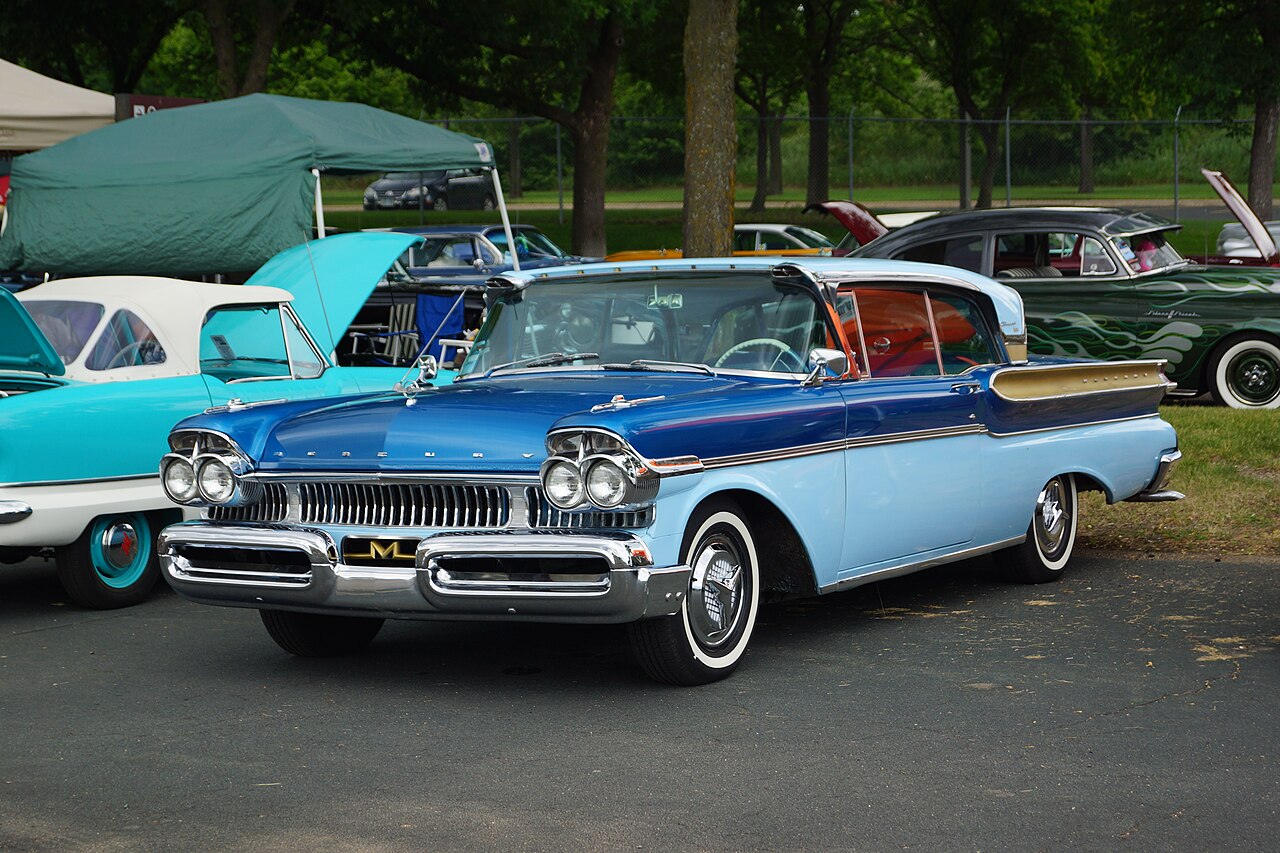 | 1957 | Technical showpiece |
| 07 | 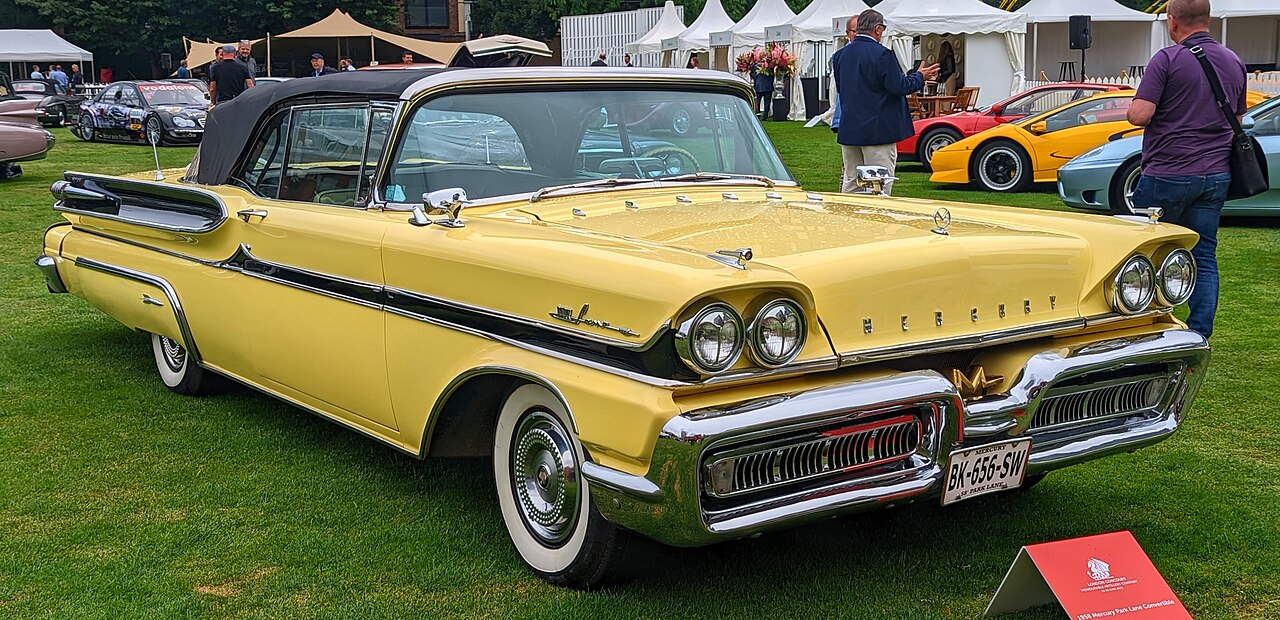 | Introduced 1958 | Prestige-model expansion |
| 08 |  | 1939 | The original Mercury |
| 09 | 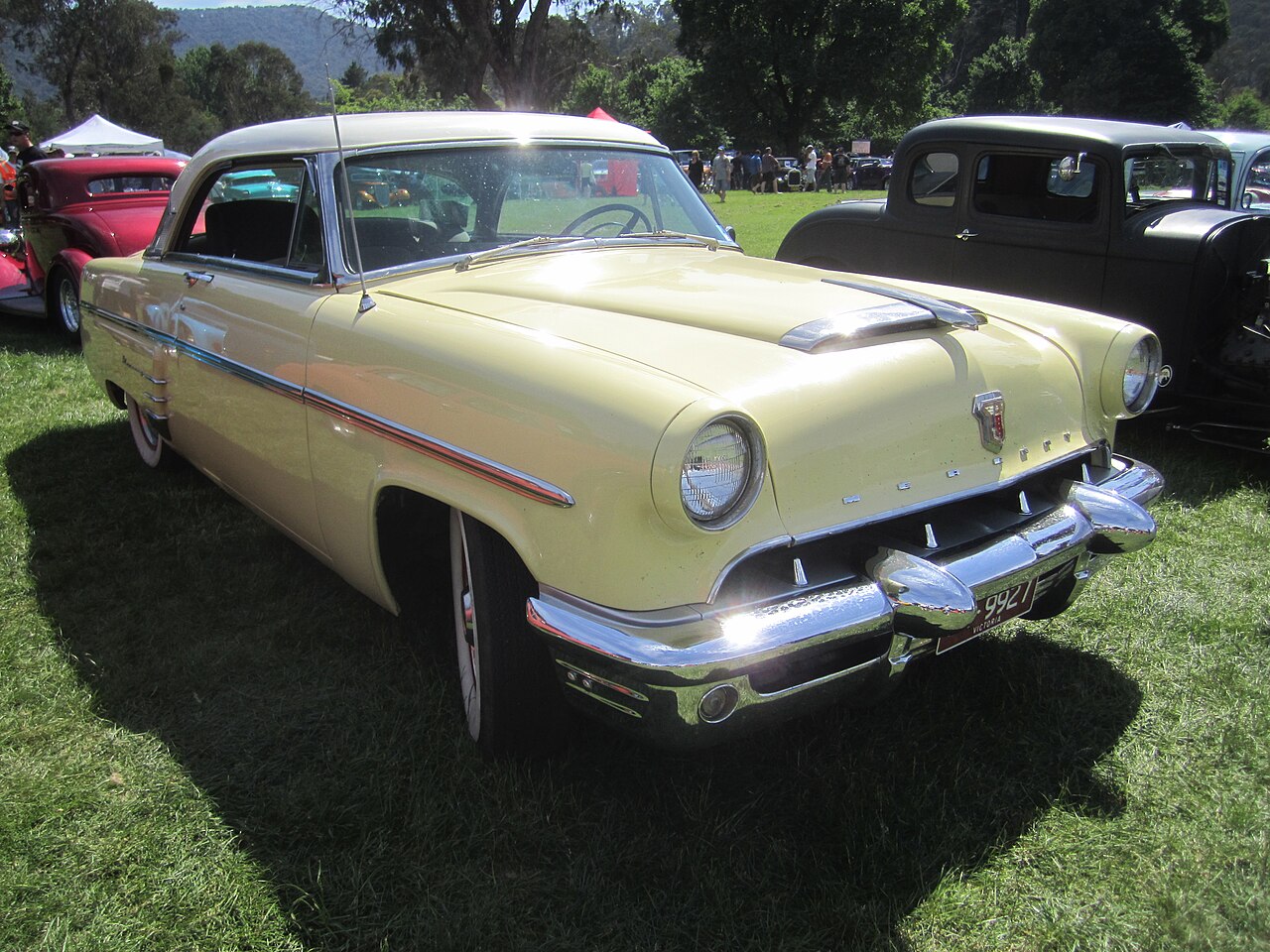 | 1953 | Late flathead-era character |
| 10 | 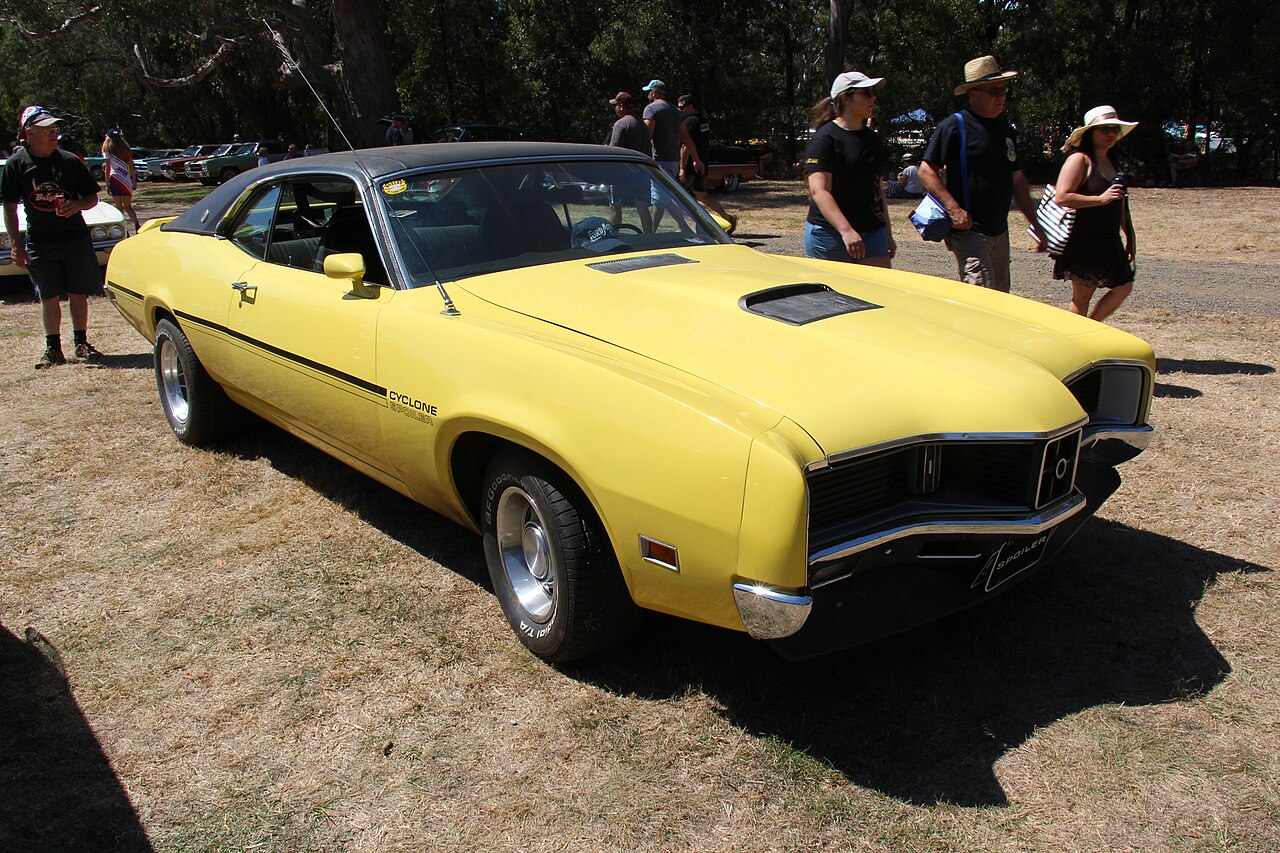 | 1970 | Conspicuous muscle car |
No entries match your search.
The 10 Best Mercury Classic Cars Ever Made: Entry Details
Mercury Cougar
1967 · Distinctive pony carHidden headlamps and sequential rear indicators made the first Cougar unmistakable. Its sporting proportions and more polished presentation gave Mercury a persuasive identity in the pony-car market.
- Role
- Sporting, upmarket coupe
- Signature
- Hidden headlamps and sequential indicators
- Reference
- Original 1967 brochure
Mercury Eight
1949 · Post-war design landmarkThe smooth post-war body became one of Mercury’s defining shapes. It matters as a factory redesign as well as a later favourite for custom-car builders.
- Role
- Post-war model renewal
- Signature
- Rounded, integrated body shape
- Reference
- Museum account of Mercury history
Mercury Comet Cyclone
1965 · Compact performance coupeThe Cyclone gave the smaller Comet a clear sporting role. Its V8, purposeful interior and restrained body make it an accessible expression of Mercury performance.
- Role
- Performance version of Comet
- Engine
- 289-cubic-inch V8
- Reference
- Original 1965 Comet brochure
Mercury Marauder X-100
1969 · Large performance coupeThe X-100 combined a substantial coupe body with a 429 V8. Its scale and distinctive rear treatment make it a different proposition from the smaller Cyclone.
- Role
- Full-size performance coupe
- Engine
- 429-cubic-inch V8
- Reference
- Original 1969 Mercury brochure
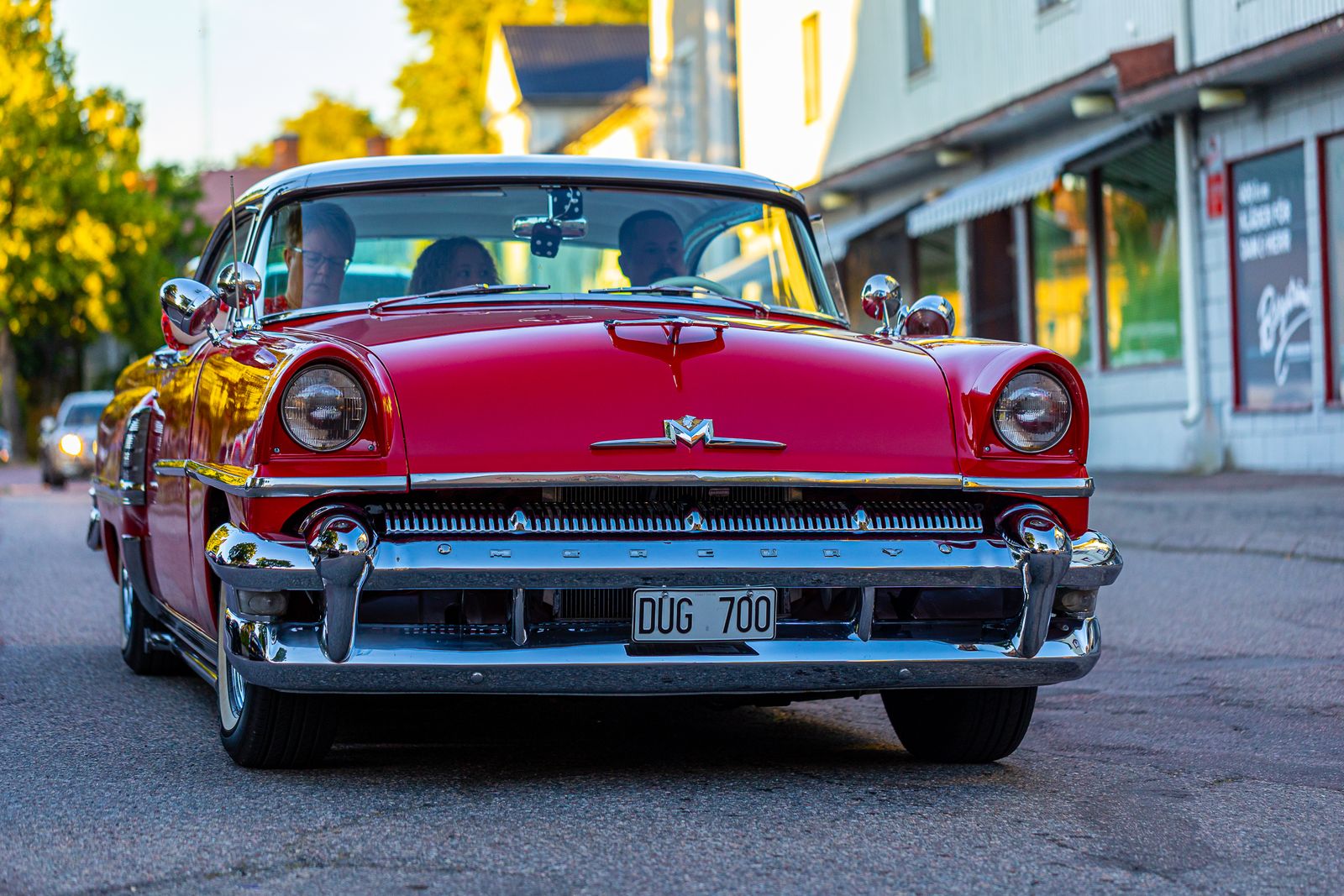
Mercury Montclair
1955 · Mid-century styleMontclair’s bright trim and emphatic side treatment capture Mercury’s mid-fifties presentation. Its place reflects a coherent period design rather than a claim about investment returns.
- Role
- Upmarket Mercury model
- Signature
- Strong side graphics and chrome
- Reference
- Documented 1955 Montclair
Mercury Turnpike Cruiser
1957 · Technical showpieceRoof intakes and an opening rear window made the Turnpike Cruiser conspicuous. It earns a place for the way equipment and styling were combined into one unusual flagship idea.
- Role
- Feature-rich flagship
- Signature
- Opening rear window and roof intakes
- Reference
- Documented 1957 Turnpike Cruiser
Mercury Park Lane
Introduced 1958 · Prestige-model expansionThe original Park Lane strengthened Mercury’s position above its ordinary range. Its substantial body and prominent trim show the marque extending its luxury ambitions.
- Role
- New prestige model
- Signature
- Large body and substantial trim
- Reference
- Park Lane history in a documented sale record
Mercury Eight
1939 · The original MercuryThe first Mercury established a separate marque between mainstream Ford and Lincoln. Its V8 and recognisable body make it important even without the later cars’ dramatic trim.
- Role
- First Mercury production model
- Engine
- Flathead V8
- Reference
- Museum account of Mercury origins
Mercury Monterey
1953 · Late flathead-era characterThe 1953 Monterey combines period chrome and a rounded body with Mercury’s final flathead-era identity. It links the post-war Eight shape with the marque’s more decorative mid-fifties cars.
- Role
- Upmarket early-fifties Mercury
- Engine
- Flathead V8
- Reference
- Documented 1953 Monterey
Mercury Cyclone Spoiler
1970 · Conspicuous muscle carThe Cyclone Spoiler gives Mercury performance a much more assertive appearance. Its 429 Cobra Jet and visible aerodynamic-themed detailing make the model easy to distinguish from a standard Montego.
- Role
- High-performance Cyclone variant
- Engine
- 429 Cobra Jet V8
- Reference
- Original 1970 Cyclone brochure
The 10 Best Mercury Classic Cars Ever Made: Analysis
Cougar Gave Mercury a Distinct Pony Car
The original Cougar treated the sporty coupe as an opportunity for a more polished interior and distinctive lighting. It ranks above cars whose interest rests mainly on an engine option because the whole package communicates a separate identity. The balance fits Mercury’s history as a marque positioned above ordinary Ford products.
The Two Eights Bookend Mercury’s Early Identity
The 1939 Eight established the new marque with V8 power and a body of its own. The 1949 redesign moved to a much smoother post-war form. Their importance comes from establishing and then renewing the Mercury identity, rather than from rarity or a current sale price. Modified 1949 cars also need to be distinguished from the original factory roofline.
Cyclone and Marauder Offered Different Kinds of Performance
The 1965 Comet Cyclone puts a sporting identity into the smaller Comet body. Marauder X-100 instead combines a large coupe with a 429-cubic-inch V8. The 1970 Cyclone Spoiler adds more conspicuous performance styling. These entries are separate approaches to the same broad question of how Mercury could offer speed without simply repeating a Ford.
Fifties Luxury Made Detail Part of the Appeal
Montclair and Monterey show the marque’s use of hardtop-style presentation, chrome and strong side graphics. Turnpike Cruiser adds conspicuous roof details and an opening rear window. Park Lane represents the move toward a larger prestige model. Each earns a place for a recognisable design or historical role, rather than an assumption that more ornament always means a better car.
Our verdict
Our verdict
The first Cougar is the most complete expression of a distinctive Mercury classic. The 1949 Eight is the strongest alternative for design influence, while Comet Cyclone and Marauder X-100 represent two very different performance briefs.
Strengths
- Specific model years keep comparisons clear
- Original brochures anchor period features
- Luxury and performance roles both represented
Things to consider
- Photographs do not certify originality
- No valuation or ownership-cost comparison
FAQ: The 10 Best Mercury Classic Cars Ever Made
Which classic Mercury ranks first?
The 1967 Cougar ranks first because its lighting, proportions and upmarket presentation form a strong Mercury identity. The ranking weighs the complete model rather than engine output alone.
Why is the 1949 Mercury Eight so important?
Its smooth post-war body became a defining Mercury shape and a frequent starting point for custom cars. The factory design and later chopped-roof versions should be considered separately.
Are Comet Cyclone and Cyclone Spoiler the same model?
No. The selected Comet Cyclone is a 1965 performance model in the smaller Comet range. The 1970 Cyclone Spoiler belongs to the later, larger Cyclone family.
Why include two Mercury Eights?
The 1939 car establishes the marque’s origin, while the 1949 redesign represents a major post-war change in its appearance. Each model year contributes a different historical role.
Does this identify the best Mercury investment?
No. The order concerns design and historical importance. Condition, originality, documentation and the details of an individual sale would be necessary for any separate valuation.
What distinguishes the Turnpike Cruiser?
Its opening rear window and conspicuous roof intakes made technology part of the styling. That combination gives the 1957 model a separate identity among Mercury’s decorative mid-fifties cars.
Sources & methodology
Original Mercury brochures, museum records and documented auction examples establish model identity and period features. Editorial order weighs design identity and historical significance, rather than current prices, rarity counts or investment prospects.
Maintained by Artsiom Dusau, a software engineer and BMW 4 Series owner. Editorial policy
View sources (9)
- The Henry Ford collection account of Mercury history
- Mercury original 1967 Cougar brochure
- Mercury original 1965 Comet brochure
- Mercury original 1969 full-line brochure
- RM Sotheby’s documented 1955 Montclair
- RM Sotheby’s documented 1957 Turnpike Cruiser
- RM Sotheby’s Park Lane history and documented example
- RM Sotheby’s documented 1953 Monterey
- Mercury original 1970 Cyclone and Montego brochure