Short answer
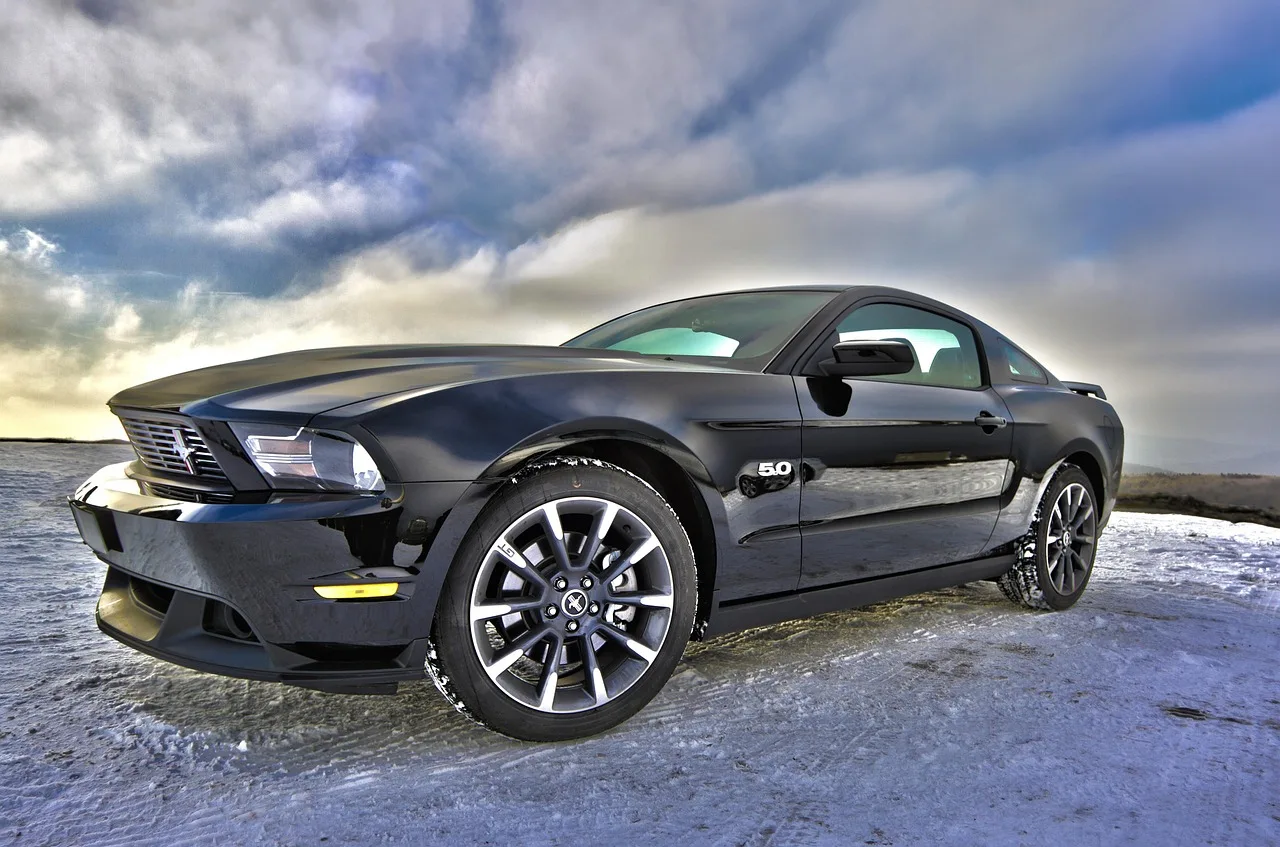
The Ford Mustang is America's favorite muscle car in our editorial ranking. More than 10 million built, six decades of continuous production and a current V8 coupe give it unmatched reach across generations.
- Data period
- US nameplate history through 2026
- Entries
- 7
- Comparison
- Editorial favorite ranking
- Topic
- Muscle cars
America's 7 Favorite Muscle Cars at a Glance
| Rank | Muscle car | Editorial case |
|---|---|---|
| 01 | 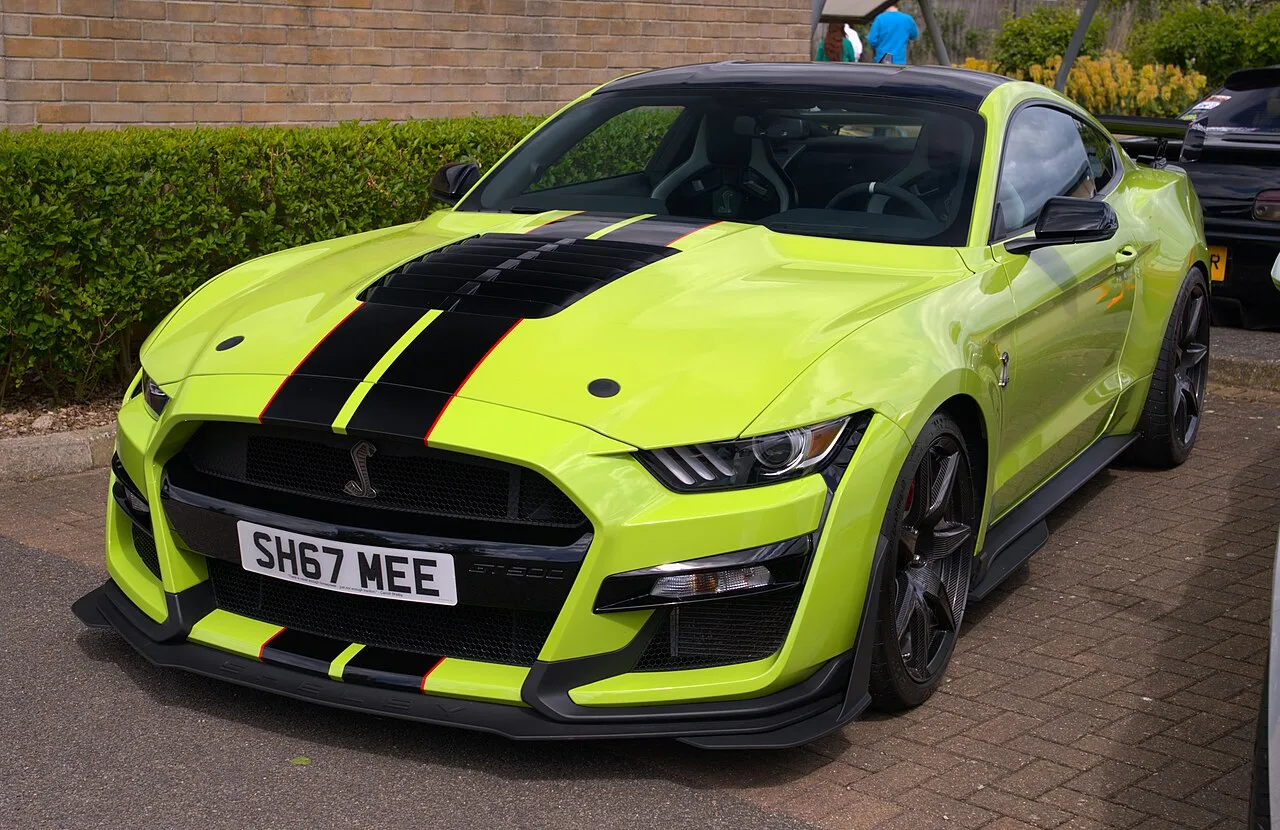 | Widest generational reach |
| 02 | 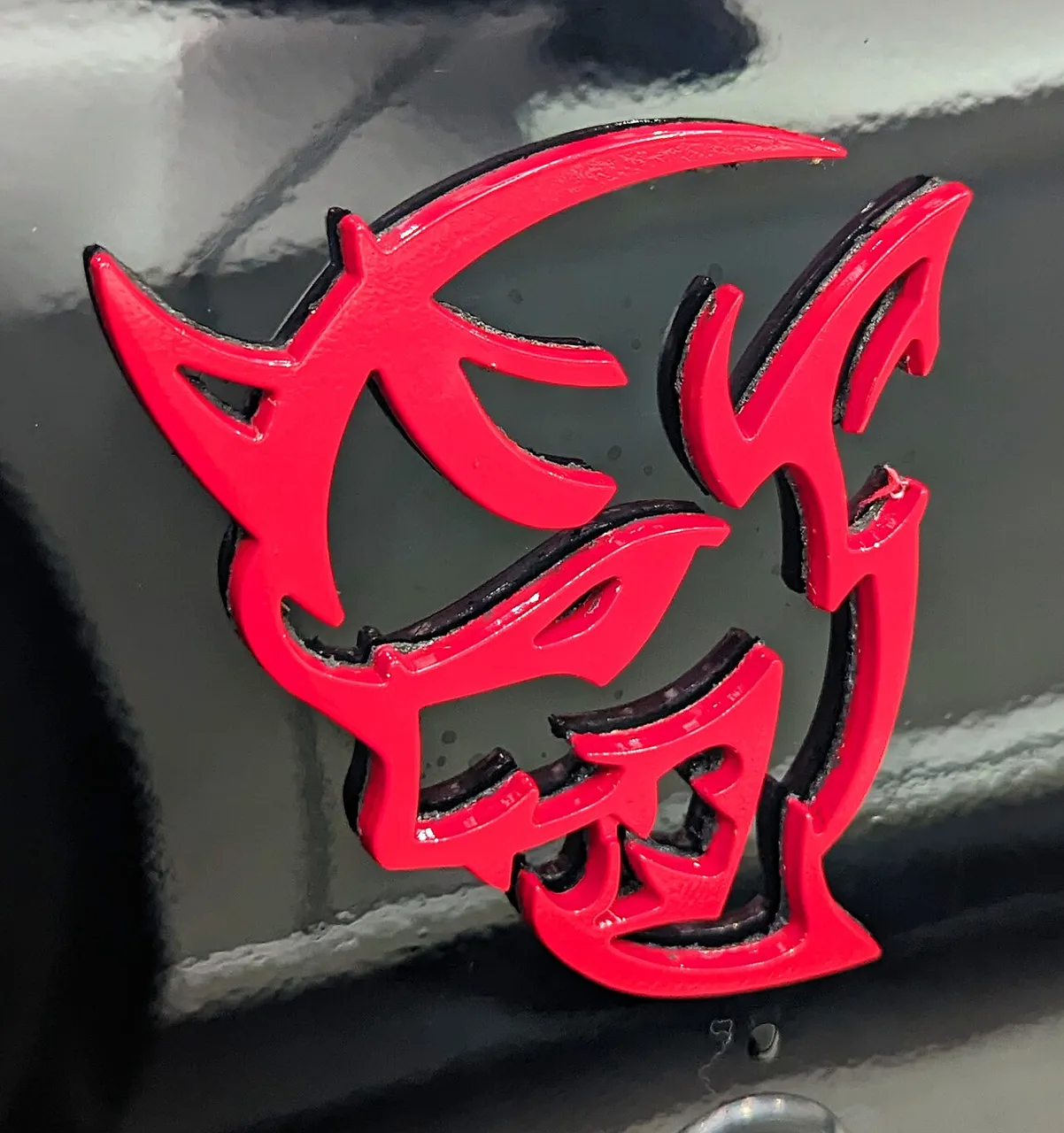 | Strongest modern retro revival |
| 03 | 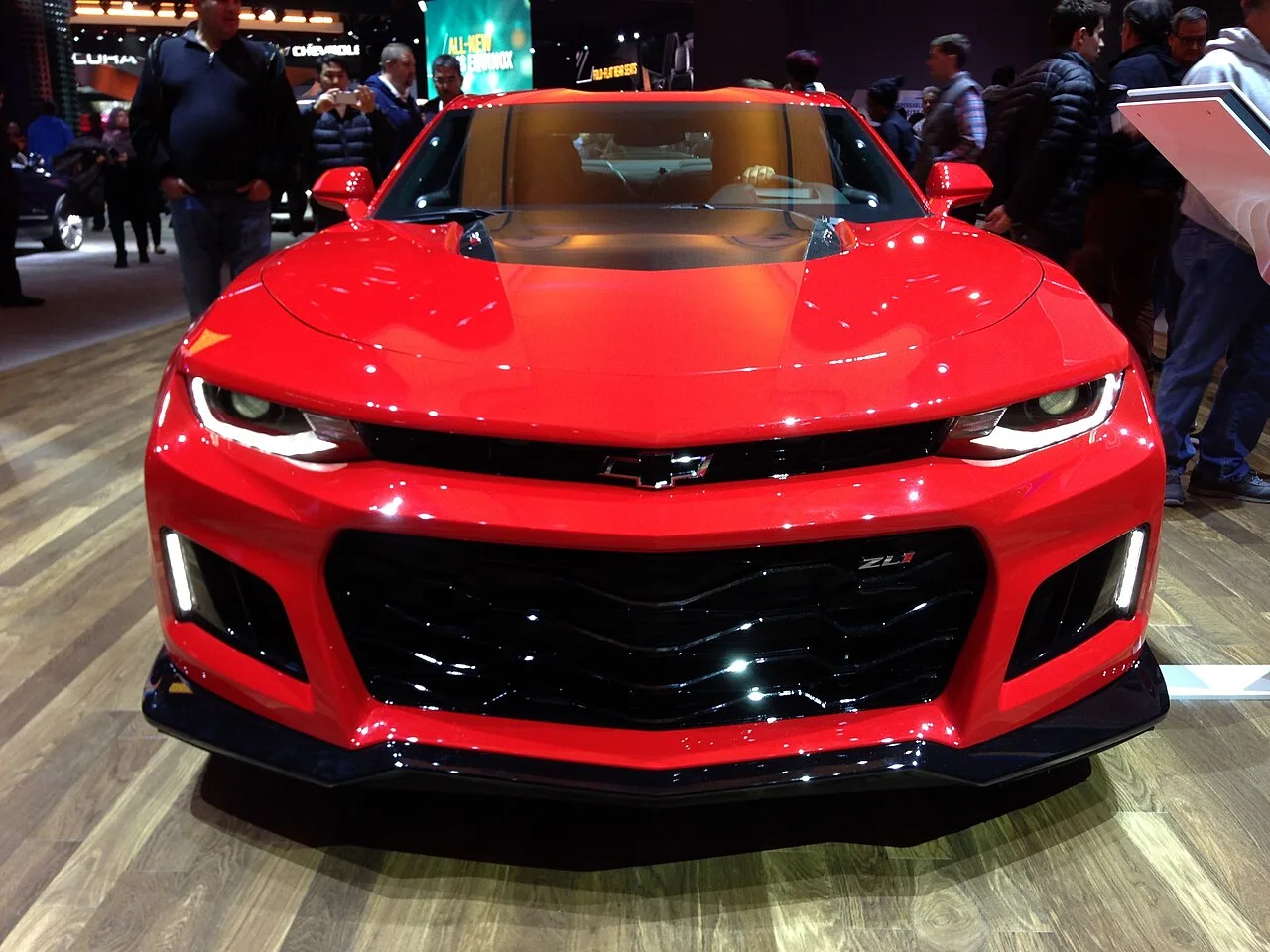 | Mustang's enduring Chevrolet rival |
| 04 | 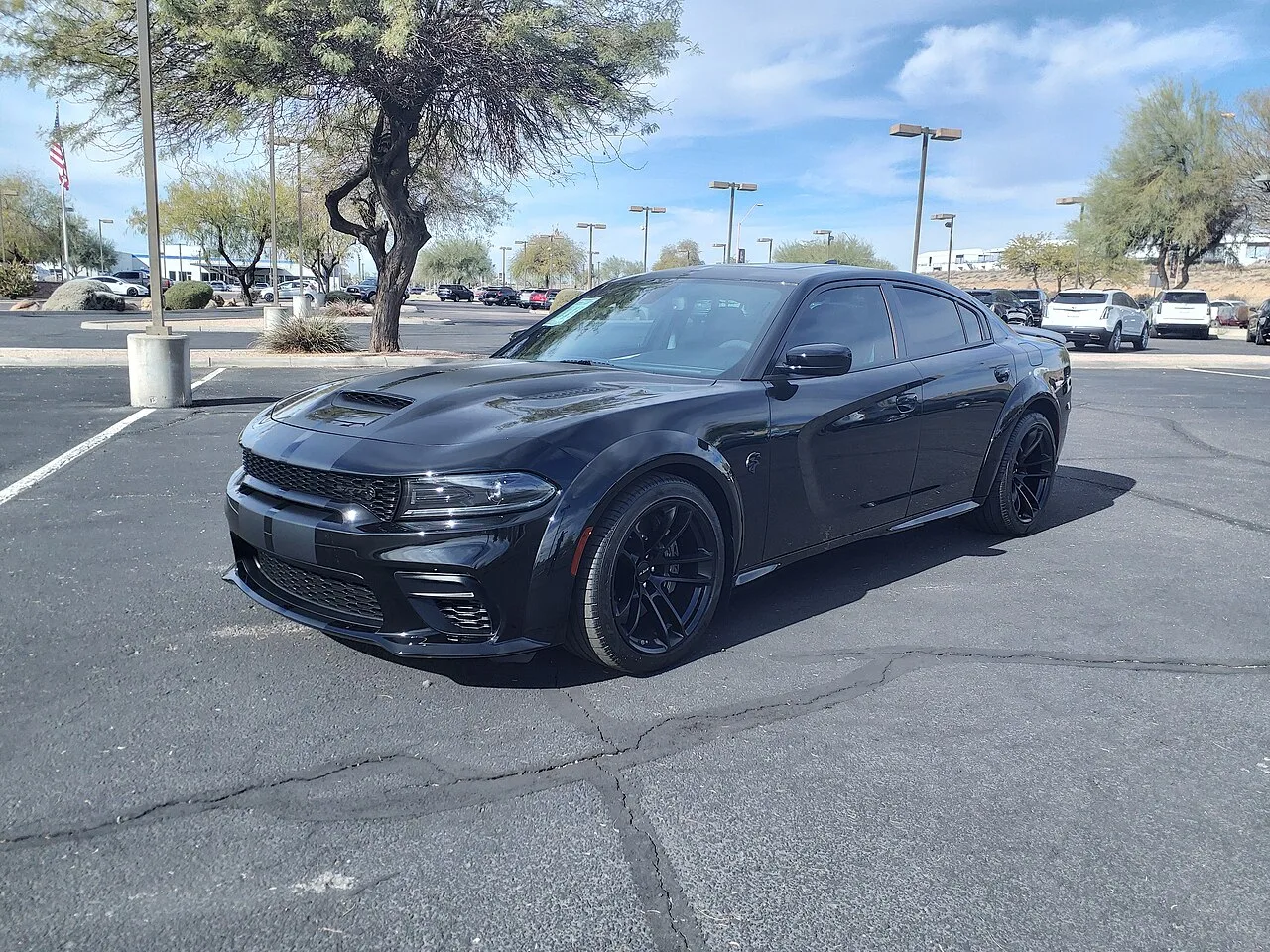 | Muscle identity in coupe and sedan forms |
| 05 | 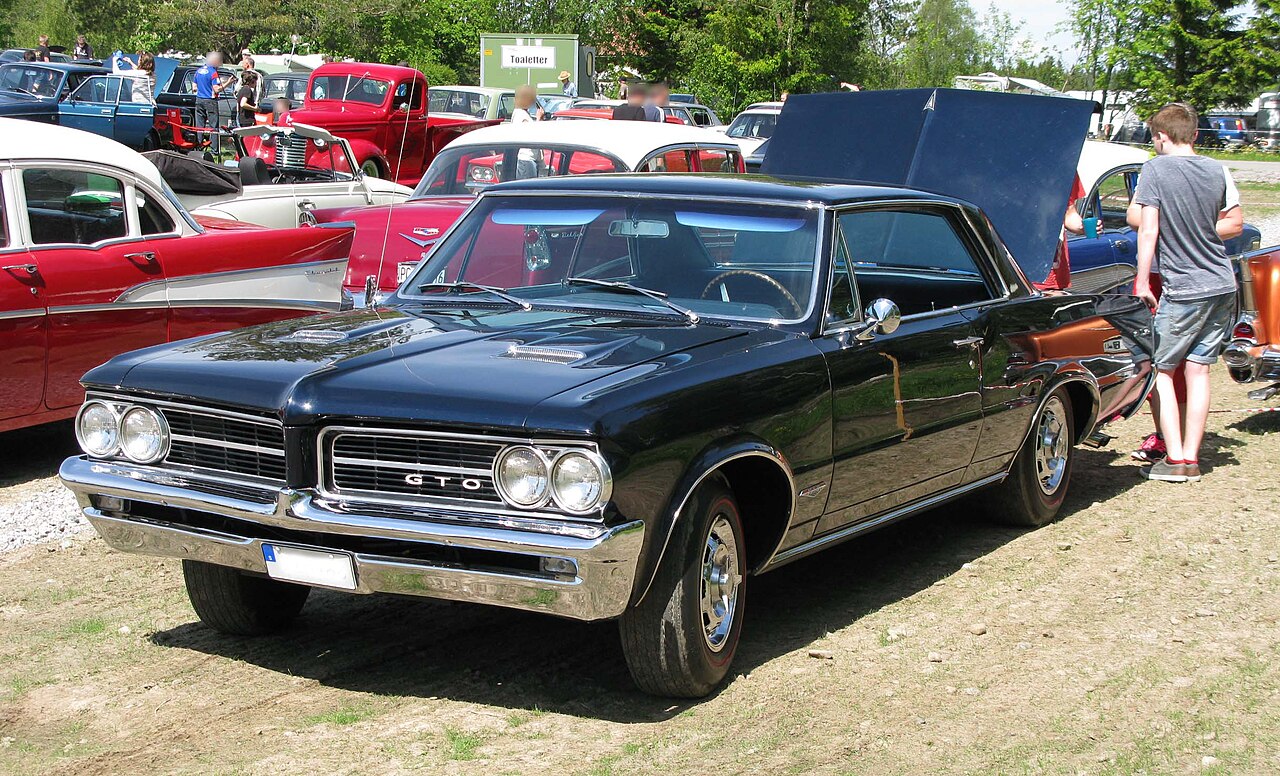 | Foundational midsize muscle car |
| 06 |  | Early pony car with HEMI heritage |
| 07 | 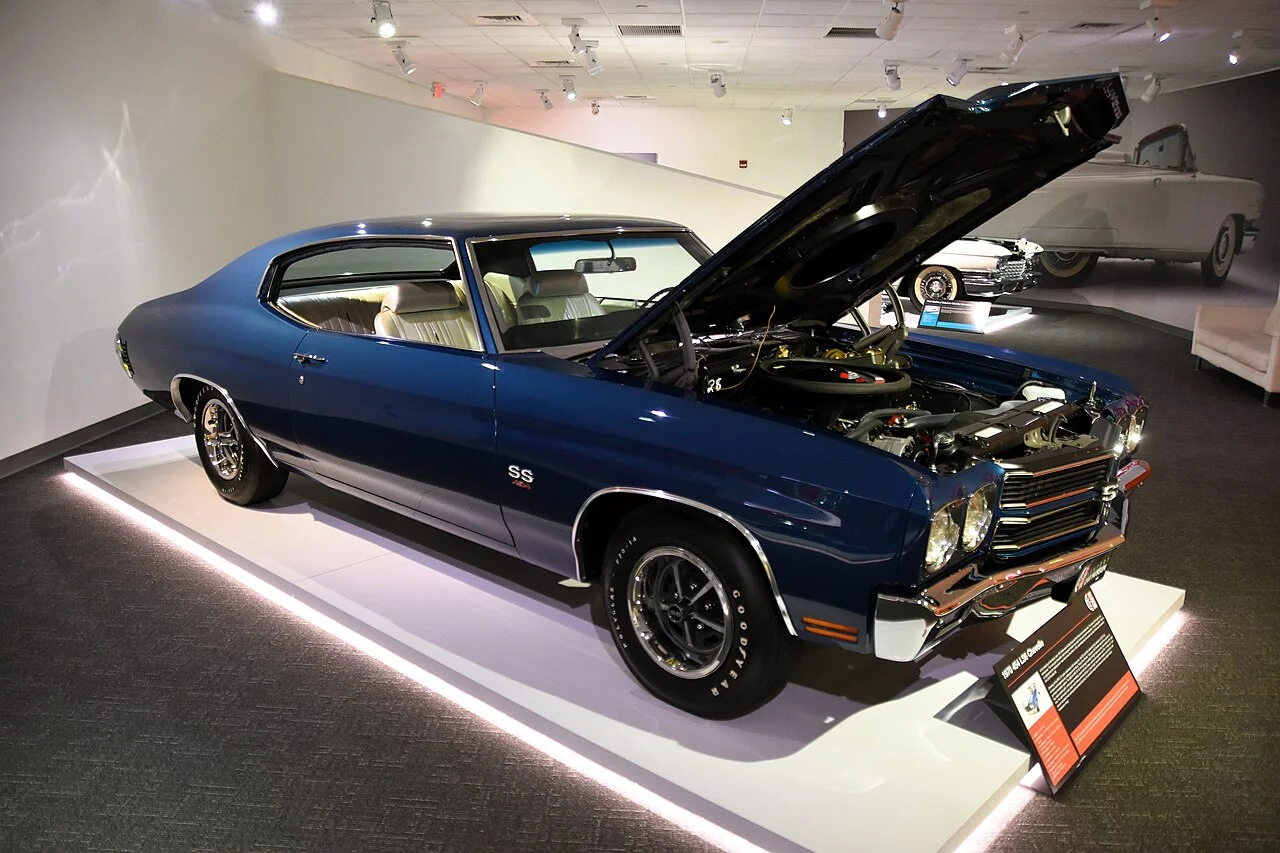 | Classic big-block showroom muscle |
No entries match your search.
America's 7 Favorite Muscle Cars: Entry Details
Ford Mustang
1964 to present · Widest generational reachMustang pairs the longest continuous production run here with more than 10 million cars sold. Its mix of affordable coupes, Shelby models and current V8 variants keeps the name visible.
- Debut
- 1964
- Defining evidence
- More than 10 million sold
Strengths & things to consider
Strengths
- Continuous production
- Broad model and motorsport reach
Things to consider
- Not every Mustang trim is a traditional V8 muscle car
Dodge Challenger
1970 to 1974 and 2008 to 2023 · Strongest modern retro revivalChallenger returned with styling tied closely to the 1970 original and developed a broad HEMI range. The Hellcat and Demon made straight-line performance central to its modern identity.
- Debut
- 1970
- Defining evidence
- Modern HEMI and Demon range
Strengths & things to consider
Strengths
- Recognizable classic-inspired shape
- Extensive V8 performance range
Things to consider
- Modern production ended after 2023
Chevrolet Camaro
1967 to 2002 and 2010 to 2024 · Mustang's enduring Chevrolet rivalChevrolet launched Camaro for 1967 and built its identity through SS, Z/28 and ZL1 variants. Road racing and big-block history give it depth beyond its long rivalry with Mustang.
- Debut
- 1967
- Defining evidence
- SS, Z/28 and ZL1 lineages
Strengths & things to consider
Strengths
- Strong road-racing connection
- Several distinct performance branches
Things to consider
- Production has stopped twice
Dodge Charger
Introduced 1966 · Muscle identity in coupe and sedan formsCharger began as a fastback coupe and later carried its performance identity into a four-door sedan. Daytona aerodynamics and modern Hellcat power give the name two different historical peaks.
- Debut
- 1966
- Defining evidence
- Daytona and Hellcat performance branches
Strengths & things to consider
Strengths
- Distinct classic and modern identities
- Strong competition and film recognition
Things to consider
- Body style changed from coupe to sedan
Pontiac GTO
1964 to 1974 and 2004 to 2006 · Foundational midsize muscle carThe 1964 GTO option combined Pontiac's 389 V8 with a lighter midsize body. Its historical influence is enormous, but the name had shorter production runs than the four entries above it.
- Debut
- 1964
- Defining evidence
- 325 hp V8 in the original package
Strengths & things to consider
Strengths
- Established the midsize muscle formula
- Strong original-era identity
Things to consider
- Brief twenty-first-century return
Plymouth Barracuda
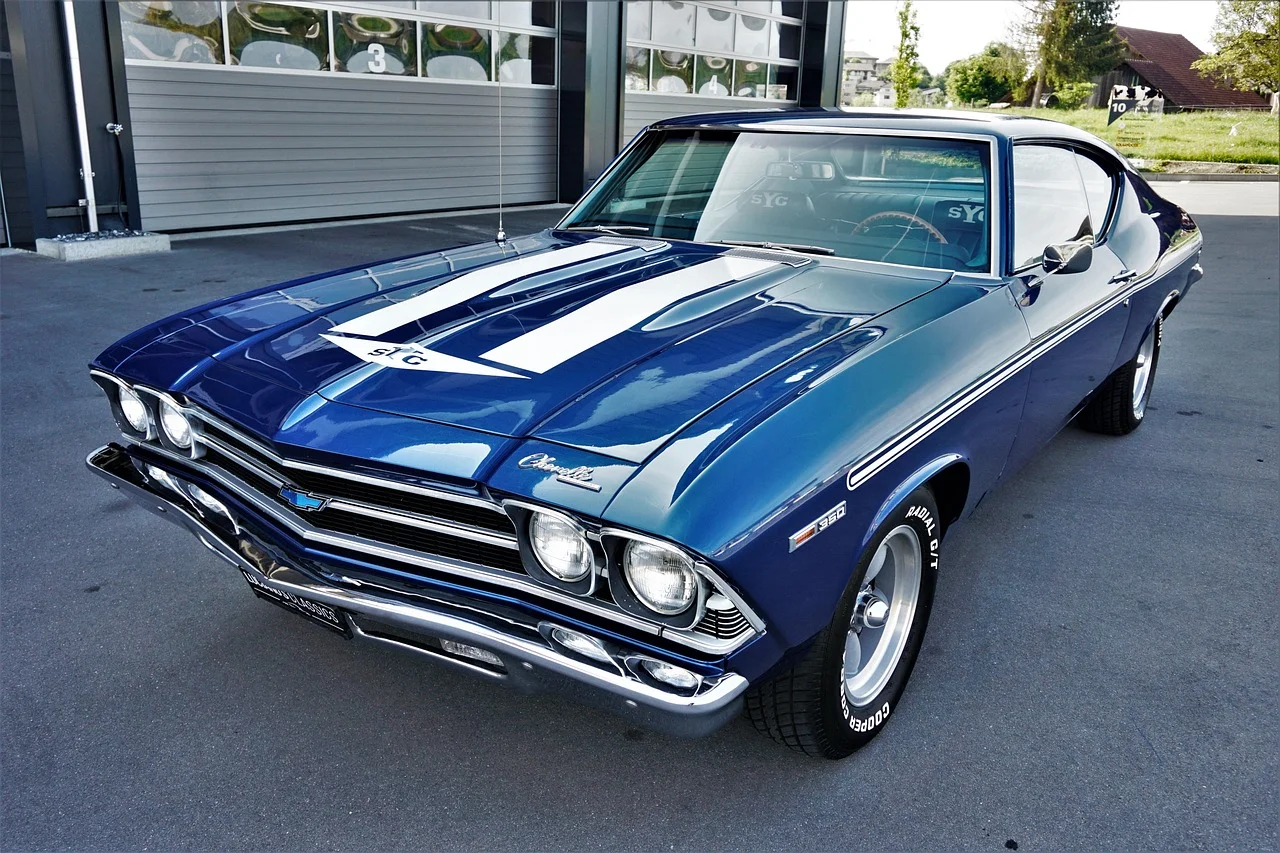
1964 to 1974 · Early pony car with HEMI heritageBarracuda arrived before Mustang and evolved into the E-body performance car enthusiasts remember as the Cuda. Rare 426 HEMI versions anchor its collector appeal.
- Debut
- 1964
- Defining evidence
- Factory HEMI Super Stock heritage
Strengths & things to consider
Strengths
- Early pony-car debut
- Strong HEMI collector identity
Things to consider
- Only one decade of production
Chevrolet Chevelle SS
1964 to 1973 performance era · Classic big-block showroom muscleChevelle SS distilled the traditional midsize muscle formula and peaked with the 1970 LS6. The absence of a modern continuation leaves it behind nameplates that reached new generations.
- Debut
- 1964 Malibu SS
- Defining evidence
- 1970 LS6 rated at 450 gross hp
Strengths & things to consider
Strengths
- Direct midsize big-block formula
- Highly recognized SS styling
Things to consider
- No modern Chevelle revival
America's 7 Favorite Muscle Cars: Analysis
Why Mustang takes first place
Mustang turned an affordable sporty coupe into a mass-market phenomenon, then stayed in production while most rivals disappeared. Its first-year record and current showroom presence give the Mustang name a continuity no other entry matches.
GTO founded the formula, but the pony cars spread it
Pontiac GTO established the big-engine midsize template in 1964. Mustang, Camaro and Challenger carried American performance into more body styles, racing series and later generations, while the Dodge story also kept Charger alive as a four-door performance car.
Important context
- Ford sold more than 418,000 Mustangs in its first year and passed 10 million across seven generations.
- Pontiac's 1964 GTO put a 325 hp V8 into a midsize package that GM calls the birth of the muscle car.
- Camaro, Challenger and Charger all returned after long interruptions, strengthening their modern recognition.
Our verdict
Our favorite American muscle-car verdict
Mustang is the broadest recommendation because buyers can trace one continuous nameplate from 1964 to a current V8 coupe. Challenger offers the strongest modern retro interpretation, while GTO and Chevelle best represent the original midsize formula.
Strengths
- Seven recognizable names with documented factory performance history
- Classic and modern eras represented
- Coupe, fastback and sedan interpretations included
Things to consider
- Editorial preference cannot measure every enthusiast community
- Some nameplates had long production gaps
- Later versions changed body style or market role
FAQ: America's 7 Favorite Muscle Cars
What is America's favorite muscle car?
Ford Mustang leads our editorial ranking through continuous production, more than 10 million sales and six decades of performance variants.
What car started the muscle-car era?
GM identifies the 1964 Pontiac GTO as the birth of the muscle car. Its 325 hp V8 put full-size power into a midsize package.
Which muscle car has been produced the longest?
Ford Mustang has remained in continuous production since 1964. Challenger, Camaro, Charger and GTO all had substantial interruptions.
Why does Challenger rank above Camaro?
Challenger's modern generation kept its classic proportions and built a wide HEMI range capped by factory drag-focused Demon models. Camaro counters with stronger road-racing history.
Is the Chevrolet Chevelle still made?
No. Chevrolet ended the Chevelle name after the 1970s, and no current production model continues it.
Sources & methodology
Editorial order weighs production continuity, documented sales reach, competition influence, factory performance branches and recognition across generations. It is not a survey result.
Maintained by Artsiom Dusau, a software engineer and BMW 4 Series owner. Editorial policy