

Short answer
The Buick GS 455 Stage 1 recorded a 13.38-second quarter mile in Motor Trend’s period testing. Its big-displacement engine made Buick a serious challenger to Chevrolet and Plymouth at the drag strip.
- Data period
- 1970 model-year cars
- Entries
- 4
- Comparison
- Period quarter mile
- Topic
- Muscle cars
Fastest Muscle Cars of 1970 at a Glance
| Rank | Car | Quarter mile | Engine | Test |
|---|---|---|---|---|
| 01 | 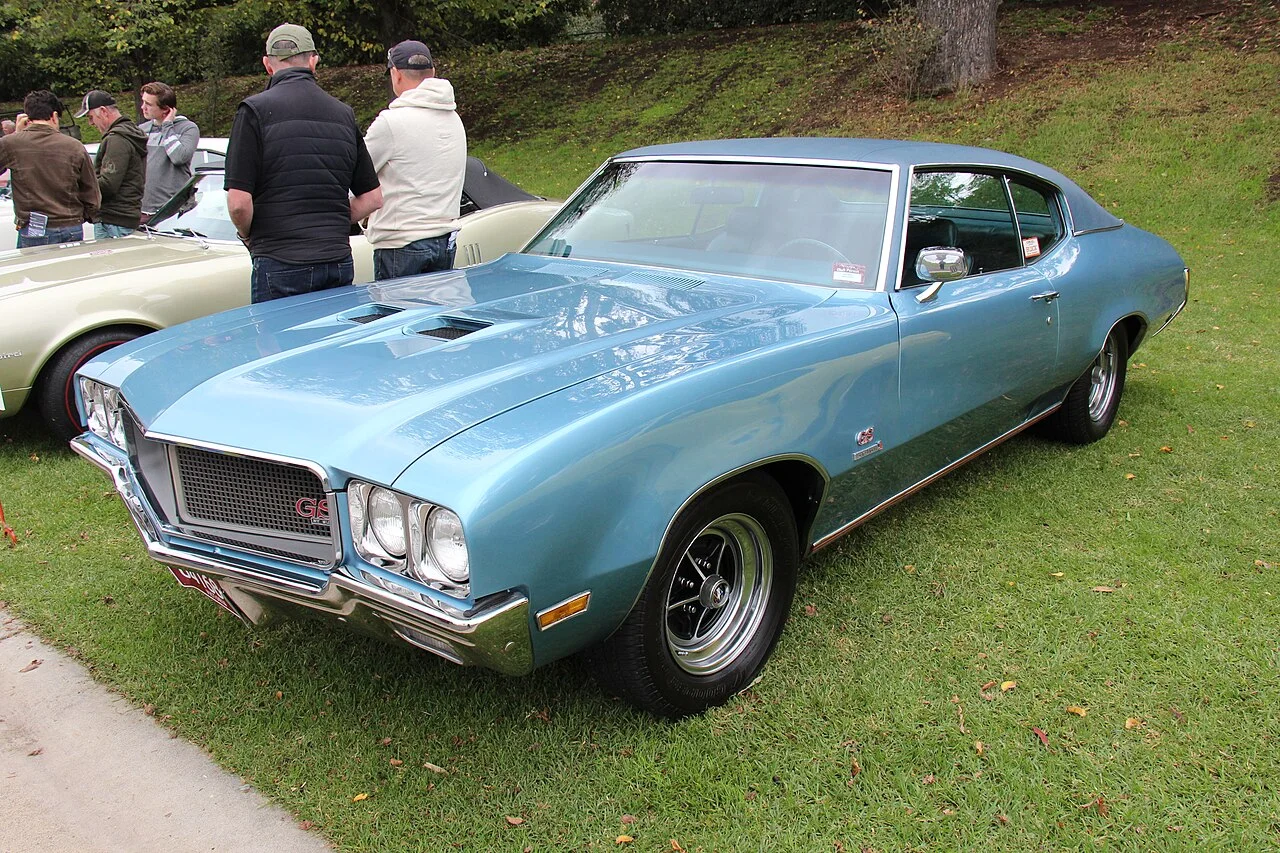 | 13.38 seconds | 455 cu in V8 | Motor Trend period test |
| 02 | 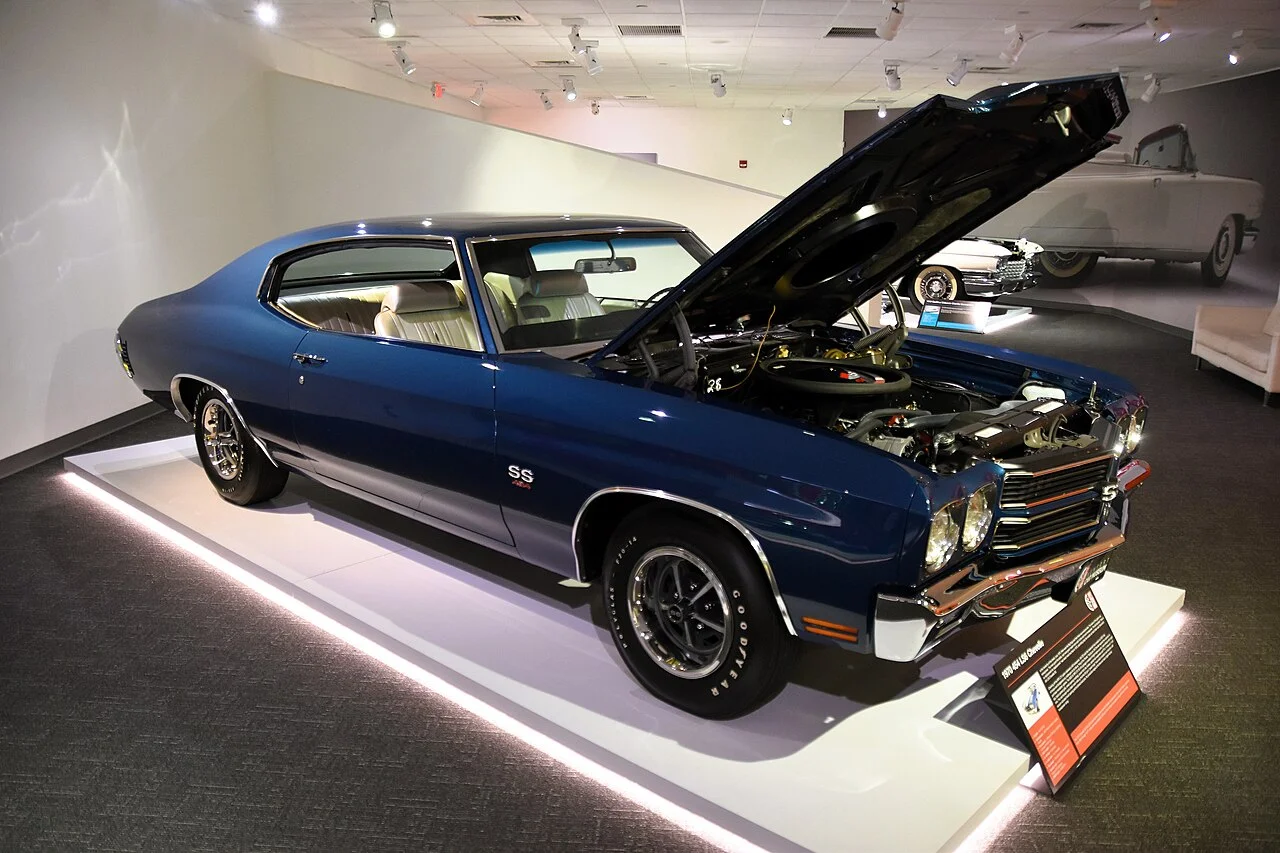 | 13.44 seconds | 454 cu in V8 | Hot Rod, May 1970 |
| 03 | 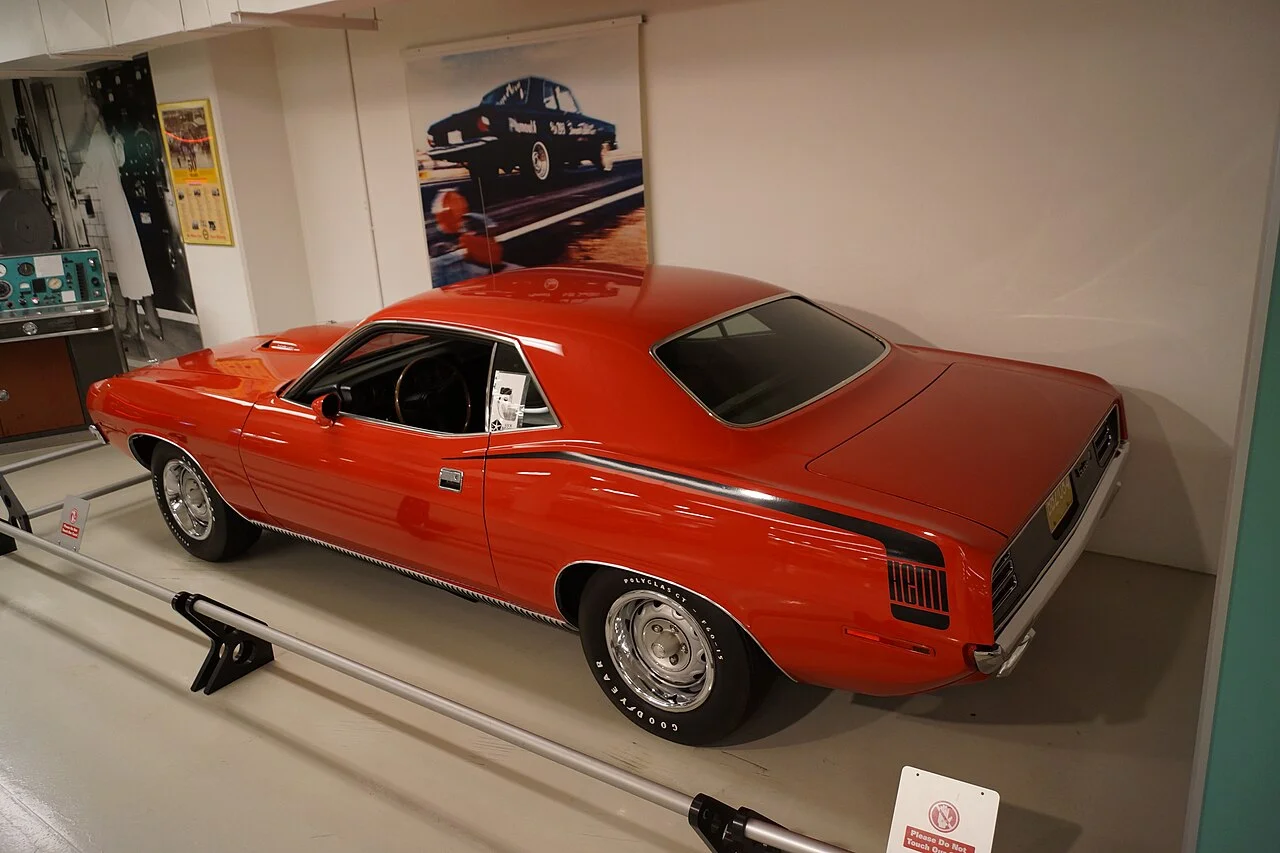 | 14.0 seconds | 426 cu in V8 | Motor Trend, May 1970 |
| 04 | 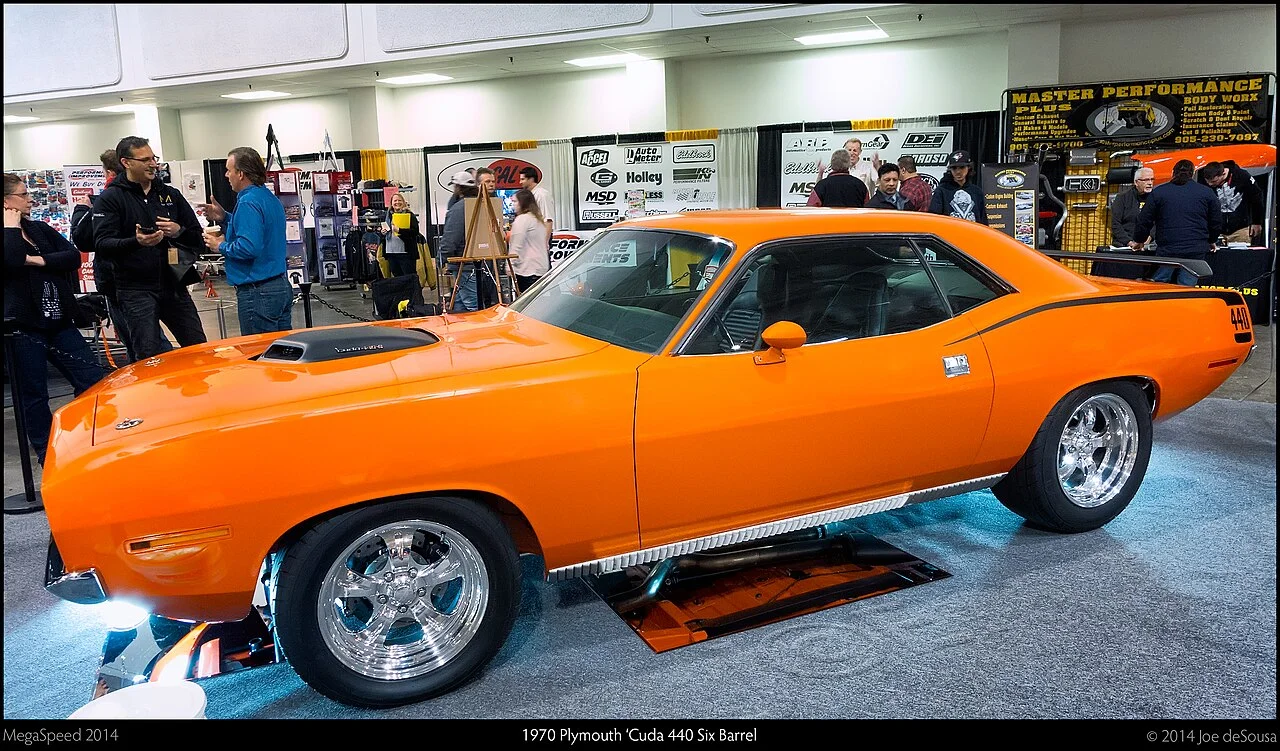 | 14.4 seconds | 440 cu in V8 | Motor Trend period result |
No entries match your search.
The scale of the difference
Period quarter mile
First 4 entries shown. Bar lengths compare the magnitude of the reported values.
- Buick GS 455 Stage 113.38 seconds
- Chevrolet Chevelle SS 454 LS613.44 seconds
- Plymouth Hemi Cuda14.0 seconds
- Plymouth Cuda 440 Six Barrel14.4 seconds
Fastest Muscle Cars of 1970: Entry Details
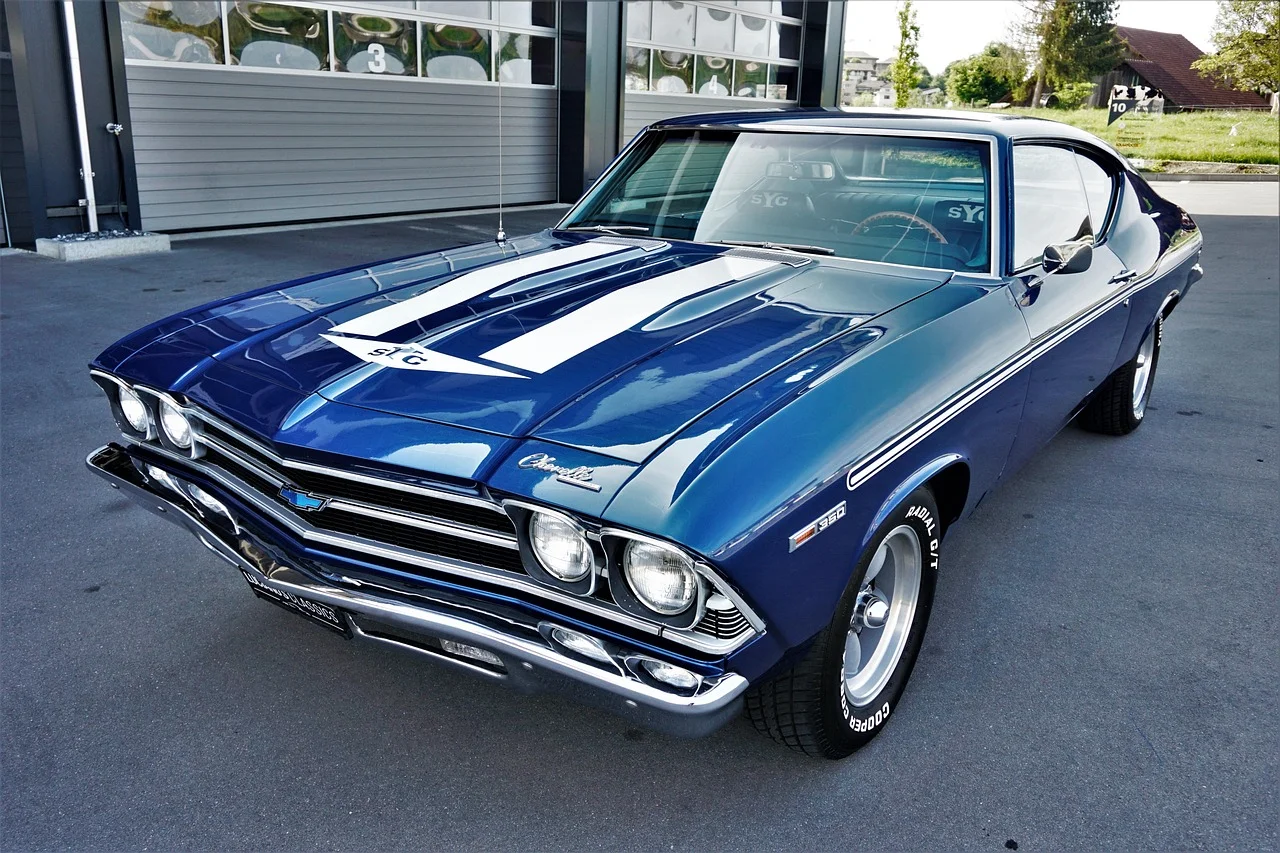
Buick GS 455 Stage 1
1970 model yearBig-displacement torque and a well-prepared test car produced the quickest published run in this selection.
- Test
- Motor Trend period test
- Engine
- 455 cu in V8
Chevrolet Chevelle SS 454 LS6
1970 model yearA close-ratio four-speed and short rear gearing helped Hot Rod’s tester turn engine power into a strong standing-start run.
- Test
- Hot Rod, May 1970
- Engine
- 454 cu in V8
Plymouth Hemi Cuda
1970 model yearThe Hemi-powered coupe paired its large V8 with an automatic transmission in Motor Trend’s May test.
- Test
- Motor Trend, May 1970
- Engine
- 426 cu in V8
Plymouth Cuda 440 Six Barrel
1970 model yearThree two-barrel carburettors supplied the wedge-head V8, with a manual gearbox adding another demand on the driver.
- Test
- Motor Trend period result
- Engine
- 440 cu in V8
Fastest Muscle Cars of 1970: Analysis
Buick GS Stage 1 Quarter-Mile Test
Buick fitted the Stage 1 with a large-capacity V8 and a performance induction package. The engine could pull strongly without depending on unusually high revs. Hot Rod’s account of the test also describes a carefully prepared car, a useful detail when comparing its launch with another magazine’s road test.
Chevelle LS6 Launch Technique
The Chevelle’s solid-lifter engine and close-ratio manual gearbox rewarded an involved driver. Hot Rod’s original tester worked on launch technique and engine temperature before recording the best run. The short rear gearing helped the car accelerate, while its narrow period tyres made controlling wheelspin part of the job.
Plymouth Hemi Cuda vs 440 Six Barrel
Plymouth’s Hemi Cuda used a different cylinder-head layout from the 440 Six Barrel. Both put substantial power through their rear tyres, so launching cleanly mattered before the engine could deliver its advantage. Their compact bodies make an interesting companion to the larger Chevrolet Chevelle and Buick GS.
Important context
- The Chevelle LS6 test car used a four-speed manual transmission.
- Motor Trend’s Hemi Cuda specification lists an automatic gearbox.
- The 440 Six Barrel name refers to three two-barrel carburettors.
FAQ: Fastest Muscle Cars of 1970
Which car has the quickest quarter mile here?
The Buick GS 455 Stage 1 leads at 13.38 seconds. Hot Rod described the Motor Trend test car as well prepared.
Did Hot Rod test the Chevelle LS6 in 1970?
Yes. The republished May 1970 road test records a best quarter mile of 13.44 seconds. The car used a four-speed manual transmission.
Was the Hemi Cuda test car an automatic?
Yes. Motor Trend’s archived specification identifies a three-speed automatic for the Hemi Cuda.
What does Six Barrel mean on a Plymouth?
The name identifies the 440 engine’s three two-barrel carburettors. Dodge used the Six Pack name for its related arrangement.
Sources & methodology
Selected 1970 models ordered by archived magazine quarter-mile times, shortest first. Tests used different cars and conditions, including a prepared Buick. Original publishers supply the figures, with the Buick result preserved in their retrospective.
Maintained by Artsiom Dusau, a software engineer and BMW 4 Series owner. Editorial policy
.jpg)
_(55220899684).jpg)
.jpg)
.jpg)