

Short answer
The 1970 Plymouth Hemi ’Cuda is our first choice for combining the 426 Hemi with the E-body coupe. Charger Daytona and Superbird follow for their NASCAR-related aerodynamic development, with Road Runner and Charger R/T completing the selection.
- First choice
- 1970 Plymouth Hemi ’Cuda
- Aerodynamic pair
- 1969 Daytona and 1970 Superbird
- Broader road models
- 1968 Road Runner and Charger R/T
The 5 Best Mopar Muscle Cars at a Glance
| Editorial place | Mopar model | Model year | Original engine choices | Defining role |
|---|---|---|---|---|
| 01 | 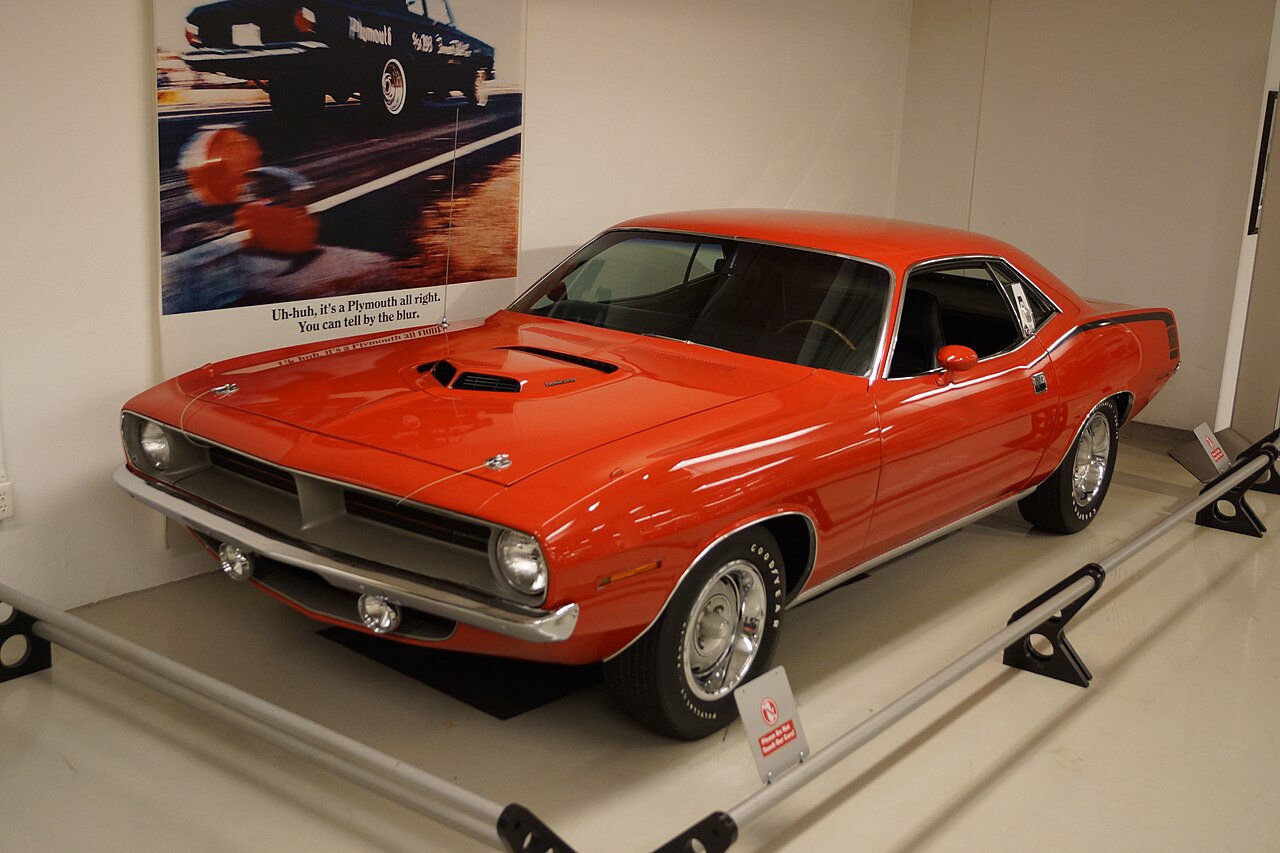 | 1970 | 426 cu in Hemi V8 | Hemi-powered E-body performance |
| 02 | 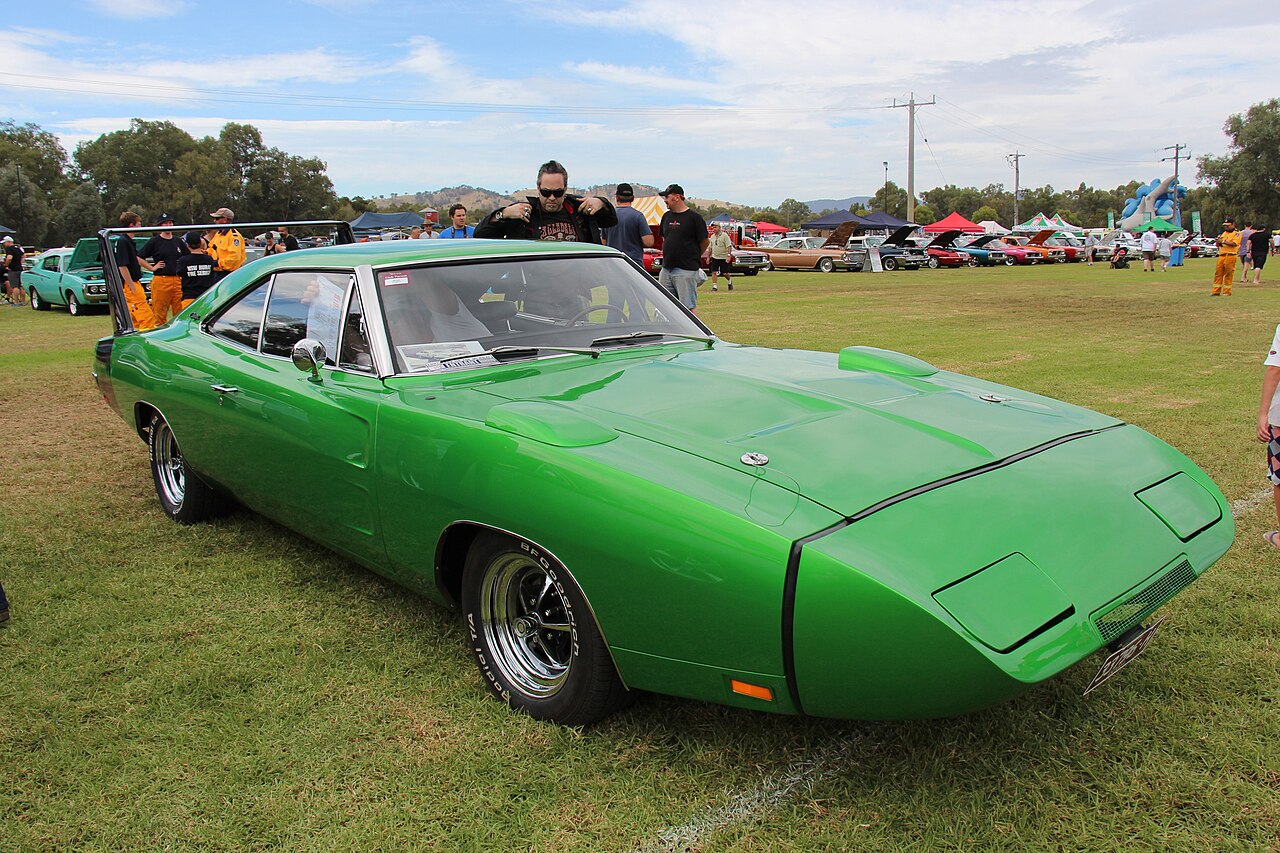 | 1969 | 440 cu in V8, optional 426 Hemi | NASCAR-related homologation |
| 03 | 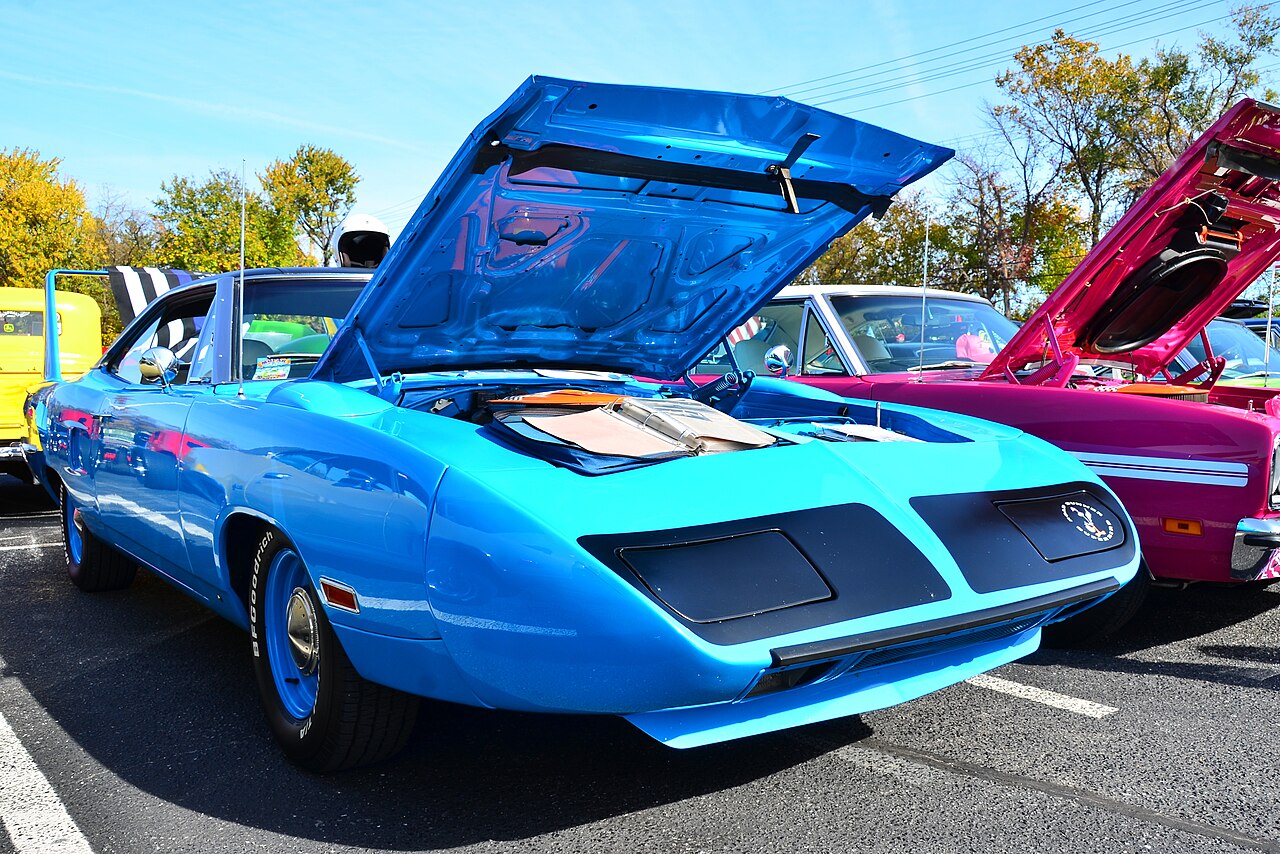 | 1970 | 440 cu in V8 variants, optional 426 Hemi | Plymouth NASCAR-related homologation |
| 04 | 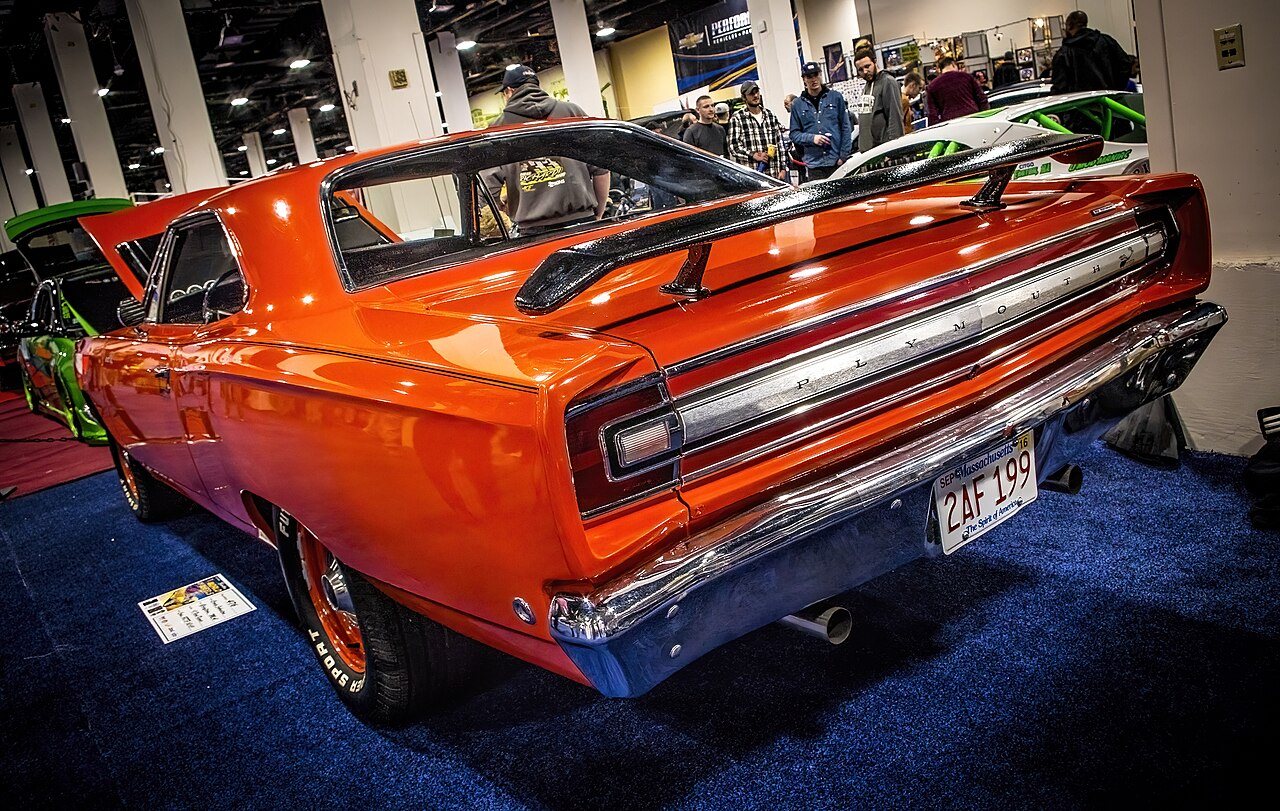 | 1968 | 383 cu in V8, optional 426 Hemi | Intermediate big-block muscle |
| 05 | 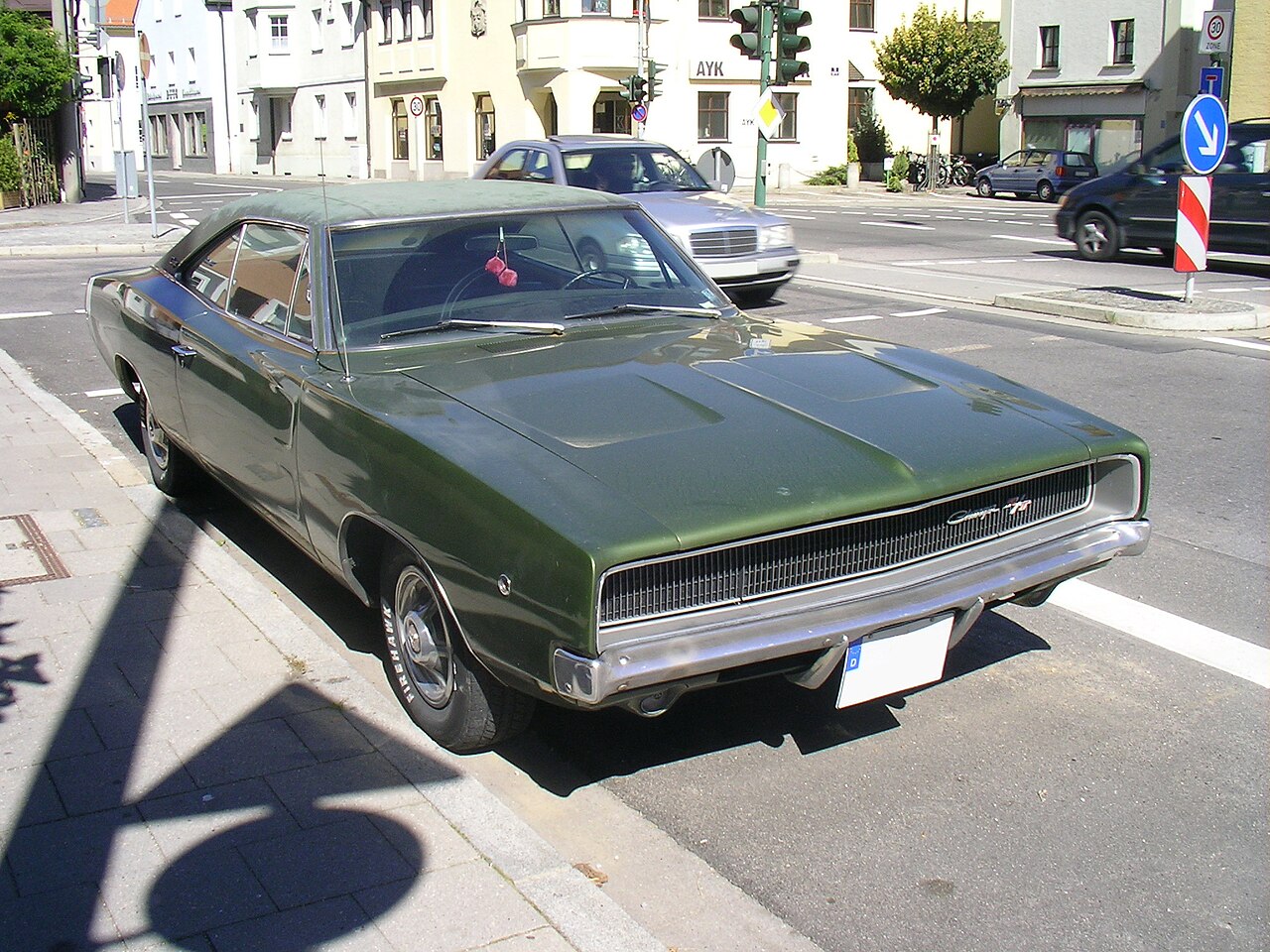 | 1968 | 440 cu in Magnum V8, optional 426 Hemi | Factory Charger performance grade |
No entries match your search.
The 5 Best Mopar Muscle Cars: Entry Details
Plymouth Hemi ’Cuda
1970 · Best engine-and-body combinationThe 426 Hemi and E-body coupe create a specific performance identity. That concentrated engine-body pairing puts the Hemi ’Cuda first.
- Engine
- 426 cu in Hemi V8
- Performance role
- Hemi-powered E-body performance
- Body
- E-body coupe
Dodge Charger Daytona
1969 · Best Mopar aerodynamic landmarkThe extended nose and tall wing make Daytona a road-going expression of NASCAR development. Its aerodynamic purpose earns second place.
- Engine
- 440 cu in V8, optional 426 Hemi
- Performance role
- NASCAR-related homologation
- Body
- Winged Charger hardtop
Plymouth Superbird
1970 · Best Plymouth aerodynamic counterpartSuperbird develops the Road Runner body for Plymouth’s aerodynamic competition programme. It takes third place as a distinct counterpart to the earlier Dodge Daytona.
- Engine
- 440 cu in V8 variants, optional 426 Hemi
- Performance role
- Plymouth NASCAR-related homologation
- Body
- Winged Road Runner hardtop
Plymouth Road Runner
1968 · Best straightforward Mopar big-block carThe Road Runner’s standard 383 V8 makes big-block performance central to the intermediate body. It ranks here for that direct road-car proposition.
- Engine
- 383 cu in V8, optional 426 Hemi
- Performance role
- Intermediate big-block muscle
- Body
- Two-door intermediate
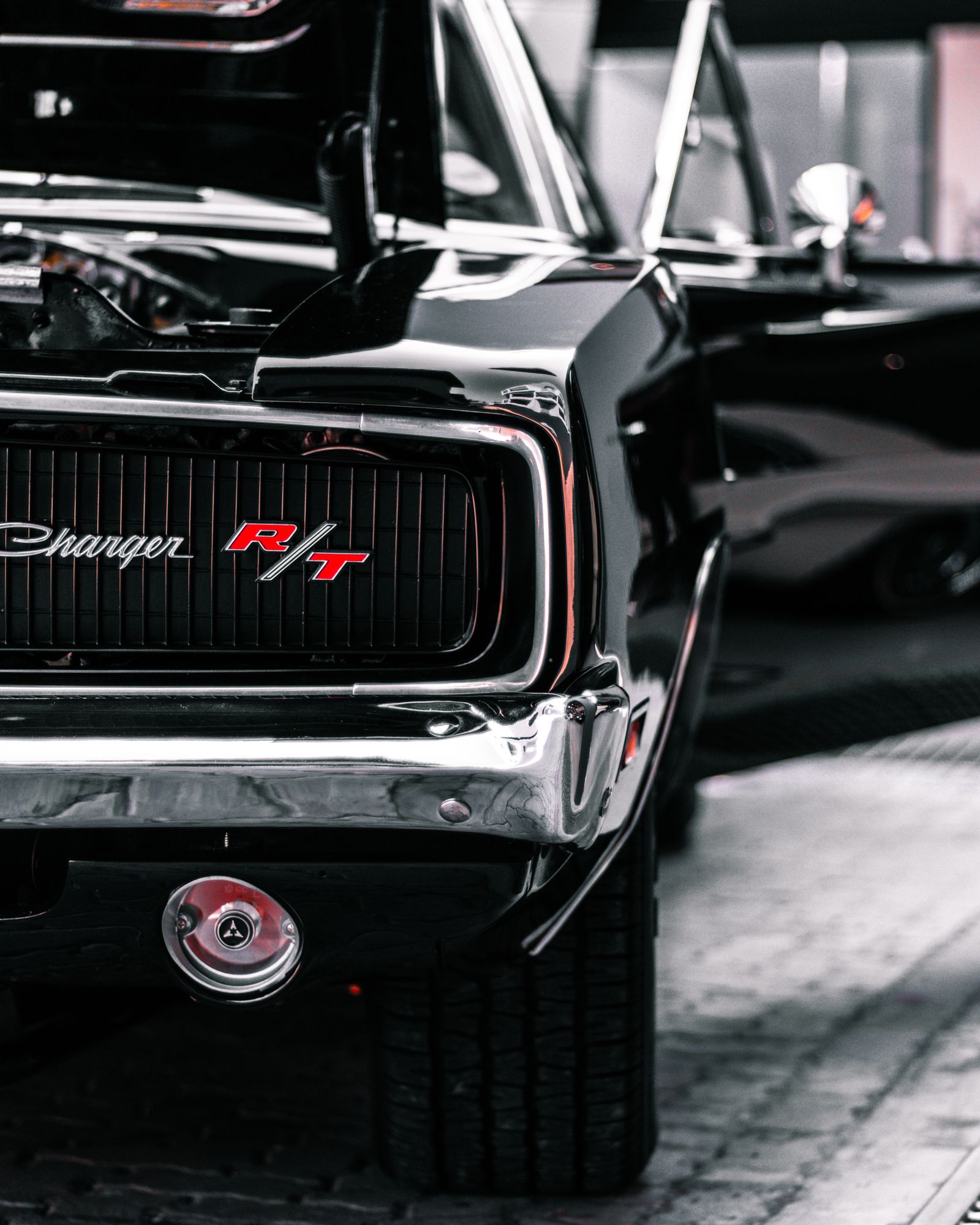
Dodge Charger R/T
1968 · Best conventional Dodge performance coupeThe standard 440 Magnum and optional Hemi give the R/T a clear factory performance role. It closes the list as the conventional Charger counterpart to Daytona.
- Engine
- 440 cu in Magnum V8, optional 426 Hemi
- Performance role
- Factory Charger performance grade
- Body
- Two-door Charger hardtop
The 5 Best Mopar Muscle Cars: Analysis
Hemi ’Cuda Combines the E-Body With the 426 Engine
The 1970 Hemi ’Cuda belongs to the E-body generation, a separate body from the earlier Barracuda. Its large Hemi engine is central to the exact version named here. That combination gives it the leading place, while the Plymouth history connects the performance coupe with the brand’s broader road-car range.
Daytona and Superbird Are Related but Separate Cars
The 1969 Charger Daytona develops a Dodge body with a pointed nose and tall rear wing. The 1970 Superbird applies the aerodynamic approach to Plymouth’s Road Runner family with its own nose and body details. Superbird also belongs to the programme that brought Richard Petty back to Plymouth. Their shared visual idea does not make them interchangeable versions of one model.
Road Runner Keeps the Big-Block Proposition Simple
The 1968 Road Runner starts with a 383 V8 and a straightforward intermediate body. Its Hemi option provides a different engine choice, but the standard configuration explains the model’s broad road-car identity. Fourth place reflects that purposeful formula, beneath the Hemi ’Cuda’s specific engine-body pairing and the two aerodynamic specials.
Charger R/T Gives the Conventional Coupe Its Own Role
The 1968 Charger R/T combines the redesigned Charger body with the 440 Magnum V8 as standard and an optional Hemi. Its enclosed grille and two-door shape remain a more conventional road-car proposition than the winged Daytona. The Dodge history follows how the Charger identity extends beyond this original R/T generation.
Our verdict
Our verdict
Hemi ’Cuda is the strongest specific engine-body choice. Daytona and Superbird contribute the most unusual aerodynamic development, while Road Runner and Charger R/T represent conventional big-block road cars. Choosing an original example means identifying its actual engine and factory grade, rather than treating every Mopar coupe as a Hemi.
Strengths
- The Hemi ’Cuda names a specific factory engine configuration.
- Daytona and Superbird show separate Dodge and Plymouth aerodynamic programmes.
Things to consider
- Winged bodies have an extended footprint.
- R/T and Road Runner badges alone do not identify the optional Hemi engine.
FAQ: The 5 Best Mopar Muscle Cars
What is the best classic Mopar muscle car here?
The 1970 Hemi ’Cuda leads for its combination of the 426 Hemi engine and E-body coupe. The two aerodynamic specials follow for their NASCAR-related engineering.
Is a Plymouth Superbird the same as a Dodge Daytona?
No. The 1969 Daytona develops the Charger body, while the 1970 Superbird develops the Road Runner family. Their noses, bodies and model identities differ.
Did every 1970 ’Cuda have a Hemi?
No. Hemi ’Cuda identifies the particular 426 Hemi version. Other ’Cuda engine configurations are separate from the entry ranked here.
What engine was standard in the 1968 Charger R/T?
The 440 Magnum V8 was standard in the R/T. Buyers could specify the 426 Hemi instead.
Was the 1968 Road Runner available without a Hemi?
Yes. Its standard 383 V8 was central to the original Road Runner performance package. Hemi power was optional.
Why is Richard Petty associated with the Superbird?
Superbird belonged to Plymouth’s programme to bring Petty back to its NASCAR team. That competition connection is a major part of the model’s historical role.
Sources & methodology
Editorial order weighs powertrain identity, aerodynamics and historical influence in five factory Dodge and Plymouth road versions from 1968–1970. Auction-house original-car histories provide the specification evidence.
Maintained by Artsiom Dusau, a software engineer and BMW 4 Series owner. Editorial policy
.jpg)
.jpg)


