

Short answer
The 2006 Dodge Challenger Concept takes first place because its proportions translated classic muscle-car cues into a convincing modern coupe. The Camaro and Mustang concepts also helped define production revivals, while Daytona SRT and Avista explored different futures.
- Selection
- Five manufacturer concepts
- Show-car period
- 2003–2022
- Leading idea
- Challenger’s coherent muscle-car revival
The 5 Best Concept Muscle Cars at a Glance
| Rank | Concept | Debut | Main idea |
|---|---|---|---|
| 01 | 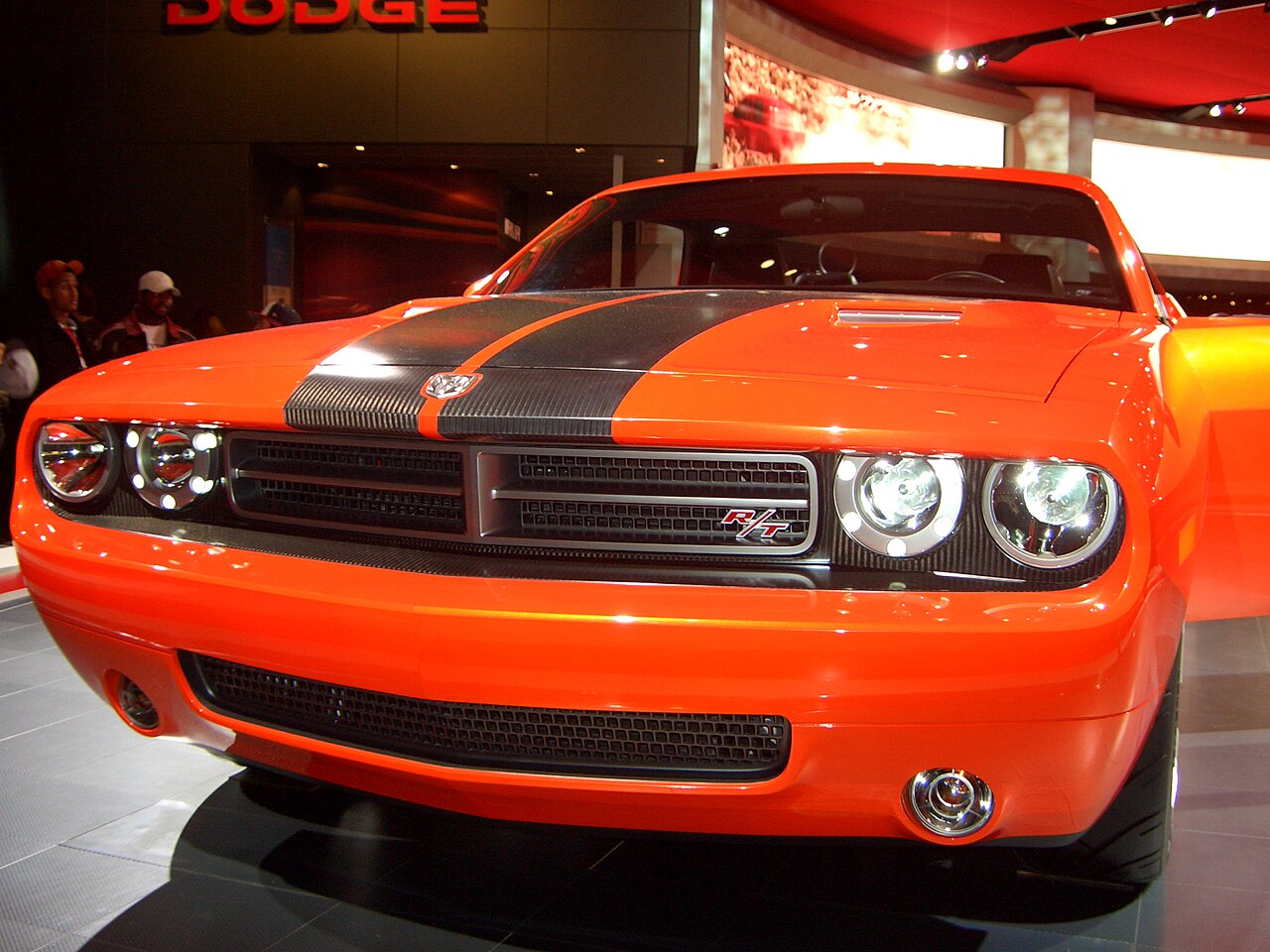 | 2006 | Muscle-car revival |
| 02 | 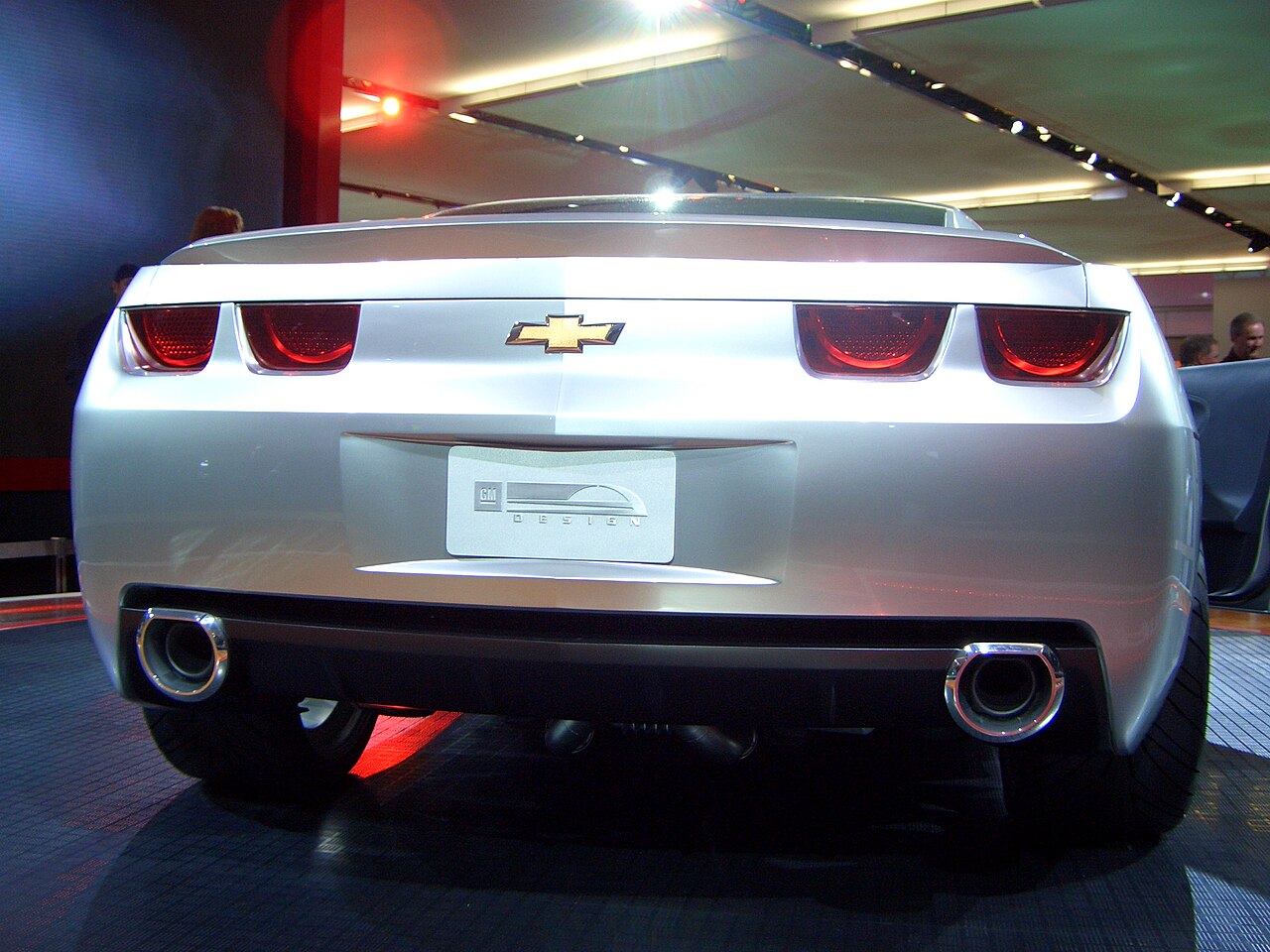 | 2006 | Pony-car revival |
| 03 | 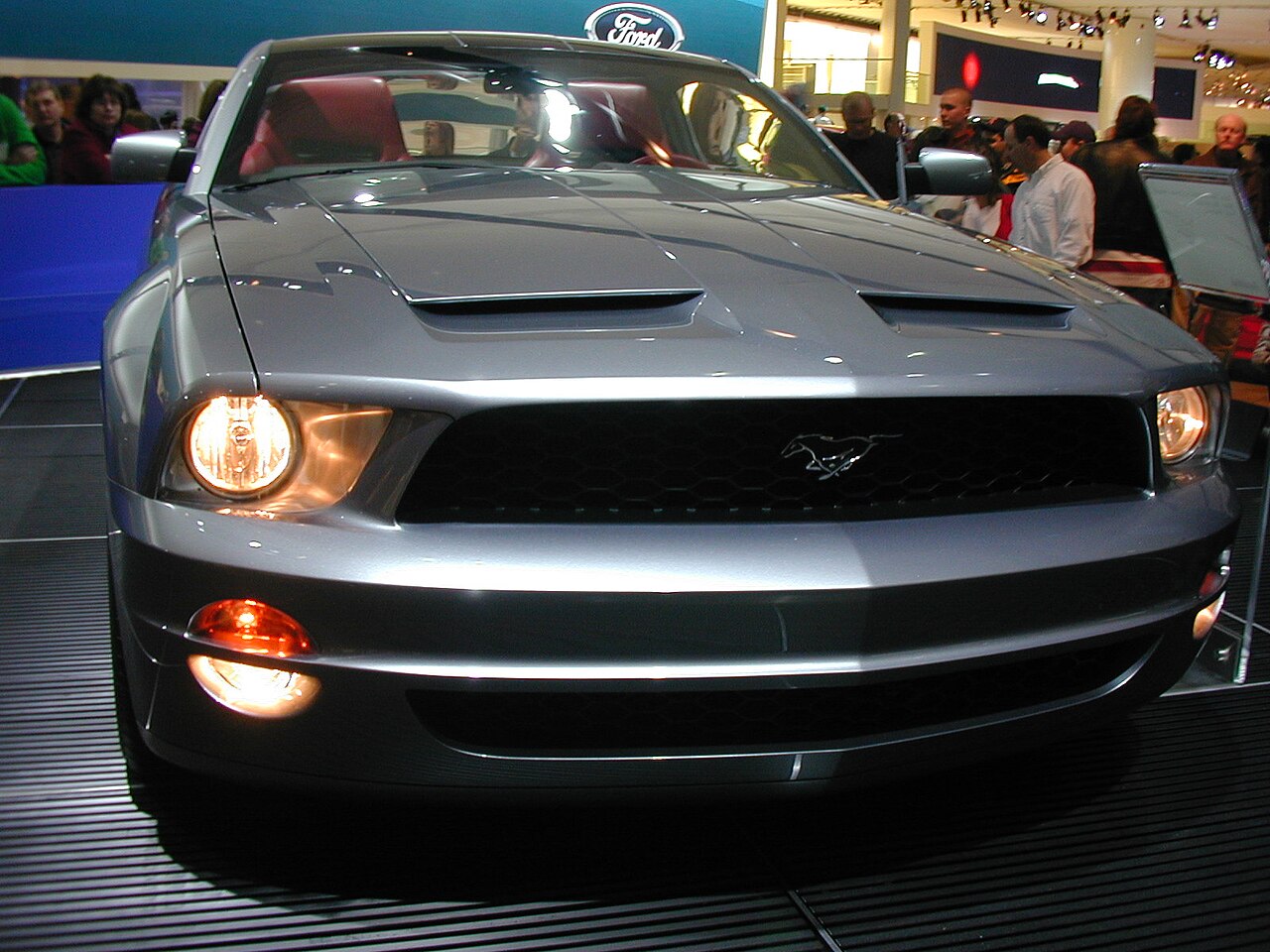 | 2003 | Production design preview |
| 04 | 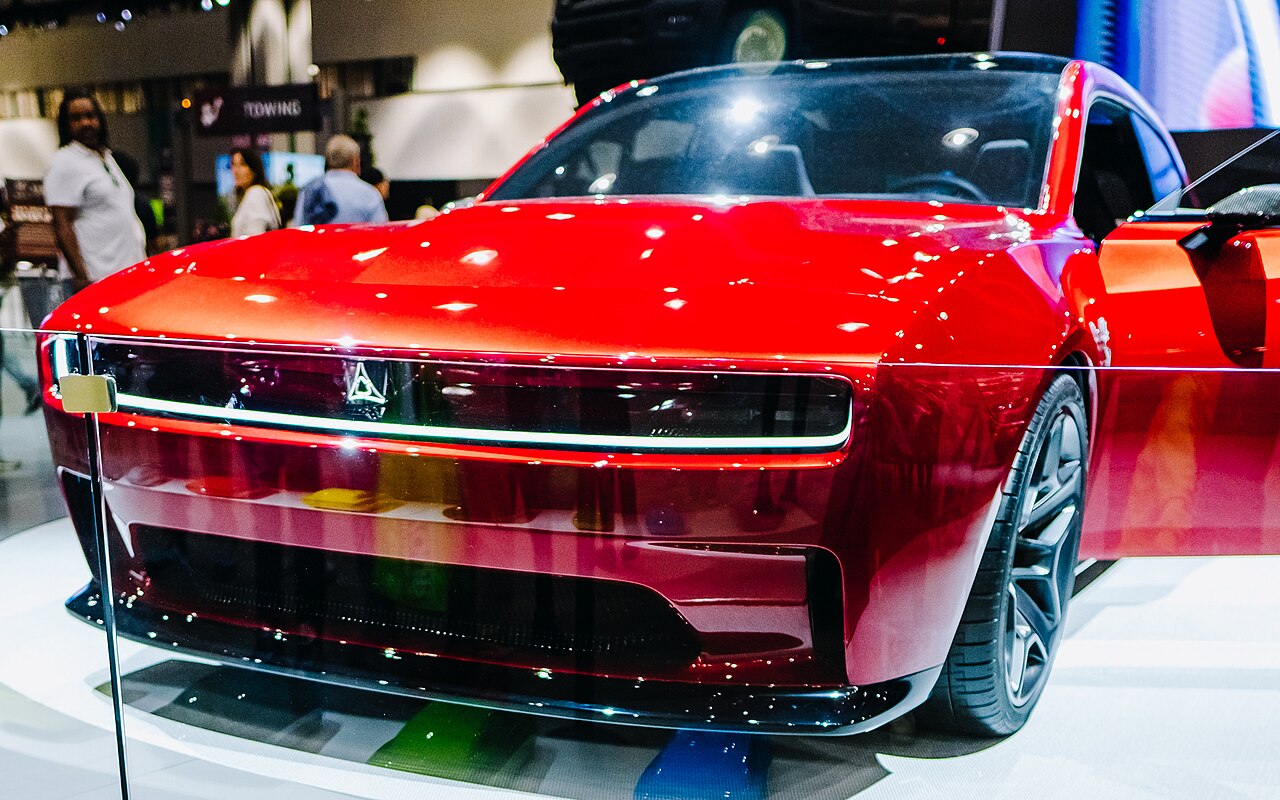 | 2022 | Electric muscle proposal |
| 05 | 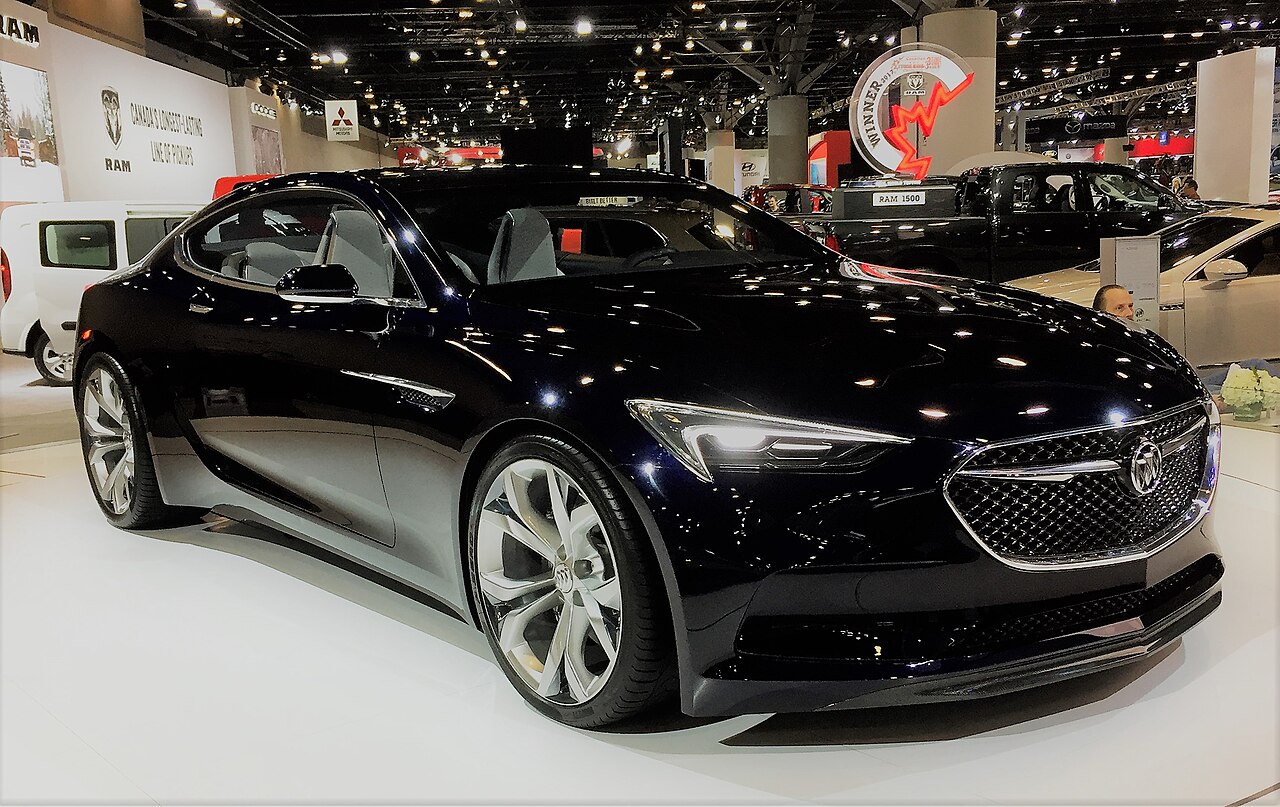 | 2016 | American grand tourer |
No entries match your search.
The 5 Best Concept Muscle Cars: Entry Details
Dodge Challenger Concept
2006 · Muscle-car revivalA broad, uncluttered body made the classic Challenger recognisable without copying every surface. The concept’s coherent proportions and link to the production revival earn first place.
- Layout
- Front engine, rear-wheel drive
- Engine
- 6.1-litre Hemi V8
- Debut
- Detroit, 2006
Chevrolet Camaro Concept
2006 · Pony-car revivalThe angular body and low glasshouse gave Chevrolet’s revival a distinct identity. Its show-car appearance established the design direction that the production Camaro subsequently developed.
- Layout
- Front engine, rear-wheel drive
- Design reference
- First-generation Camaro
- Debut
- Detroit, 2006
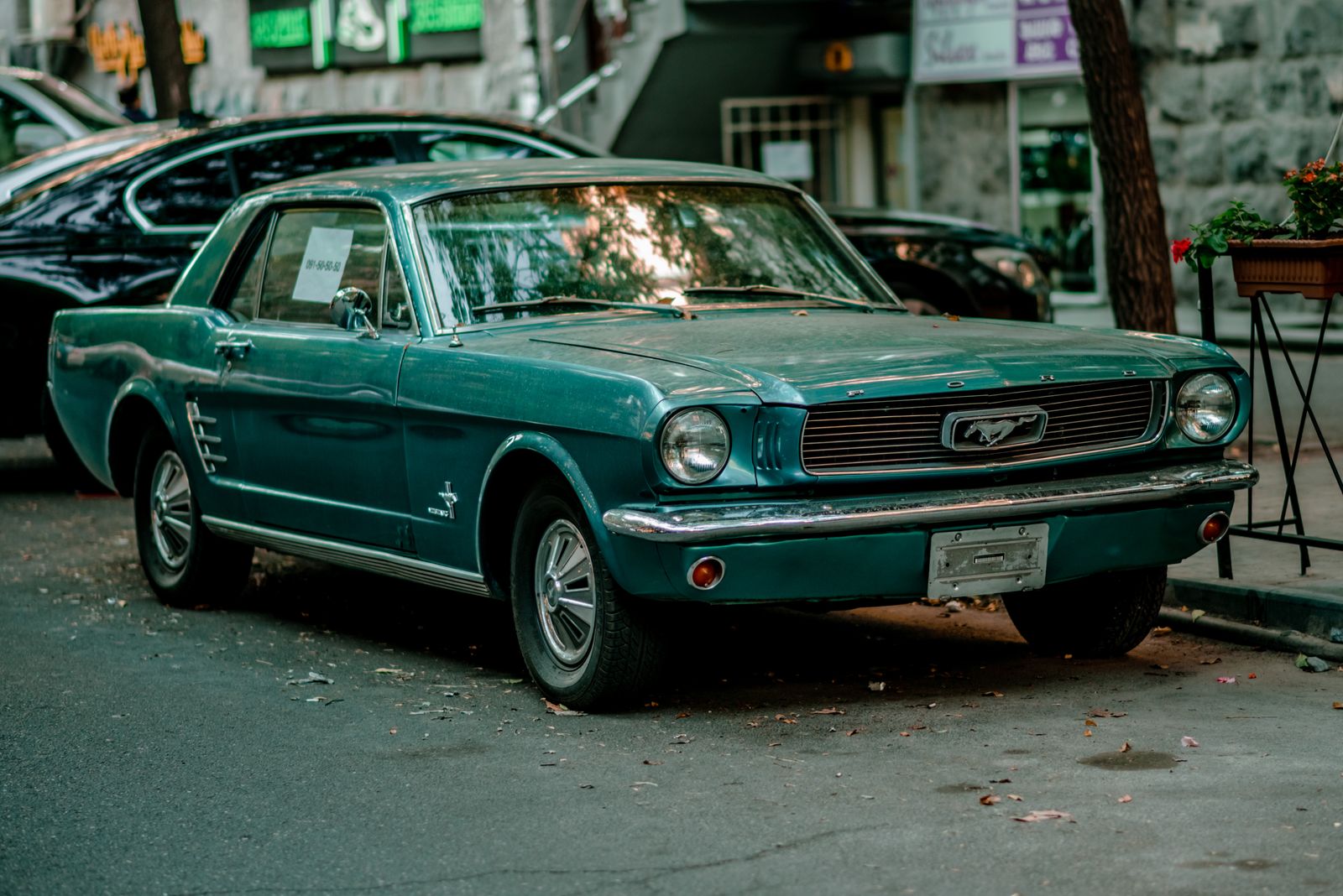
Ford Mustang GT Concept
2003 · Production design previewThe fastback concept made the coming Mustang’s retro direction clear. A readable front end and simple roofline connected the show car with familiar Mustang shapes.
- Body
- Fastback coupe concept
- Purpose
- Preview of the 2005 generation
- Debut
- 2003
Dodge Charger Daytona SRT Concept
2022 · Electric muscle proposalA broad electric coupe carried the Charger identity into a different drivetrain era. Its front aerodynamic opening and proposed sound and shift systems made the idea more specific than a generic electric show car.
- Propulsion
- Battery-electric concept
- Distinctive feature
- R-Wing front opening
- Debut
- August 2022
Buick Avista Concept
2016 · American grand tourerAvista’s smooth surfaces and rear-drive proportions offered a quieter interpretation of American performance. Its V6 and 2+2 cabin put it closer to a grand tourer than a traditional V8 muscle car.
- Engine
- Twin-turbo V6
- Layout
- Rear-wheel drive, 2+2 seating
- Debut
- Detroit, 2016
The 5 Best Concept Muscle Cars: Analysis
Challenger and Camaro Made Revival Credible
The Challenger’s broad nose and uninterrupted shoulder line give its retro references a common structure. The Camaro uses a more angular body and a narrower glasshouse. Both concepts mattered because they made a revived performance coupe look plausible before buyers could order one. The two approaches sit within the longer Dodge and Chevrolet histories.
Mustang Connected the Show Car to the Road Car
The 2003 Mustang GT Concept previewed the visual direction of the 2005 production generation. Its fastback roof, upright front end and circular lamps made the family identity readable without depending on a badge. That clear preview earns it a place above concepts whose dramatic shapes had little effect on subsequent cars.
Daytona SRT Reworked the Muscle-Car Brief
The 2022 Charger Daytona SRT Concept retained a broad coupe stance but proposed battery-electric propulsion. Its R-Wing front opening, Fratzonic sound system and eRupt transmission presentation were parts of the concept’s identity. They describe a show-car proposal and should not be treated as specifications shared by every later electric Charger.
Avista Used the Same Proportions for Grand Touring
Avista combined a front-engine, rear-drive layout with a twin-turbo V6 and a flowing 2+2 body. It lacked the traditional muscle-car V8, but its American performance-coupe brief makes the comparison useful. Buick pursued a restrained cabin and sculpted body rather than the Challenger’s visual aggression.
Our verdict
Our verdict
Challenger is the strongest complete revival concept. Camaro and Mustang come closest when production influence matters, while Daytona SRT is the most substantial departure from the traditional drivetrain.
Strengths
- Identifiable show cars and debut dates
- Production influence considered alongside design
- Different performance-coupe briefs explained
Things to consider
- Avista extends the definition beyond traditional V8 muscle
- Concept specifications are proposals, not road-car guarantees
FAQ: The 5 Best Concept Muscle Cars
Which concept muscle car ranks first?
The 2006 Dodge Challenger Concept ranks first for the coherence of its body design and its influence on the production revival. This is an editorial design assessment.
Did the Challenger Concept become a production car?
The concept helped establish the direction of the revived Challenger. The road car was developed for series production, so its dimensions, equipment and specifications should be checked separately.
Why is the Mustang concept dated 2003?
Ford showed the Mustang GT Concept in 2003 to preview the design direction of the 2005 production generation. A photograph or discussion labelled 2005 may be referring to that planned road car.
Is the Charger Daytona SRT Concept electric?
Yes. Dodge presented the 2022 concept as a battery-electric performance coupe. Its show-car features are identified here as proposals rather than specifications of every subsequent Charger.
Why include the V6-powered Buick Avista?
Avista is included under a broader American performance-coupe definition. Its front-engine, rear-drive layout and strong coupe proportions invite comparison, even though it is a grand tourer rather than a traditional V8 muscle car.
What gives the Camaro Concept its distinct appearance?
Its angular shoulders and narrow glasshouse create a sharper, more compressed body than the Challenger. Those proportions established a recognisable direction for the later Camaro revival.
Sources & methodology
Manufacturer concept releases and historical records establish identity and dates. The editorial order weighs design coherence, influence and clarity of purpose across American performance coupes, including the V6 Avista grand tourer.
Maintained by Artsiom Dusau, a software engineer and BMW 4 Series owner. Editorial policy
.jpg)
.jpg)
.jpg)

