

Short answer
The 1964 Pontiac GTO leads for placing a large V8 in a midsize Pontiac package. The 1968 Road Runner follows with a simpler big-block performance proposition, ahead of Daytona, GT500 and Z/28.
- First choice
- 1964 Pontiac GTO
- Engine contrast
- Large big-block V8s and the Z/28’s smaller racing-related V8
- Racing connection
- Daytona aerodynamics and Z/28 Trans-Am purpose
The 5 Best Muscle Cars in the 1960s at a Glance
| Editorial place | Muscle car | Model year | Original engine choices | Defining role |
|---|---|---|---|---|
| 01 | 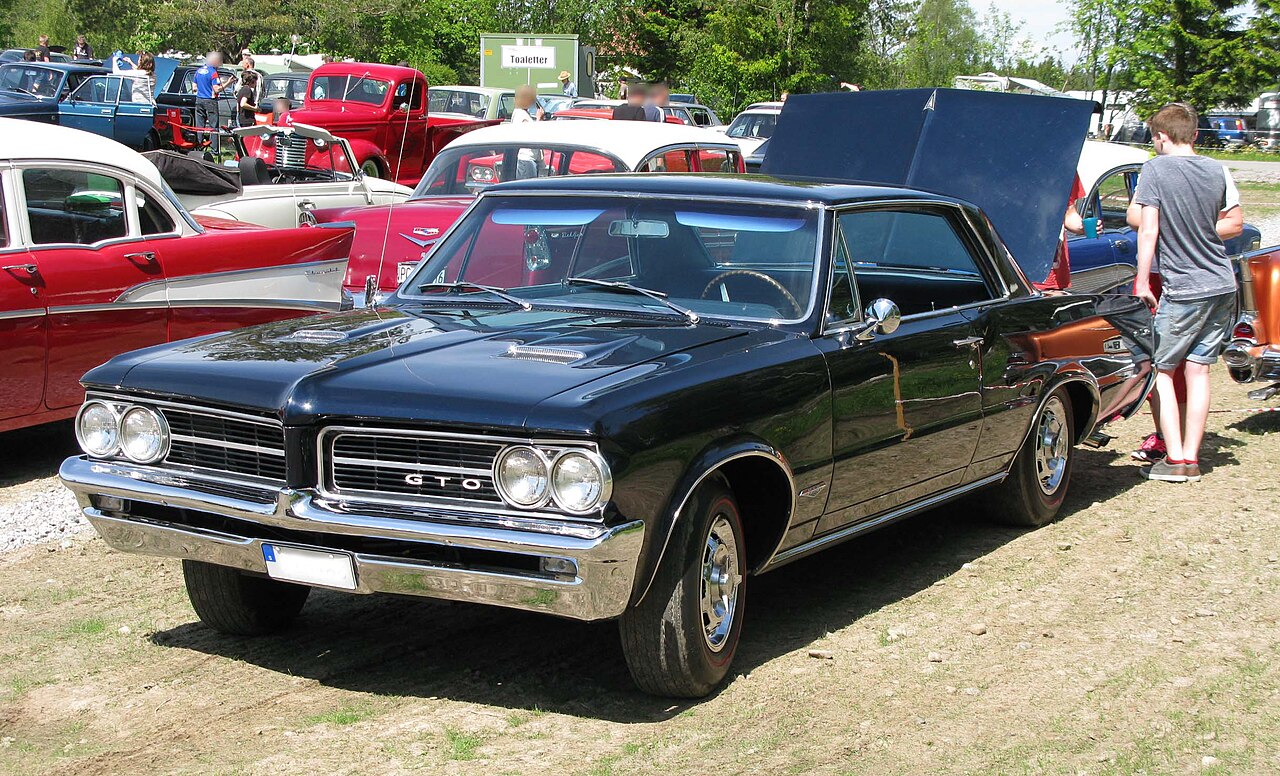 | 1964 | 389 cu in V8 | Midsize big-engine performance |
| 02 | 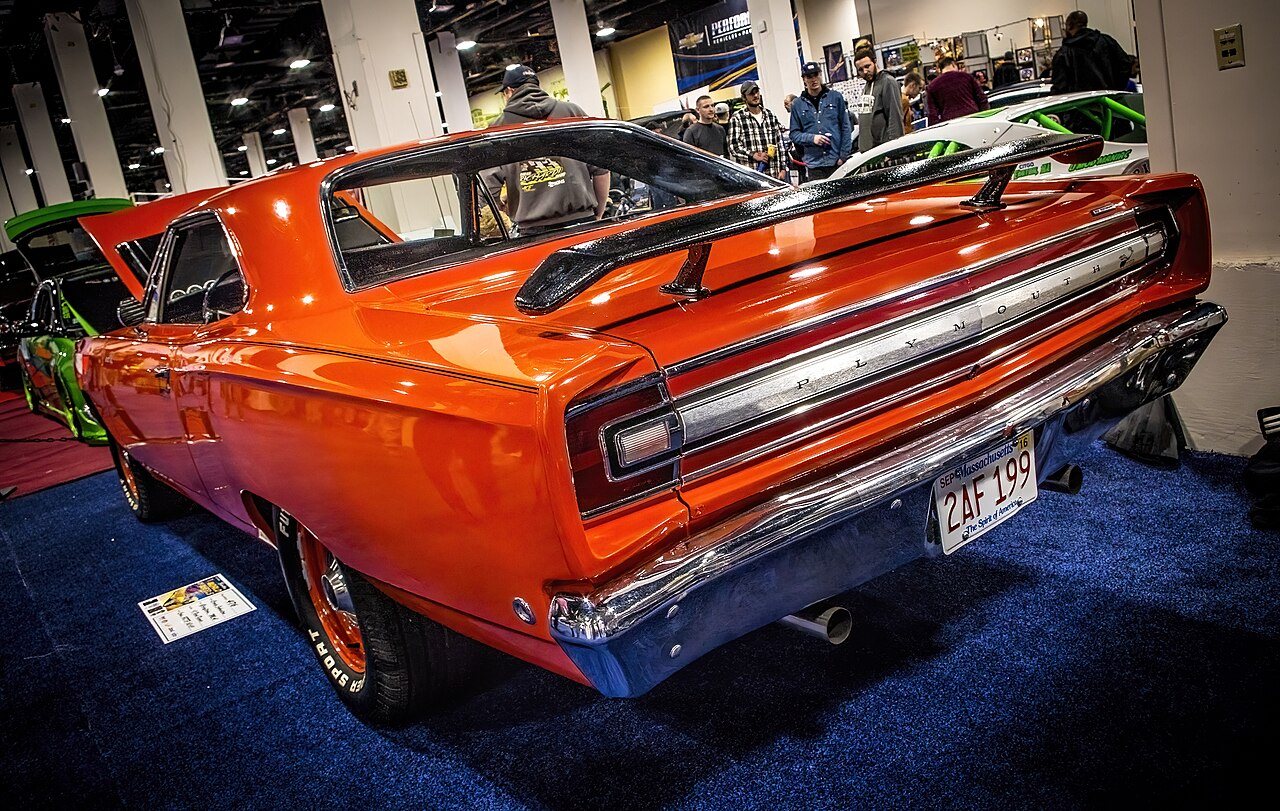 | 1968 | 383 cu in V8, optional 426 Hemi | Intermediate big-block muscle |
| 03 | 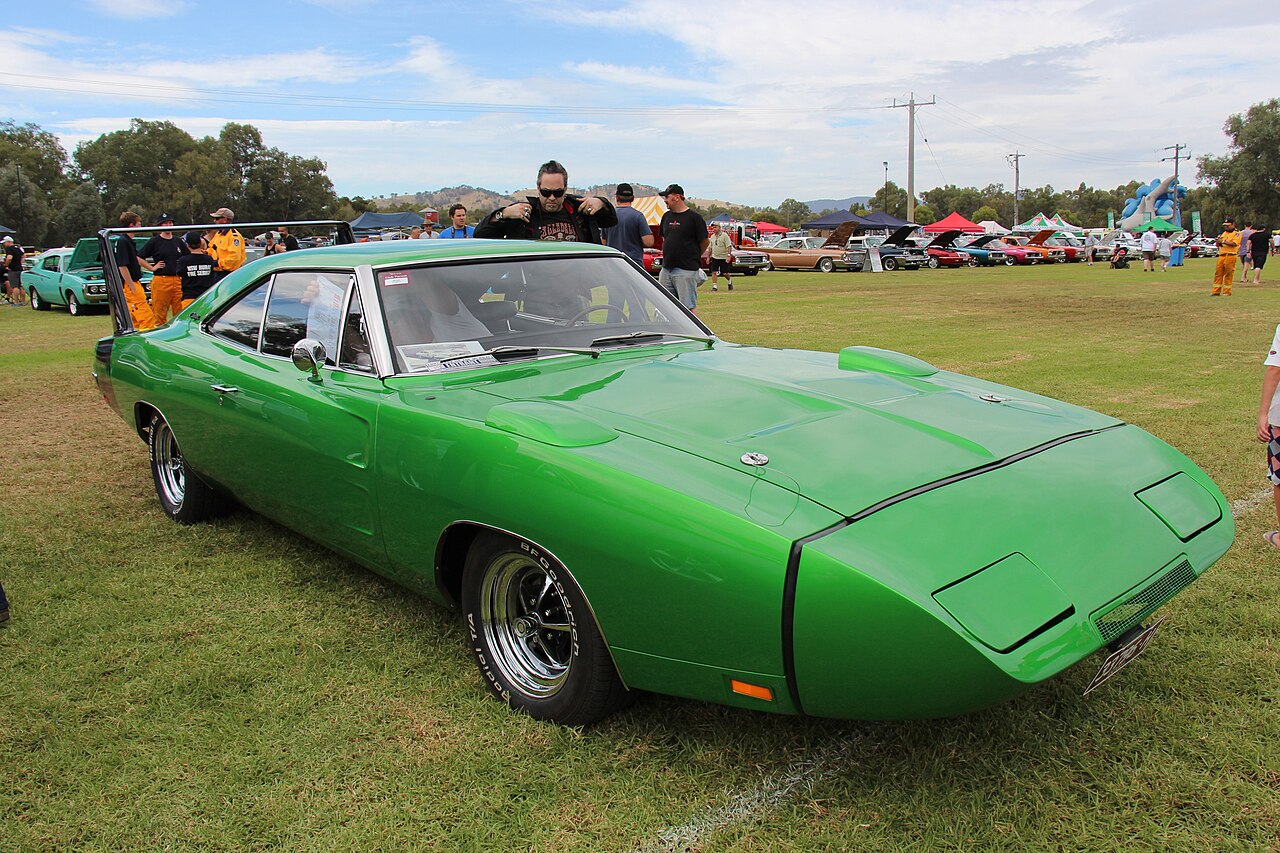 | 1969 | 440 cu in V8, optional 426 Hemi | NASCAR-related homologation |
| 04 | 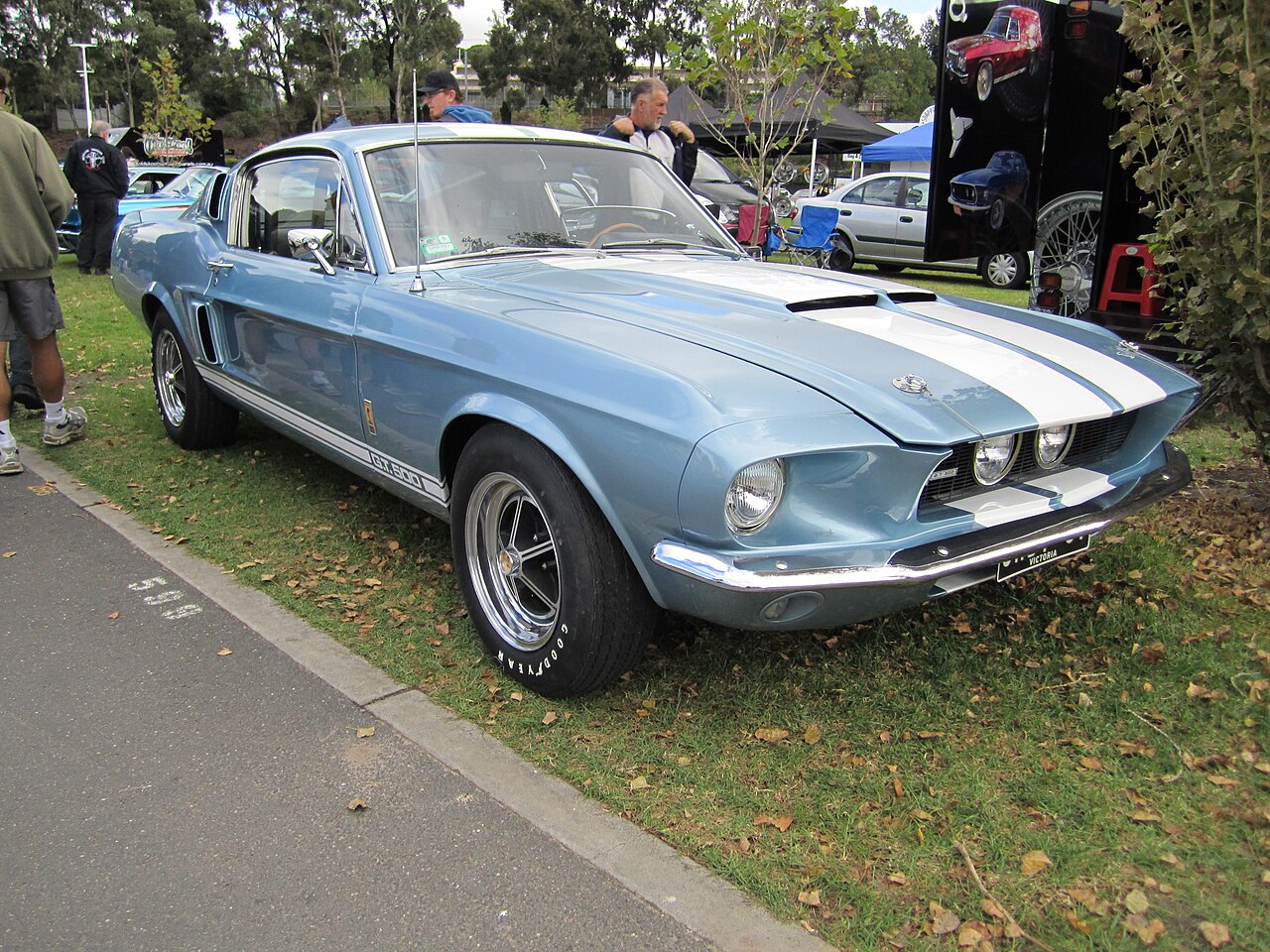 | 1967 | 428 cu in V8 | Big-block pony-car performance |
| 05 | 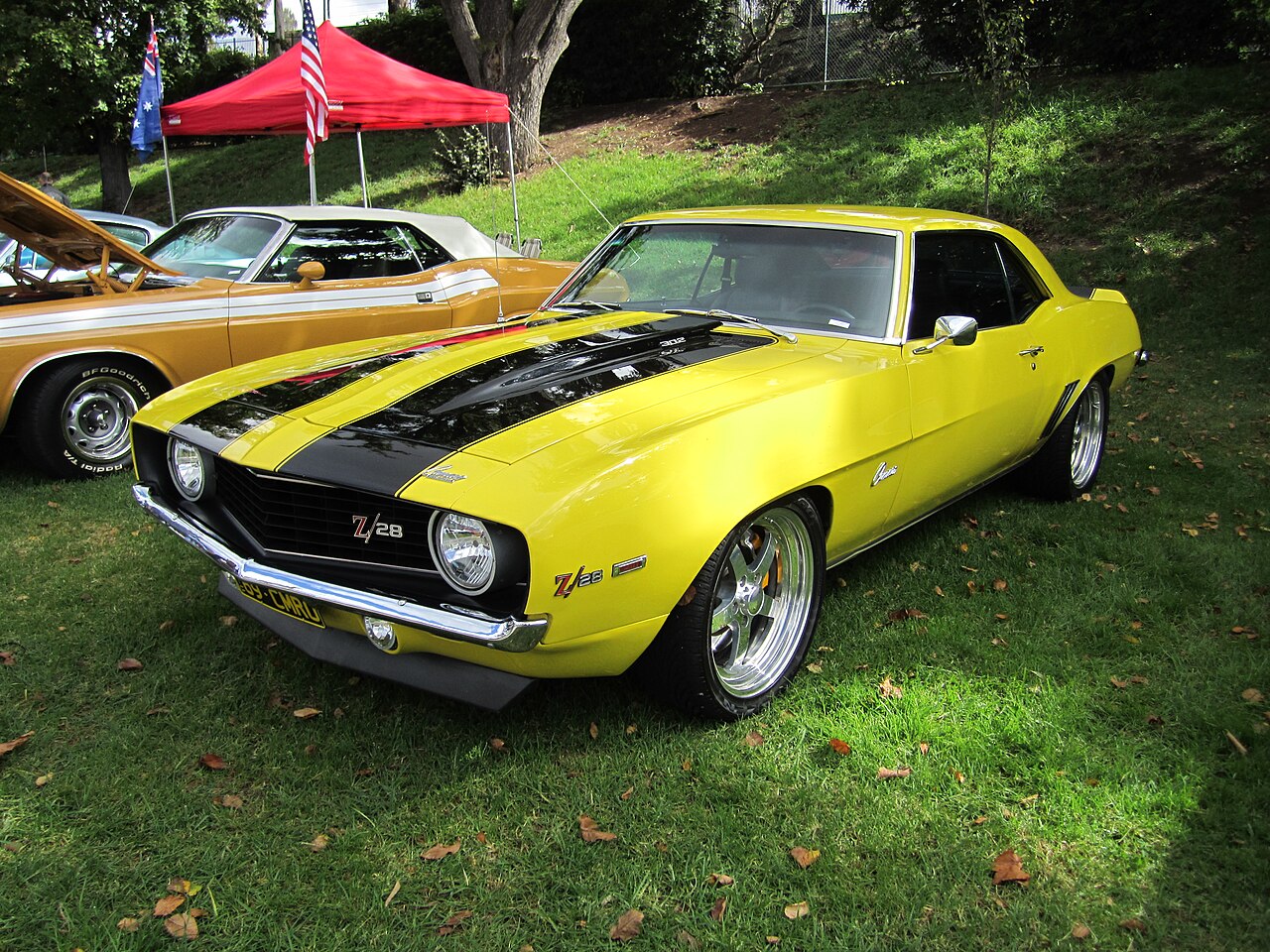 | 1969 | 302 cu in V8 | Trans-Am-related road package |
No entries match your search.
The 5 Best Muscle Cars in the 1960s: Entry Details
Pontiac GTO
1964 · Best foundational midsize packageThe 389 V8 transforms the LeMans-based GTO option into a focused performance proposition. Its influence on the midsize muscle-car formula earns first place.
- Engine
- 389 cu in V8
- Performance role
- Midsize big-engine performance
- Body
- LeMans-based GTO body
Plymouth Road Runner
1968 · Best straightforward big-block propositionThe Road Runner builds its identity around a 383 V8 in a straightforward intermediate body. The optional Hemi adds another configuration without defining every Road Runner.
- Engine
- 383 cu in V8, optional 426 Hemi
- Performance role
- Intermediate big-block muscle
- Body
- Two-door intermediate
Dodge Charger Daytona
1969 · Best aerodynamic homologation specialA pointed nose and tall wing develop the Charger for its NASCAR-related purpose. Daytona earns third place through aerodynamic engineering rather than a larger body or engine alone.
- Engine
- 440 cu in V8, optional 426 Hemi
- Performance role
- NASCAR-related homologation
- Body
- Winged Charger hardtop
Shelby GT500
1967 · Best big-block Shelby MustangThe first GT500 adds a 428 big-block V8 to the Shelby Mustang range. It ranks below the broader-impact midsize cars and Daytona but provides the distinct large-engine pony-car route.
- Engine
- 428 cu in V8
- Performance role
- Big-block pony-car performance
- Body
- Mustang fastback
Chevrolet Camaro Z/28
1969 · Best smaller-engine racing connectionThe Z/28’s 302 V8 connects the Camaro with Trans-Am engine-class requirements. It closes the list as the smaller-engine, chassis-focused alternative to the big-block models.
- Engine
- 302 cu in V8
- Performance role
- Trans-Am-related road package
- Body
- Camaro coupe
The 5 Best Muscle Cars in the 1960s: Analysis
Pontiac GTO Makes the Midsize V8 Package the Main Event
The 1964 GTO begins as an option package on the Tempest LeMans rather than a separate clean-sheet model. Its 389-cubic-inch V8, dual exhausts and specific badges give the existing body a new performance role. The package is a central chapter in Pontiac’s history, and its broad influence puts it above the more specialised cars here.
Road Runner Makes Big-Block Performance More Direct
The 1968 Road Runner centres its identity on a 383-cubic-inch V8 and a straightforward intermediate body. Plymouth also offered the 426 Hemi, but that engine was a separate option. The model’s strength is the clear performance proposition rather than a single expensive engine configuration.
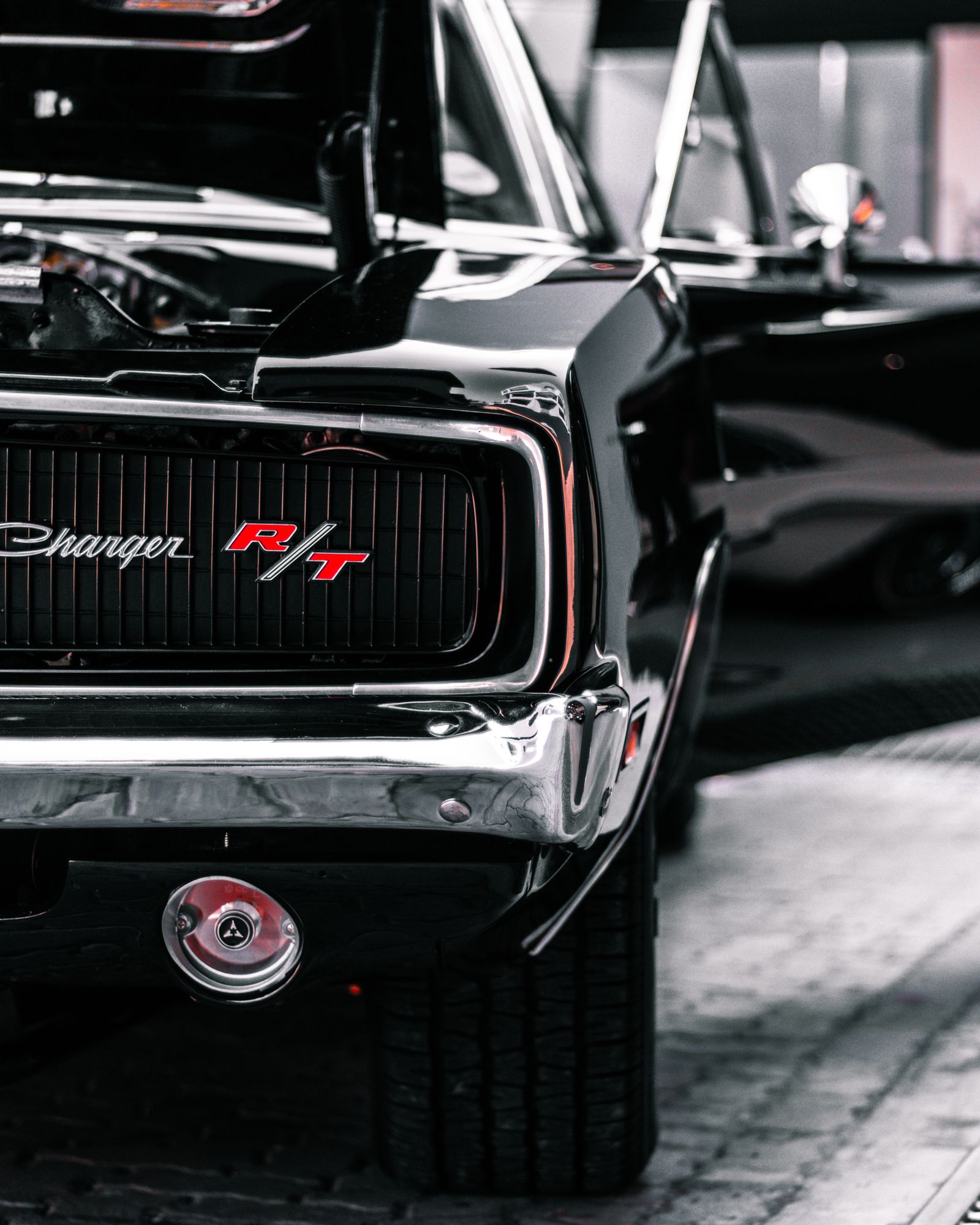
Charger Daytona Uses the Body to Solve a Racing Problem
The 1969 Daytona develops the Charger with a pointed nose, a revised rear-window arrangement and a tall rear wing. Those features serve its NASCAR-related aerodynamic purpose. Its third place recognises a different kind of engineering achievement from simply fitting a larger engine to a familiar body.
Shelby GT500 and Camaro Z/28 Take Opposite Engine Routes
The 1967 GT500 brings a 428-cubic-inch big-block V8 to the Shelby Mustang line. Camaro Z/28 uses a 302-cubic-inch V8 linked to Trans-Am requirements, with a manual gearbox and supporting chassis equipment. That smaller engine gives the Chevrolet a different competition identity from the Shelby’s large-engine approach.
Our verdict
Our verdict
GTO takes the leading historical position, with Road Runner the clearest big-block alternative. Daytona is the specialised aerodynamic choice. GT500 and Z/28 widen the picture by showing two different pony-car engine philosophies, rather than repeating the same midsize muscle formula.
Strengths
- GTO and Road Runner make large-engine performance central to familiar bodies.
- Daytona and Z/28 connect road specification with distinct competition requirements.
Things to consider
- Daytona’s extended nose and wing increase its body footprint.
- The Road Runner Hemi option does not describe every example.
FAQ: The 5 Best Muscle Cars in the 1960s
What is the best 1960s muscle car here?
The 1964 Pontiac GTO leads for combining a large V8 with a midsize LeMans-based package. Its historical influence gives it the first editorial place.
Was the 1964 Pontiac GTO a separate model?
It began as an option package on the Tempest LeMans. Its equipment included the 389 V8, dual exhausts and GTO identification.
Did every 1968 Road Runner have a Hemi?
No. The standard performance engine was the 383 V8. The 426 Hemi was an optional configuration.
Why does the 1969 Dodge Daytona have a large wing?
The wing and pointed nose were part of its NASCAR-related aerodynamic development. Daytona used more than an engine upgrade to distinguish itself from the ordinary Charger.
What engine did the first Shelby GT500 use?
The 1967 GT500 used a 428-cubic-inch big-block V8. It expanded the Shelby Mustang range beyond the smaller-engine GT350.
Why did the 1969 Camaro Z/28 use a 302 V8?
Its engine displacement related to the Trans-Am competition class. The road package paired that engine with a manual gearbox and supporting chassis equipment.
Sources & methodology
Editorial order weighs influence, engine integration and competition engineering in 1960s road versions, including pony cars. Factory records and auction-house original-car histories support the descriptions.
Maintained by Artsiom Dusau, a software engineer and BMW 4 Series owner. Editorial policy


.jpg)

