
Short answer
Honda Rebel 500 ABS is our leading all-round choice for combining a low seat with a liquid-cooled parallel twin. Kawasaki Eliminator ABS follows with a lighter published curb weight, while V Star 250 is the smallest-engine V-twin alternative.
- First choice
- Honda Rebel 500 ABS, 2025 US specification
- Light V-twin alternative
- Yamaha V Star 250
- Historical option
- Suzuki Boulevard S40
5 Best Lightweight Cruiser Motorcycles at a Glance
| Editorial place | Cruiser | Engine | Final drive | Factory-reported weight |
|---|---|---|---|---|
| 01 | 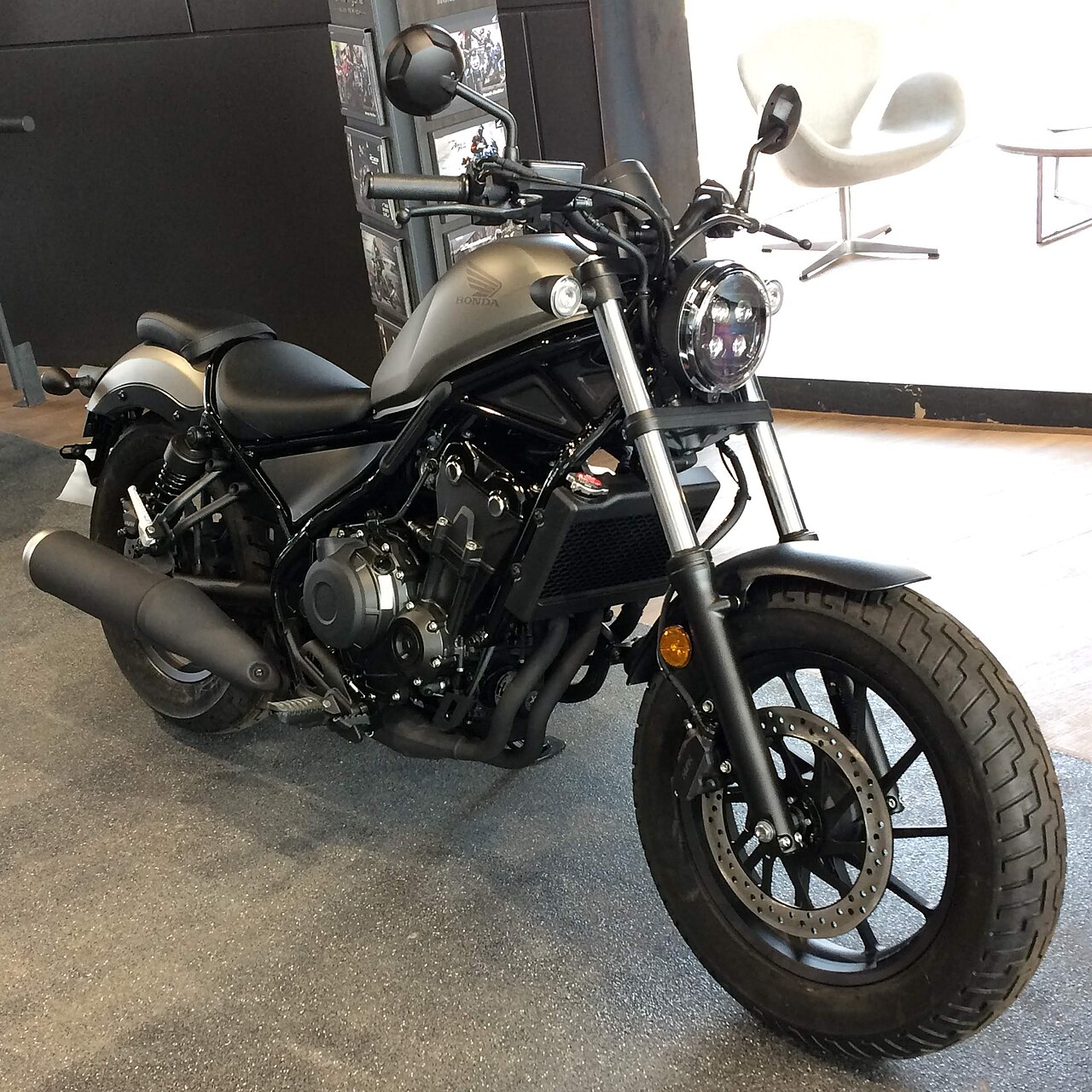 | 471 cc liquid-cooled parallel twin | Chain | 414 lb curb weight |
| 02 | 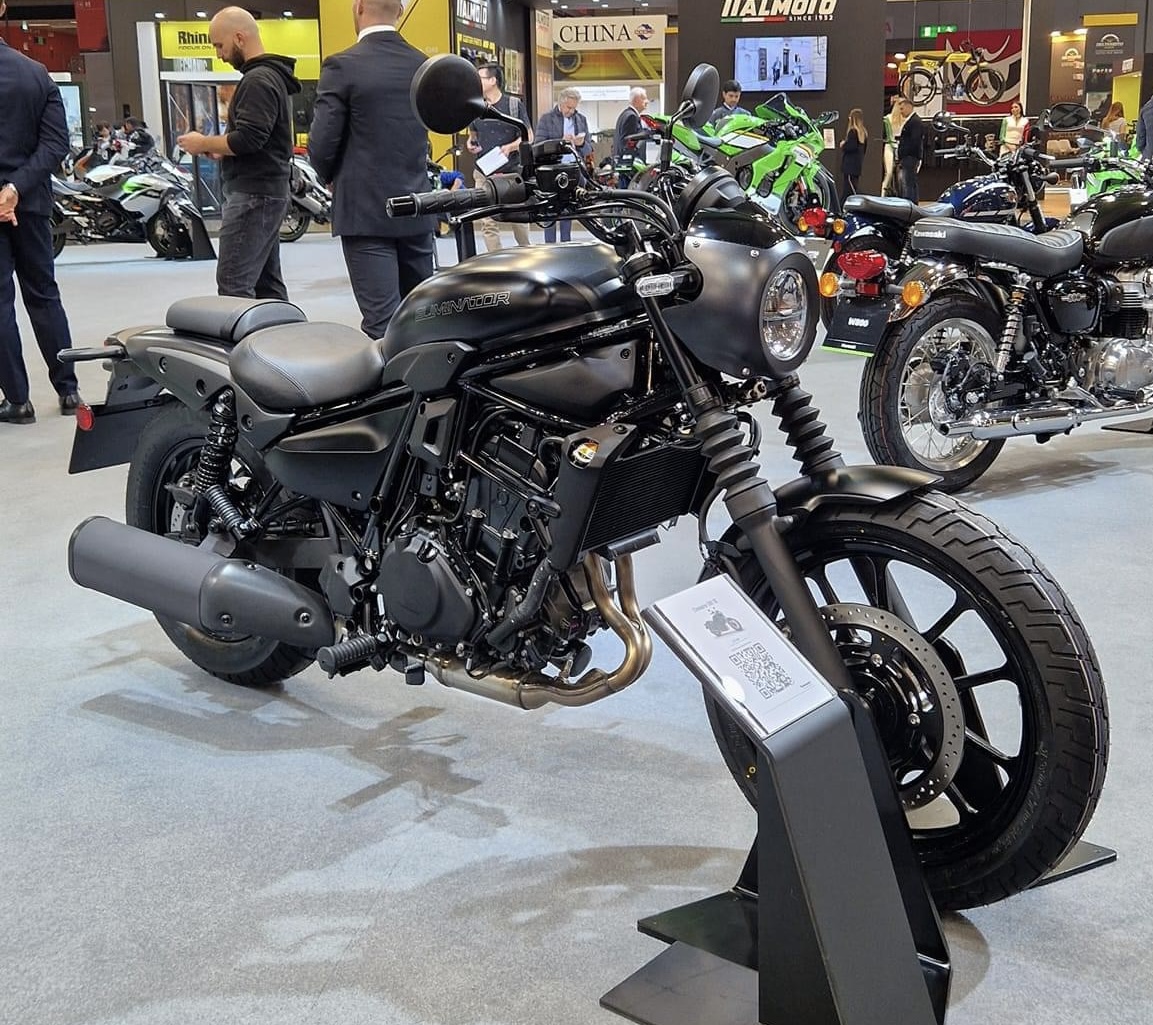 | 451 cc liquid-cooled parallel twin | Chain | 388.1 lb curb weight |
| 03 | Yamaha V Star 2502025 US specification | 249 cc air-cooled V-twin | Chain | 324 lb wet weight, 326 lb California |
| 04 | 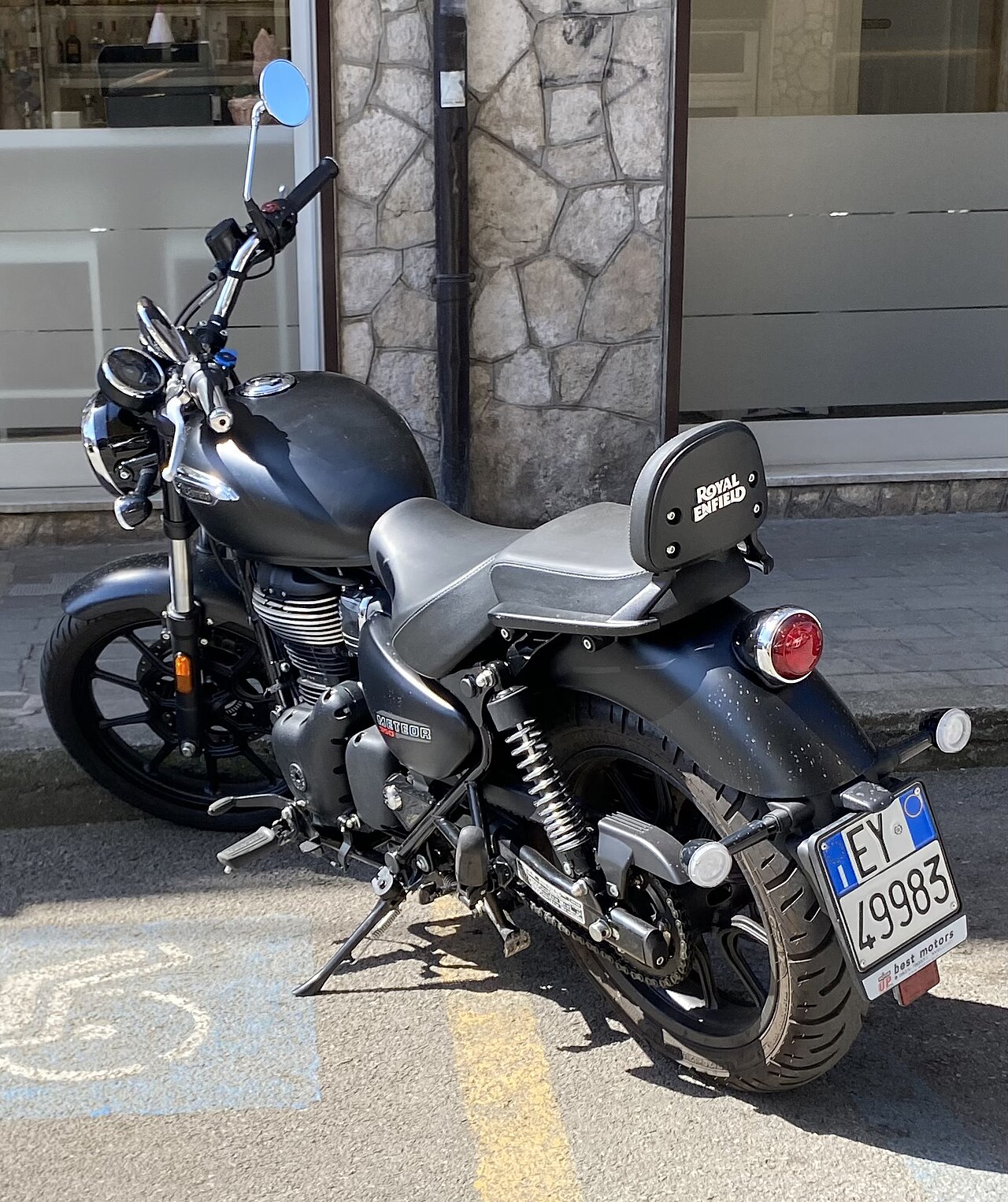 | 349 cc air-and-oil-cooled single | Chain | 191 kg in running order |
| 05 | 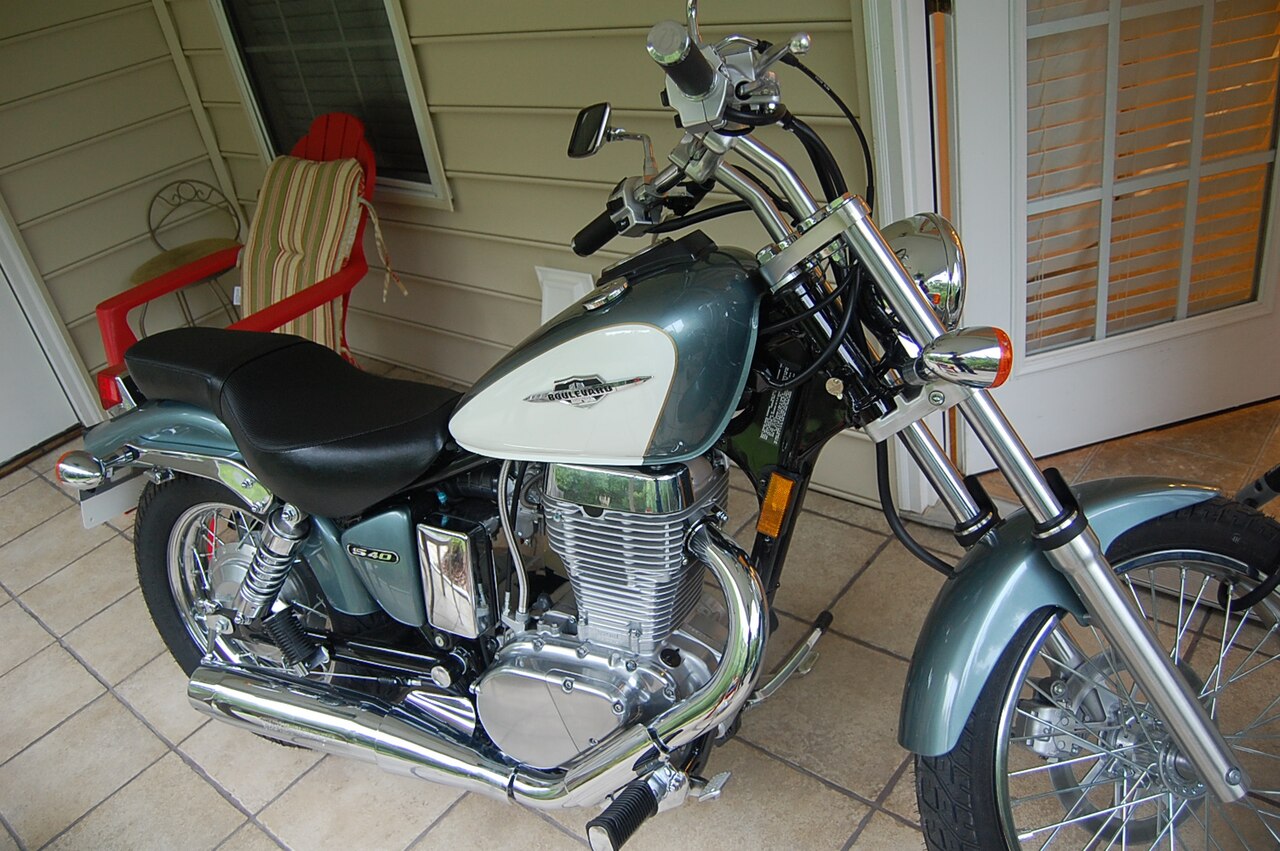 | 652 cc air-cooled single | Belt | 381 lb reported weight |
No entries match your search.
5 Best Lightweight Cruiser Motorcycles: Entry Details
Honda Rebel 500 ABS
2025 US specification · Best compact modern all-rounderA low seat, liquid-cooled parallel twin and ABS create a useful modern cruiser package. Rebel takes first place for that balance of seating accessibility and road-bike hardware.
- Engine
- 471 cc liquid-cooled parallel twin
- Final drive
- Chain
- Reported weight
- 414 lb curb weight
Kawasaki Eliminator ABS
2025 US specification · Best lighter parallel-twin alternativeThe Eliminator combines a 451 cc twin with a low cruiser chassis. Its lower reported curb weight makes it the leading alternative to Rebel, with a somewhat taller seating position.
- Engine
- 451 cc liquid-cooled parallel twin
- Final drive
- Chain
- Reported weight
- 388.1 lb curb weight
Yamaha V Star 250
2025 US specification · Best small traditional V-twinThe V Star’s small air-cooled V-twin and low wet weight give it the most traditional lightweight cruiser role. It ranks below the modern twins for its simpler, smaller-engine road specification.
- Engine
- 249 cc air-cooled V-twin
- Final drive
- Chain
- Reported weight
- 324 lb wet weight, 326 lb California
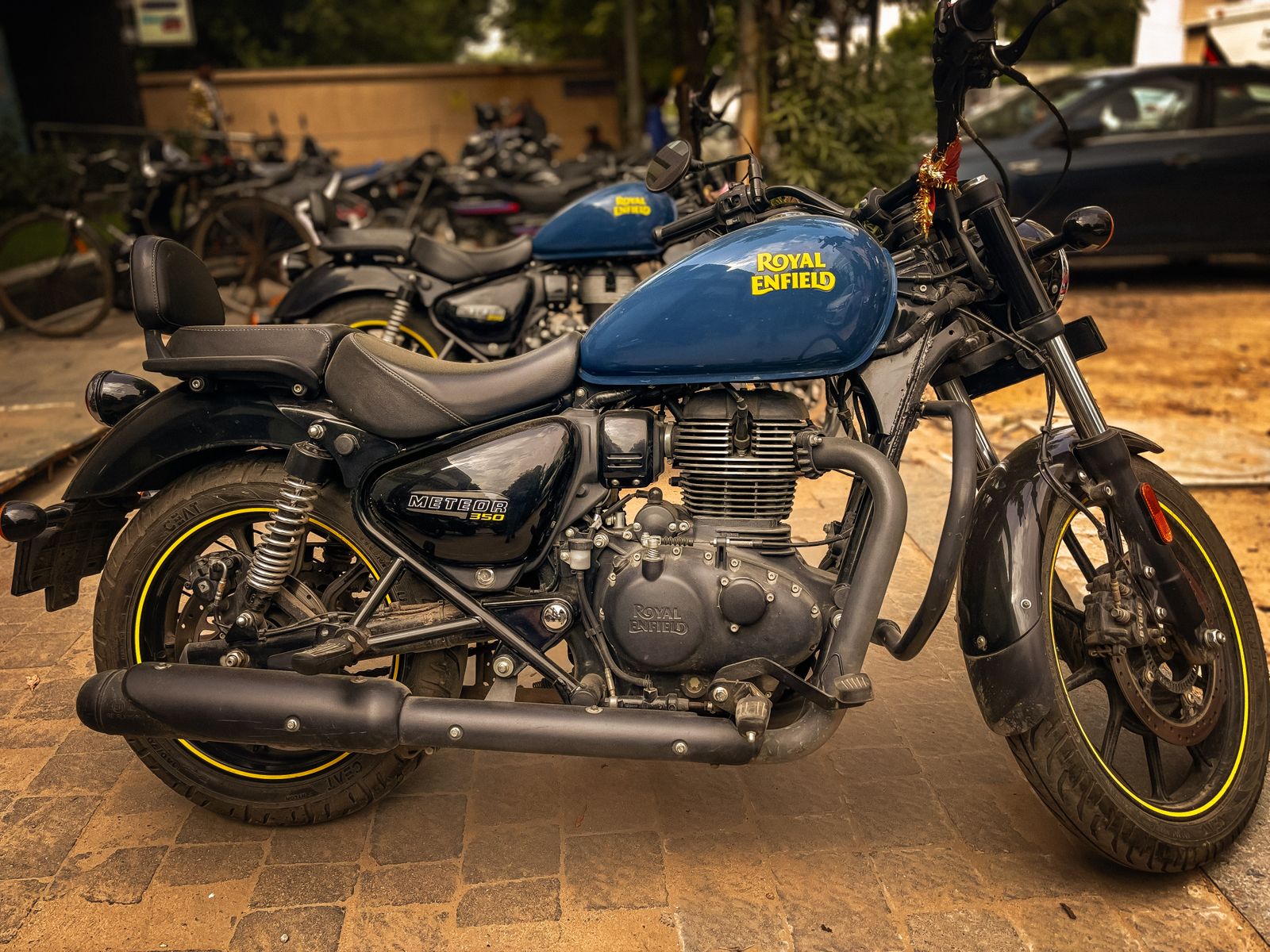
Royal Enfield Meteor 350
Original J-platform generation · Best fuel-injected single-cylinder cruiserA fuel-injected air-and-oil-cooled single powers the Meteor’s low cruiser body. It provides a modern single-cylinder alternative, although its reported weight is closer to the larger twins.
- Engine
- 349 cc air-and-oil-cooled single
- Final drive
- Chain
- Reported weight
- 191 kg in running order
Suzuki Boulevard S40
2018 historical specification · Best belt-drive single-cylinder alternativeThe S40 combines a large air-cooled single with a narrow cruiser body and belt final drive. It takes the historical-alternative position below the newer fuel-injected road-bike designs.
- Engine
- 652 cc air-cooled single
- Final drive
- Belt
- Reported weight
- 381 lb reported weight
5 Best Lightweight Cruiser Motorcycles: Analysis
Rebel 500 and Eliminator Use Compact Parallel Twins
Rebel 500 uses a 471 cc twin rather than a large V-twin, helping fit modern road-bike hardware into a low cruiser body. Eliminator applies a related packaging idea with its 451 cc engine and a taller seat. The Rebel’s lower seating position gives it first place here, while Kawasaki’s lower reported curb weight makes the Eliminator a strong alternative. The Honda origin story begins with motorcycles before its passenger-car business.
V Star 250 Keeps the Small V-Twin Formula
V Star 250 provides the only V-twin engine in this group. Its air cooling, carburettor and chain final drive give it a simpler mechanical specification than the two liquid-cooled twins above it. The small engine and low published wet weight make it the clearest option for riders prioritising a light traditional cruiser format.
Meteor 350 Makes the Single-Cylinder Cruiser More Modern
Meteor 350 combines an air-and-oil-cooled single with electronic fuel injection and a five-speed gearbox. Its riding position stays within the low cruiser format, but its engine architecture differs from the V Star. The Meteor’s reported running-order weight puts it closer to the larger twins than its smaller displacement might suggest.
Boulevard S40 Uses a Belt Behind Its Large Single
Boulevard S40 puts a 652 cc air-cooled single into a narrow cruiser frame and uses belt final drive. That separates it from the chain-driven bikes above. The Suzuki history connects its motorcycle and automotive businesses, while this older model supplies a distinct single-cylinder option within the Boulevard range.
Our verdict
Our verdict
Rebel 500 ABS is the leading modern compact cruiser, with Eliminator ABS a lighter twin-cylinder alternative. V Star 250 best suits the small traditional V-twin theme. Meteor brings fuel injection to the single-cylinder format, while S40 remains the distinct historical choice for a large single and belt drive.
Strengths
- Rebel and Eliminator combine compact twin engines with ABS.
- V Star 250 keeps a small V-twin and low reported wet weight.
Things to consider
- V Star’s carburetted small engine has a different road role from the larger liquid-cooled twins.
- S40 represents a historical specification rather than a claim of current new-bike availability.
FAQ: 5 Best Lightweight Cruiser Motorcycles
What is the best lightweight cruiser here?
Rebel 500 ABS leads for combining a low seat, liquid-cooled twin and anti-lock brakes. Eliminator ABS is the lighter parallel-twin alternative by the stated curb weights.
Which bike here has the smallest engine?
Yamaha V Star 250 uses a 249 cc V-twin. It also has the lowest published wet weight among these named configurations.
Does the Honda Rebel 500 have a V-twin?
No. Rebel 500 uses a 471 cc parallel twin. Yamaha V Star 250 is the V-twin model in this selection.
Is Kawasaki Eliminator 2025 the same as an older Eliminator?
The 2025 US model here uses a 451 cc parallel twin. Older Eliminator models have different engines and should not inherit this specification.
Does Royal Enfield Meteor 350 use liquid cooling?
No. Its 349 cc single uses air and oil cooling. Rebel and Eliminator have liquid-cooled twin-cylinder engines.
Which cruiser here uses belt drive?
Suzuki Boulevard S40 has belt final drive. The Rebel, Eliminator, V Star and Meteor configurations here use chains.
Sources & methodology
Editorial order weighs low-seat packaging and road usability in named 2025 US bikes, original Meteor and historical S40. Factory weights identify sub-200 kg examples with differing fuel conventions, so they are not combined into a chart.
Maintained by Artsiom Dusau, a software engineer and BMW 4 Series owner. Editorial policy