
Short answer
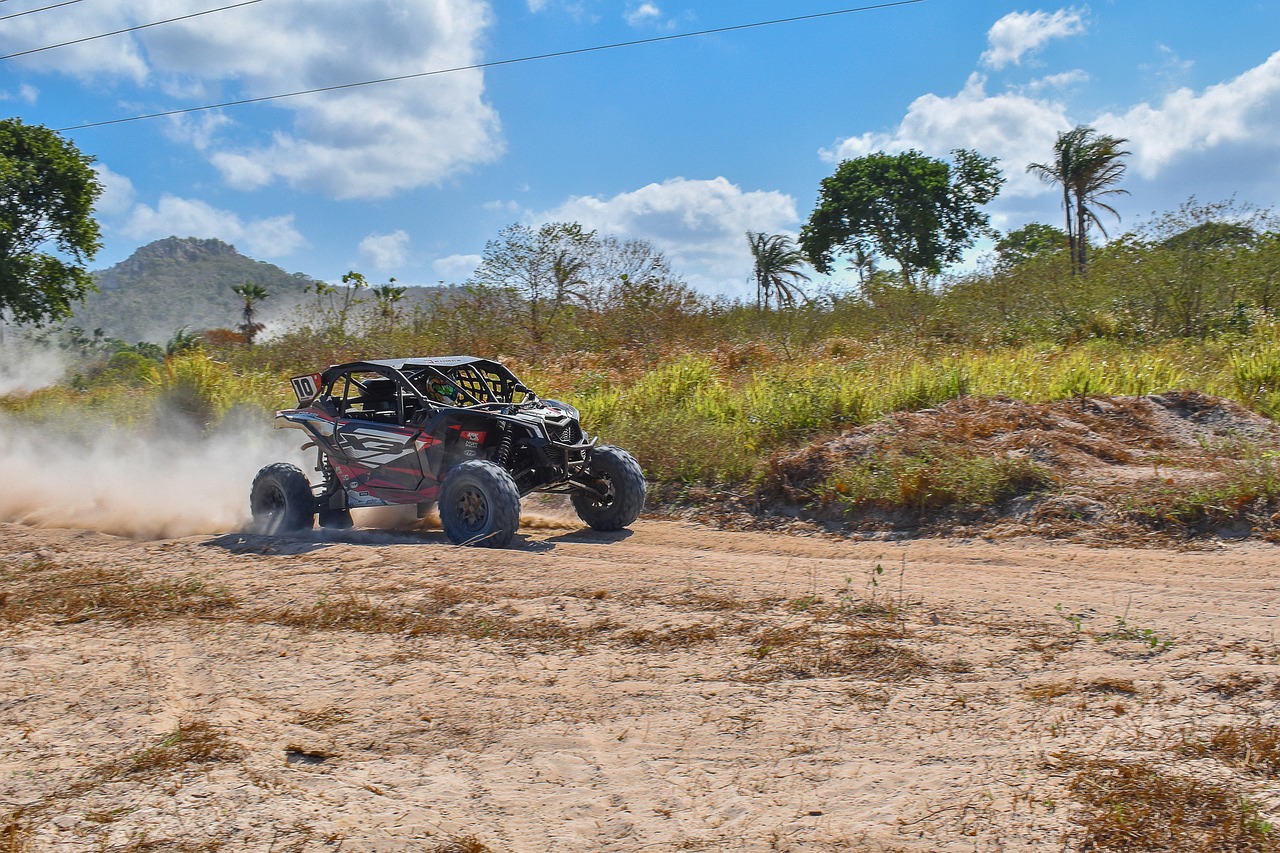
Polaris is our first pick for the widest range, from the 225 hp RZR Pro R to the Ranger utility line. Can-Am offers the most powerful machine here in the 240 hp Maverick R, while Honda, Yamaha and Kawasaki each pair a 999 cc-class engine with a distinct focus.
- Broadest range
- Polaris
- Most powerful model here
- Can-Am Maverick R, 240 hp
- Basis
- Lineup breadth, not audited sales
The 5 Most Popular Side-by-Side Brands at a Glance
| Brand | Best known for | Flagship in this review |
|---|---|---|
| PolarisRZR Pro R and Ranger | Widest range | RZR Pro R and Ranger |
| Can-AmMaverick R | Most powerful flagship | Maverick R |
| HondaTalon 1000R | Sport with dual-clutch refinement | Talon 1000R |
| YamahaWolverine RMAX and YXZ1000R | Trail and sport crossover | Wolverine RMAX and YXZ1000R |
| KawasakiMule PRO-FXT 1000 | Utility and ranch work | Mule PRO-FXT 1000 |
No entries match your search.
The 5 Most Popular Side-by-Side Brands: Entry Details
Polaris
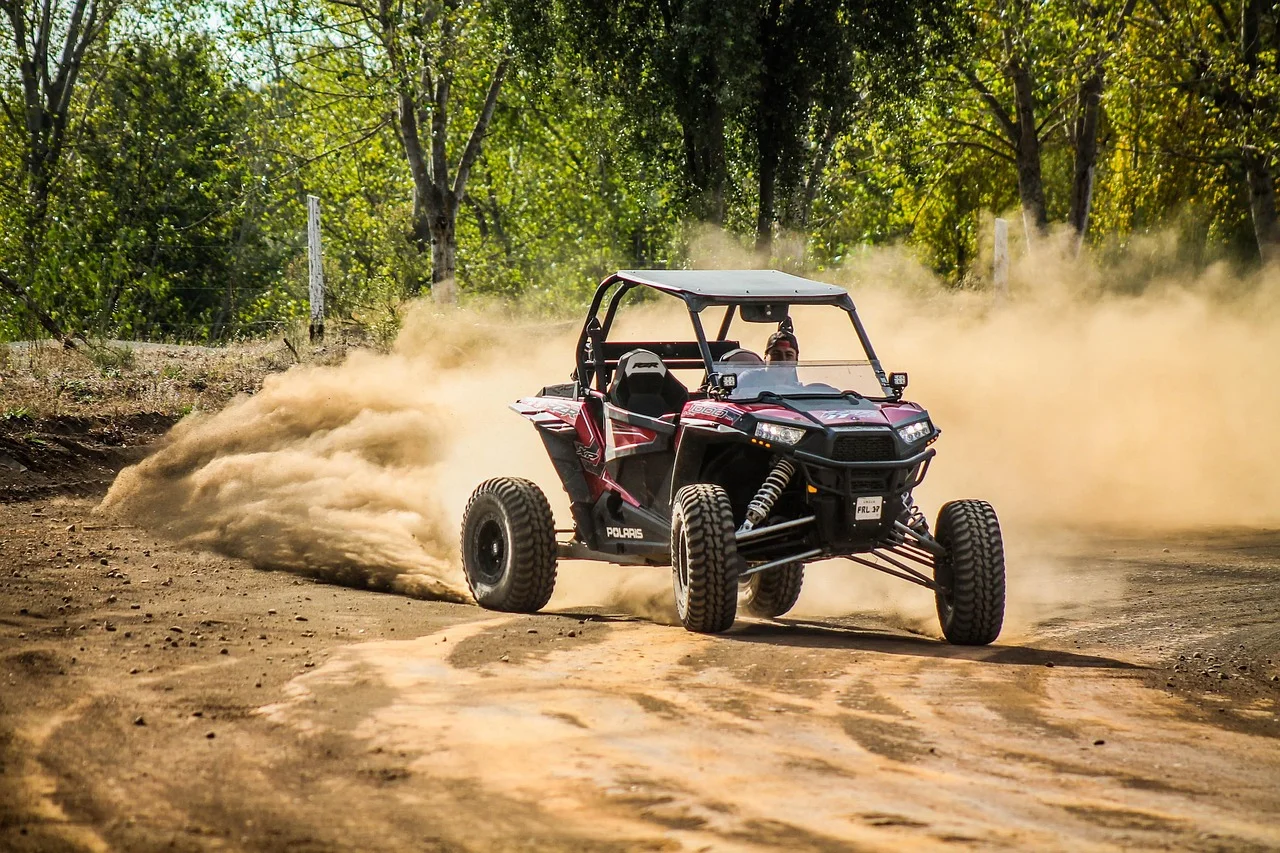
RZR Pro R and Ranger · Widest rangePolaris rates the RZR Pro R at 225 hp from a naturally aspirated 2.0-litre four-cylinder, and the turbocharged Pro R Boost at 275 hp. Its Ranger line covers work-focused models. Polaris rates the RZR Pro R at 225 hp from a naturally aspirated 2.0-litre four-cylinder, and the turbocharged Pro R Boost at 275 hp. Its Ranger line covers work-focused models.
- RZR Pro R
- 225 hp
- RZR Pro R Boost
- 275 hp
Strengths & things to consider
Strengths
- Sport and utility lineups
- Wide choice of power levels
Things to consider
- Top models are expensive
Can-Am
Maverick R · Most powerful flagshipThe Maverick R uses a 999 cc turbocharged Rotax triple rated at 240 hp. Can-Am pairs it with a 7-speed dual-clutch transmission and about 24–26 inches of suspension travel. The Maverick R uses a 999 cc turbocharged Rotax triple rated at 240 hp. Can-Am pairs it with a 7-speed dual-clutch transmission and about 24–26 inches of suspension travel.
- Engine rating
- 240 hp
- Suspension travel
- About 24–26 in
Strengths & things to consider
Strengths
- Highest output in this group
- Long suspension travel
Things to consider
- High starting price
Honda
Talon 1000R · Sport with dual-clutch refinementThe Talon 1000R has a 999 cc liquid-cooled Unicam parallel twin and a six-speed dual-clutch transmission. A four-seat Talon 1000R-4 uses a 118.7-inch wheelbase. The Talon 1000R has a 999 cc liquid-cooled Unicam parallel twin and a six-speed dual-clutch transmission. A four-seat Talon 1000R-4 uses a 118.7-inch wheelbase.
- Engine
- 999 cc parallel twin
- Wheelbase (2-seat)
- 90.0 in
Strengths & things to consider
Strengths
- Dual-clutch transmission
- Two- and four-seat versions
Things to consider
- Narrower range than Polaris
Yamaha
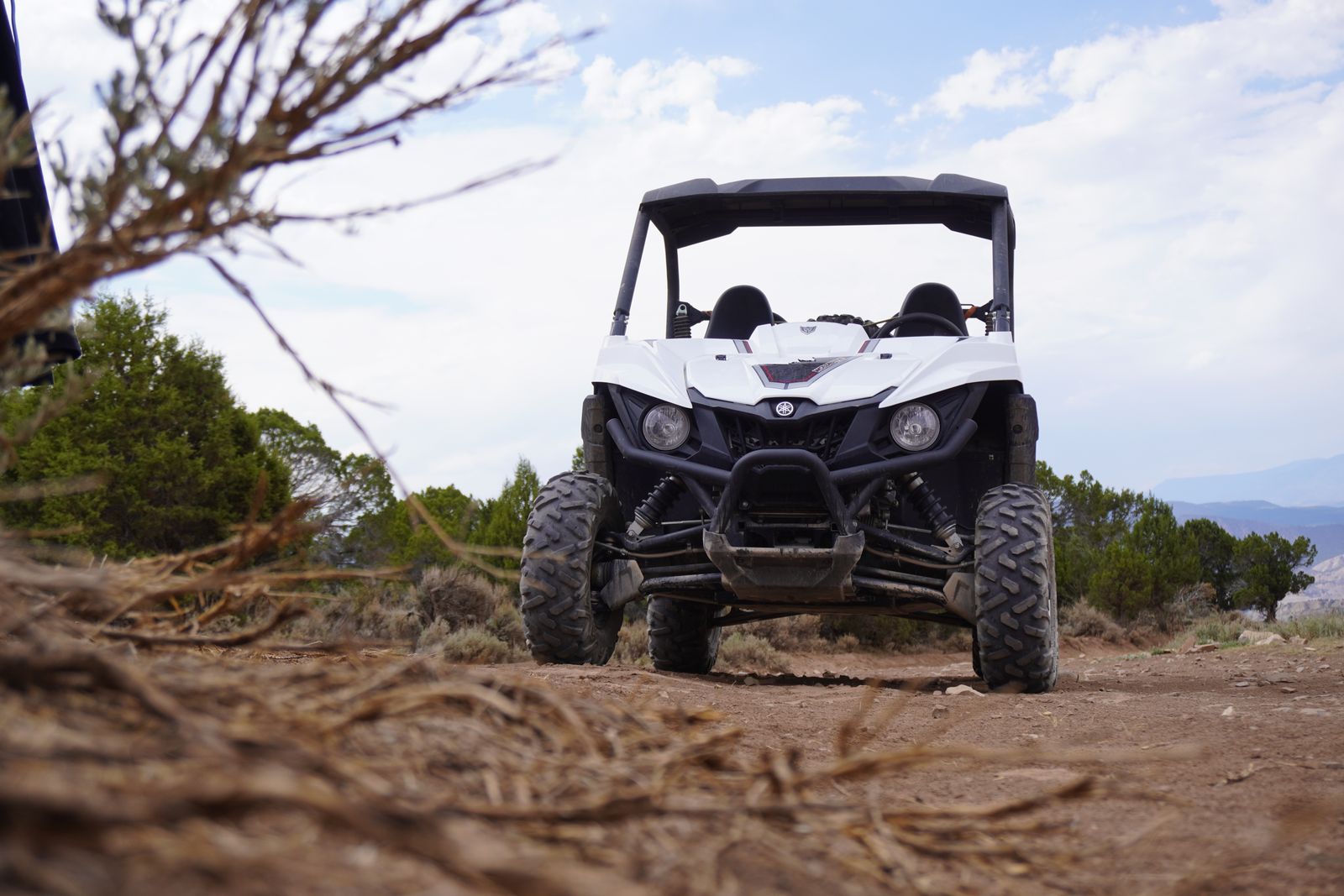
Wolverine RMAX and YXZ1000R · Trail and sport crossoverThe Wolverine RMAX2 1000 lists 108 hp from a 999 cc parallel twin. Yamaha’s YXZ1000R uses a 998 cc inline three-cylinder engine for a more sporting character. The Wolverine RMAX2 1000 lists 108 hp from a 999 cc parallel twin. Yamaha’s YXZ1000R uses a 998 cc inline three-cylinder engine for a more sporting character.
- RMAX2 1000 output
- 108 hp
- YXZ1000R engine
- 998 cc inline triple
Strengths & things to consider
Strengths
- Trail-focused Wolverine
- Separate sport model
Things to consider
- Lower output than the leaders
Kawasaki
Mule PRO-FXT 1000 · Utility and ranch workThe Mule PRO-FXT 1000 makes 70.0 hp from a 999 cc twin and seats up to six. Kawasaki lists a 2,000 lb towing capacity. The Mule PRO-FXT 1000 makes 70.0 hp from a 999 cc twin and seats up to six. Kawasaki lists a 2,000 lb towing capacity.
- Engine rating
- 70.0 hp
- Towing capacity
- 2,000 lb
Strengths & things to consider
Strengths
- Three to six seats
- Work-oriented design
Things to consider
- Not a high-performance sport model
The 5 Most Popular Side-by-Side Brands: Analysis
Why Polaris leads
Polaris spans naturally aspirated and turbocharged sport models plus the Ranger utility line, so it fits both recreational and working buyers. Can-Am concentrates its headline figure in the 240 hp Maverick R.
Similar engine sizes, very different outputs
Can-Am, Honda, Yamaha and Kawasaki all list roughly 1,000 cc engines in these models, yet outputs range from 70 to 240 hp. The engine size therefore says little without the model and tune. Families comparing seating should read the four-seater side-by-side guide.
Our verdict
Editorial verdict
Choose Polaris for the broadest choice and Can-Am for peak power. Honda and Yamaha suit riders who want refined sport and trail machines, while Kawasaki’s Mule is the work-first option.
FAQ: The 5 Most Popular Side-by-Side Brands
Which side-by-side brand has the most powerful model here?
Can-Am, whose Maverick R is rated at 240 hp.
How much power does the Polaris RZR Pro R make?
Polaris rates the RZR Pro R at 225 hp, and the Pro R Boost at 275 hp.
Is Kawasaki’s Mule a sport side-by-side?
No. The Mule PRO-FXT 1000 is a 70.0 hp utility vehicle with seating for up to six.
Does a bigger engine mean more power?
Not necessarily. Several of these models use roughly 1,000 cc engines, but their rated outputs range from 70 to 240 hp.
Is this ranking based on sales?
No. The brands do not publish a single audited ranking, so this is an editorial comparison of lineups.
Sources & methodology
Editorial selection of five established brands sold widely in North America, compared on flagship models and manufacturer-published engine ratings. No audited global sales ranking is used, so popularity here means breadth of lineup and market presence, not a measured sales order.
Maintained by Artsiom Dusau, a software engineer and BMW 4 Series owner. Editorial policy