

Short answer
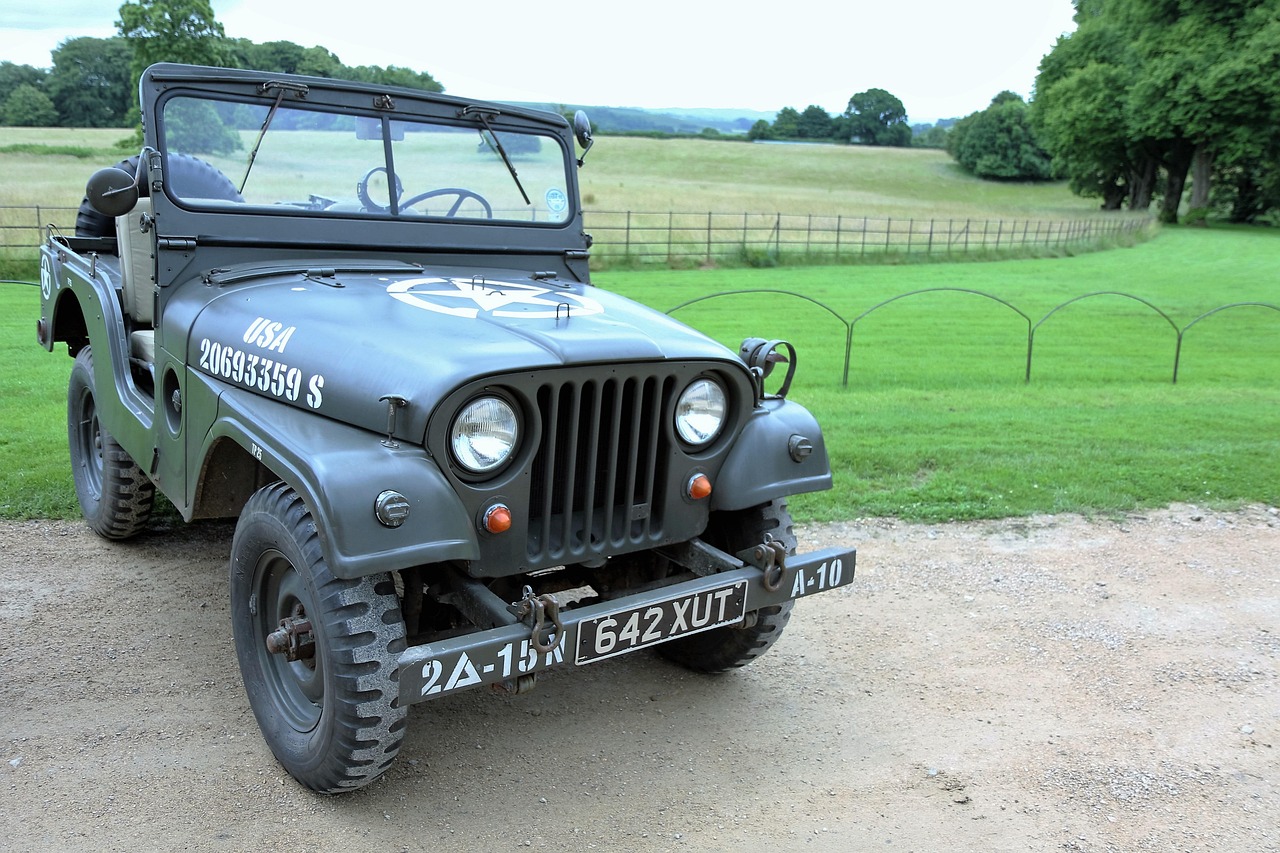
Willys MB ranks first for establishing a compact, adaptable four-wheel-drive utility vehicle that could serve many wartime transport roles. HMMWV provides the broadest larger-platform alternative, while Pinzgauer 710M offers the most distinctive terrain-oriented chassis in the selection.
- Leading historical model
- Willys MB
- Vehicle class
- Military light utility vehicles
- Selected layouts
- Five four-wheel-drive families
5 Best Military Light Utility Vehicles at a Glance
| Rank | Vehicle family | Architecture | Service role |
|---|---|---|---|
| 01 | 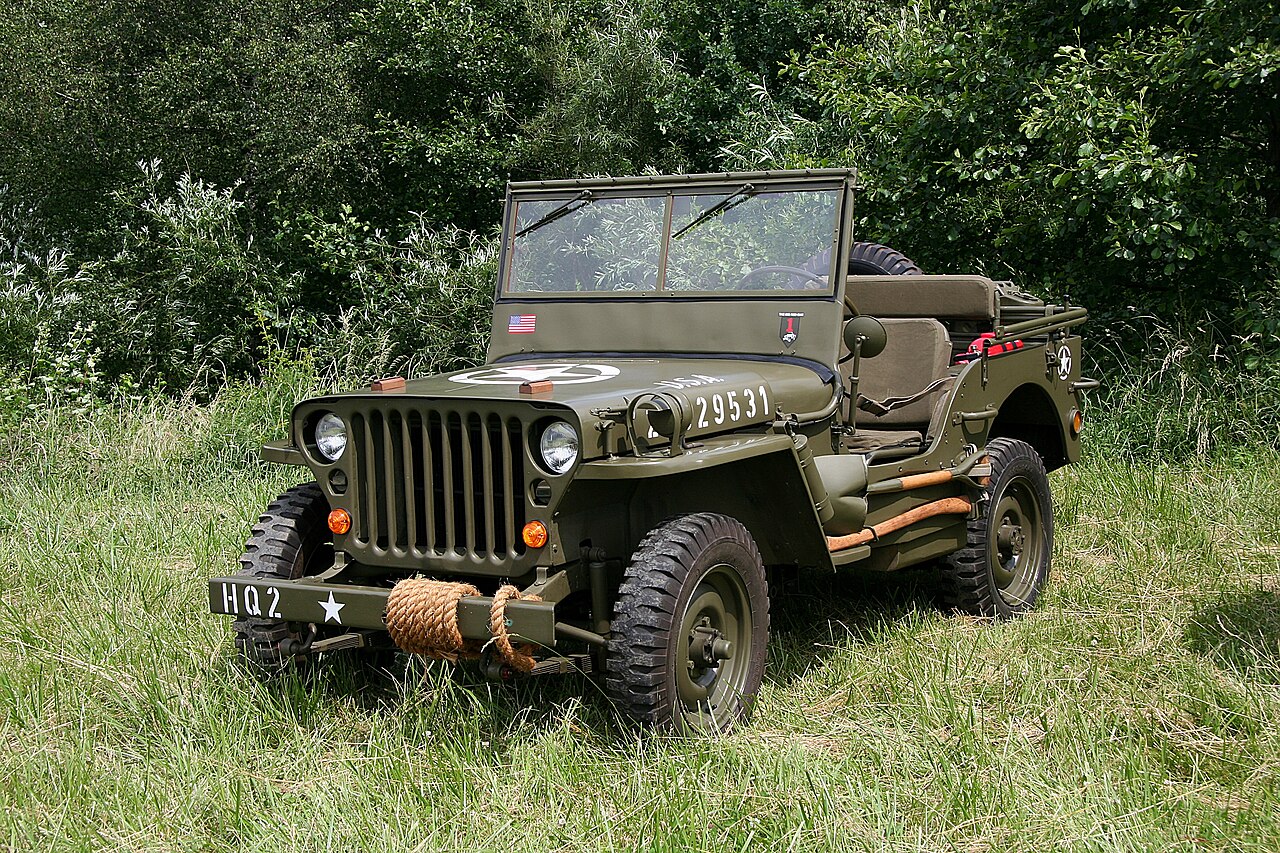 | Compact body on a separate frame | Wartime light utility transport |
| 02 | 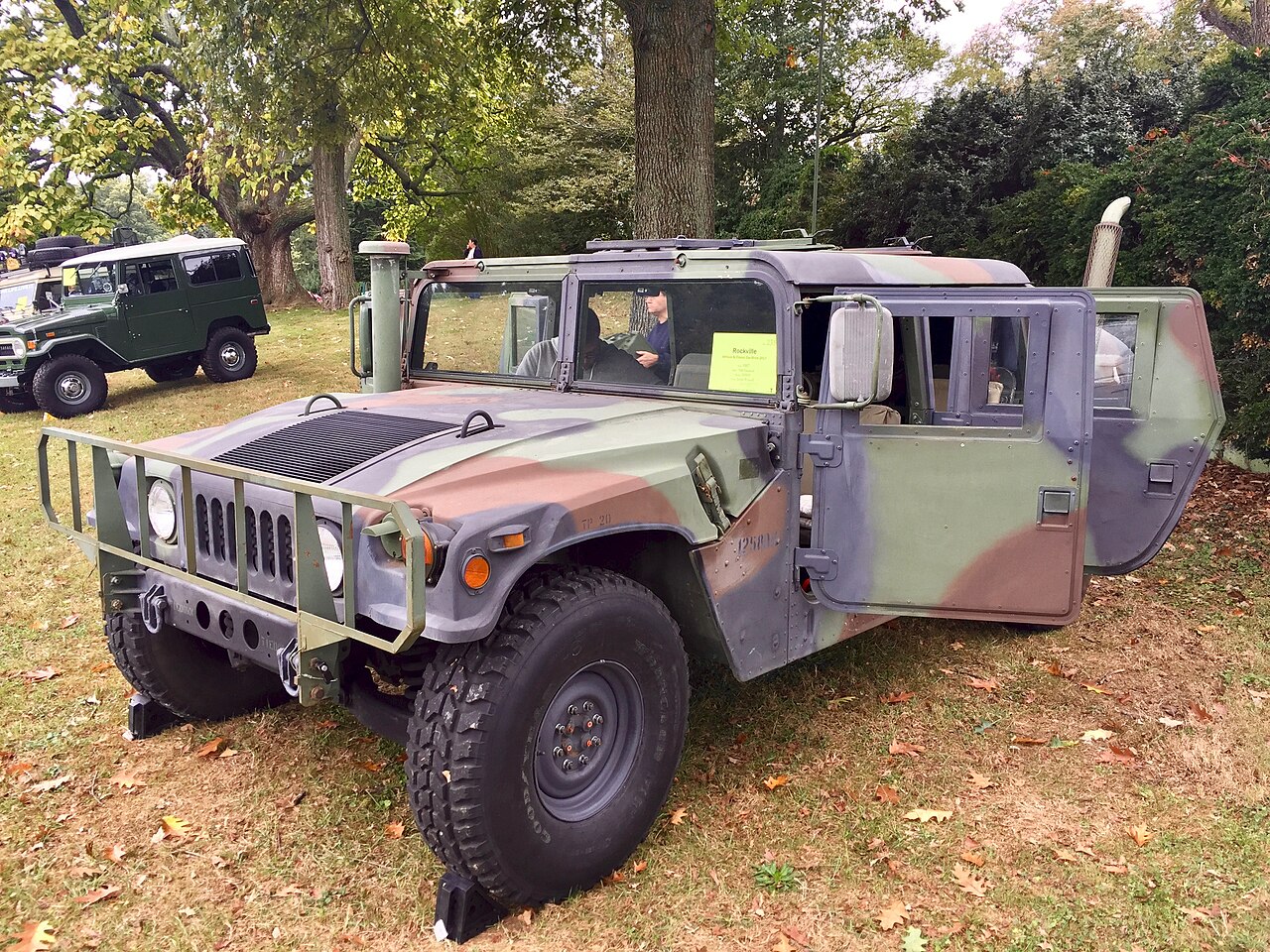 | Independent suspension and geared hubs | Multipurpose military equipment platform |
| 03 | 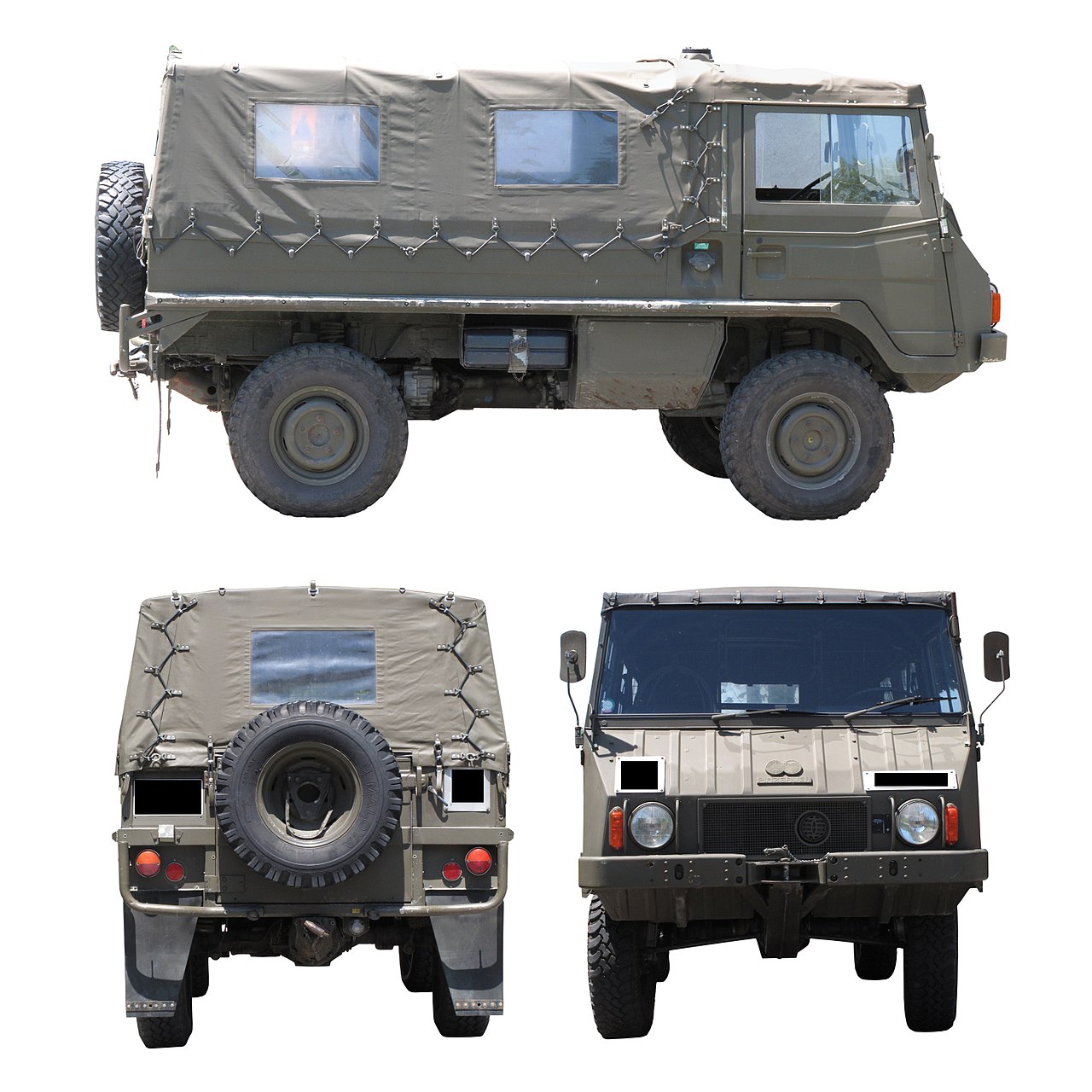 | Backbone chassis and portal axles | Terrain-oriented troop and utility transport |
| 04 | 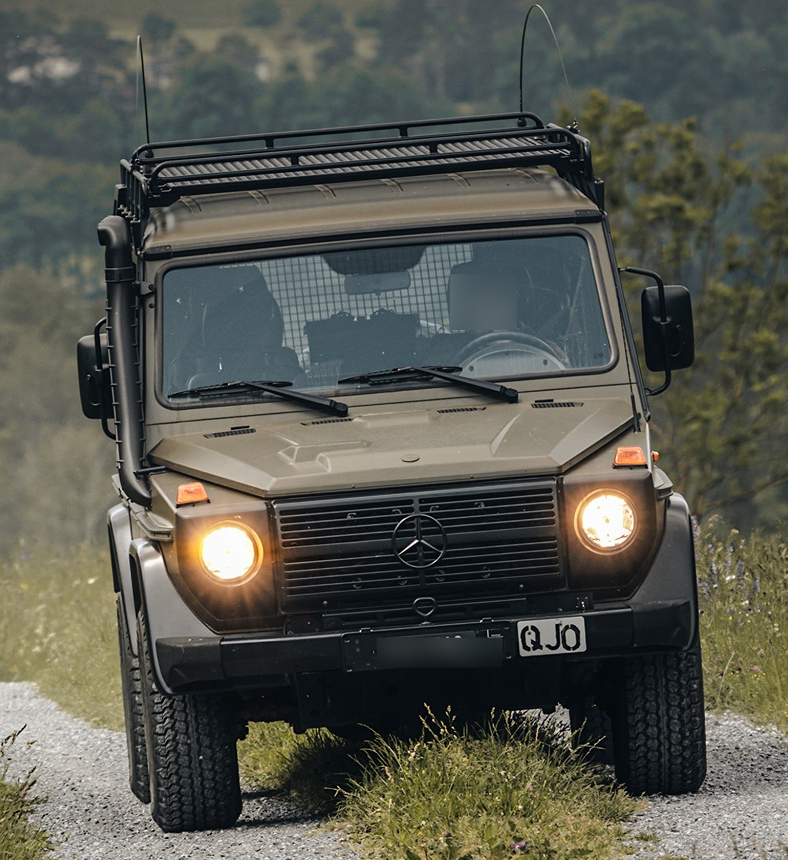 | Separate frame and rigid axles | Military and professional utility wagon |
| 05 | 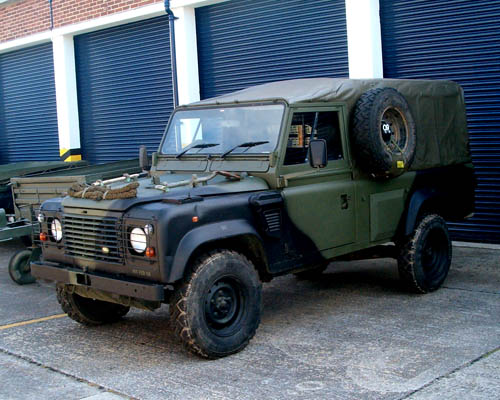 | Military adaptation of Defender 110 | Truck Utility Medium service transport |
No entries match your search.
5 Best Military Light Utility Vehicles: Entry Details
Willys MB
1941–1945 · Historical utility benchmarkThe compact MB combines four-wheel drive with a simple, adaptable open body. Its historical importance comes from the many transport roles it could fulfil within one manageable vehicle.
- Drive
- Four-wheel drive
- Architecture
- Compact body on a separate frame
- Role
- Wartime light utility transport
AM General HMMWV
Original military family · Flexible larger platformA wide chassis and independent suspension provide space for different military equipment and bodies. HMMWV ranks highly for platform flexibility rather than for the simplicity that defines the much smaller MB.
- Drive
- Four-wheel drive
- Architecture
- Independent suspension and geared hubs
- Role
- Multipurpose military equipment platform
Steyr-Puch Pinzgauer 710M
Original petrol generation · Distinctive terrain engineeringThe 710M uses a backbone chassis and portal axles beneath a compact forward-control body. Its engineering gives it a clear identity among more conventional military wagons.
- Drive
- Four-wheel drive
- Architecture
- Backbone chassis and portal axles
- Role
- Terrain-oriented troop and utility transport
Mercedes-Benz G-Class W461
Military and professional family · Practical military wagonThe W461 keeps the upright G-Class body and a conventional service-oriented chassis. It earns its place as an enclosed military utility wagon with a long-running, clearly defined role.
- Drive
- Four-wheel drive
- Architecture
- Separate frame and rigid axles
- Role
- Military and professional utility wagon
Land Rover Defender Wolf 110
Military TUM variant · Service-adapted DefenderWolf develops the Defender wagon for military utility work. The longer 110 medium-utility variant provides practical crew and equipment space within a familiar, serviceable vehicle layout.
- Drive
- Four-wheel drive
- Architecture
- Military adaptation of Defender 110
- Role
- Truck Utility Medium service transport
5 Best Military Light Utility Vehicles: Analysis
Willys MB Made a Small Chassis Widely Useful
The MB’s value lay in combining a small footprint with four-wheel drive and an adaptable open body. It supported liaison, transport and other service roles without the size of a cargo truck. The development involved the wider wartime light-vehicle programme, including Bantam and Ford, rather than a single isolated invention. That background forms the beginning of Jeep’s history.
HMMWV Provides a Larger Equipment Platform
AM General’s HMMWV uses a wide body, independent suspension and geared hubs to create a substantially different platform from the wartime Jeep. Its size allows varied service bodies and equipment. That flexibility is its strongest reason for inclusion. Civilian Hummer models and later protected vehicles have different briefs and should not be treated as interchangeable examples.
Pinzgauer Prioritises Ground Clearance and Axle Movement
The original 710M combines a central backbone structure with portal axles and a compact forward-control body. The layout places unusual emphasis on terrain capability without using a conventional pickup-like chassis. It earns its position for that distinctive engineering approach. The selected four-wheel-drive petrol generation is separate from later diesel Pinzgauers and from six-wheel-drive variants.
G-Class and Wolf Keep the Wagon Format
Military W461 G-Class and Defender Wolf retain upright bodies, serviceable mechanical layouts and practical passenger or equipment space. Their familiar wagon forms are useful when crews need enclosed transport rather than a specialist forward-control vehicle. The Mercedes-Benz military G programme and Land Rover service variants developed those roles through different vehicle families.
Our verdict
Our verdict
Willys MB is the strongest historical utility benchmark. HMMWV offers a larger adaptable platform, and Pinzgauer supplies the most distinctive chassis solution. W461 and Wolf are the clearest enclosed-wagon alternatives.
Strengths
- Military variants identified precisely
- Different utility layouts explained
- Original 4x4 Pinzgauer distinguished from later families
Things to consider
- Size and service roles differ substantially
- Protection depends on the individual vehicle configuration
FAQ: 5 Best Military Light Utility Vehicles
Which light military utility vehicle ranks first?
Willys MB leads for its historical role as a compact, adaptable four-wheel-drive transport vehicle. Its influence comes from fulfilling many service tasks within a small and simple platform.
Is HMMWV the same as Hummer H1?
No. HMMWV is the military vehicle family. Hummer H1 is a civilian derivative with a different equipment and ownership brief.
What makes Pinzgauer 710M unusual?
Its backbone chassis, portal axles and forward-control body differ from the more conventional framed utility wagons. The selected 710M is the original four-wheel-drive petrol generation.
Is every Pinzgauer a six-wheel-drive vehicle?
No. The selected 710M has four driven wheels. The Pinzgauer family also contains six-wheel-drive models and later diesel generations with different model designations.
Which military G-Class is included?
The W461 military and professional family is included, illustrated by a G 300 CDI. The civilian W463 family is a different branch and is not used as a substitute.
What does Wolf 110 add to the comparison?
It represents the military medium-utility adaptation of the longer Defender body. Its role is practical crew and equipment transport, distinct from the shorter Wolf 90 and from ordinary civilian Defenders.
Sources & methodology
Manufacturer histories, original vehicle literature and military transport documentation establish the selected families. Editorial order weighs historical influence, adaptability and terrain-oriented architecture for utility transport, without equating equipment packages with protection.
Maintained by Artsiom Dusau, a software engineer and BMW 4 Series owner. Editorial policy
View sources (7)
- Jeep official wartime history and Willys MB
- AM General military vehicle product catalogue
- Magna Steyr original manufacturing report and Pinzgauer architecture
- Austrian military history of Pinzgauer service
- Mercedes-Benz military G-Class development milestones
- British Army Defence School of Transport vehicle information
- British Army Soldier magazine and Defender Wolf service
,_Baujahr_1944.JPG)


