

Short answer
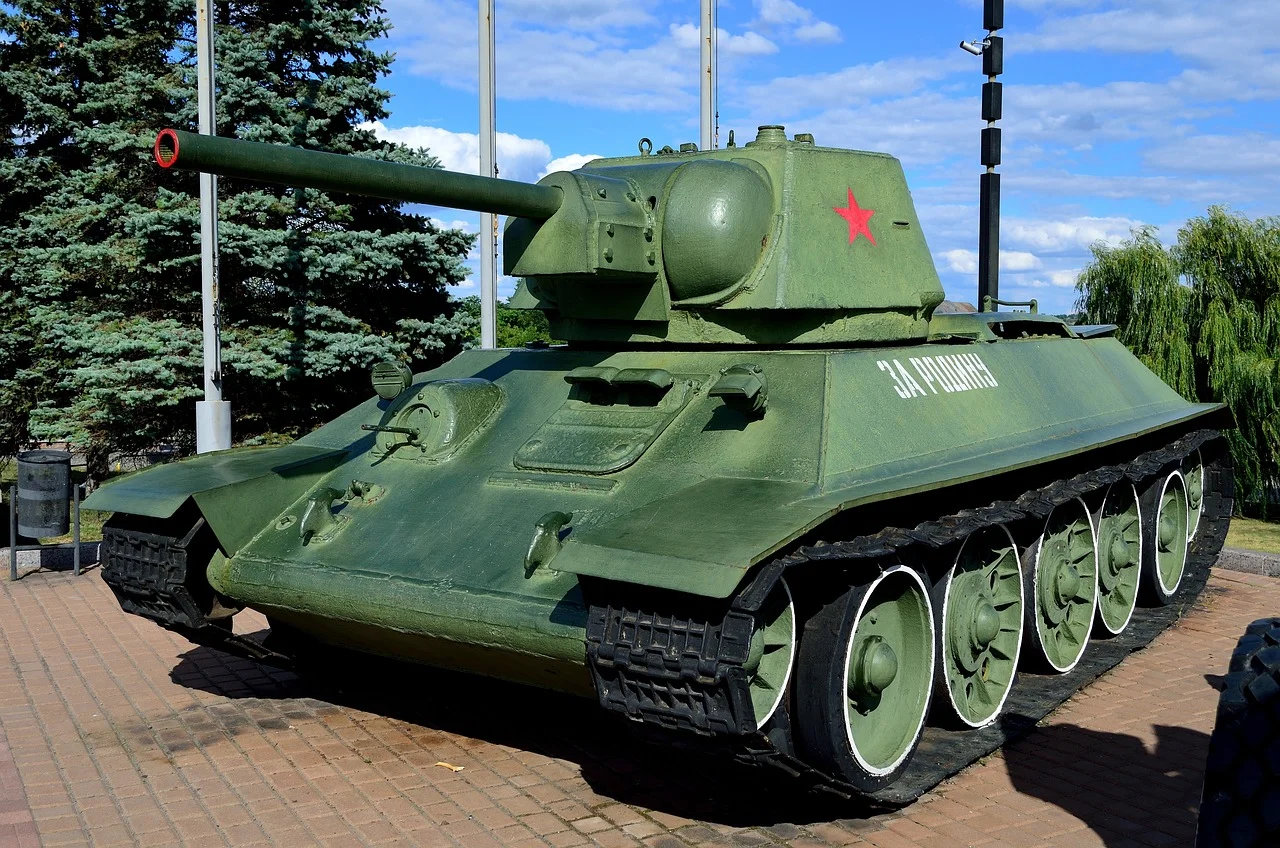
The T-34-85 is our starting point for understanding Soviet tank design. A larger turret and gun upgraded an established wartime vehicle while much of the underlying tank remained familiar.
- Data period
- Second World War and Cold War designs
- Entries
- 3
- Comparison
- Design study role
- Topic
- Military & armored vehicles
Best Russian Military Vehicles at a Glance
| Order | Vehicle | Design study role | Version or period |
|---|---|---|---|
| 01 | 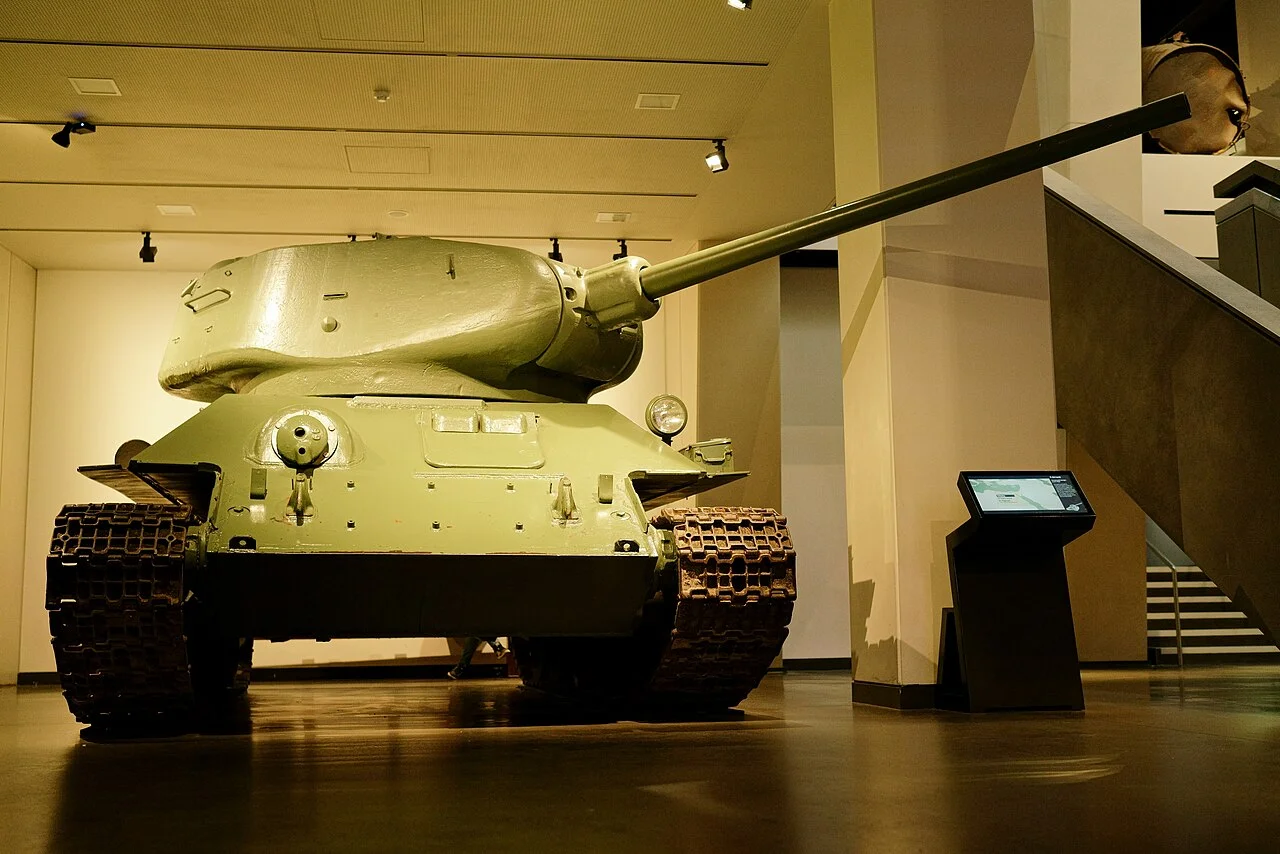 | First for a wartime design upgrade | Second World War design and postwar service |
| 02 | 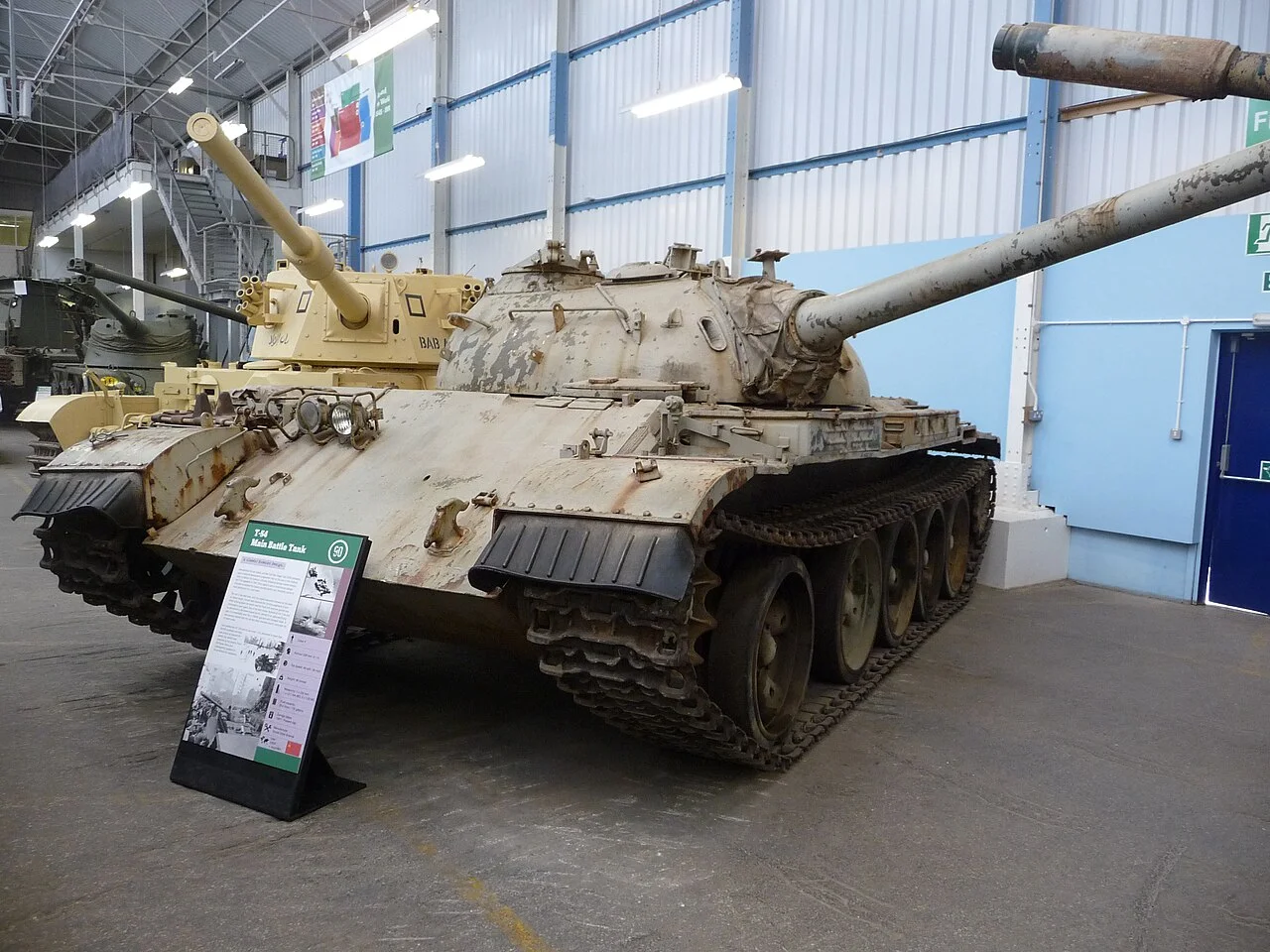 | First for postwar tank development | Postwar Soviet design family |
| 03 | 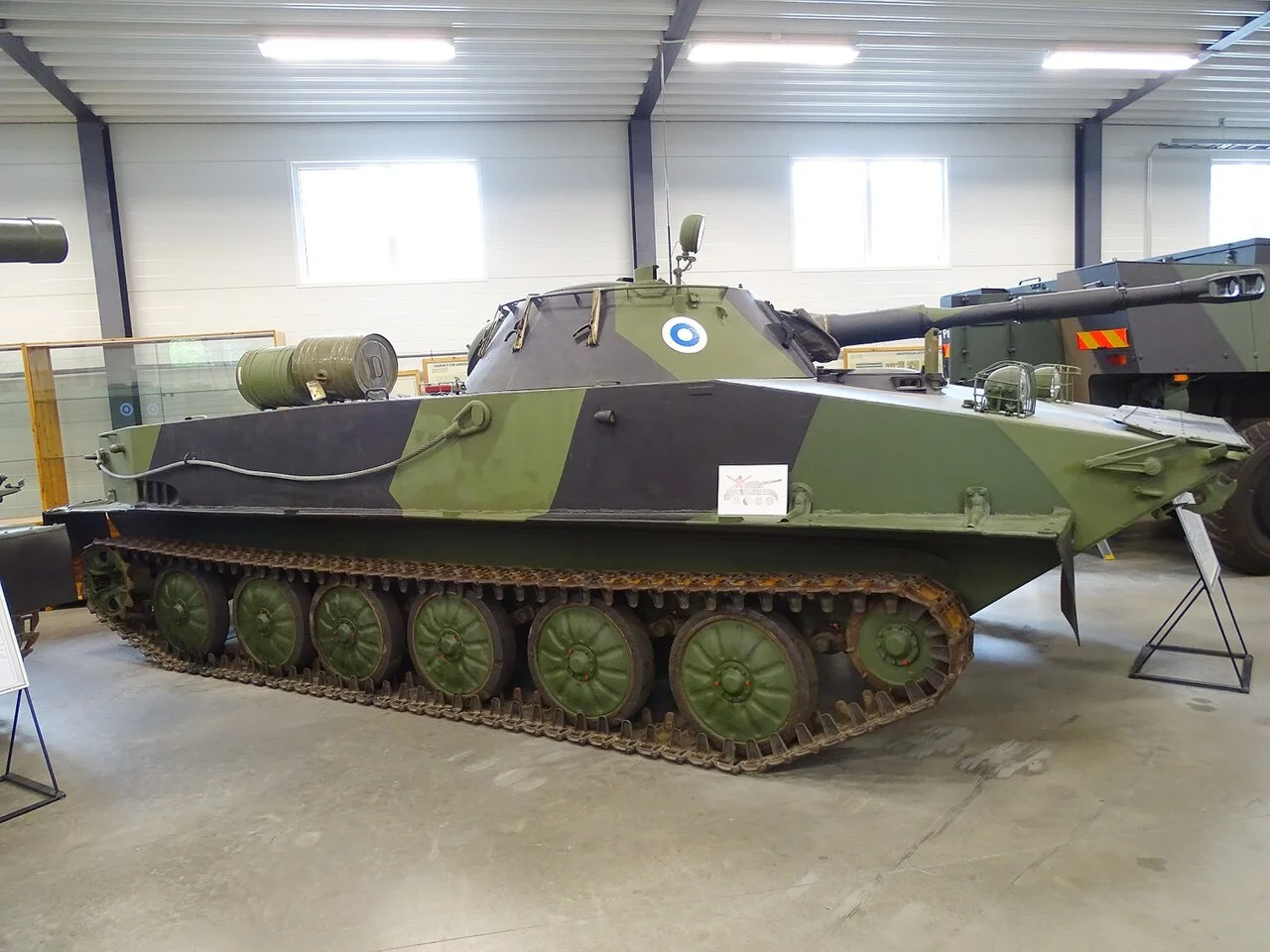 | First for amphibious engineering | Cold War amphibious design family |
No entries match your search.
Best Russian Military Vehicles: Entry Details
T-34-85
Second World War design and postwar service · First for a wartime design upgradeA larger turret and revised turret crew arrangement show how an established vehicle could receive a substantial wartime upgrade. Study it first to understand a targeted upgrade of an existing tank.
- Design role
- Wartime medium tank upgrade
- Turret crew
- Three people
- Museum source
- The Tank Museum, Bovington
Strengths & things to consider
Strengths
- A clear comparison with the earlier T-34 turret
- Museum documentation distinguishes the turret from the retained base
Things to consider
- An upgrade retained underlying design constraints
- Museum examples can differ in production and service details
T-54
Postwar Soviet design family · First for postwar tank developmentA low silhouette and rounded turret move the design discussion from the wartime T-34 family into a later tank layout. Use it to compare postwar packaging with the wartime upgrade.
- Design role
- Postwar medium tank
- Main gun
- 100 mm
- Museum source
- Ontario Regiment Museum
Strengths & things to consider
Strengths
- A distinct compact postwar layout
- A documented link through the preceding T-44
Things to consider
- Later T-54 variants differ in equipment
- Design features alone do not establish battlefield performance
PT-76
Cold War amphibious design family · First for amphibious engineeringThe buoyant hull and water jets make PT-76 the clearest example here of a tank designed around movement afloat. Study it for the engineering trade-offs of an amphibious role.
- Design role
- Amphibious light tank
- Water propulsion
- Two rear water-jet outlets
- Museum source
- Park of Military History, Slovenia
Strengths & things to consider
Strengths
- Water propulsion is central to the vehicle concept
- The hull makes the specialised role easy to distinguish
Things to consider
- Amphibious packaging sets different priorities from a heavier tank
- Museum vehicles may represent later versions
Best Russian Military Vehicles: Analysis
T-34-85 Turret and Crew Layout
The T-34-85 replaced the earlier design’s turret with a larger version carrying a more capable gun and a three-person turret crew. The Tank Museum describes the rest of the vehicle as largely unchanged. Keeping that established base makes the upgrade a useful first example of how a military design can change its crew workspace without a wholly new chassis.
T-54 Postwar Tank Design
The Ontario Regiment Museum traces the T-54 through the preceding T-44 and describes its low profile, rounded turret and larger main gun. Those features make it the next design to study after the T-34-85. Its tracked layout solves a different packaging problem from the passenger cabins and selectable drivetrain hardware in factory off-road SUVs.
PT-76 Amphibious Hull and Propulsion
The PT-76 uses a buoyant hull and water-jet propulsion for movement afloat. Slovenia’s Park of Military History describes two rear propulsion outlets, making the water system a defining part of the design. The amphibious role changes the hull’s priorities compared with the armour-focused T-54. Ordinary six-seat utility vehicles address passenger and cargo movement on land.
Our verdict
Our Verdict
Start with T-34-85 to see a targeted upgrade, follow with T-54 for postwar packaging, and finish with PT-76 for a different amphibious design problem.
Strengths
- Museum accounts anchor each design role
- The sequence explains different engineering priorities
Things to consider
- Vehicles span different periods and roles
- No common combat-performance measure is assigned
FAQ: Best Russian Military Vehicles
Why does T-34-85 lead this guide?
Its turret upgrade provides a clear starting point for understanding how an existing tank design changed during wartime.
What did the T-34-85 turret change?
The larger turret carried the revised gun and a three-person crew arrangement. The underlying vehicle remained largely familiar.
Is the T-54 another T-34 variant?
No. The museum describes its development through the T-44, leading to a distinct compact postwar design.
What makes the PT-76 different?
Its hull and water-jet propulsion support an amphibious role, unlike the land-focused tanks alongside it.
Does this order measure combat effectiveness?
No. It is an editorial study order based on documented design roles and museum accounts.
Sources & methodology
Editorial study order uses museum accounts of three Soviet design families. Criteria are a clear design change, a documented successor role and distinct amphibious engineering. The order assigns no combat score and does not compare current military capabilities.
Maintained by Artsiom Dusau, a software engineer and BMW 4 Series owner. Editorial policy


.jpg)