

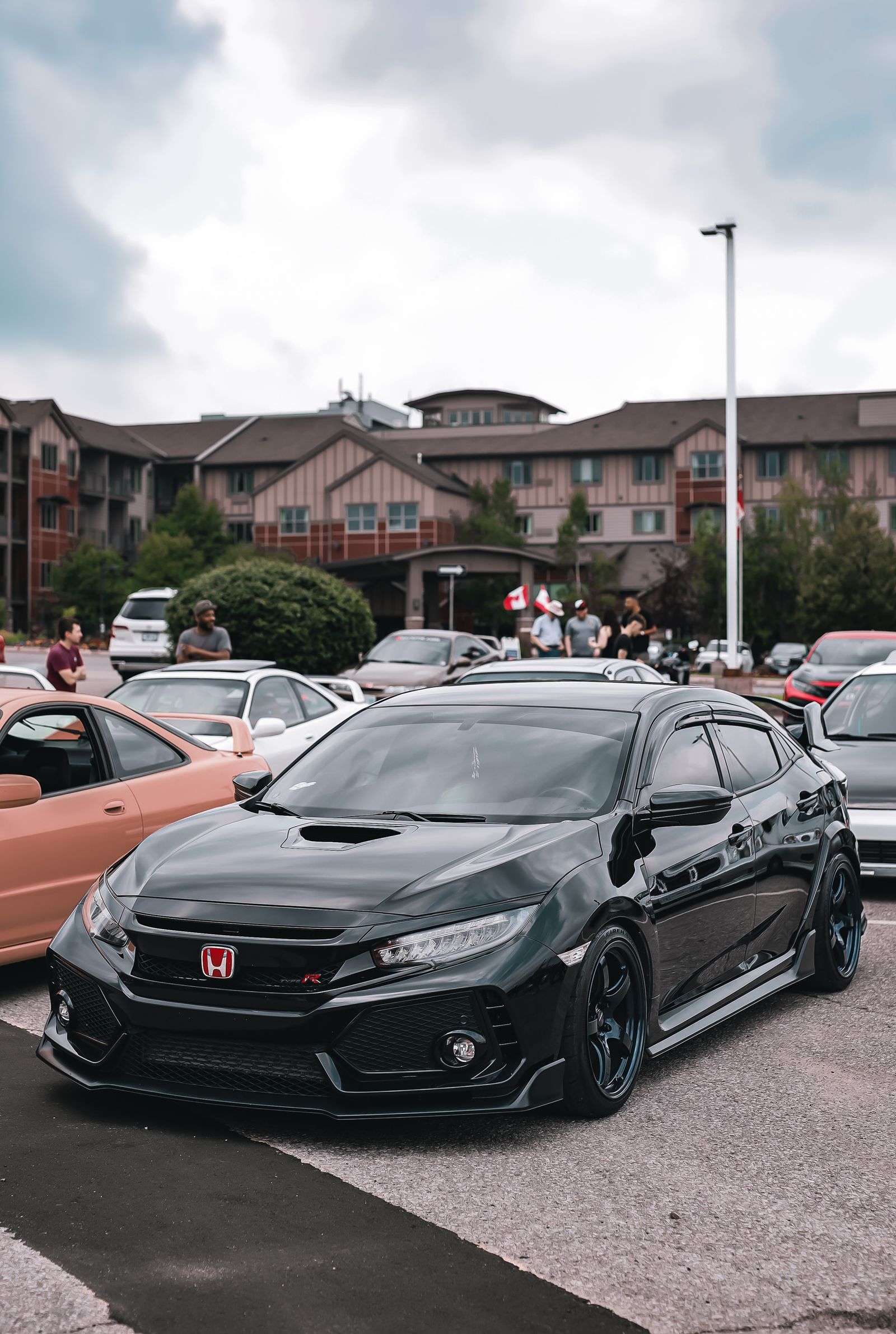
Short answer
The 1975 Civic CVCC leads for engineering impact, the 1999–2000 Si for classic driving appeal and the 2023 Type R for performance. Certain early eighth-generation engines and 2014–2015 CVTs need repair checks.
- Emissions milestone
- CVCC met 1975 U.S. standards without a catalytic converter
- Classic Si
- 1999–2000 U.S. coupe with 160 hp
- Modern performance
- 2023 U.S. Civic Type R with 315 hp
The 5 Best and Worst Honda Civic Models of All Time at a Glance
| No. | Model or version | Model years | Editorial verdict |
|---|---|---|---|
| 01 | 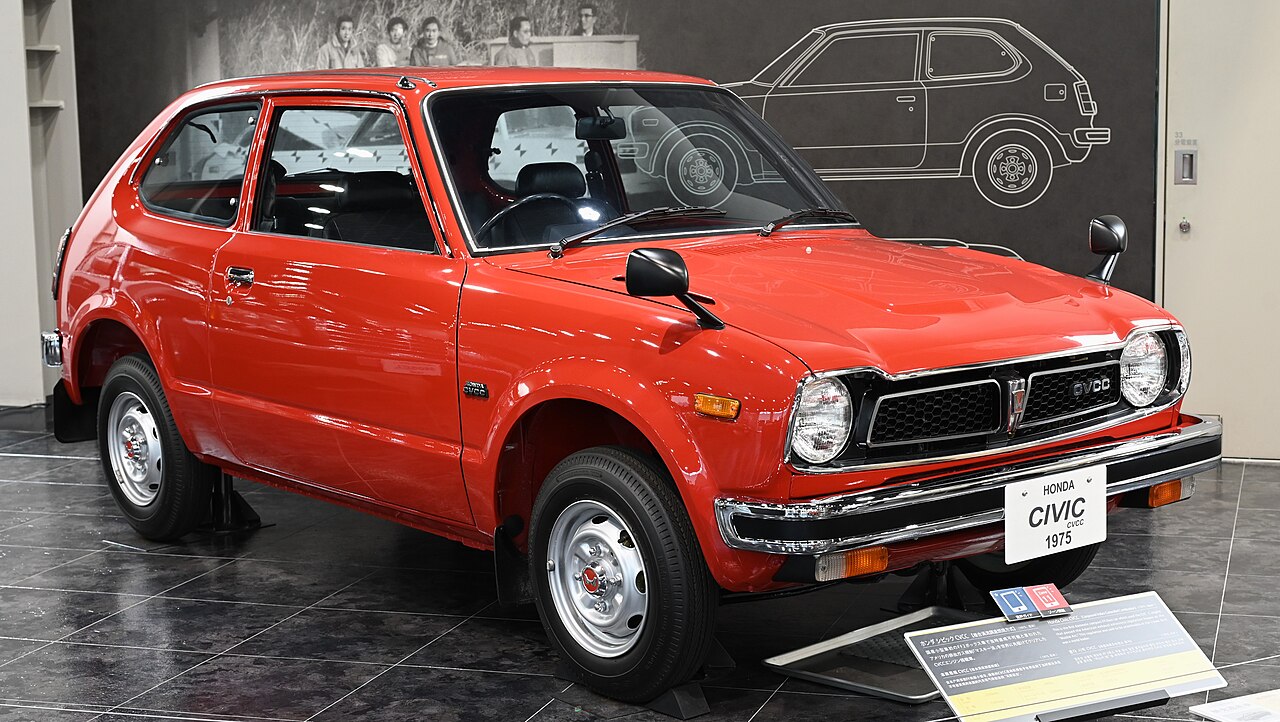 | 1975 | Best engineering impact |
| 02 | 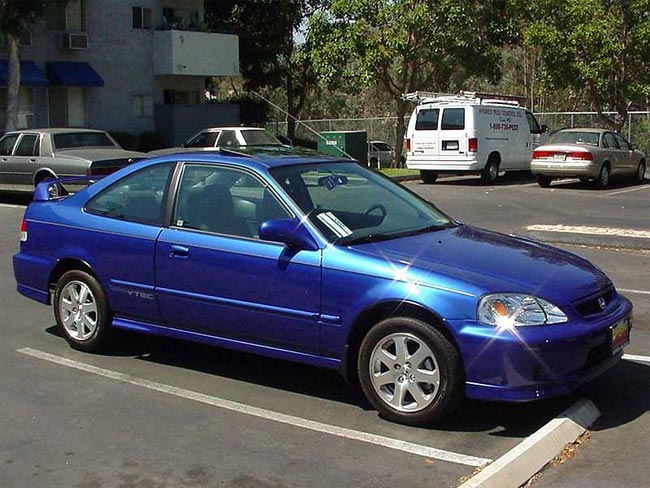 | 1999–2000 | Best classic enthusiast choice |
| 03 | 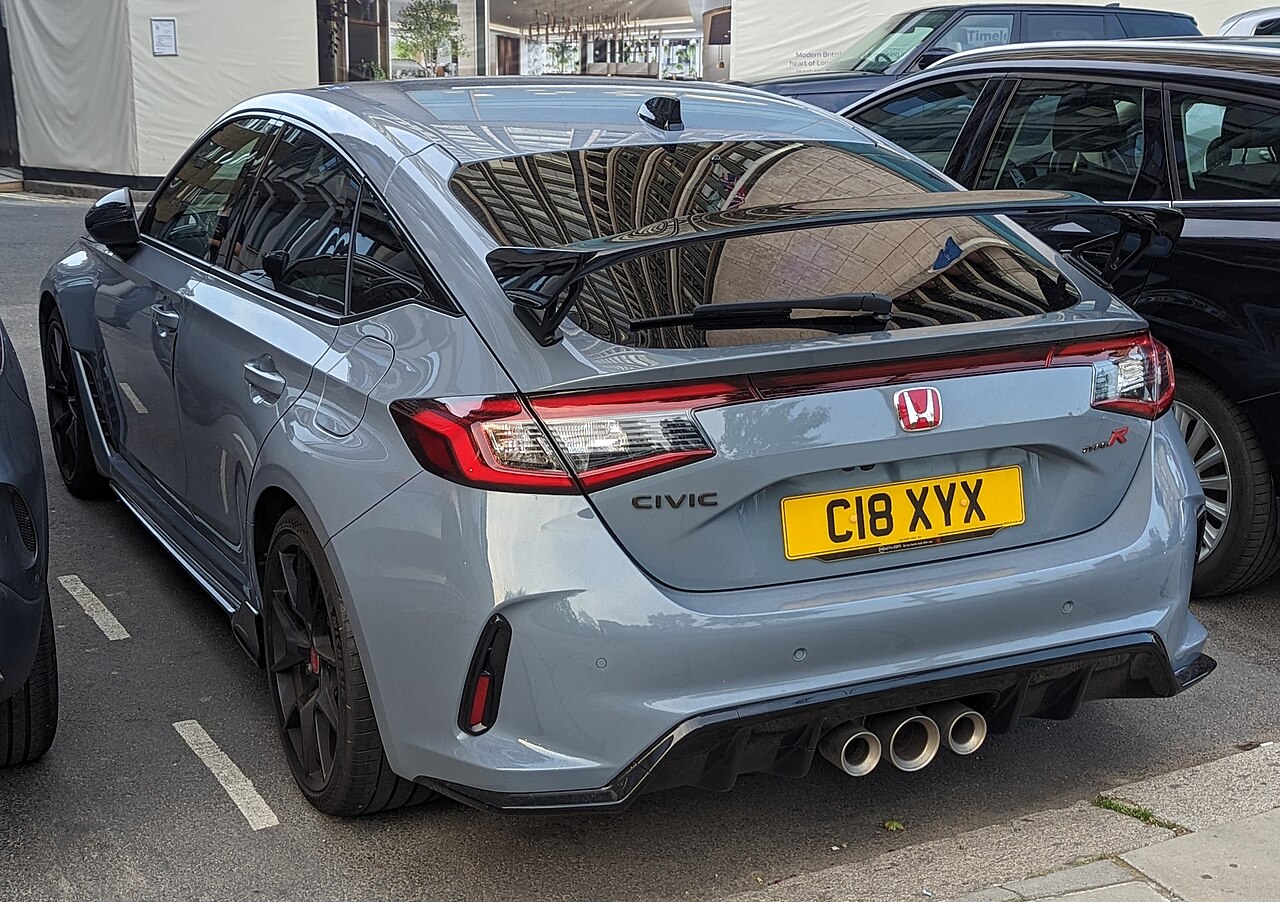 | 2023 | Best factory performance |
| 04 | 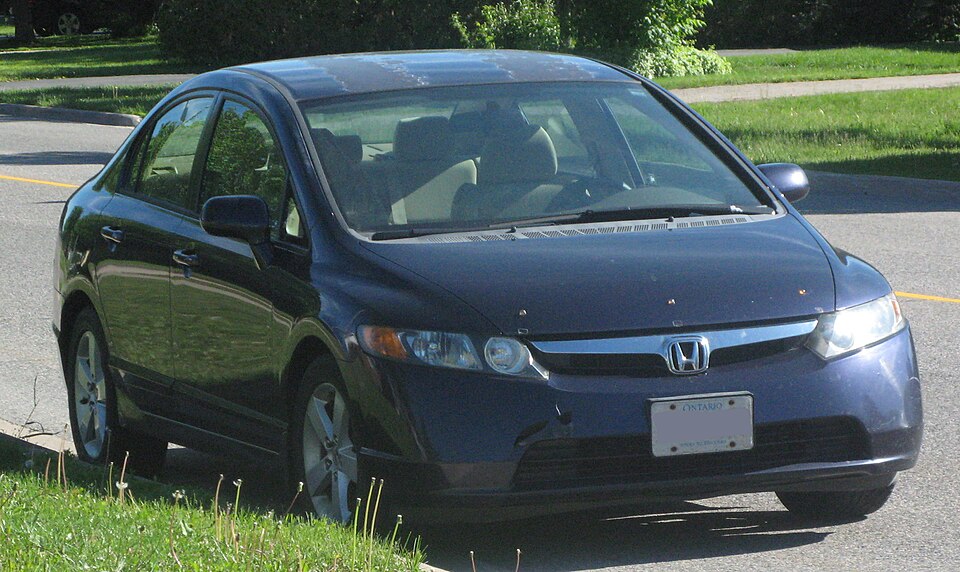 | 2006–2008 and early-production 2009 | Engine-block coolant-leak caution |
| 05 | 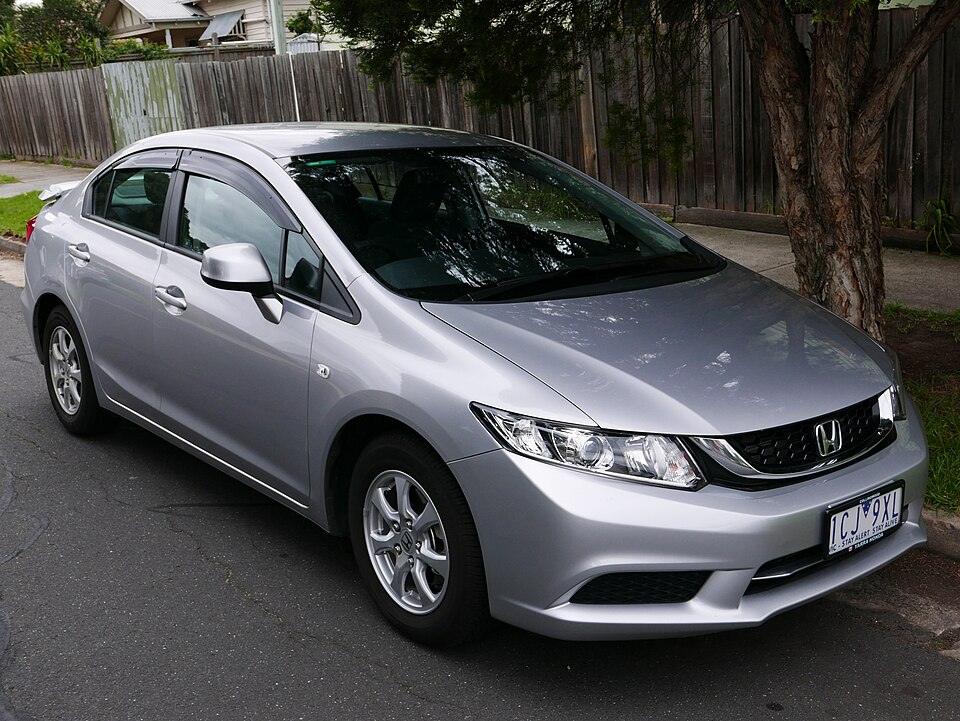 | 2014–2015 | Drive-pulley shaft recall caution |
No entries match your search.
The 5 Best and Worst Honda Civic Models of All Time: Entry Details
Honda Civic CVCC
1975 · Best engineering impactThe CVCC engine met the new U.S. tailpipe rules without a catalytic converter. That practical breakthrough gave the small Civic a defining technical achievement at a time when emissions control was reshaping the entire industry.
- Evidence
- Met 1975 U.S. Clean Air Act standards without a catalytic converter
Honda Civic Si coupe
1999–2000 · Best classic enthusiast choiceThe U.S. Si coupe combined a 160-hp B16A2 VTEC engine with a five-speed manual. Firmer springs, larger stabilizer bars and four-wheel disc brakes made the performance package more substantial than its appearance alone.
- Evidence
- 1.6-liter DOHC VTEC engine, 160 hp and five-speed manual
Honda Civic Type R
2023 · Best factory performanceThe U.S. Type R delivers 315 hp through a six-speed manual and limited-slip differential. Its cooling upgrades, adaptive dampers and revised steering give it a coherent performance specification beyond the engine's output.
- Evidence
- 315 hp SAE net and six-speed manual with rev matching
Honda Civic 1.8-liter
2006–2008 and early-production 2009 · Engine-block coolant-leak cautionSome engine blocks could leak coolant and cause overheating. Honda extended the relevant block warranty, so a used example needs documented repair history and a close examination for leaks before it earns consideration.
- Evidence
- Engine-block coolant leakage addressed by Honda warranty extension
Honda Civic with CVT
2014–2015 · Drive-pulley shaft recall cautionCertain CVT control modes subjected the drive-pulley shaft to high stress. An affected shaft could break and cause loss of acceleration or front-wheel lockup, making recall completion an essential check.
- Evidence
- CVT software recall addressing drive-pulley shaft stress
The 5 Best and Worst Honda Civic Models of All Time: Analysis
CVCC made the Civic useful at a turning point
The 1975 CVCC solved an emissions problem inside the combustion process, allowing the Civic to meet the new rules without a catalytic converter. The 1999 Si applied Honda's engine expertise to a different purpose, a compact coupe with a high-revving VTEC engine and a manual gearbox. Both explain the technical identity behind the Honda brand.
Civic problem years need an engine and transmission check
The early eighth-generation 1.8-liter caution starts with coolant leaking through the engine block. The 2014–2015 caution starts inside the CVT, where shaft stress prompted a software recall. Compare the Civic recall and crash ratings by year, then identify the individual car's powertrain and confirm its repairs.
Important context
- The 1999 Si paired its VTEC engine with a five-speed manual and four-wheel disc brakes.
- The 2023 Type R uses a turbocharged 2.0-liter engine and six-speed manual.
- The engine-block warranty extension and CVT recall address different mechanical problems.
Our verdict
Editorial verdict
The CVCC earns the historical choice, the Si the classic driver choice and the Type R the modern performance choice. For the two caution groups, establish the exact engine or transmission and its repair record before buying.
Strengths
- Three distinct Civic achievements
- Powertrain-specific defect evidence
Things to consider
- Some vehicles in the caution years are unaffected
- Repair history can change the buying assessment
FAQ: The 5 Best and Worst Honda Civic Models of All Time
What is the best classic Honda Civic?
The 1999–2000 U.S. Civic Si coupe is our classic enthusiast pick. Its 160-hp VTEC engine, manual gearbox and uprated chassis made a complete compact performance package.
Why was the Civic CVCC important?
The 1975 CVCC met new U.S. emissions standards without a catalytic converter. Its combustion system gave the Civic a distinctive technical advantage.
Which Honda Civic years had engine-block problems?
Honda documented coolant-leaking blocks in some 2006–2008 and early-production 2009 Civics. The concern belongs to the affected engine and vehicle eligibility, so check repair documentation.
Do all 2014–2015 Civics have the CVT problem?
The recall concerns affected CVT-equipped vehicles. Manual-transmission cars do not use that pulley shaft, and eligible CVT cars need confirmation that the recall work was completed.
Sources & methodology
Five U.S. selections from Honda technical histories, specifications and defect notices. Best rewards innovation and driving purpose. Worst identifies specific engine or CVT problems in the stated years.
Maintained by Artsiom Dusau, a software engineer and BMW 4 Series owner. Editorial policy


_VTi_sedan_(2015-05-29)_01.jpg)