

Short answer
The 1965 Shelby GT350 is our defining performance Mustang, with the 1969 Boss 302 and 2012–2013 Boss 302 close behind. The 1974 Mustang II falls short on performance, while some 2018–2019 manual GTs need shift-fork repair checks.
- Early Shelby
- 1965 GT350 with a 289-cubic-inch V8
- Modern Boss
- 444 hp from a naturally aspirated 5.0-liter V8
- Mechanical caution
- Ford bulletin 18-2267 concerns 2018–2019 5.0-liter manual Mustangs
The 5 Best and Worst Ford Mustangs of All Time at a Glance
| No. | Model or version | Model years | Editorial verdict |
|---|---|---|---|
| 01 |  | 1965 | Best defining performance Mustang |
| 02 |  | 1969 | Best classic competition connection |
| 03 | 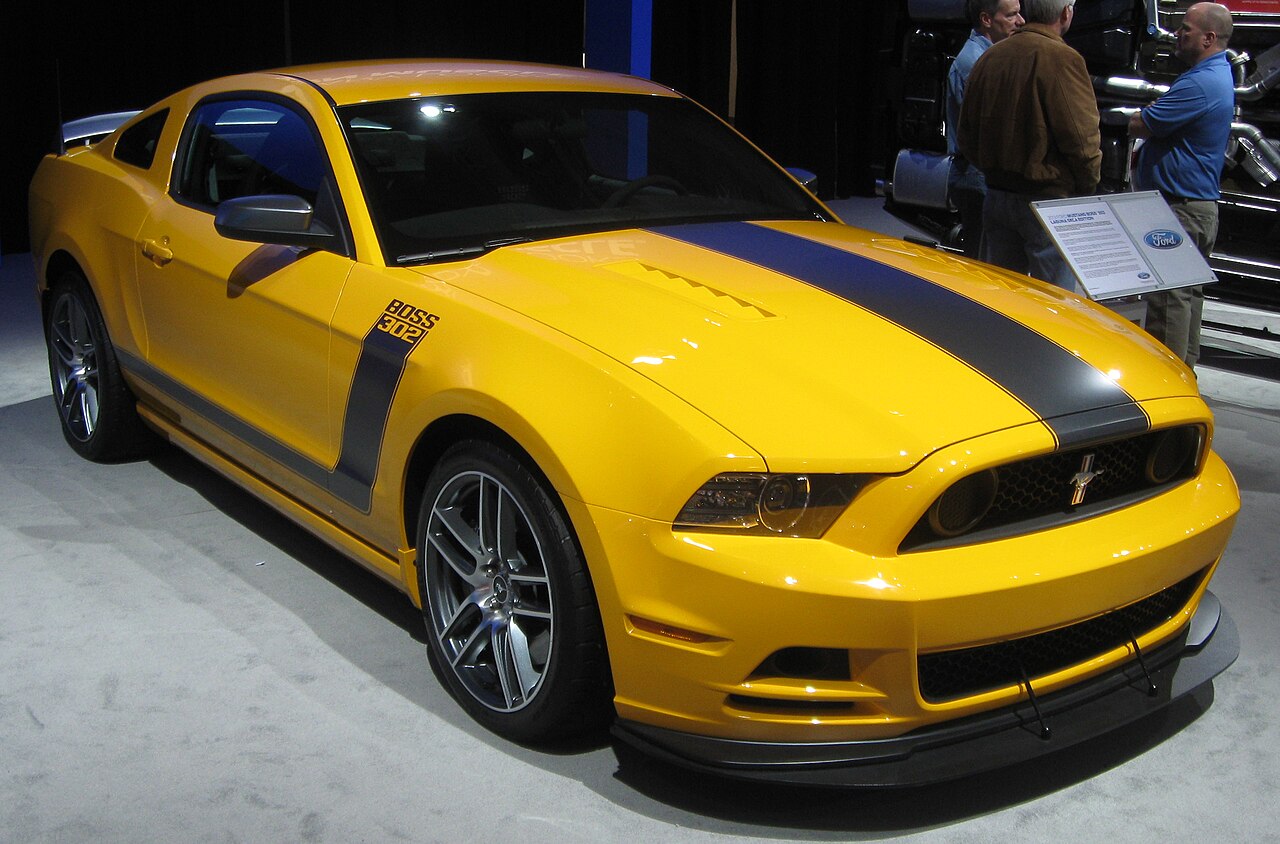 | 2012–2013 | Best modern naturally aspirated choice |
| 04 | 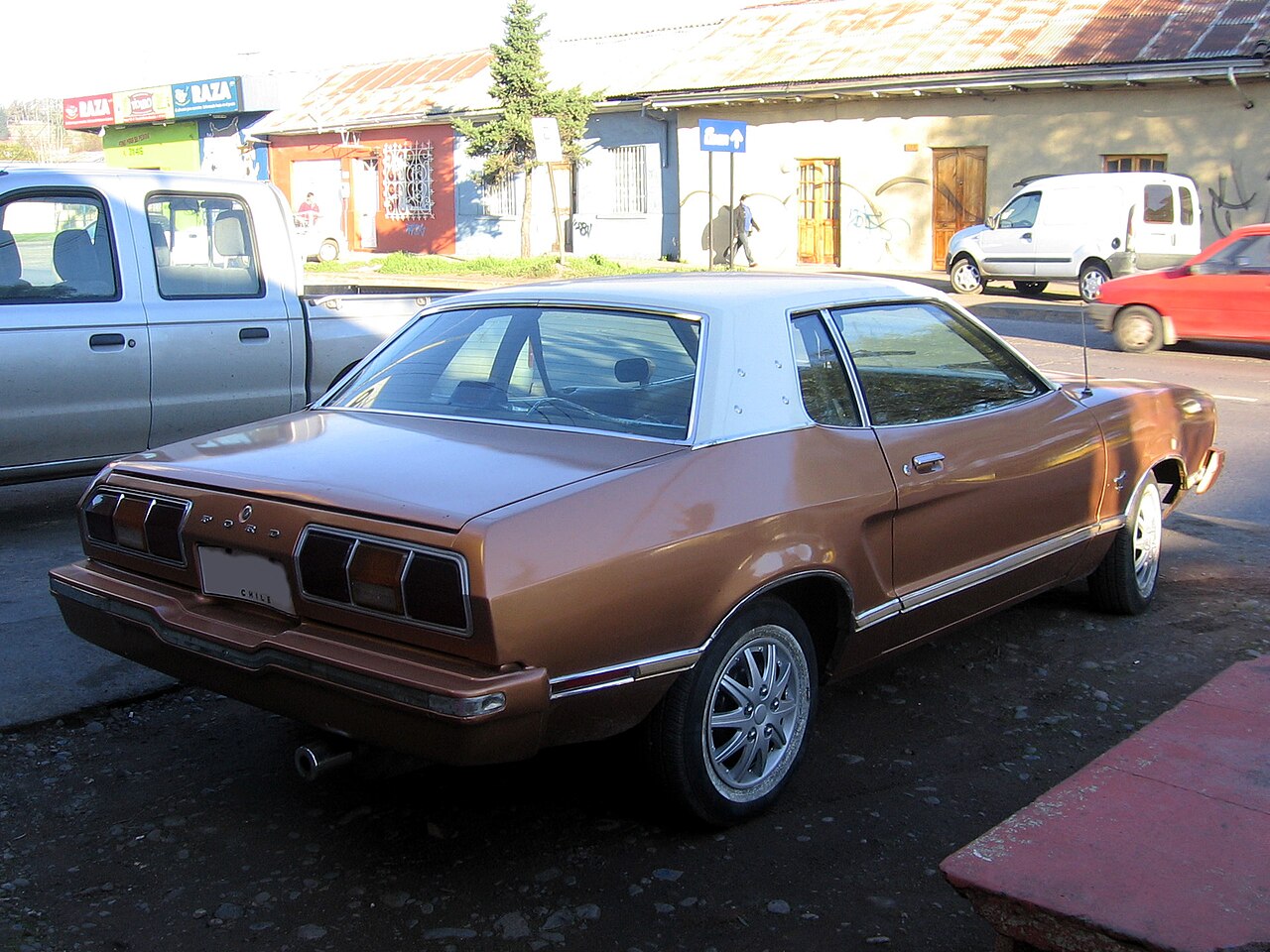 | 1974 | Weakest performance specification |
| 05 |  | 2018–2019 | Shift-fork repair caution |
No entries match your search.
The 5 Best and Worst Ford Mustangs of All Time: Entry Details
Ford Mustang Shelby GT350
1965 · Best defining performance MustangThe GT350 turned the early Mustang into a dedicated performance product. Its 289-cubic-inch V8 and Shelby development make it the strongest starting point for understanding why the Mustang became more than a stylish everyday coupe.
- Evidence
- Introduced in 1965 with a 306-hp 289-cubic-inch V8
Ford Mustang Boss 302
1969 · Best classic competition connectionThe Boss 302 earns its place through a specific homologated competition identity. Its specialist engine and performance package make it a more focused historical choice than a Mustang selected simply for engine size or a familiar badge.
- Evidence
- FIA historic homologation record for the 1969 Boss 302
Ford Mustang Boss 302
2012–2013 · Best modern naturally aspirated choiceThe revived Boss 302 delivered 444 hp without a supercharger or turbocharger. A distinct high-performance version of the 5.0-liter engine connects this later car to the original Boss idea rather than making it a cosmetic special edition.
- Evidence
- 444 hp and 380 lb-ft from the naturally aspirated 5.0-liter V8
Ford Mustang II
1974 · Weakest performance specificationThe U.S. launch-year Mustang II offered four-cylinder and V6 engines without a V8 option. Its smaller package answered a different market need, but that powertrain choice leaves it behind the Shelby and Boss cars for performance appeal.
- Evidence
- U.S. brochure lists a 2.3-liter four and optional 2.8-liter V6
Ford Mustang GT with manual transmission
2018–2019 · Shift-fork repair cautionSome 5.0-liter manual cars could lose drive in first or second gear because of a broken shift fork. Check operation in both gears and ask for repair records before accepting a used example's otherwise attractive performance specification.
- Evidence
- Ford bulletin 18-2267 identifies a broken 1–2 shift fork
The 5 Best and Worst Ford Mustangs of All Time: Analysis
Shelby and Boss gave the Mustang a clear performance purpose
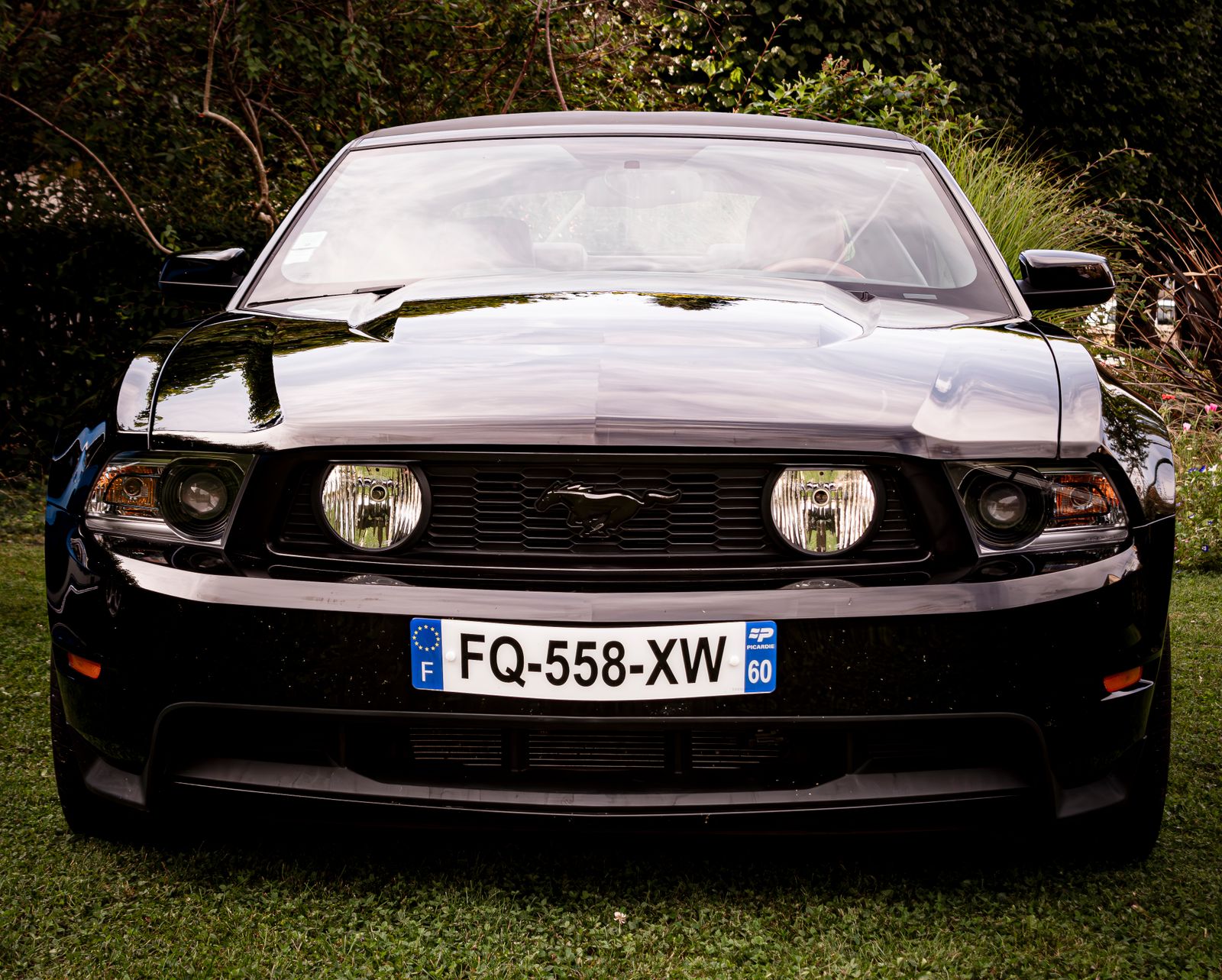
The GT350 and Boss 302 were developed around engines and equipment that changed the Mustang's job. The 2012–2013 Boss revived that approach with a naturally aspirated 5.0-liter V8 rather than depending on an appearance package. The Mustang emblem connects those distinct performance eras under the same name.
The two worst choices fail for different reasons
The 1974 Mustang II loses ground here because its engine range fell short of the performance brief. The 2018–2019 manual GT has a documented mechanical issue instead, with a broken shift fork potentially removing drive in first or second gear. A repaired GT deserves individual consideration, while adding a V8 to a Mustang II changes its original specification.
Important context
- The 1969 Boss 302 has a specific FIA homologation record.
- The modern Boss 302 developed its engine without forced induction.
- The manual GT caution concerns loss of first or second gear, not the automatic transmission.
Our verdict
Editorial verdict
Choose the GT350 for historical influence and either Boss 302 for a focused performance identity. Treat the launch-year Mustang II as an economy-minded classic, and investigate the shift-fork history of a 2018–2019 manual GT.
Strengths
- Three purpose-built performance choices
- Mechanical caution tied to an exact powertrain
Things to consider
- Collector-car originality requires inspection
- The manual GT bulletin does not cover every Mustang
FAQ: The 5 Best and Worst Ford Mustangs of All Time
What is the best classic Ford Mustang?
The 1965 Shelby GT350 is our defining classic performance choice. The 1969 Boss 302 is the alternative for buyers drawn to the competition cars in our Ford model selection.
Did the 1974 Mustang II have a V8?
The U.S. 1974 brochure offered four-cylinder and V6 engines. A V8 was absent from that launch-year range.
How much power did the 2012–2013 Boss 302 make?
The modern Boss 302 developed 444 hp and 380 lb-ft from its naturally aspirated 5.0-liter V8.
Which Mustang GTs need a shift-fork check?
Ford bulletin 18-2267 concerns some 2018–2019 5.0-liter Mustangs with manual transmissions. A broken 1–2 shift fork could prevent the car from driving in first or second gear.
Sources & methodology
Five choices from Ford histories, Ford Racing specifications, FIA homologation and Ford service documentation. Best rewards focused performance. Worst reflects a performance compromise or specific mechanical defect.
Maintained by Artsiom Dusau, a software engineer and BMW 4 Series owner. Editorial policy
_(cropped).jpg)
.jpg)

.jpg)
