Short answer
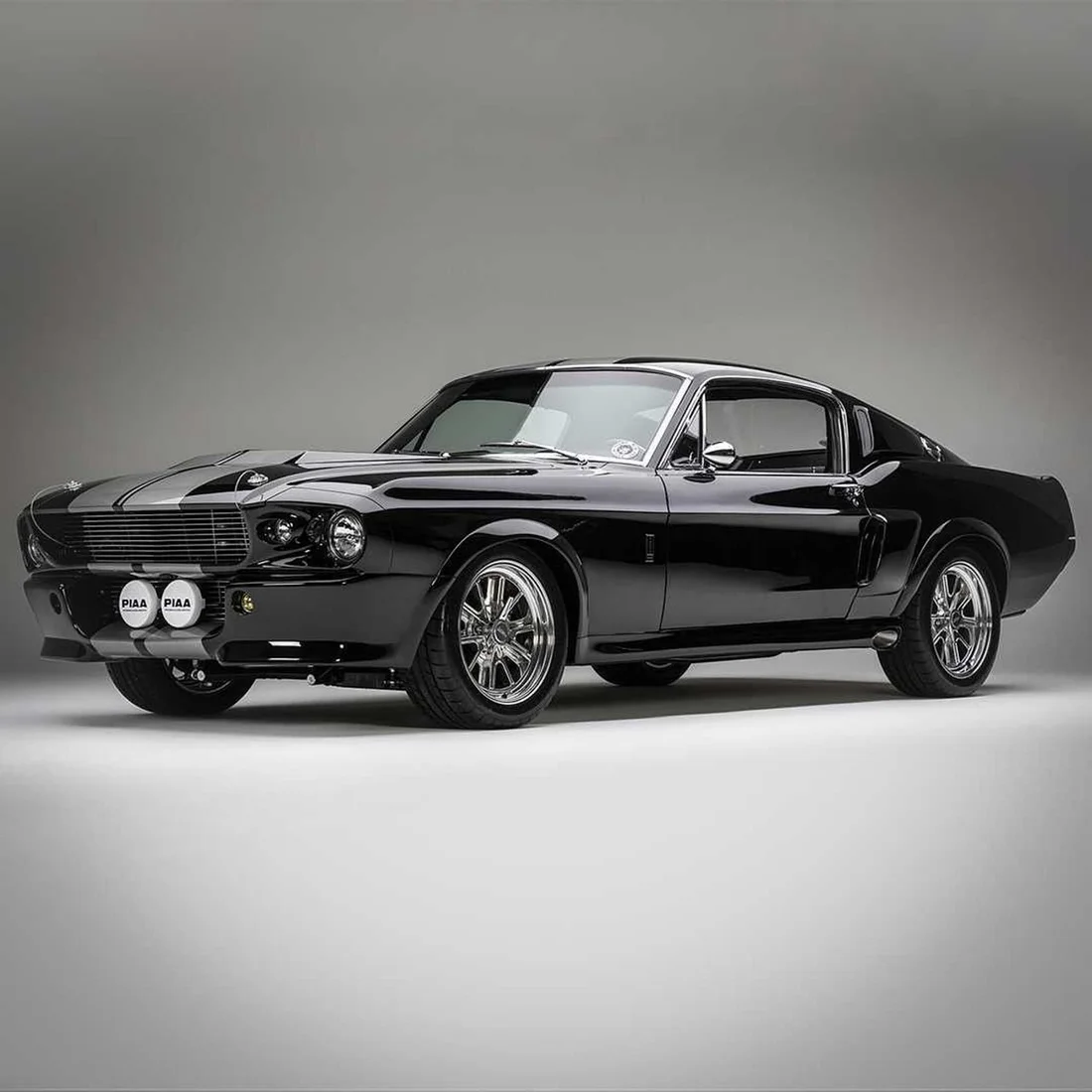
The Ford Mustang is our editorial pick for the most iconic Ford. Its pony-car identity and long production history put it alongside the Model T, F-150 and Ford’s racing cars.
- Data period
- Heritage review
- Entries
- 8
- Comparison
- Editorial significance
- Topic
- Iconic models
Most Iconic Ford Cars of All Time at a Glance
| Editorial rank | Ford model | Production years |
|---|---|---|
| 01 |  | 1964 – present |
| 02 |  | 1908–1927 |
| 03 |  | 1975 – present |
| 04 |  | 1964–1969 |
| 05 |  | 1966–1996, 2021 – present |
| 06 |  | 1955–1997, 2002–2005 |
| 07 |  | 1992–1996 |
| 08 |  | 1960–2016 |
No entries match your search.
Most Iconic Ford Cars of All Time: Entry Details
Mustang
1964 – presentTook about 22,000 orders on its first day in 1964 and created the pony-car class. Its running-horse badge is as recognisable as the Ford oval.
Explore Iconic models rankings → Model T
1908–1927The car that made the moving assembly line practical and turned the automobile into an everyday purchase.
Explore Iconic models rankings → F-150
1975 – presentAmerica’s best-selling pickup for decades and the profit engine behind much of this list.
Explore Iconic models rankings → GT40
1964–1969Built to beat Ferrari at Le Mans, the GT40 won four years running from 1966 to 1969.
Explore Iconic models rankings → Bronco
1966–1996, 2021 – presentRevived in 2021 with a badge redrawn from the 1966 original, Ford selling its own heritage to a new generation.
Explore Iconic models rankings → Thunderbird
1955–1997, 2002–2005Ford’s answer to the personal luxury coupe, and the car that gave America the nickname T-Bird.
Explore Iconic models rankings → Escort RS Cosworth
1992–1996A 1990s World Rally Championship car whose whale-tail spoiler became an icon of its own.
Explore Iconic models rankings → Falcon (Australia)
1960–2016The Australian Falcon, not the US car, defined Ford in Australia for more than 50 years until local manufacturing ended in 2016.
Explore Iconic models rankings →A closer look
Most Iconic Ford Cars of All Time: Photo Gallery
Most Iconic Ford Cars of All Time: Analysis
Why the Ford Mustang Is So Iconic
The Mustang offered sporty looks at a compact-car price, and buyers placed about 22,000 orders on its first day. Chevrolet and Pontiac answered with the Camaro and Firebird in 1967, and Dodge with the Challenger in 1970.
Its running-horse emblem has a history of its own, told in the Ford Mustang logo history.
Ford Model T and the Moving Assembly Line
Ford built more than 15 million Model Ts between 1908 and 1927. The moving assembly line, introduced at Highland Park in 1913, cut the time to build one from about twelve hours to about ninety minutes, and prices fell with it.
The Model T also carried the Ford script that still forms the Ford logo.
Ford F-Series Sales and Popularity
The F-Series has been America’s best-selling pickup since 1977, and the F-150 is its core model. Profits from these trucks fund much of the rest of Ford’s range, the Mustang included.
Ford GT40 Wins at Le Mans
Henry Ford II ordered the GT40 after a deal to buy Ferrari fell through in 1963. The car won Le Mans four years running, from 1966 to 1969, and its one-two-three finish in 1966 became the story of the film Ford v Ferrari.
FAQ: Most Iconic Ford Cars of All Time
What is the most iconic Ford car?
The Mustang. It launched the pony-car class in 1964, has never left production, and its running-horse badge is recognised around the world.
How many Model T Fords were made?
More than 15 million between 1908 and 1927. The record stood until the Volkswagen Beetle passed it in 1972.
What is Ford’s best-selling vehicle?
The F-Series pickup, led by the F-150. It has been America’s best-selling truck since 1977.
How many times did the Ford GT40 win Le Mans?
Four, in 1966, 1967, 1968 and 1969. The 1966 race ended with GT40s in the first three places.
Is the Ford Bronco back?
Yes. Ford brought the Bronco back in 2021 after a 25-year break, with a badge redrawn from the 1966 original.
Sources & methodology
Editorial order considers cultural reach, sales history and design influence using Ford heritage material and motorsport history. No numeric influence scores or statistical popularity measurements are assigned.
Maintained by Artsiom Dusau, a software engineer and BMW 4 Series owner. Editorial policy