
Short answer
The original NSX takes first for combining aluminium construction and VTEC sports-car engineering. The Civic CVCC follows for its influence on affordable motoring, while S2000, Integra Type R and Fit answer different driver and passenger needs.
- Leading sports car
- First-generation NSX
- Everyday influence
- Civic CVCC combustion technology
- Compact performance
- DC2 Integra Type R and EK9 Civic Type R
- Packaging alternative
- First-generation Fit center-tank platform
10 Greatest Honda Cars of All Time at a Glance
| Rank | Model | Defining achievement | Character |
|---|---|---|---|
| 01 | 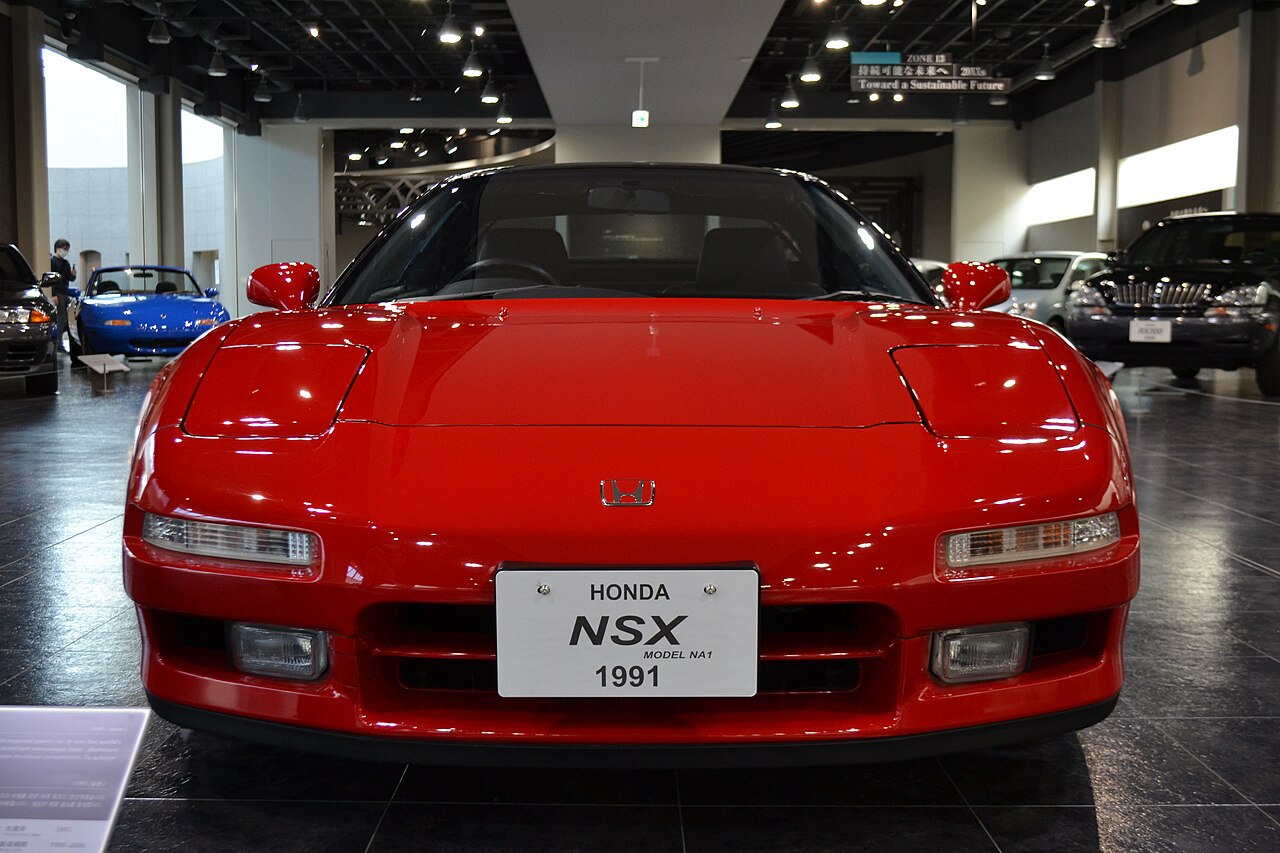 | Aluminium-bodied mid-engined sports car | Two-seat sports car |
| 02 | 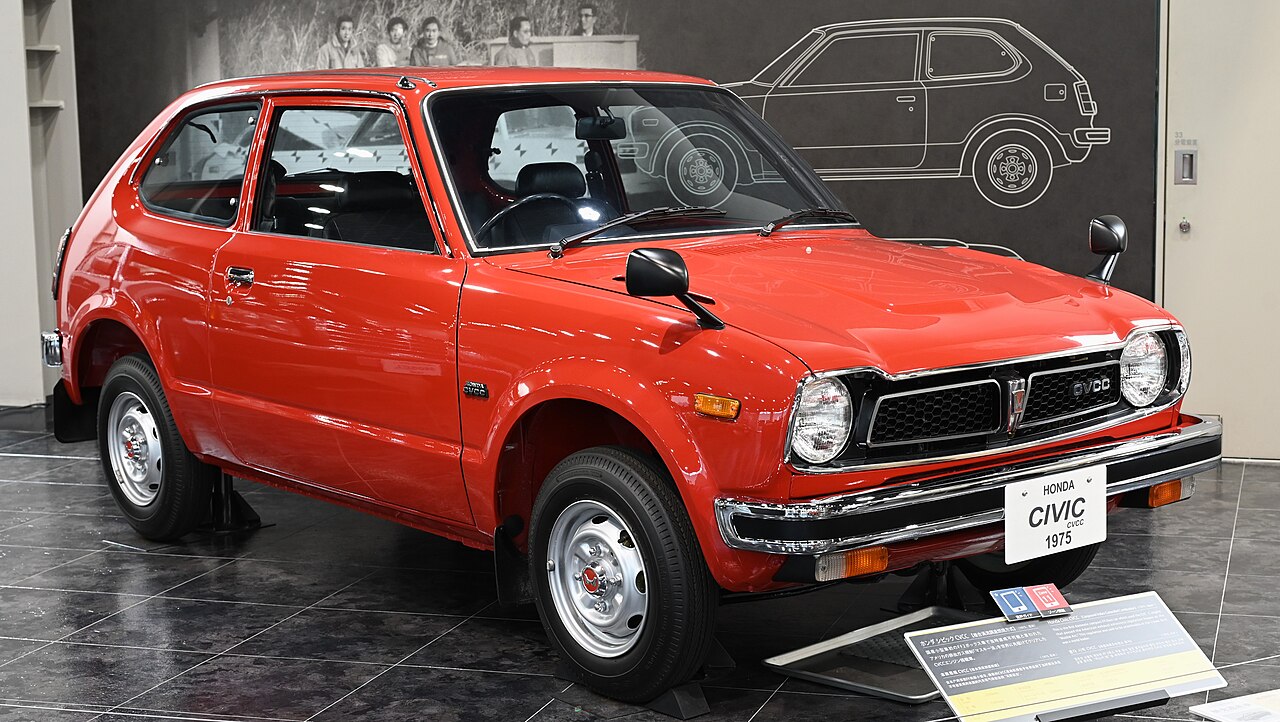 | Cleaner combustion in an affordable compact | Affordable compact car |
| 03 |  | High-revving engine and a rigid open body | Two-seat roadster |
| 04 | 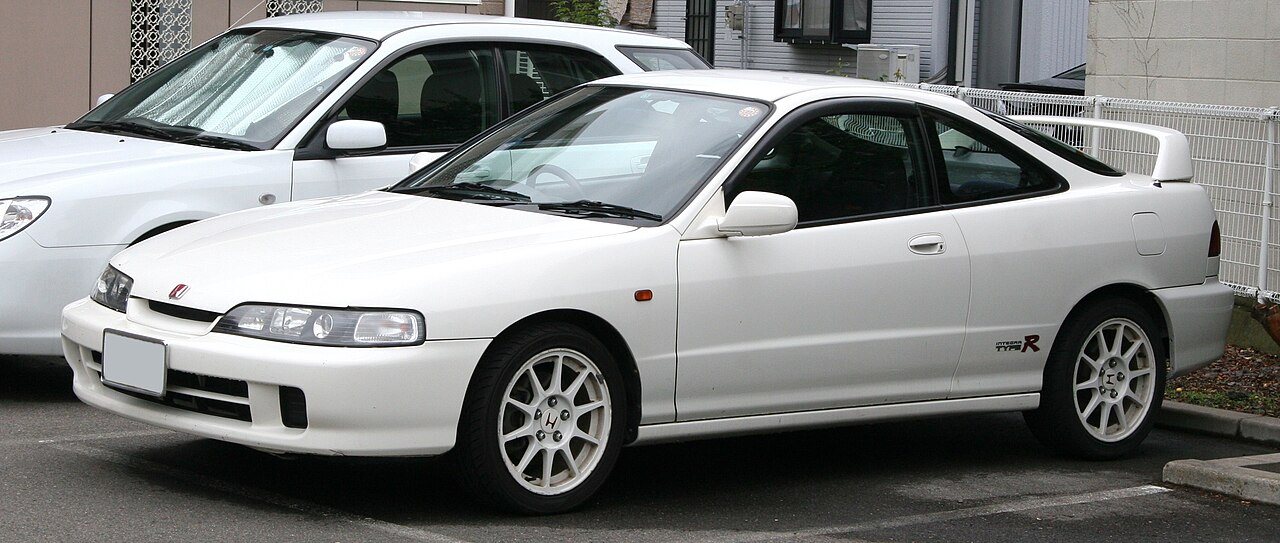 | Lightweight front-drive performance | Performance coupé |
| 05 | 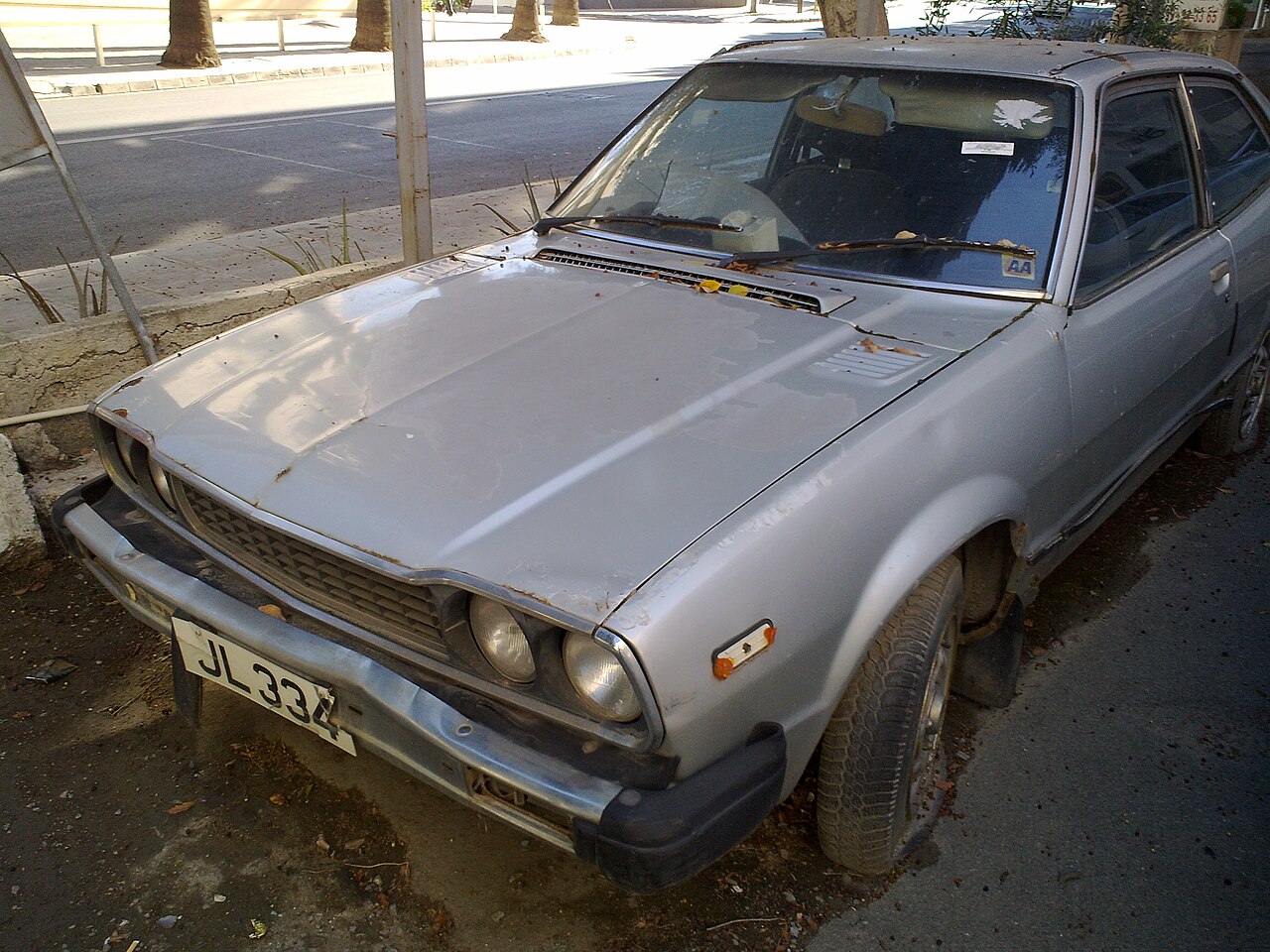 | CVCC efficiency with a roomier front-drive package | Family hatchback and saloon |
| 06 | 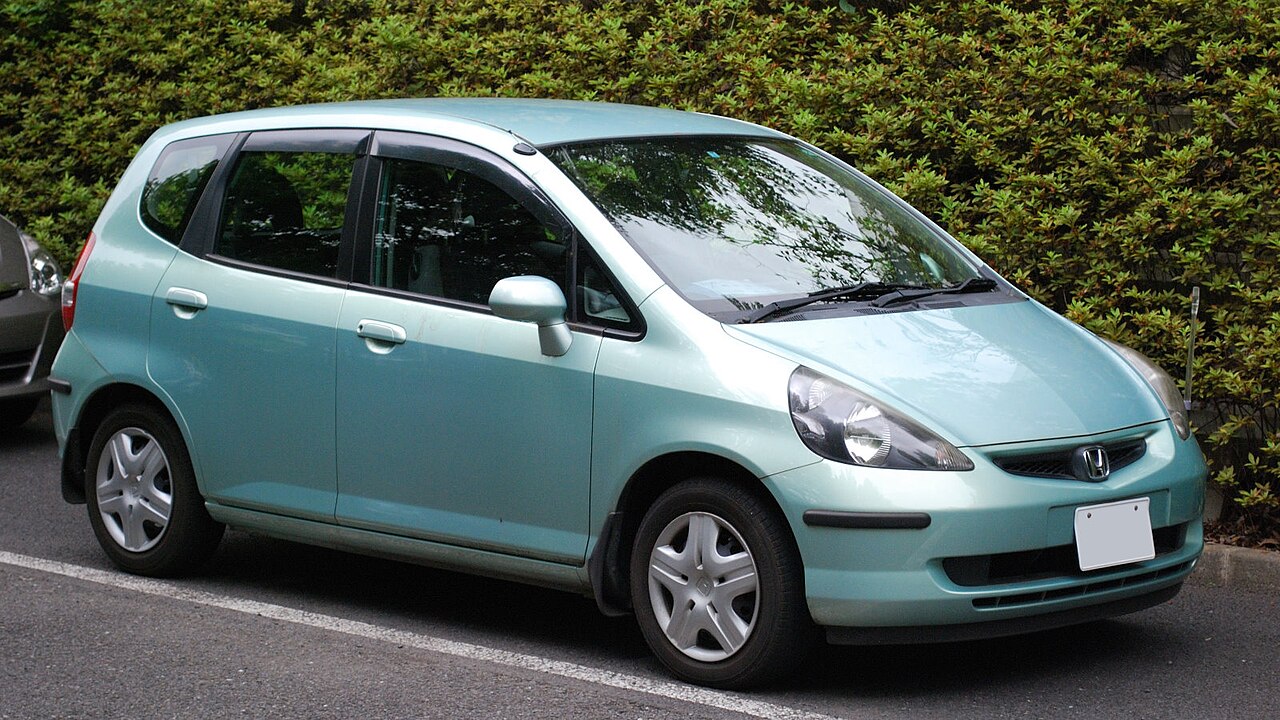 | Center-tank layout and flexible rear seats | Small five-door hatchback |
| 07 | 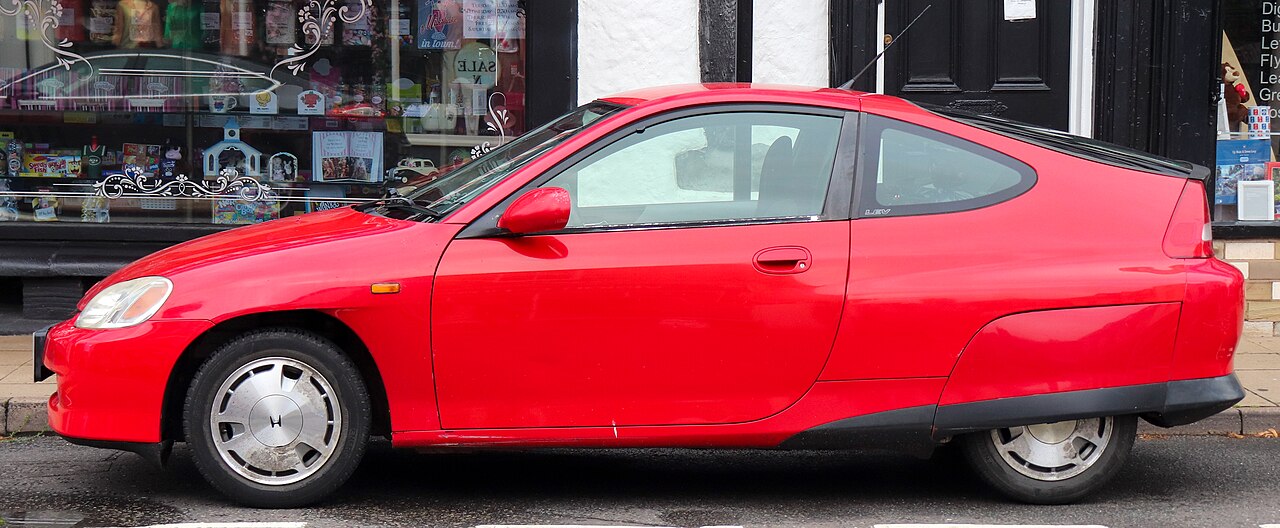 | IMA hybrid drive and lightweight construction | Two-seat hybrid hatchback |
| 08 | 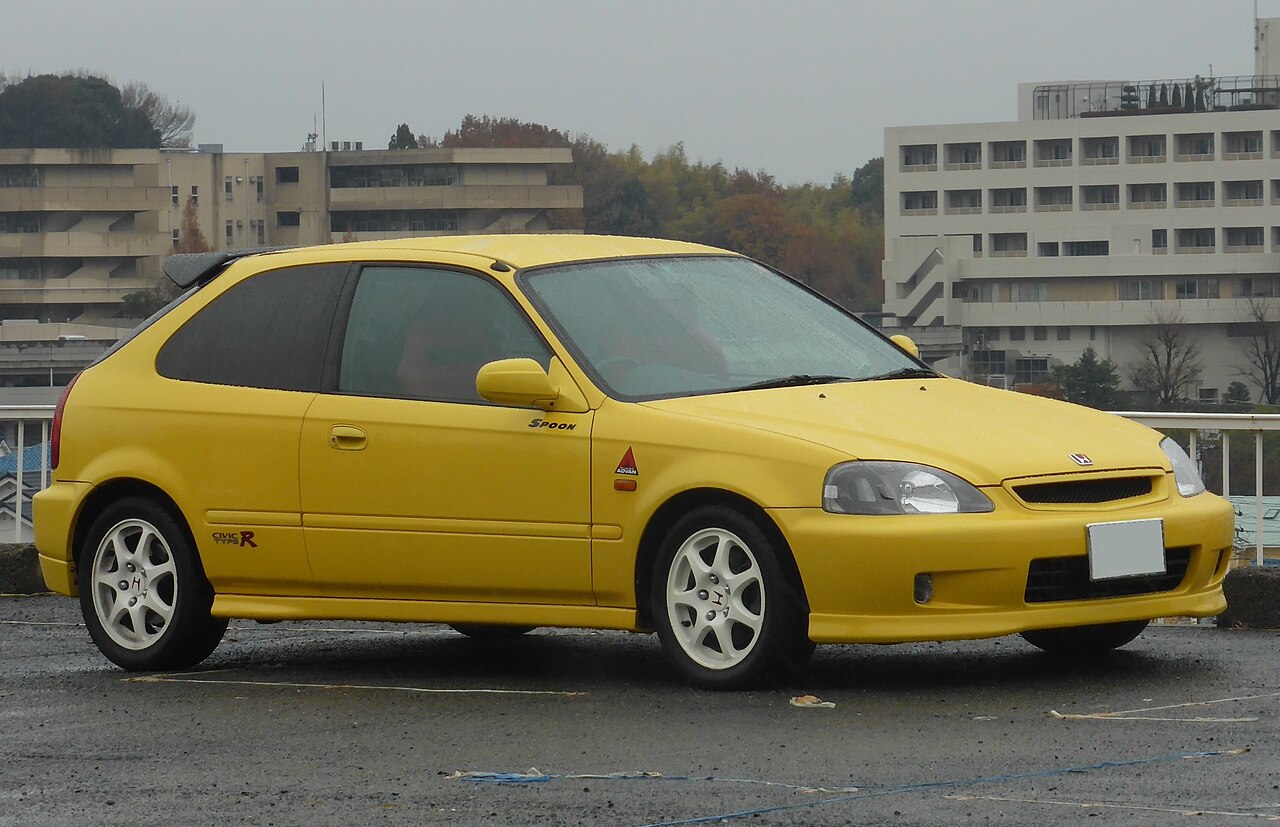 | Type R engineering in a Civic hatchback | Performance hatchback |
| 09 |  | Small-displacement twin-cam sports-car engineering | Compact roadster and coupé |
| 10 |  | Mid-engined enjoyment within kei-car dimensions | Kei-class two-seat roadster |
No entries match your search.
10 Greatest Honda Cars of All Time: Entry Details
Honda NSX (first generation)
1990–2005 · Aluminium-bodied mid-engined sports carThe NSX brought Honda's materials and engine expertise into a dedicated sports car. Its aluminium body, VTEC V6 and attention to visibility and driver control make it the most complete expression of the company's performance ambitions.
- Character
- Two-seat sports car
- Engineering
- Aluminium monocoque and mid-mounted V6
Honda Civic CVCC (first generation)
CVCC introduced in Japan in 1973 · Cleaner combustion in an affordable compactThe CVCC Civic answered demanding emissions rules with a carefully controlled combustion process. That achievement gave Honda a technical identity in the global small-car market and earns a place ahead of more powerful enthusiast favorites.
- Character
- Affordable compact car
- Engineering
- Compound Vortex Controlled Combustion
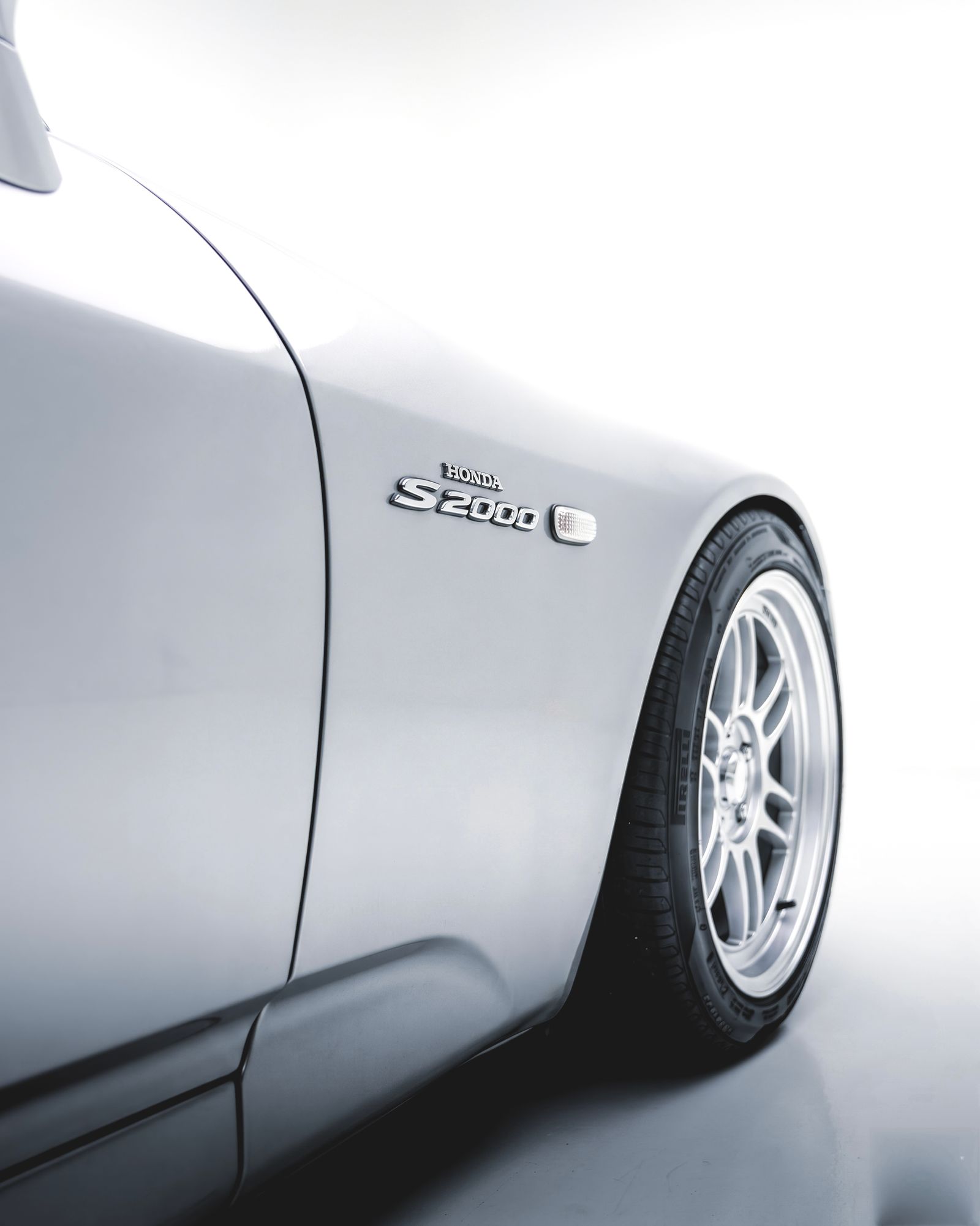
Honda S2000
1999–2009 · High-revving engine and a rigid open bodyThe S2000 concentrated Honda's sporting character into a front-engined, rear-drive roadster. Its high-revving naturally aspirated engine and specially developed open body put driver involvement at the center of the car.
- Character
- Two-seat roadster
- Engineering
- High X-bone open-body structure
Honda Integra Type R (DC2)
Type R introduced in 1995 · Lightweight front-drive performanceThe DC2 Integra Type R sharpened a familiar front-drive coupé through weight reduction, chassis work and a responsive VTEC engine. Its focused development gave the Type R idea a persuasive home outside the much more expensive NSX.
- Character
- Performance coupé
- Engineering
- Naturally aspirated VTEC and weight reduction
Honda Accord (first generation)
1976–1981 · CVCC efficiency with a roomier front-drive packageThe first Accord expanded Honda's passenger-car ambitions beyond the Civic. A practical hatchback body and CVCC engine paired more space and refinement with the efficient front-drive approach that had already established the smaller car.
- Character
- Family hatchback and saloon
- Engineering
- Front-wheel drive and CVCC engine
Honda Fit / Jazz (first generation)
Launched in Japan in 2001 · Center-tank layout and flexible rear seatsThe Fit solved a small-car problem by moving the fuel tank under the front seats. That freed the rear cabin for unusually flexible seating and cargo arrangements, making packaging ingenuity its strongest claim to greatness.
- Character
- Small five-door hatchback
- Engineering
- Center-tank platform
Honda Insight (first generation)
Launched in Japan in 1999 · IMA hybrid drive and lightweight constructionThe original Insight combined an aluminium body, carefully managed airflow and electric motor assistance. Its two-seat layout made it specialized, but the car established a hybrid system that Honda could take into more conventional models.
- Character
- Two-seat hybrid hatchback
- Engineering
- Integrated Motor Assist
Honda Civic Type R (EK9)
Introduced in 1997 · Type R engineering in a Civic hatchbackThe first Civic Type R brought Honda's focused performance programme into its best-known compact-car family. The naturally aspirated VTEC engine and sporting chassis linked a usable hatchback with the priorities developed for the NSX-R and Integra Type R.
- Character
- Performance hatchback
- Engineering
- Naturally aspirated VTEC four-cylinder
Honda S800
Introduced in 1966 · Small-displacement twin-cam sports-car engineeringThe S800 carried Honda's small-engine experience into a roadster and coupé with a responsive twin-cam four-cylinder. Its importance is foundational, showing an early commitment to compact sports cars long before the NSX or S2000.
- Character
- Compact roadster and coupé
- Engineering
- Twin-cam four-cylinder
Honda Beat
Introduced in 1991 · Mid-engined enjoyment within kei-car dimensionsThe Beat fitted a mid-engined layout and open roof into a tiny kei-class car. Its modest scale gives it a narrower influence than the Civic or Accord, but it shows how Honda could build enjoyment around lightness and packaging.
- Character
- Kei-class two-seat roadster
- Engineering
- Mid-mounted naturally aspirated engine
10 Greatest Honda Cars of All Time: Analysis
Why the Original NSX Is the Greatest Honda
The NSX treated the sports car as a complete engineering problem. Aluminium reduced structural weight, a mid-mounted V6 shaped the handling package and VTEC broadened the engine's useful character. Honda also worked on visibility and driver control, so the project extended beyond an impressive specification.
The Civic CVCC has the stronger claim for broad everyday influence. The NSX leads because it brought more of Honda's distinct capabilities together in one car. The contrast between the two gives the Honda badge a meaning that includes both ambitious sports cars and affordable engineering.
Civic CVCC and Insight Changed How Honda Saved Fuel
The Civic CVCC used a small prechamber and controlled fuel mixtures to improve combustion and emissions. The practical consequence was a compact car capable of meeting demanding rules through engine design, helping Honda compete on more than size and price.
The Insight approached efficiency through a different combination. Its electric motor assisted the petrol engine, while aluminium construction and an aerodynamic body reduced the work the powertrain had to do. The Civic solved a combustion problem, and the Insight broadened the solution to the whole vehicle.
S2000 and Type R Put the Driver at the Center
The S2000 paired a demanding high-revving engine with a body structure designed specifically for an open car. The rigidity work mattered because a convertible loses the fixed roof that ordinarily helps connect the front and rear of a body.
The DC2 Integra Type R and EK9 Civic Type R pursued response through their engines, chassis and reduced weight. The Integra sits higher because it established the compact front-drive Type R approach before the Civic adopted it. Both connect a familiar production body with focused sports-car development.
Fit, Accord and Beat Made Packaging Worth Celebrating
The Fit's center-tank layout changed what could happen behind the front seats. Moving the tank freed room for flexible seating and cargo arrangements, so a small car could carry objects that its exterior dimensions would not immediately suggest.
The first Accord gave Civic buyers more space and refinement through a larger front-drive package. The Beat fitted an open body and mid-mounted engine within kei-car dimensions, while the S800 supplies an earlier compact sports-car chapter. The NSX reached North America through the Acura marque, taking Honda's sports-car ambition into its luxury channel.
Important context
- The Civic CVCC addressed emissions through its combustion process rather than depending on a catalytic converter.
- The Integra Type R arrived before the first Civic Type R.
- The original Insight introduced Honda's Integrated Motor Assist hybrid system.
- The Fit relocated the fuel tank beneath the front seats to free room for a flexible rear cabin.
Our verdict
Our Honda Verdict
The NSX offers the fullest expression of Honda's sports-car engineering, while the Civic CVCC is the essential choice for understanding its everyday influence. The Fit deserves attention alongside the S2000 and Type R models because a better cabin layout can be as original as a better engine.
Strengths
- NSX materials and engine development support a complete sports-car concept.
- Civic CVCC and Insight connect environmental goals with specific engineering solutions.
- Fit packaging expands the usefulness of a small car.
Things to consider
- The first Insight trades rear seats for its focused efficiency package.
- S2000 and Beat roadster layouts provide limited passenger and cargo flexibility.
FAQ: 10 Greatest Honda Cars of All Time
What is the greatest Honda car of all time?
The first-generation NSX is our choice. It combined aluminium construction, a mid-mounted VTEC V6 and an emphasis on making a dedicated sports car manageable for its driver.
Why was the Honda Civic CVCC important?
Its combustion system addressed stringent emissions limits without relying on a catalytic converter. The achievement gave Honda a distinctive technical argument in the affordable compact-car market.
Which came first, Integra Type R or Civic Type R?
The Integra Type R arrived in 1995, followed by the Civic Type R in 1997. The NSX-R had introduced the focused Type R approach earlier, in 1992.
What makes the Honda S2000 special?
The S2000 paired a high-revving naturally aspirated engine with rear-wheel drive and a structure developed for an open body. The combination gave Honda a dedicated roadster with a clear emphasis on driver response.
Why is the Honda Fit so spacious?
The first Fit moved its fuel tank beneath the front seats. That freed rear cabin space for flexible seats and cargo arrangements within a small five-door body.
Was the first Honda Insight a hybrid?
Yes. The original Insight introduced Honda's Integrated Motor Assist system in 1999. An electric motor assisted its petrol engine, while a lightweight body and carefully managed aerodynamics supported the efficiency goal.
Sources & methodology
Editorial order weighs engineering influence, driver involvement, efficient packaging and everyday impact. Honda launch releases and technical histories support the facts. Japanese introduction dates identify models, with regional timing stated where needed.
Maintained by Artsiom Dusau, a software engineer and BMW 4 Series owner. Editorial policy
View sources (11)
- Honda original NSX launch and aluminium engineering
- Honda CVCC and the early Civic
- Honda VTEC development and NSX engine
- Honda S2000 open-body structure announcement
- Honda Type R engineering retrospective
- Honda Civic Type R launch announcement
- Honda Accord first-generation engineering history
- Honda first-generation Fit launch
- Honda Insight and hybrid systems history
- Honda early S-series sports cars including S800
- Honda Beat development story