
Short answer
Golf GTI Mk1 takes first place for making the sporty everyday hatchback a lasting formula. Peugeot 205 GTI 1.9 follows for its compact naturally aspirated approach, with Clio Williams completing the leading trio.
- First choice
- Volkswagen Golf GTI Mk1
- Early formula
- Naturally aspirated engine and front-wheel drive
- Later developments
- Turbocharging, axle differentials and all-wheel drive
The 10 Greatest Hot Hatchbacks of All Time at a Glance
| Editorial place | Hot hatch | Version | Engine | Drive |
|---|---|---|---|---|
| 01 | 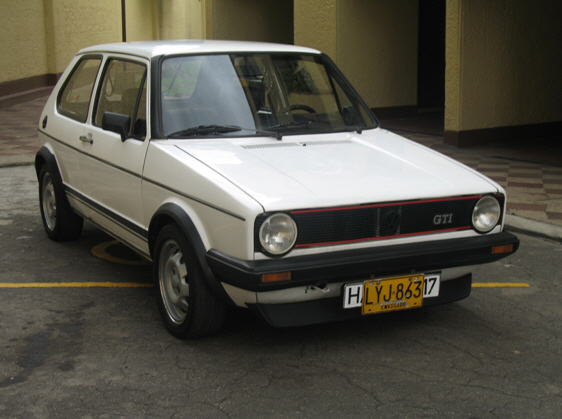 | Introduced 1976 | Naturally aspirated four-cylinder | Front-wheel drive |
| 02 | 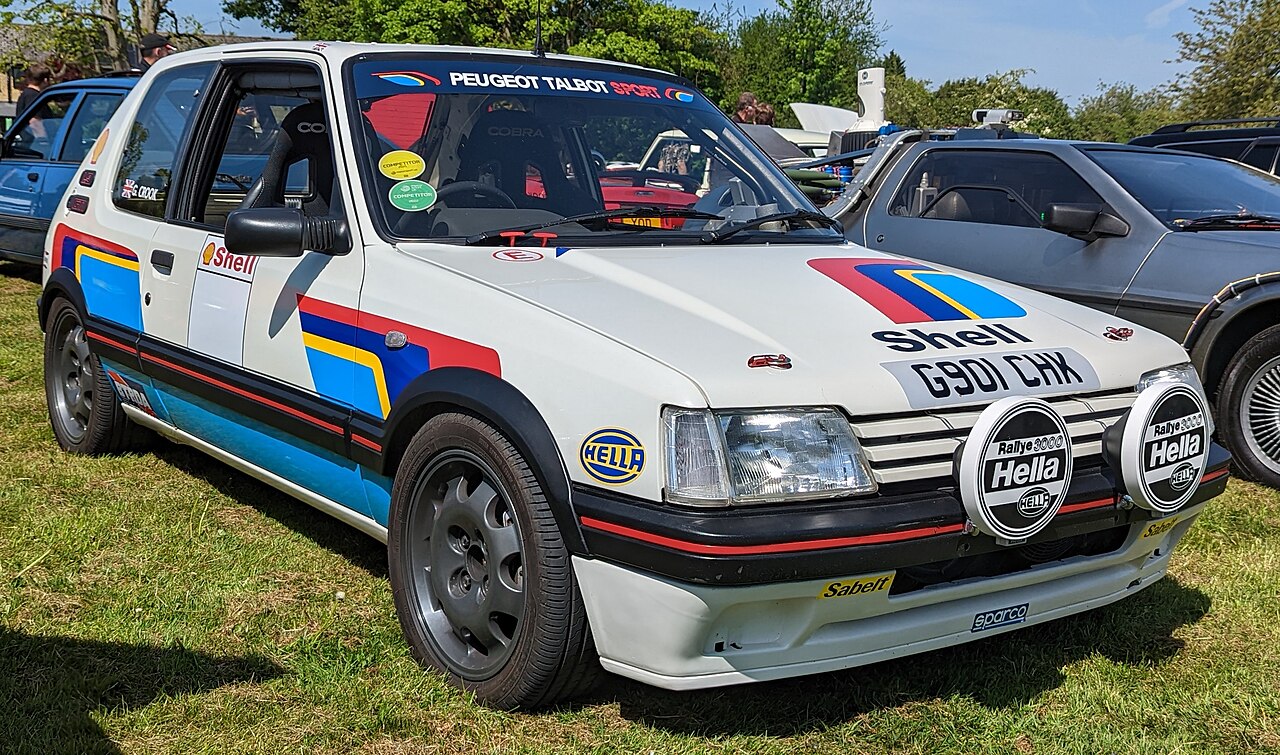 | Introduced 1986 | 1.9-litre naturally aspirated four-cylinder | Front-wheel drive |
| 03 | 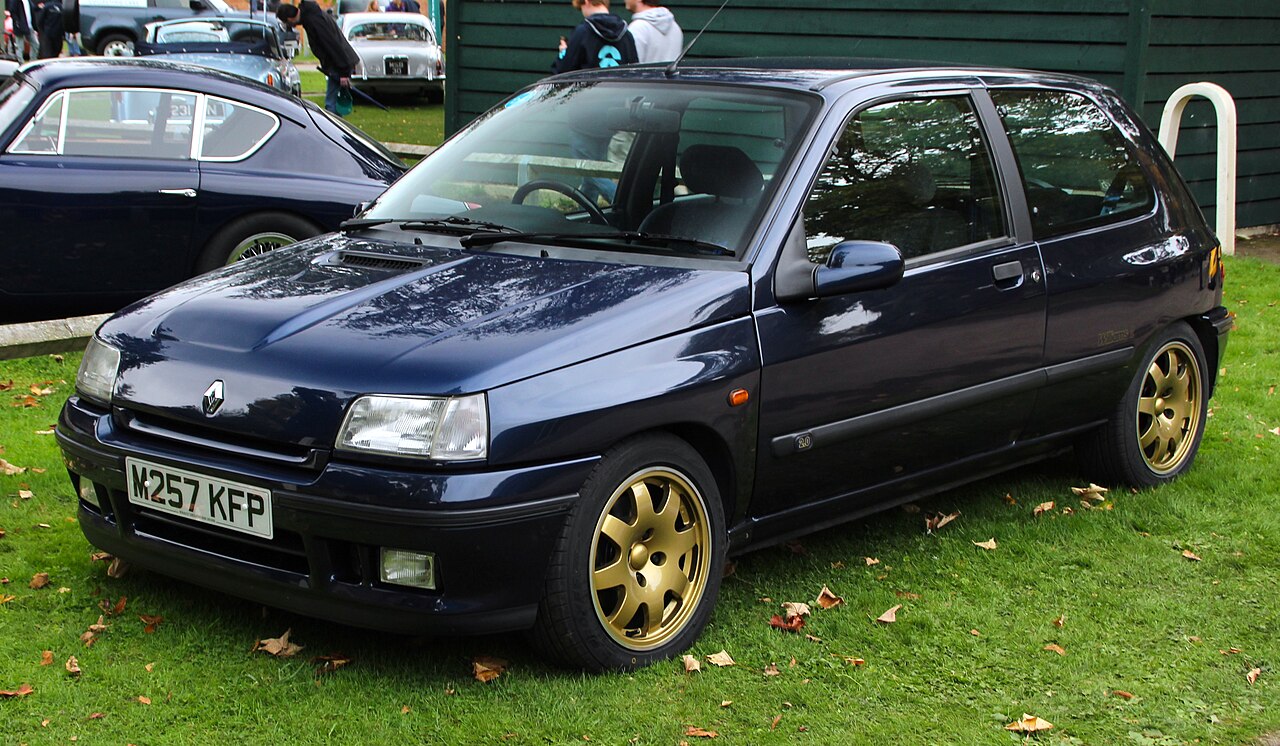 | Introduced 1993 | 2.0-litre naturally aspirated four-cylinder | Front-wheel drive |
| 04 | 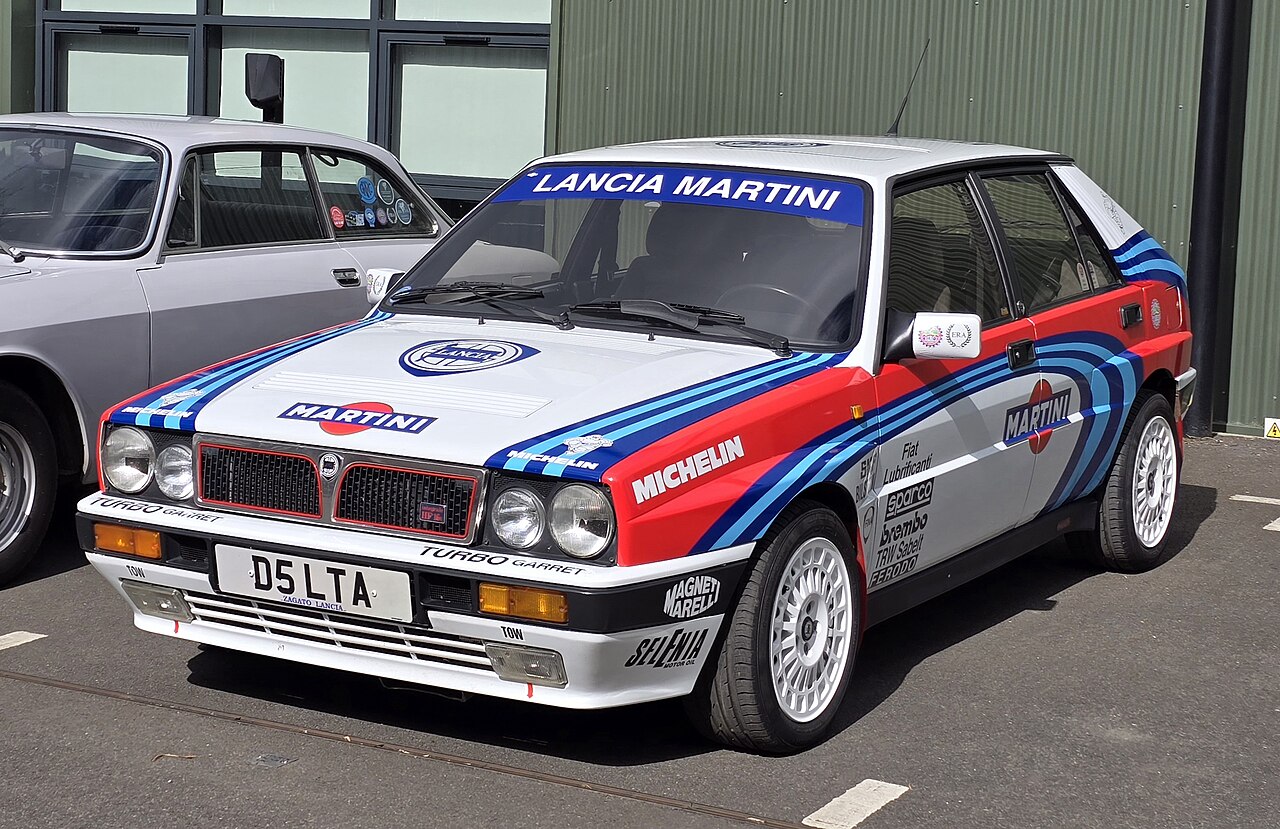 | Introduced 1989 | 2.0-litre turbocharged four-cylinder | All-wheel drive |
| 05 | 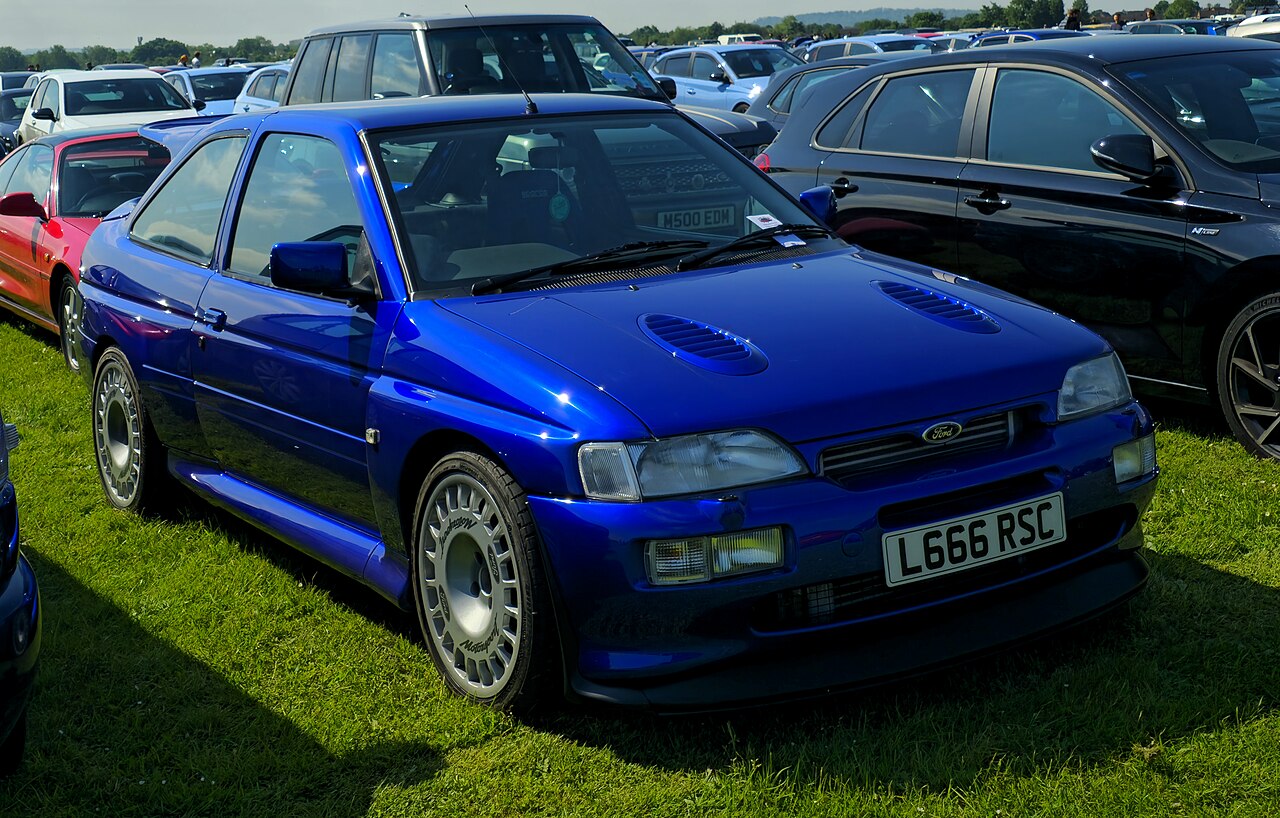 | Introduced 1992 | 2.0-litre turbocharged four-cylinder | All-wheel drive |
| 06 | 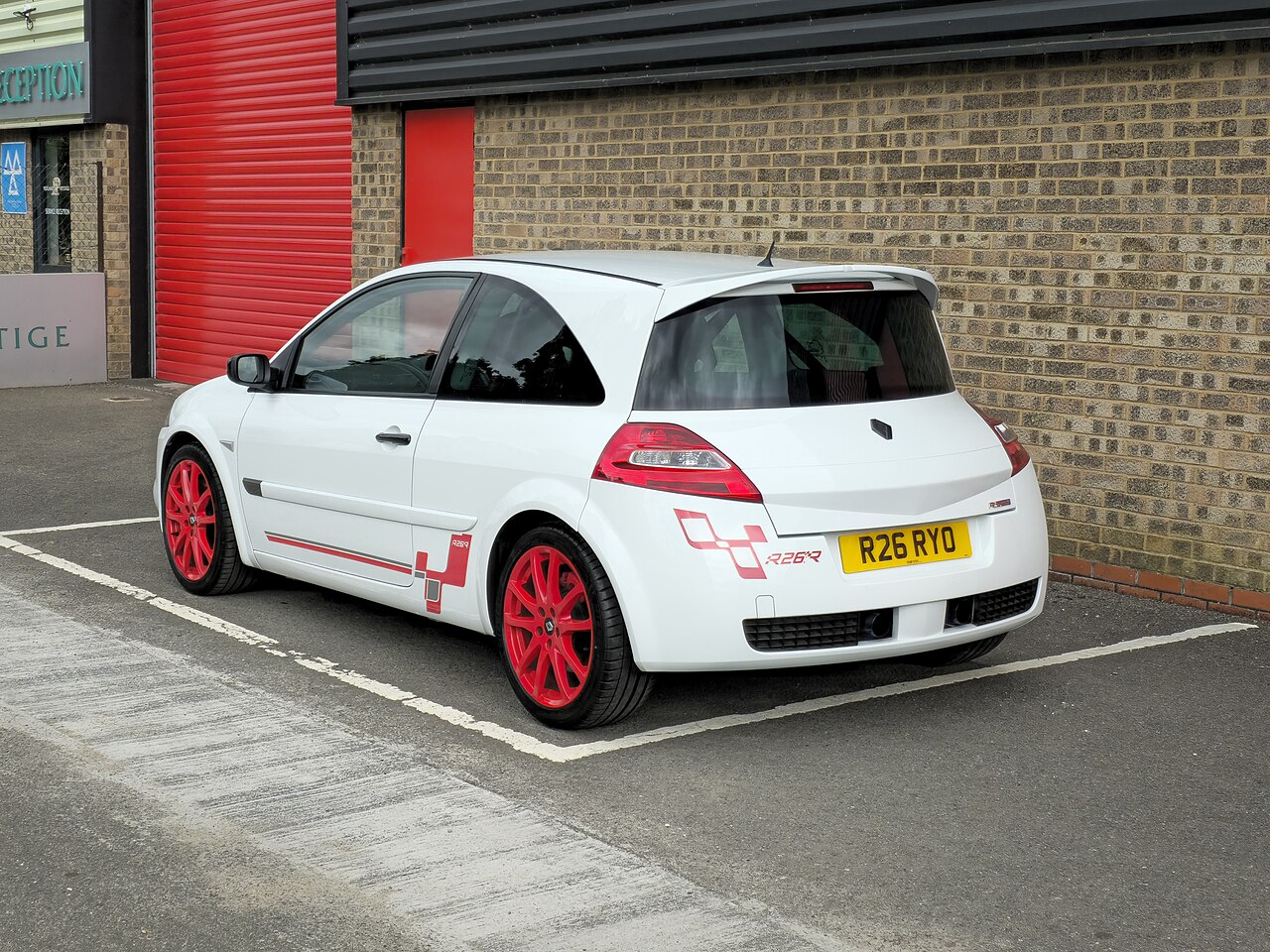 | Introduced 2008 | 2.0-litre turbocharged four-cylinder | Front-wheel drive |
| 07 | 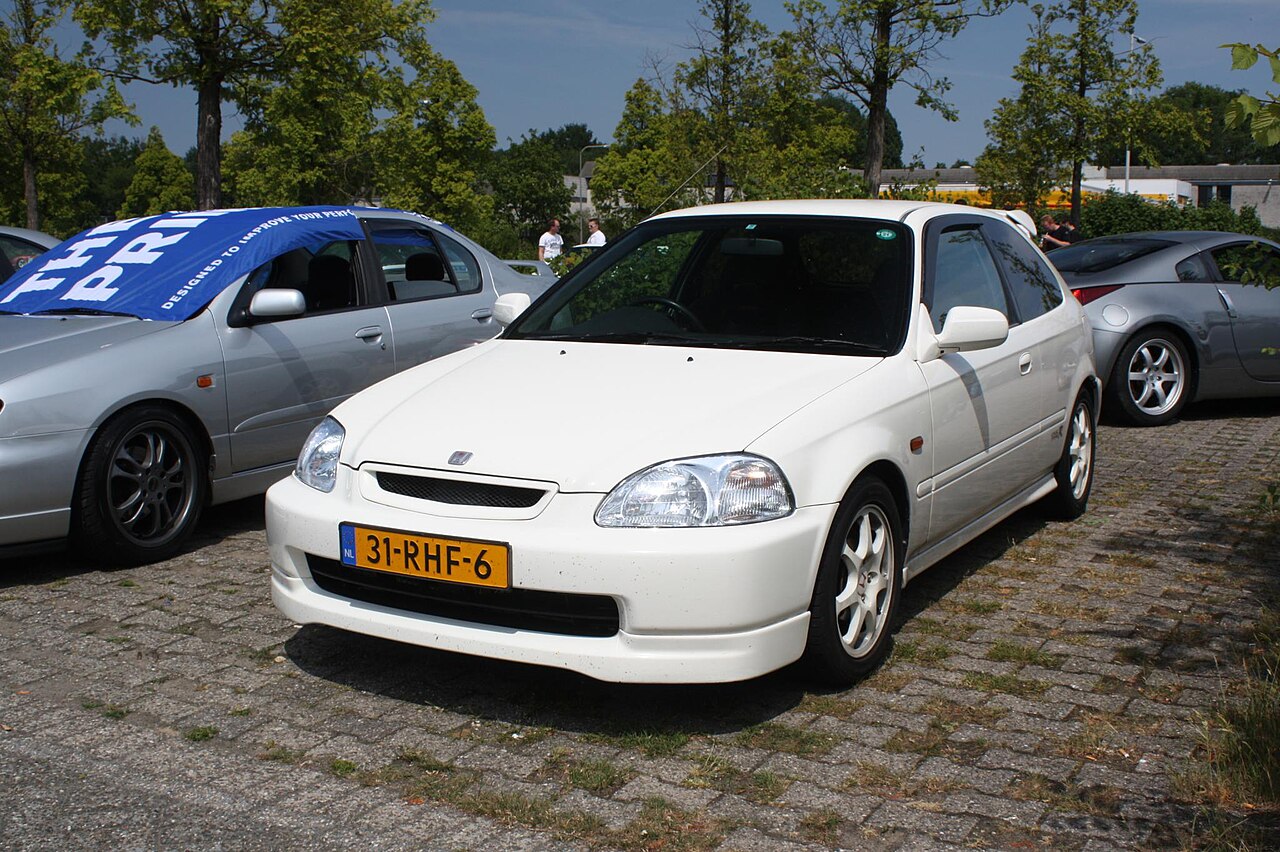 | 1997–2000 | 1.6-litre naturally aspirated four-cylinder | Front-wheel drive |
| 08 | 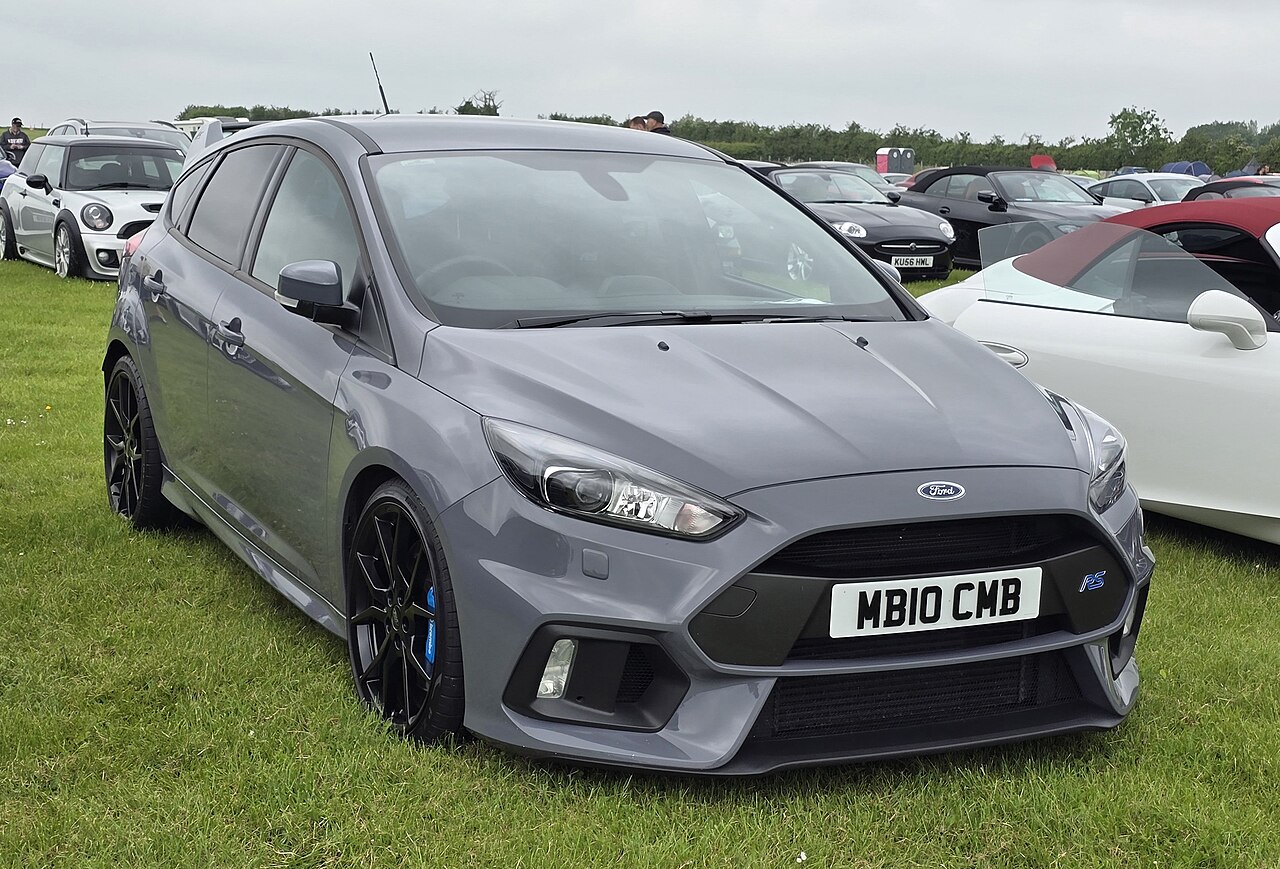 | Introduced 2015, production from 2016 | 2.3-litre turbocharged four-cylinder | All-wheel drive |
| 09 | 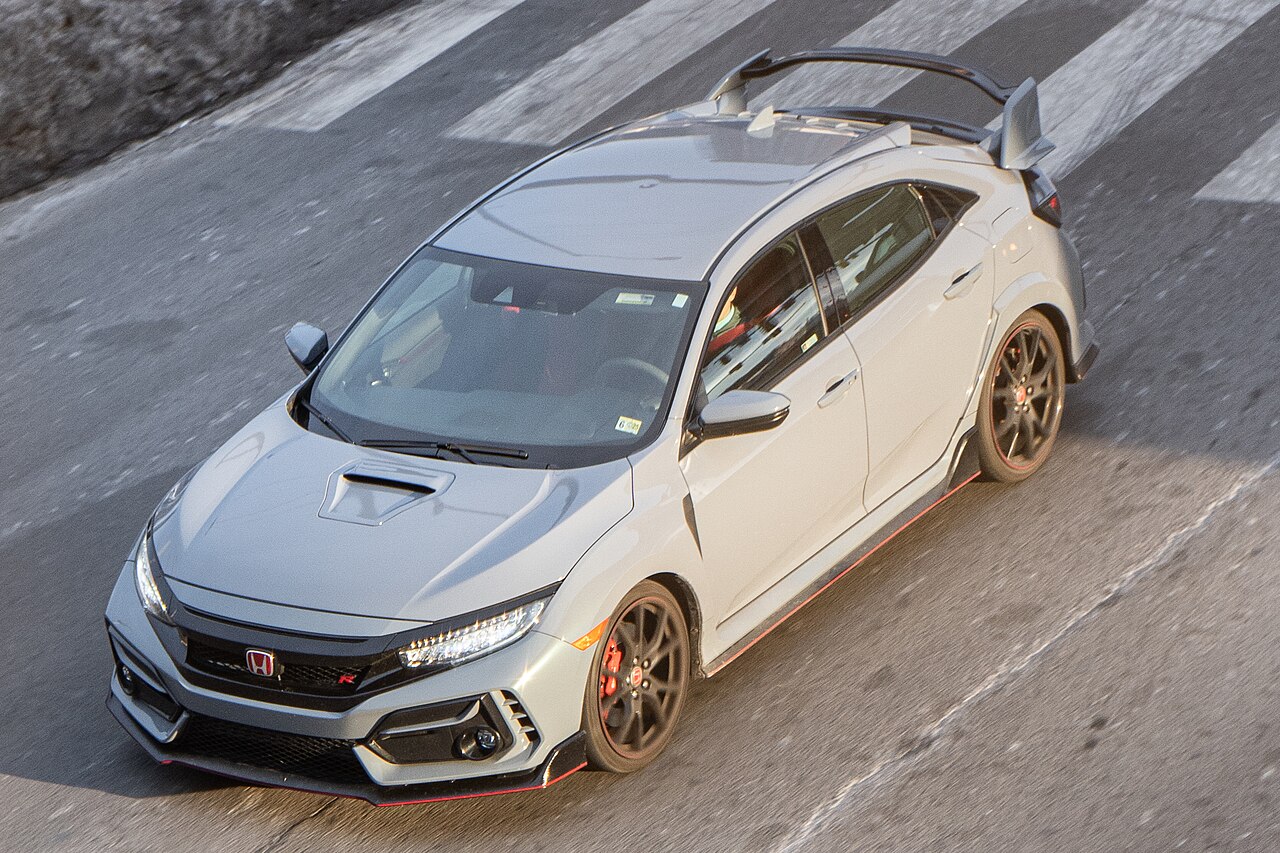 | Introduced 2017 | 2.0-litre turbocharged four-cylinder | Front-wheel drive |
| 10 | 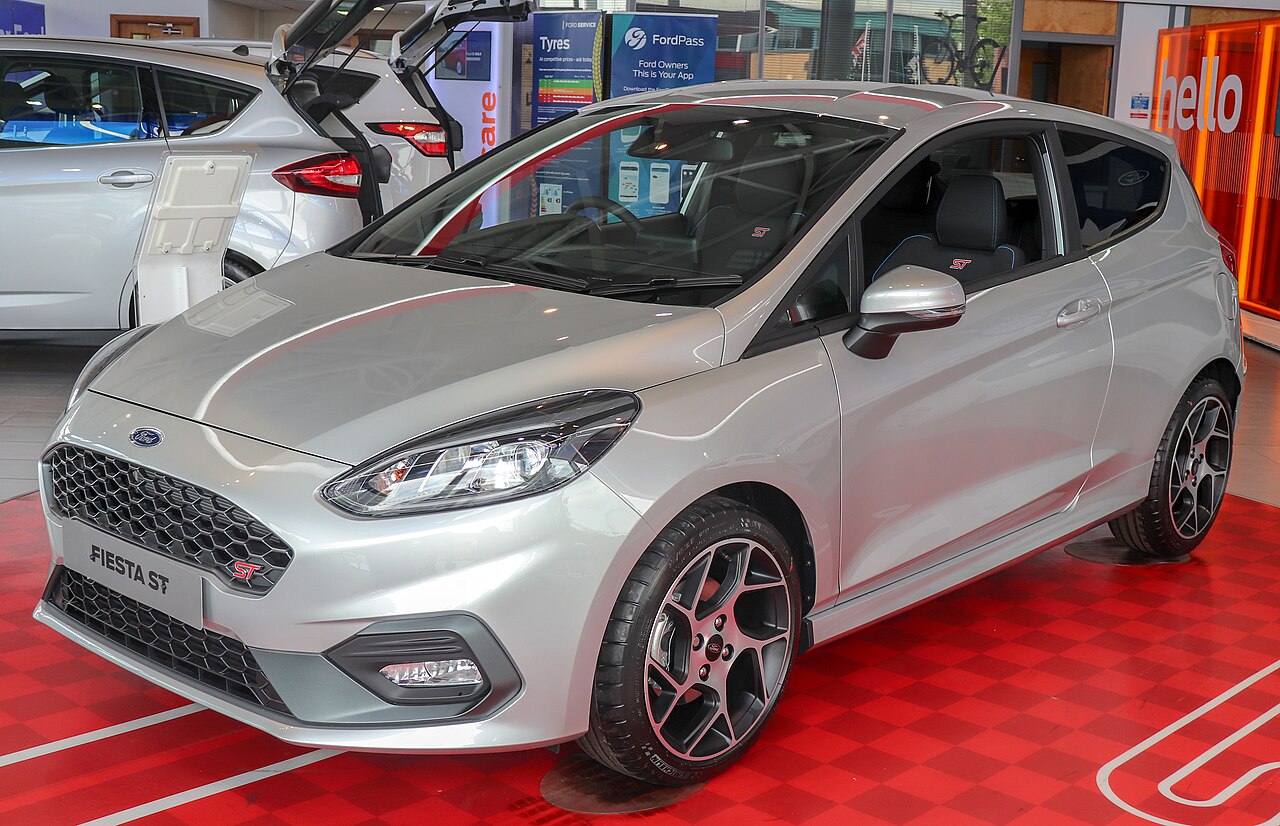 | Introduced 2018 | 1.5-litre turbocharged three-cylinder | Front-wheel drive |
No entries match your search.
The 10 Greatest Hot Hatchbacks of All Time: Entry Details
Volkswagen Golf GTI Mk1
Introduced 1976 · Best foundational formulaThe original Golf GTI links a fuel-injected engine with a practical hatchback body and a sporting cabin. Its influence on the continuing GTI formula gives it first place.
- Engine
- Naturally aspirated four-cylinder
- Drive
- Front-wheel drive
- Defining feature
- Everyday hatchback with GTI equipment
Peugeot 205 GTI 1.9
Introduced 1986 · Best compact analogue alternativeThe 1.9-litre GTI develops the small 205 with a larger naturally aspirated engine. Its compact body and front-drive layout keep it close to the original everyday hot-hatch idea.
- Engine
- 1.9-litre naturally aspirated four-cylinder
- Drive
- Front-wheel drive
- Defining feature
- Compact three-door body
Renault Clio Williams
Introduced 1993 · Best small Renault specialBlue paint, gold wheels and a 2.0-litre engine distinguish the Williams from the regular Clio. It earns third place by concentrating larger-engine performance into Renault’s small hatchback.
- Engine
- 2.0-litre naturally aspirated four-cylinder
- Drive
- Front-wheel drive
- Defining feature
- Blue body and gold wheels
Lancia Delta HF Integrale 16V
Introduced 1989 · Best rally-era road hatchThe 16V Integrale combines a turbo engine with all-wheel drive in the Delta hatchback. Its road-car identity is closely connected with Lancia’s rally programme.
- Engine
- 2.0-litre turbocharged four-cylinder
- Drive
- All-wheel drive
- Defining feature
- Sixteen-valve Integrale powertrain
Ford Escort RS Cosworth
Introduced 1992 · Best Ford homologation-era hatchA turbocharged engine, four-wheel drive and large rear wing distinguish the RS Cosworth from ordinary Escorts. Its rally-related chassis gives the familiar hatchback outline a separate engineering identity.
- Engine
- 2.0-litre turbocharged four-cylinder
- Drive
- All-wheel drive
- Defining feature
- Rally-related chassis and rear wing
Renault Mégane R26.R
Introduced 2008 · Best stripped-out front-drive specialRear-seat deletion, a carbon bonnet and lighter rear glazing make the R26.R unusually specialised. It ranks here for committing to weight reduction instead of retaining the full family-hatch interior.
- Engine
- 2.0-litre turbocharged four-cylinder
- Drive
- Front-wheel drive
- Defining feature
- Two-seat lightweight specification
Honda Civic Type R EK9
1997–2000 · Best early high-revving CivicThe EK9 uses a small VTEC engine and a limited-slip differential in a three-door Civic. It establishes the Civic Type R line through engine response and focused chassis equipment.
- Engine
- 1.6-litre naturally aspirated four-cylinder
- Drive
- Front-wheel drive
- Defining feature
- High-revving VTEC and limited-slip differential
Ford Focus RS Mk3
Introduced 2015, production from 2016 · Best later all-wheel-drive developmentThe Mk3 RS directs its turbocharged engine’s output through an electronically controlled all-wheel-drive system. It develops the fast family hatch with a different traction strategy from the earlier front-drive Focus RS.
- Engine
- 2.3-litre turbocharged four-cylinder
- Drive
- All-wheel drive
- Defining feature
- Electronically controlled rear drive unit
Honda Civic Type R FK8
Introduced 2017 · Best turbocharged Civic developmentThe FK8 combines a turbo engine with a manual gearbox and a practical five-door body. Its front suspension and differential develop Honda’s fast front-drive hatch for a much stronger powertrain.
- Engine
- 2.0-litre turbocharged four-cylinder
- Drive
- Front-wheel drive
- Defining feature
- Dual-axis front suspension
Ford Fiesta ST Mk8
Introduced 2018 · Best compact modern alternativeThe Mk8 ST puts a three-cylinder turbo engine into Ford’s smaller hatchback. Its optional mechanical limited-slip differential makes a compact alternative to the larger Focus RS.
- Engine
- 1.5-litre turbocharged three-cylinder
- Drive
- Front-wheel drive
- Defining feature
- Optional Quaife limited-slip differential
The 10 Greatest Hot Hatchbacks of All Time: Analysis
Golf GTI and Peugeot 205 Keep the Everyday Hatchback
The original Golf GTI combines ordinary hatchback packaging with a sportier engine, seats and chassis. Its tartan upholstery and golf-ball gear knob make the interior part of the model’s identity. The Volkswagen history connects that 1976 introduction with the much longer Golf programme. Peugeot’s 205 GTI 1.9 develops the same compact road-car idea with a larger naturally aspirated engine.
Clio Williams and Civic Type R Develop Naturally Aspirated Engines
Clio Williams uses a 2.0-litre engine in the small Clio body, accompanied by its blue paint and gold wheels. Civic Type R EK9 pursues a different solution with a high-revving 1.6-litre VTEC engine and a limited-slip differential. Both sharpen an existing hatchback without moving to a large turbocharged engine.
Delta Integrale and Ford RS Add All-Wheel Drive
Delta HF Integrale 16V and Escort RS Cosworth connect road hatchbacks with rally engineering. The Escort combines its hatchback outline with a turbo engine and four-wheel drive beneath the prominent rear wing. Focus RS Mk3 later develops the all-wheel-drive hatch through an electronically controlled rear drive unit, expanding the Ford performance story beyond homologation-era hardware.
Renault Removes Seats While Honda and Ford Preserve Them
Mégane R26.R removes the rear seats and substitutes lighter body and glazing components for a more focused track specification. Civic Type R FK8 retains a practical five-door body while its front suspension addresses the demands of turbocharged front-wheel drive. Fiesta ST uses a small three-cylinder turbo engine, with an optional mechanical limited-slip differential in its launch specification.
Our verdict
Our verdict
Golf GTI Mk1 is the historical first choice, while Clio Williams and EK9 represent small naturally aspirated engines in focused road cars. Focus RS offers the later all-wheel-drive alternative. R26.R is the clearest track-oriented choice, but its two-seat configuration gives up the usual hatchback passenger capacity.
Strengths
- The early front-drive cars retain compact road-car packaging.
- The all-wheel-drive entries illustrate a separate rally-related development path.
Things to consider
- R26.R deletes the rear seating row.
- An optional differential cannot be assumed on every Fiesta ST.
FAQ: The 10 Greatest Hot Hatchbacks of All Time
What is the greatest hot hatch here?
Golf GTI Mk1 leads for establishing a lasting combination of practical hatchback packaging and sporting equipment. The 205 GTI 1.9 and Clio Williams follow as compact naturally aspirated alternatives.
Is a hot hatch always front-wheel drive?
No. Delta Integrale 16V, Escort RS Cosworth and Focus RS Mk3 use all-wheel drive. Golf GTI, 205 GTI and both Civic Type R generations here drive the front wheels.
Did Williams build the Renault Clio Williams?
The Williams name reflected Renault’s Formula One connection. Renault developed and built the road car, with a 2.0-litre engine, blue paint and gold wheels.
Does the Renault Mégane R26.R have rear seats?
No. Its lightweight specification deletes the rear seats and uses lighter components including a carbon bonnet and polycarbonate rear glazing.
What is the difference between Civic Type R EK9 and FK8?
EK9 uses a naturally aspirated 1.6-litre VTEC engine in a three-door body. FK8 has a turbocharged 2.0-litre engine, five doors and a later front-suspension design.
Does every 2018 Fiesta ST have a limited-slip differential?
The Quaife mechanical differential was optional in the launch specification. It should not be assumed from an ST badge or exterior photograph alone.
Sources & methodology
Editorial order weighs influence, chassis engineering and hatchback usefulness, including road homologation models. Manufacturer histories and an archived original Renault R26.R release support the descriptions without a lap-time or power score.
Maintained by Artsiom Dusau, a software engineer and BMW 4 Series owner. Editorial policy
View sources (8)
- Volkswagen original GTI history
- Peugeot 205 GTI anniversary
- Renault Clio Williams museum record
- Lancia rally and Integrale history
- Ford RS history and Focus RS launch
- Renault Mégane R26.R original 2008 factory release, archived PDF
- Honda Civic Type R generation history
- Ford 2018 Fiesta ST technical specifications