

Short answer
The 1970 Superbird leads for its competition engineering, the 1969 Road Runner for its straightforward muscle-car formula and the 1967 Barracuda for its varied sporty bodies. Certain 1978 Volares need a steering recall check, while the Prowler is the least practical choice here.
- Racing achievement
- Pete Hamilton won the 1970 Daytona 500 in a Superbird
- Barracuda choice
- 1967 fastback, hardtop and convertible bodies
- Caution scope
- Early-built 1978 Volare models with tilt steering columns
The 5 Best and Worst Plymouth Models of All Time at a Glance
| No. | Model or version | Model years | Editorial verdict |
|---|---|---|---|
| 01 |  | 1970 | Best competition engineering |
| 02 |  | 1969 | Best straightforward muscle-car idea |
| 03 |  | 1967 | Best varied sporty-car package |
| 04 | 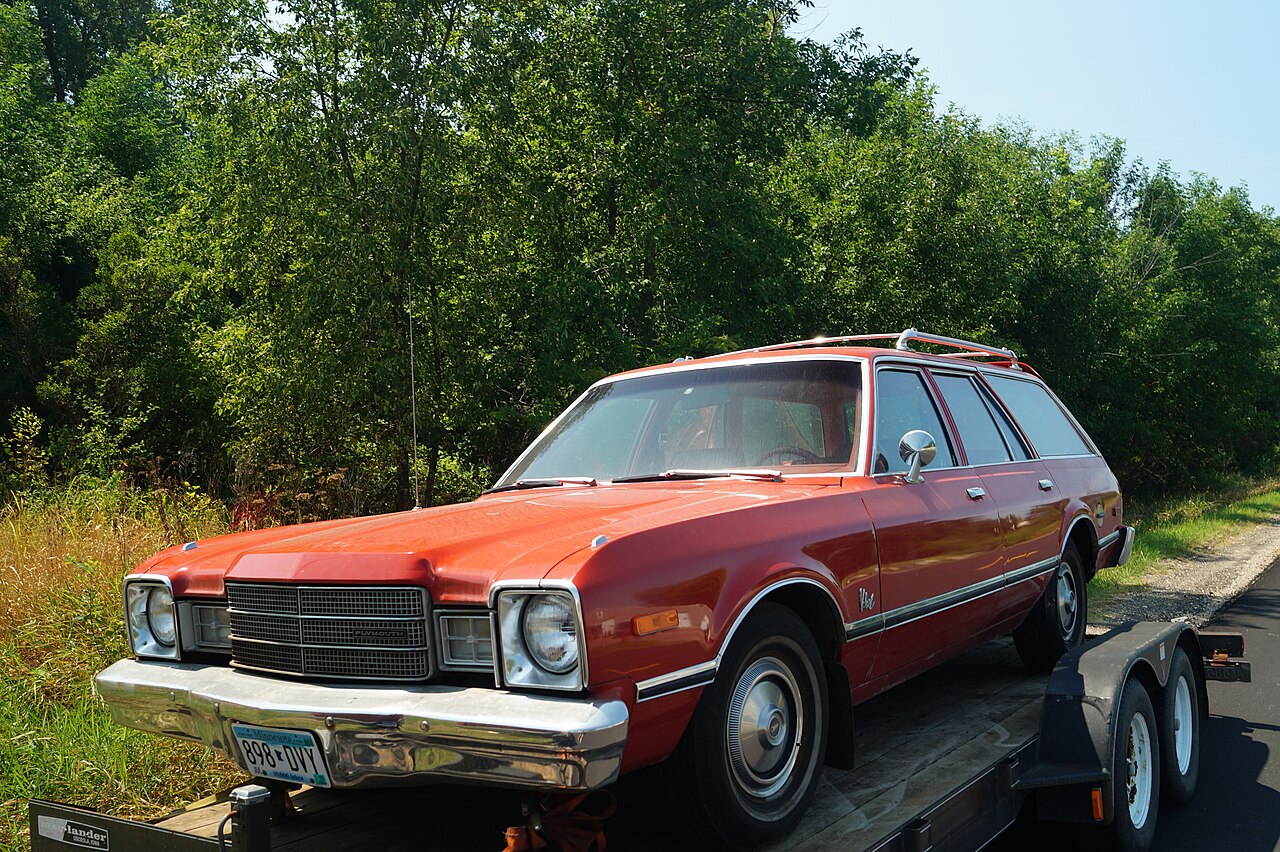 | 1978, affected early production | Steering recall caution |
| 05 |  | 1997–2001 | Weakest everyday practicality |
No entries match your search.
The 5 Best and Worst Plymouth Models of All Time: Entry Details
Plymouth Road Runner Superbird
1970 · Best competition engineeringThe pointed nose and tall rear wing gave the Superbird a visibly different purpose from the ordinary Road Runner. Its competition achievement includes Pete Hamilton's Daytona 500 victory, giving the design a clear sporting result.
- Evidence
- Pete Hamilton won the 1970 Daytona 500 in a Plymouth Superbird
Plymouth Road Runner
1969 · Best straightforward muscle-car ideaThe Road Runner put performance engines into familiar passenger-car packaging. Its standard 383 V8 and optional Hemi gave buyers clear choices without the Superbird's specialist aerodynamic bodywork.
- Evidence
- Original 1969 Plymouth material identifies the standard Road Runner 383 V8
Plymouth Barracuda
1967 · Best varied sporty-car packageThe redesigned Barracuda offered fastback, hardtop and convertible bodies. Those choices broadened Plymouth's sporty-car appeal beyond one silhouette, making it a useful high point for buyers who value design and body-style choice.
- Evidence
- Original brochure offered fastback, hardtop and convertible models
Plymouth Volare with tilt steering column
1978, affected early production · Steering recall cautionA steering-column defect affected certain early-built 1978 Volares with tilt steering. An old recall can be easy to lose in decades of ownership changes, so seek evidence of the relevant remedy before treating one as a usable classic.
- Evidence
- NHTSA notice identifies tilt-column cars built from mid-September to early October 1977
Plymouth Prowler
1997–2001 · Weakest everyday practicalityThe Prowler realised a hot-rod-inspired design as a production roadster, but its two-seat cabin and automatic-only drivetrain narrow its everyday appeal. It belongs here for that practical compromise, while remaining an interesting collector car.
- Evidence
- Two-seat roadster with a V6 and four-speed automatic
The 5 Best and Worst Plymouth Models of All Time: Analysis
Superbird turned racing requirements into visible hardware
The Superbird's nose and rear wing gave aerodynamic development a shape that anyone could recognise, and Pete Hamilton's Daytona 500 win supplied a competition result. The ordinary 1969 Road Runner made a different case, keeping its performance engines in a conventional body. Those contrasting cars sit within the wider Plymouth history.
Volare and Prowler need different kinds of caution
The affected 1978 Volare has a specific steering-column safety concern that calls for a recall-record check. The Prowler has a packaging compromise instead, with two seats and a fixed automatic-transmission choice. Its collector appeal survives those restrictions, but a driver wanting useful transport gets less flexibility than the Barracuda's varied body range.
Important context
- The Superbird's competition story includes a Daytona 500 win, not just a striking rear wing.
- The Road Runner combined ordinary passenger-car packaging with dedicated performance engines.
- The Prowler's limitation here is everyday usefulness, rather than a claimed pattern of engine failures.
Our verdict
Editorial verdict
Choose the Superbird for racing engineering, the Road Runner for a direct muscle-car formula or the Barracuda for body-style choice. Check the affected Volare's steering remedy, and buy a Prowler for its specialist character with its practical limits understood.
Strengths
- Achievements anchored to original documents and a race result
- Distinct reasons for the two caution choices
Things to consider
- Classic-car originality and condition need individual inspection
- Prowler practicality is an editorial judgement
FAQ: The 5 Best and Worst Plymouth Models of All Time
What is the best Plymouth muscle car?
The 1970 Superbird is our competition-engineering pick. The 1969 Road Runner is the simpler choice for buyers who prefer the conventional bodywork of 1960s muscle cars and a straightforward performance specification.
Did a Plymouth Superbird win the Daytona 500?
Pete Hamilton won the 1970 Daytona 500 driving a Petty Enterprises Plymouth Superbird.
Why is the Plymouth Prowler a worst choice here?
Its two-seat roadster package and automatic-only drivetrain limit everyday usefulness. The judgement concerns practicality, and does not establish a reliability defect.
Which Plymouth Volare needs a steering recall check?
The cited 1977 notice identifies certain 1978 cars with tilt steering columns built from mid-September to early October 1977. Confirm the vehicle's eligibility and repair history.
Sources & methodology
Five choices from Plymouth brochures, NASCAR records and NHTSA notices. Best rewards engineering and purpose. Worst reflects a specific safety issue or usability compromise.
Maintained by Artsiom Dusau, a software engineer and BMW 4 Series owner. Editorial policy




.jpg)
