

Short answer
The McLaren F1 is our first choice for its BMW-built V12, manual gearbox and central driving position. Miura SV follows for its transverse mid-engine layout, while 812 Competizione represents the high-revving modern front-engine V12.
- First choice
- McLaren F1
- Engine character
- Seven naturally aspirated V12s
- Layouts
- Front engine, transverse mid-engine and longitudinal mid-engine
7 Best Cars With V12 Engines at a Glance
| Editorial place | V12 car | Version | Engine | Layout |
|---|---|---|---|---|
| 01 | 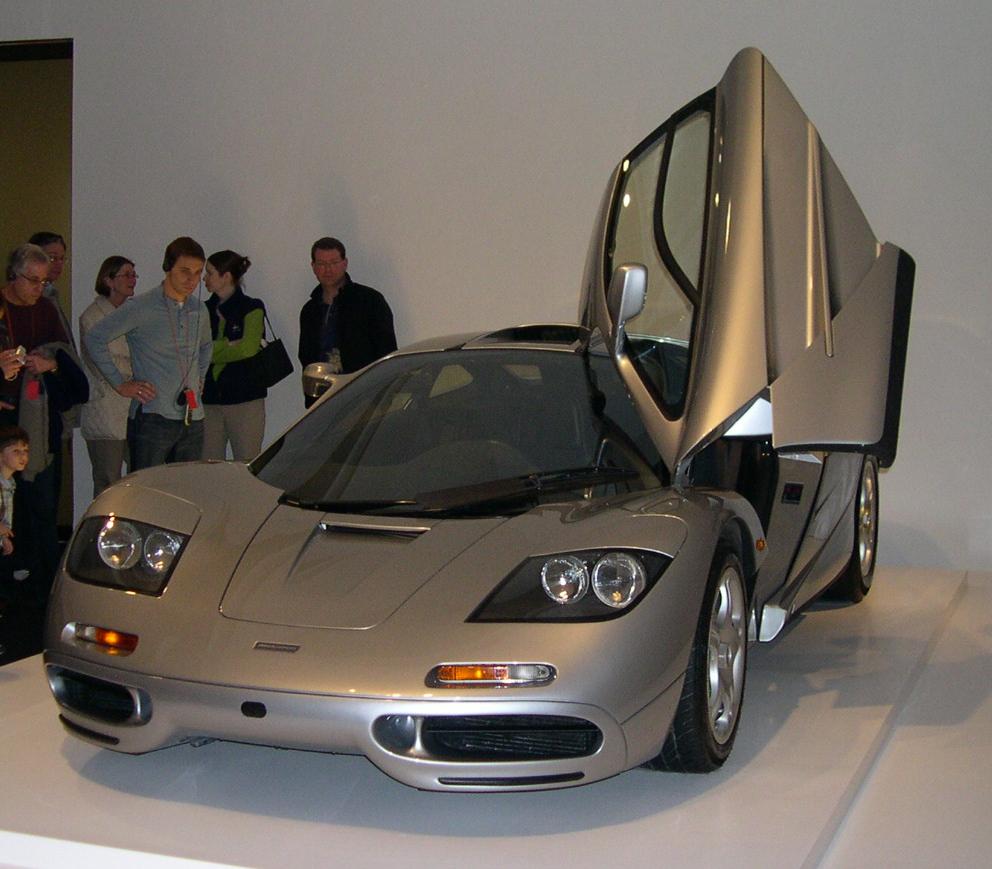 | Original road car, 1990s | 6.1-litre naturally aspirated V12 | Longitudinal mid-engine |
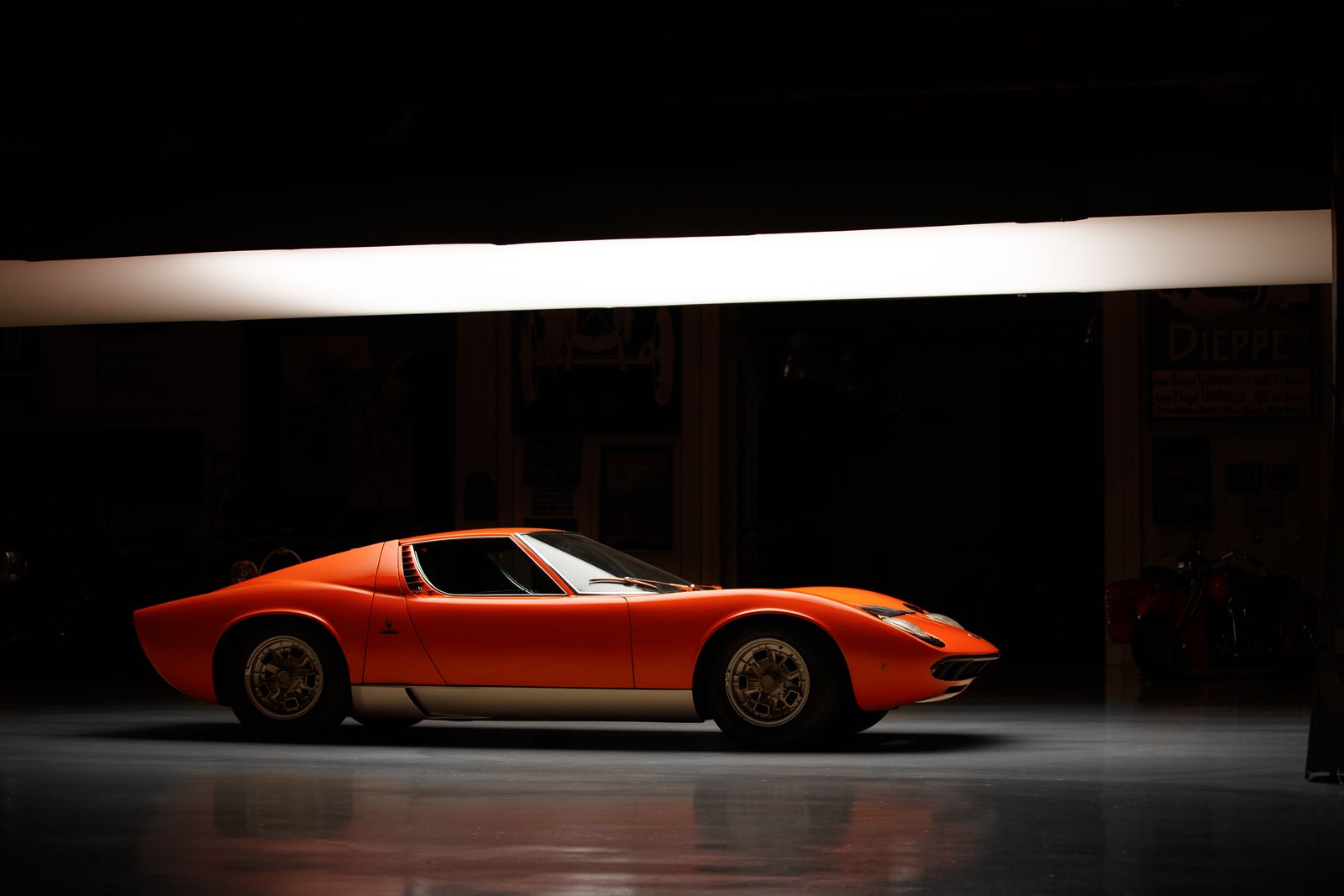
| 02 | 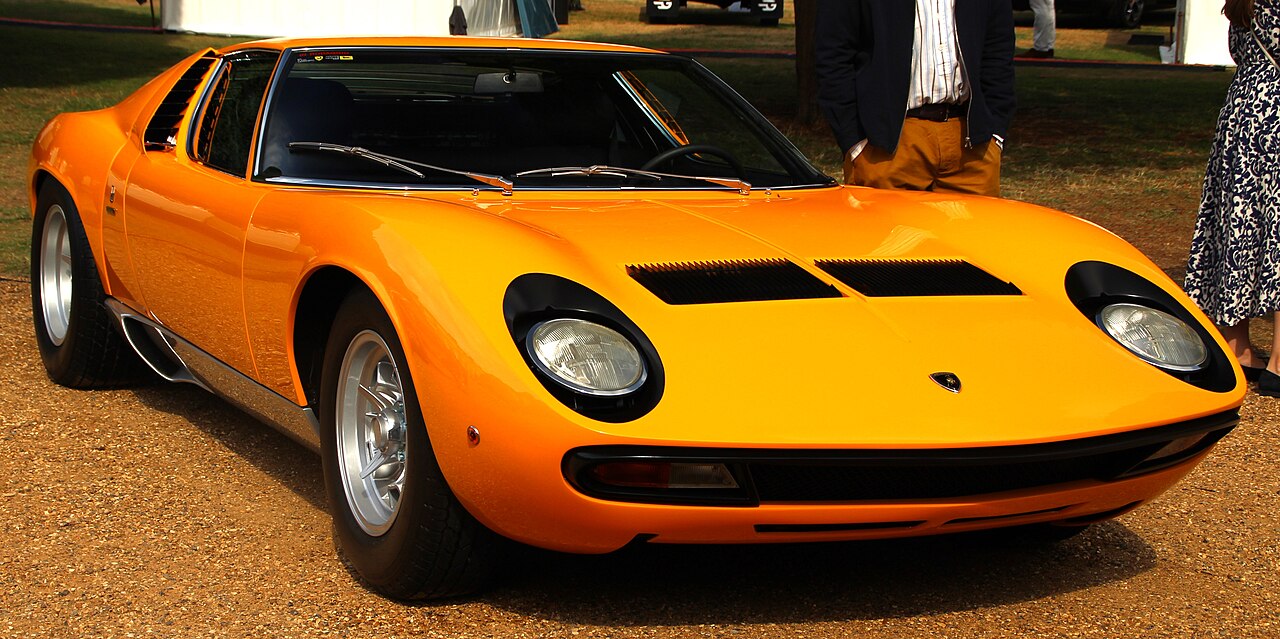 | Introduced 1971 | 3.9-litre naturally aspirated V12 | Transverse mid-engine |
| 03 | 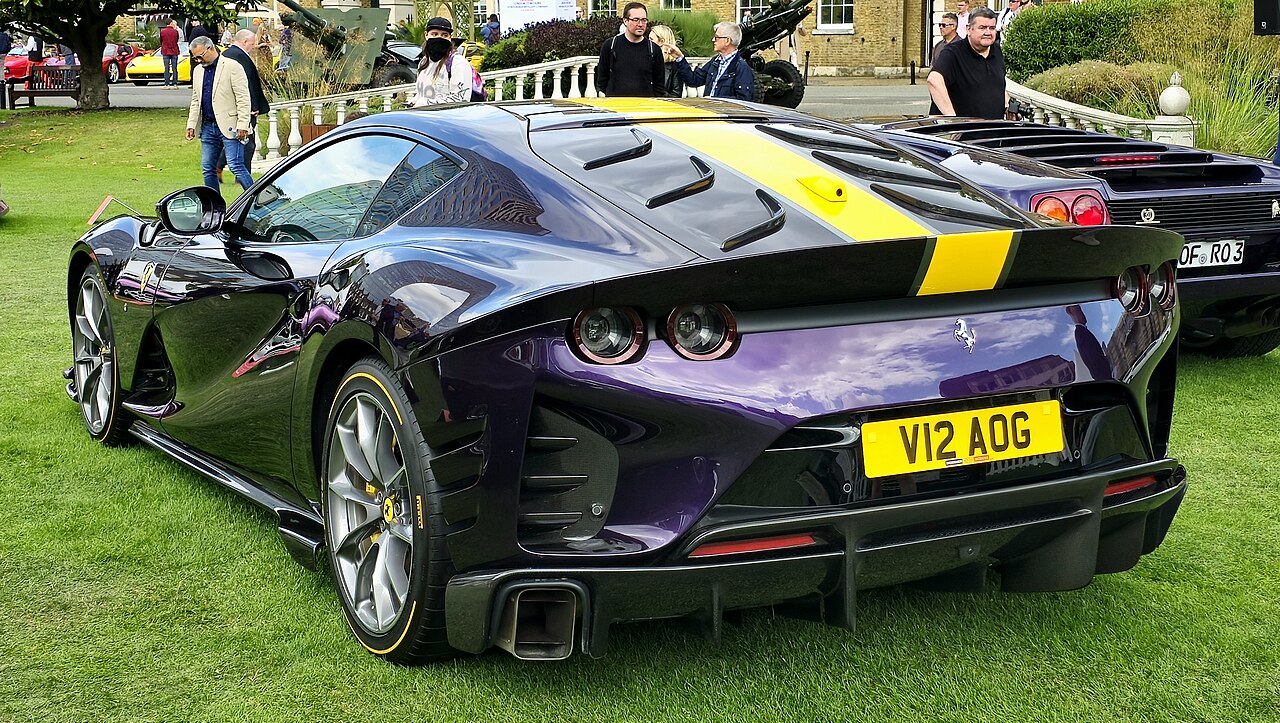 | Introduced 2021 | 6.5-litre naturally aspirated V12 | Front mid-engine |
| 04 | 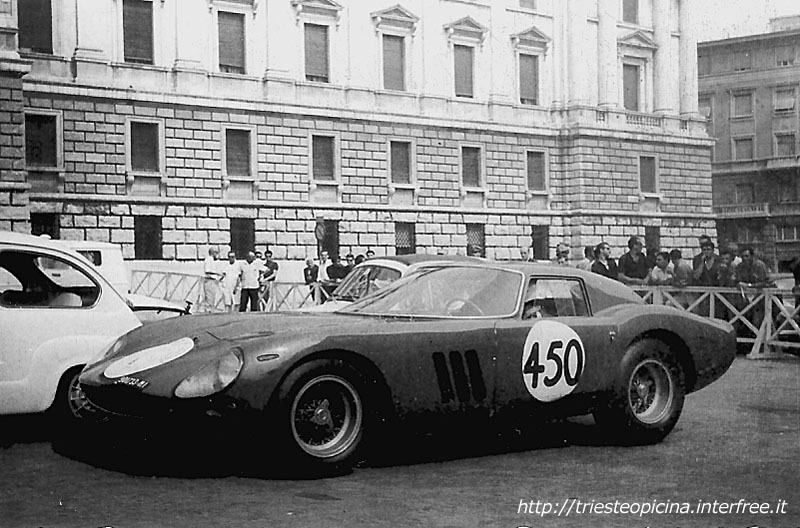 | 1962–1964 | 3.0-litre naturally aspirated V12 | Front engine |
| 05 | 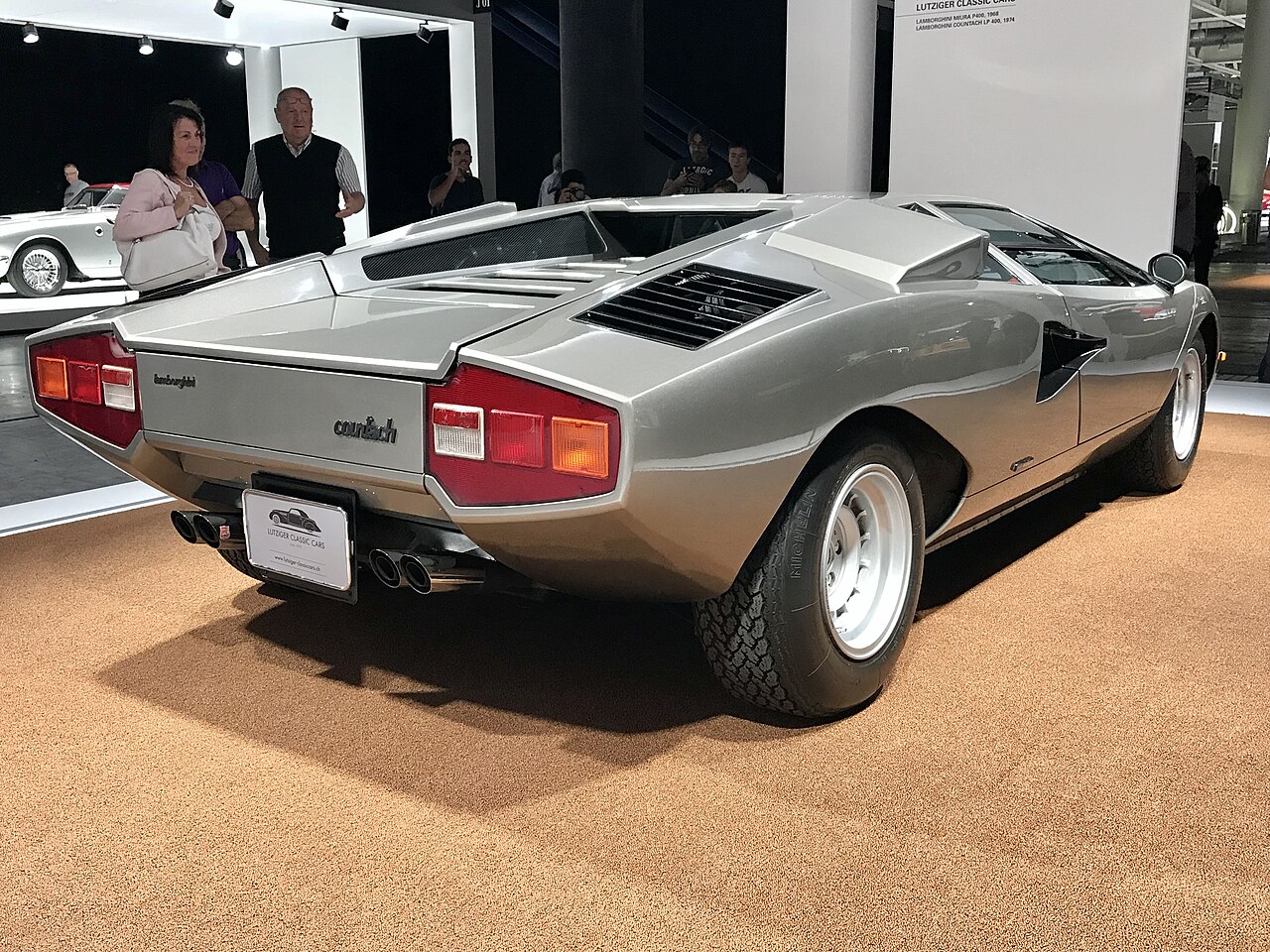 | Introduced 1974 | 3.9-litre naturally aspirated V12 | Longitudinal mid-engine |
| 06 | 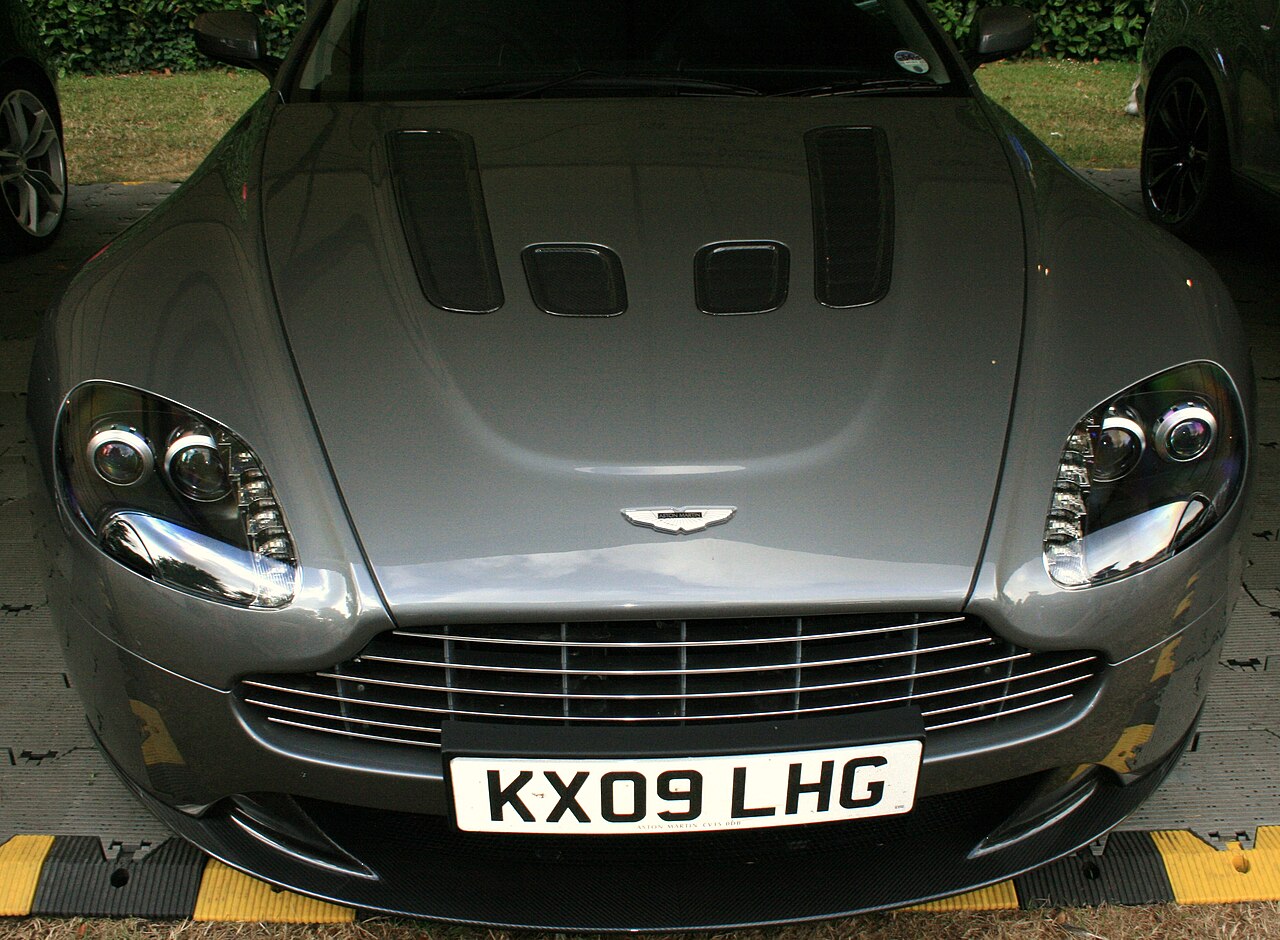 | Original naturally aspirated model, 2009–2012 | 5.9-litre naturally aspirated V12 | Front mid-engine |
| 07 | 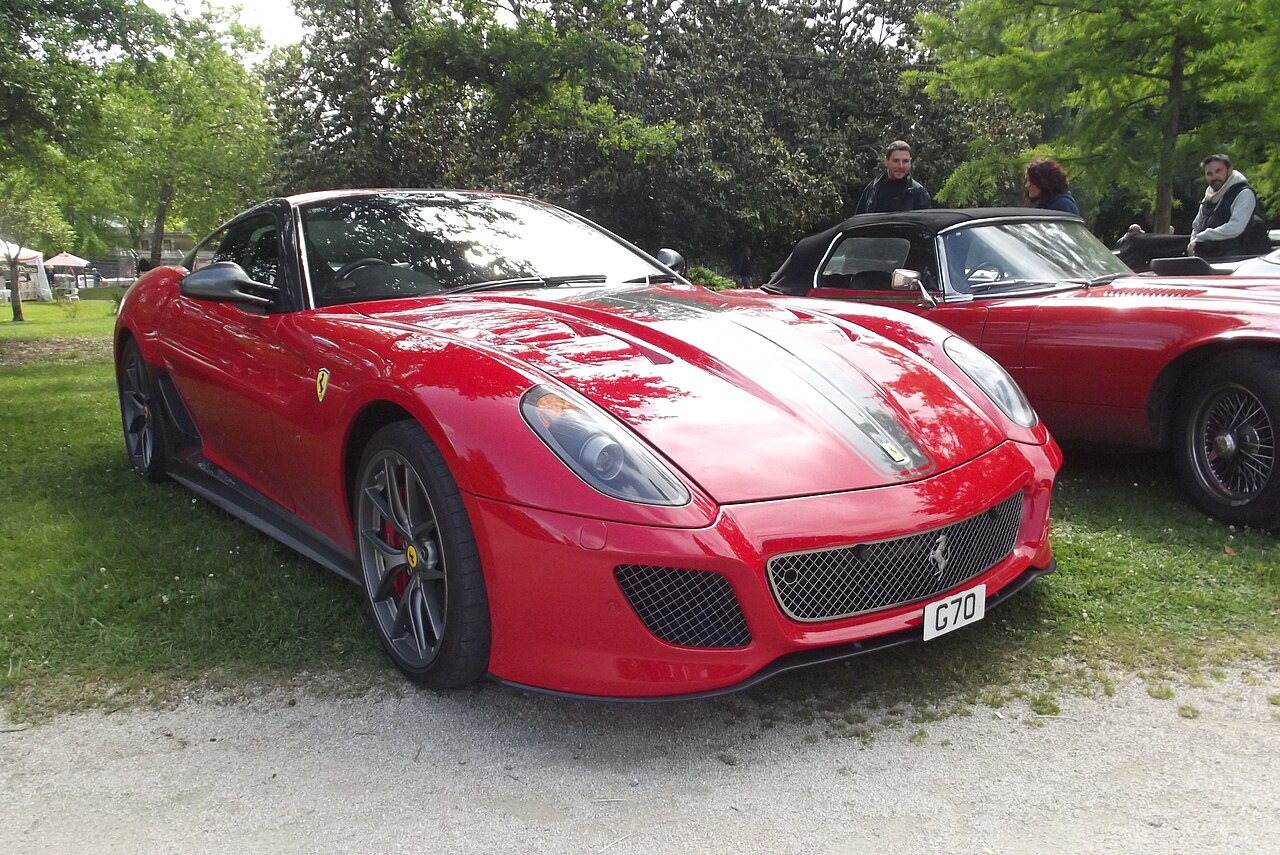 | Introduced 2010 | 6.0-litre naturally aspirated V12 | Front mid-engine |
No entries match your search.
7 Best Cars With V12 Engines: Entry Details
McLaren F1
Original road car, 1990s · Best overall V12 integrationThe BMW-built V12 works with a manual gearbox behind a central driving seat. That coherent engine, cockpit and transmission arrangement earns the F1 first place. Our first choice for a V12 built into an unusually focused driver’s car.
- Engine
- 6.1-litre naturally aspirated V12
- Layout
- Longitudinal mid-engine
- Defining feature
- Central driving position
Lamborghini Miura SV
Introduced 1971 · Best transverse V12 landmarkThe SV develops the Miura’s transverse mid-engine idea with chassis and body revisions. It ranks second because the engine’s position helped change the shape of the supercar. The strongest choice for the V12’s role in early mid-engine supercar design.
- Engine
- 3.9-litre naturally aspirated V12
- Layout
- Transverse mid-engine
- Defining feature
- Wider rear body than earlier Miuras
Ferrari 812 Competizione
Introduced 2021 · Best modern high-revving V12A revised valve train and lighter engine components support the 812 Competizione’s high-revving V12. It takes the modern-engine position without abandoning Ferrari’s front-engine two-seat layout. The modern pick for naturally aspirated V12 development.
- Engine
- 6.5-litre naturally aspirated V12
- Layout
- Front mid-engine
- Defining feature
- Revised engine internals and valve train
Ferrari 250 GTO
1962–1964 · Best V12 GT racing connectionThe Colombo-family V12 powers a car shaped around GT competition. The 250 GTO earns its position through that racing purpose and the close connection between engine, chassis and aerodynamic body. The historical competition choice among the front-engine V12 cars.
- Engine
- 3.0-litre naturally aspirated V12
- Layout
- Front engine
- Defining feature
- GT competition development
Lamborghini Countach LP400
Introduced 1974 · Best longitudinal V12 packagingThe LP400 turns the V12 longitudinally and places the gearbox ahead of the engine. Its wedge body and scissor doors reveal a different packaging solution from the Miura. The clearest contrast to the Miura’s transverse arrangement.
- Engine
- 3.9-litre naturally aspirated V12
- Layout
- Longitudinal mid-engine
- Defining feature
- Gearbox ahead of the engine
Aston Martin V12 Vantage
Original naturally aspirated model, 2009–2012 · Best compact front-engine V12Aston Martin installed its larger engine in the compact Vantage body and retained a manual transmission. The result supplies a more concentrated two-seat alternative to the marque’s larger V12 grand tourers. The pick for Aston Martin’s V12 in a smaller manual coupe.
- Engine
- 5.9-litre naturally aspirated V12
- Layout
- Front mid-engine
- Defining feature
- Manual gearbox in the compact Vantage
Ferrari 599 GTO
Introduced 2010 · Best 599XX road-car connectionThe 599 GTO develops the front-engine 599 with technology drawn from the 599XX programme. It closes the selection as an earlier route to the focused V12 road car later represented by the 812 Competizione. A distinct V12 road car shaped by Ferrari’s experimental track programme.
- Engine
- 6.0-litre naturally aspirated V12
- Layout
- Front mid-engine
- Defining feature
- Development linked to the 599XX
7 Best Cars With V12 Engines: Analysis
McLaren F1 Makes the Engine Part of the Whole Car
The F1’s BMW-built V12 sits behind a three-seat cabin, with the driver in the middle. Its six-speed manual transmission keeps the driver directly involved in delivering the engine’s output. The distinctive cockpit is as important to the McLaren road-car story as the engine itself.
Miura SV and Countach LP400 Change the V12 Layout
The Miura packages its V12 transversely behind the seats. The SV develops that arrangement with wider rear bodywork and chassis revisions. Countach LP400 turns the engine longitudinally and places the gearbox ahead of it. Those changes explain the different silhouettes better than their shared cylinder count, and mark separate chapters in Lamborghini design.
Ferrari Takes the Front-Engine V12 in Three Directions
The 250 GTO married a Colombo-family V12 to a body developed for GT competition. The 599 GTO adapts lessons from the 599XX programme to a road car. The 812 Competizione pushes the naturally aspirated engine toward higher revs with a revised valve train and lighter internal components. Each gives the front-engine layout a different purpose.
V12 Vantage Puts a Large Engine in a Smaller Body
The original V12 Vantage installs a naturally aspirated V12 in the compact Vantage coupe and pairs it with a manual gearbox. Bonnet vents and carbon-ceramic brakes accompany the larger powertrain. Its appeal comes from concentrating Aston Martin’s V12 character into a smaller two-seat package rather than adding a second row of seats.
Our verdict
Our verdict
McLaren F1 is the most complete expression of the driver-focused V12 here. Miura SV and Countach LP400 are more revealing as packaging landmarks, while the 812 Competizione supplies the modern engine-development choice. V12 Vantage is the compact manual alternative to the larger front-engine Ferraris.
Strengths
- The selection spans three distinct V12 orientations.
- Manual and automated transmissions give the engines different driving roles.
Things to consider
- Miura and Countach packaging creates restricted cabin access.
- 599 GTO and 812 Competizione prioritise focused performance over a second seating row.
FAQ: 7 Best Cars With V12 Engines
What is the best V12 car in this selection?
McLaren F1 takes first place for combining its BMW-built engine with a manual gearbox, central driving position and compact three-seat cabin.
Which company made the McLaren F1 engine?
BMW developed the F1’s naturally aspirated V12. McLaren integrated it into the mid-engine road car with a six-speed manual transmission.
Is the Lamborghini Miura V12 mounted sideways?
Yes. The Miura places its V12 transversely behind the seats. The Countach LP400 uses a longitudinal arrangement instead.
Does the Ferrari 812 Competizione have turbochargers?
No. Its 6.5-litre V12 is naturally aspirated. Revised internals and valve-train components support its high-revving character.
Was the original Aston Martin V12 Vantage a manual?
Yes. The original naturally aspirated V12 Vantage used a manual gearbox. Later Vantage derivatives have different engines and transmissions.
How does the Ferrari 599 GTO relate to the 599XX?
Ferrari developed the road-going 599 GTO using lessons from the experimental 599XX track programme. They are separate cars with different operating roles.
Sources & methodology
Editorial order weighs V12 integration, engineering distinction and historical influence without a performance score. Factory histories identify the versions, including McLaren’s original F1 engine and transmission release reproduced by evo.
Maintained by Artsiom Dusau, a software engineer and BMW 4 Series owner. Editorial policy
View sources (8)
- McLaren original F1 engine and transmission press release, reproduced by evo
- McLaren original F1 cockpit and driving layout release, reproduced by evo
- Lamborghini Miura SV engineering history
- Lamborghini original Countach production history
- Ferrari 812 Competizione factory press kit
- Ferrari 250 GTO history
- Aston Martin original V12 Vantage archive
- Ferrari 599 GTO history


![Franco Lutman and Roberto Giovannini (according to the source [2]) / Public domain](https://commons.wikimedia.org/wiki/File:1964-07-19_Trieste-Opicina_Ferrari_250_GTO_4675GT_Sigala.jpg)
_02.jpg)

