

Short answer
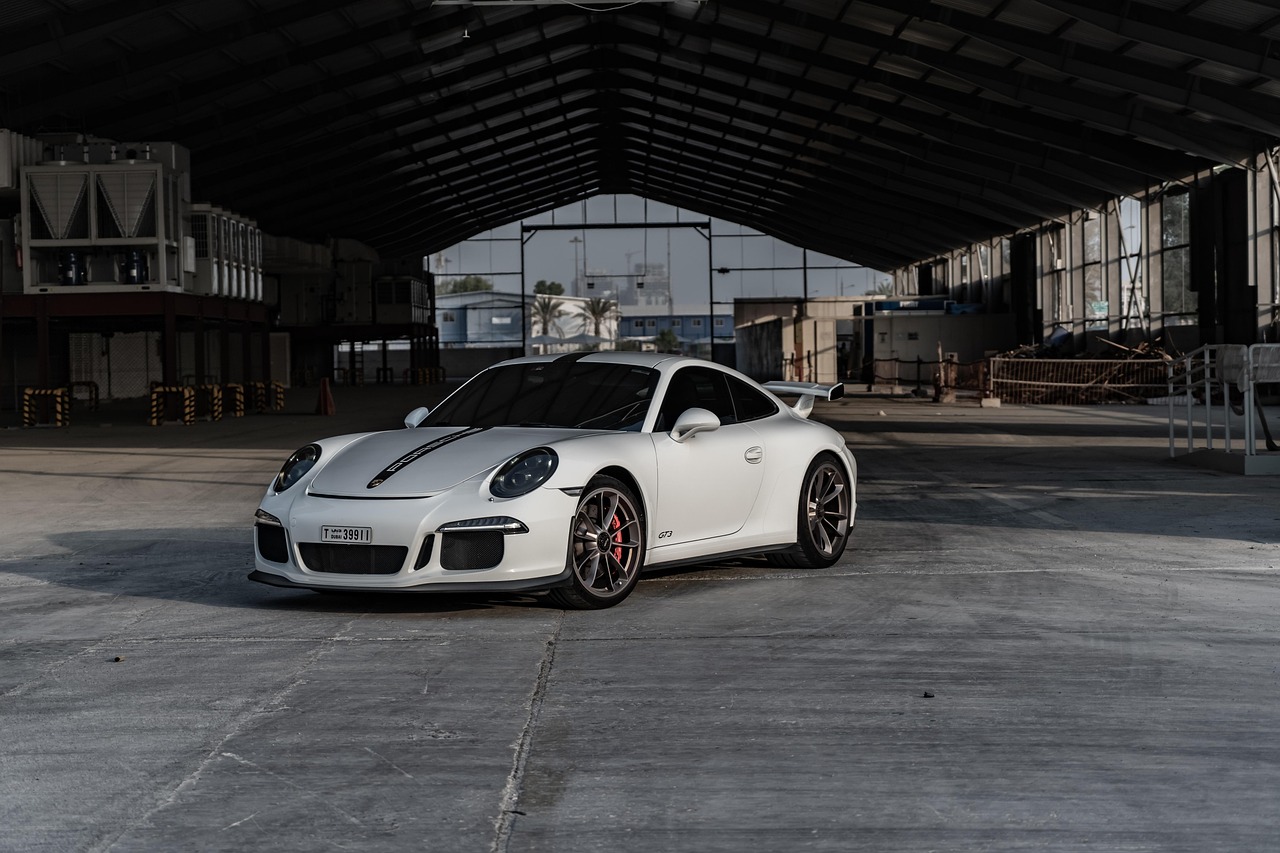
The original 2.0-litre 911 flat-six takes first place because it established Porsche’s enduring six-cylinder sports-car identity. The four-cam 547 is the strongest racing landmark, while the Carrera GT V10 represents the most dramatic departure from the familiar boxer layout.
- Selection
- Eight Porsche engine designs
- Configurations
- Flat-four, flat-six, inline-four and V10
- Starting point
- Four-cam racing engine developed in 1953
8 of the Most Legendary Porsche Engines at a Glance
| Rank | Engine | Era | Layout | Why it matters |
|---|---|---|---|---|
| 01 | 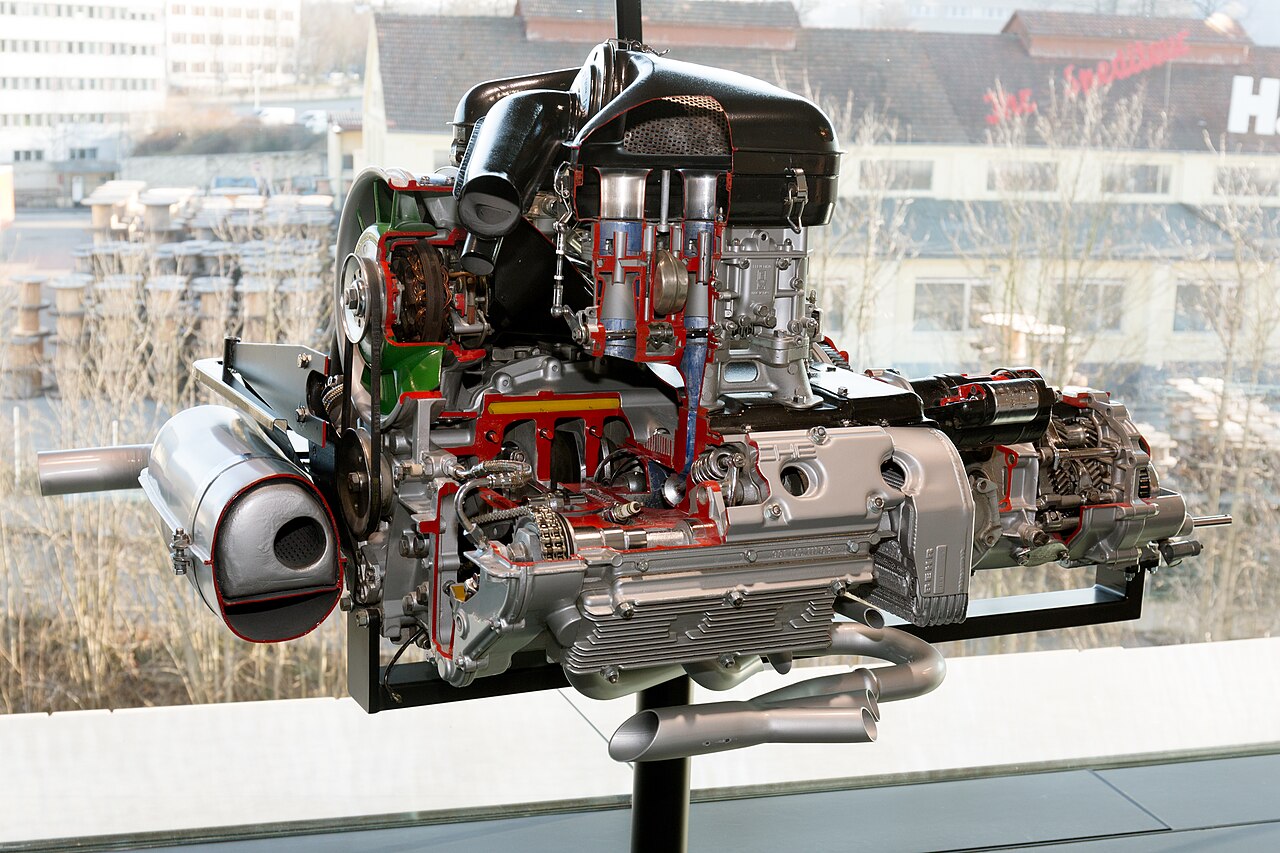 | Original 911 | Flat-six | Foundation of the 911 |
| 02 | 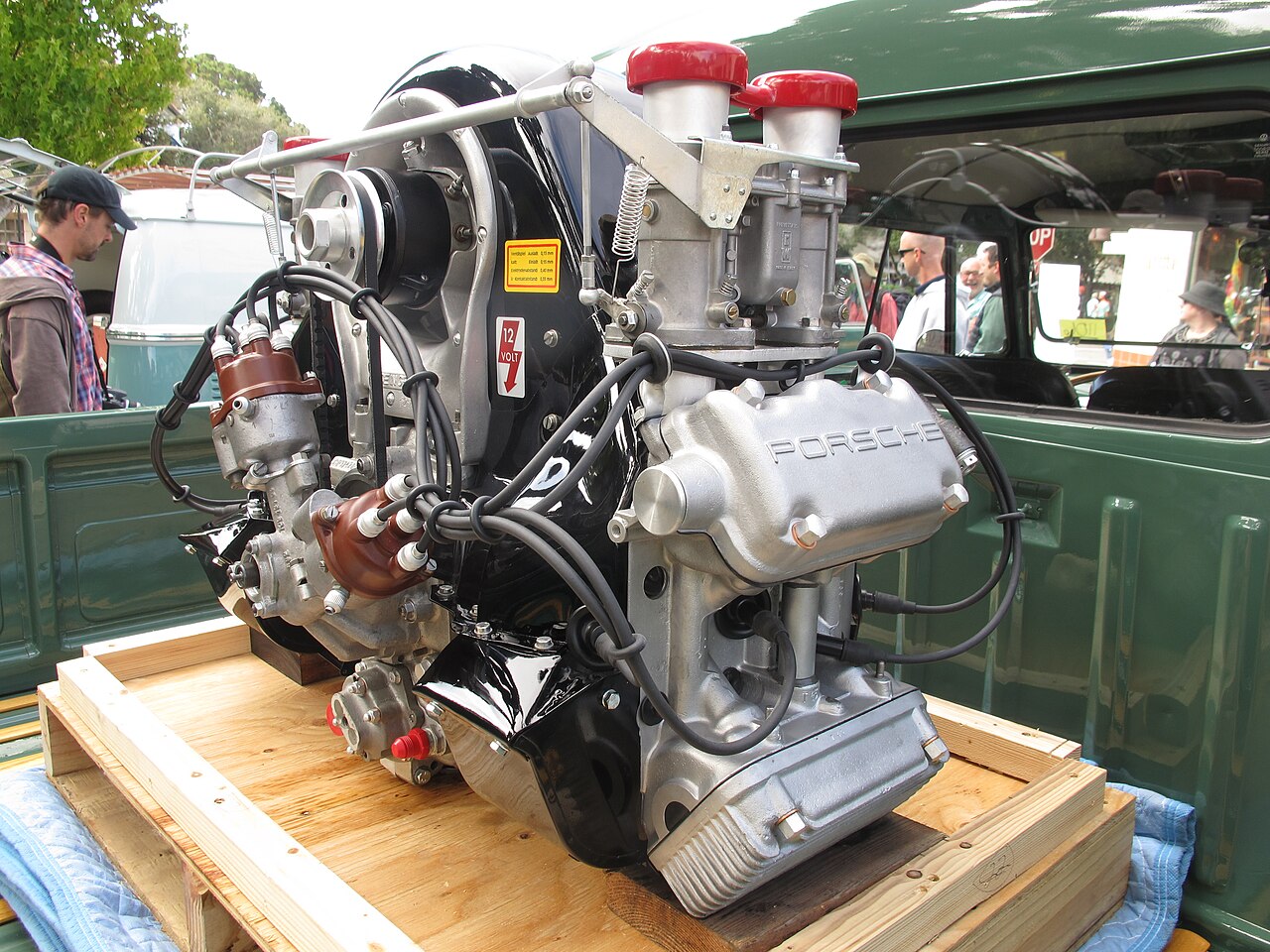 | Developed 1953 | Flat-four | Four-cam racing landmark |
| 03 | 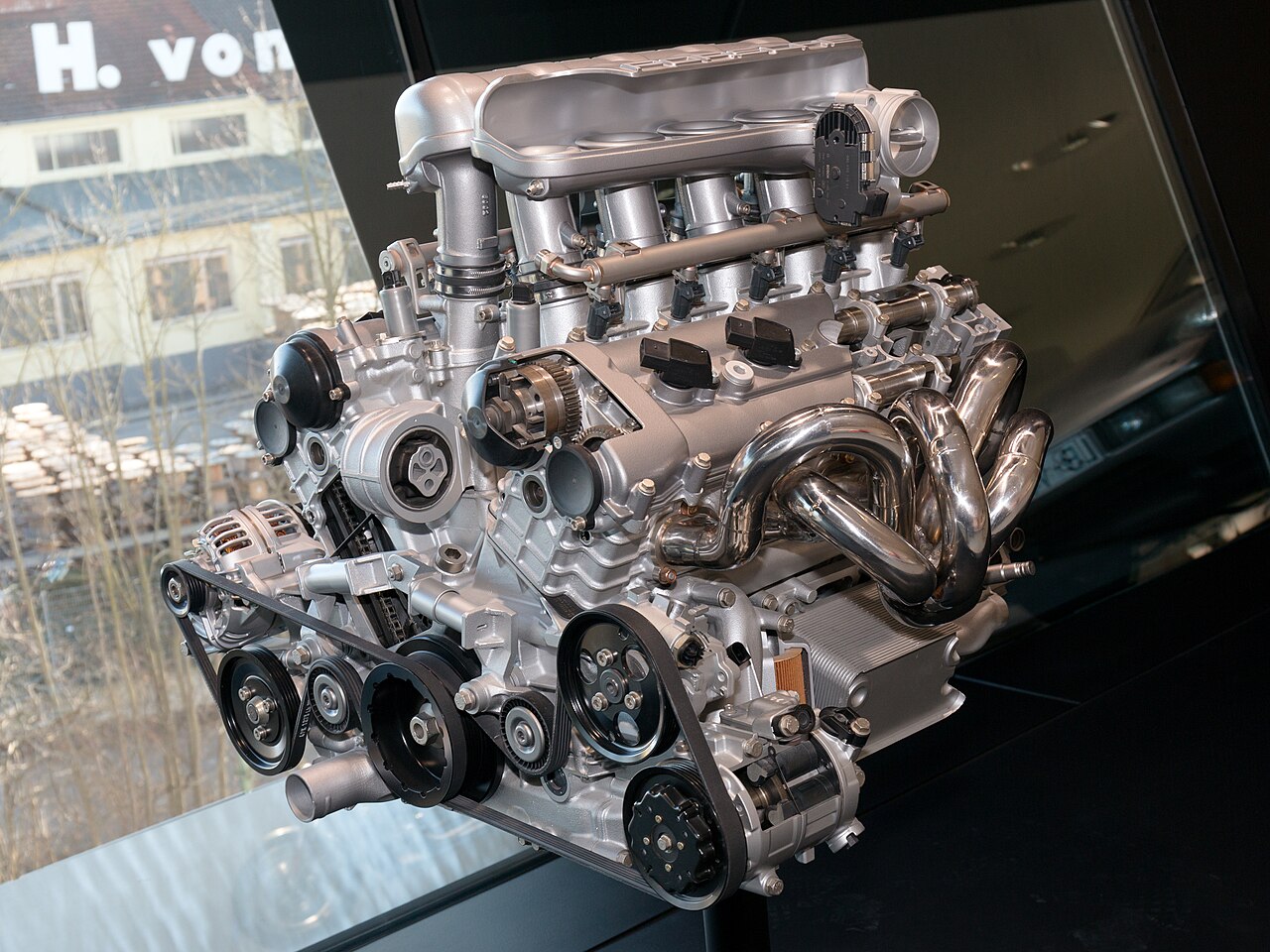 | Production 2003 | V10 | Mid-engine V10 flagship |
| 04 | 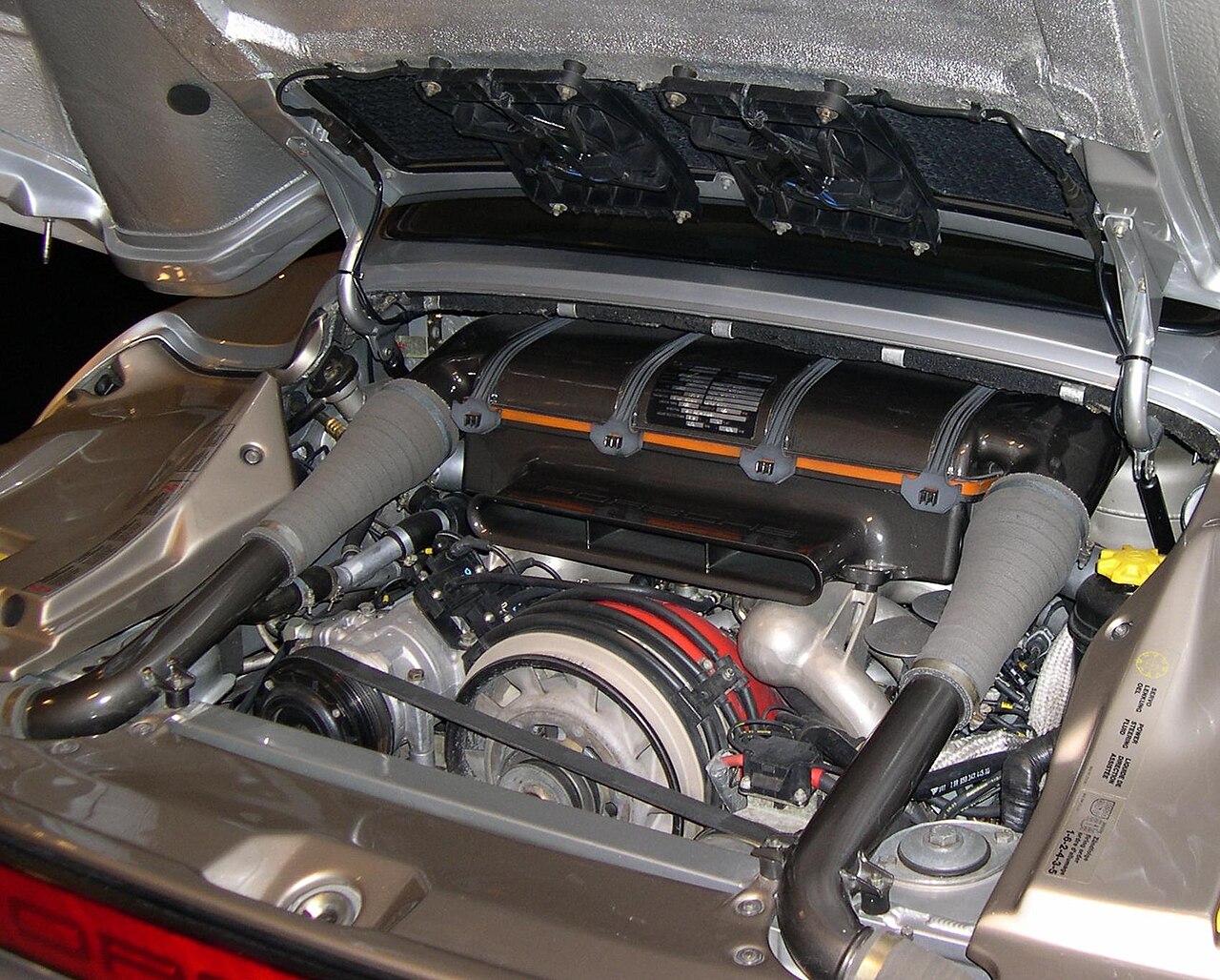 | 1980s | Flat-six | Sequential turbocharging |
| 05 | 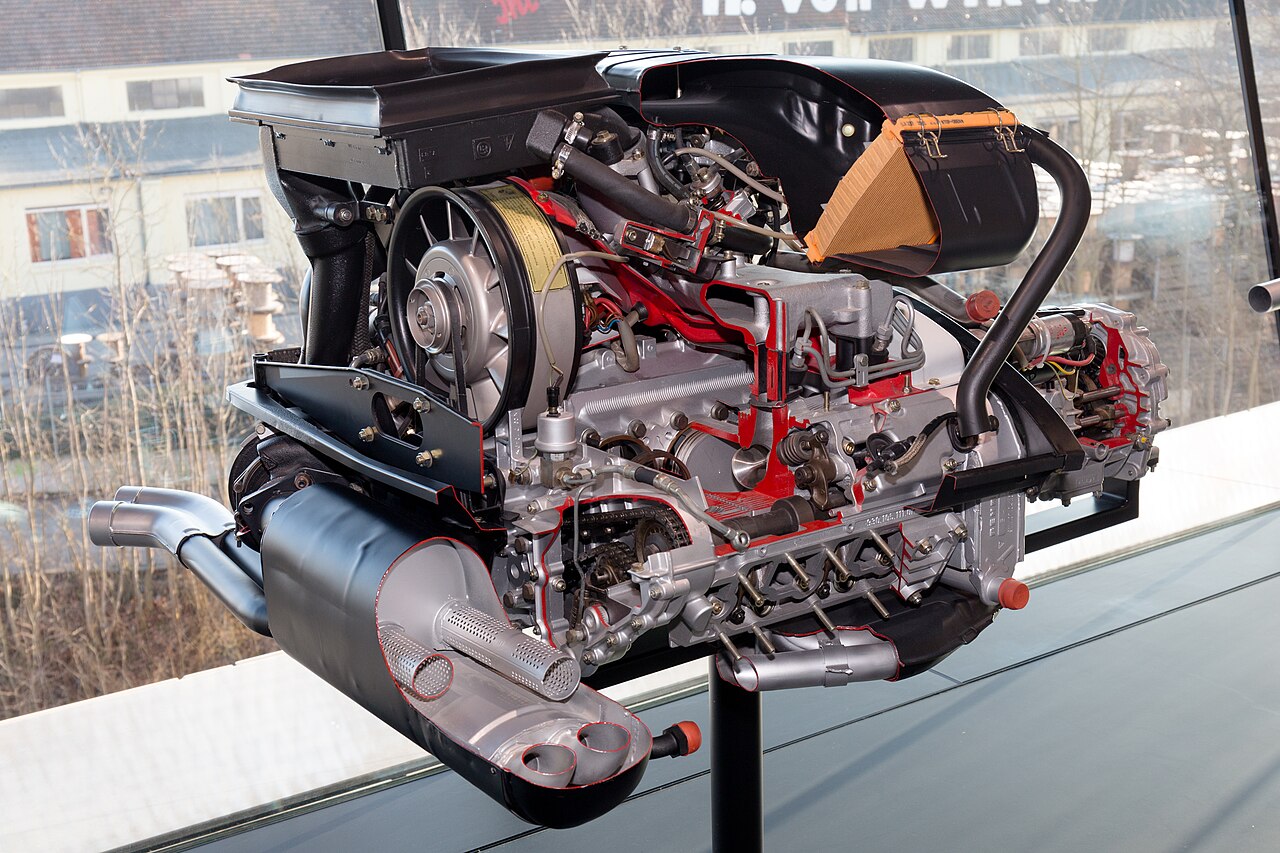 | Late 1970s | Flat-six | Intercooled 911 Turbo |
| 06 | 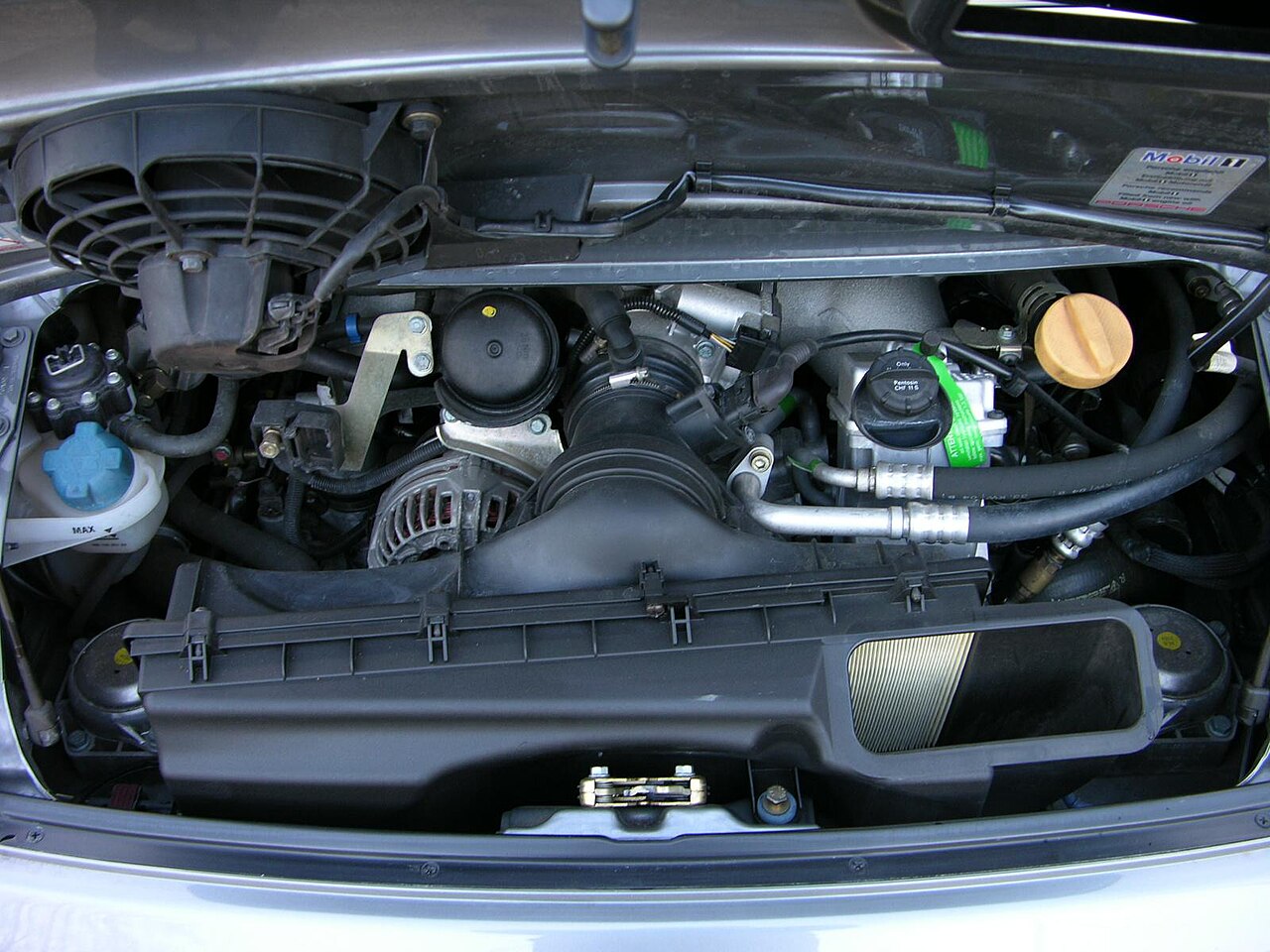 | 996 GT3 | Flat-six | Dedicated GT3 engine |
| 07 | 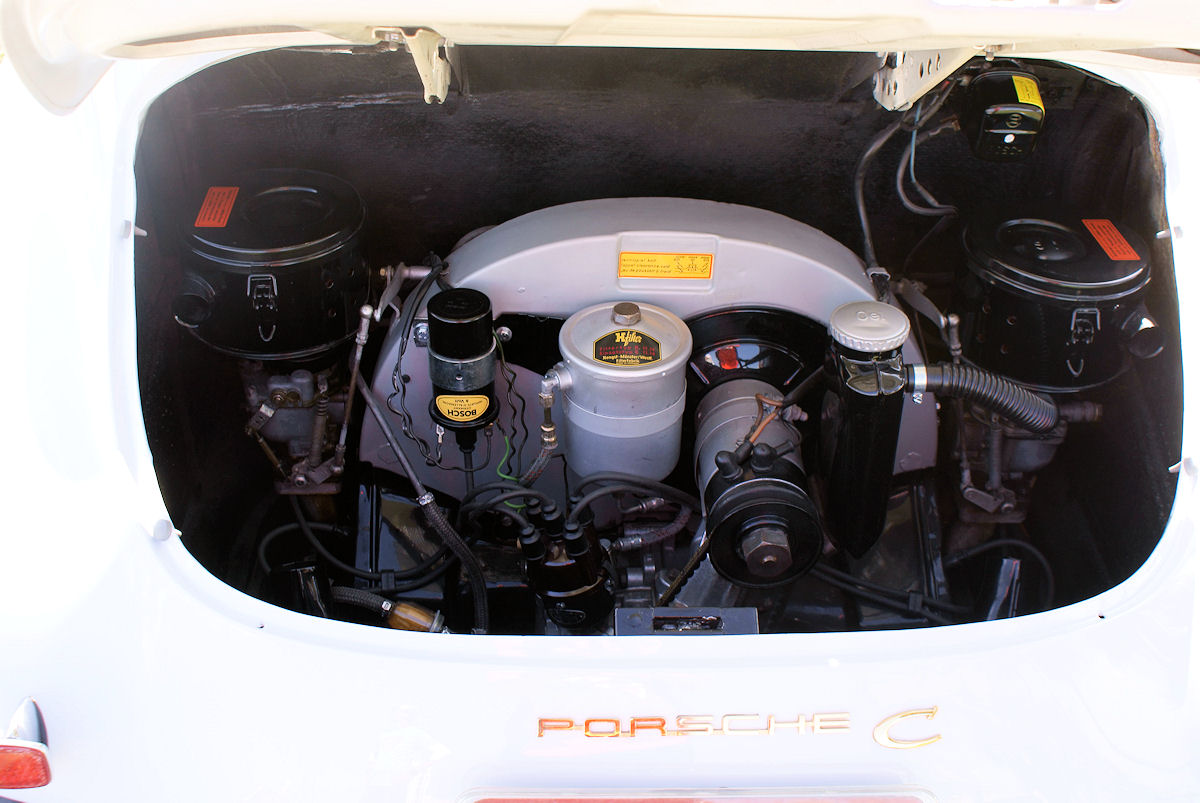 | 356 era | Flat-four | Air-cooled road-car character |
| 08 | 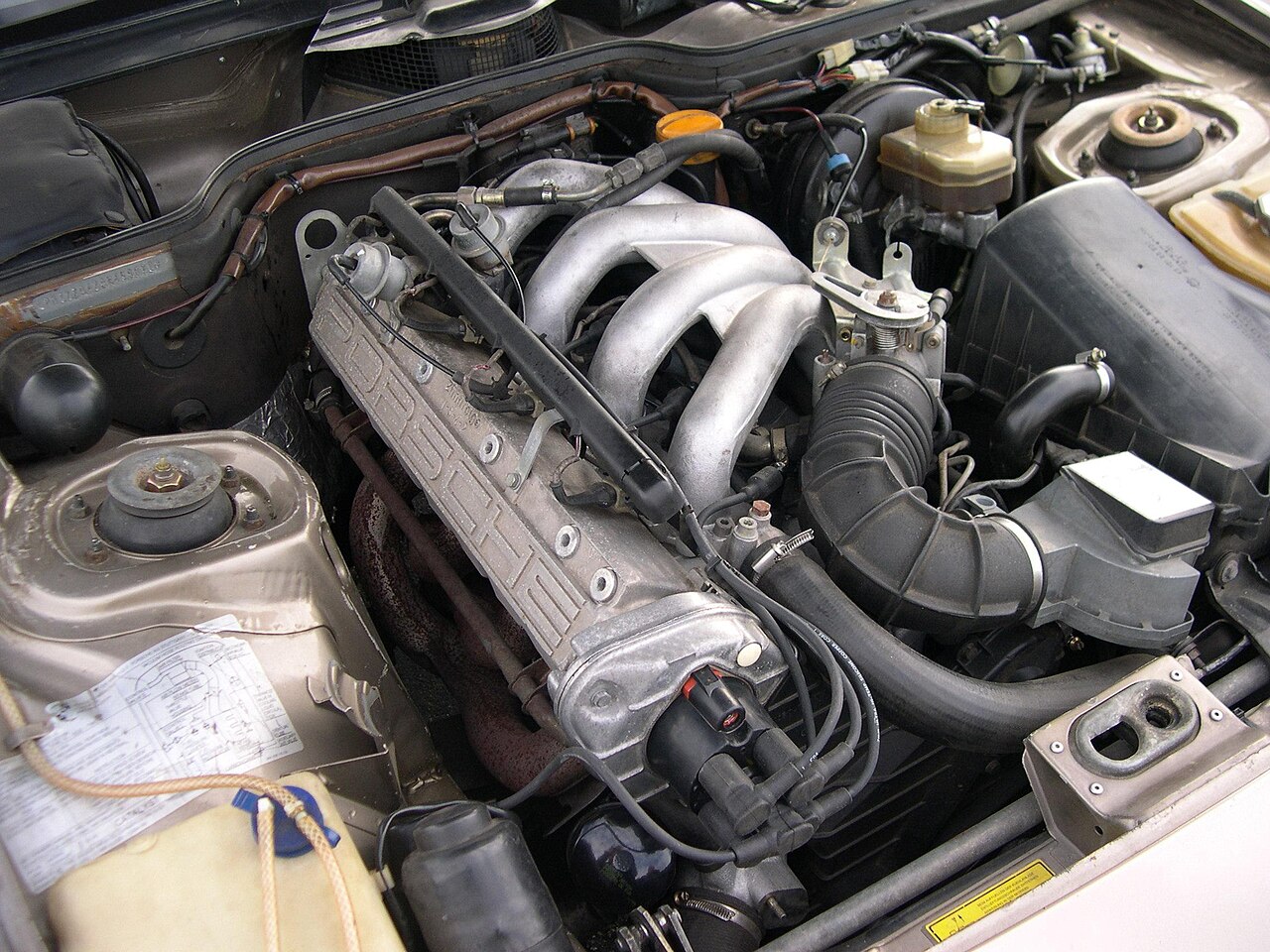 | Original 944 | Inline-four | Refined transaxle four |
No entries match your search.
8 of the Most Legendary Porsche Engines: Entry Details
Porsche 901/01 2.0 flat-six
Original 911 · Foundation of the 911The original six-cylinder engine established the 911’s air-cooled boxer identity. Its lasting architectural influence puts it ahead of more spectacular one-off applications.
- Layout
- Flat-six
- Induction
- Naturally aspirated
- Application
- Original Porsche 911
Porsche Type 547 1.5 flat-four
Developed 1953 · Four-cam racing landmarkFour overhead camshafts and bevel-gear drives turned a compact flat-four into a dedicated racing engine. Its engineering ambition remains central to early Porsche competition history.
- Layout
- Flat-four
- Induction
- Naturally aspirated
- Application
- Porsche 550 and early Carrera applications
Porsche Carrera GT 5.7 V10
Production 2003 · Mid-engine V10 flagshipA dry-sump V10 gave the Carrera GT an identity separate from the 911. The engine’s central role in this purpose-built sports car earns a place near the top.
- Layout
- V10
- Induction
- Naturally aspirated
- Application
- Carrera GT
Porsche 959 2.85 flat-six
1980s · Sequential turbochargingSequential twin turbochargers and water-cooled cylinder heads pushed the boxer in a new direction. The engine helped make the 959 a technical flagship.
- Layout
- Flat-six
- Induction
- Sequential twin turbochargers
- Application
- Porsche 959
Porsche 930/60 3.3 flat-six
Late 1970s · Intercooled 911 TurboThe intercooled 3.3-litre engine gave the early 911 Turbo a more developed induction system. Its recognisable single-turbo character makes it a distinct milestone.
- Layout
- Flat-six
- Induction
- Single turbocharger and intercooler
- Application
- Porsche 911 Turbo 3.3
Porsche 996 GT3 3.6 flat-six
996 GT3 · Dedicated GT3 engineThe Mezger-family flat-six gave the GT3 a dedicated performance identity within the 996 range. Dry-sump lubrication suited its sustained track-driving brief.
- Layout
- Flat-six
- Induction
- Naturally aspirated
- Application
- Porsche 996 GT3
Porsche Type 616 1.6 flat-four
356 era · Air-cooled road-car characterThe simpler air-cooled flat-four belongs beside the exotic 547 because it powered the everyday 356 story. Its accessible road-car architecture helped establish the marque.
- Layout
- Flat-four
- Induction
- Naturally aspirated
- Application
- Porsche 356
Porsche 944 2.5 inline-four
Original 944 · Refined transaxle fourTwo balance shafts addressed the vibration challenges of a large inline-four. The engine gave the 944 a clear technical identity within Porsche’s front-engine transaxle range.
- Layout
- Inline-four
- Induction
- Naturally aspirated
- Application
- Porsche 944
8 of the Most Legendary Porsche Engines: Analysis
The Original Flat-Six Defined the 911
The 901/01 matters because its architecture gave Porsche a platform to develop across successive 911 generations. Six horizontally opposed cylinders offered a low engine profile behind the rear axle. The original engine’s identity carried beyond its modest displacement into the later naturally aspirated and turbocharged cars.
The 547 Made Four Cylinders a Racing Asset
Ernst Fuhrmann’s 547 used four overhead camshafts driven through shafts and bevel gears. That intricate valve gear served a compact racing engine rather than an inexpensive road-car unit. The simpler Type 616 followed a different route from the marque’s Volkswagen roots, keeping the 356’s air-cooled flat-four character in a more accessible package.
Turbocharging Changed the Character of the Flat-Six
The 930/60 paired a single turbocharger with an intercooler in the 3.3-litre 911 Turbo. The 959’s smaller 2.85-litre engine used sequential twin turbochargers and water-cooled heads. The distinction explains why both belong here rather than treating every turbocharged Porsche boxer as the same engine.
GT3, Carrera GT and 944 Pursued Different Goals
The 996 GT3’s Mezger-family flat-six brought a dedicated performance engine to a roadgoing 911. Carrera GT instead combined a dry-sump V10 with a mid-engine carbon-fibre sports car. The 944’s balance-shaft inline-four earns its place through the transaxle car’s different engineering brief, with refinement central to its large four-cylinder design.
Our verdict
Our verdict
The original 911 flat-six is the defining Porsche engine. The 547 offers the most important early racing alternative, while Carrera GT shows how convincingly the marque could build a different kind of flagship.
Strengths
- Enduring flat-six architecture
- Distinct road and competition engineering
- Four-cylinder and V10 alternatives
Things to consider
- The four-cam 547 has intricate valve gear
- 959 induction and cooling add complexity
FAQ: 8 of the Most Legendary Porsche Engines
What made the original 911 engine important?
Its six-cylinder boxer architecture became the centrepiece of the 911. Air cooling, a low engine profile and dry-sump lubrication defined a technical direction that later versions developed.
What does four-cam mean on a Porsche 547?
The engine has four overhead camshafts, two for each cylinder bank. Its shaft and bevel-gear drive is much more elaborate than the simpler valve gear of the ordinary 356 road engine.
Is the Carrera GT engine a flat engine?
No. Carrera GT uses a naturally aspirated 5.7-litre V10 mounted behind the passenger compartment. It is one of Porsche’s clearest departures from the familiar boxer layout.
How does the 959 engine differ from the 930?
The 959 uses sequential twin turbochargers and water-cooled cylinder heads. The selected 930/60 is a 3.3-litre air-cooled flat-six with one turbocharger and an intercooler.
Why did the 944 need balance shafts?
Its large inline-four creates secondary vibration. Two counter-rotating balance shafts reduce that vibration, helping the 2.5-litre engine deliver the refinement expected of a Porsche road car.
Sources & methodology
Manufacturer histories and the 996 parts catalogue establish engine identities. Editorial order weighs architectural influence, racing significance and a distinctive engineering contribution, without ranking horsepower.
Maintained by Artsiom Dusau, a software engineer and BMW 4 Series owner. Editorial policy


.jpg)
