
Short answer
Lexus’s 1LR-GUE ranks first for making a bespoke, high-revving V10 the defining feature of the LFA. Porsche’s Carrera GT engine follows closely, while the Viper, BMW S85 and Peugeot 905 show how differently ten cylinders can serve a performance car.
- Selection
- Ten road and competition engines
- Displacement span
- 3.0-litre race engines to the Viper family
- Leading design
- Lexus 1LR-GUE
The 10 Best V10 Engines of All Time at a Glance
| Rank | Engine | Era | Layout | Why it matters |
|---|---|---|---|---|
| 01 | 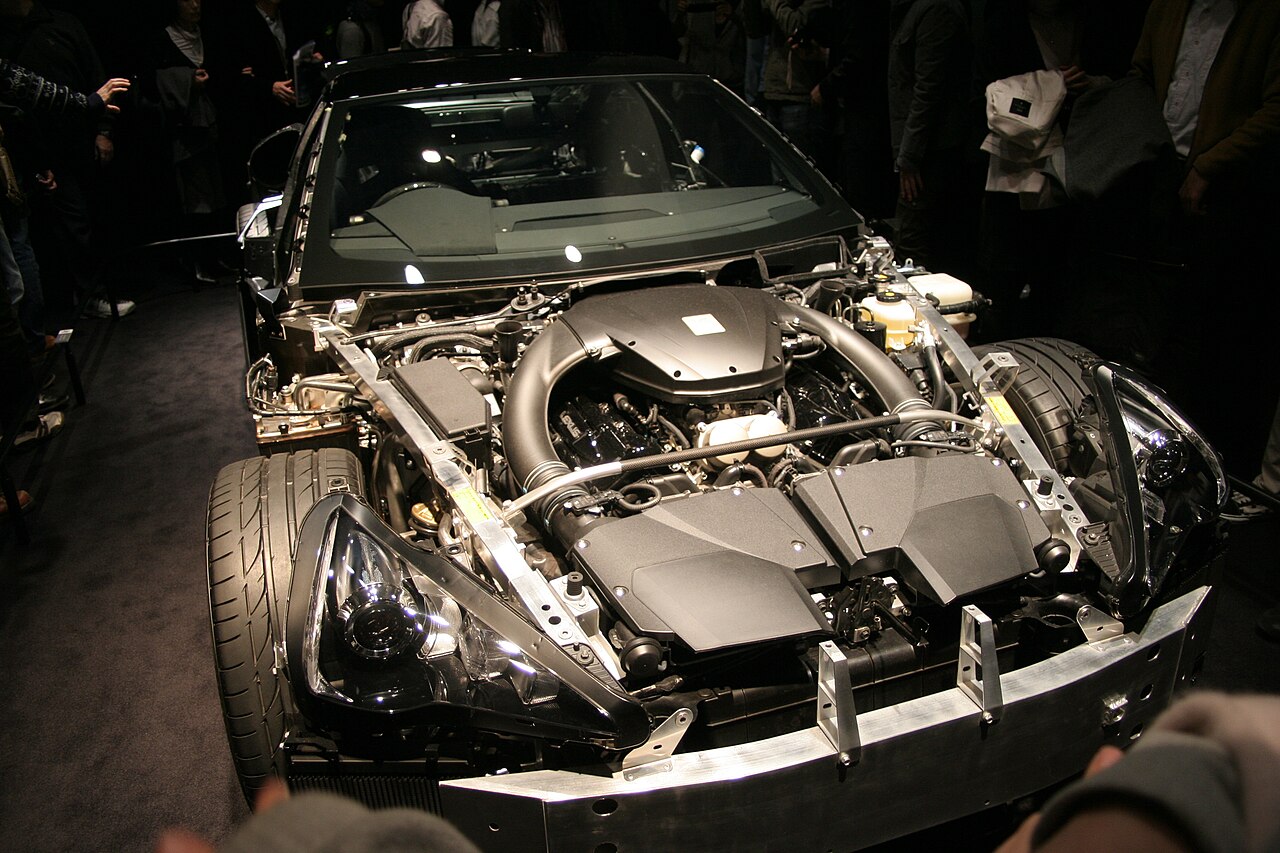 | LFA era | V10, DOHC | Bespoke road-car V10 |
| 02 | 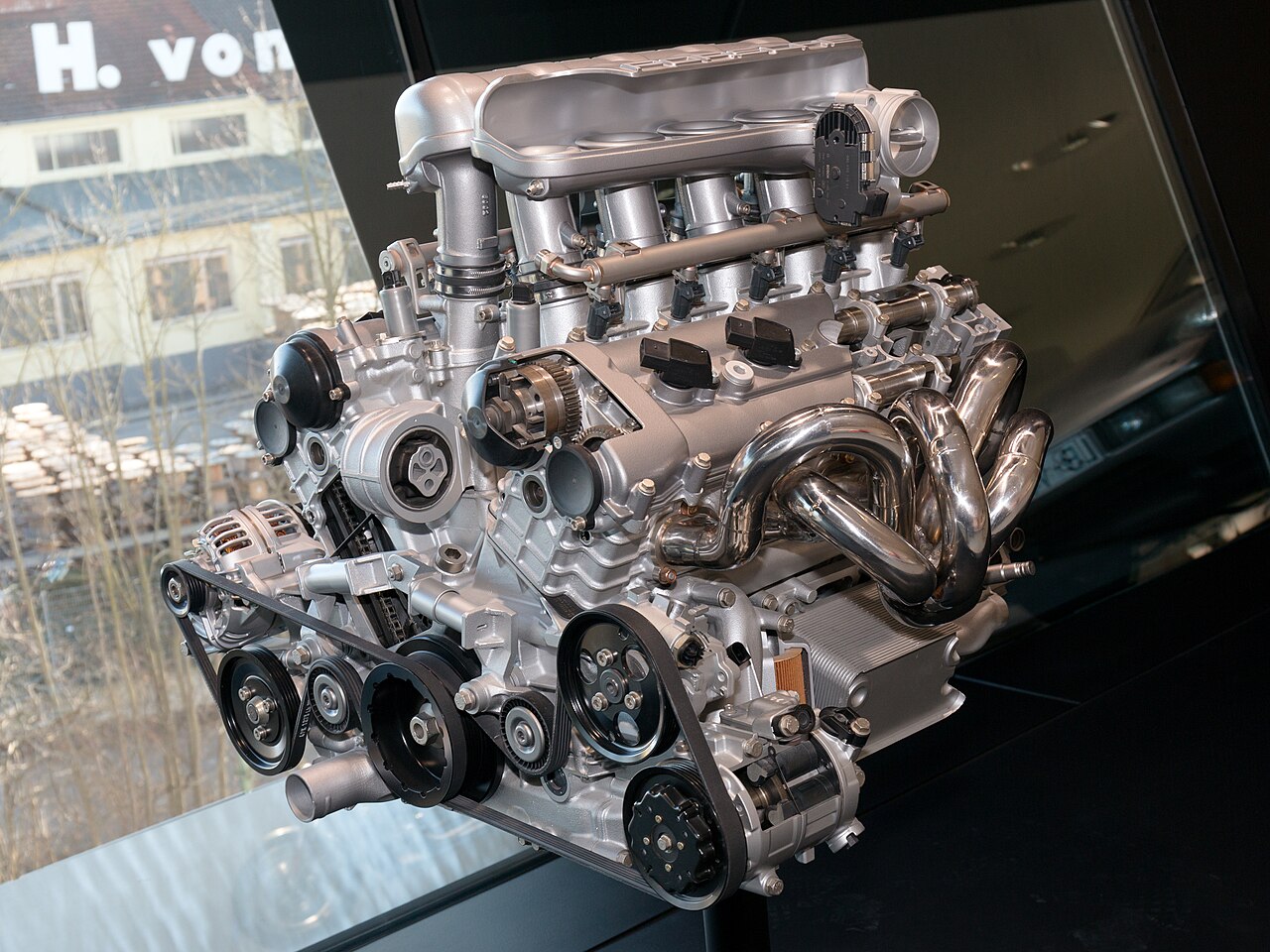 | Carrera GT era | V10, DOHC | Mid-engine flagship |
| 03 | 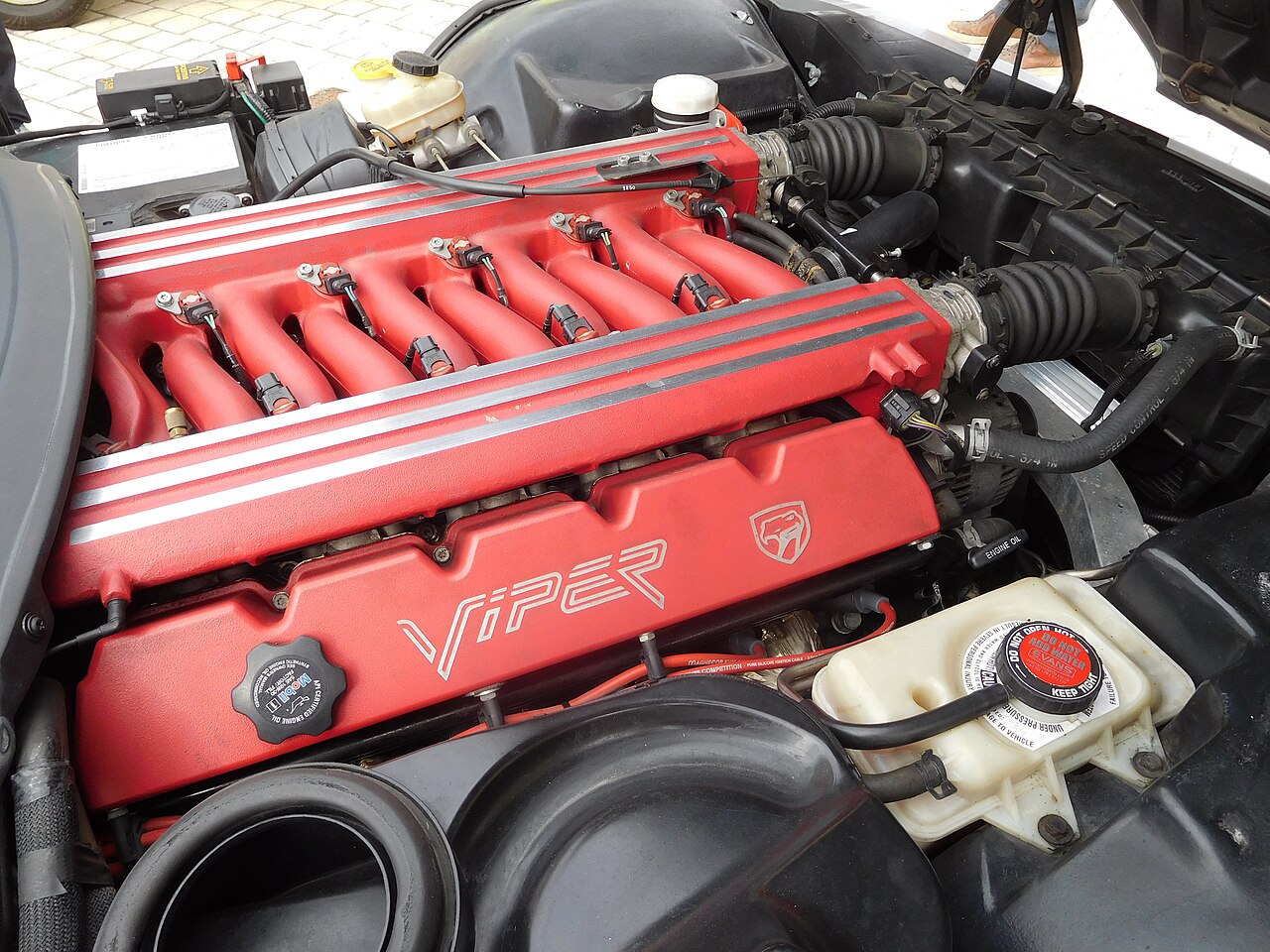 | Viper generations | V10, pushrod | Large-displacement character |
| 04 | 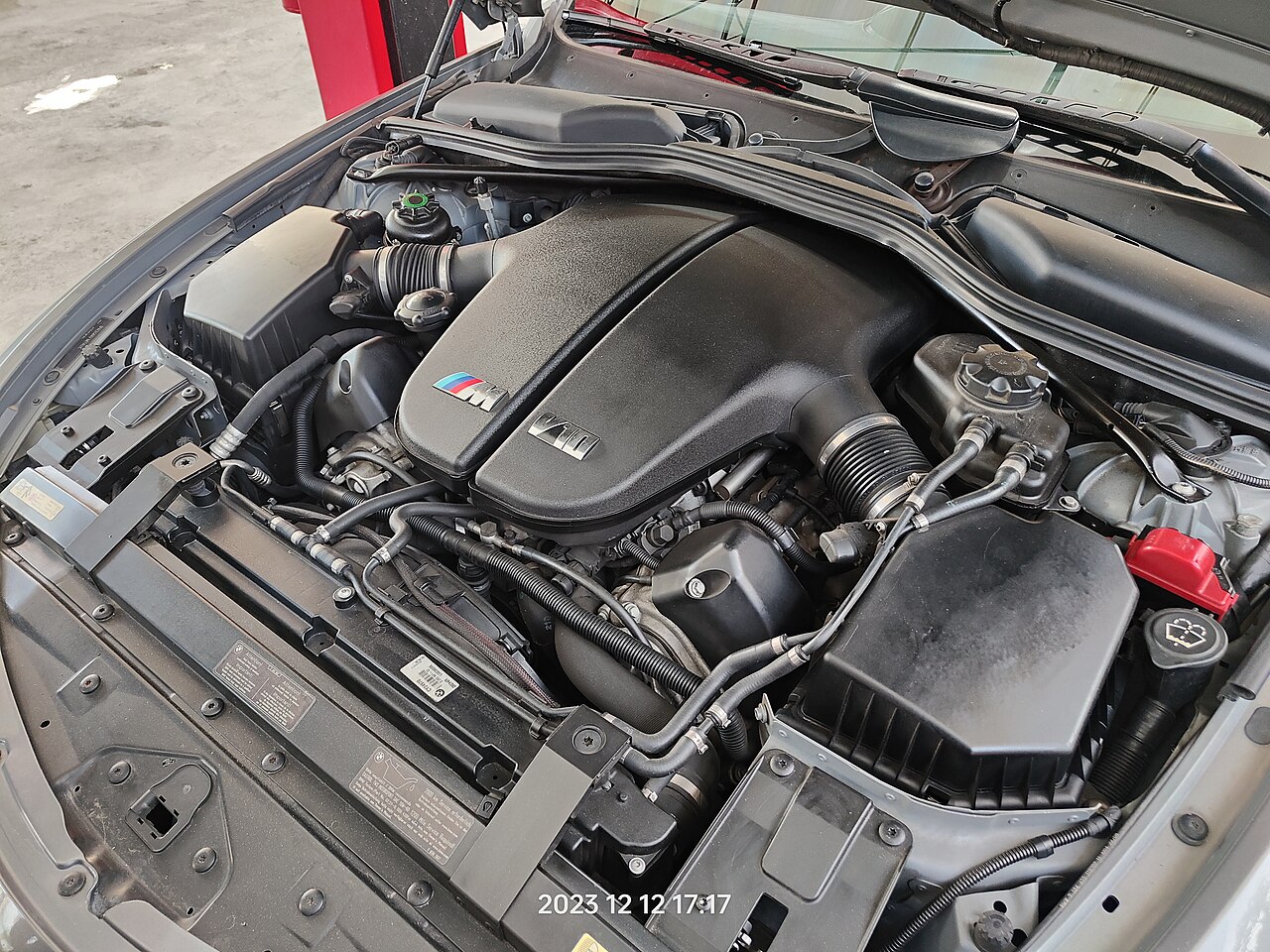 | E60 M5 and E63 M6 | V10, DOHC | High-revving saloon engine |
| 05 | 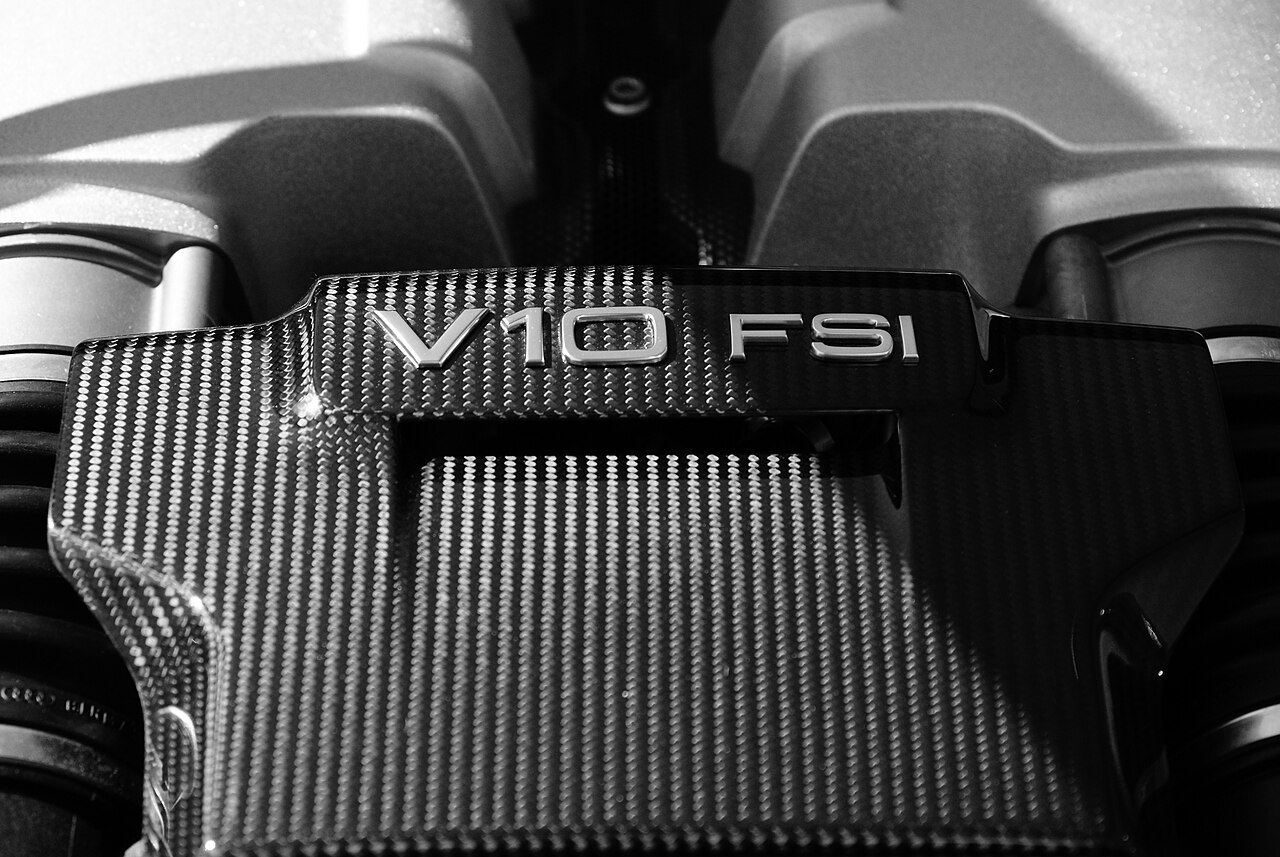 | R8 V10 generations | V10, DOHC | Road and GT racing bridge |
| 06 | 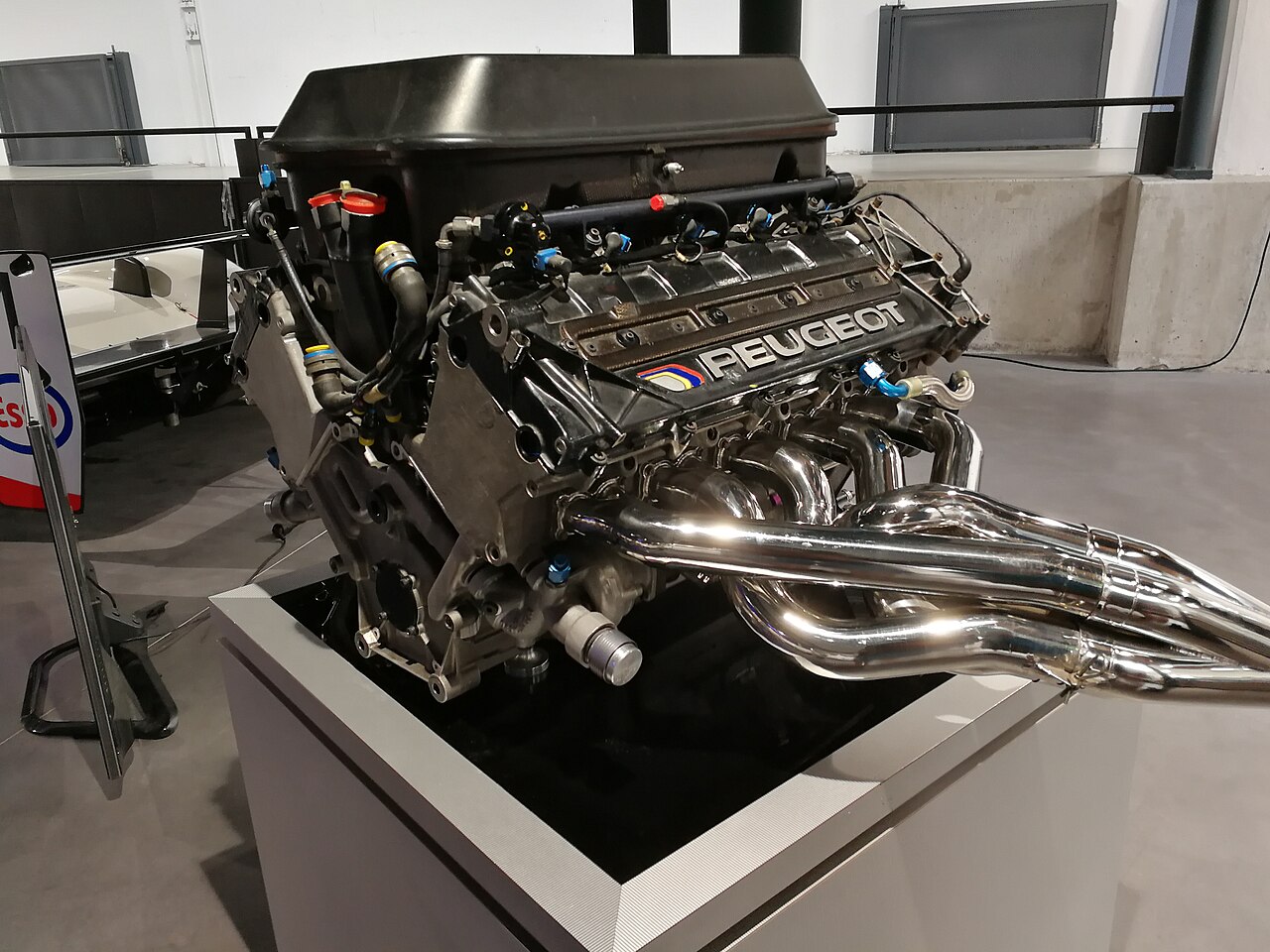 | 1990s endurance racing | V10 | Le Mans-winning prototype |
| 07 | 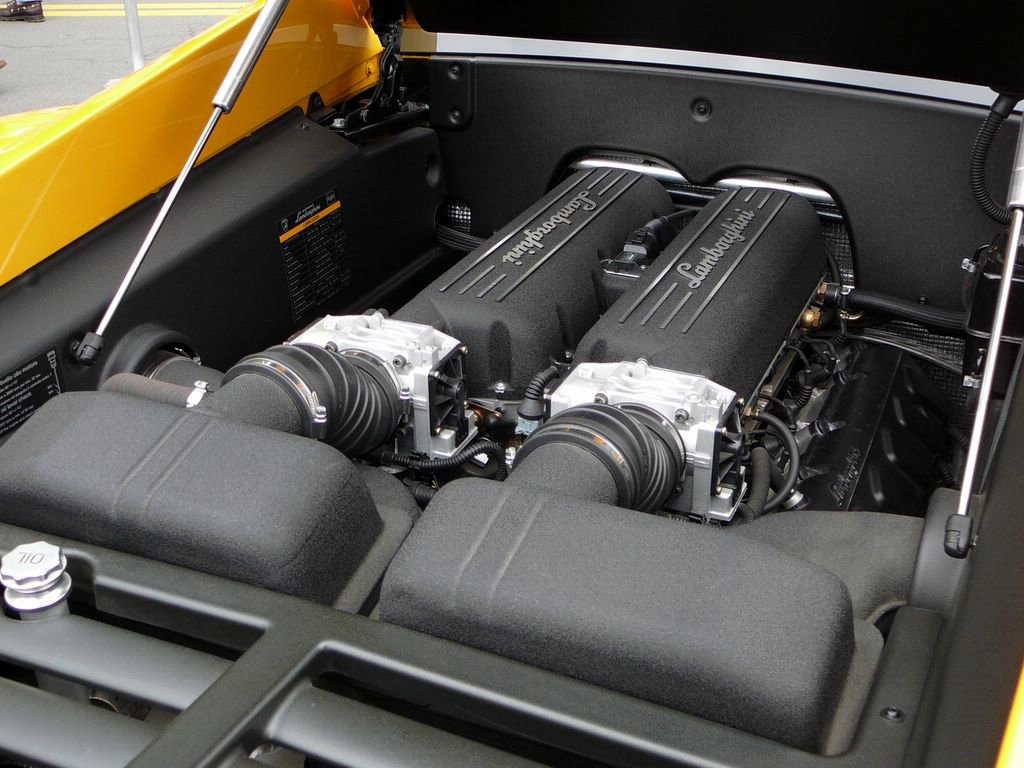 | Original Gallardo | V10, DOHC | Compact Lamborghini identity |
| 08 | 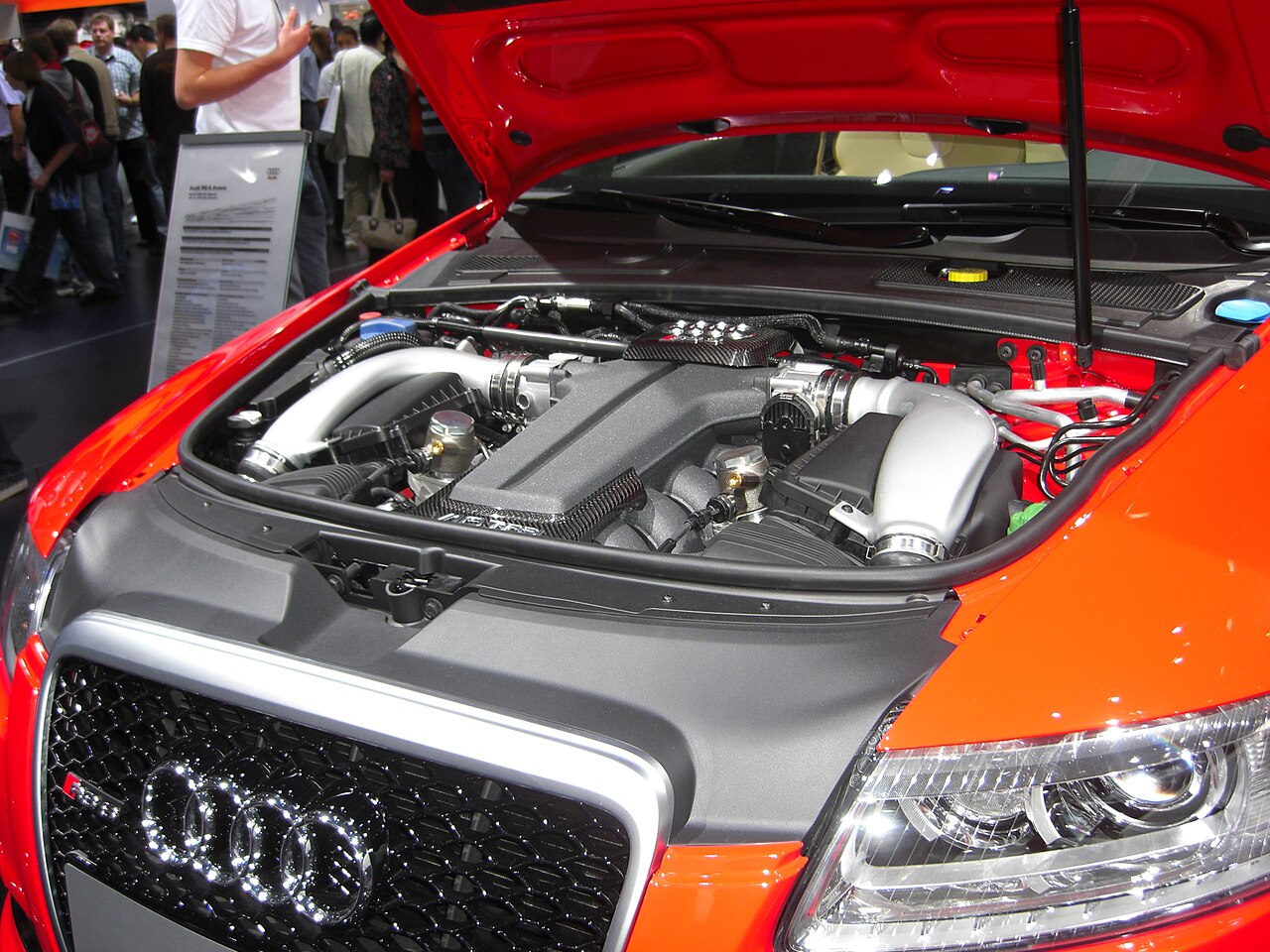 | C6 RS 6 | V10, DOHC | Twin-turbo estate engine |
| 09 | 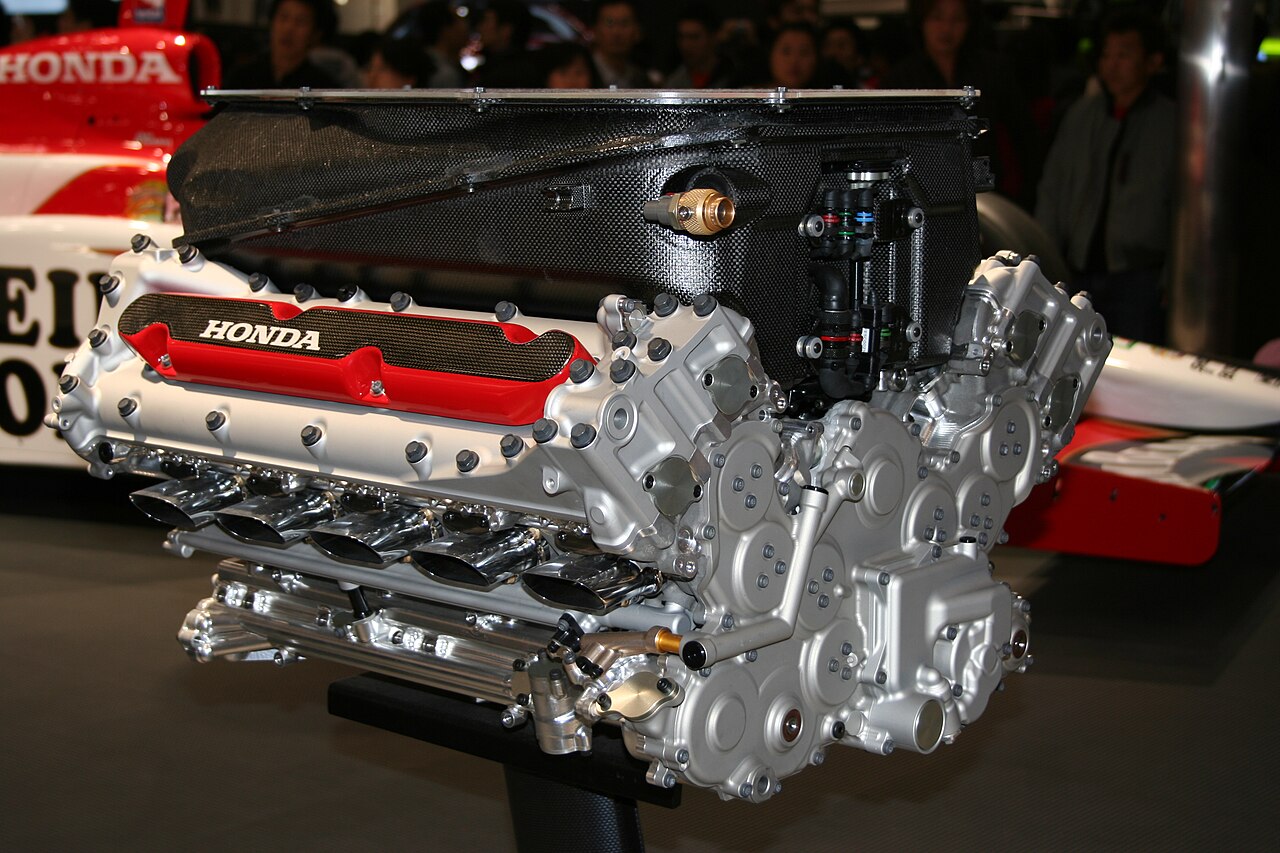 | 2005 Formula 1 | V10 | Specialised F1 engineering |
| 10 | 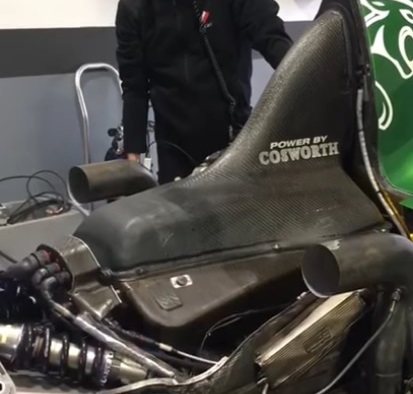 | Formula 1 CR family | V10 | Independent racing expertise |
No entries match your search.
The 10 Best V10 Engines of All Time: Entry Details
Lexus 1LR-GUE 4.8 V10
LFA era · Bespoke road-car V10A bespoke high-revving engine defined the LFA’s mechanical identity. Its compact V10 architecture and role in a purpose-built flagship make it our first choice.
- Layout
- V10, DOHC
- Induction
- Naturally aspirated
- Application
- Lexus LFA
Porsche Carrera GT 5.7 V10
Carrera GT era · Mid-engine flagshipDry-sump lubrication and a naturally aspirated V10 suit the Carrera GT’s focused sports-car package. Its engine gives the car an identity independent of the 911.
- Layout
- V10, DOHC
- Induction
- Naturally aspirated
- Application
- Porsche Carrera GT
Dodge Viper V10 family
Viper generations · Large-displacement characterA large pushrod V10 made the Viper mechanically distinctive among American sports cars. Its evolving displacement retained that direct, muscular identity across the model’s generations.
- Layout
- V10, pushrod
- Induction
- Naturally aspirated
- Application
- Dodge Viper
BMW S85 5.0 V10
E60 M5 and E63 M6 · High-revving saloon engineIndividual throttles and a four-valve cylinder head gave BMW’s executive saloon an unusually specialised engine. The S85’s ambition is clearest in that everyday body format.
- Layout
- V10, DOHC
- Induction
- Naturally aspirated
- Application
- BMW M5 and M6
Audi R8 5.2 FSI V10
R8 V10 generations · Road and GT racing bridgeAudi combined a naturally aspirated V10 with dry-sump lubrication in the R8. The engine became central to both the road-car family and its GT racing identity.
- Layout
- V10, DOHC
- Induction
- Naturally aspirated
- Application
- Audi R8
Peugeot 905 3.5 V10
1990s endurance racing · Le Mans-winning prototypeThe 905’s naturally aspirated V10 helped Peugeot win Le Mans in 1992 and 1993. Endurance success gives this purpose-built engine a concrete claim to greatness.
- Layout
- V10
- Induction
- Naturally aspirated
- Application
- Peugeot 905
Lamborghini Gallardo 5.0 V10
Original Gallardo · Compact Lamborghini identityThe original 5.0-litre V10 gave the Gallardo a separate identity from Lamborghini’s V12 flagship. Its mid-engine package helped define the smaller Lamborghini sports-car line.
- Layout
- V10, DOHC
- Induction
- Naturally aspirated
- Application
- Original Lamborghini Gallardo
Audi RS 6 C6 5.0 V10 TFSI
C6 RS 6 · Twin-turbo estate engineTwo turbochargers and dry-sump lubrication made the C6 RS 6 unusually ambitious. The V10’s installation in a practical estate gives it a different role from the R8 engine.
- Layout
- V10, DOHC
- Induction
- Twin turbochargers
- Application
- Audi RS 6 C6
Honda RA005E 3.0 V10
2005 Formula 1 · Specialised F1 engineeringHonda’s 2005 engine represents the late naturally aspirated V10 era of Formula 1. Its place rests on the engineering brief, rather than a claim that the season was trouble-free.
- Layout
- V10
- Induction
- Naturally aspirated
- Application
- BAR Honda 007
Ford-Cosworth CR 3.0 V10
Formula 1 CR family · Independent racing expertiseThe CR family carried Cosworth’s engine expertise into the V10 period of Formula 1. It closes the selection with a focused competition design rather than another road-car application.
- Layout
- V10
- Induction
- Naturally aspirated
- Application
- Ford-powered Formula 1 machinery
The 10 Best V10 Engines of All Time: Analysis
LFA and Carrera GT Were Built Around Their Engines
The LFA’s front-mounted V10 and rear transaxle create a different package from the mid-engine Porsche Carrera GT. Both give the engine a central role rather than treating it as an ordinary range option. The LFA leads because its bespoke ten-cylinder identity is inseparable from the car’s purpose.
Viper and S85 Show Two Opposite Road-Car Approaches
Viper uses a large-displacement pushrod V10, favouring a muscular, low-speed character. The BMW S85 uses four valves per cylinder and individual throttles to bring a high-revving engine to the M5 and M6. Neither layout is a universal answer, but each gives its host car an unmistakable mechanical personality.
Audi Used Ten Cylinders for Both Coupes and Estates
The naturally aspirated R8 engine belongs to a mid-engine sports-car package, while the C6 RS 6 combines a 5.0-litre V10 with two turbochargers. The original Gallardo’s 5.0-litre engine is also distinct from the later 5.2-litre family shared with Audi. Those differences matter more than the common cylinder count.
Competition V10s Had a Different Working Life
Honda RA005E and Ford-Cosworth CR were developed for Formula 1’s naturally aspirated engine era. Peugeot’s 3.5-litre 905 engine served endurance racing and helped deliver Le Mans wins in 1992 and 1993. Its repeated success gives it a stronger historical case than spectacle alone, while the Formula 1 engines show a more specialised performance brief.
Our verdict
Our verdict
LFA and Carrera GT offer the most complete road-car expressions of the V10. Peugeot 905 is the strongest competition alternative, while Viper and S85 show why cylinder count alone cannot describe an engine’s character.
Strengths
- Distinctive naturally aspirated road engines
- Different engine placements and valve gear
- Documented endurance success
Things to consider
- Race engines require specialised support
- Large V10 installations demand space
FAQ: The 10 Best V10 Engines of All Time
What engine powered the Lexus LFA?
The LFA used the 1LR-GUE, a 4.8-litre naturally aspirated V10. The engine was a bespoke part of the flagship’s development rather than an ordinary Lexus saloon powerplant.
Is the BMW S85 a Formula 1 engine?
It is a road engine developed for the M5 and M6, with inspiration from BMW’s Formula 1 work. Its installation, operating life and service requirements are those of a different engine design.
Did every Gallardo have the same V10?
No. The original car used a 5.0-litre V10. Later LP 560-series cars adopted a revised 5.2-litre engine, so the early and later specifications should be distinguished.
Why is the Viper V10 mechanically different?
The Viper uses pushrod valve gear and a much larger displacement than the compact European and Japanese road engines here. That design favours strong torque and a distinct character.
Which V10 here won Le Mans?
The Peugeot 905’s 3.5-litre V10 powered the marque’s Le Mans-winning cars in 1992 and 1993. The 905 belongs to the naturally aspirated prototype era.
Sources & methodology
Manufacturer records establish road and race engine identities. Editorial order weighs distinctive engineering, model-defining character and competition significance across V10 families, without comparing output figures.
Maintained by Artsiom Dusau, a software engineer and BMW 4 Series owner. Editorial policy
View sources (11)
- Lexus LFA original specifications
- Porsche Carrera GT history
- BMW original M5 engine press kit
- Audi original R8 V10 release
- Audi R8 historical account
- Audi RS 6 generation history
- Peugeot competition history
- Honda RA005E development history
- Jaguar original Tokyo Motor Show release and Cosworth CR3 specifications
- Lamborghini original Gallardo launch press kit, archived copy
- FCA account of the later Viper V10