
Short answer
Honda’s C30A takes first place for combining VTEC with the original NSX’s carefully integrated mid-engine package. Alfa Romeo’s Busso follows for its lasting marque identity, while Nissan VR38, Ferrari F163 and Maserati Nettuno show how turbocharging changed the V6 brief.
- Selection
- Ten petrol V6 engine designs
- Leading application
- Original Honda NSX
- Modern contrast
- Twin-turbo and hybrid performance
The 10 Greatest V6 Engines at a Glance
| Rank | Engine | Era | Layout | Why it matters |
|---|---|---|---|---|
| 01 | 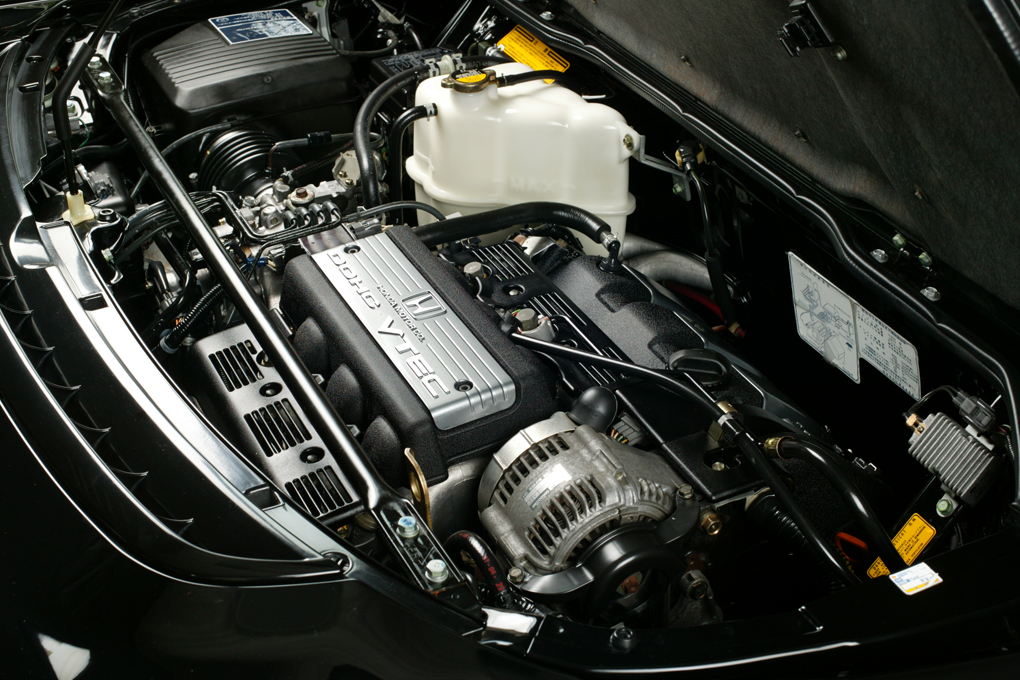 | Original NSX | 90-degree V6, DOHC | Integrated mid-engine design |
| 02 | 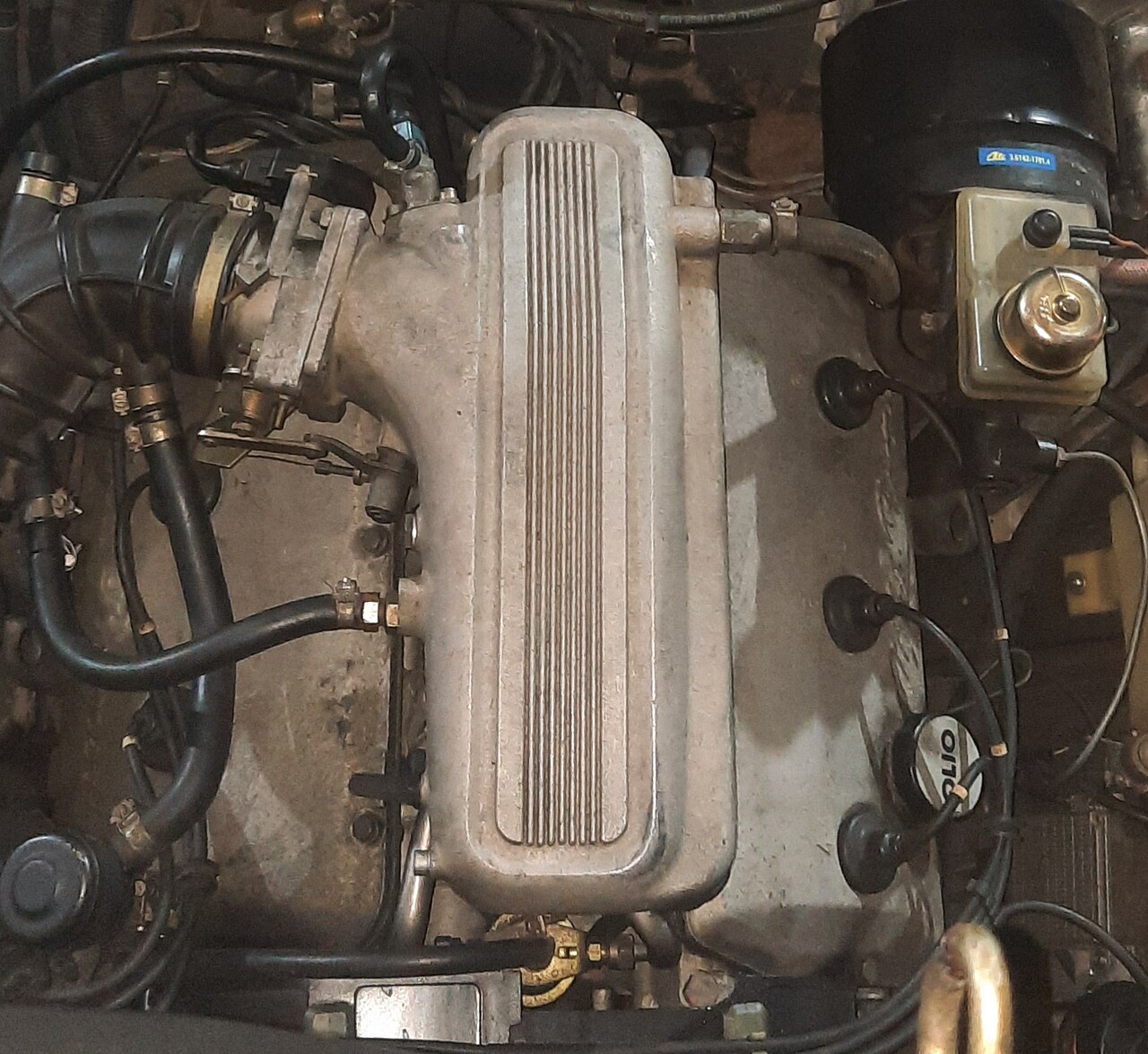 | GTV6 era | V6, SOHC | Enduring Alfa identity |
| 03 | 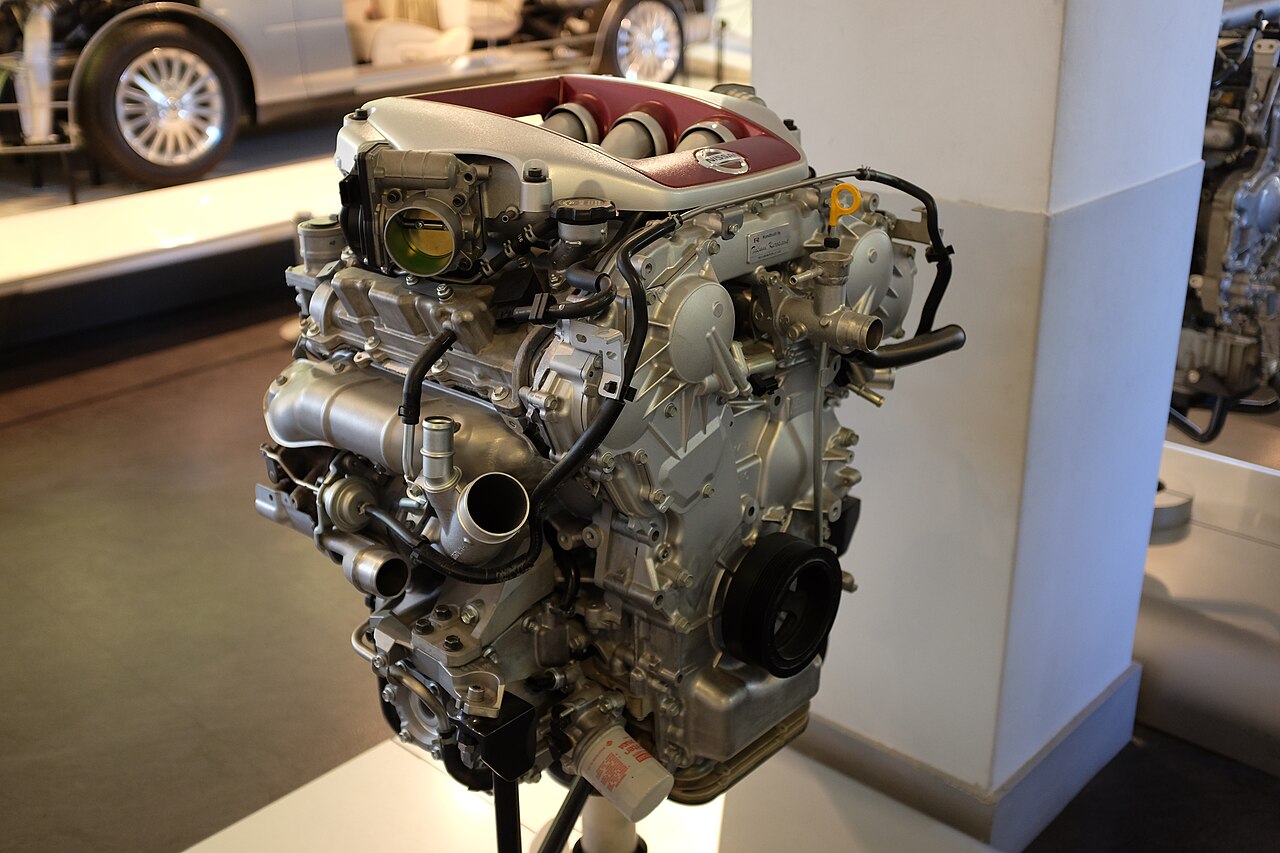 | R35 GT-R | V6, DOHC | Twin-turbo GT-R engine |
| 04 | Ferrari F163 3.0 V6296 GTB era | 296 GTB era | 120-degree V6, DOHC | Wide-angle hybrid architecture |
| 05 | 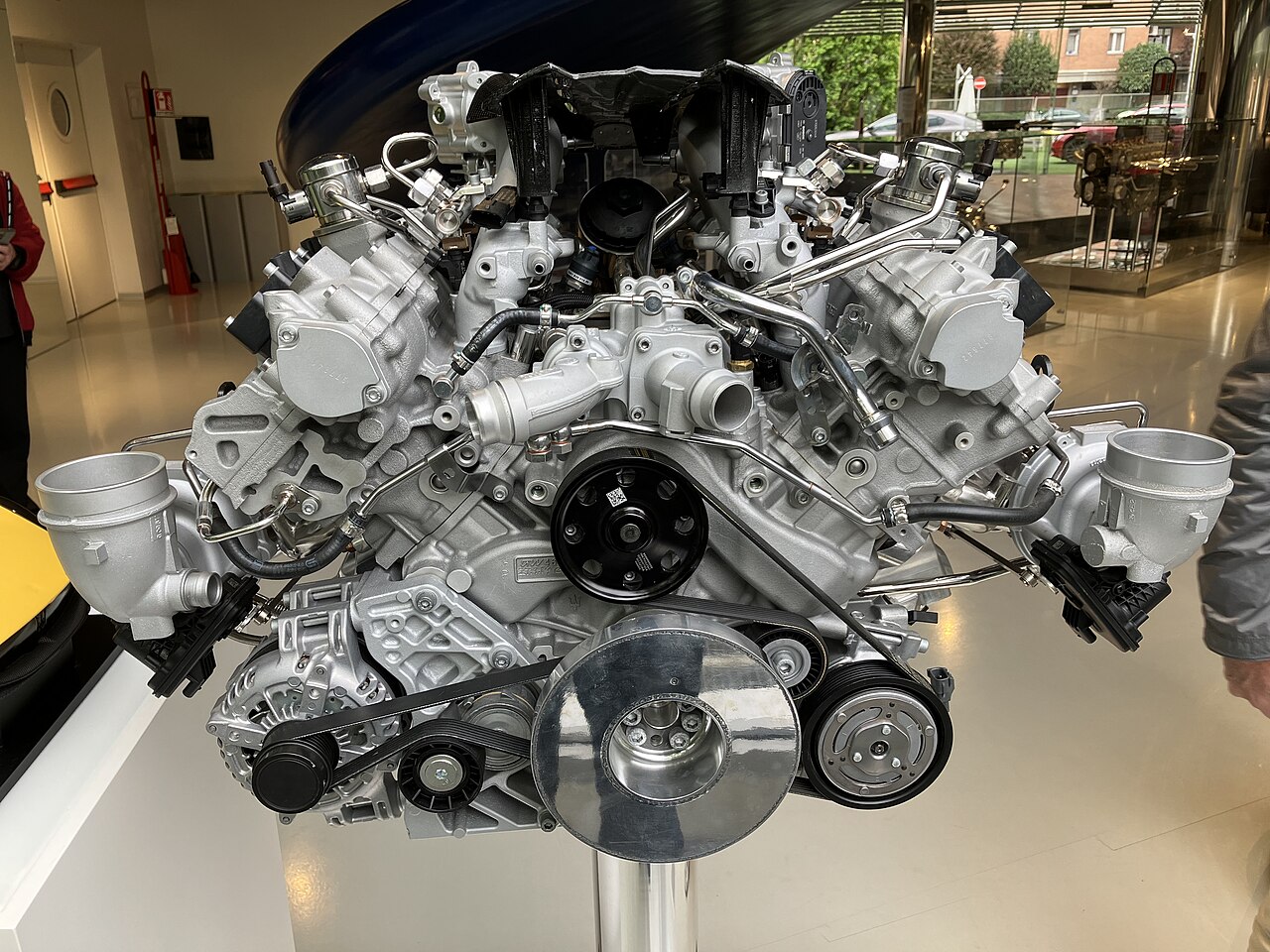 | MC20 era | 90-degree V6, DOHC | Pre-chamber combustion |
| 06 | Ford GT 3.5 EcoBoost V62017-generation GT | 2017-generation GT | V6, DOHC | Mid-engine EcoBoost |
| 07 | 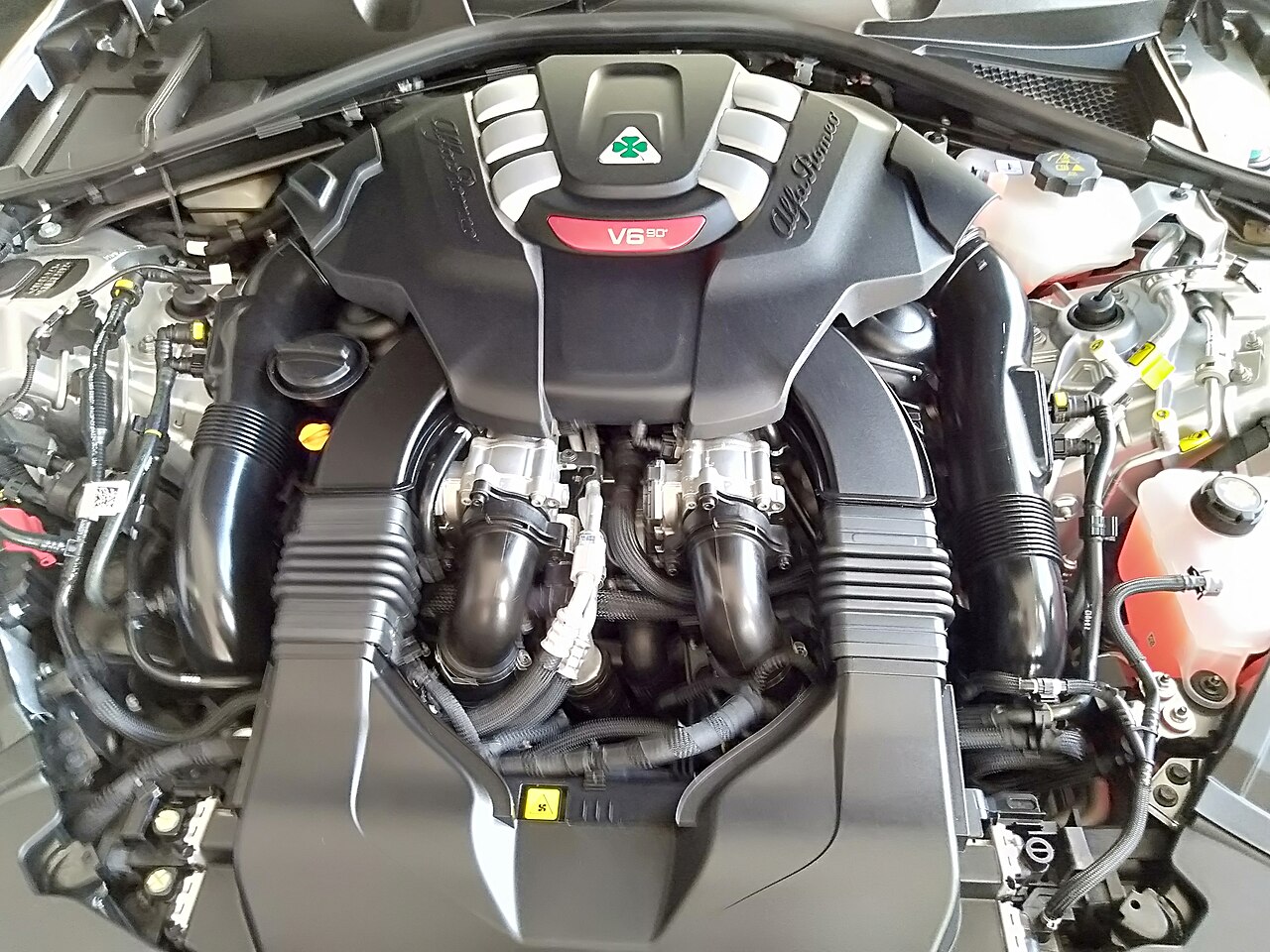 | Quadrifoglio era | V6, DOHC | Modern Alfa performance |
| 08 | 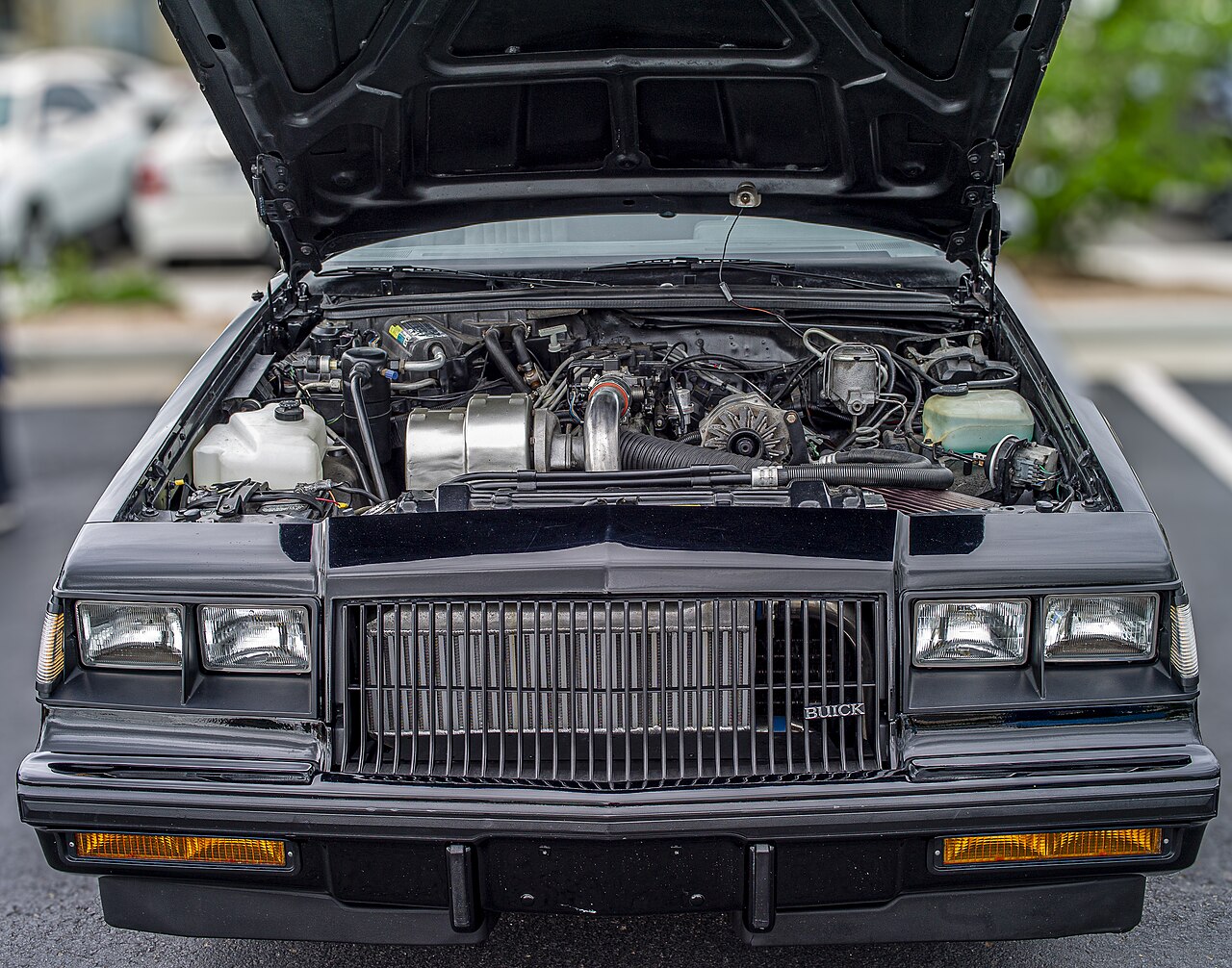 | Grand National era | V6, pushrod | American turbo performance |
| 09 | 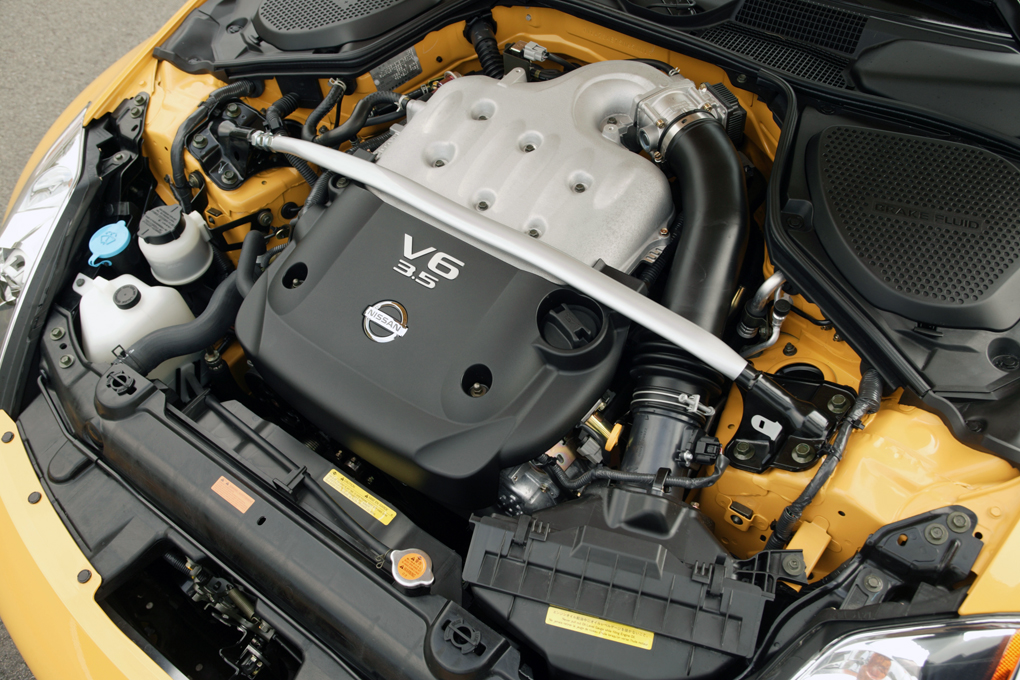 | Original 350Z | V6, DOHC | Naturally aspirated Z engine |
| 10 | 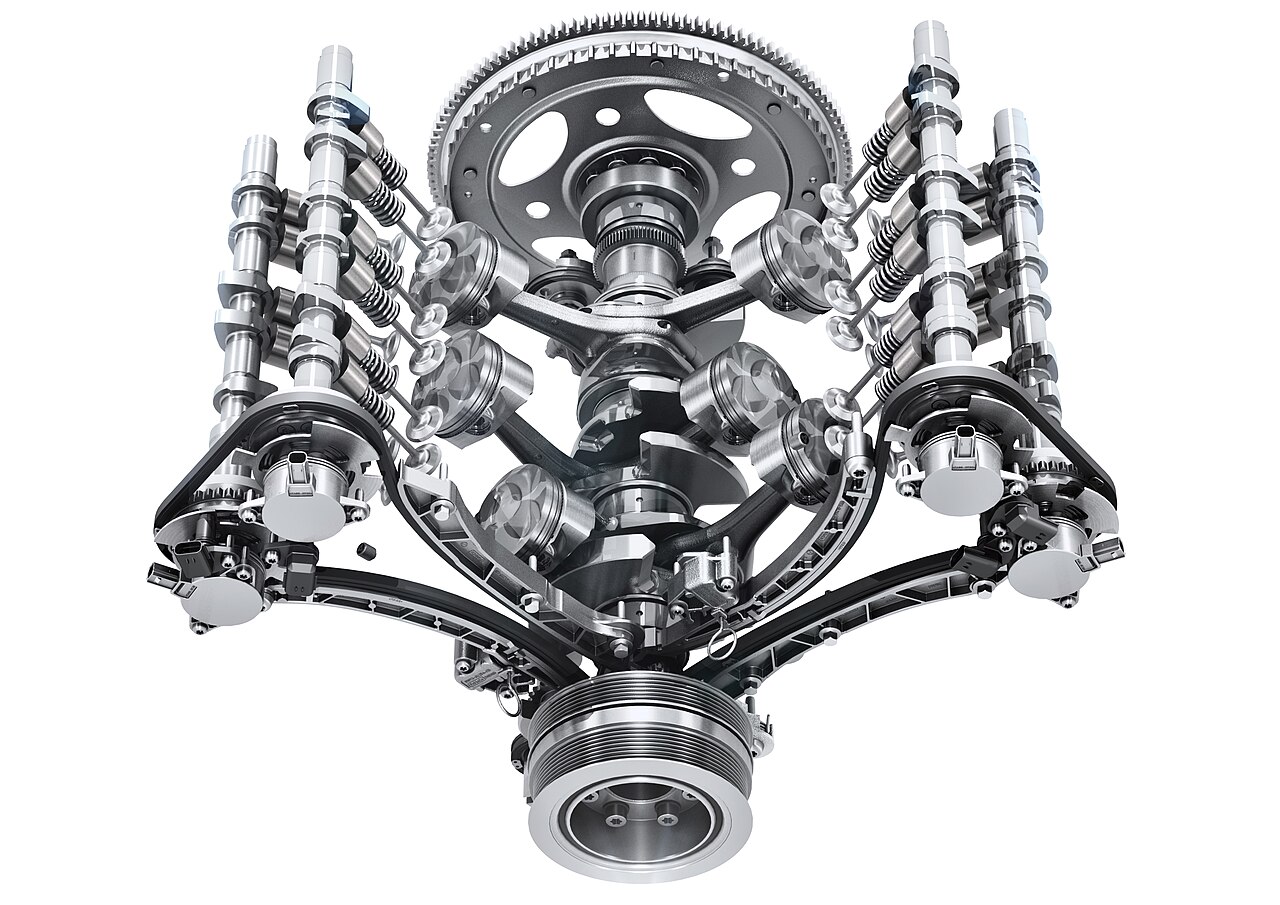 | Supercharged F-Type era | V6, DOHC | Supercharged sports-car engine |
No entries match your search.
The 10 Greatest V6 Engines: Entry Details
Honda C30A 3.0 V6
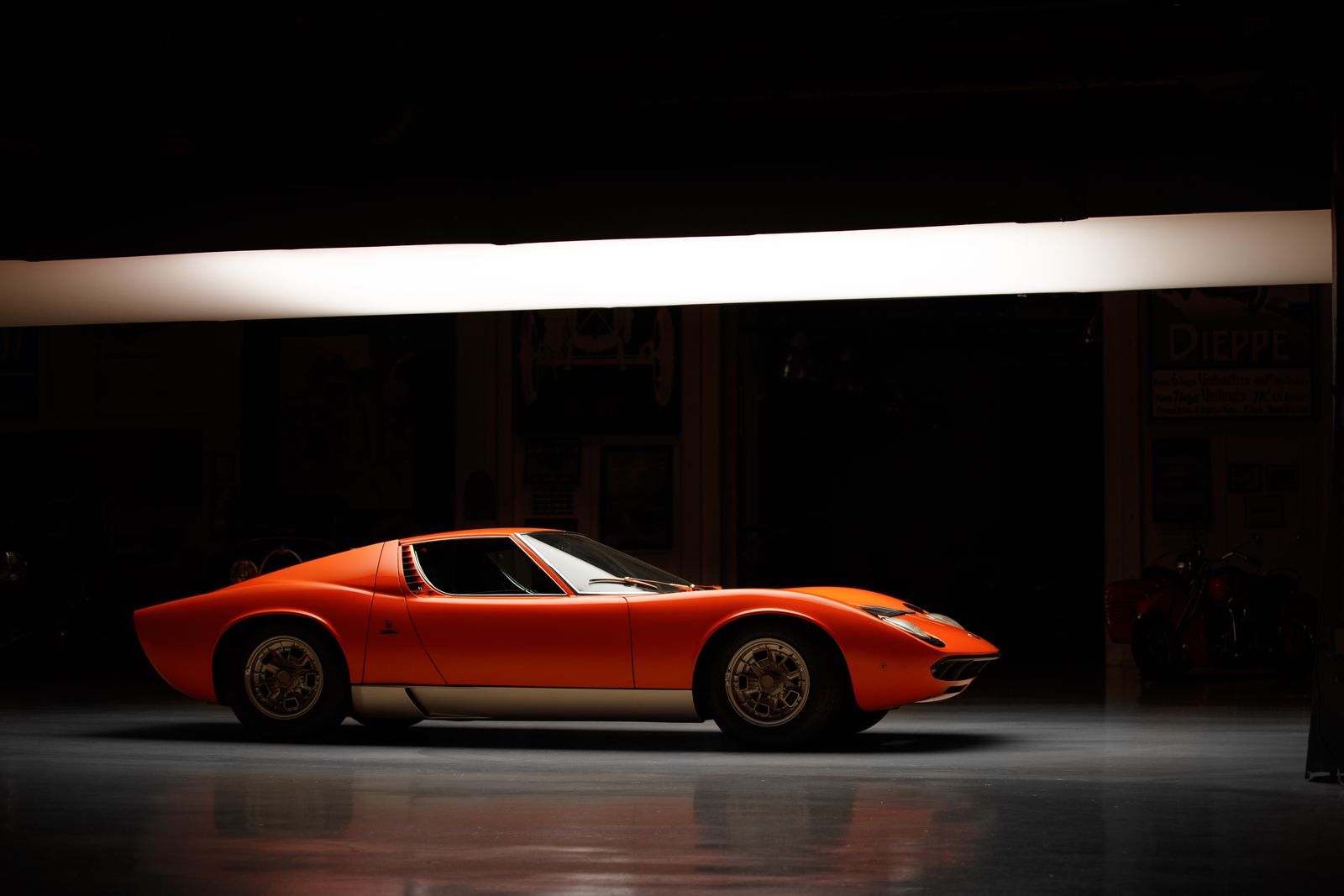
Original NSX · Integrated mid-engine designVTEC and carefully arranged firing intervals gave the NSX a sophisticated naturally aspirated V6. Its integration into a focused sports car earns first place.
- Layout
- 90-degree V6, DOHC
- Induction
- Naturally aspirated
- Application
- Original Honda NSX
Alfa Romeo Busso 2.5 V6
GTV6 era · Enduring Alfa identityThe Busso V6 gave Alfa Romeo’s sporting cars a recognisable mechanical centrepiece. The GTV6’s naturally aspirated 2.5-litre application captures that original character.
- Layout
- V6, SOHC
- Induction
- Naturally aspirated
- Application
- Alfa Romeo GTV6
Nissan VR38DETT 3.8 V6
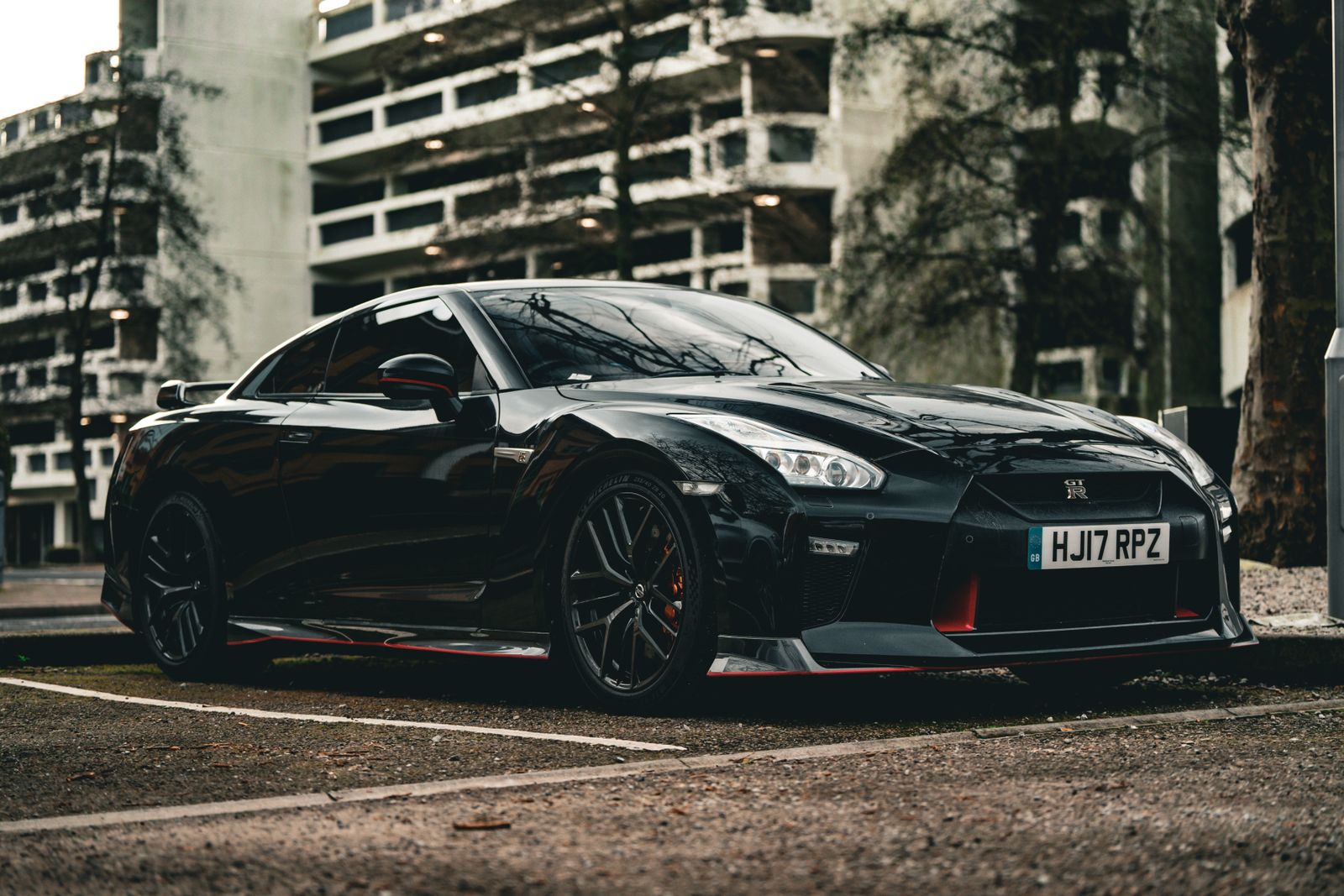
R35 GT-R · Twin-turbo GT-R engineA twin-turbo V6 replaced the earlier Skyline GT-R’s inline-six in the R35. It became part of a purpose-built all-wheel-drive performance system.
- Layout
- V6, DOHC
- Induction
- Twin turbochargers
- Application
- Nissan GT-R R35
Ferrari F163 3.0 V6
296 GTB era · Wide-angle hybrid architectureA 120-degree V places the turbochargers inside the cylinder banks. The engine works with electric assistance to give the 296 a compact, distinctive hybrid powertrain.
- Layout
- 120-degree V6, DOHC
- Induction
- Twin turbochargers
- Application
- Ferrari 296 GTB
Maserati Nettuno 3.0 V6
MC20 era · Pre-chamber combustionPre-chamber combustion gives Nettuno a specific engineering identity. Its twin-turbo, dry-sump layout suits Maserati’s mid-engine MC20 sports car.
- Layout
- 90-degree V6, DOHC
- Induction
- Twin turbochargers
- Application
- Maserati MC20
Ford GT 3.5 EcoBoost V6
2017-generation GT · Mid-engine EcoBoostThe later Ford GT uses a twin-turbo V6 with dry-sump lubrication. Its focused sports-car installation differs substantially from the earlier GT’s supercharged V8.
- Layout
- V6, DOHC
- Induction
- Twin turbochargers
- Application
- 2017-generation Ford GT
Alfa Romeo Giulia 2.9 V6
Quadrifoglio era · Modern Alfa performanceA twin-turbo aluminium V6 gave the Giulia Quadrifoglio a strong performance identity. Its rear-drive saloon installation is a different brief from the Busso-powered GTV6.
- Layout
- V6, DOHC
- Induction
- Twin turbochargers
- Application
- Giulia Quadrifoglio
Buick 3.8 Turbo V6
Grand National era · American turbo performanceBuick made a turbocharged pushrod V6 central to the Grand National. Its appeal comes from an unusual performance-car combination rather than copying the V8 muscle-car formula.
- Layout
- V6, pushrod
- Induction
- Single turbocharger
- Application
- Buick Grand National
Nissan VQ35DE 3.5 V6
Original 350Z · Naturally aspirated Z engineThe VQ35DE provided the original 350Z with a naturally aspirated six-cylinder centrepiece. It represents a simpler induction approach than the later GT-R engine.
- Layout
- V6, DOHC
- Induction
- Naturally aspirated
- Application
- Nissan 350Z
Jaguar AJ126 3.0 V6
Supercharged F-Type era · Supercharged sports-car engineA mechanically driven supercharger gave Jaguar’s V6 a distinct route to performance. Its F-Type application shows how six cylinders could underpin a front-engine sports car.
- Layout
- V6, DOHC
- Induction
- Mechanical supercharger
- Application
- Jaguar F-Type V6
The 10 Greatest V6 Engines: Analysis
C30A Made the NSX a Complete Engineering Idea
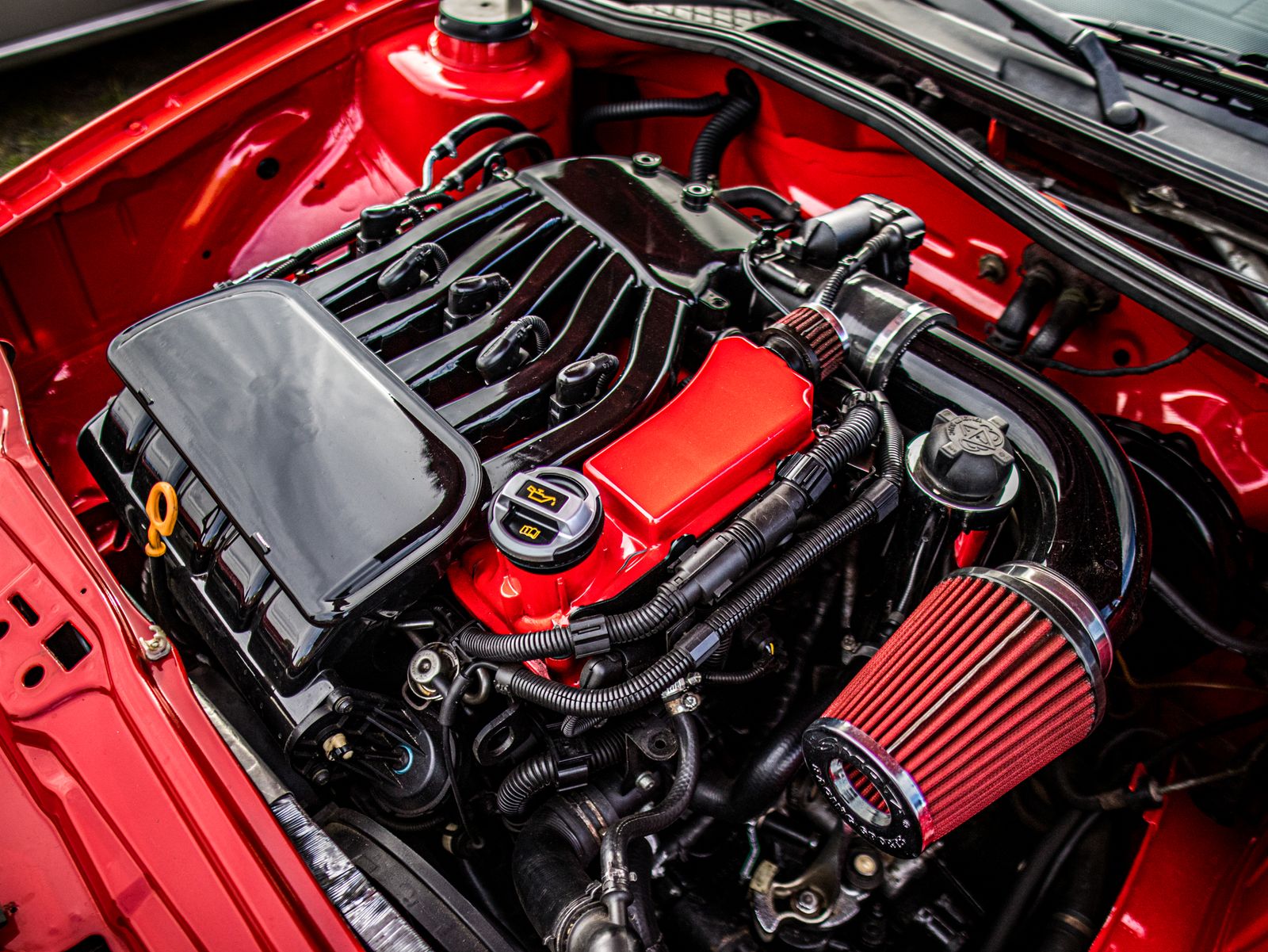
The C30A’s 90-degree layout uses offset crankpins for evenly spaced firing, while VTEC changes the valve-operating profile. Those details explain its importance more clearly than a peak output alone. The Honda engine deserves first place because its architecture and response were part of a coherent sports-car project.
Busso and Buick Gave the V6 a Strong Identity
Alfa Romeo’s Busso family linked a recognisable aluminium V6 to successive sporting models. The selected 2.5-litre GTV6 application keeps the original two-valve character clear. Buick’s turbocharged 3.8 instead placed a pushrod V6 in the Grand National, creating an American performance identity well outside the traditional V8 formula.
Ferrari and Maserati Changed the Combustion Brief
Ferrari F163 places its turbochargers inside a wide 120-degree V and works with electric assistance in the 296. Maserati Nettuno uses pre-chamber combustion in a 3.0-litre twin-turbo engine. These are distinct solutions, with the Ferrari hybrid system’s combined power belonging to the whole drivetrain rather than to the V6 alone.
Different V6 Packages Served Different Sports Cars
VR38 works with the GT-R’s all-wheel-drive system, whereas VQ35DE provides the naturally aspirated centrepiece of the 350Z. The later Ford GT uses a dry-sump 3.5-litre EcoBoost in a mid-engine body. Jaguar’s mechanically supercharged V6 and Giulia Quadrifoglio’s twin-turbo unit complete the range of induction approaches.
Our verdict
Our verdict
C30A is the most complete V6 sports-car idea here, with Busso the strongest historical alternative. F163 and Nettuno offer the most distinctive modern combustion and packaging approaches.
Strengths
- Integrated naturally aspirated sports-car designs
- Distinct turbo and supercharger layouts
- Identifiable modern combustion ideas
Things to consider
- Hybrid packaging adds drivetrain complexity
- Busso and modern Alfa V6s are separate designs
FAQ: The 10 Greatest V6 Engines
How did VTEC work in the original NSX?
VTEC changed the valve-operating profile between lower and higher engine speeds. In the C30A it helped a naturally aspirated V6 combine ordinary road use with stronger high-speed breathing.
Is the Busso engine the same as Giulia’s V6?
No. The Busso family predates the modern Giulia Quadrifoglio by decades. The selected GTV6 engine is naturally aspirated, while the Giulia’s 2.9-litre V6 uses two turbochargers.
Why is Ferrari’s F163 cylinder angle unusual?
Its 120-degree V provides space for the turbochargers between the banks. That wide arrangement is part of the 296’s engine packaging and hybrid sports-car design.
What makes Maserati Nettuno different?
Nettuno uses a pre-chamber combustion system alongside twin turbochargers and dry-sump lubrication. The pre-chamber allows combustion to begin in a small chamber before igniting the main cylinder charge.
Did both generations of Ford GT use a V6?
No. The 2000s Ford GT used a supercharged V8. The later car introduced for the 2017 generation uses a twin-turbo 3.5-litre EcoBoost V6.
Sources & methodology
Manufacturer technical releases and original model records establish the named petrol V6 designs. Editorial order weighs integration into the host car, distinctive architecture and historical identity rather than output or reliability.
Maintained by Artsiom Dusau, a software engineer and BMW 4 Series owner. Editorial policy
View sources (10)
- Honda C30A technical history
- Alfa Romeo Busso history
- Nissan original R35 GT-R record
- Ferrari original 296 GTB technical release
- Maserati Nettuno introduction
- Ford GT original technical specifications
- Giulia Quadrifoglio original introduction
- Buick original 1987 Regal and Grand National MVMA specifications
- Nissan original 350Z press kit
- Jaguar original F-Type V6 model context