
Short answer
The 5.0-litre Coyote ranks first for renewing Ford’s naturally aspirated V8 with modern valve control and a lasting Mustang role. The 1932 Flathead is the strongest historical alternative because it brought V8 performance into a much broader market.
- Selection
- Seven Ford V8 engine designs
- Historical anchor
- 1932 Ford V8
- Modern reference
- Third-generation 5.0 Coyote
The 7 Best Engines Ford Ever Made at a Glance
| Rank | Engine | Era | Layout | Why it matters |
|---|---|---|---|---|
| 01 | 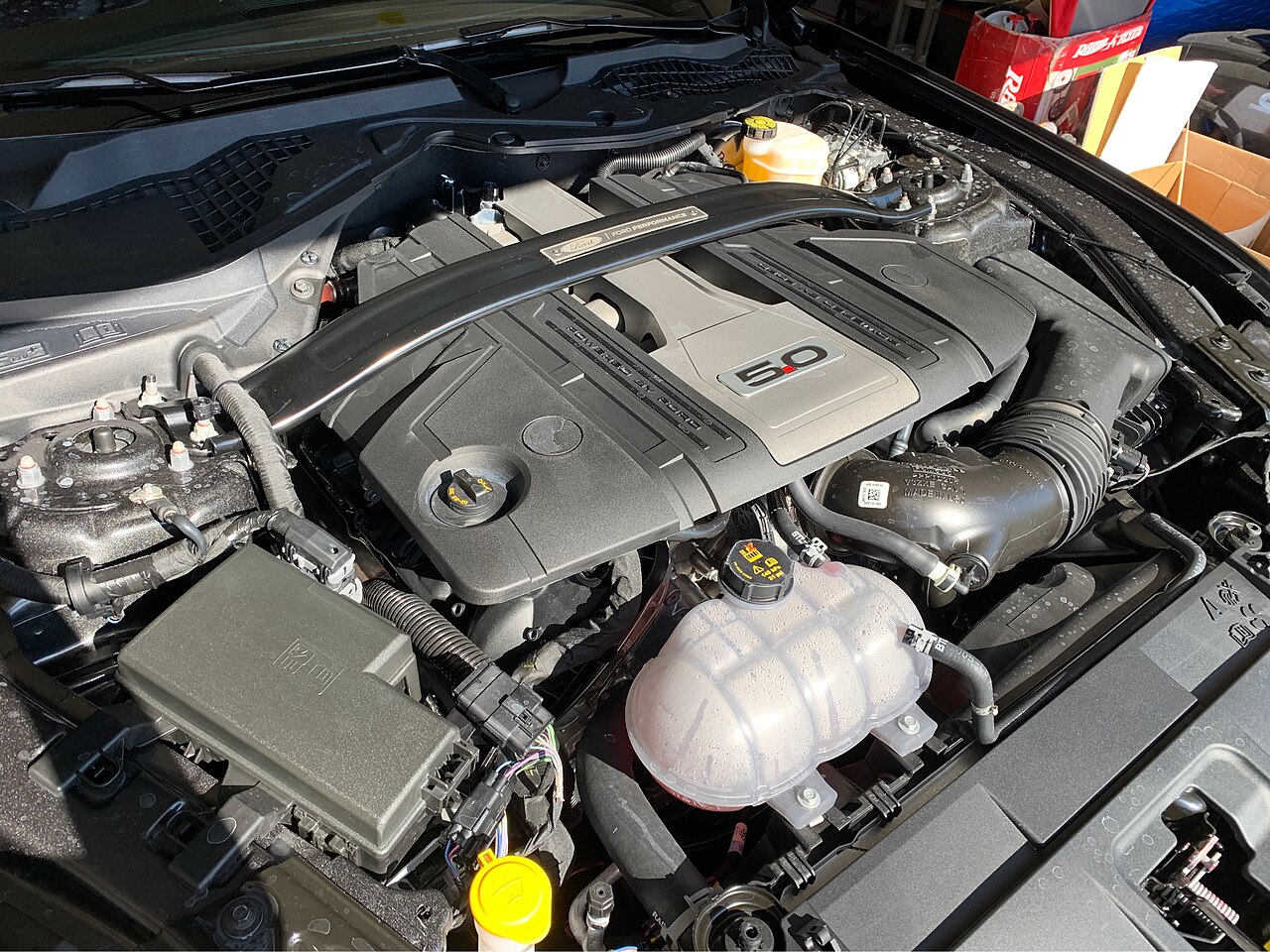 | 2018-generation Mustang | V8, DOHC | Modern Mustang V8 |
| 02 | 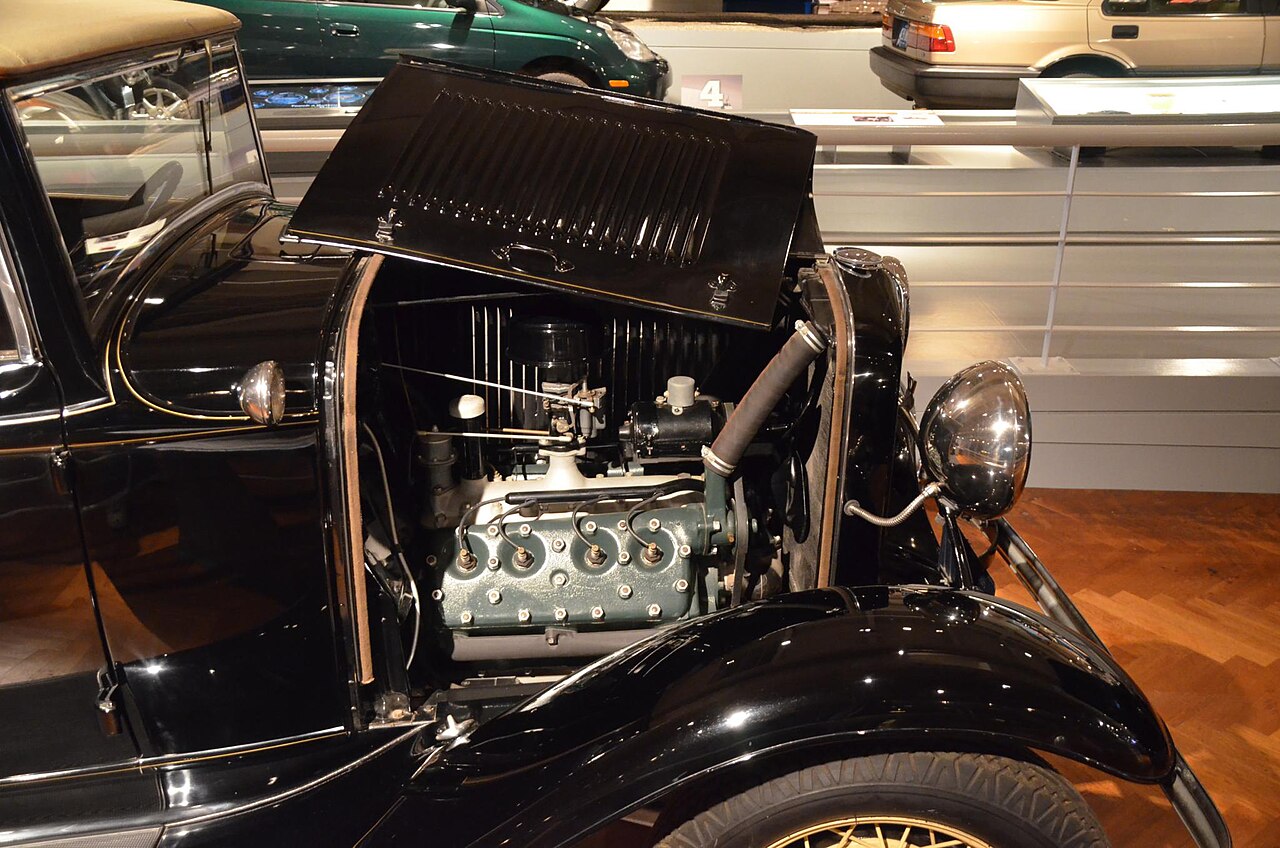 | Introduced 1932 | V8, side-valve | Accessible V8 landmark |
| 03 | 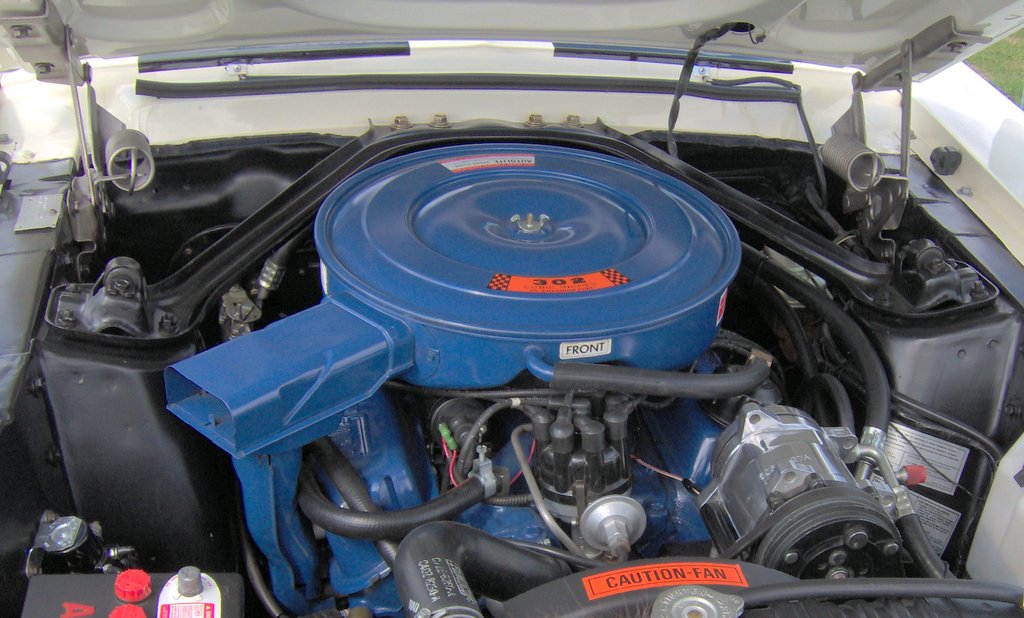 | Classic small-block era | V8, pushrod | Compact performance foundation |
| 04 | 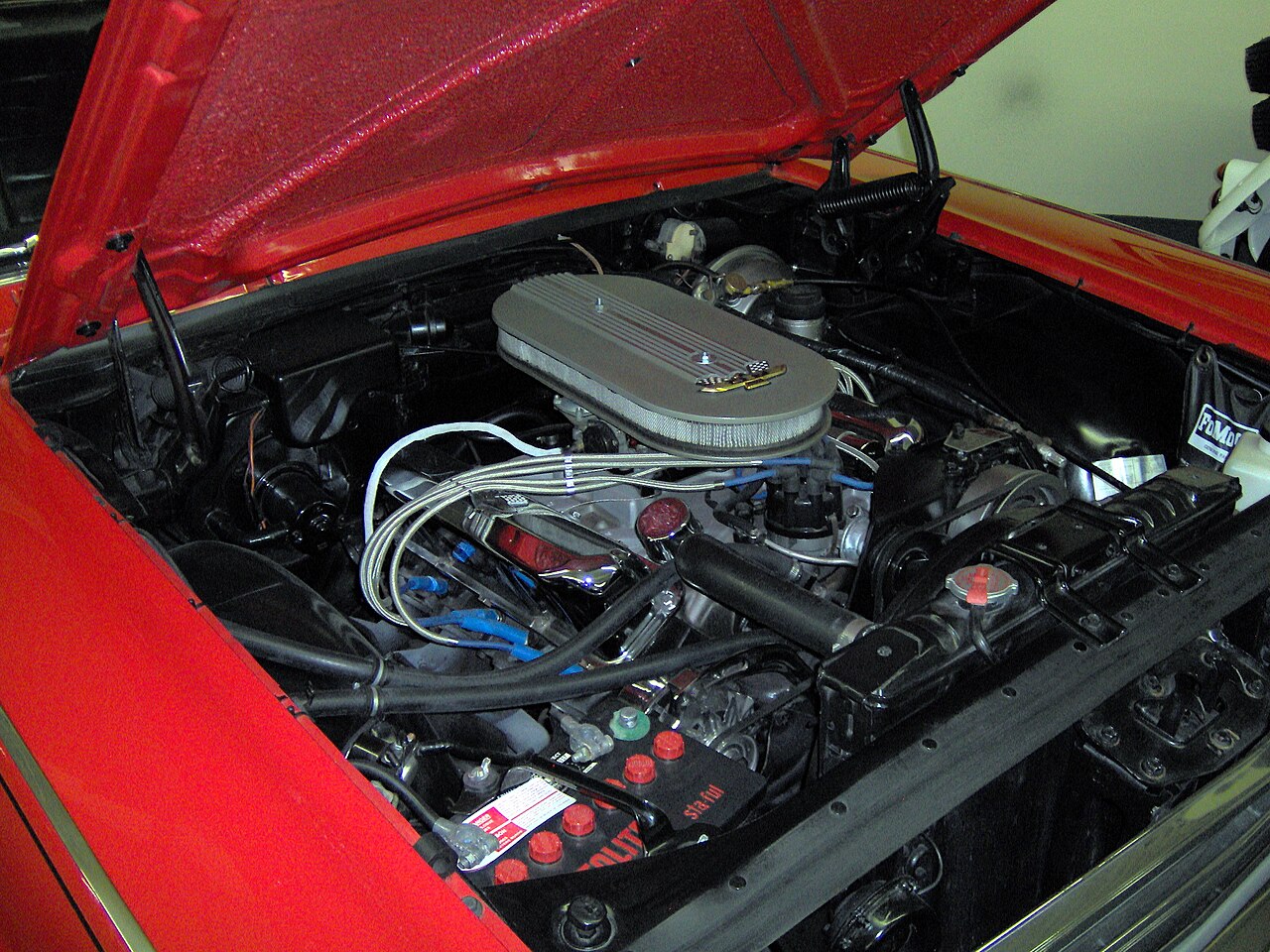 | 1960s | V8, pushrod | Competition-led big-block |
| 05 | 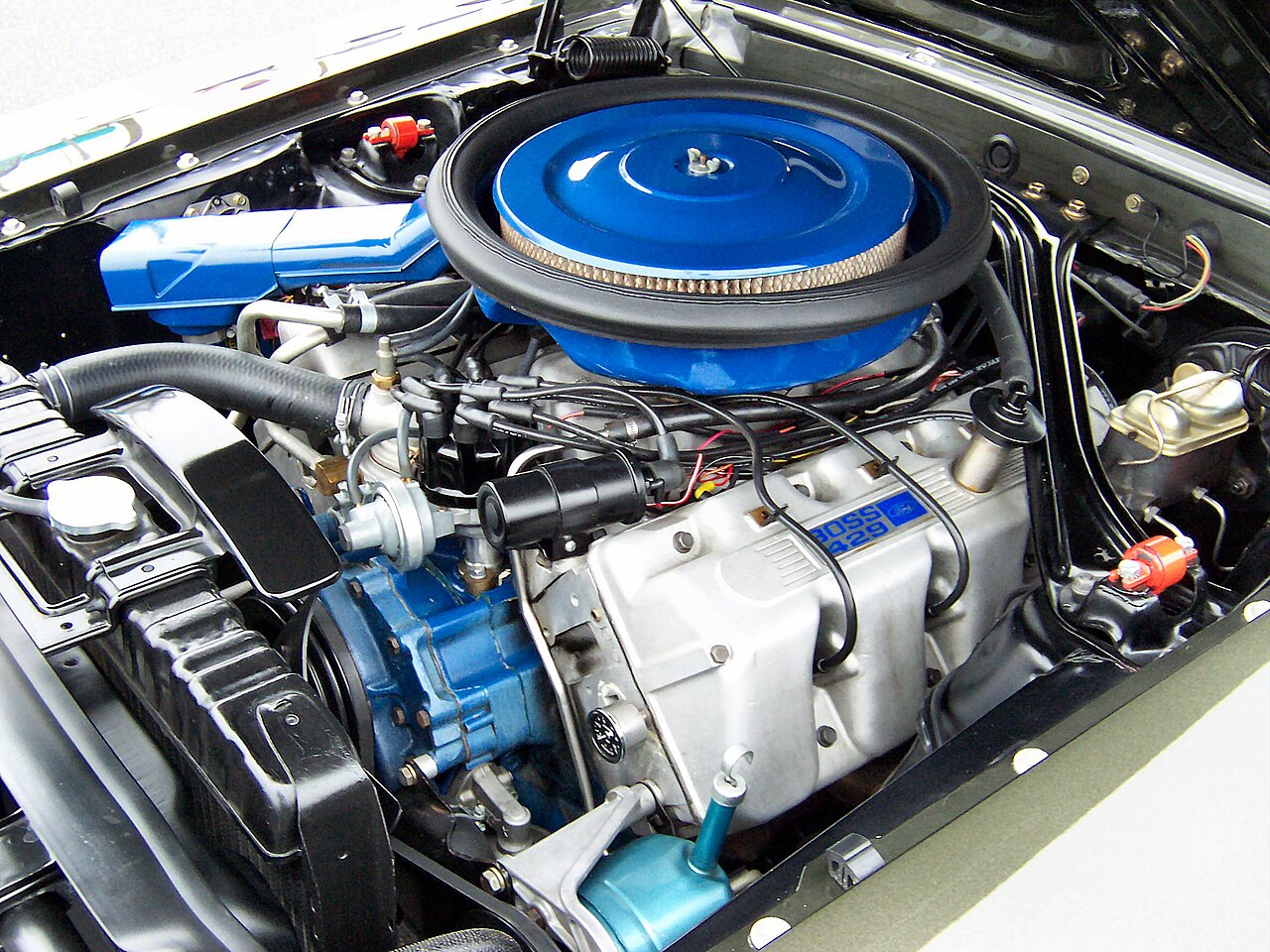 | Boss Mustang era | V8, pushrod | Specialised cylinder heads |
| 06 | 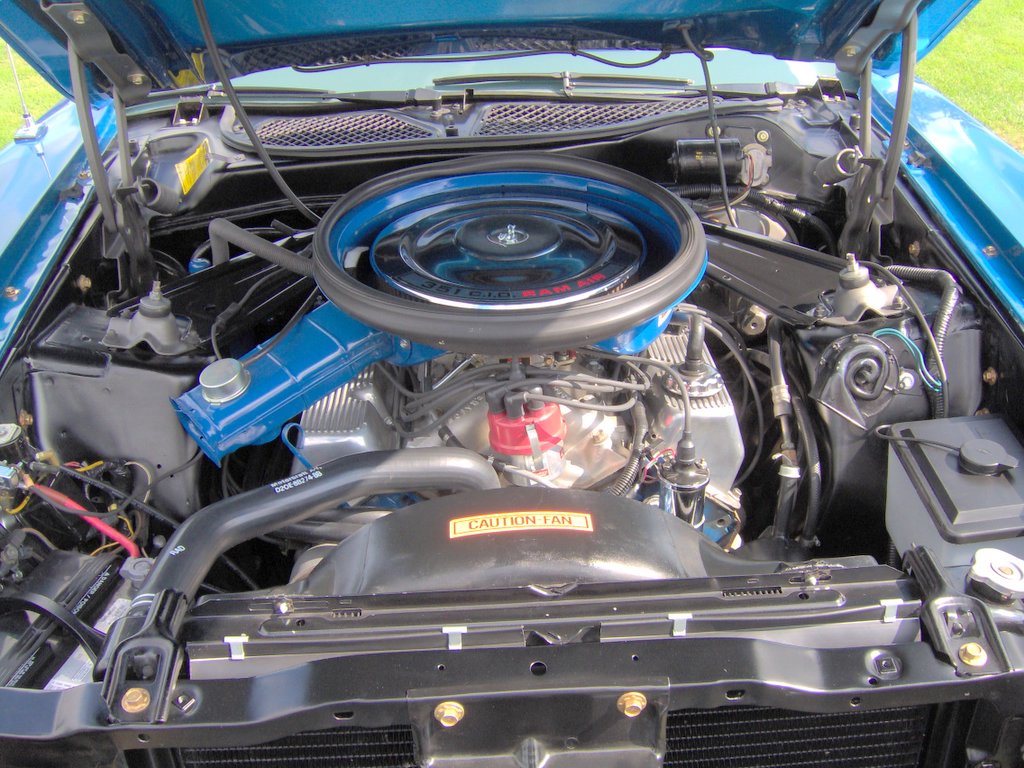 | 1970s | V8, pushrod | Distinct small-block airflow |
| 07 | 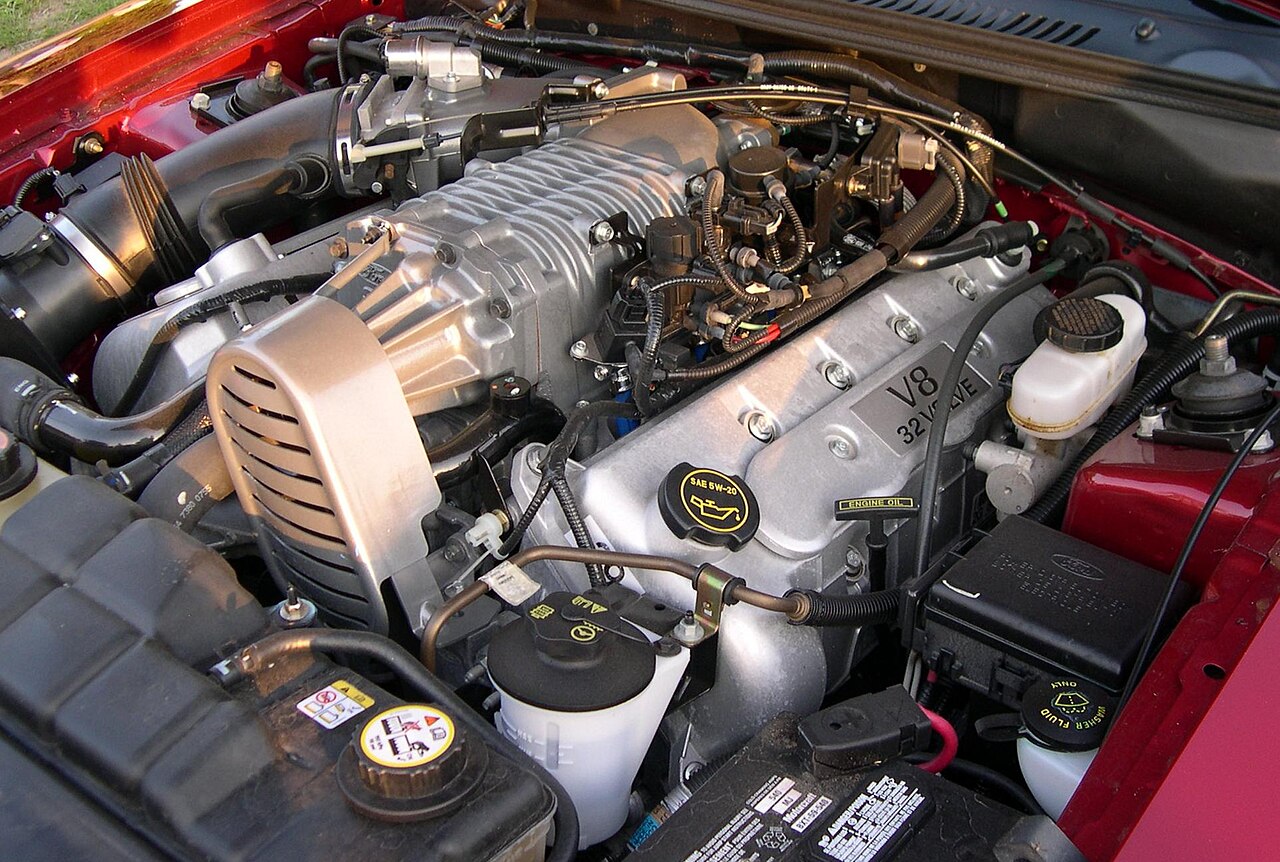 | 2003–2004 Cobra | V8, DOHC | Supercharged Modular performance |
No entries match your search.
The 7 Best Engines Ford Ever Made: Entry Details
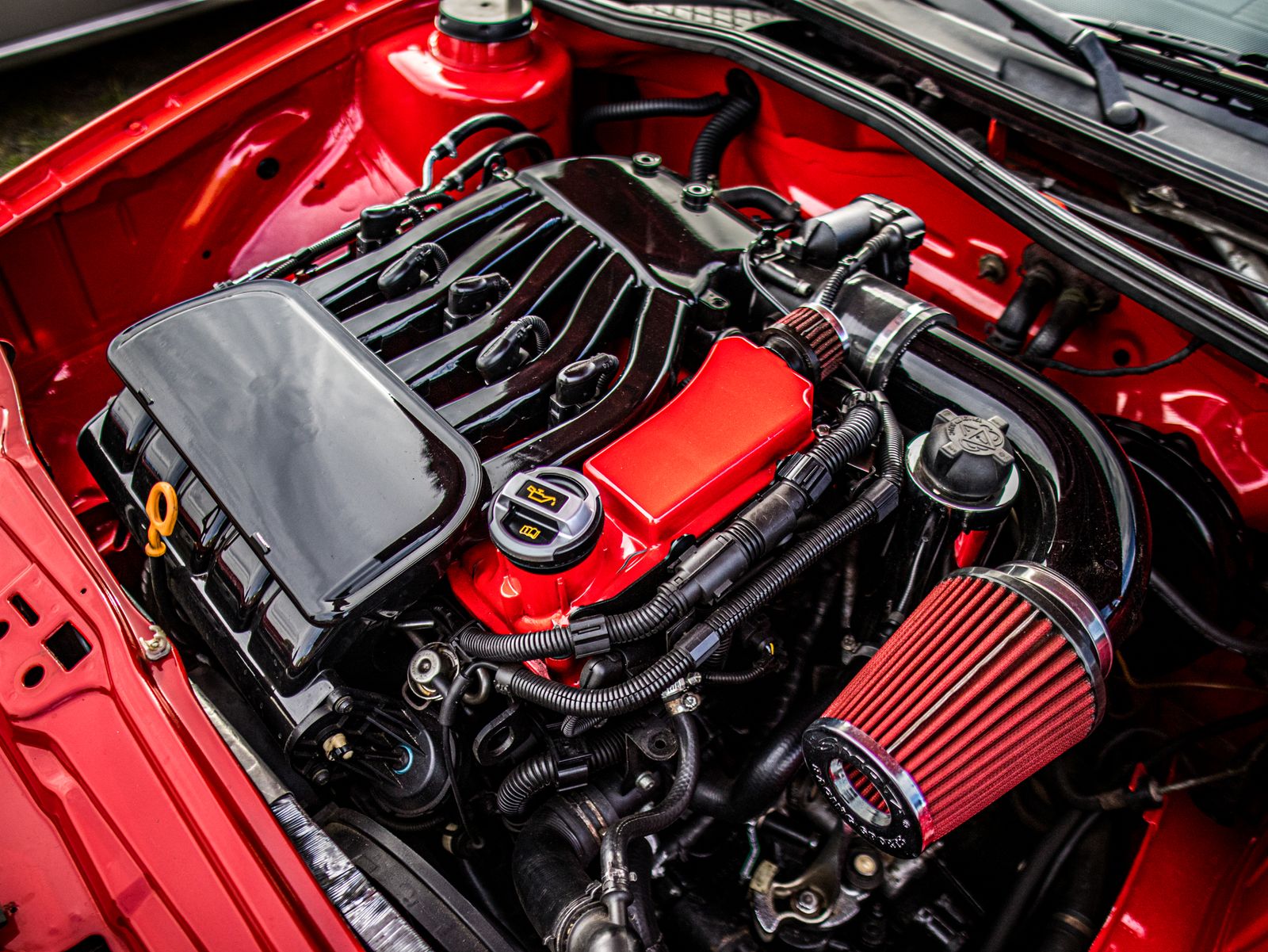
Ford Coyote 5.0 V8, Gen 3
2018-generation Mustang · Modern Mustang V8Four-valve heads and variable cam timing renewed Ford’s naturally aspirated V8. The third-generation engine gives the modern Mustang a strong mechanical identity.
- Layout
- V8, DOHC
- Induction
- Naturally aspirated
- Application
- Ford Mustang GT
Ford Flathead V8
Introduced 1932 · Accessible V8 landmarkThe side-valve V8 changed Ford’s ordinary road-car range. Its lasting performance-culture influence earns a place above more specialised racing engines.
- Layout
- V8, side-valve
- Induction
- Naturally aspirated
- Application
- Original Ford V8 range
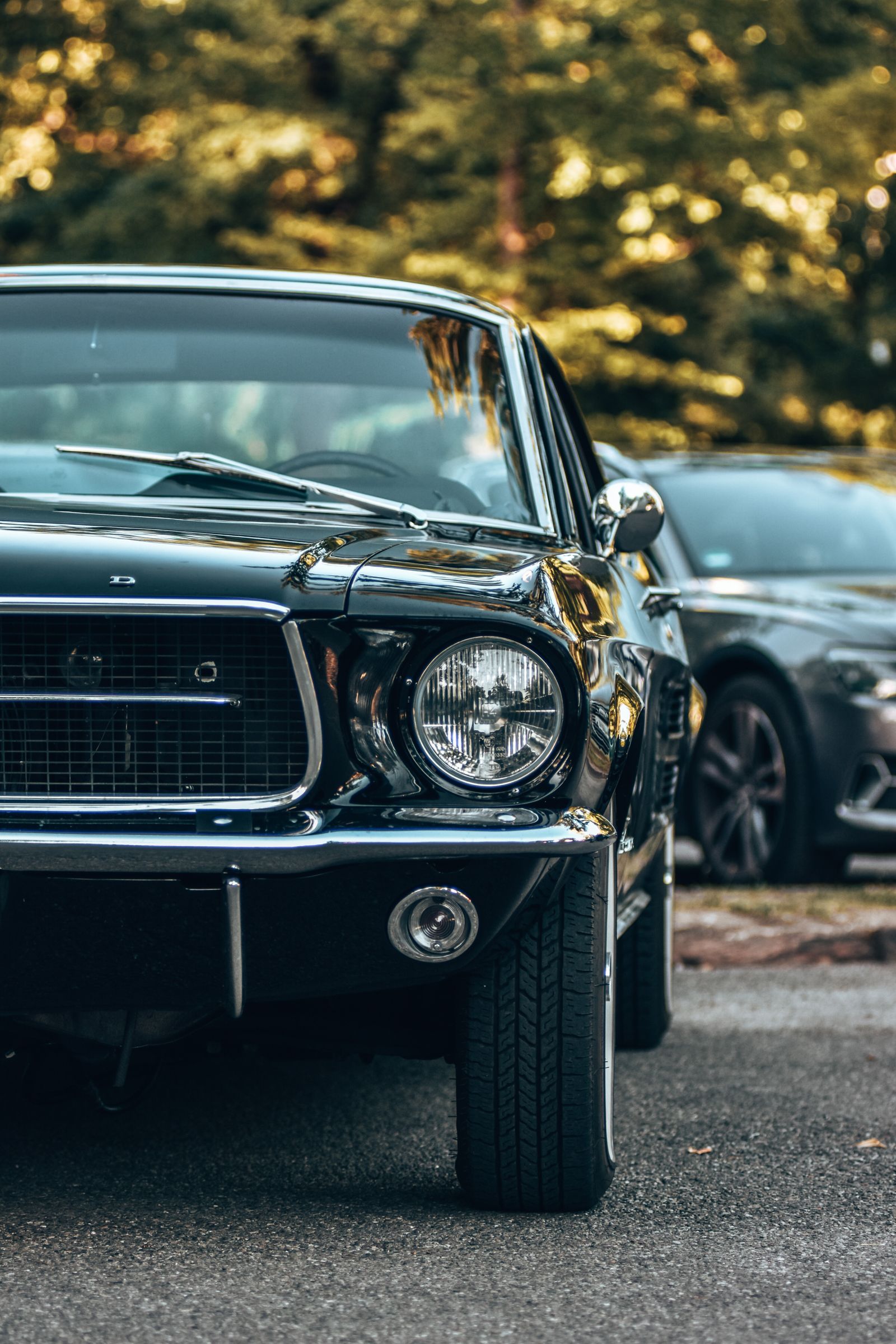
Ford 302 small-block V8
Classic small-block era · Compact performance foundationThe 302 combined a compact pushrod layout with a broad road-car role. Its Mustang association makes it a defining Ford performance engine.
- Layout
- V8, pushrod
- Induction
- Naturally aspirated
- Application
- Classic Ford Mustang
Ford 427 FE V8
1960s · Competition-led big-blockThe 427 gave the FE family a focused performance identity. Its significance comes from the large Ford V8’s competition role and recognisable road-car applications.
- Layout
- V8, pushrod
- Induction
- Naturally aspirated
- Application
- Ford FE performance applications
Ford Boss 429 V8
Boss Mustang era · Specialised cylinder headsBoss 429’s unusual head architecture gave it a clear identity within Ford’s big-block story. Its racing-led purpose makes it more than another displacement variant.
- Layout
- V8, pushrod
- Induction
- Naturally aspirated
- Application
- Boss 429 Mustang
Ford 351 Cleveland V8
1970s · Distinct small-block airflowThe Cleveland’s different cylinder-head approach separates it from the Windsor small-block. Its Mustang applications make that engineering distinction visible in familiar road cars.
- Layout
- V8, pushrod
- Induction
- Naturally aspirated
- Application
- Ford Mustang 351 Cleveland
Ford 4.6 supercharged Cobra V8
2003–2004 Cobra · Supercharged Modular performanceThe 2003 Cobra combined a four-valve Modular V8 with an Eaton supercharger. It gave the familiar Mustang body a distinct factory performance package.
- Layout
- V8, DOHC
- Induction
- Mechanical supercharger
- Application
- SVT Mustang Cobra
The 7 Best Engines Ford Ever Made: Analysis
Coyote Renewed the Mustang’s V8 Identity
Coyote’s four overhead camshafts and variable timing give the Ford Mustang a modern naturally aspirated engine. The third-generation control documentation identifies a developed engine-management package rather than a renamed old small-block. That continuing road-car role earns first place over designs whose importance rests on a narrower competition programme.
Flathead Changed Who Could Own a V8
The original 1932 V8 put eight-cylinder power into the ordinary Ford range. Its side-valve layout is mechanically different from every overhead-valve engine here. Its importance lies in the broad change it brought to Ford road cars and their later performance culture, rather than in modern breathing efficiency.
302, Cleveland and FE Served Different Jobs
The compact 302 small-block became a recognisable road-car performance choice, while the 351 Cleveland used a different cylinder-head design. The 427 FE belongs to a larger engine family with a strong competition association. Treating all three as simply old Ford V8s hides the packaging and breathing decisions that give them separate identities.
Boss 429 and Cobra Used Different Routes to Power
Boss 429’s distinctive cylinder heads were part of a racing-led engine programme. The 2003 Cobra instead put an Eaton supercharger above a four-valve 4.6-litre Modular V8. One pursues airflow through specialised head architecture, while the other adds a mechanically driven compressor to a developed road-engine family.
Our verdict
Our verdict
Coyote is the strongest complete modern Ford V8. Flathead leads on historical influence, while 427 FE and Boss 429 offer the clearest competition-led alternatives.
Strengths
- Accessible V8 heritage
- Different cylinder-head architectures
- Developed modern Mustang engine
Things to consider
- Side-valve breathing limits the early Flathead
- Boss 429 packaging is specialised
FAQ: The 7 Best Engines Ford Ever Made
What is a Ford Coyote engine?
Coyote is Ford’s 5.0-litre overhead-cam V8 family associated with the modern Mustang GT. The selected third-generation version uses four-valve heads and variable camshaft timing.
Why was the 1932 Flathead important?
Ford offered a V8 in its ordinary passenger-car range, broadening access to eight-cylinder power. Its simple side-valve architecture also became central to early American hot-rodding.
Are Windsor and Cleveland the same V8?
No. They are separate Ford engine families with different cylinder-head and block details. A 351 displacement label alone does not establish which design a car has.
What distinguishes the Boss 429?
Its specialised cylinder heads and racing-led development distinguish it from an ordinary Ford big-block. The Boss 429 Mustang belongs to that specific programme.
Which engine powered the 2003 Cobra?
The SVT Mustang Cobra used a supercharged 4.6-litre, four-valve Modular V8. It is a different specification from naturally aspirated Modular engines in other Mustangs.
Sources & methodology
Original Ford histories, specifications and control documentation establish the named V8 designs. Editorial order weighs road-car influence, competition significance and distinctive architecture rather than output or ownership costs.
Maintained by Artsiom Dusau, a software engineer and BMW 4 Series owner. Editorial policy