
Short answer
The 3.5-litre EcoBoost takes first place for its broad performance and truck role. The 2.7-litre EcoBoost follows for packaging that ability into a smaller engine, while Duratec, Cologne and the two separate Essex families explain the earlier Ford V6 story.
- Selection
- Seven distinct V6 families
- Leading induction
- Twin-turbo EcoBoost
- Essex distinction
- Separate British and Canadian designs
The 7 Best Ford V6 Engines at a Glance
| Rank | Engine | Era | Layout | Why it matters |
|---|---|---|---|---|
| 01 | 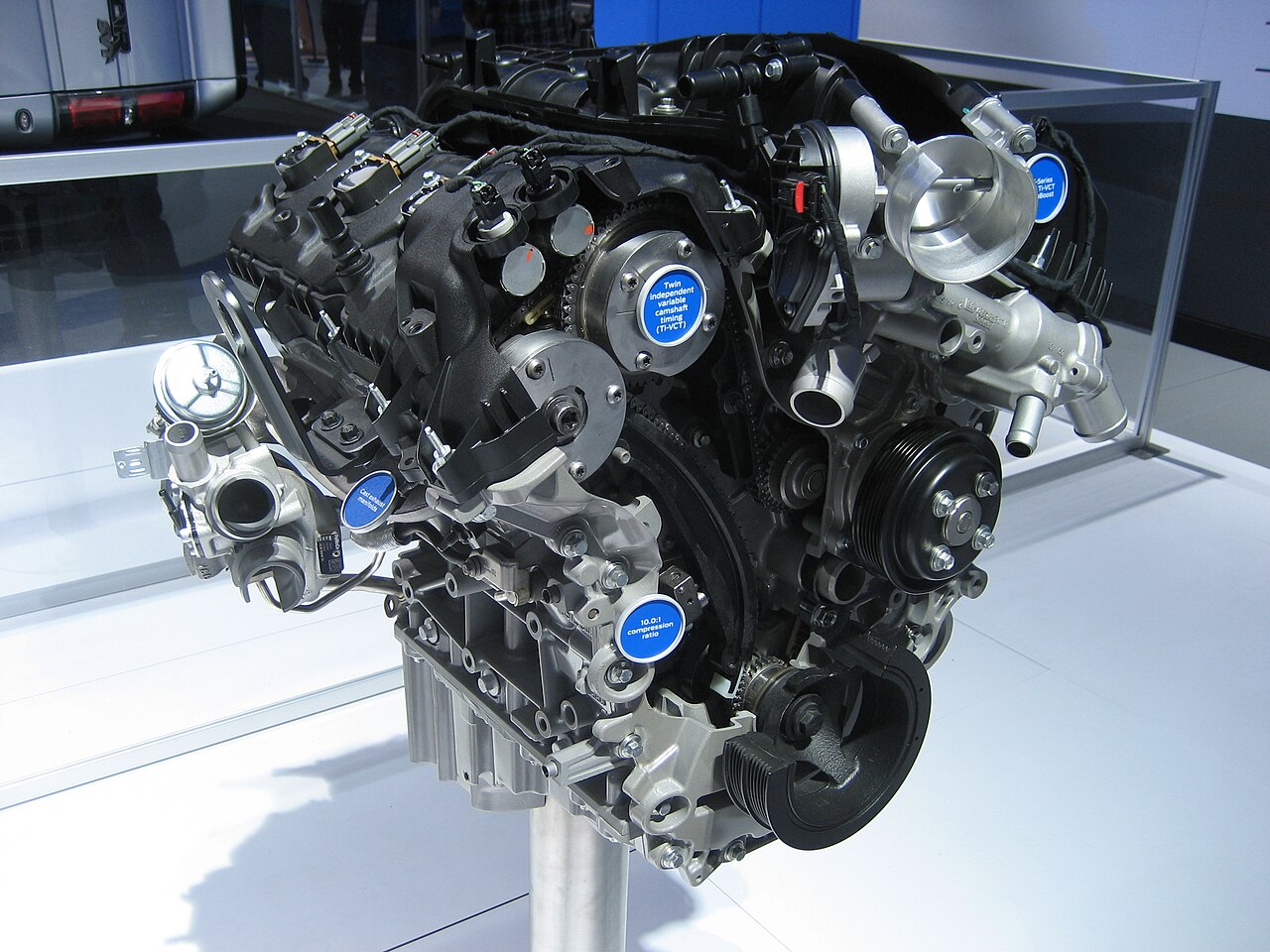 | EcoBoost generations | V6, DOHC | Broad performance and truck role |
| 02 | Ford 2.7 EcoBoost V6EcoBoost generations | EcoBoost generations | V6, DOHC | Compact turbo truck engine |
| 03 | 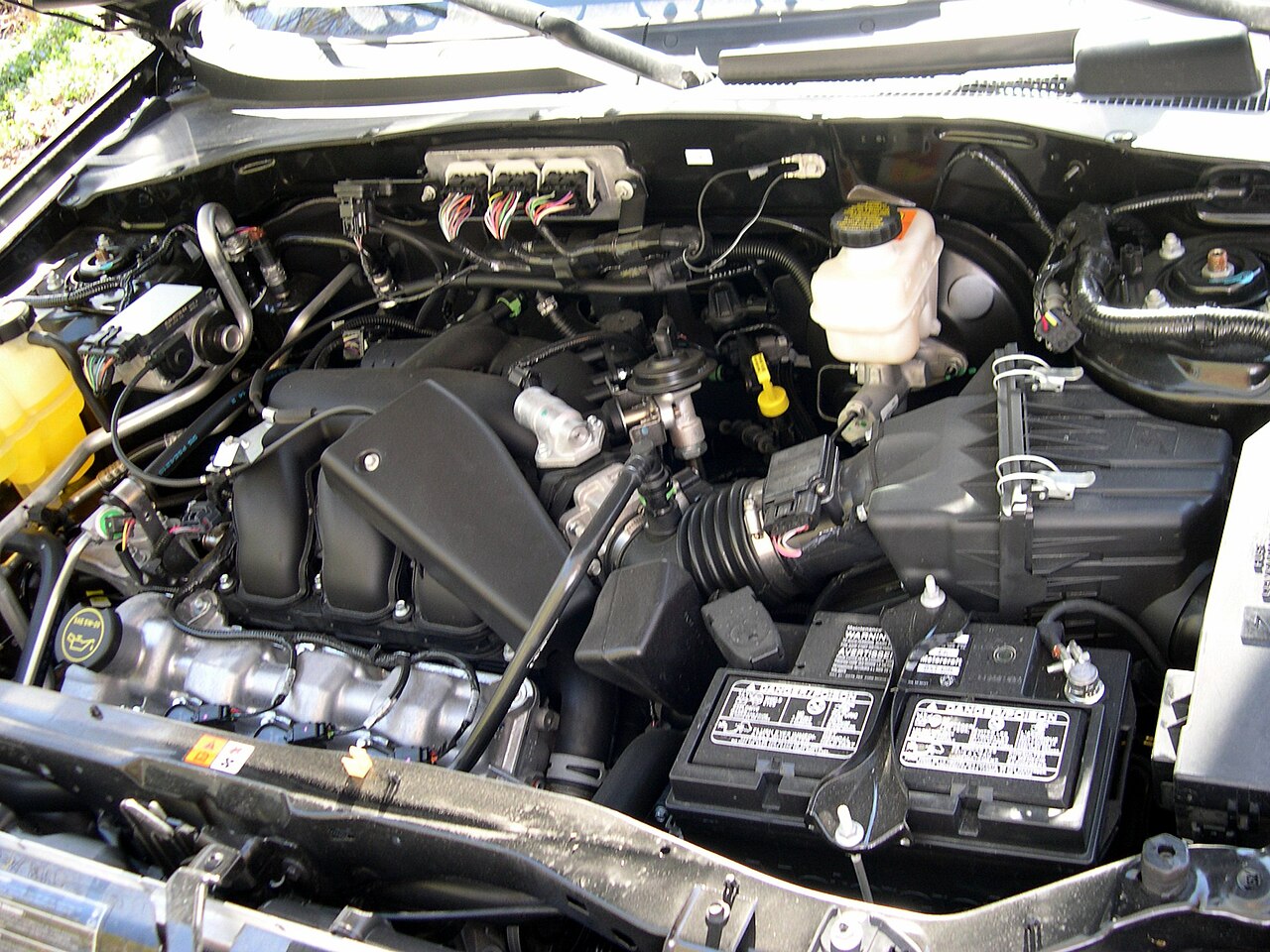 | Duratec era | V6, DOHC | Versatile overhead-cam V6 |
| 04 | 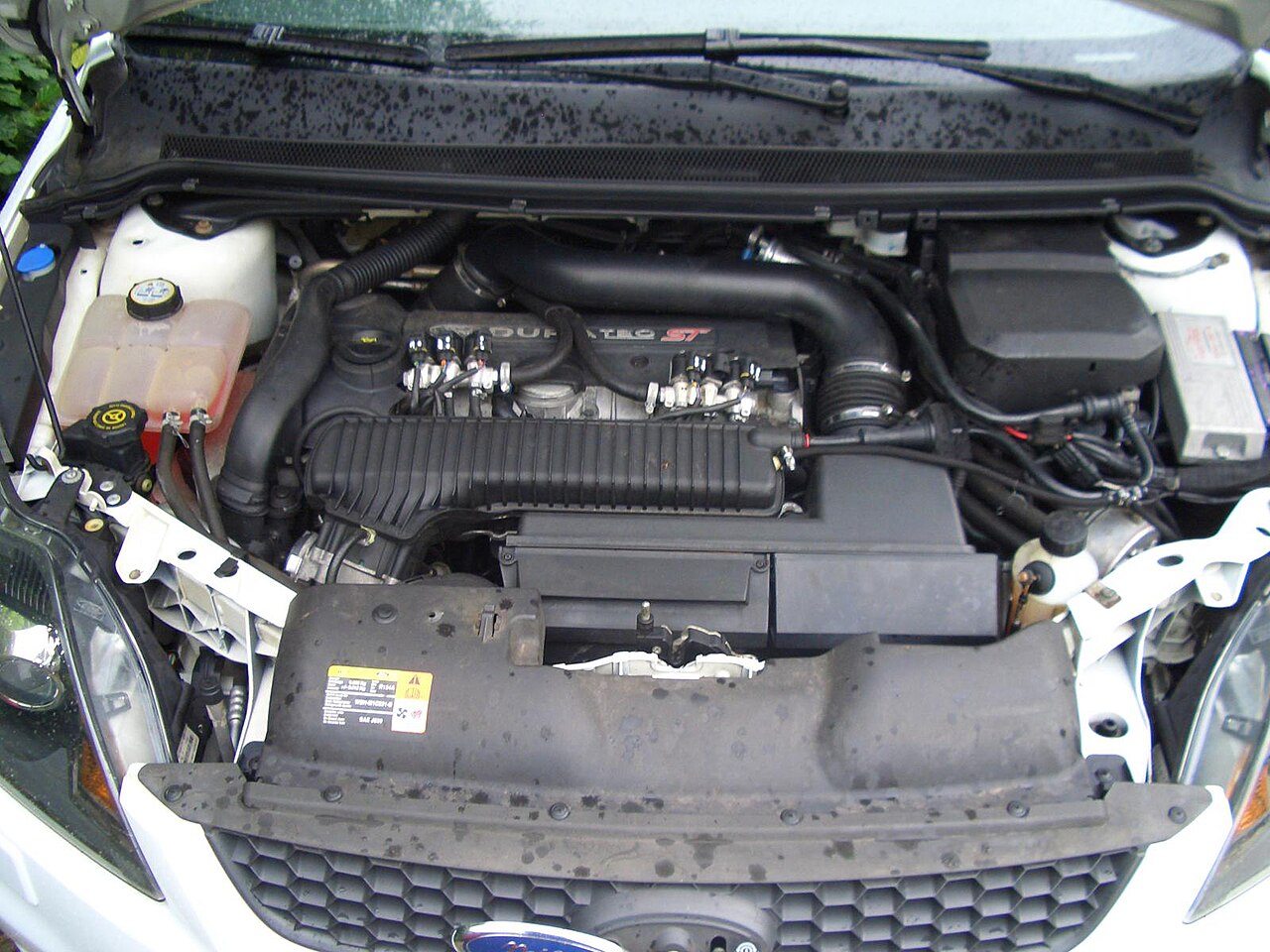 | Mondeo and Contour era | V6, DOHC | Compact multivalve road engine |
| 05 | 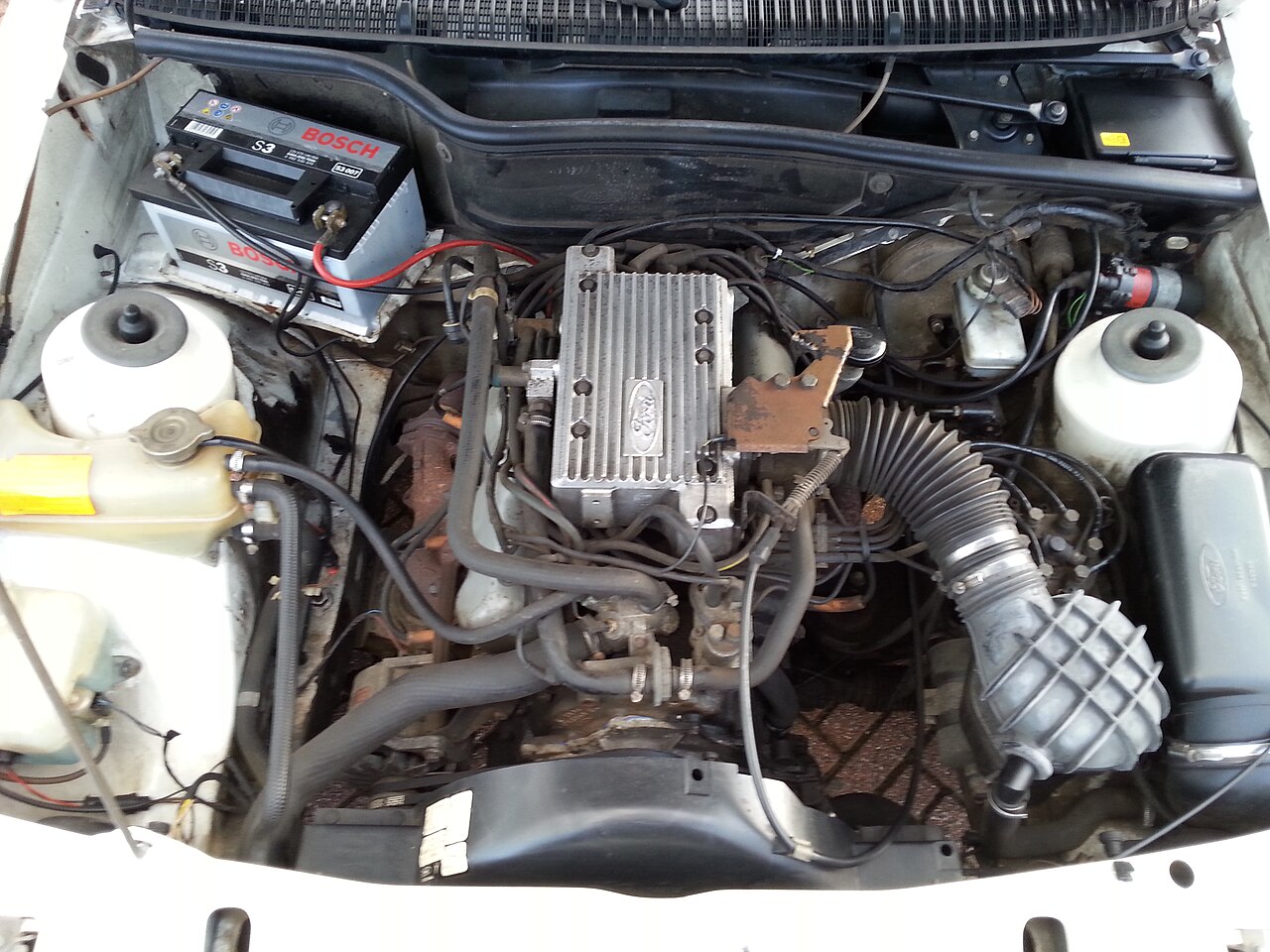 | Injected European applications | V6, pushrod | European performance V6 |
| 06 | 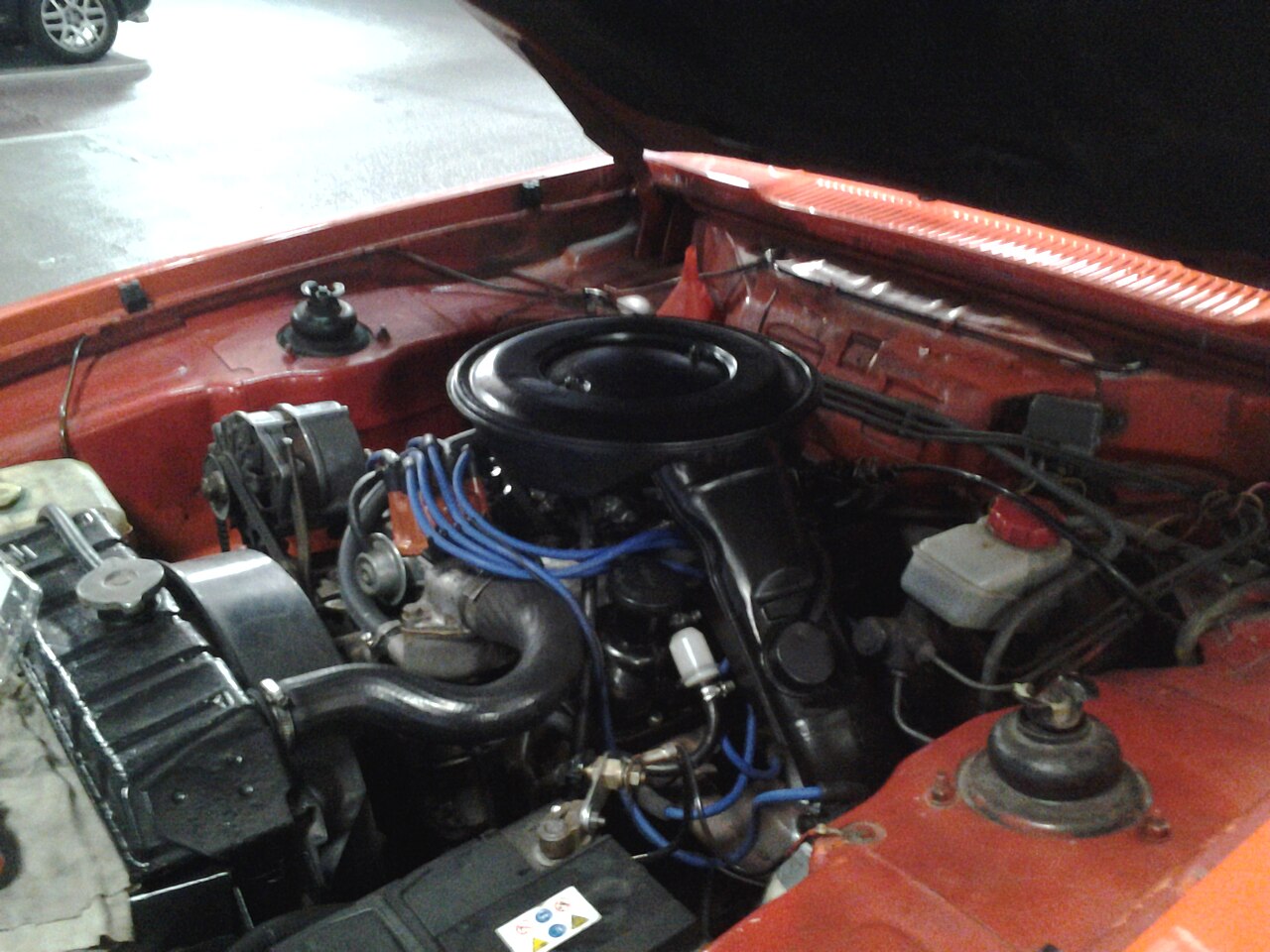 | Classic European Ford era | V6, pushrod | Classic Capri character |
| 07 | 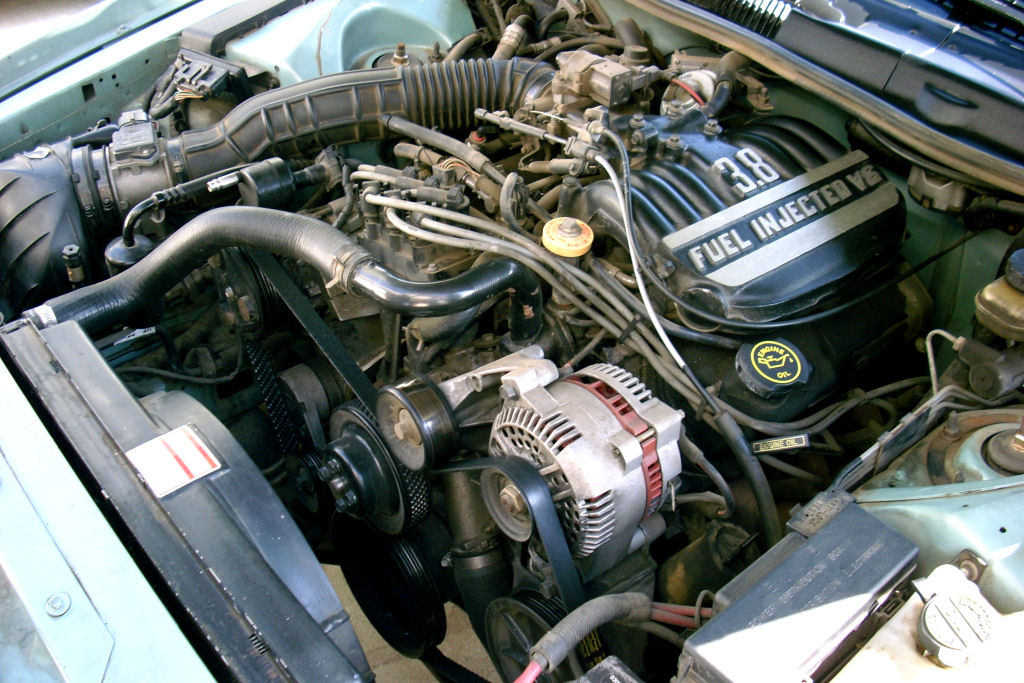 | North American Essex era | 90-degree V6, pushrod | North American road-car V6 |
No entries match your search.
The 7 Best Ford V6 Engines: Entry Details
Ford 3.5 EcoBoost V6
EcoBoost generations · Broad performance and truck roleTwin turbochargers gave the 3.5-litre V6 a strong truck and performance-car role. Its range of applications makes it the most influential modern Ford V6 here.
- Layout
- V6, DOHC
- Induction
- Twin turbochargers
- Application
- Ford F-150 EcoBoost
Ford 2.7 EcoBoost V6
EcoBoost generations · Compact turbo truck engineThe smaller EcoBoost brought a twin-turbo V6 into the F-150 range. Its place rests on a compact performance and working-vehicle package.
- Layout
- V6, DOHC
- Induction
- Twin turbochargers
- Application
- Ford F-150 2.7 EcoBoost
Ford Duratec 30 3.0 V6
Duratec era · Versatile overhead-cam V6Four-valve heads and overhead camshafts gave the 3.0 Duratec a developed road-engine architecture. Its Escape application illustrates a practical role beyond sports cars.
- Layout
- V6, DOHC
- Induction
- Naturally aspirated
- Application
- Ford Escape V6
Ford Duratec 25 2.5 V6
Mondeo and Contour era · Compact multivalve road engineThe 2.5 Duratec brought a multivalve V6 to Ford’s everyday road-car range. Its packaging and distinct valvetrain give it a stronger identity than displacement alone.
- Layout
- V6, DOHC
- Induction
- Naturally aspirated
- Application
- Ford Mondeo and Contour V6
Ford Cologne 2.8 V6
Injected European applications · European performance V6The injected 2.8 Cologne gave cars such as Sierra XR4i a distinct six-cylinder character. It represents a separate European engine family from the British Essex.
- Layout
- V6, pushrod
- Induction
- Naturally aspirated
- Application
- Ford Sierra XR4i
Ford British Essex 3.0 V6
Classic European Ford era · Classic Capri characterThe British Essex supplied a substantial pushrod V6 to classic Ford road cars. Its Capri association makes it an important part of the European performance story.
- Layout
- V6, pushrod
- Induction
- Naturally aspirated
- Application
- Ford Capri 3.0
Ford Canadian Essex 3.8 V6
North American Essex era · North American road-car V6The Canadian Essex served a different market and engine brief from its British namesake. Its Thunderbird role preserves a distinct part of Ford’s six-cylinder history.
- Layout
- 90-degree V6, pushrod
- Induction
- Naturally aspirated in the pictured application
- Application
- Ford Thunderbird 3.8
The 7 Best Ford V6 Engines: Analysis
EcoBoost Gave the V6 a Broader Performance Role
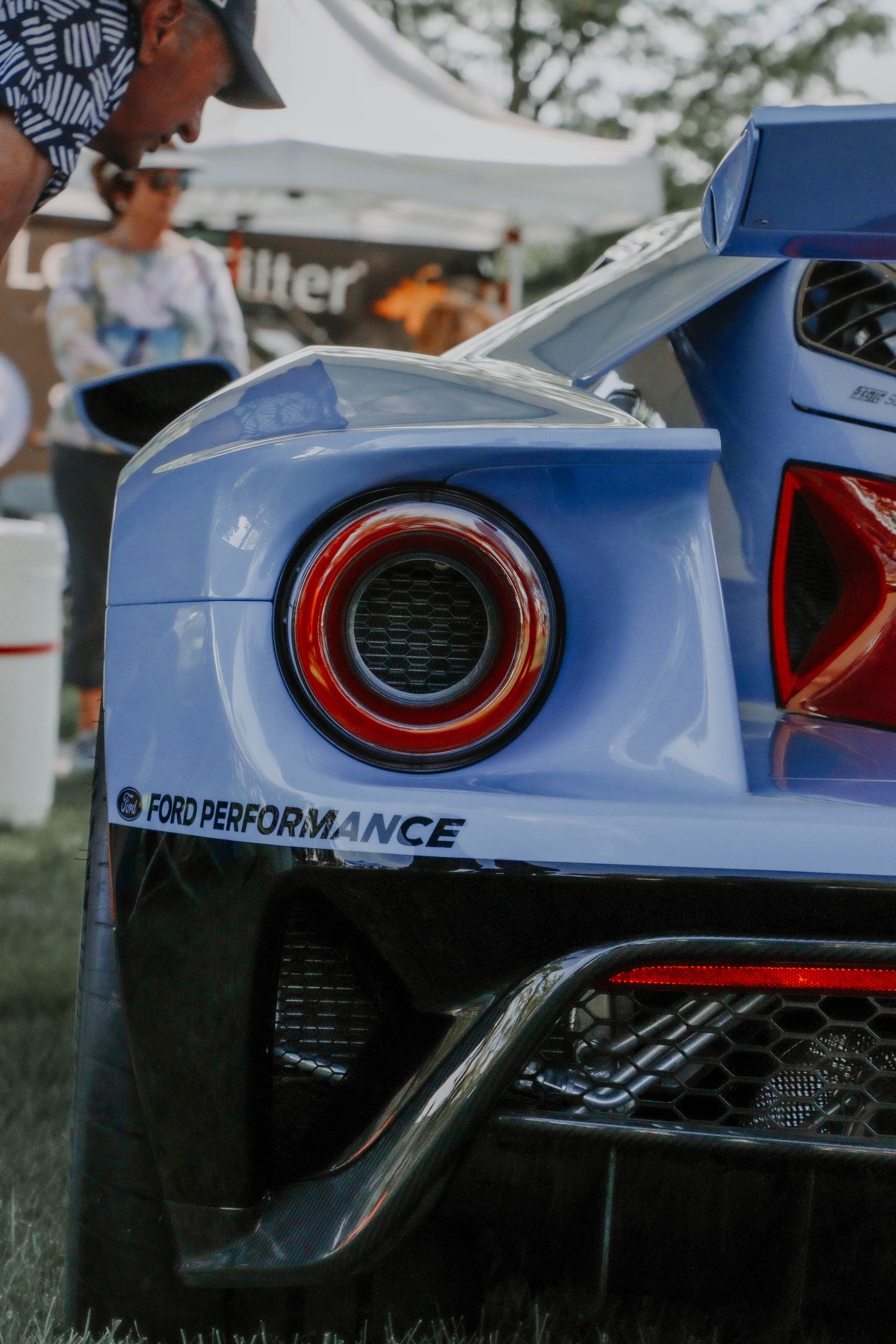
Ford’s 2015 F-150 specifications put the 3.5 and 2.7 EcoBoost engines alongside other truck powerplants, making their working role concrete. Twin turbochargers increase the air available for combustion without adding cylinders. The wider Ford story also includes a substantially specialised 3.5-litre application in the later GT sports car.
Duratec Changed the Everyday Road-Car Engine
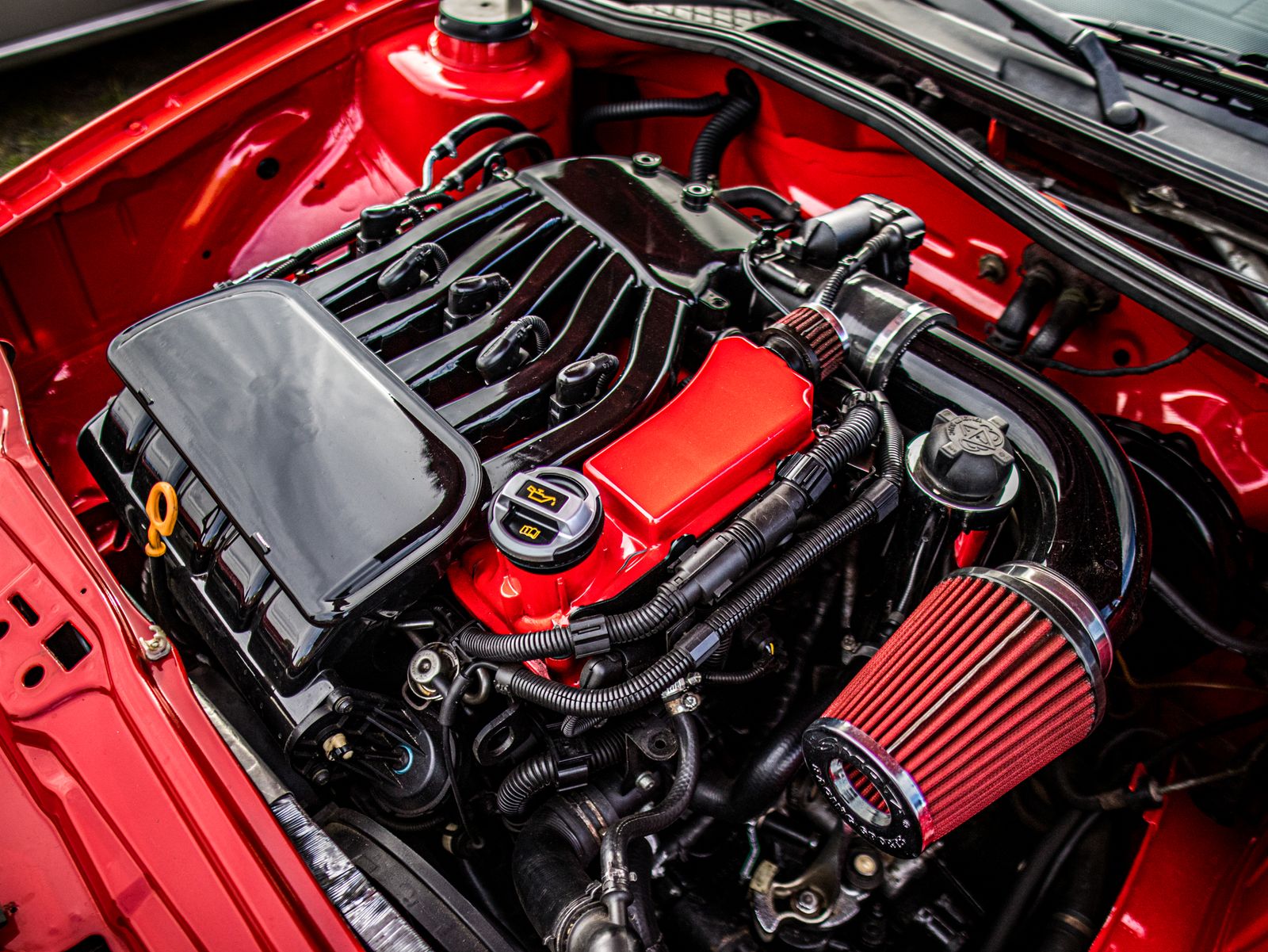
The 2.5 and 3.0 Duratec engines use overhead camshafts and four-valve heads rather than the older pushrod layout. The smaller engine belongs to the Mondeo and Contour story, while the 3.0 appears in vehicles such as Escape. Related six-cylinder installations also reached Lincoln, extending the engine family’s role beyond one badge.
Cologne and British Essex Have Separate Identities
The British 3.0 Essex supplied cars such as the Capri with a substantial pushrod V6. Cologne’s 2.8-litre engine followed a different family history and appeared in the injected Sierra XR4i. Their similar cylinder count does not make them interchangeable, particularly when identifying original hardware in a classic Ford.
Canadian Essex Served a Different Market
The Canadian 3.8 Essex is a separate North American engine family, with a 90-degree pushrod layout and applications that included Thunderbird. It earns its place through that distinct role in Ford’s passenger-car history. Its name should not be read as a displacement revision of the British 3.0 Essex.
Our verdict
Our verdict
The 3.5 EcoBoost has the strongest broad Ford V6 role, with 2.7 EcoBoost the most interesting smaller turbo alternative. Duratec and the separate older families remain important for understanding specific classic and everyday applications.
Strengths
- Strong modern turbocharged truck role
- Distinct overhead-cam road-engine families
- Separate European and North American histories
Things to consider
- EcoBoost hardware varies by application
- Shared Essex naming can conceal different engines
FAQ: The 7 Best Ford V6 Engines
What does EcoBoost mean for these V6 engines?
The selected 2.7 and 3.5 EcoBoost families combine a V6 with two turbochargers. Exact fuel systems and other hardware depend on the generation and application.
Are the two Essex V6s related designs?
The British 3.0 and Canadian 3.8 belong to separate Ford engine families. Their shared Essex name does not make the blocks, cylinder heads or parts interchangeable.
What distinguishes a Duratec V6 from an older Essex?
The selected Duratec engines use overhead camshafts and four-valve heads. The older Essex designs use pushrod valve gear, giving them a different breathing and packaging approach.
Which Ford V6 powered the Sierra XR4i?
The XR4i used an injected 2.8-litre Cologne V6. It belongs to the Cologne family rather than the British 3.0 Essex.
Does the Ford GT share all F-150 engine hardware?
No. Although both use the EcoBoost name and 3.5-litre V6 architecture, the later GT has specialised engine hardware, including dry-sump lubrication for its sports-car application.
Sources & methodology
Ford specifications, original documentation and photographed engine identities establish seven V6 families. Editorial order weighs application breadth, road-car influence and distinctive engineering rather than reliability or output.
Maintained by Artsiom Dusau, a software engineer and BMW 4 Series owner. Editorial policy
View sources (7)
- Ford original F-150 engine specifications
- Ford Escape original owner manual and Duratec 30 data
- Ford original SVT Contour Duratec V6 supplement
- Ford original 1978 Capri brochure
- Ford original Sierra brochure
- Ford GT original engine specifications
- Original Ford light-truck facts-book extracts for 3.8 Essex