
Short answer
The original turbocharged five-cylinder family takes first place for establishing Audi’s quattro-era performance identity. The 2.5 TFSI carries that character into modern road cars, while the R8 V10 and Q7 V12 TDI show the range of Audi’s engine ambitions.
- Selection
- Seven Audi engine designs
- Defining configuration
- Turbocharged inline-five
- Range
- Petrol performance engines and V12 diesel
The 7 Greatest Audi Engines Ever at a Glance
| Rank | Engine | Era | Layout | Why it matters |
|---|---|---|---|---|
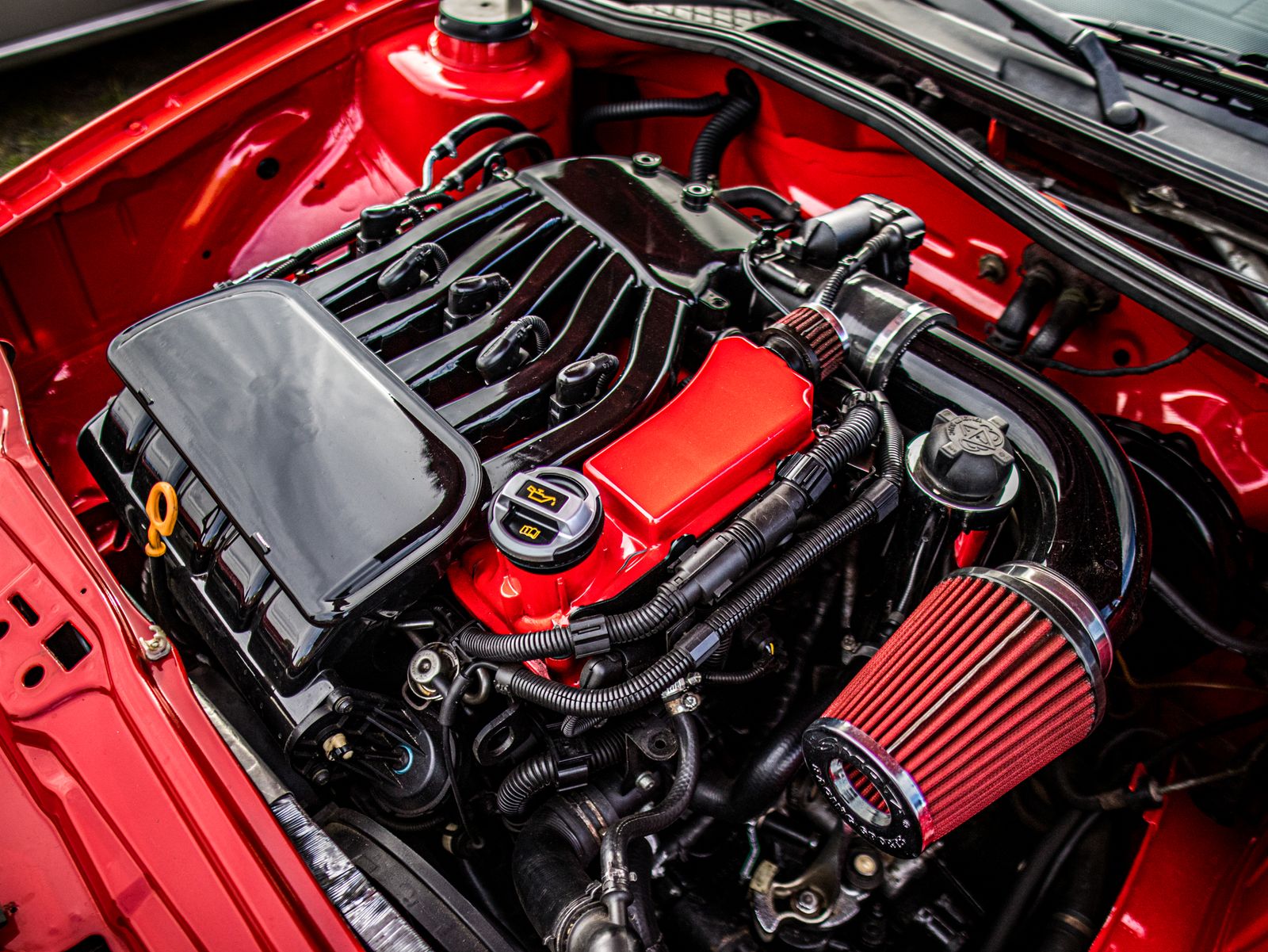
| 01 | 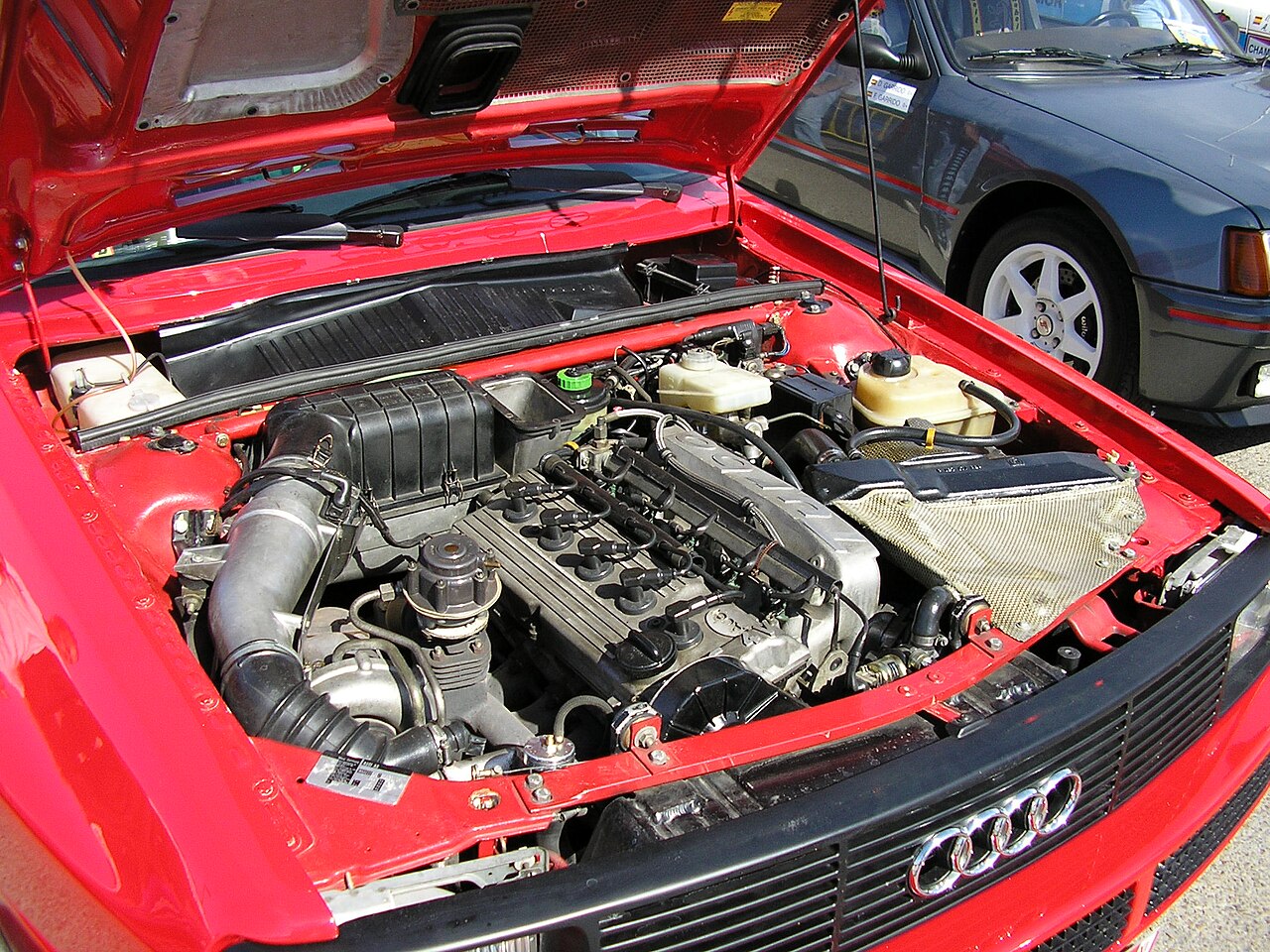 | Original quattro era | Inline-five, SOHC | Quattro’s engine identity |
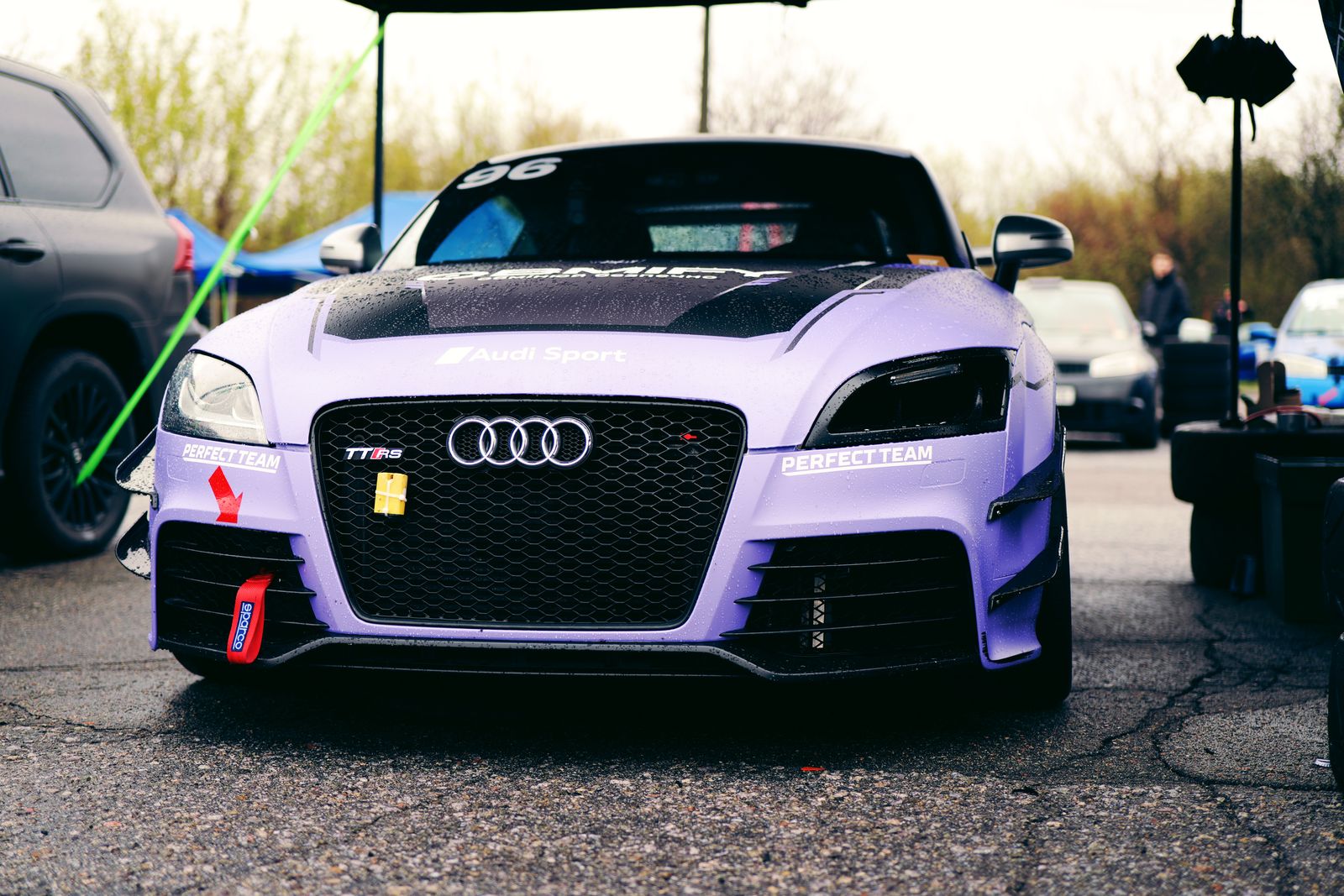
| 02 | 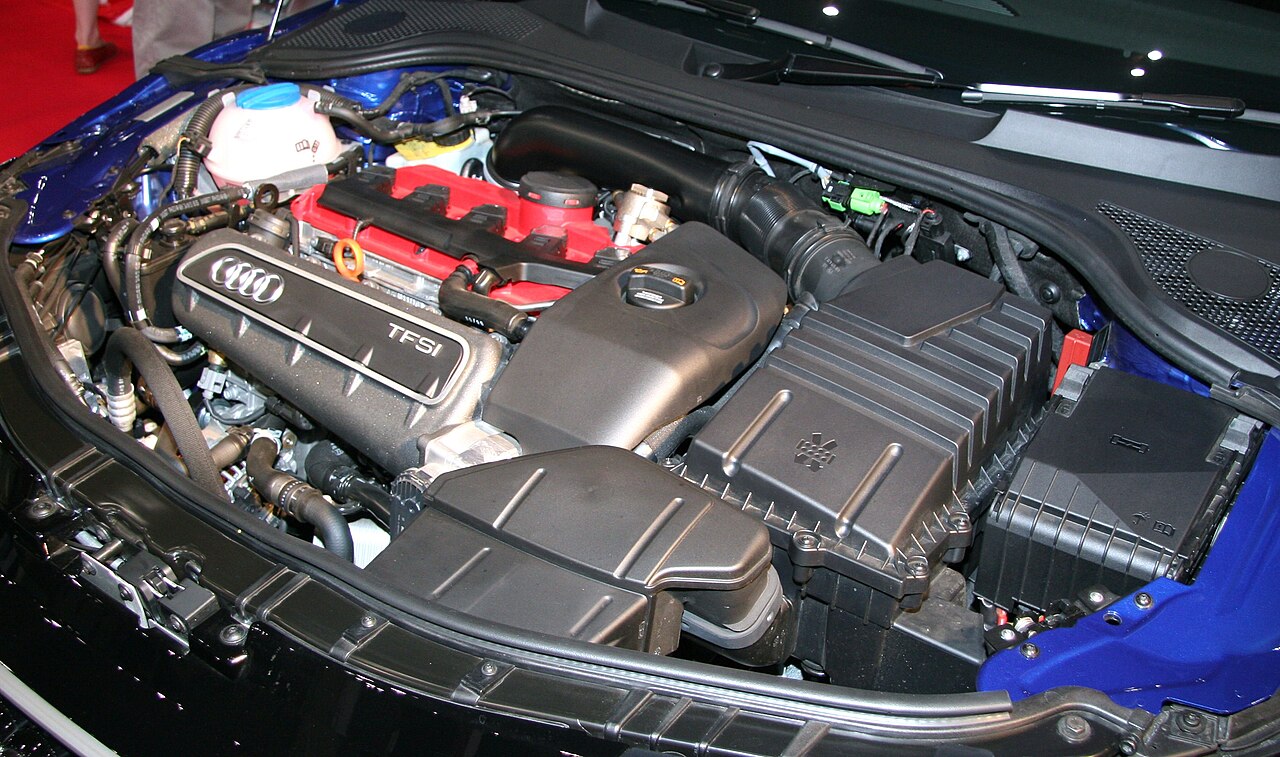 | TT RS era | Inline-five, DOHC | Modern five-cylinder revival |
| 03 | 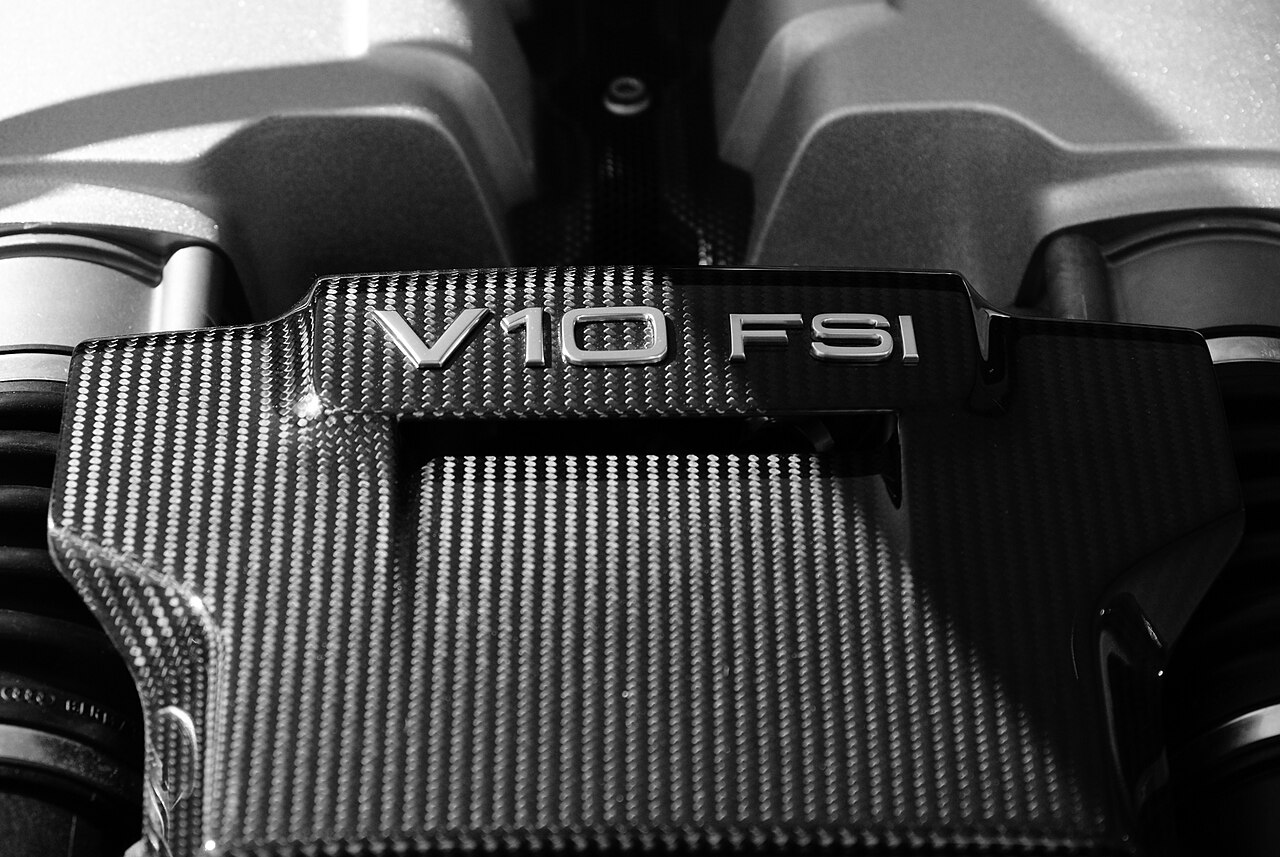 | R8 V10 era | V10, DOHC | Mid-engine flagship |
| 04 | Audi 2.7 biturbo V6B5 S4 era | B5 S4 era | V6, DOHC | Compact biturbo performance |
| 05 | 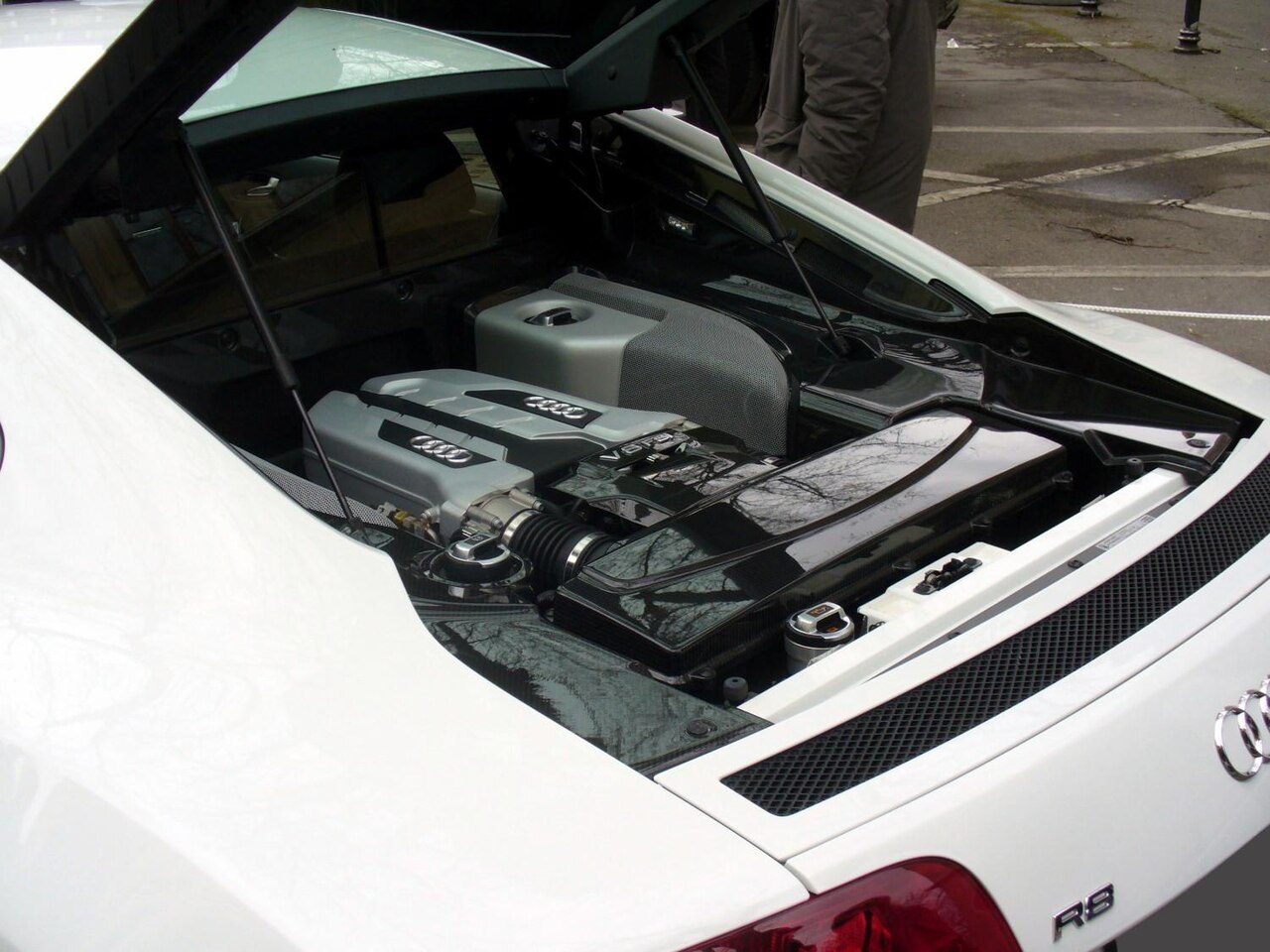 | Original R8 | V8, DOHC | First R8 production engine |
| 06 | Audi 3.0 TFSI supercharged V6Early 3.0 TFSI era | Early 3.0 TFSI era | V6, DOHC | Mechanical supercharging |
| 07 | 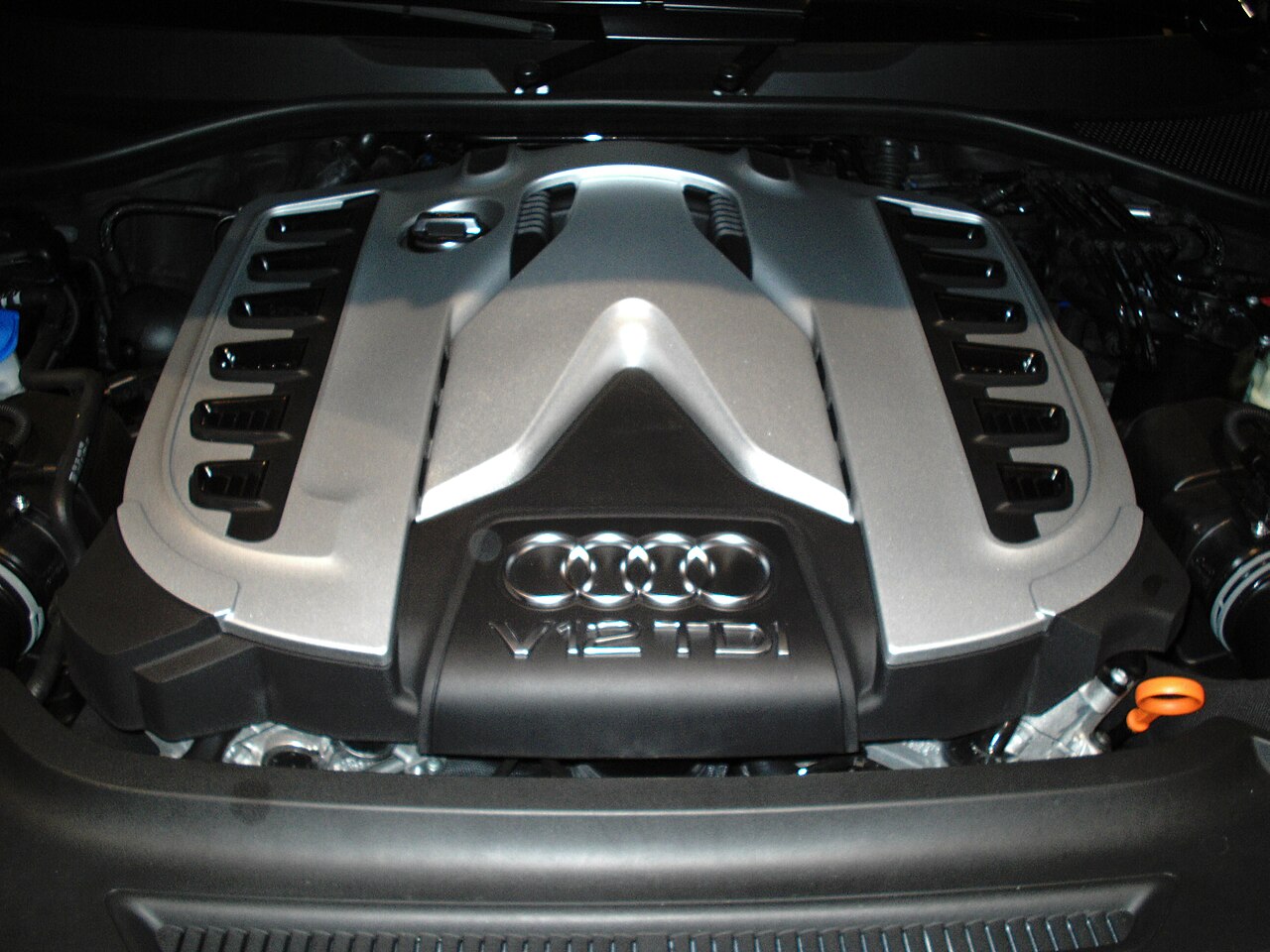 | Original Q7 V12 TDI | V12 diesel | Twelve-cylinder diesel flagship |
No entries match your search.
The 7 Greatest Audi Engines Ever: Entry Details
Audi 10-valve turbo five-cylinder family
Original quattro era · Quattro’s engine identityThe original turbo five gave the quattro a recognisable mechanical identity. Its unusual layout and place in Audi’s performance history earn first place.
- Layout
- Inline-five, SOHC
- Induction
- Single turbocharger
- Application
- Original Audi quattro family
Audi 2.5 TFSI five-cylinder
TT RS era · Modern five-cylinder revivalThe 2.5 TFSI renewed Audi’s five-cylinder road-car performance thread. Direct injection and turbocharging give it a separate modern engineering identity.
- Layout
- Inline-five, DOHC
- Induction
- Single turbocharger
- Application
- Audi TT RS
Audi R8 5.2 FSI V10
R8 V10 era · Mid-engine flagshipThe naturally aspirated V10 became central to the R8’s sports-car character. Dry-sump lubrication suits its mid-engine installation and performance brief.
- Layout
- V10, DOHC
- Induction
- Naturally aspirated
- Application
- Audi R8 V10
Audi 2.7 biturbo V6
B5 S4 era · Compact biturbo performanceTwo turbochargers gave the B5 S4 a distinct V6 performance package. It is an important step in Audi’s fast road-car engine story.
- Layout
- V6, DOHC
- Induction
- Twin turbochargers
- Application
- Audi S4 B5
Audi R8 4.2 FSI V8
Original R8 · First R8 production engineThe first production R8 used a high-revving V8 with direct injection and dry-sump lubrication. It established the model’s mid-engine road-car identity before the V10 arrived.
- Layout
- V8, DOHC
- Induction
- Naturally aspirated
- Application
- Original Audi R8
Audi 3.0 TFSI supercharged V6
Early 3.0 TFSI era · Mechanical superchargingThe mechanically supercharged V6 provides a different route to boosted performance from Audi’s biturbo engines. Its identity must be distinguished from later turbocharged 3.0 TFSI designs.
- Layout
- V6, DOHC
- Induction
- Mechanical supercharger
- Application
- Early supercharged Audi 3.0 TFSI models
Audi Q7 6.0 V12 TDI
Original Q7 V12 TDI · Twelve-cylinder diesel flagshipAudi put a twin-turbo V12 diesel into its large production SUV. The engine’s scale and unusual road-car role make it a distinctive technical landmark.
- Layout
- V12 diesel
- Induction
- Twin turbochargers
- Application
- Audi Q7 V12 TDI
The 7 Greatest Audi Engines Ever: Analysis
Five Cylinders Gave Audi Its Own Performance Voice
The original turbo five belongs to the quattro’s defining period, while 2.5 TFSI brought a newer direct-injection design to TT RS. Their shared cylinder count links two eras without making them the same engine. That continuity is why the five-cylinder story matters so strongly to Audi.
R8 Put Familiar Performance Engines Behind the Cabin
The R8’s 4.2 FSI V8 used dry-sump lubrication in a mid-engine sports car. The later 5.2-litre V10 enlarged that brief and connected the Audi to the engine family also used by Lamborghini. The original Gallardo’s earlier 5.0-litre unit remains a different specification.
Audi Used Two Different Ways to Boost a V6
The B5 S4’s 2.7-litre V6 uses two exhaust-driven turbochargers. The selected early 3.0 TFSI instead uses a mechanically driven supercharger. That distinction is easy to lose because the TFSI badge describes more than one induction system across Audi generations.
V12 TDI Turned Diesel Into a Flagship Statement
The Q7’s 6.0-litre V12 TDI placed a large twelve-cylinder diesel in a production SUV. Its significance is the ambition of that installation, with common-rail injection and turbocharging serving a different purpose from the high-revving R8 engines. It earns a place as a technical outlier rather than as a continuation of the petrol five-cylinder story.
Our verdict
Our verdict
The turbo five-cylinder is Audi’s defining engine idea, with 2.5 TFSI its strongest modern continuation. R8 V10 offers the clearest sports-car alternative, while V12 TDI remains the most unusual flagship experiment.
Strengths
- Distinctive five-cylinder identity
- Separate mid-engine V8 and V10 applications
- Ambitious diesel flagship
Things to consider
- TFSI badges span different induction systems
- V12 packaging creates substantial complexity
FAQ: The 7 Greatest Audi Engines Ever
Why are five-cylinder engines important to Audi?
The turbocharged five-cylinder became closely associated with the quattro and Audi’s sporting identity. The later 2.5 TFSI brought the configuration into modern TT RS and RS performance models.
Did every original quattro have 20 valves?
No. Earlier road engines had ten valves. Later twenty-valve versions used different cylinder heads and specifications, so the valve count is important when identifying a specific car.
Was the first production R8 a V10?
No. The first production R8 used a 4.2-litre FSI V8. Audi subsequently added the naturally aspirated 5.2-litre V10 model.
Does TFSI always mean a turbocharger?
No. The early 3.0 TFSI V6 used a mechanical supercharger. Later Audi engines with the same broad badge can use turbocharging, so the generation matters.
Was the Q7 V12 TDI a diesel?
Yes. It used a 6.0-litre V12 diesel with turbocharging and common-rail injection. Its configuration made it an unusual flagship within the Q7 range.
Sources & methodology
Manufacturer histories and technical documents identify the specified Audi engine families. Editorial order weighs marque-defining architecture, distinctive road-car applications and engineering ambition, without output or reliability scores.
Maintained by Artsiom Dusau, a software engineer and BMW 4 Series owner. Editorial policy