
Short answer
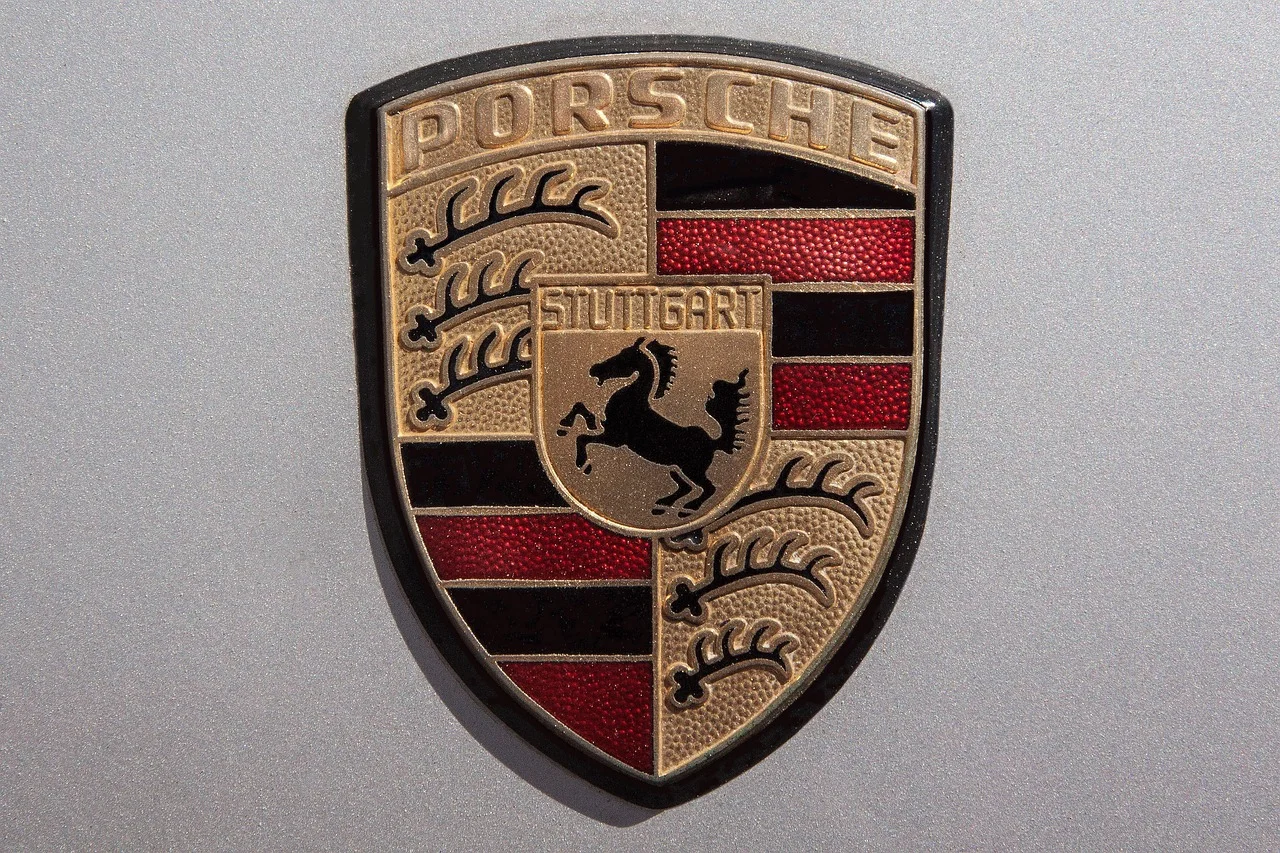
Porsche uses a city connection printed inside the badge. Stuttgart’s rearing horse sits below the city’s name, while Alfa Romeo and Maserati preserve other local symbols without relying on a city label.
- Data period
- Documented historical emblem milestones
- Entries
- 3
- Comparison
- Order described in methodology
- Topic
- Logos & hidden meanings
Car Logos Linked to Cities at a Glance
| Brand or identity | Symbol or milestone | Connection |
|---|---|---|
 | Stuttgart name and horse | Stuttgart city seal |
 | Milan cross and Biscione | Milan and Visconti heraldry |
 | Bologna Neptune trident | Fountain of Neptune in Bologna |
No entries match your search.
Car Logos Linked to Cities: Entry Details
Porsche
1952 crest design · Stuttgart name and horseThe civic horse is labelled with the city’s name. Its position in the middle of the shield makes the local reference the badge’s visual centre.
- Connection
- Stuttgart city seal
Alfa Romeo
1910 emblem origin · Milan cross and BiscioneThe cross and Visconti serpent preserve Milanese connections. Milano lettering later disappeared while both pictures remained.
- Connection
- Milan and Visconti heraldry
Maserati
1926 racing debut · Bologna Neptune tridentMario Maserati selected a detail from a local monument. The trident became a badge that could travel far beyond the city.
- Connection
- Fountain of Neptune in Bologna
Car Logos Linked to Cities: Analysis
Porsche Logo and Stuttgart
Porsche makes Stuttgart readable as well as visible. The name sits above the horse taken from the city seal, giving the central picture an explicit address. The Porsche crest history follows how that city reference fits within regional heraldry.
Alfa Romeo Logo and Milan
Alfa Romeo combines Milan’s cross with the Visconti Biscione. The city name was once part of the surrounding lettering, but the local symbols remained after it disappeared. The Alfa Romeo emblem can therefore retain a geographic identity without spelling out the place.
Maserati Trident and the Bologna Fountain
Maserati borrowed a recognisable form from Bologna’s Fountain of Neptune. Mario Maserati adapted the trident held by the statue, turning a landmark into a compact sign for a racing car. The Maserati logo history connects the artwork with the company’s early Bologna workshop.
FAQ: Car Logos Linked to Cities
Why does the Porsche logo say Stuttgart?
The crest uses the city’s rearing horse and prints Stuttgart above it. The name makes the civic reference explicit.
Which city is represented in Alfa Romeo’s logo?
Milan supplies the cross, while the Biscione refers to the Visconti family. Both symbols were part of the early emblem.
Did Alfa Romeo remove Milano from its logo?
The city name was removed from the surrounding lettering in 1972. The cross and serpent continued to identify the badge’s Milanese origins.
Where does Maserati’s trident come from?
The trident comes from the Fountain of Neptune in Bologna. Mario Maserati used the statue’s trident as the emblem’s central form.
Was Maserati founded in Bologna or Modena?
The original Maserati business began in Bologna. That early home explains the choice of the city’s Neptune trident.
Sources & methodology
Manufacturer histories identify the named city and emblem element.
Maintained by Artsiom Dusau, a software engineer and BMW 4 Series owner. Editorial policy