
Short answer
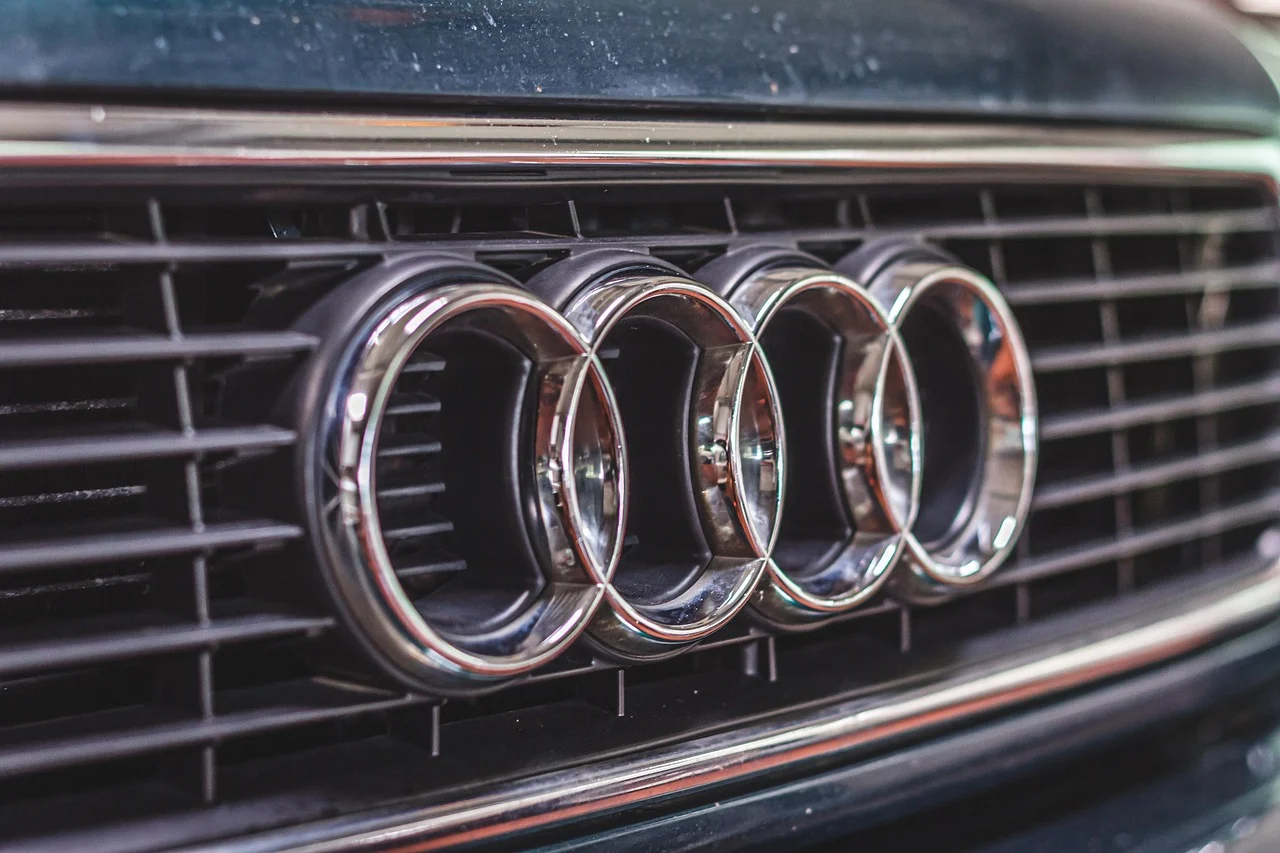
Audi uses a logo that makes a merger visible. Its four interlocking rings represent Audi, DKW, Horch and Wanderer, the companies brought together under Auto Union in 1932.
- Data period
- Documented historical emblem milestones
- Entries
- 4
- Comparison
- Order described in methodology
- Topic
- Logos & hidden meanings
Car Logos Shaped by Company Mergers at a Glance
| Brand or identity | Symbol or milestone | Connection |
|---|---|---|
 | Four interlocking rings | Audi, DKW, Horch and Wanderer |
 | Star within a laurel wreath | Daimler star and Benz wreath |
 | Winged arrow adopted on cars | Laurin & Klement and Škoda Works |
 | Joint griffin emblem | Saab and Scania |
No entries match your search.
Car Logos Shaped by Company Mergers: Entry Details
Audi
1932 Auto Union formation · Four interlocking ringsFour predecessor brands gained a shared corporate symbol. Their names remained, while the rings expressed the group’s union.
- Connection
- Audi, DKW, Horch and Wanderer
Mercedes-Benz
1925 shared logo and 1926 merger · Star within a laurel wreathThe new badge combined the partners’ existing visual signs. Its registration anticipated the merger rather than following it.
- Connection
- Daimler star and Benz wreath
Škoda
1925 Laurin & Klement merger · Winged arrow adopted on carsAn engineering-company trademark moved onto the carmaker’s vehicles. The arrow itself had been registered in 1923.
- Connection
- Laurin & Klement and Škoda Works
Saab-Scania
1969 merger and 1984 emblem · Joint griffin emblemA common griffin sign arrived after the corporate combination. Reuterswärd gave the two businesses a shared visual identity.
- Connection
- Saab and Scania
Car Logos Shaped by Company Mergers: Analysis
Audi Four Rings and the Auto Union Merger
Audi’s rings encode a corporate relationship in the shape itself. Each company retained its own name within Auto Union, but the interlocking sign represented their shared organisation. The Audi rings history explains why the emblem has more than one founding brand behind it.
Mercedes-Benz Star and Laurel Wreath
Mercedes-Benz joined two existing symbols rather than assigning a new shape to each company. Daimler’s star sits inside Benz’s laurel wreath. The shared design was registered in 1925, anticipating the legal merger in 1926.
Skoda and Saab-Scania Logo Changes
Škoda’s winged arrow had already been registered for the Pilsen engineering business before Laurin & Klement joined it. The merger brought that existing identity onto cars, as the Škoda badge history explains.
Saab-Scania’s joint griffin arrived later, in 1984. Carl Fredrik Reuterswärd created the shared sign after the companies’ 1969 merger, so the corporate event and the emblem debut belong to different years.
FAQ: Car Logos Shaped by Company Mergers
What do the four Audi rings represent?
They represent Audi, DKW, Horch and Wanderer. The interlocking emblem dates to the formation of Auto Union in 1932.
Why does the Mercedes-Benz badge contain a wreath?
The laurel wreath came from Benz’s trademark. Daimler’s star and the wreath were joined in the shared emblem.
Did Škoda invent the winged arrow after its car merger?
The mark was registered in 1923 for the Pilsen business. Its use on cars followed the 1925 merger with Laurin & Klement.
When did Saab-Scania introduce its joint griffin?
The shared emblem appeared in 1984. Carl Fredrik Reuterswärd designed it after Saab and Scania had merged in 1969.
Can a merger logo appear before the legal merger?
Mercedes-Benz provides that example. The shared logo was registered in 1925, before the companies merged in 1926.
Sources & methodology
Manufacturer records establish each merger and emblem milestone.
Maintained by Artsiom Dusau, a software engineer and BMW 4 Series owner. Editorial policy