
Short answer
Gibbs Aquada takes first place for combining a purpose-built hull, waterjet and retractable wheels into one coherent road-and-water design. WaterCar Panther follows with its own jet-driven package, while Amphicar remains the clearest historical car-and-boat landmark.
- Selection
- Five land-and-water vehicle designs
- Water propulsion
- Waterjets and twin propellers
- Leading package
- Aquada’s retractable-wheel hull
Top 5 Most Amazing Amphibious Vehicles in the World at a Glance
| Rank | Vehicle | Water drive | Wheel system | Distinctive idea |
|---|---|---|---|---|
| 01 | 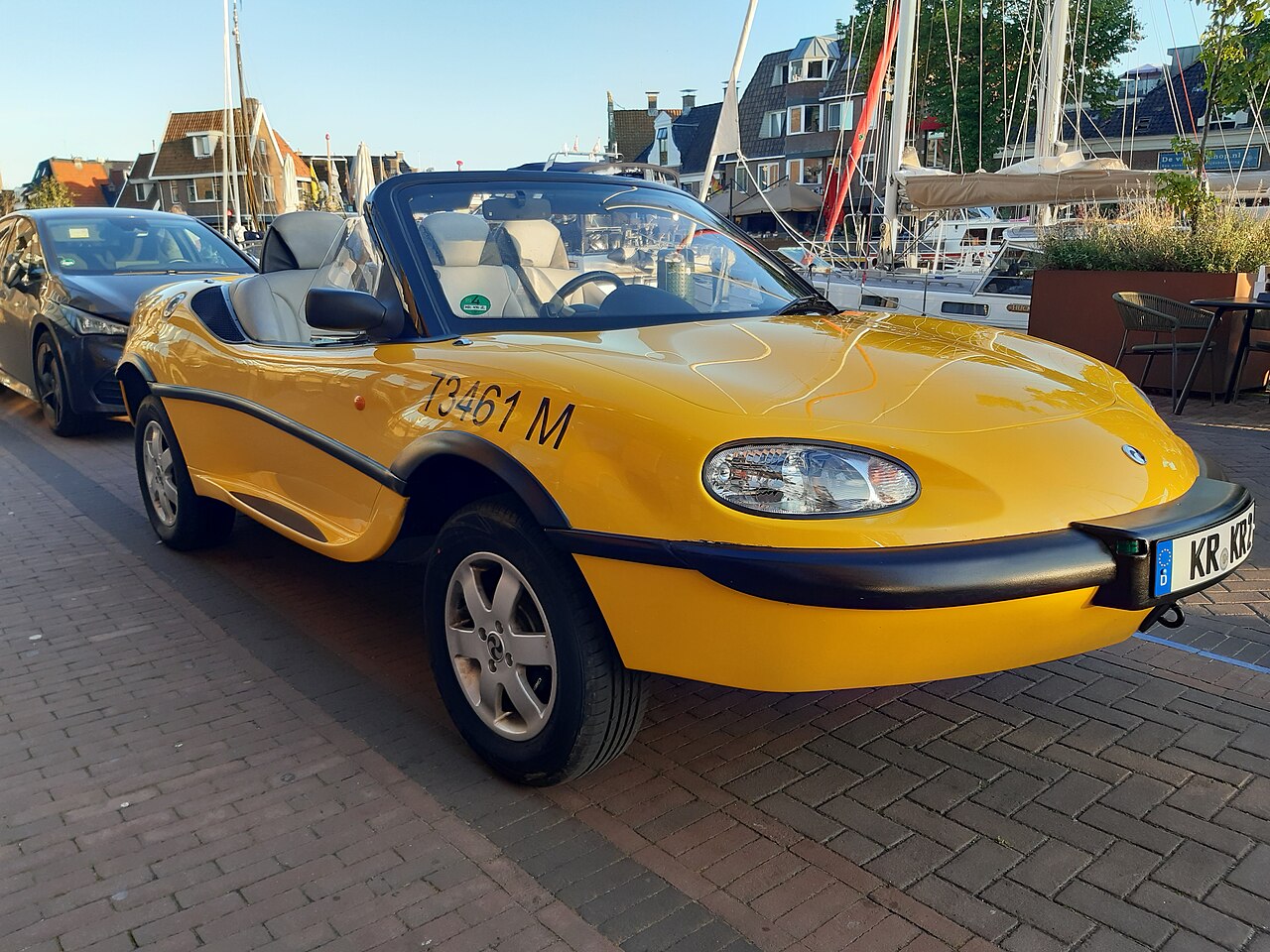 | Waterjet | Retractable wheels | Integrated high-speed amphibian |
| 02 | 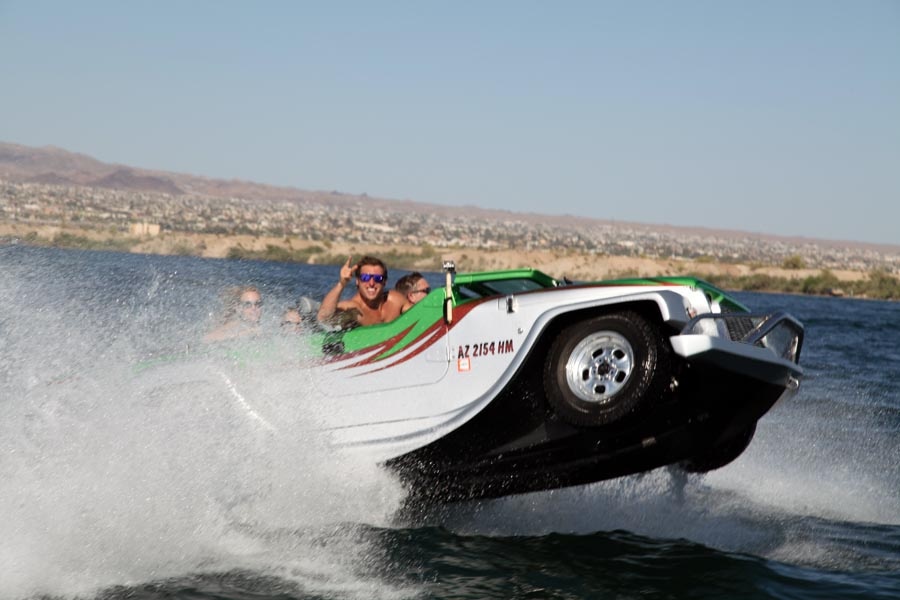 | Jet drive | Hydraulic wheel retraction | Jet-driven car-shaped amphibian |
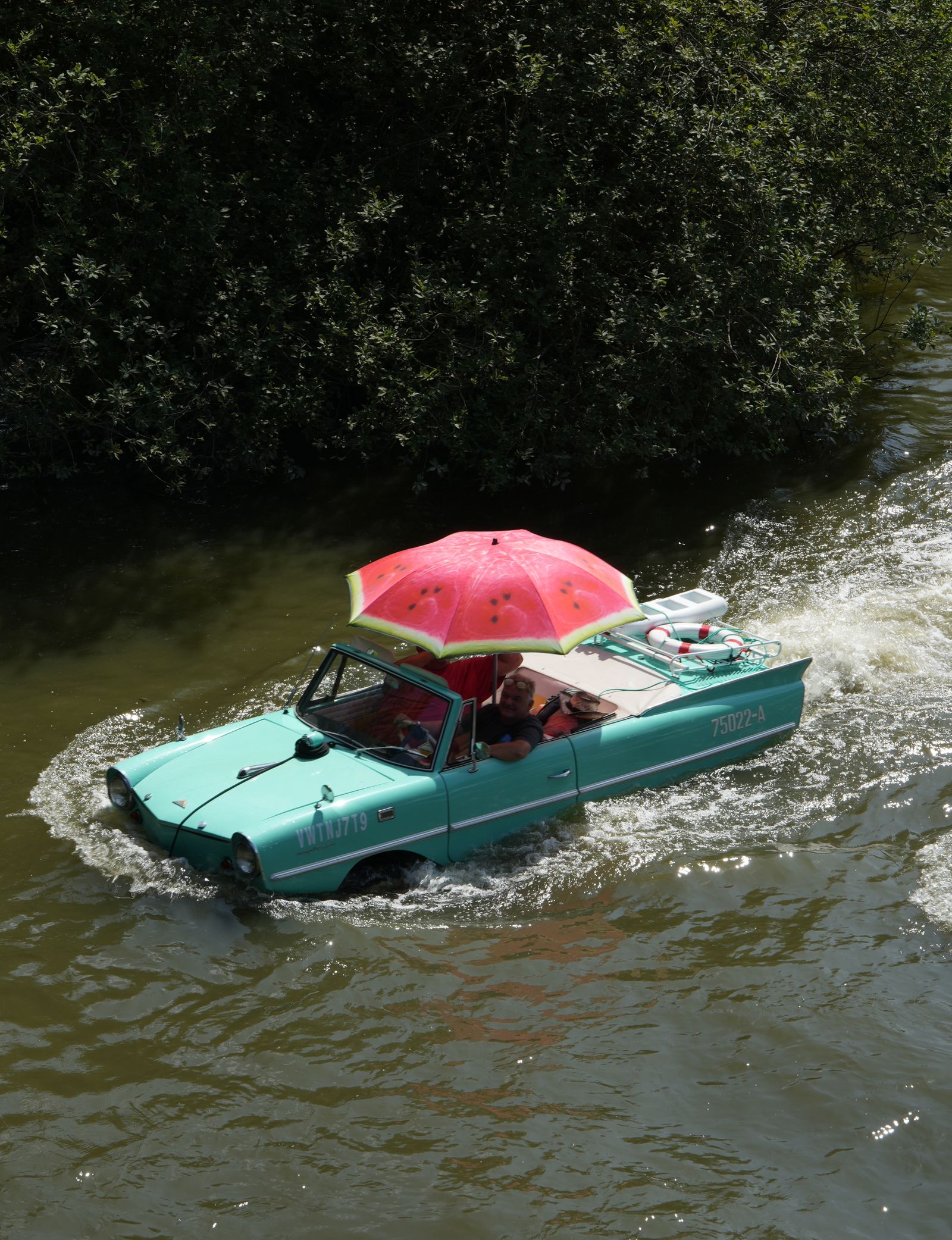
| 03 | 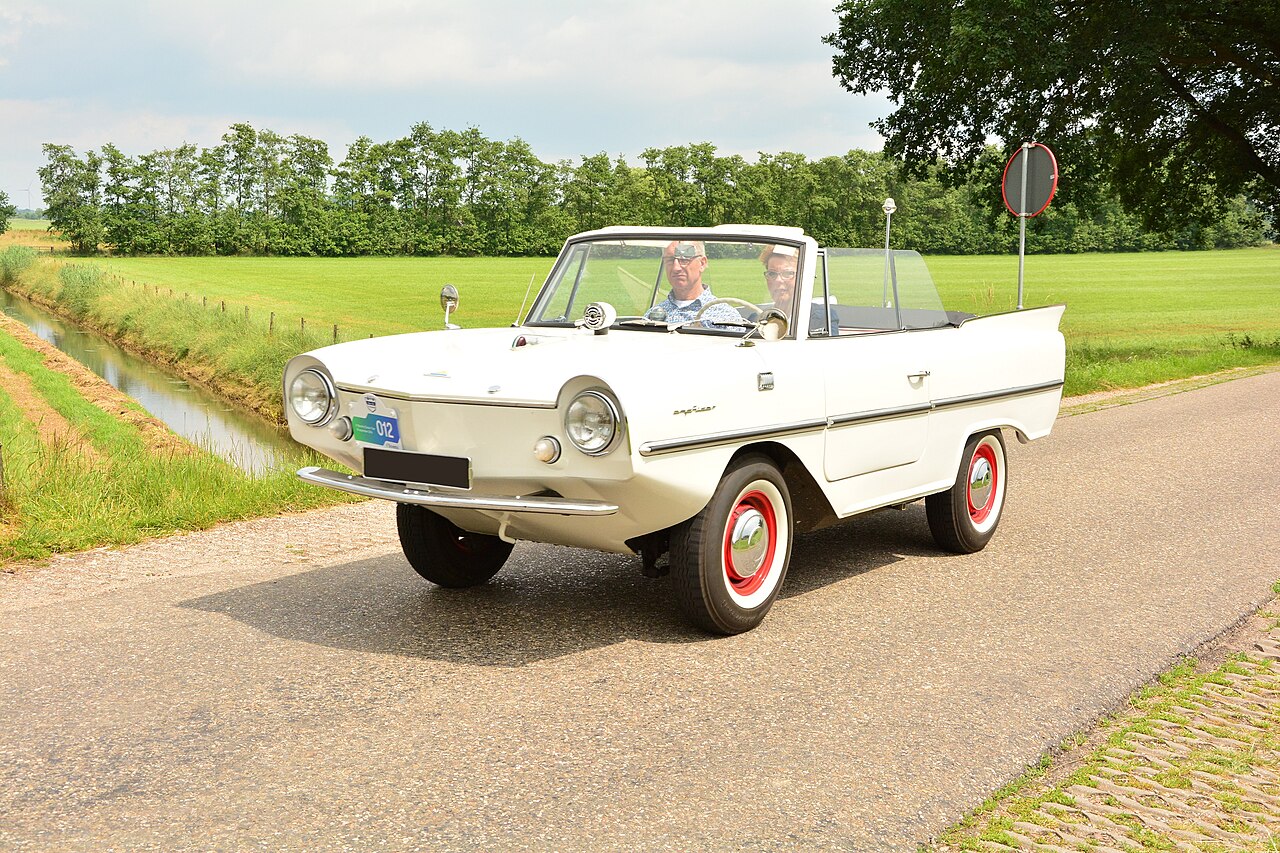 | Twin propellers | Fixed road wheels | Historical car-and-boat landmark |
| 04 | 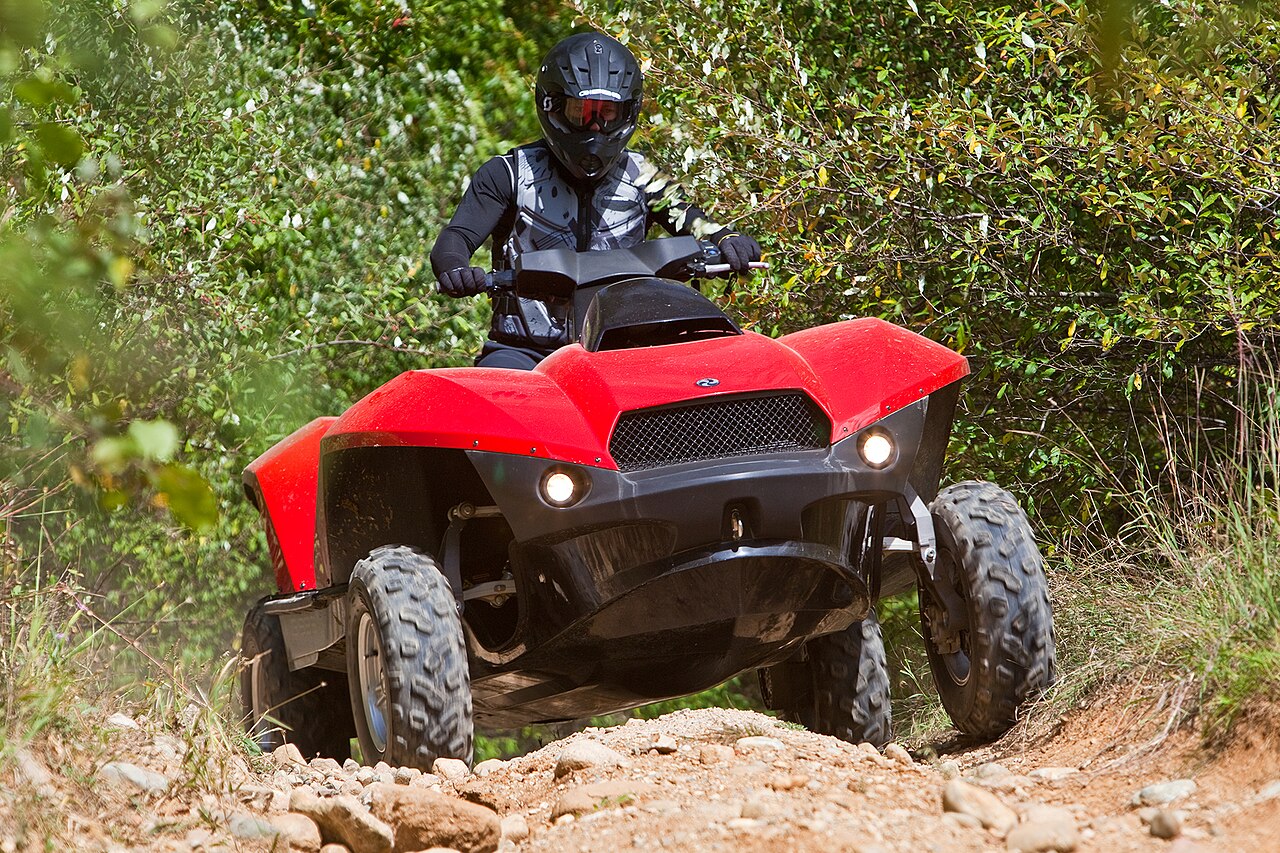 | Waterjet | Retractable wheels | ATV and personal watercraft |
| 05 | 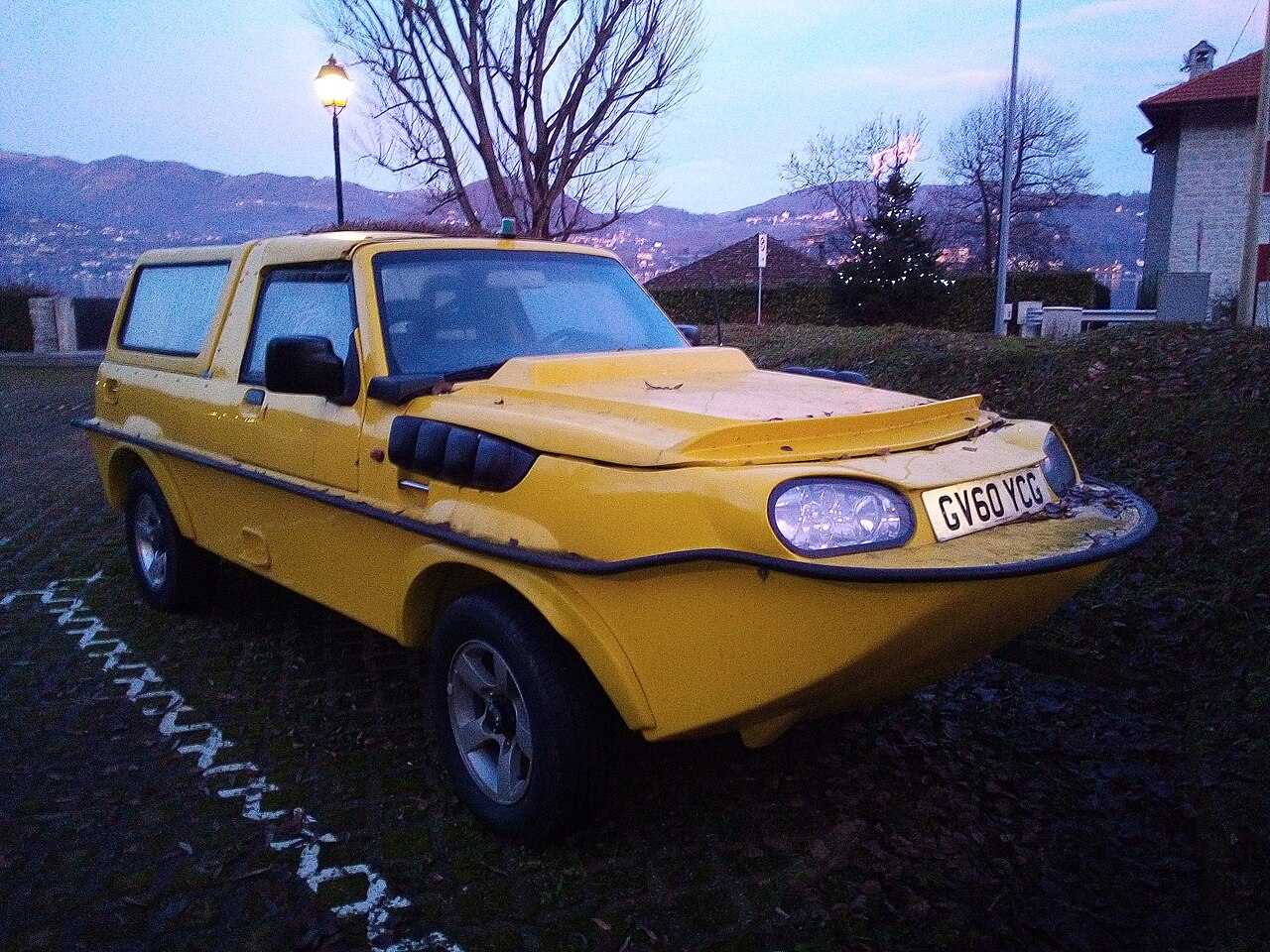 | Jet propulsion | Jimny-based four-wheel-drive running gear | Donor-based amphibious utility |
No entries match your search.
Top 5 Most Amazing Amphibious Vehicles in the World: Entry Details
Gibbs Aquada
Introduced 2003 · Integrated high-speed amphibianA purpose-built hull, waterjet and retracting wheels made the land-to-water transition central to the design. Its coherent package earns first place.
- Water drive
- Waterjet
- Wheel system
- Retractable wheels
- Role
- Proof-of-concept amphibious road vehicle
WaterCar Panther
Introduced 2013 · Jet-driven car-shaped amphibianA rear-mounted V6 powers a purpose-built amphibious package with retractable wheels. Its distinctive design combines familiar car proportions with dedicated marine propulsion.
- Water drive
- Jet drive
- Wheel system
- Hydraulic wheel retraction
- Role
- Purpose-built recreational amphibian
Amphicar 770
1960s · Historical car-and-boat landmarkThe convertible body serves as a displacement hull while twin propellers provide water propulsion. Its recognisable road-car form makes the amphibious idea easy to understand.
- Water drive
- Twin propellers
- Wheel system
- Fixed road wheels
- Role
- Production amphibious convertible
Gibbs Quadski
2010s · ATV and personal watercraftQuadski combines an ATV-style riding position with a waterjet and retractable wheels. Its small recreational format gives it a distinct role beside the car-shaped amphibians.
- Water drive
- Waterjet
- Wheel system
- Retractable wheels
- Role
- Amphibious ATV and personal watercraft
Dutton Surf
Jimny-based design · Donor-based amphibious utilityDutton uses a Suzuki Jimny donor drivetrain inside an amphibious hull. Its practical car-like approach offers a different route from the high-speed retracting-wheel designs.
- Water drive
- Jet propulsion
- Wheel system
- Jimny-based four-wheel-drive running gear
- Role
- Donor-based amphibious road vehicle
Top 5 Most Amazing Amphibious Vehicles in the World: Analysis
Aquada Integrated the Transition Into the Whole Vehicle
Gibbs developed Aquada around high-speed amphibian technology, including a hull and suspension that raise the wheels clear of the water. That reduces a major source of marine drag. The waterjet and hull work together, giving Aquada a stronger complete engineering case than a road car that merely adds flotation.
Panther and Quadski Used Very Different Land Vehicles
Panther puts a V6 and retractable wheels into a car-like body with a dedicated jet drive. Quadski starts from an all-terrain-vehicle format and uses a BMW Motorrad engine adapted for its amphibious role. The difference in seating and riding position gives each a distinct purpose despite their shared use of jet propulsion.
Amphicar and Dutton Preserve the Car-Shaped Idea
Amphicar uses a Triumph engine and twin propellers in a recognisable convertible body. Dutton Surf draws on a Suzuki Jimny donor drivetrain but places it within an amphibious hull. Both remain close to the idea of a road car that can enter the water, while their propulsion and construction choices differ substantially.
Our verdict
Our verdict
Aquada offers the strongest integrated car-shaped amphibious idea. Panther follows for its dedicated jet-driven package, while Amphicar remains the historical reference and Quadski the clearest small recreational alternative.
Strengths
- Distinct land-to-water engineering
- Purpose-built hull and drive systems
- Recognisable historical production vehicle
Things to consider
- Retracting suspension adds complexity
- Fixed-wheel hulls retain marine drag
FAQ: Top 5 Most Amazing Amphibious Vehicles in the World
Why do Aquada’s wheels retract?
Road wheels create drag when immersed in water. Raising them clears the hull’s marine path and helps the vehicle operate as a planing amphibian rather than carrying four exposed wheels through the water.
Is WaterCar Panther a converted Jeep?
Its appearance recalls a Jeep, but Panther uses a purpose-built chassis and amphibious hull. Its retracting wheels and dedicated jet drive are central to that different construction.
How does an Amphicar move on water?
Two propellers beneath the rear body provide propulsion. The road-car body functions as a displacement hull, giving Amphicar a different marine approach from the newer waterjet designs.
What engine did Quadski use?
Gibbs used a BMW Motorrad K1300 engine adapted for the amphibious application. The engine supplies the vehicle’s land and marine propulsion through different drive arrangements.
Which donor car is used for Dutton Surf?
Dutton Surf uses a Suzuki Jimny donor drivetrain. The manufacturer specifies compatible donor details, and Surf should be distinguished from other Dutton models built around different donor cars.
Sources & methodology
Manufacturer platform records, brochures and Amphicar club history identify five recreational amphibians. Editorial order weighs integration of land and water systems, transition design and historical significance, without comparing speed claims.
Maintained by Artsiom Dusau, a software engineer and BMW 4 Series owner. Editorial policy