

Short answer
Wrangler TJ Rubicon leads our editorial selection for its compact body and factory trail drivetrain, with Cherokee XJ the strongest all-round wagon.
- Trail package
- Wrangler Rubicon introduced for 2003
- Compact family wagon
- Cherokee XJ introduced for 1984
- Military origin
- Willys MB produced from 1941 to 1945
- Pickup revival
- Gladiator JT introduced for US model year 2020
10 Best Jeep Models of All Time, Ranked at a Glance
| Rank | Jeep model | Distinction | Historical scope | Defining feature |
|---|---|---|---|---|
| 01 | 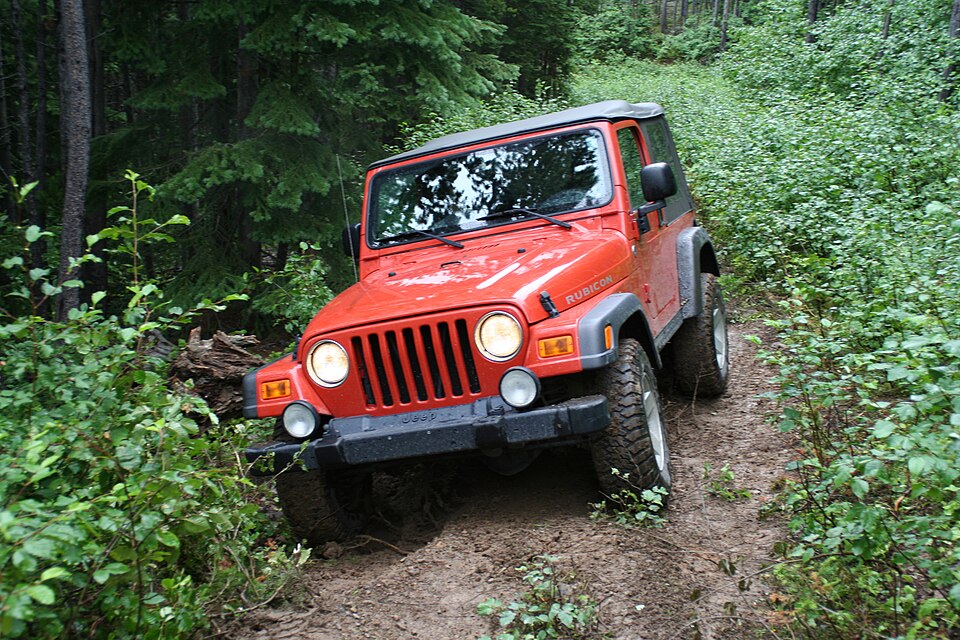 | Best compact factory trail Jeep | US model years 2003–2006 | Factory axle locks and Rock-Trac transfer case |
| 02 | 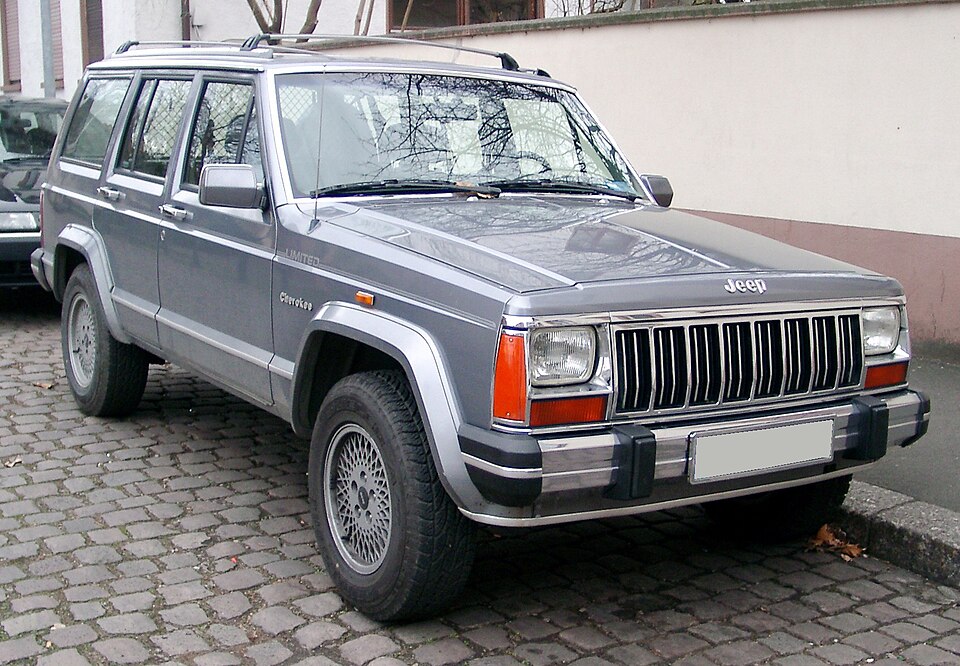 | Best compact all-round Jeep | US model years 1984–2001 | Compact uniframe wagon |
| 03 |  | Most influential early Jeep | 1941–1945 | Compact military utility vehicle |
| 04 | 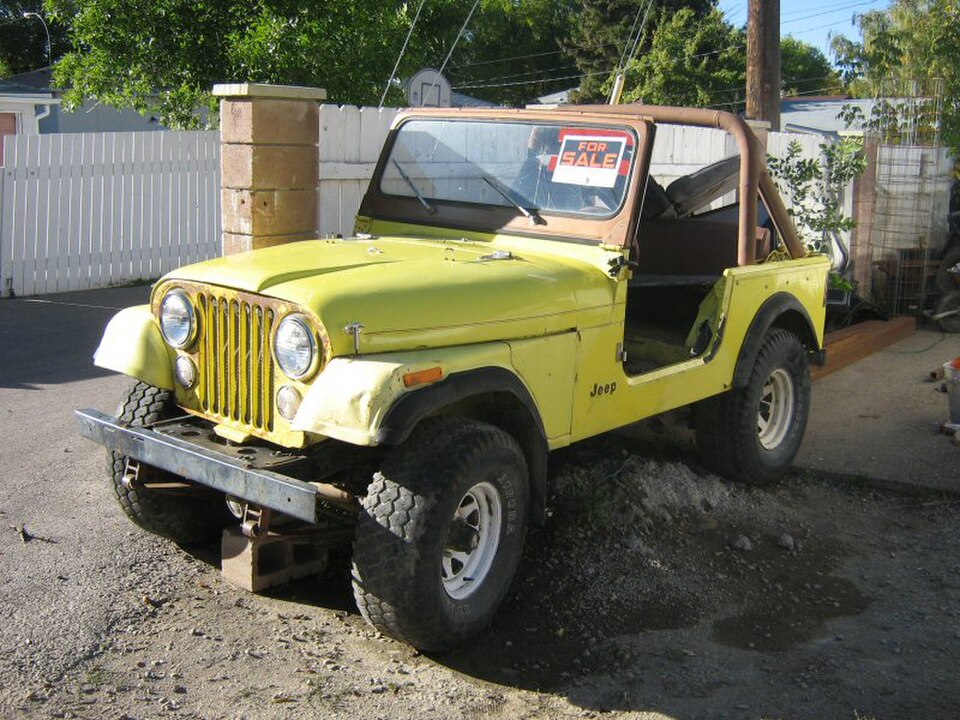 | Best developed classic CJ | 1976–1986 | Longer wheelbase than the CJ-5 |
| 05 |  | Best early comfort-focused Jeep | 1963–1991 model lineage | Passenger comfort in a full-size 4x4 wagon |
| 06 | 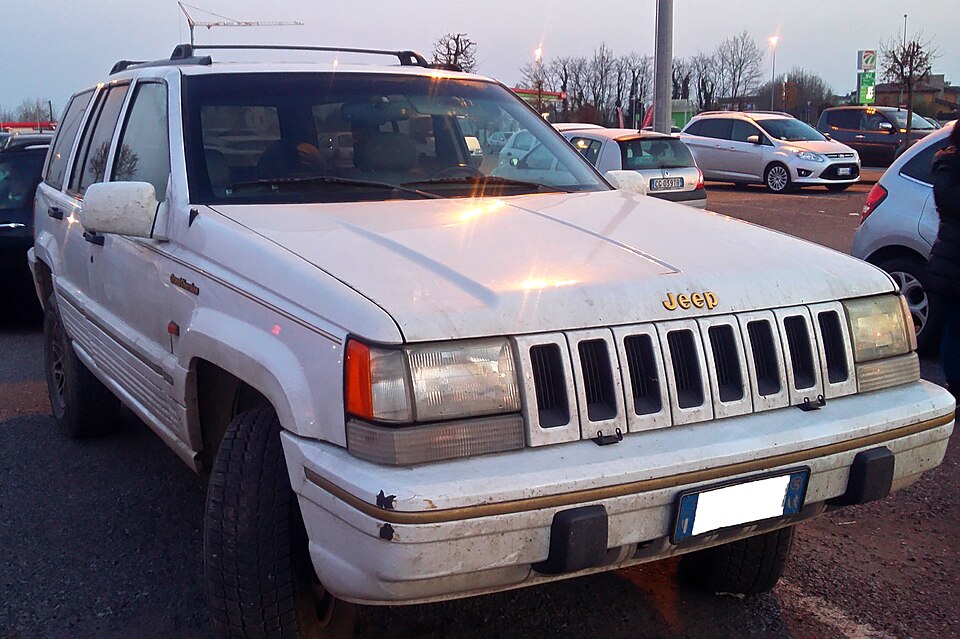 | Best early premium midsize Jeep | US model years 1993–1998 | Coil-sprung midsize SUV with a driver airbag |
| 07 | 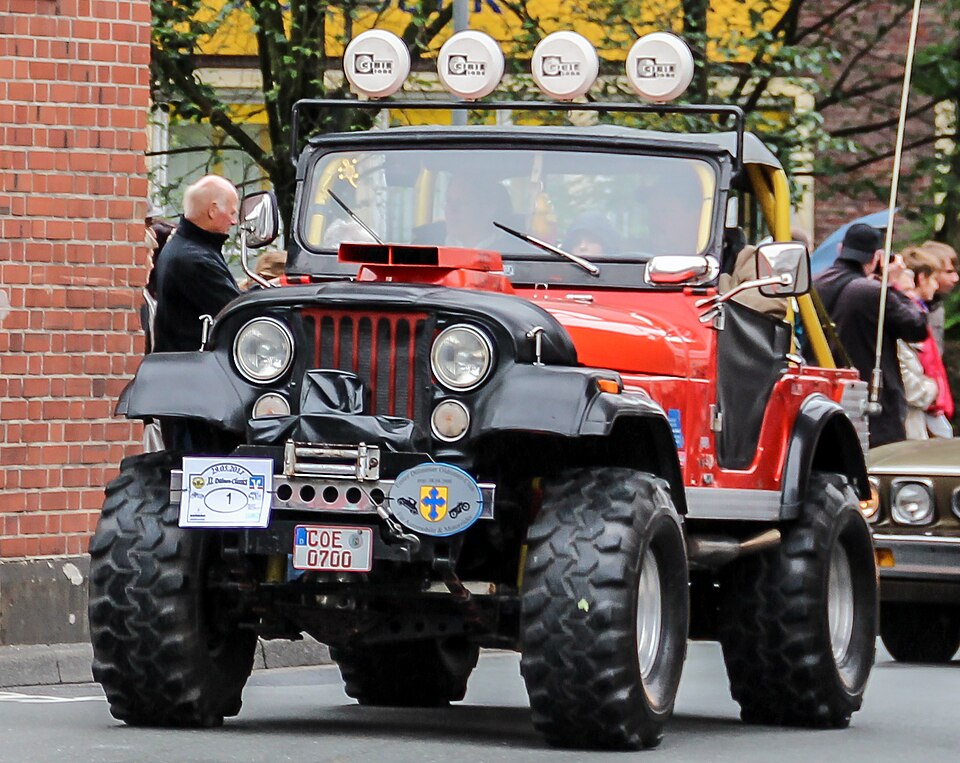 | Best long-running classic recreation Jeep | 1955–1983 | Rounded civilian body derived from the M38A1 |
| 08 | 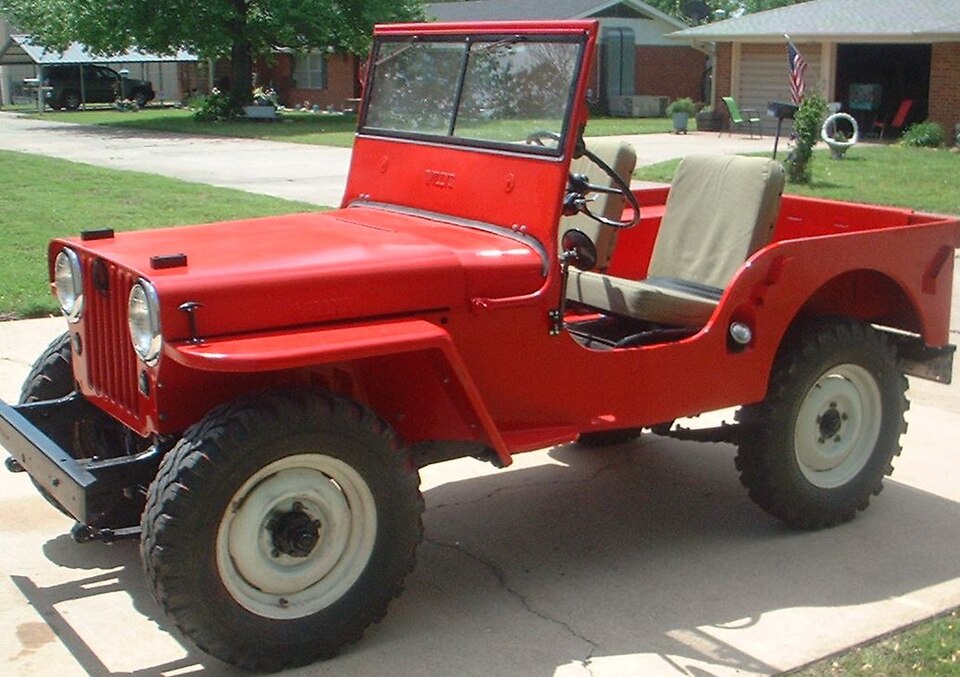 | Best bridge from military to civilian Jeep | 1945–1949 | Civilian utility body with a tailgate |
| 09 |  | Best modern development of the Rubicon formula | Generation introduced for 2018 | Axle locks and electronic front sway-bar disconnect |
| 10 |  | Best modern Jeep pickup revival | Introduced for US model year 2020 | Open-bed pickup with removable-roof character |
No entries match your search.
10 Best Jeep Models of All Time, Ranked: Entry Details
Jeep Wrangler TJ Rubicon
US model years 2003–2006 · Best compact factory trail JeepThe TJ Rubicon put front and rear locking differentials, Dana 44 axles and a dedicated low-range transfer case into the coil-sprung Wrangler. Its first place recognises that focused factory package and the enduring role of the Rubicon name.
- Defining feature
- Factory axle locks and Rock-Trac transfer case
- Suspension
- Coil springs and solid axles
- Milestone
- Rubicon introduced for 2003
Strengths & things to consider
Strengths
- Compact trail-oriented packaging
- Factory locking differentials
Things to consider
- Tight rear passenger and luggage space
Jeep Cherokee XJ
US model years 1984–2001 · Best compact all-round JeepCherokee XJ made a family-sized Jeep smaller and lighter through integrated body construction. Its available four-door body and choice of part-time or full-time four-wheel drive explain why it sits above larger, more comfort-led wagons here.
- Defining feature
- Compact uniframe wagon
- Engine milestone
- 4.0-litre inline-six introduced in 1987
- Drive systems
- Command-Trac or Selec-Trac on equipped models
Strengths & things to consider
Strengths
- Compact body with useful passenger space
- Available full-time four-wheel drive
Things to consider
- Less open-air versatility than a Wrangler
Willys MB
1941–1945 · Most influential early JeepThe MB earns its place through military usefulness and the template it gave later small 4x4s. Its compact body supported transport, reconnaissance and field adaptations, making it the strongest historical influence in the list.
- Defining feature
- Compact military utility vehicle
- Role
- Wartime transport and reconnaissance
- Civilian successor
- Willys CJ-2A
Strengths & things to consider
Strengths
- Adaptable working layout
- Foundation for civilian Jeep development
Things to consider
- Minimal passenger comfort and weather protection
Jeep CJ-7
1976–1986 · Best developed classic CJThe CJ-7 enlarged the CJ formula enough to accommodate an automatic transmission and offered a moulded hardtop and steel doors. Its fourth place rewards practical improvements that made the familiar open Jeep easier to live with.
- Defining feature
- Longer wheelbase than the CJ-5
- Body options
- Available moulded hardtop and steel doors
Strengths & things to consider
Strengths
- More practical packaging than the CJ-5
- Available automatic transmission
Things to consider
- Older utility-vehicle ride and refinement
Jeep Wagoneer SJ
1963–1991 model lineage · Best early comfort-focused JeepBrooks Stevens' Wagoneer married passenger-car styling with a four-wheel-drive wagon's role. The SJ lineage, renamed Grand Wagoneer in 1984, earns fifth place for showing that a Jeep could serve a family without looking like a military utility vehicle.
- Defining feature
- Passenger comfort in a full-size 4x4 wagon
- Designer
- Brooks Stevens
- Name change
- Grand Wagoneer from 1984
Strengths & things to consider
Strengths
- Family wagon packaging
- Strong design influence on later SUVs
Things to consider
- Large body compared with a Cherokee XJ
Jeep Grand Cherokee ZJ
US model years 1993–1998 · Best early premium midsize JeepThe first Grand Cherokee added a roomier cabin and coil-sprung road manners above Cherokee XJ. Its driver airbag and available V8 made the ZJ a clear step toward the modern premium SUV, placing it behind the models that established those underlying roles.
- Defining feature
- Coil-sprung midsize SUV with a driver airbag
- Launch
- Introduced in Detroit in January 1992 for 1993
Strengths & things to consider
Strengths
- More passenger comfort than Cherokee XJ
- Available V8 engine
Things to consider
- Larger package than Cherokee XJ
Jeep CJ-5
1955–1983 · Best long-running classic recreation JeepThe CJ-5 moved civilian Jeep design toward rounded bodywork and improved comfort. Later V6 and V8 choices broadened its appeal, but the CJ-7's more accommodating body gives that successor the higher position.
- Defining feature
- Rounded civilian body derived from the M38A1
- Engine milestone
- Dauntless V6 offered during the 1960s
Strengths & things to consider
Strengths
- Compact recreational 4x4 layout
- Broad historical engine selection
Things to consider
- Less cabin and transmission packaging room than CJ-7
Willys CJ-2A
1945–1949 · Best bridge from military to civilian JeepThe CJ-2A translated the military Jeep into a civilian working vehicle with a tailgate and equipment for agricultural and industrial tasks. Its influence earns eighth place, while later CJs added the comfort and packaging that recreational owners wanted.
- Defining feature
- Civilian utility body with a tailgate
- Working equipment
- Available power take-off applications
Strengths & things to consider
Strengths
- Practical civilian working adaptations
- Direct link to the military Jeep
Things to consider
- Basic comfort compared with later CJs
Jeep Wrangler JL Rubicon
Generation introduced for 2018 · Best modern development of the Rubicon formulaJL Rubicon preserves solid axles and locking differentials while adding the modern Wrangler's cabin and roof choices. Its factory sway-bar disconnect advances articulation, but the TJ Rubicon receives more credit here for establishing the package's original identity.
- Defining feature
- Axle locks and electronic front sway-bar disconnect
- Low-range ratio at launch
- 4.0:1
Strengths & things to consider
Strengths
- Modern cabin with factory trail hardware
- Multiple open-air roof arrangements
Things to consider
- Lower historical influence here than the original TJ Rubicon
Jeep Gladiator JT
Introduced for US model year 2020 · Best modern Jeep pickup revivalGladiator JT restores an open-bed truck to Jeep's range while retaining removable-roof character. Rubicon supplies locking differentials and sway-bar disconnection, but the pickup's longer layout is less suited to tight trails than the compact Wranglers above it.
- Defining feature
- Open-bed pickup with removable-roof character
- Trail-grade example
- Rubicon with locking front and rear differentials
Strengths & things to consider
Strengths
- Pickup cargo bed
- Available Rubicon traction hardware
Things to consider
- Longer trail footprint than a two-door Wrangler
10 Best Jeep Models of All Time, Ranked: Analysis
Why the Wrangler TJ Rubicon Takes First Place
The TJ Rubicon's achievement was making a focused trail package available straight from the factory. Locking both axles helps maintain drive when individual wheels lose traction, while its dedicated transfer case supplies slow-speed control. The package fits the TJ's compact, coil-sprung body without asking owners to specify each major drivetrain upgrade themselves.
The JL Rubicon improves that idea with an electronic sway-bar disconnect and a newer cabin. The original TJ takes the higher position because it established the Rubicon identity. The factory off-road SUV comparison explains how the modern hardware relates to competing trail vehicles.
Cherokee XJ and Wagoneer Changed the Family Jeep
Cherokee XJ's integrated body construction allowed a smaller, lighter wagon than the full-size SJ. Its four-door option and available Selec-Trac system made a useful family vehicle without copying the open-body CJ. That move toward compact usefulness gives XJ second place.
Wagoneer SJ had already connected passenger-car styling with four-wheel-drive wagon utility. Grand Cherokee ZJ later added a more refined coil-sprung midsize package. These three entries explain Jeep's family-SUV development more clearly than the Wrangler alone, and the Jeep logo history follows the marque through those changing ownership eras.
Willys MB and the Civilian CJ Line
Willys MB's military purpose required a small vehicle that could be adapted to many jobs. CJ-2A carried that working idea into civilian life with a tailgate and power take-off applications. The two rank separately because wartime mobility and civilian farm work shaped different equipment needs.
CJ-5 moved the body toward rounded contours and greater comfort. CJ-7 then enlarged the wheelbase enough to accommodate an automatic transmission and added hardtop and steel-door options. The CJ-7 ranks above both earlier civilian models because those changes made the familiar Jeep more practical for recreational owners.
Why the Gladiator Ranks Below the Wranglers
Gladiator JT provides the cargo bed the TJ and JL cannot. Rubicon versions add axle locks and a front sway-bar disconnect, allowing the pickup to retain a serious trail role. Its longer wheelbase, however, changes the space needed to turn and pass over a crest.
The Gladiator's tenth place follows those packaging priorities. Drivers carrying bulky equipment may value its bed more than a Wrangler's compactness, while a short, narrow trail rewards the two-door layout. The JT is an addition to the Jeep formula rather than a replacement for the models higher on the list.
Important context
- The CJ-7's longer wheelbase made room for an automatic transmission.
- Cherokee XJ introduced its 4.0-litre inline-six in 1987.
- The full-size SJ Wagoneer became Grand Wagoneer in 1984, when the smaller XJ family arrived.
- The JL Rubicon and Gladiator Rubicon add an electronic front sway-bar disconnect to their traction hardware.
Our verdict
Our best Jeep verdict
TJ Rubicon is the most focused compact trail choice here, while Cherokee XJ better combines a family wagon with modest external size. Willys MB and the early CJs matter most as historical vehicles. A JL Rubicon provides newer amenities, and Gladiator becomes the practical answer when an open cargo bed is essential.
Strengths
- TJ Rubicon made a serious trail drivetrain a factory configuration.
- Cherokee XJ offers enclosed passenger space in a compact wagon.
- Wagoneer and Grand Cherokee developed Jeep's comfort-focused SUV roles.
Things to consider
- Early MB and CJ models provide much less comfort than later passenger SUVs.
- A compact Wrangler gives up luggage and rear-seat space.
- Gladiator trades trail compactness for its open cargo bed.
FAQ: 10 Best Jeep Models of All Time, Ranked
What is the best Jeep model of all time?
Wrangler TJ Rubicon leads our editorial selection for combining the compact TJ with factory trail drivetrain upgrades. Cherokee XJ follows for its practical family-wagon role, and Willys MB earns the highest position among Jeep's earliest vehicles.
What makes a Jeep Wrangler a Rubicon?
Rubicon identifies a factory trail specification rather than a separate vehicle generation. The TJ package introduced axle locks and a dedicated transfer case, while later JL Rubicons also offer an electronic front sway-bar disconnect.
Is a Cherokee XJ the same as a Grand Cherokee?
No. Cherokee XJ is the compact wagon introduced for 1984. Grand Cherokee ZJ arrived for 1993 with a larger, more comfort-focused midsize body and coil suspension.
What is the difference between CJ-5 and CJ-7?
CJ-7 has a longer wheelbase and more accommodating packaging, including room for an automatic transmission. The squared door openings also distinguish it from the CJ-5's rounded openings.
Was the original Jeep Wagoneer a Grand Wagoneer?
The SJ began as Wagoneer for the 1963 model year. Jeep renamed that full-size line Grand Wagoneer in 1984 when the smaller XJ Wagoneer and Cherokee arrived.
Is the Gladiator better off-road than a Wrangler?
Gladiator Rubicon has substantial trail equipment, including differential locks and sway-bar disconnection. A two-door Wrangler's shorter layout is more convenient on tight tracks, while the Gladiator's advantage is carrying bulky cargo in an open bed.
Sources & methodology
Editorial order weighs trail engineering, usefulness and historical influence using Jeep histories and Stellantis specifications. Named generations are separate entries, including Willys MB. No reliability or capability scores are assigned.
Maintained by Artsiom Dusau, a software engineer and BMW 4 Series owner. Editorial policy
View sources (10)
- Jeep 1940s history and civilian CJ-2A development
- Jeep 1950s history and CJ-5
- Jeep 1960s history and Wagoneer SJ
- Jeep 1970s history and CJ-7
- Jeep 1980s history and Cherokee XJ
- Jeep 1990s history and Grand Cherokee ZJ
- Stellantis Wrangler history and Rubicon development
- Stellantis Wrangler press pack and TJ Rubicon hardware
- Stellantis all-new Wrangler JL launch specifications
- Stellantis 2020 Gladiator launch and Rubicon equipment


.jpg)
.jpg)


.jpg)
_1X7A0017.jpg)