
Short answer
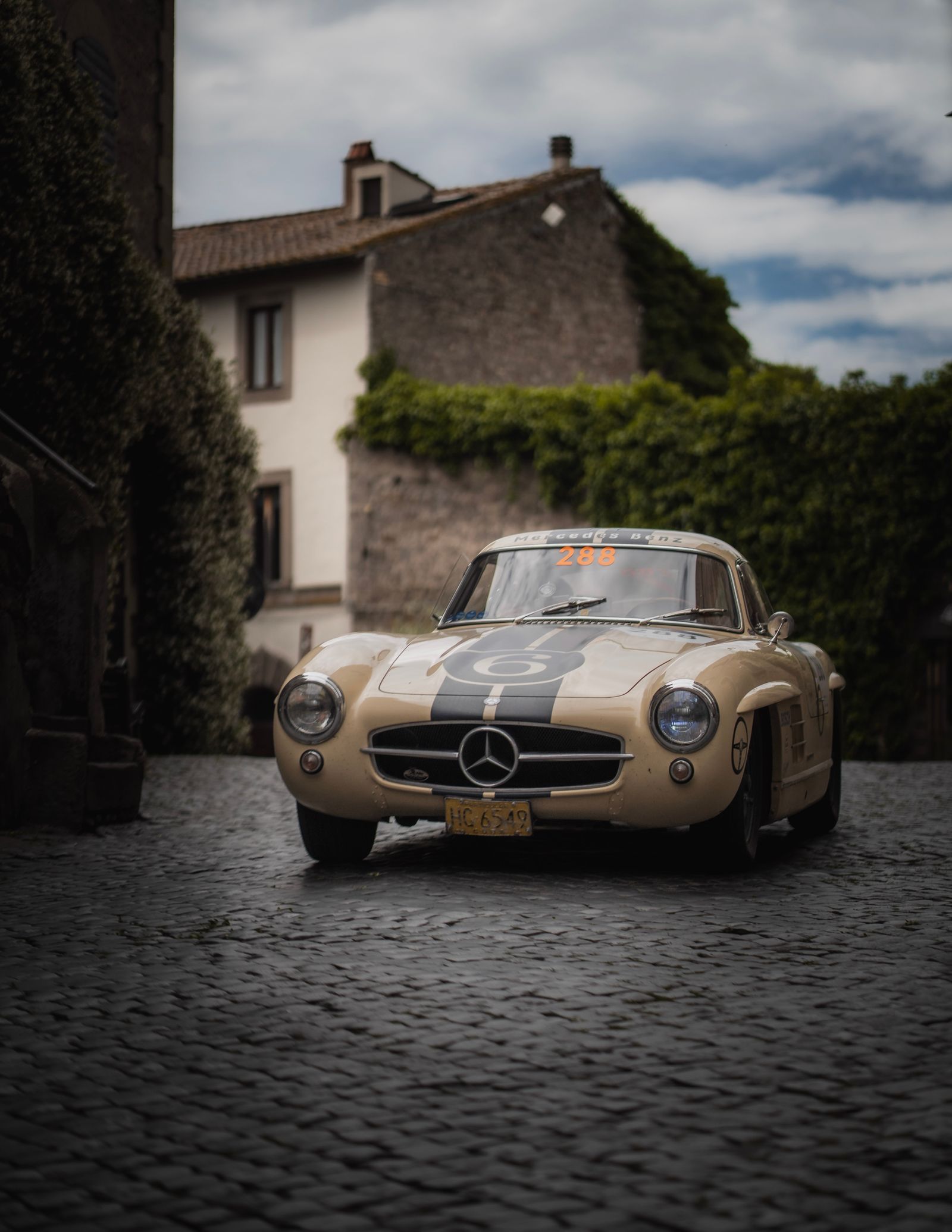
The Mercedes-Benz 300 SL Gullwing takes first for making its racing-derived structure part of its design. The W123 follows for everyday usefulness, and the 500 E is our strongest choice for discreet performance.
- Leading sports car
- 300 SL Gullwing
- Everyday alternative
- W123 saloon and estate family
- Performance collaboration
- 500 E developed and assembled with Porsche
- Safety milestones
- W116 ABS and W126 driver airbag
The 10 Best Mercedes-Benz Cars of All Time at a Glance
| Rank | Car or generation | Defining achievement | Character |
|---|---|---|---|
| 01 | 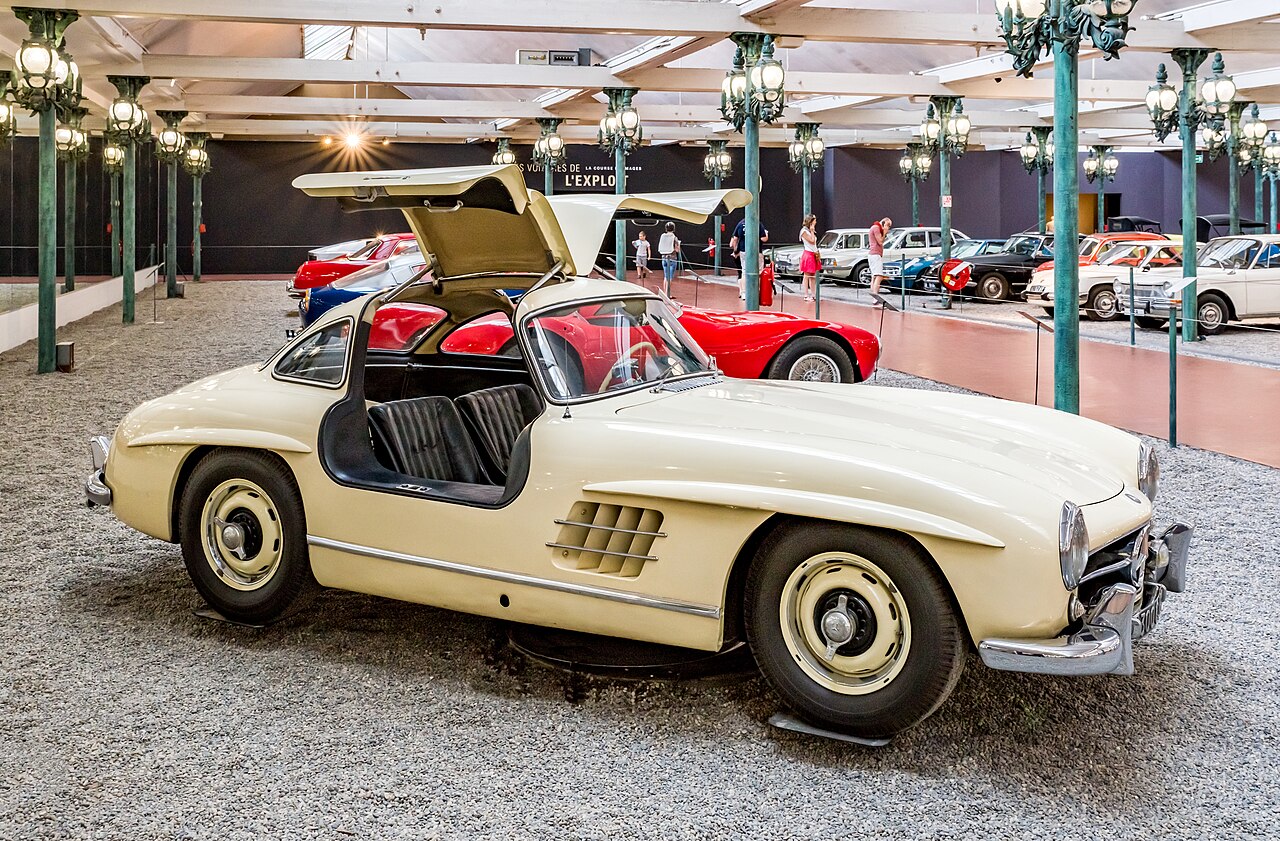 | Racing-derived space frame and fuel injection | Two-seat sports coupé |
| 02 | 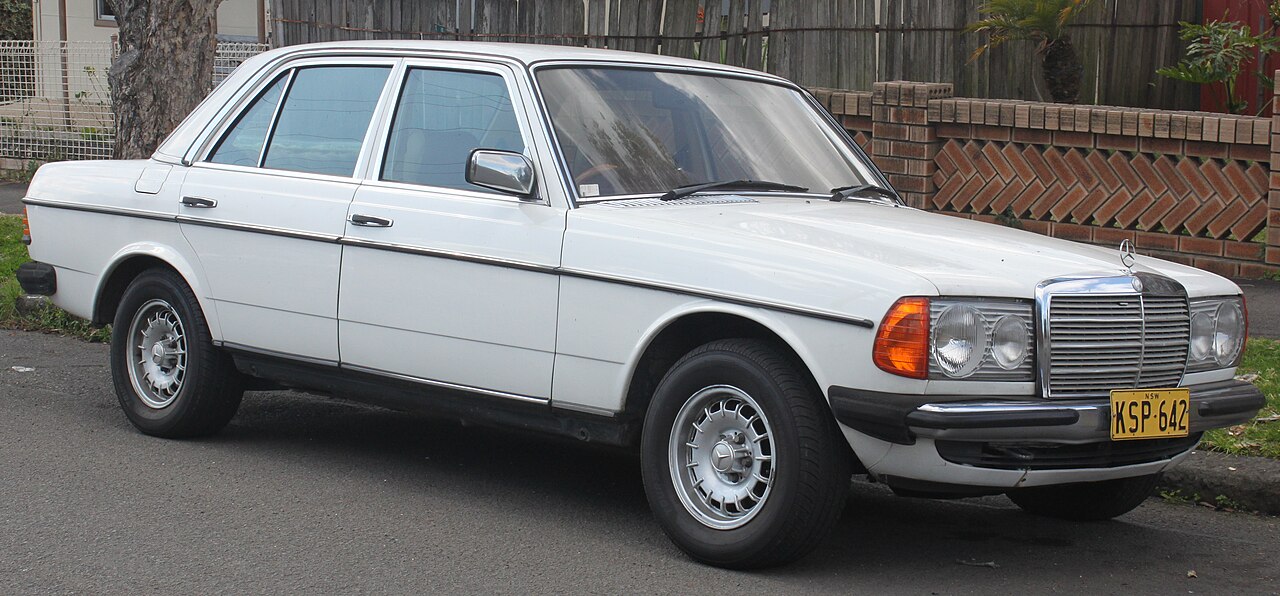 | Everyday engineering across several body styles | Executive saloon and derivatives |
| 03 | 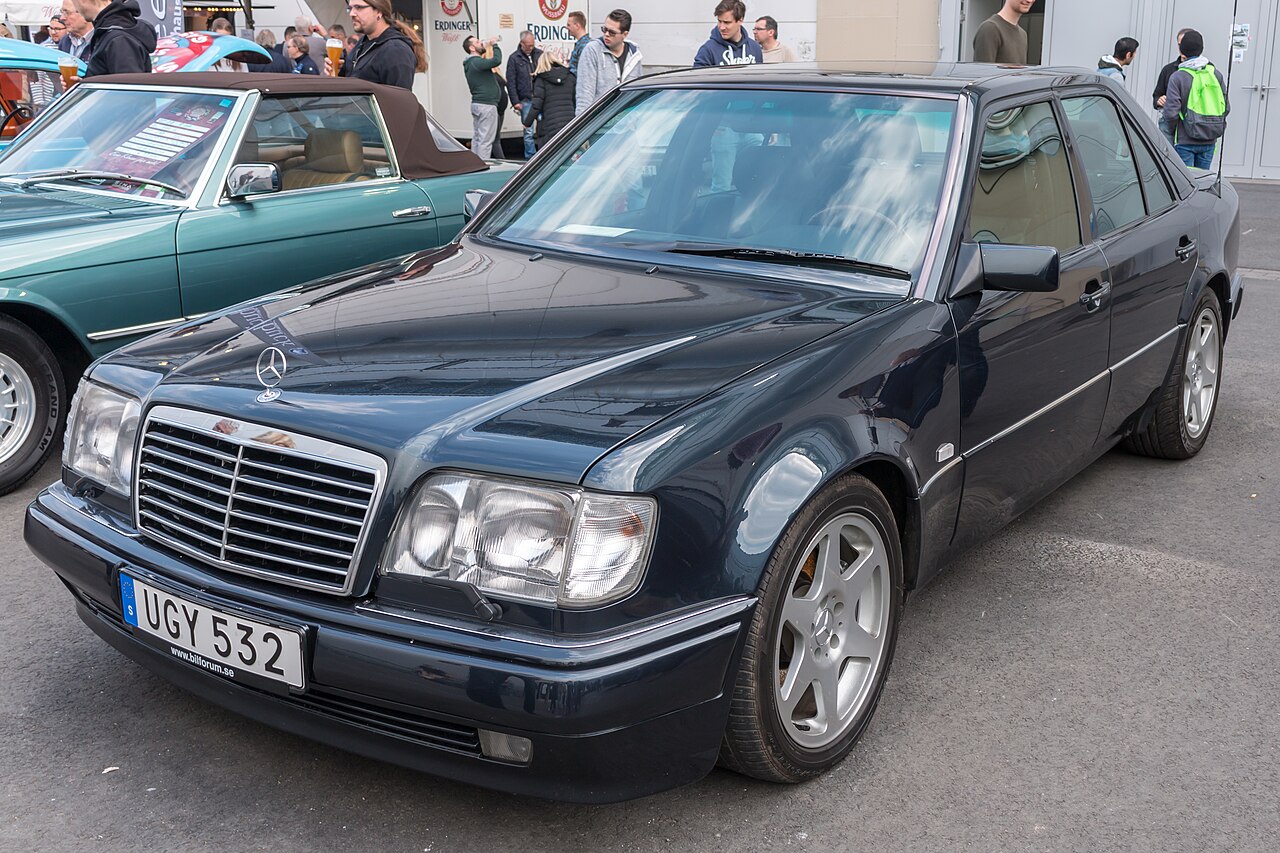 | Porsche-developed V8 sports saloon | High-performance saloon |
| 04 | 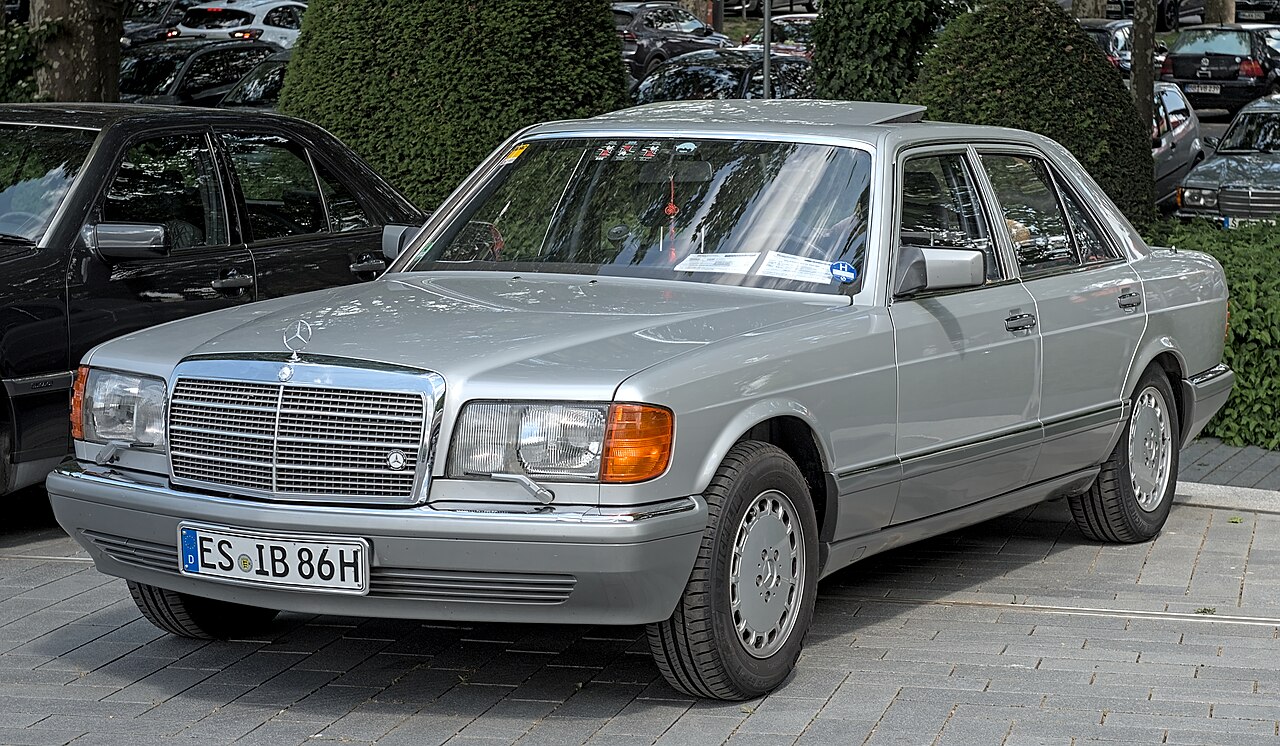 | Airbag-era luxury with aerodynamic refinement | Luxury saloon |
| 05 | 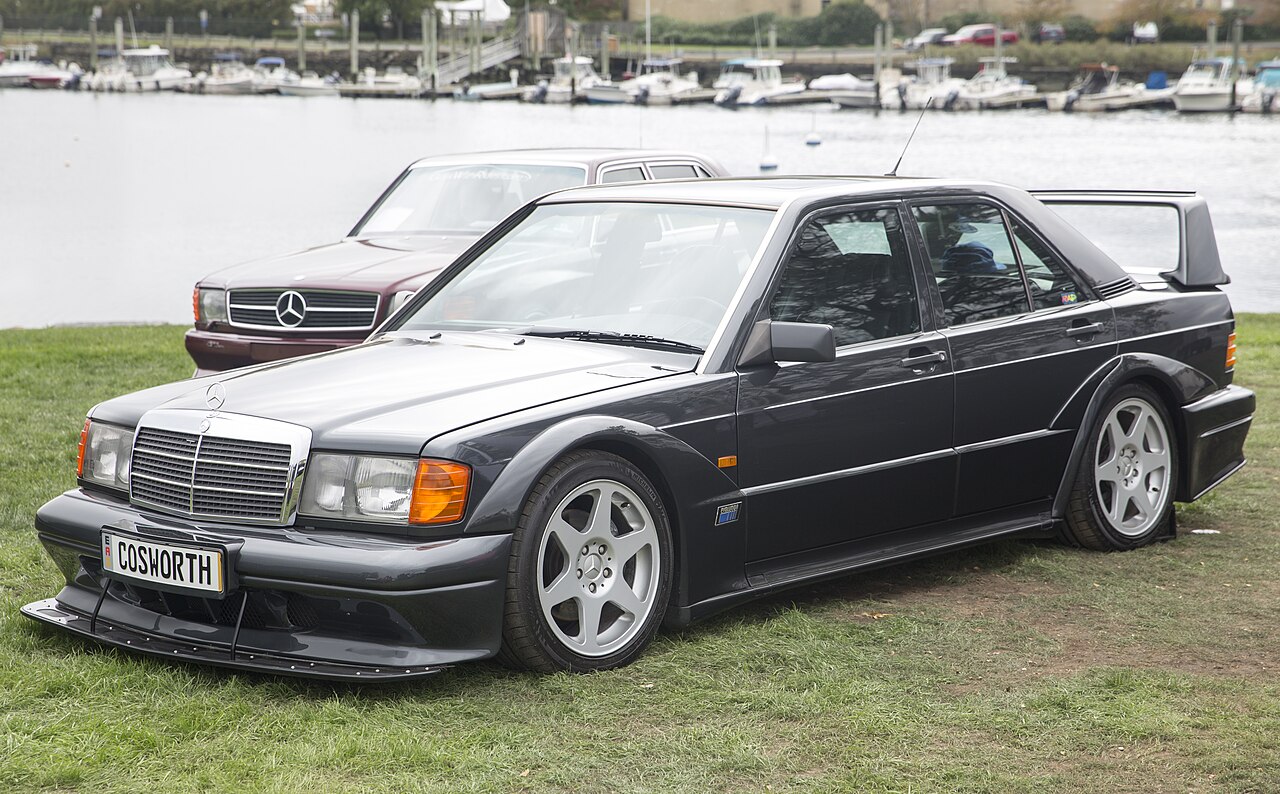 | Touring-car homologation with functional aero | Homologation sports saloon |
| 06 | 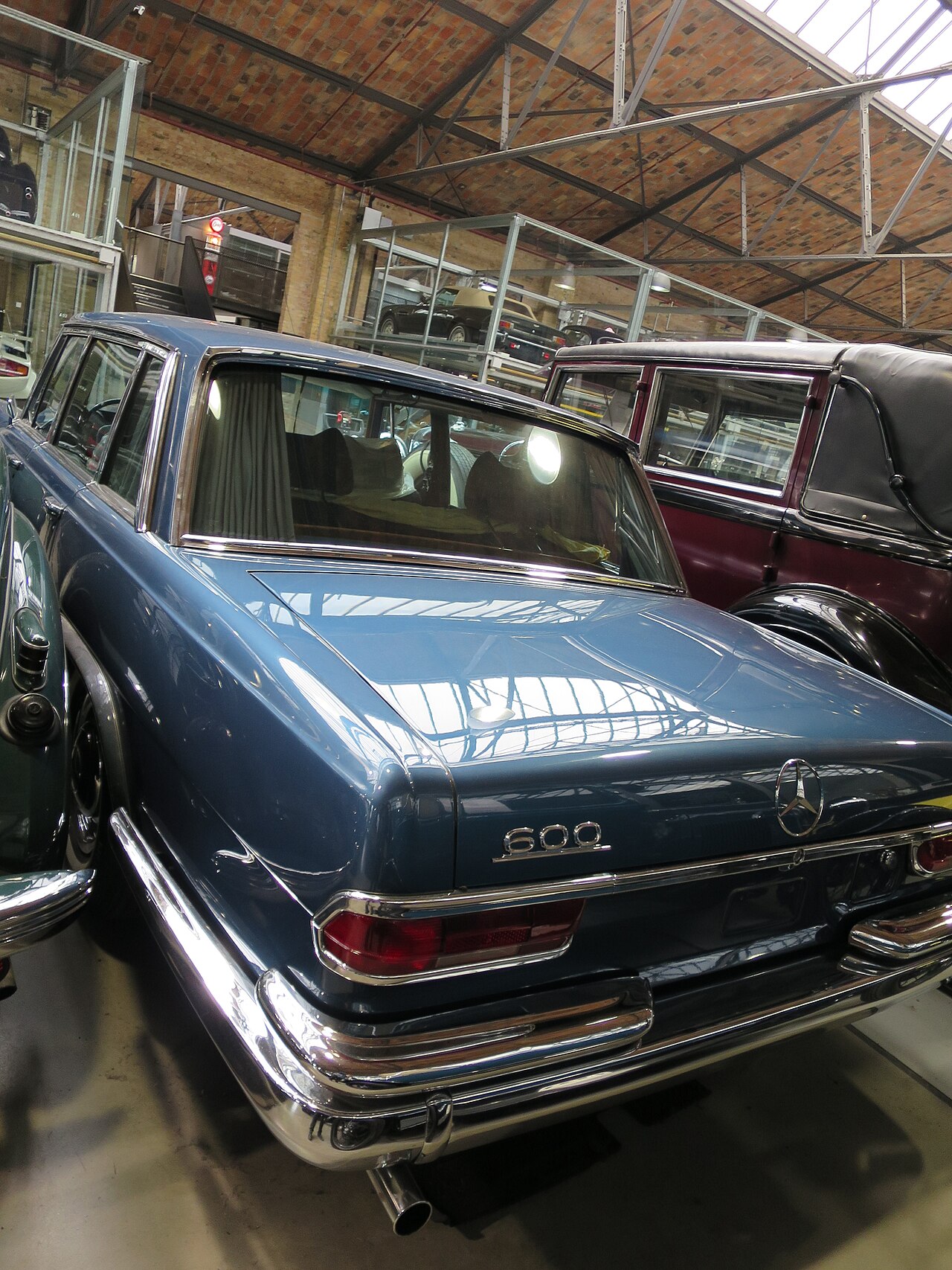 | Hydraulic luxury on a grand scale | Chauffeur-driven luxury saloon |
| 07 | 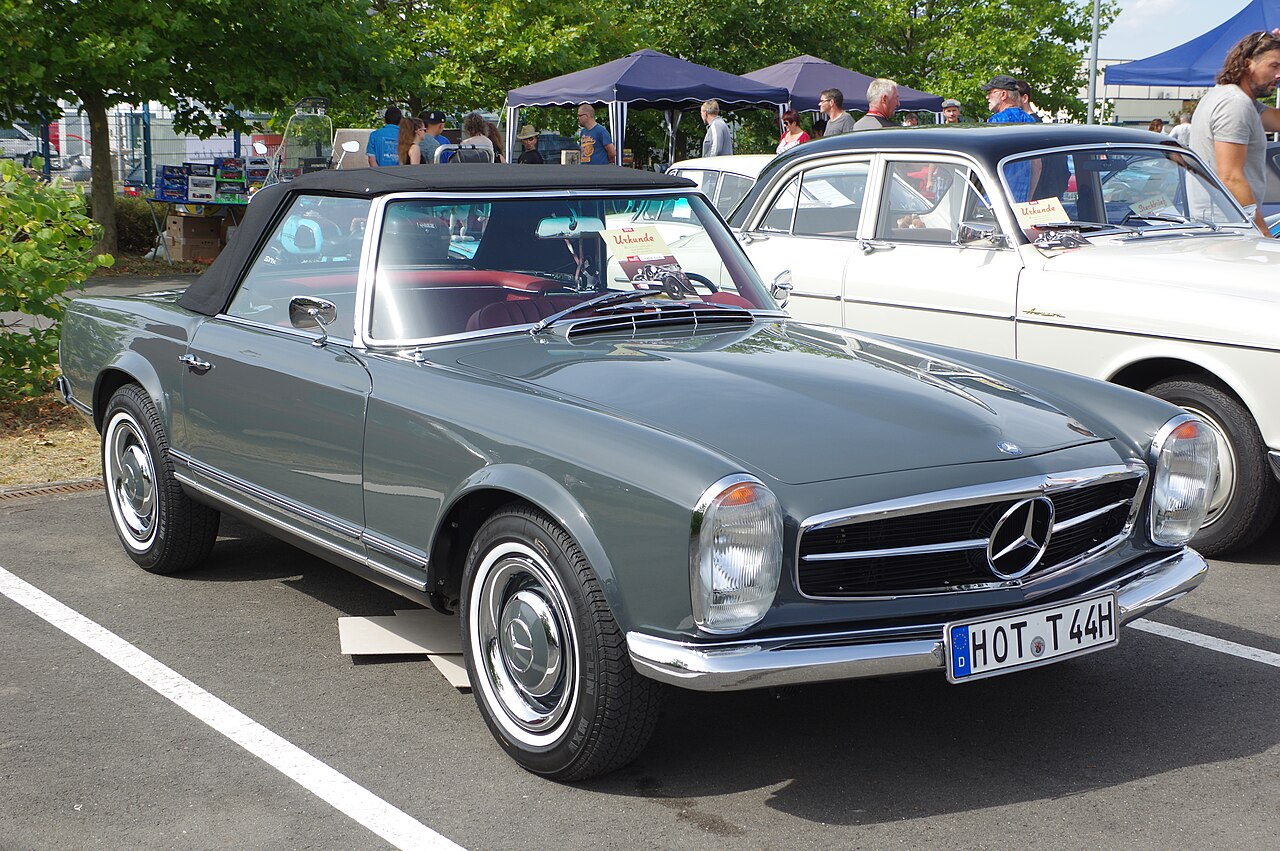 | Sports-car safety with a distinctive hardtop | Two-seat touring roadster |
| 08 | 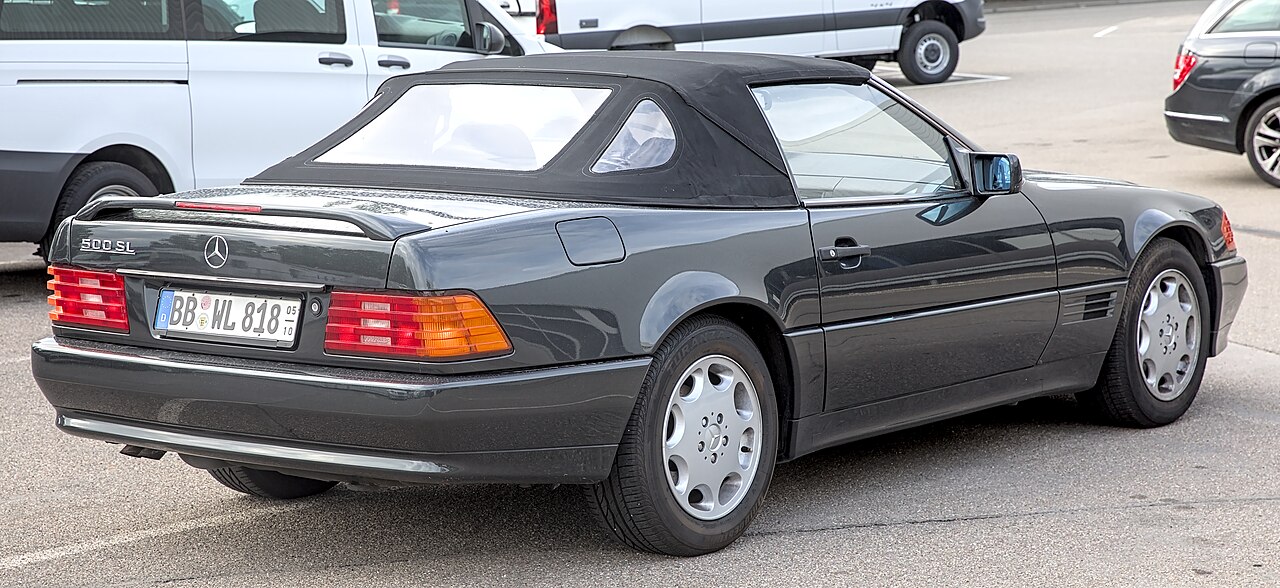 | Automatic rollover protection for a roadster | Luxury roadster |
| 09 | 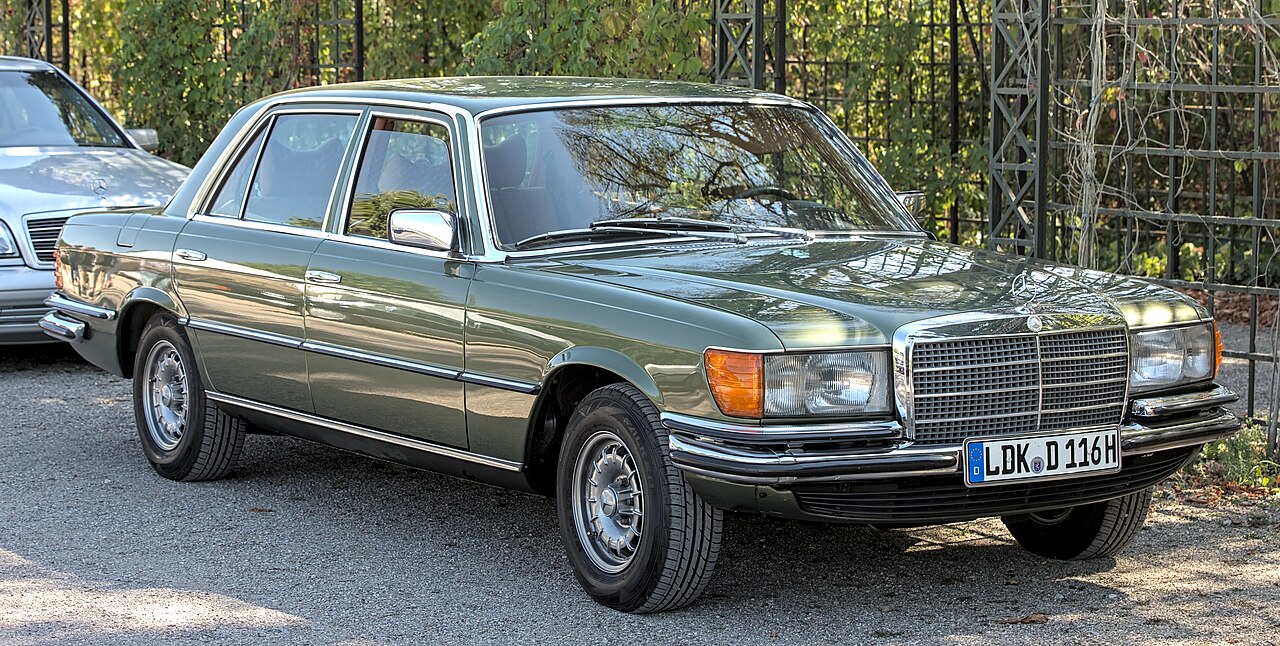 | First officially named S-Class generation | Luxury saloon |
| 10 |  | AMG-developed aluminium sports car | Two-seat sports coupé |
No entries match your search.
The 10 Best Mercedes-Benz Cars of All Time: Entry Details
Mercedes-Benz 300 SL Gullwing (W198)
1954–1957 · Racing-derived space frame and fuel injectionThe tubular frame made conventional doors impractical, giving the road-going 300 SL its most recognizable feature. Fuel injection and a racing-derived chassis make it the strongest meeting of Mercedes engineering and visual identity.
- Character
- Two-seat sports coupé
- Engineering
- Direct-injection straight-six
Mercedes-Benz W123
1976–1986 model family · Everyday engineering across several body stylesThe W123 translated Mercedes priorities into cars for families, taxi operators and long-distance drivers. An estate joined the saloon and coupé, while available ABS and an airbag brought expensive safety technology into the middle of the range.
- Character
- Executive saloon and derivatives
- Engineering
- Optional ABS and driver airbag
Mercedes-Benz 500 E / E 500 (W124)
1991–1995 · Porsche-developed V8 sports saloonThe widened W124 accommodated a V8 without losing the restrained appearance of a touring saloon. Porsche helped develop and assemble it, creating a bridge between the familiar E-Class shape and a dedicated performance car.
- Character
- High-performance saloon
- Engineering
- Mercedes V8 with Porsche development
Mercedes-Benz S-Class (W126)
1979–1991 saloon generation · Airbag-era luxury with aerodynamic refinementThe W126 paired lower weight and improved aerodynamics with a calmer exterior. Its available driver airbag and seat-belt tensioner helped make occupant restraint technology a defining part of the luxury-car conversation.
- Character
- Luxury saloon
- Engineering
- Driver airbag introduced in 1981
Mercedes-Benz 190 E 2.5-16 Evolution II
1990 · Touring-car homologation with functional aeroThe Evolution II turned the compact 190 into a road-going expression of Mercedes touring-car development. Its wing and revised bodywork had a competition purpose, giving the smallest saloon a role beyond entry-level transport.
- Character
- Homologation sports saloon
- Engineering
- Competition-focused aerodynamics
Mercedes-Benz 600 (W100)
1963–1981 · Hydraulic luxury on a grand scaleThe 600 used a high-pressure hydraulic system to operate comfort functions. A V8, air suspension and limousine variants made it the clearest expression of Mercedes engineering for passengers who travelled in the back.
- Character
- Chauffeur-driven luxury saloon
- Engineering
- Hydraulic comfort functions and air suspension
Mercedes-Benz 230 SL Pagoda (W113)
1963–1967 · Sports-car safety with a distinctive hardtopThe 230 SL gave the roadster a passenger-focused safety structure and a removable roof with a concave profile. Its balance of comfort, visibility and sporting purpose earns it a place beyond the appeal of the Pagoda nickname.
- Character
- Two-seat touring roadster
- Engineering
- Rigid passenger cell and crumple zones
Mercedes-Benz SL (R129)
1989–2001 · Automatic rollover protection for a roadsterThe R129 made an open car feel like a substantial luxury Mercedes. An automatically deploying rollover bar and seats with integrated restraints addressed the particular protection problems of a convertible without a permanent bar across its profile.
- Character
- Luxury roadster
- Engineering
- Automatically deploying rollover bar
Mercedes-Benz S-Class (W116)
1972–1980 · First officially named S-Class generationThe W116 formalized the S-Class name and treated safety as part of luxury engineering. Its collision-protected fuel tank and available electronically controlled ABS make it more consequential than its restrained shape first suggests.
- Character
- Luxury saloon
- Engineering
- Optional electronic four-wheel ABS from 1978
Mercedes-Benz SLS AMG
2009 premiere, production from 2010 · AMG-developed aluminium sports carThe SLS connected a new AMG sports car with the 300 SL through gullwing doors. Its aluminium structure and front-mid-mounted V8 gave the tribute mechanical substance, although its historical influence is narrower than that of the earlier cars.
- Character
- Two-seat sports coupé
- Engineering
- Aluminium structure and front-mid-mounted V8
The 10 Best Mercedes-Benz Cars of All Time: Analysis
Why the 300 SL Is the Best Mercedes-Benz of All Time
The 300 SL makes its engineering visible. The tall sides of its tubular structure prevented ordinary doors, so the upward-opening solution became its signature. A design remembered for theatre began as an answer to a chassis problem.
The W123 is the strongest alternative because it represents the opposite end of Mercedes ambition. Its achievement was making saloons and estates useful across very different lives. The 300 SL takes first because fewer cars joined such distinct engineering decisions with such an enduring shape.
The W116 and W126 Made Safety Part of Luxury
The W116's available ABS preserved steering control under heavy braking. The W126 then offered the driver airbag alongside a belt tensioner. These cars explain why a flagship was valued for protection as well as space and comfort.
The W123 carried some of that technology into a smaller class. The relationship between the generations gives the Mercedes-Benz star a concrete engineering context.
The 500 E and Evolution II Took Different Routes to Speed
The 500 E started with an executive-car body and made room for V8 performance. Porsche's involvement covered development and an unusual assembly process between the manufacturers. The Porsche crest therefore has a real connection to this Mercedes saloon.
The 190 E Evolution II made its racing connection conspicuous. Its aerodynamics served touring-car homologation, while the 500 E retained the visual restraint of a road car. Their appeal lies in the different problems each project solved.
Pagoda, R129 and SLS Define Different Mercedes Sports Cars
The 230 SL made comfort and protection central to a roadster. The R129 continued that direction through automatic rollover protection and integrated seat restraints. Sports-car engineering extends beyond the engine in both models.
The SLS AMG moved toward a dedicated performance layout while revisiting the Gullwing silhouette. The AMG identity belongs to that development story, while the original 300 SL remains the more influential marriage of shape and structure.
Important context
- The 500 E combined Mercedes hardware with development and assembly work carried out by Porsche.
- The W116 offered electronically controlled four-wheel ABS in 1978.
- The R129 SL protected open-top occupants with an automatically deploying rollover bar.
- The SLS AMG revived gullwing doors in a sports car developed by AMG.
Our verdict
Our Mercedes-Benz Verdict
Choose the 300 SL for engineering becoming design, the W123 for everyday purpose and the 500 E for discreet performance. The W116 and W126 deserve attention from anyone interested in how Mercedes made protection part of a luxury car's appeal.
Strengths
- The 300 SL links its distinctive form to a real structural requirement.
- W123 and S-Class generations give everyday and luxury engineering equal space.
- The 500 E and Evolution II explain different performance traditions.
Things to consider
- The 600's hydraulic complexity calls for specialist restoration knowledge.
- The Evolution II's homologation purpose brings conspicuous bodywork and rarity.
FAQ: The 10 Best Mercedes-Benz Cars of All Time
What is the best Mercedes-Benz car of all time?
The 300 SL Gullwing is our first choice. Its tubular frame, fuel-injected straight-six and distinctive doors turn engineering decisions into a complete sports-car identity.
Why is the Mercedes W123 so respected?
The W123 combined several body styles with Mercedes comfort and safety development. The estate expanded its practical appeal, and optional ABS and an airbag brought flagship technology into a family-car class.
Did Porsche build the Mercedes 500 E?
Porsche helped develop and assemble the 500 E under a Mercedes commission. Mercedes supplied major components, and the production process involved both manufacturers.
Which Mercedes introduced ABS?
The W116 S-Class offered electronically controlled four-wheel ABS in 1978. The system reduced wheel locking under heavy braking so the driver could retain steering control.
What makes the 190 E Evolution II special?
The Evolution II was a homologation model connected to touring-car competition. Its distinctive wing and bodywork were part of the aerodynamic development.
Are the 300 SL and SLS AMG related?
Both are two-seat gullwing sports coupés, but their door layouts have different origins. The 300 SL's space frame dictated the solution, while the SLS deliberately revisited the older car's appearance with AMG engineering.
Sources & methodology
Editorial order weighs engineering influence, design, competition connections and everyday purpose. Mercedes-Benz archives and Porsche's 500 E account support the facts. Positions are judgements rather than numerical scores.
Maintained by Artsiom Dusau, a software engineer and BMW 4 Series owner. Editorial policy
View sources (9)
- Mercedes-Benz 600 anniversary and hydraulic engineering
- Mercedes-Benz historical vehicle milestones including SLS AMG
- Mercedes-Benz 300 SL museum history
- Mercedes-Benz E-Class history including W123
- Porsche development and assembly of the 500 E
- Mercedes-Benz S-Class historical chronology
- Mercedes-Benz Evolution II anniversary
- Mercedes-Benz 230 SL safety innovations
- Mercedes-Benz SL generations and engineering