
Short answer
The original quattro takes first for making all-wheel drive central to Audi's sporting identity. The RS 2 defines the performance-estate tradition, while the first TT and R8 represent its strongest distinct sports-car ideas.
- First choice
- Original Audi quattro road coupé
- First RS model
- RS 2 Avant
- Design alternative
- First-generation TT Coupé
- Lightweight engineering
- A8 Space Frame and aluminium-bodied A2
Top 10 Best Audi Cars Ever at a Glance
| Rank | Model | Defining achievement | Character |
|---|---|---|---|
| 01 | 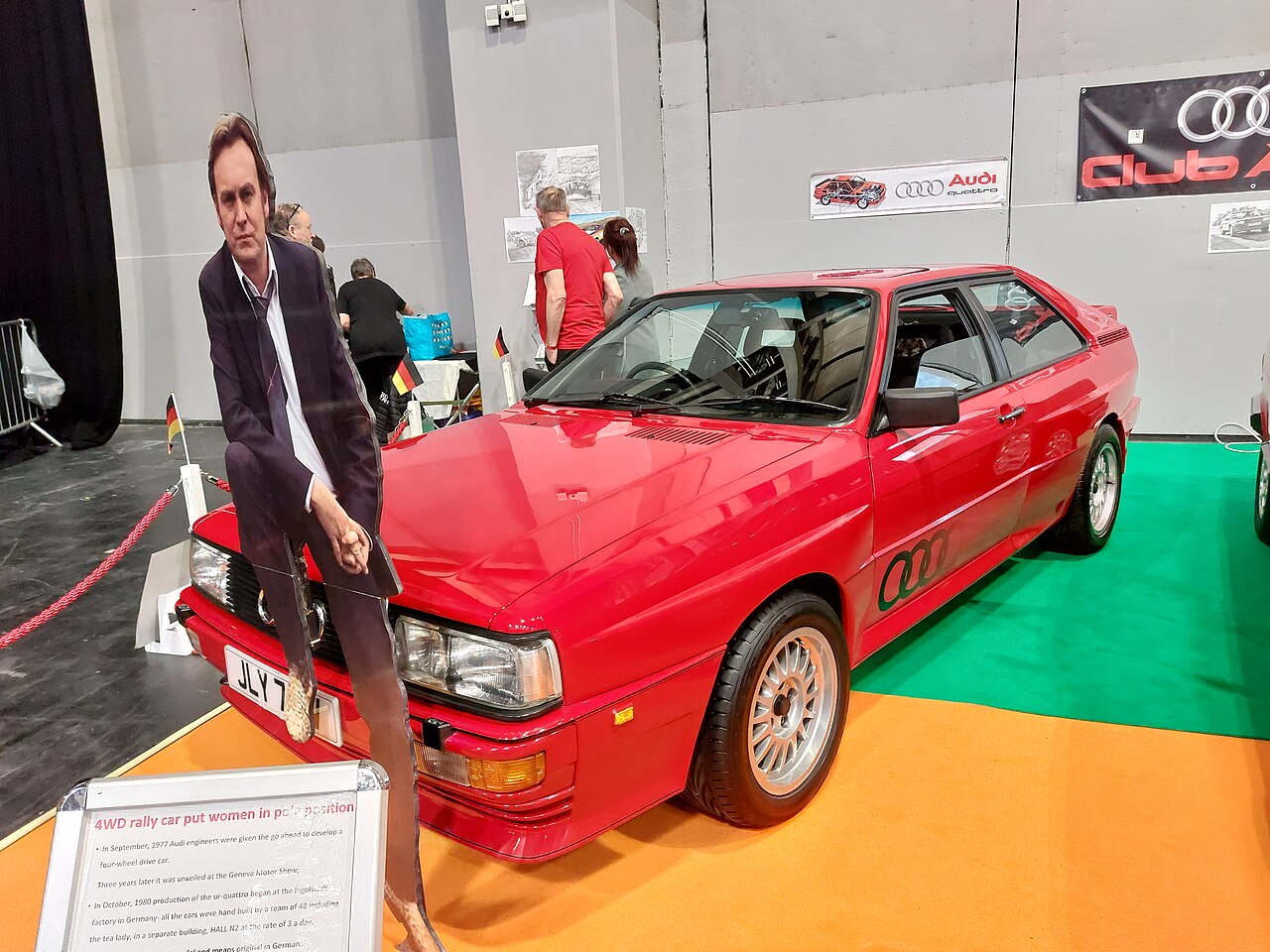 | Permanent all-wheel drive in a sports coupé | Turbocharged sports coupé |
| 02 | 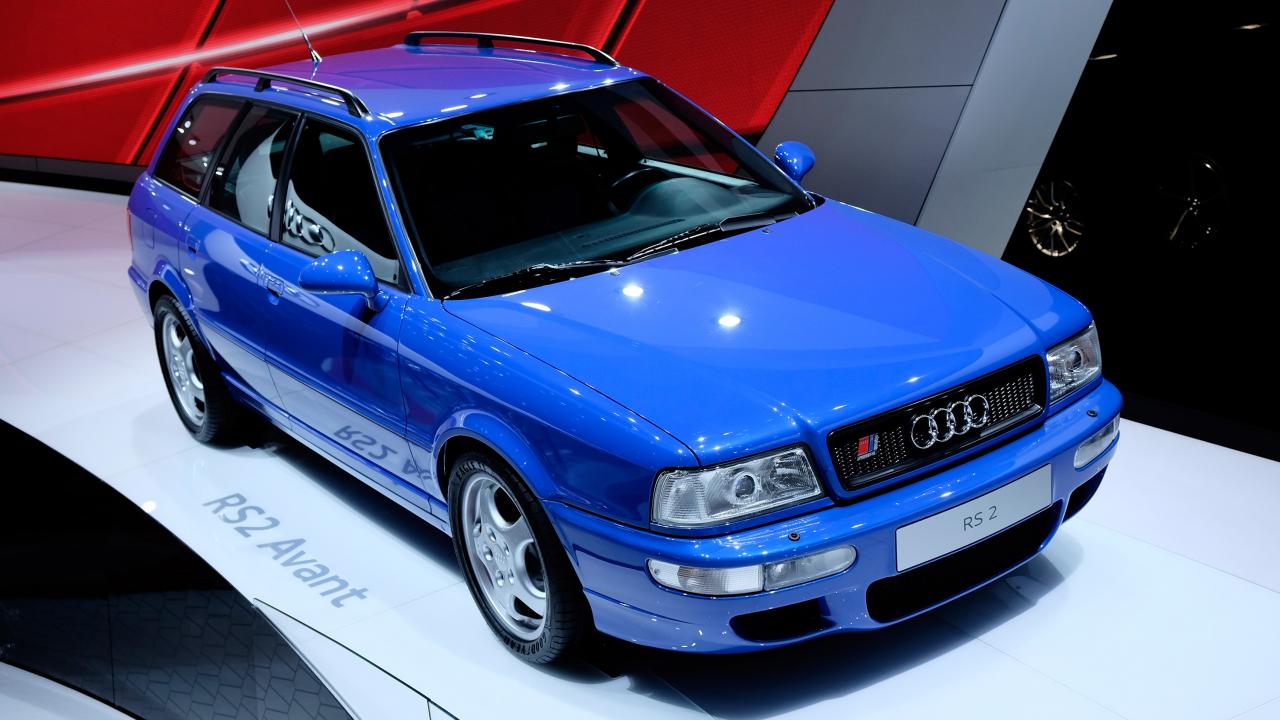 | First RS model and Porsche collaboration | High-performance estate |
| 03 | 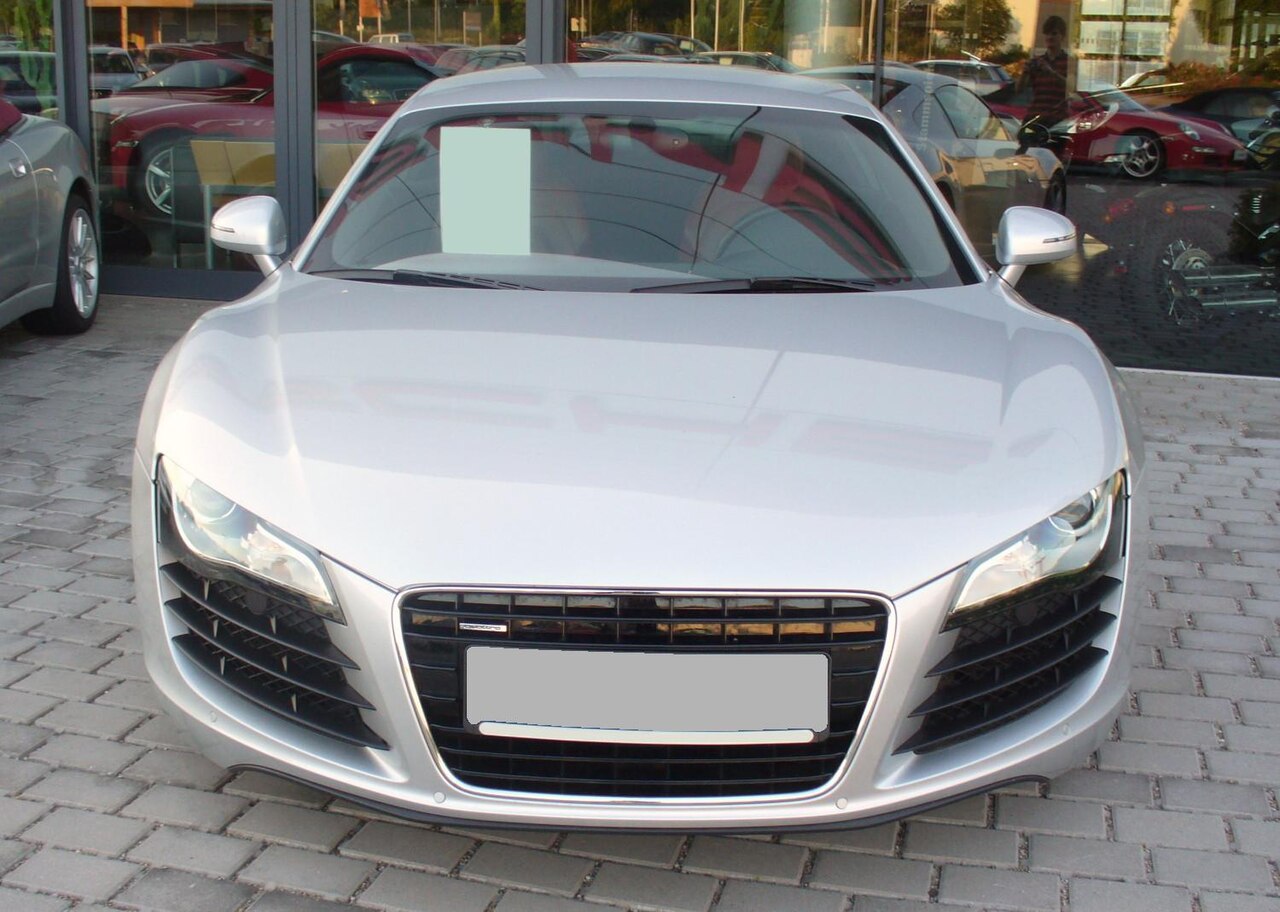 | Mid-engined road supercar | Two-seat supercar |
| 04 | 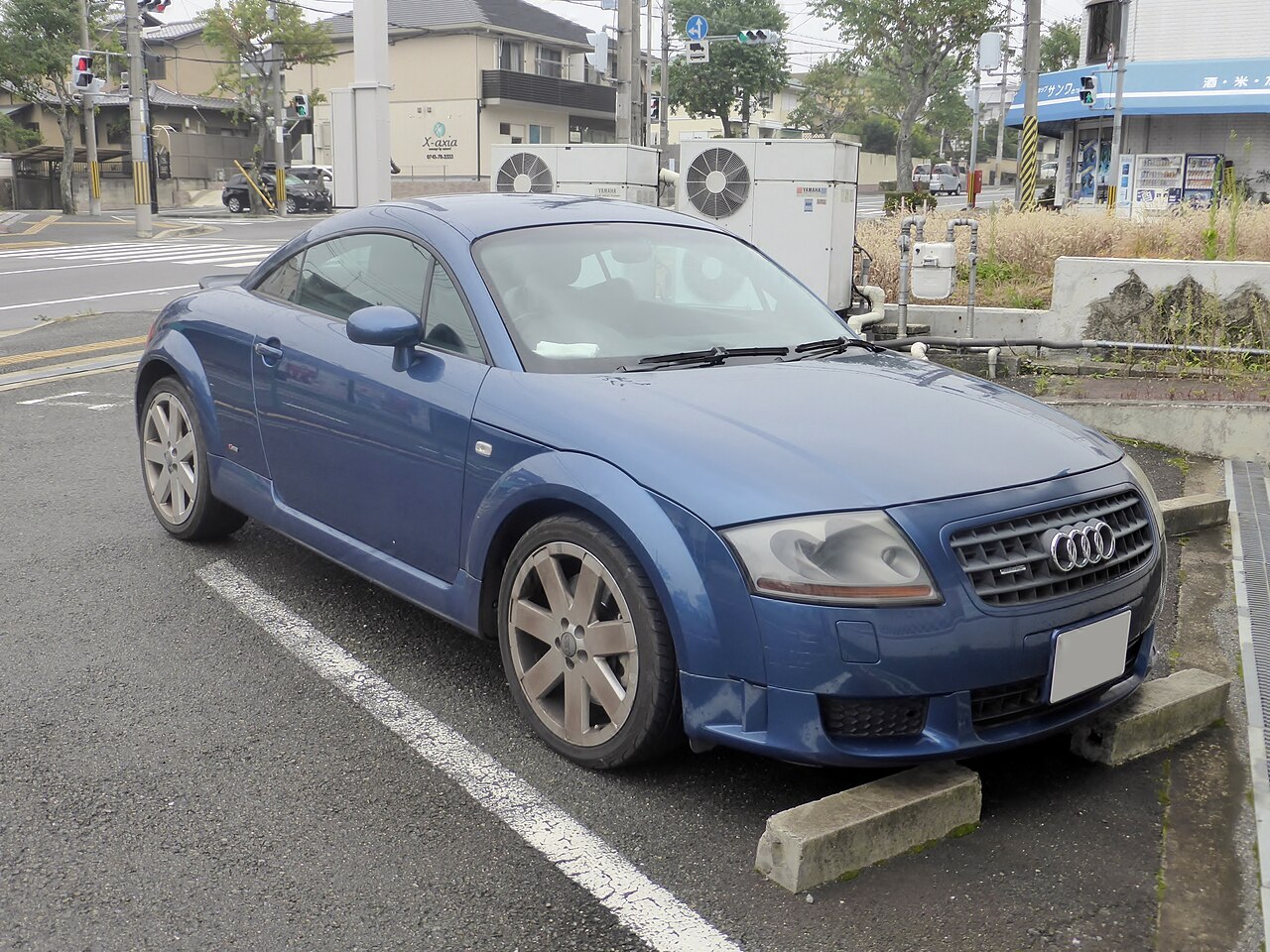 | Concept-car design brought into production | Compact sports coupé |
| 05 | 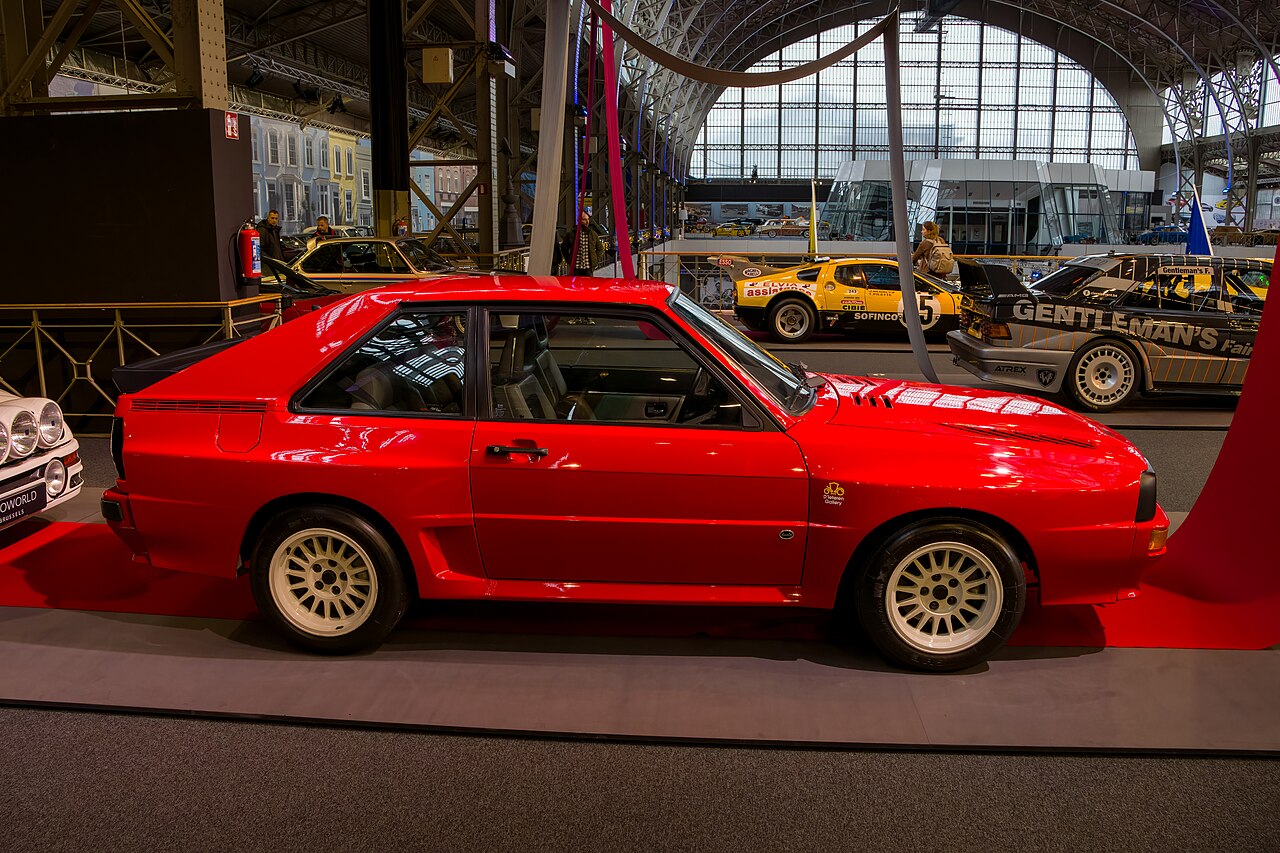 | Short-wheelbase rally homologation | Homologation sports coupé |
| 06 | 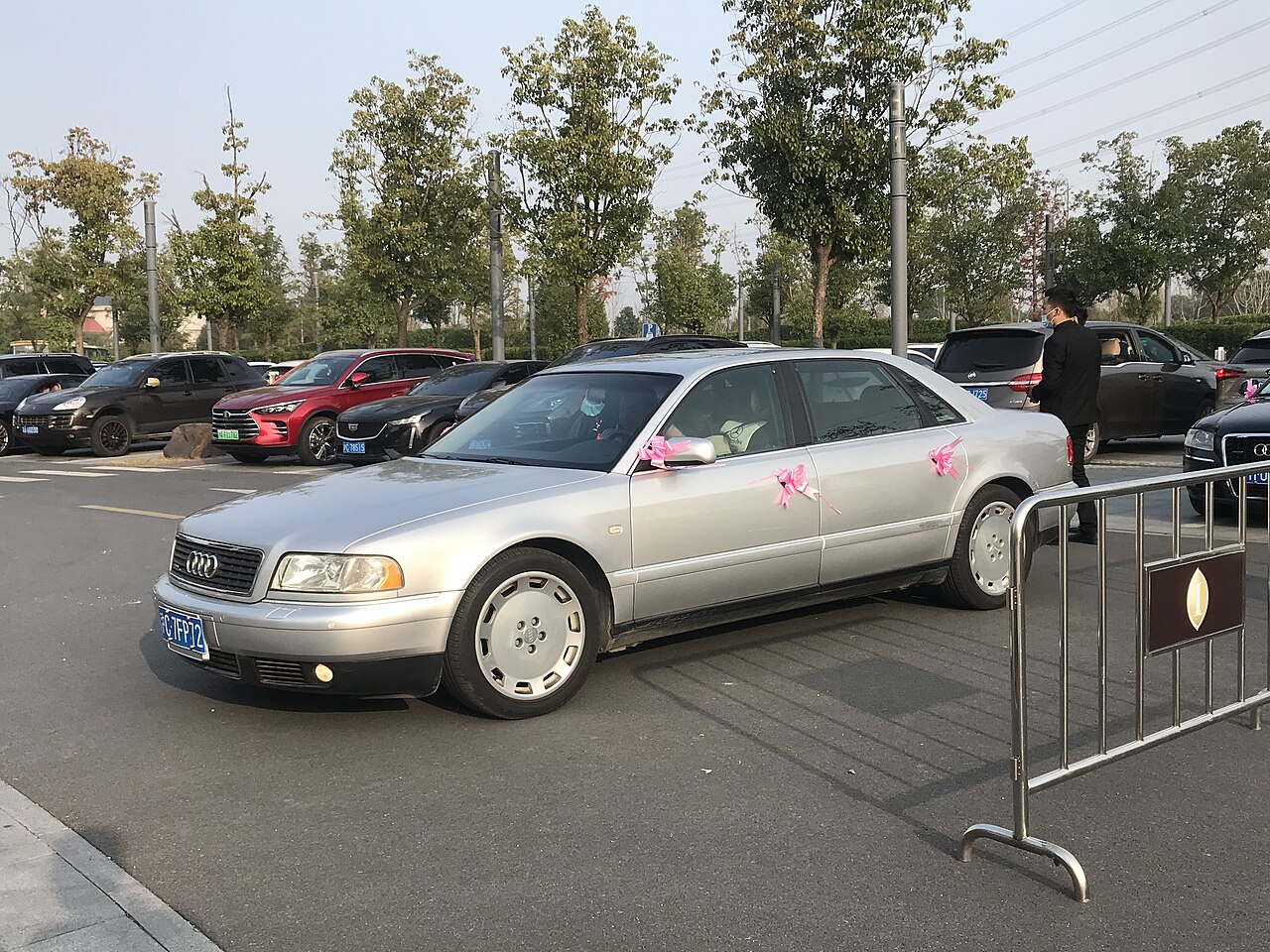 | Aluminium Space Frame luxury saloon | Luxury saloon |
| 07 | 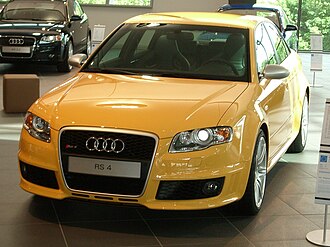 | Naturally aspirated V8 with a manual gearbox | Performance saloon and derivatives |
| 08 |  | Twin-turbo V8 estate performance | Executive performance estate |
| 09 |  | Aerodynamic executive-car design | Executive saloon |
| 10 |  | Aluminium construction in a compact family car | Compact five-door family car |
No entries match your search.
Top 10 Best Audi Cars Ever: Entry Details
Audi quattro
1980–1991 · Permanent all-wheel drive in a sports coupéThe original quattro made traction a reason to choose an Audi sports car. Its mechanical layout supported a rally programme that helped all-wheel drive become the competitive norm, giving the road car an influence beyond its production run.
- Character
- Turbocharged sports coupé
- Engineering
- Permanent all-wheel drive
Audi RS 2 Avant
1994–1995 · First RS model and Porsche collaborationThe RS 2 turned the estate into a serious performance car without removing its practical body. Porsche collaboration and a turbocharged five-cylinder supplied a persuasive starting point for Audi's RS tradition.
- Character
- High-performance estate
- Engineering
- Turbocharged five-cylinder and quattro
Audi R8 (Type 42)
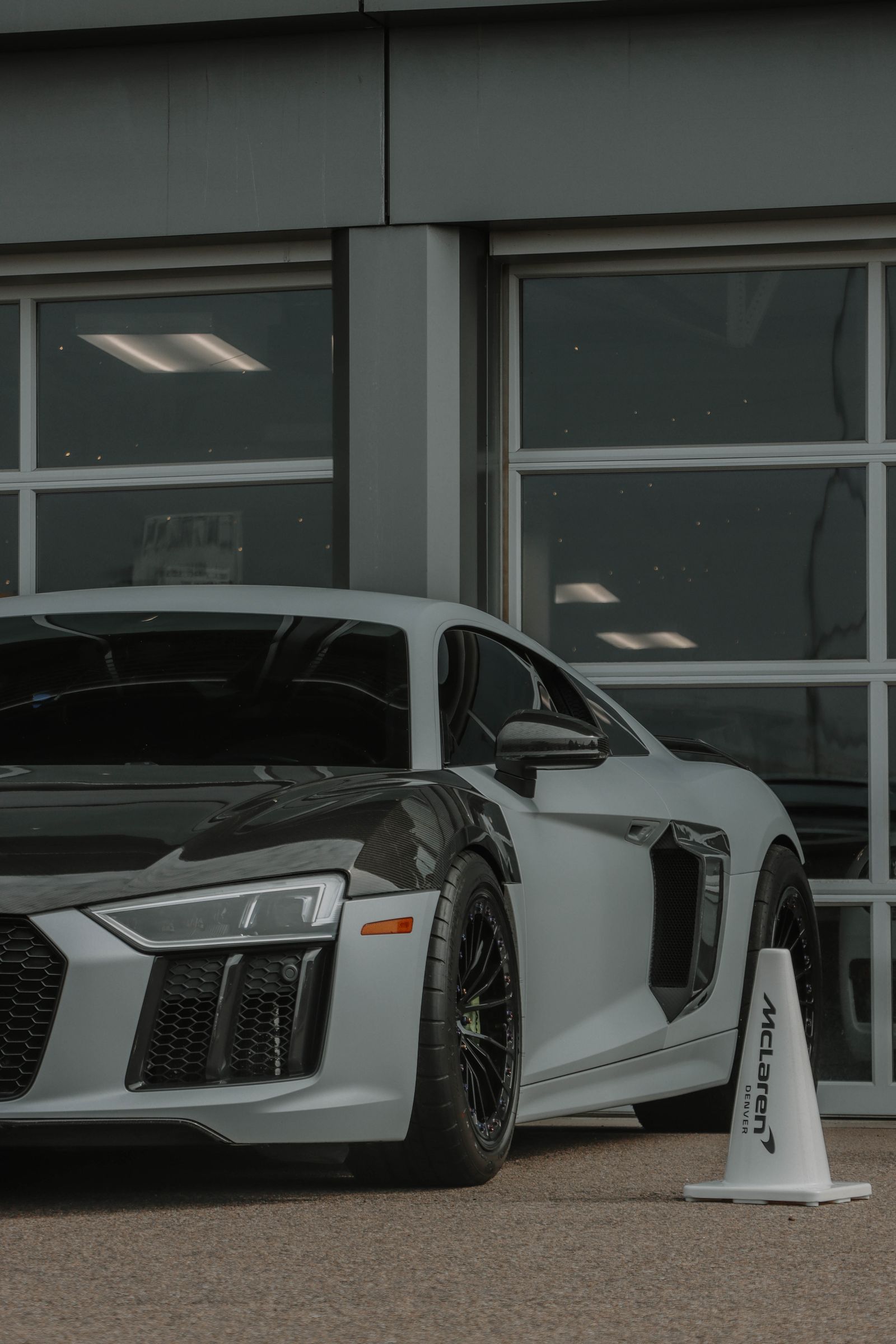
2006 premiere, first generation · Mid-engined road supercarThe R8 moved Audi beyond fast versions of everyday cars into a dedicated mid-engined sports car. An aluminium structure, dry-sump V8 and distinctive sideblades gave it an identity separate from the saloons and estates.
- Character
- Two-seat supercar
- Engineering
- Mid-mounted V8 and aluminium structure
Audi TT Coupé (8N)
1998–2006 · Concept-car design brought into productionThe TT turned rounded rooflines, deliberate proportions and circular cabin details into a coherent production design. Its importance lies in the complete visual idea, rather than in being the most powerful Audi sports car.
- Character
- Compact sports coupé
- Engineering
- Transverse-engine compact platform
Audi Sport quattro
1984–1985 · Short-wheelbase rally homologationThe Sport quattro adapted the road coupé to the demands of Group B homologation. A shorter wheelbase and a four-valve five-cylinder made it an unusually direct link between Audi's competition ambitions and its road-car engineering.
- Character
- Homologation sports coupé
- Engineering
- Short wheelbase and four-valve engine
Audi A8 (D2)
1994–2002 · Aluminium Space Frame luxury saloonThe original A8 made lightweight construction a defining Audi luxury-car feature. Its aluminium body structure gave the marque a clear technical argument in a class where established rivals already had strong reputations.
- Character
- Luxury saloon
- Engineering
- Aluminium Space Frame
Audi RS 4 (B7)
2005 premiere, B7 generation · Naturally aspirated V8 with a manual gearboxThe B7 RS 4 married a high-revving V8 to quattro and a manual gearbox. Its engine also informed the first R8, making the compact performance car an important part of Audi's move toward more specialized sporting machinery.
- Character
- Performance saloon and derivatives
- Engineering
- Naturally aspirated V8
Audi RS 6 Avant (C5)
2002–2004 · Twin-turbo V8 estate performanceThe first RS 6 raised the performance-estate idea into a larger executive-car class. Its twin-turbo V8 gave a practical estate the powertrain character of a specialist performance car, extending the concept established by the RS 2.
- Character
- Executive performance estate
- Engineering
- Twin-turbo V8 and quattro
Audi 100 (C3)
1982–1991 generation · Aerodynamic executive-car designThe C3 Audi 100 made low aerodynamic drag central to a large production saloon. Flush glazing and a carefully shaped body showed that efficiency could influence a car's entire form without reducing its passenger-car purpose.
- Character
- Executive saloon
- Engineering
- Aerodynamic body and flush glazing
Audi A2
1999 premiere, sales from 2000 · Aluminium construction in a compact family carThe A2 brought expensive lightweight construction into a small, spacious car. Its tall cabin and aluminium body pursued efficiency through packaging and materials, earning a place despite lacking the sporting glamour of the higher entries.
- Character
- Compact five-door family car
- Engineering
- Aluminium body construction
Top 10 Best Audi Cars Ever: Analysis
Why the Original quattro Is the Best Audi Ever
The quattro gave Audi a distinct answer to a sports-car problem. Permanent all-wheel drive helped transmit turbocharged power when grip was limited, while rallying demonstrated the practical value of the idea under pressure. The road coupé made that technology tangible to buyers.
The Sport quattro intensified the competition connection through a shorter wheelbase and revised engine. The original stays ahead because it established the broader idea that later spread through Audi's road-car range and became part of the four-ring identity.
The RS 2 and RS 6 Made the Fast Estate an Audi Specialty
The RS 2 retained the estate's useful shape while adding a turbocharged five-cylinder, quattro and Porsche development input. That combination created a convincing performance car for someone who still needed a load bay. The Porsche badge on its components recorded a real collaboration.
The C5 RS 6 scaled the formula up with a twin-turbo V8 and a larger executive body. The B7 RS 4 followed a different engine path, favoring a naturally aspirated V8 and manual transmission. Their different characters helped the RS family grow beyond one repeated recipe.
The TT and R8 Gave Audi Two Distinct Sports-Car Identities
The first TT made a compact platform feel special through its complete design. Circular vents, the fuel cap and the roofline belonged to the same visual language. The car deserves its high position because the idea survived the journey from show car to production.
The first R8 reorganized the mechanical package around a mid-mounted engine. Its dry-sump V8 shared its origins with the RS 4, but the dedicated layout changed the proportions and purpose. The Audi Sport identity connects these road cars with a broader performance programme.
A8, Audi 100 and A2 Put Efficiency Into the Structure
The A8 and A2 used aluminium to reduce structural weight at opposite ends of the range. The A8 presented the approach as luxury engineering, while the A2 used it to support an efficient small car with a useful cabin.
The C3 Audi 100 pursued efficiency through aerodynamics. Its contribution complements the later aluminium cars because it tackled the energy needed to move a car through the air. The A2 finishes tenth for its narrower influence, although its engineering idea remains one of the most distinctive here.
Important context
- The RS 2 Avant began the RS road-car line through a collaboration with Porsche.
- The first TT carried its circular design language from the exterior into the cabin.
- The A8 and A2 applied aluminium construction to very different sizes of car.
- The Sport quattro shortened the original coupé's wheelbase for a competition-driven road model.
Our verdict
Our Audi Verdict
The quattro is the first choice for Audi's greatest historical contribution. The RS 2 best explains its performance-estate tradition, while the TT offers the clearest design statement. Choose the A8 or A2 to understand Audi's experiments with structural weight and practical packaging.
Strengths
- The quattro turned traction technology into a road-car identity.
- The RS 2 and RS 6 combine performance engineering with useful estate bodies.
- TT design and A8 construction provide alternatives to an engine-led definition of greatness.
Things to consider
- The Sport quattro's competition purpose produced a specialized and scarce road car.
- The first R8 represents a dedicated two-seat layout with limited everyday load space.
FAQ: Top 10 Best Audi Cars Ever
What is the best Audi car ever made?
The original quattro is our choice because its permanent all-wheel drive changed Audi's sporting identity. The technology became central to both its rally programme and later road cars.
Was the Audi RS 2 built with Porsche?
Yes. The RS 2 was a collaboration between Audi and Porsche, combining the Audi estate and turbocharged five-cylinder with Porsche development contributions and components.
Why is the first Audi TT important?
The TT carried a coherent concept-car design into production. Its circular details and distinctive silhouette gave Audi a recognizable compact sports car without requiring a bespoke supercar platform.
Is the Audi R8 the same as the Le Mans racing car?
No. The Type 42 is a road-going mid-engined sports car. Audi also used the R8 name for a separate endurance-racing prototype, so their records and specifications should not be mixed.
What is special about the Audi A8 D2?
The first A8 used an aluminium Space Frame body structure. That construction made low structural weight a central part of Audi's approach to the luxury-saloon class.
Why does the Audi A2 belong among the best Audis?
The A2 combined aluminium construction with a small exterior and useful passenger space. Its engineering ambition makes it significant even though it pursued economy and practicality rather than sports-car performance.
Sources & methodology
Editorial order considers technical influence, design coherence, competition connections and practical purpose. Audi historical releases support the named generations and engineering facts. No numerical quality score or reliability order is implied.
Maintained by Artsiom Dusau, a software engineer and BMW 4 Series owner. Editorial policy
View sources (8)
- Audi quattro technology history
- Audi Sport quattro road and rally history
- Audi Sport historical facts including RS 2 and RS 6
- Audi R8 history and RS 4 engine relationship
- Audi TT design and model history
- Audi Neckarsulm history including the A8
- Audi A2 anniversary and construction
- Audi aerodynamic history including the 1982 Audi 100