
Short answer
Honda Urban EV takes first place because it made an electric city car feel instantly recognisable through compact proportions and a simple, friendly face. HSC and SSM follow as sports-car ideas, while Project 2&4 makes the boldest break with an ordinary cabin.
- Selection
- Ten physically exhibited Honda concepts
- Debut period
- 1995–2017
- Leading design
- Honda Urban EV Concept
10 Most Amazing Honda Concept Cars Ever Made at a Glance
| Rank | Concept | Debut year | Main idea |
|---|---|---|---|
| 01 | 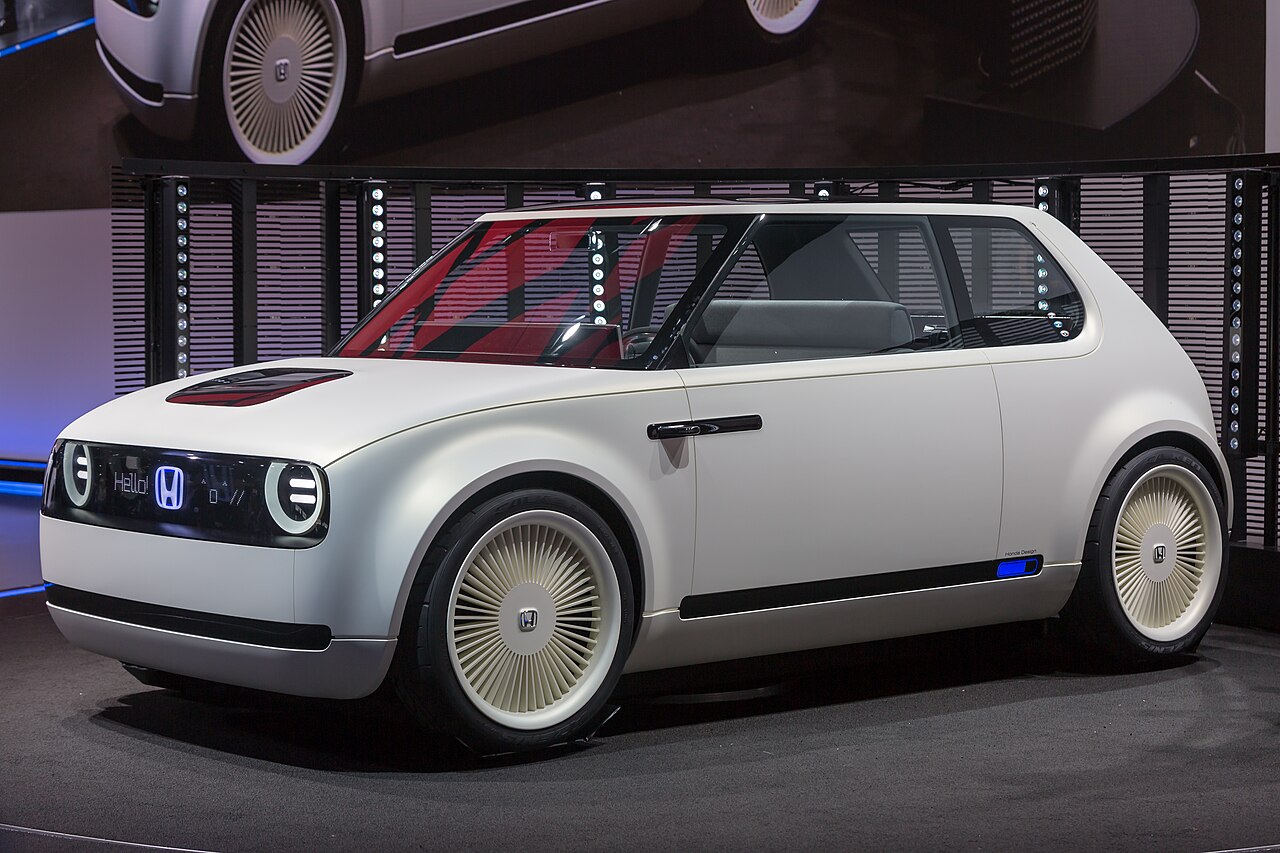 | 2017 | Friendly electric city car |
| 02 | 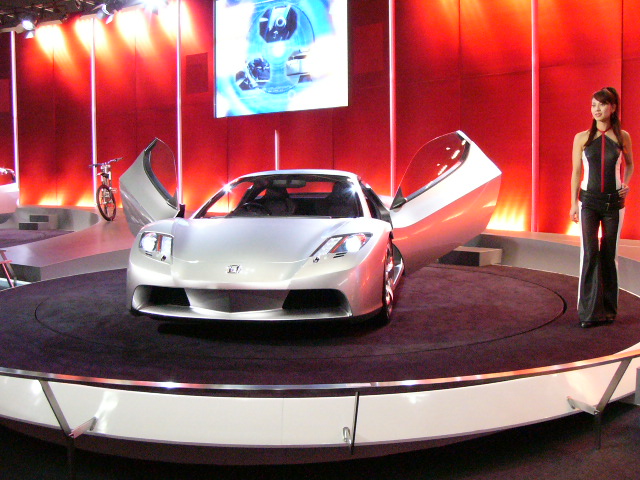 | 2003 | Mid-engine sports-car study |
| 03 | 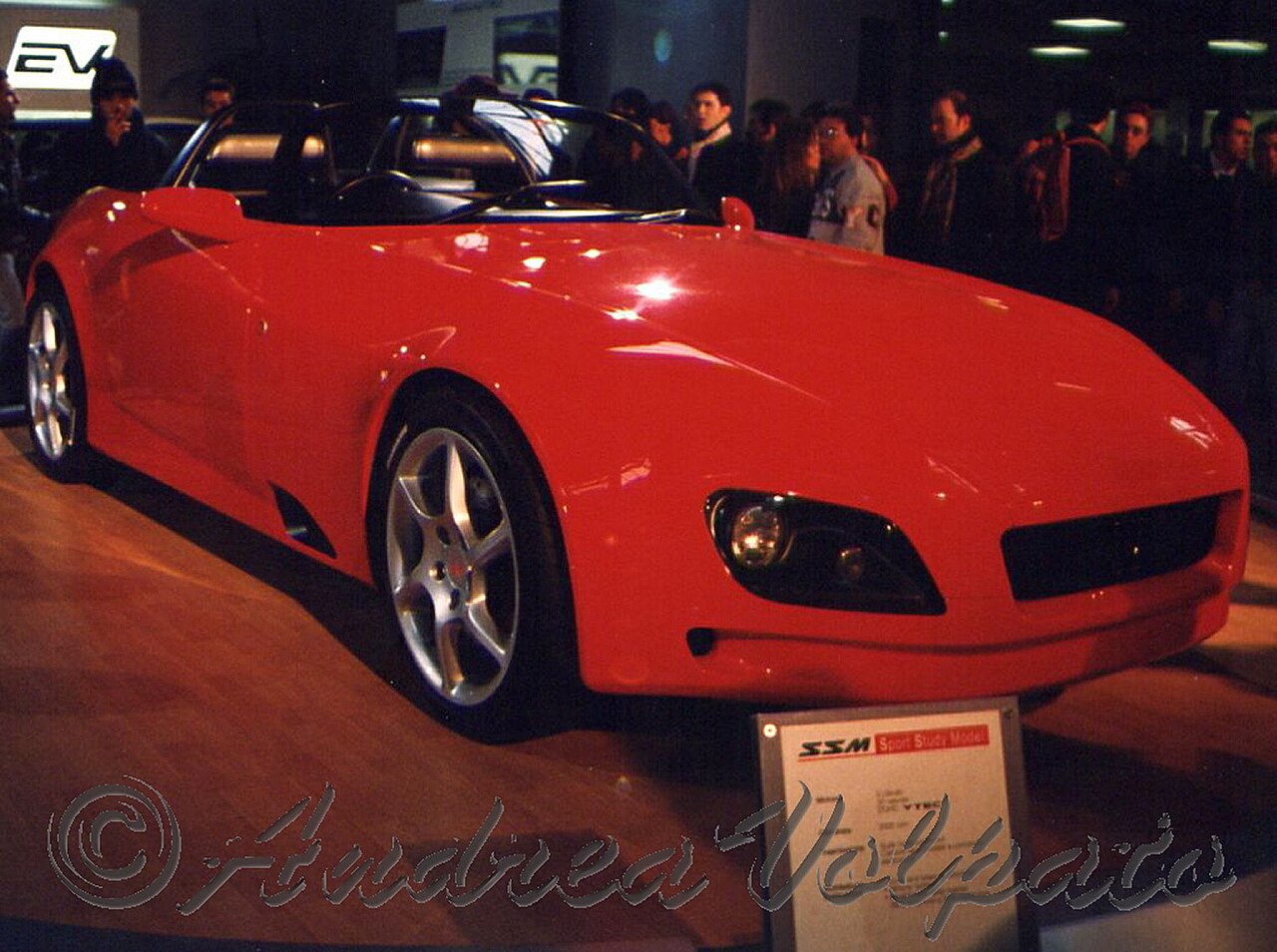 | 1995 | Open-roadster design direction |
| 04 | 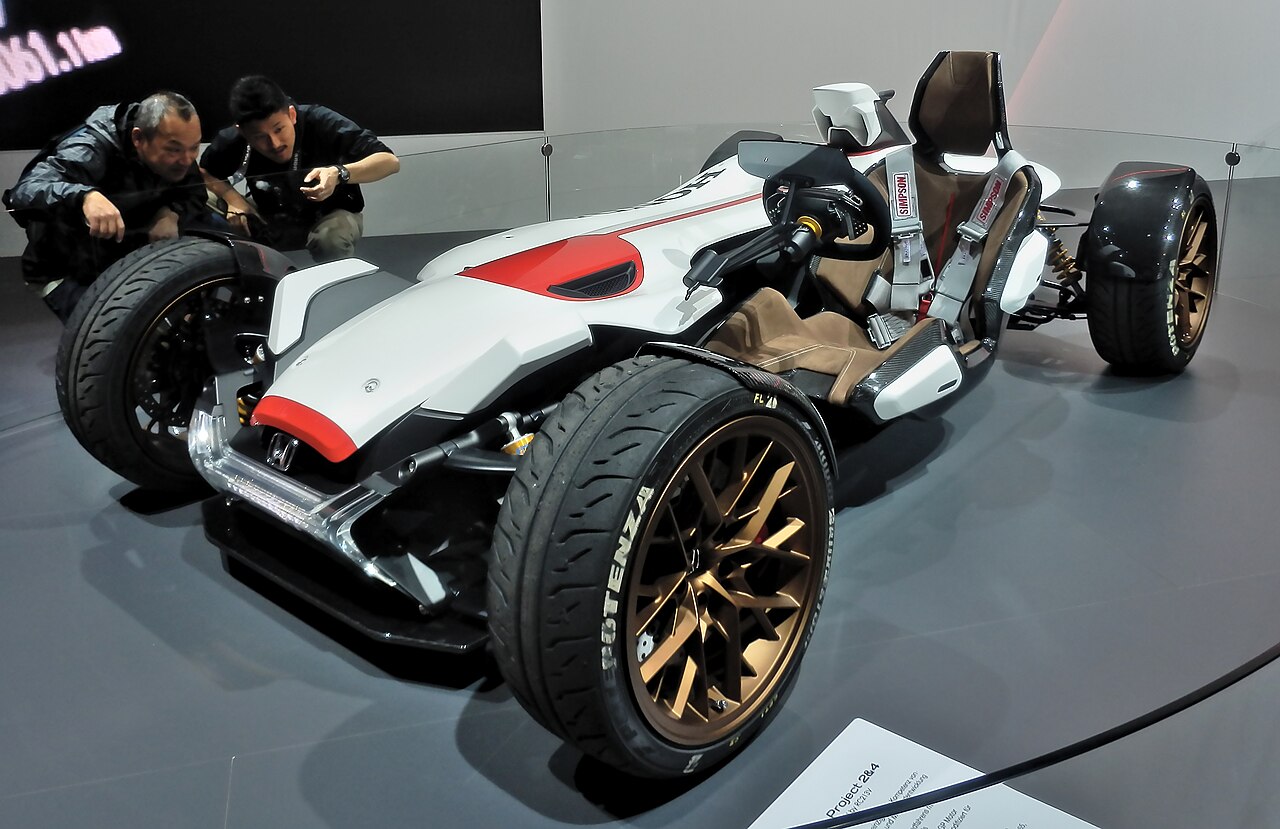 | 2015 | Motorcycle freedom on four wheels |
| 05 | 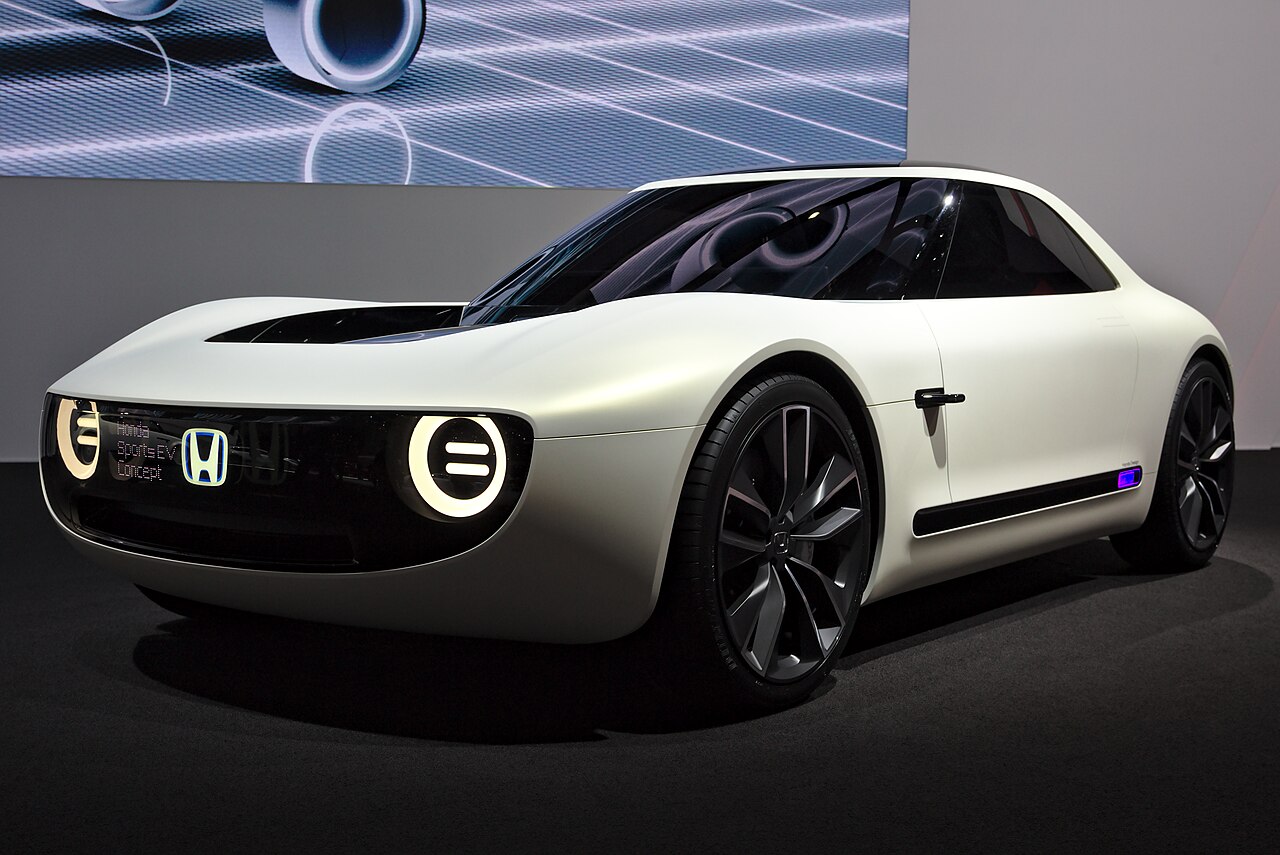 | 2017 | Compact electric sports coupe |
| 06 | 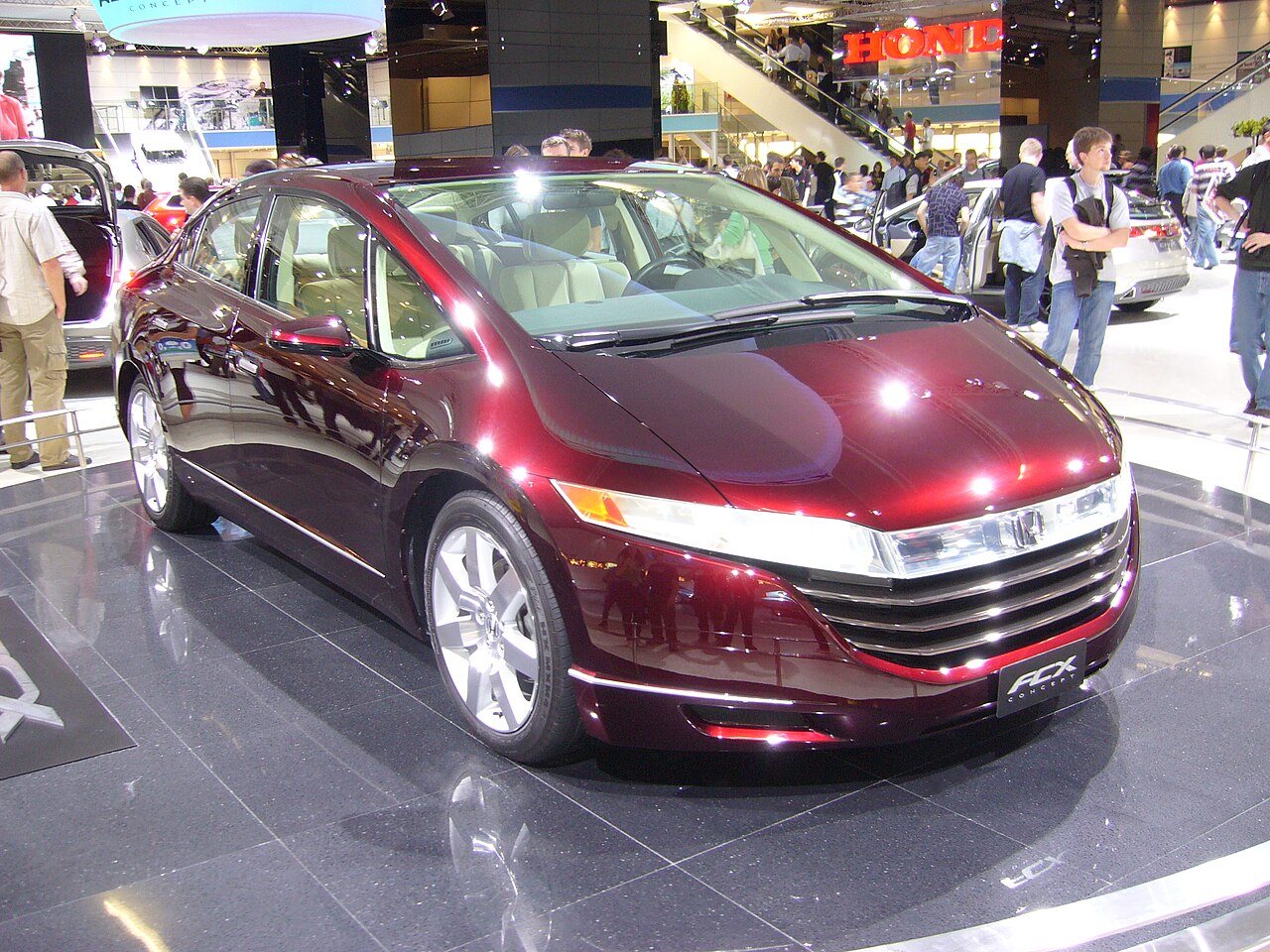 | 2005 | Fuel-cell cabin packaging |
| 07 | 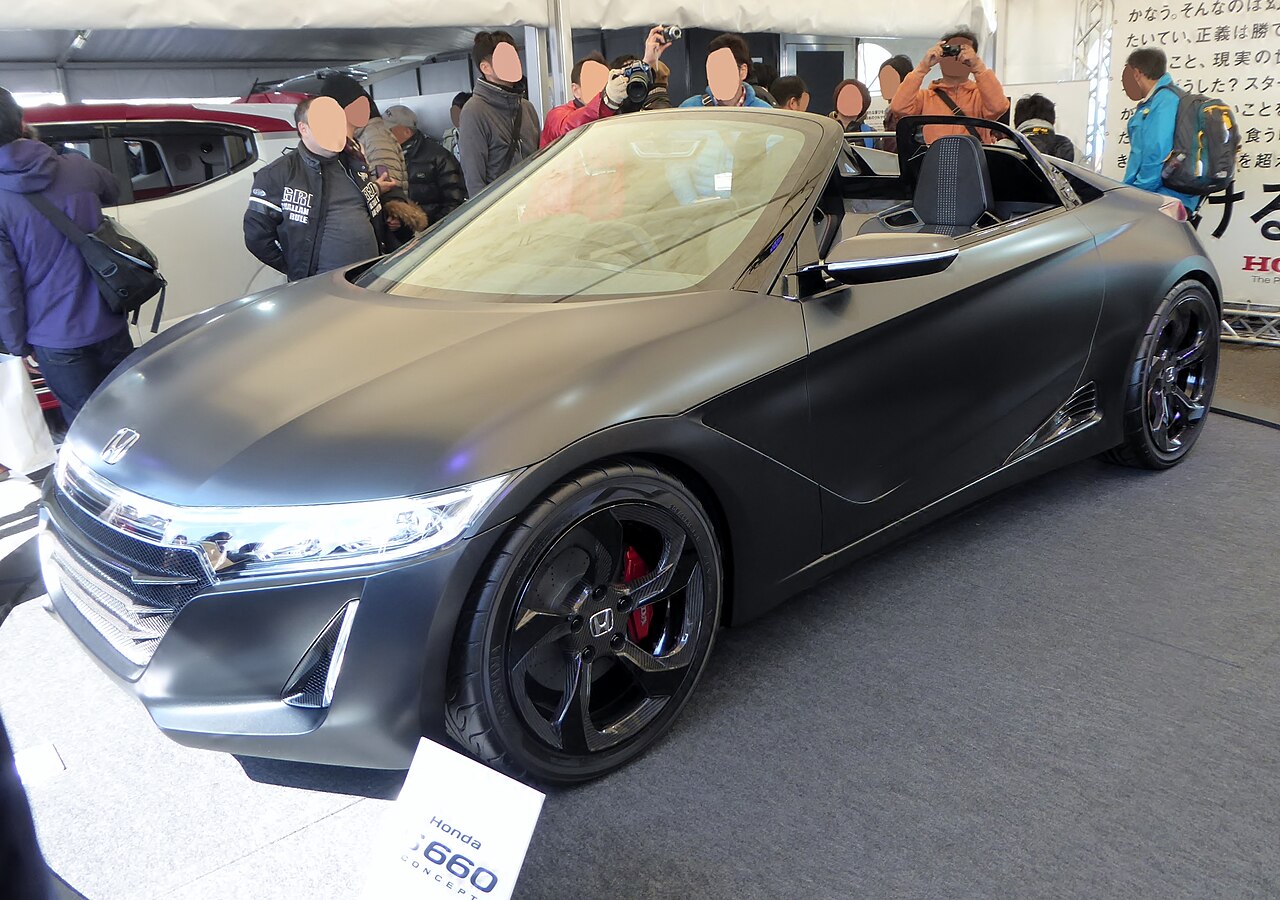 | 2013 | Small mid-engine roadster |
| 08 | 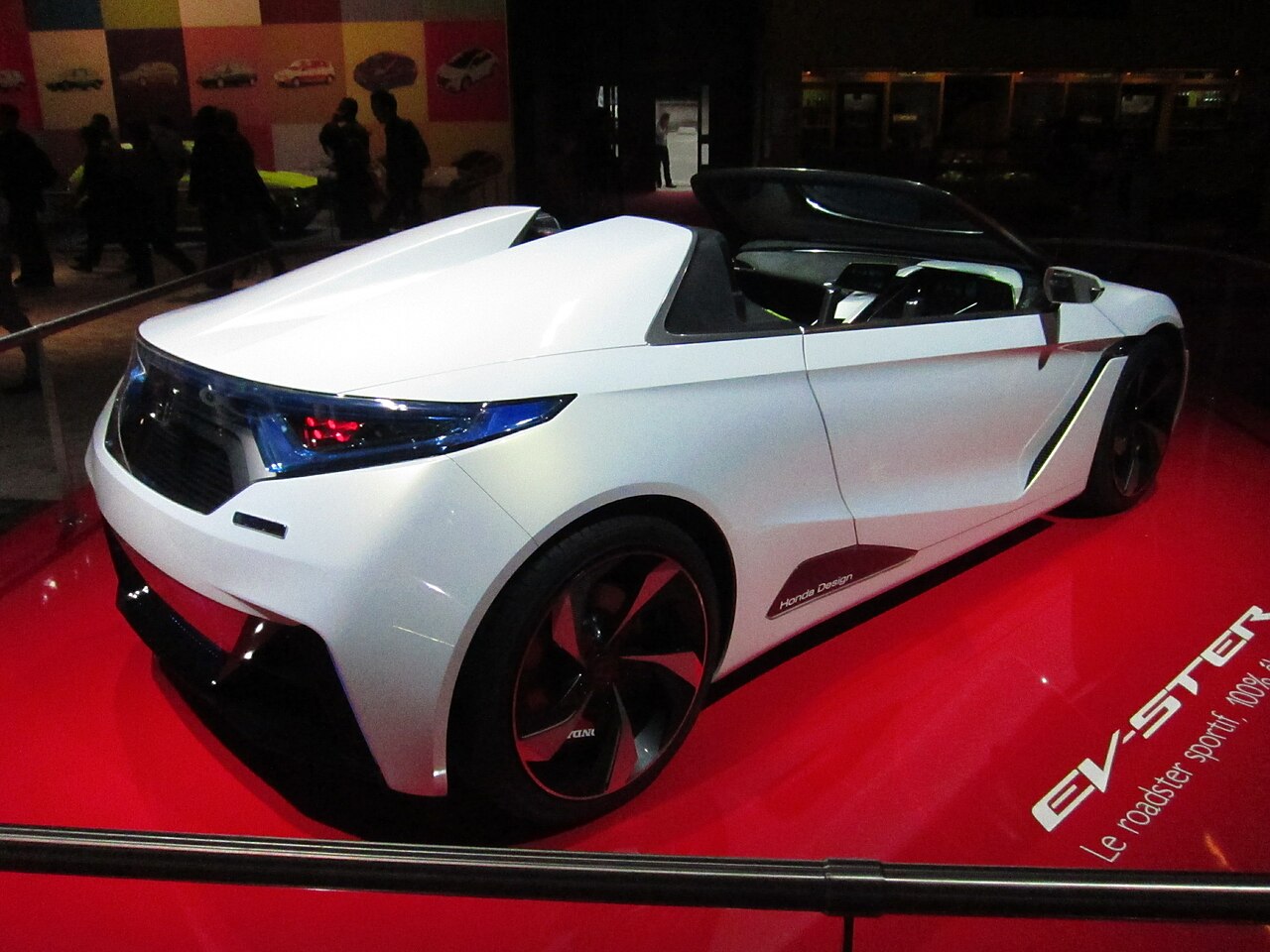 | 2011 | Electric open-roadster controls |
| 09 | 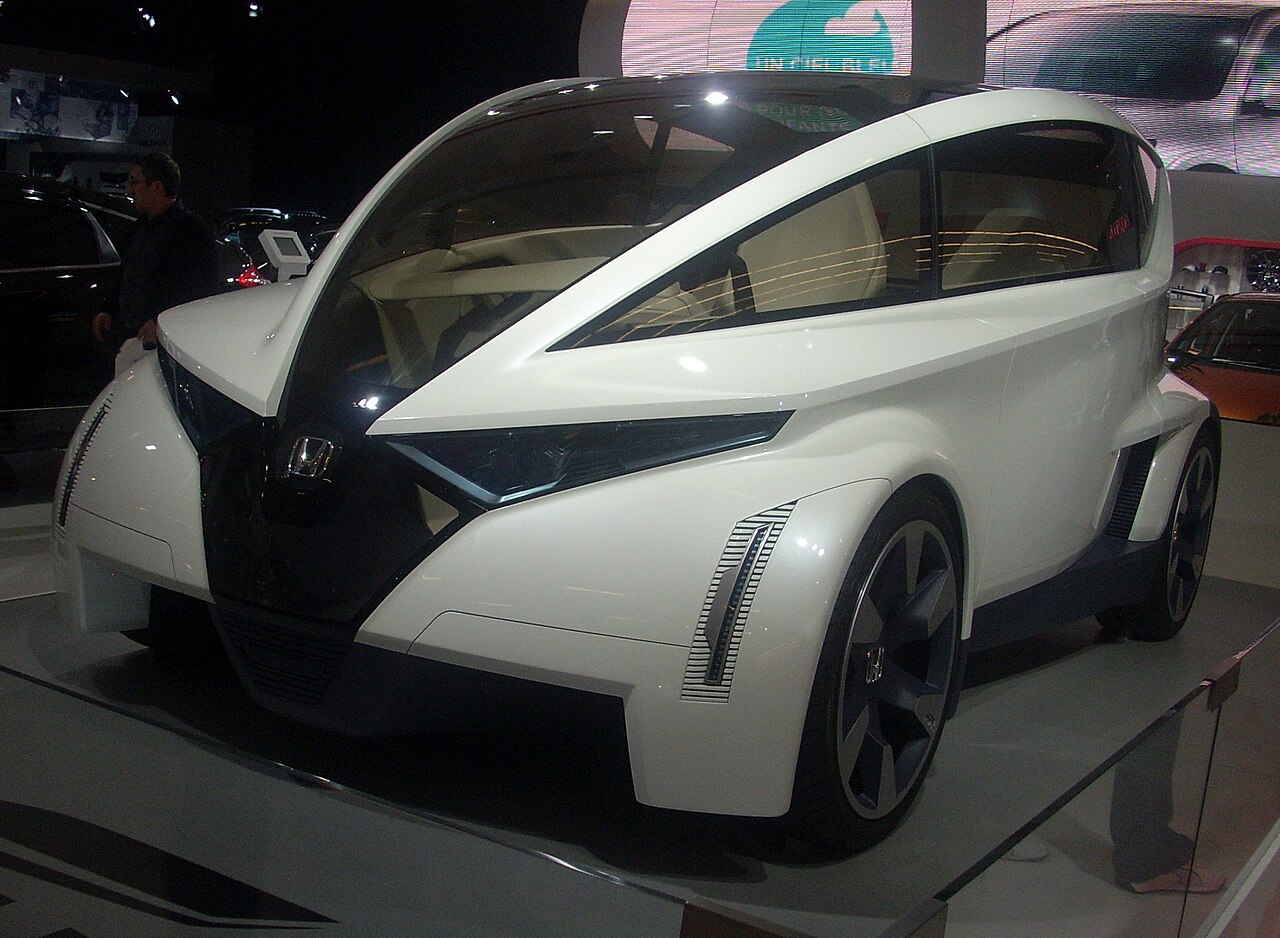 | 2009 | Central-driver three-seat packaging |
| 10 | 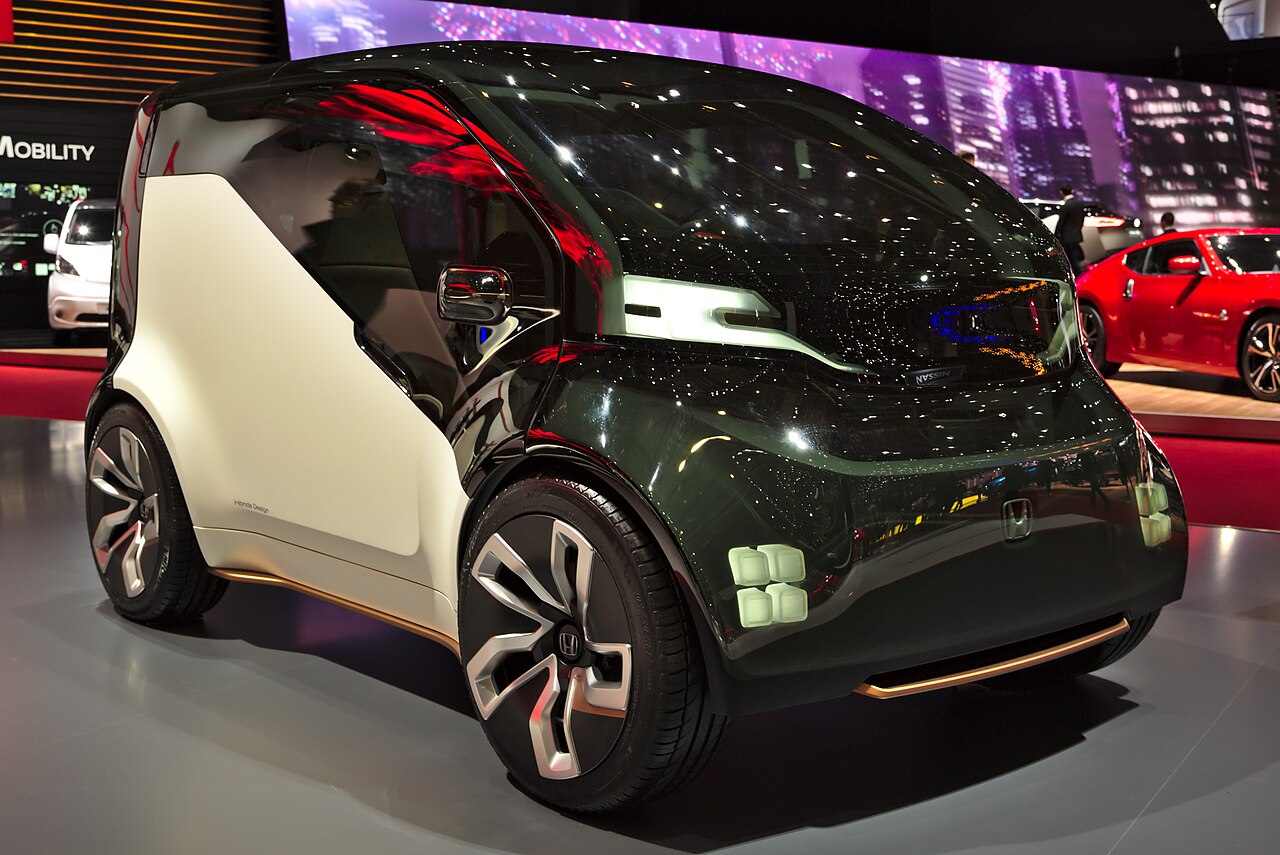 | 2017 | AI-assisted electric commuting |
No entries match your search.
10 Most Amazing Honda Concept Cars Ever Made: Entry Details
Honda Urban EV Concept
2017 · Friendly electric city carCompact proportions and a clean front graphic made the electric city-car idea immediately legible. Its complete, coherent design earns first place.
- Main idea
- Friendly electric city car
- Layout
- Battery-electric city car
- Debut
- Frankfurt, 2017
Honda HSC
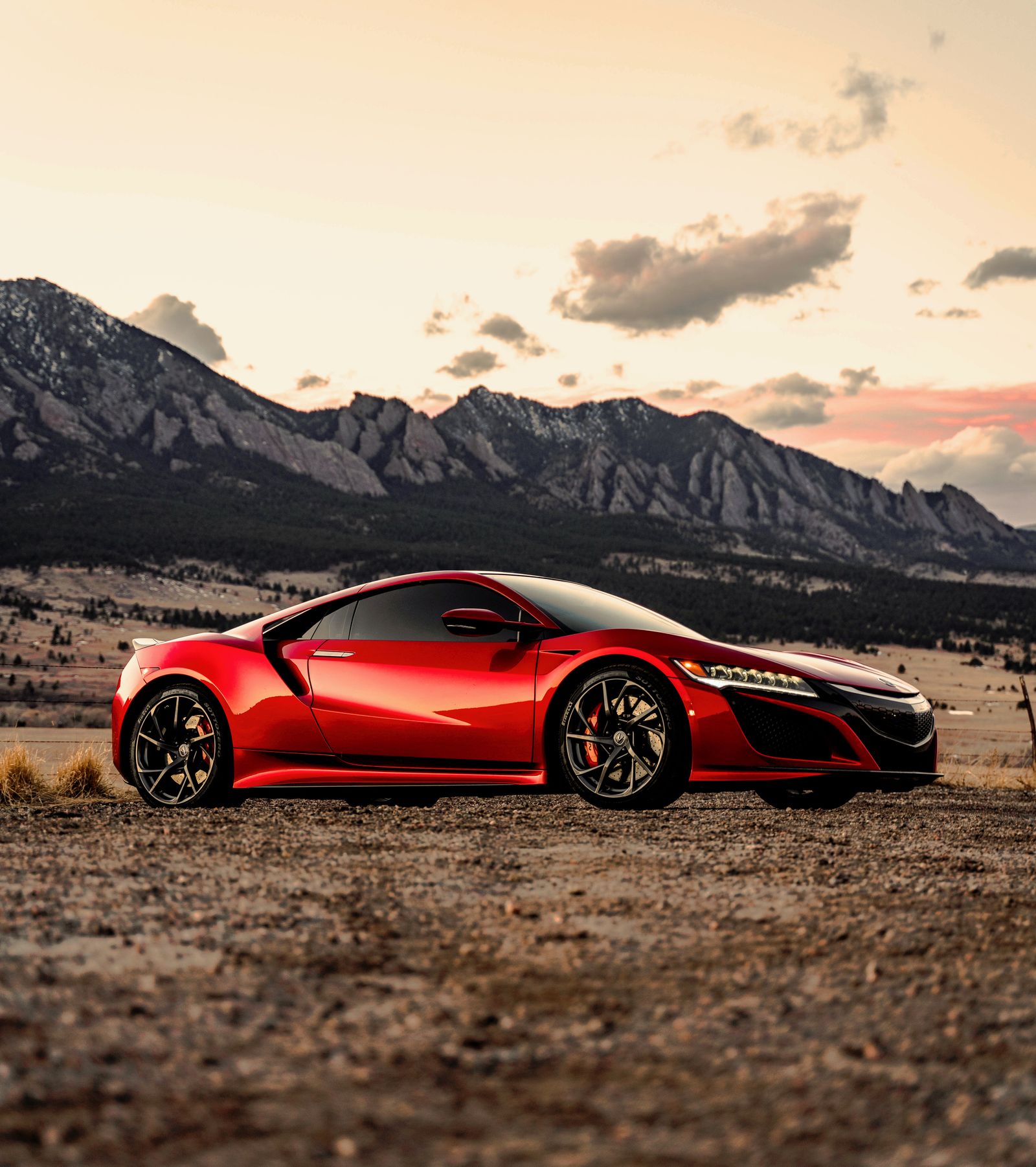
2003 · Mid-engine sports-car studyA mid-engine V6 package gave the HSC a clear sports-car purpose. Its low proportions explored Honda’s flagship performance direction.
- Main idea
- Mid-engine sports-car study
- Layout
- Mid-engine sports coupe
- Debut
- Tokyo, 2003
Honda SSM
1995 · Open-roadster design directionSSM established an open-roadster idea that fed into the S2000 story. Its concept hardware and production influence are distinct parts of its appeal.
- Main idea
- Open-roadster design direction
- Layout
- Front-engine open roadster
- Debut
- Tokyo, 1995
Honda Project 2&4
2015 · Motorcycle freedom on four wheelsThe floating seat and exposed layout made Project 2&4 radically different from an ordinary sports car. Its motorcycle-derived V4 matched that unusual driver experience.
- Main idea
- Motorcycle freedom on four wheels
- Layout
- Open four-wheel sports vehicle
- Debut
- Frankfurt, 2015
Honda Sports EV Concept
2017 · Compact electric sports coupeSports EV combined a compact coupe body with electric propulsion. Its proportions translated Honda’s simple electric design language into a sporting form.
- Main idea
- Compact electric sports coupe
- Layout
- Battery-electric sports coupe
- Debut
- Tokyo, 2017
Honda FCX Concept
2005 · Fuel-cell cabin packagingHonda used a fuel-cell layout to explore a low, spacious cabin. The concept’s appeal lies in how alternative propulsion could reshape the whole vehicle.
- Main idea
- Fuel-cell cabin packaging
- Layout
- Fuel-cell saloon concept
- Debut
- Tokyo, 2005
Honda S660 Concept
2013 · Small mid-engine roadsterThe S660 Concept compressed a recognisable sports-car layout into a very small roadster. Its clear scale and purpose made it more persuasive than excess styling.
- Main idea
- Small mid-engine roadster
- Layout
- Mid-engine open roadster
- Debut
- Tokyo, 2013
Honda EV-STER
2011 · Electric open-roadster controlsEV-STER paired electric propulsion with a small open body and proposed twin steering levers. Its controls made the compact roadster a specific experiment.
- Main idea
- Electric open-roadster controls
- Layout
- Battery-electric open roadster
- Debut
- Tokyo, 2011
Honda P-NUT
2009 · Central-driver three-seat packagingA central driver and two offset passenger seats made P-NUT’s cabin unusual. Its rear powertrain proposal explored several routes to a compact city car.
- Main idea
- Central-driver three-seat packaging
- Layout
- Three-seat urban concept
- Debut
- Los Angeles, 2009
Honda NeuV
2017 · AI-assisted electric commutingNeuV used a small electric commuter to explore an artificial-intelligence companion. The concept extended Honda’s attention from vehicle packaging to the occupant’s experience.
- Main idea
- AI-assisted electric commuting
- Layout
- Battery-electric urban concept
- Debut
- CES, 2017
10 Most Amazing Honda Concept Cars Ever Made: Analysis
Urban EV Made the Electric City Car Easy to Read
Urban EV’s short body and restrained surfaces gave Honda a compelling electric city-car direction. Its broad display and outward-facing lighting brought technology into a shape that remained understandable as a small car. It leads because the whole design communicates one clear purpose rather than relying on a single dramatic detail.
HSC and SSM Approached Sports Cars From Different Ends
HSC used a mid-engine V6 layout associated with the NSX tradition, also familiar through Acura. SSM instead proposed a front-engine open roadster and contributed to the later S2000 story. Its five-cylinder concept engine differs from the four-cylinder production S2000, a useful reminder that design influence need not mean identical hardware.
Project 2&4 and the Small Roadsters Changed the Driver’s Space
Project 2&4 placed a motorcycle-derived V4 in an open four-wheel vehicle with a floating seat. EV-STER used a compact electric roadster body and proposed twin steering levers. S660 Concept was more recognisable as a small mid-engine roadster, but its scale made the sports-car package distinctive.
FCX, P-NUT and NeuV Made Packaging the Main Idea
The FCX Concept used Honda’s fuel-cell work to propose a spacious, low cabin. P-NUT arranged three seats around a central driver and explored alternative rear powertrain packages. NeuV connected an electric commuter with a proposed artificial-intelligence companion, making the relationship between occupant and vehicle part of the concept’s purpose.
Our verdict
Our verdict
Urban EV is the strongest complete design, while HSC and SSM make the clearest sports-car statements. Project 2&4 is the most radical experiment in the driver’s physical experience.
Strengths
- Clear compact electric design
- Specific sports-car packaging ideas
- Alternative propulsion changes the cabin
Things to consider
- Project 2&4 offers little weather protection
- Concept control ideas need further development
FAQ: 10 Most Amazing Honda Concept Cars Ever Made
What made Urban EV’s design distinctive?
A compact body, broad glasshouse and simple front graphic made it easy to recognise as a friendly city car. The design made electric propulsion part of an understandable vehicle package.
Did the SSM have the S2000’s engine?
No. SSM used a five-cylinder concept engine, while the production S2000 used a four-cylinder. The concept helped establish the roadster direction without preserving all its hardware.
What powered Project 2&4?
Honda used a V4 derived from its RC213V motorcycle racing programme, adapted for the concept’s four-wheel application. The open layout and floating seat reinforced that motorcycle connection.
What does P-NUT stand for?
P-NUT stands for Personal-Neo Urban Transport. Honda used the name for a compact three-seat concept with a central driving position and alternative rear powertrain proposals.
Was Sports EV a production model?
Sports EV was a 2017 concept. Its compact electric coupe proportions explored a design direction rather than describing a production car that buyers could order.
Sources & methodology
Honda concept releases establish show-car identities and debut dates. Editorial order weighs design coherence, distinctive packaging and influence, keeping concept hardware separate from later production specifications.
Maintained by Artsiom Dusau, a software engineer and BMW 4 Series owner. Editorial policy
View sources (10)
- Honda Urban EV original release
- Honda HSC manufacturer information
- Honda SSM and S2000 development history
- Honda Project 2&4 original release
- Honda Sports EV Tokyo introduction
- Honda FCX Concept original fact book
- Honda S660 Concept original announcement
- Honda EV-STER original release
- Honda P-NUT original release
- Honda NeuV design account