
Short answer
BMW GINA ranks first because its flexible fabric body could change shape, challenging the idea that a car’s exterior must be a fixed shell. Nissan Pivo 2 follows with a rotating cabin, while Mercedes F 015 explores a lounge-like autonomous-car interior.
- Selection
- Ten physical show vehicles
- Debut period
- 2007–2019
- Leading experiment
- GINA’s flexible exterior skin
The 10 Craziest Future Concept Cars at a Glance
| Rank | Concept | Debut year | Main idea |
|---|---|---|---|
| 01 | 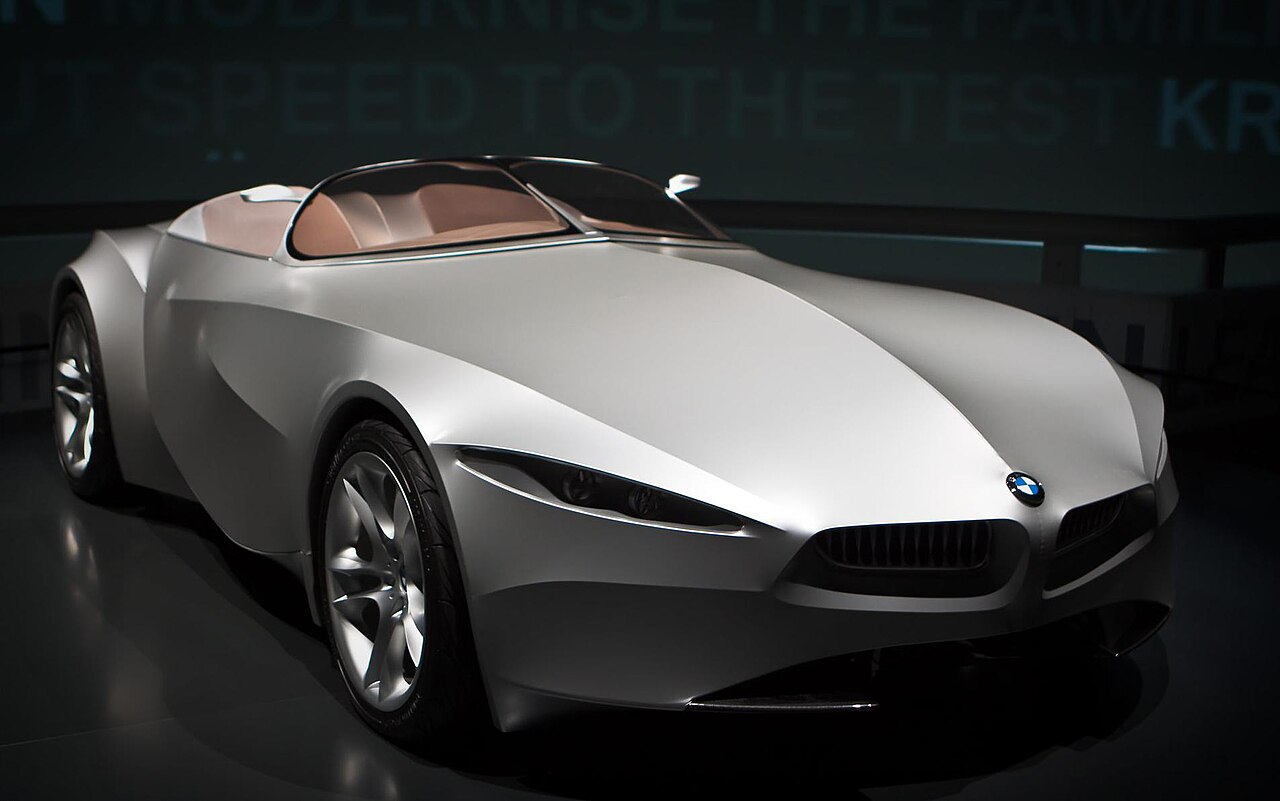 | 2008 | Moving fabric body |
| 02 | 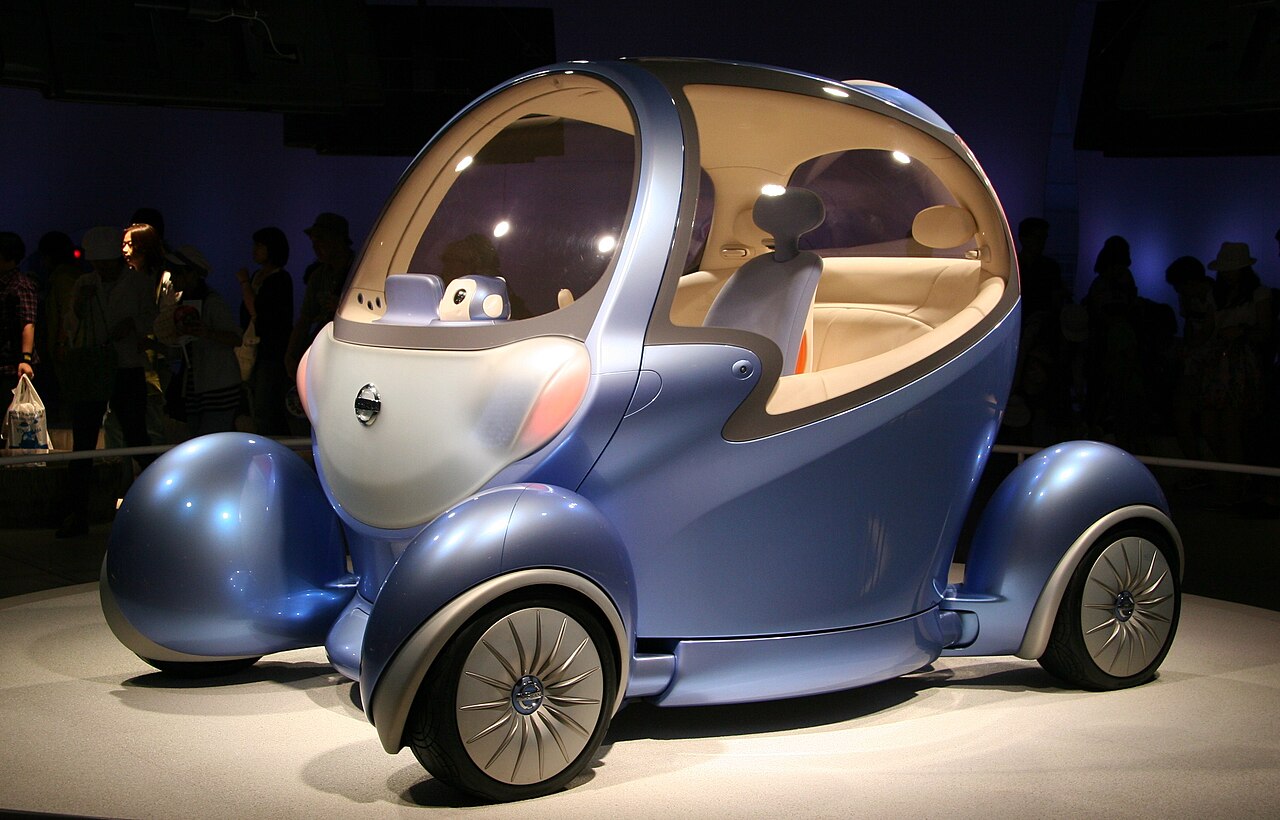 | 2007 | Rotating passenger cabin |
| 03 | 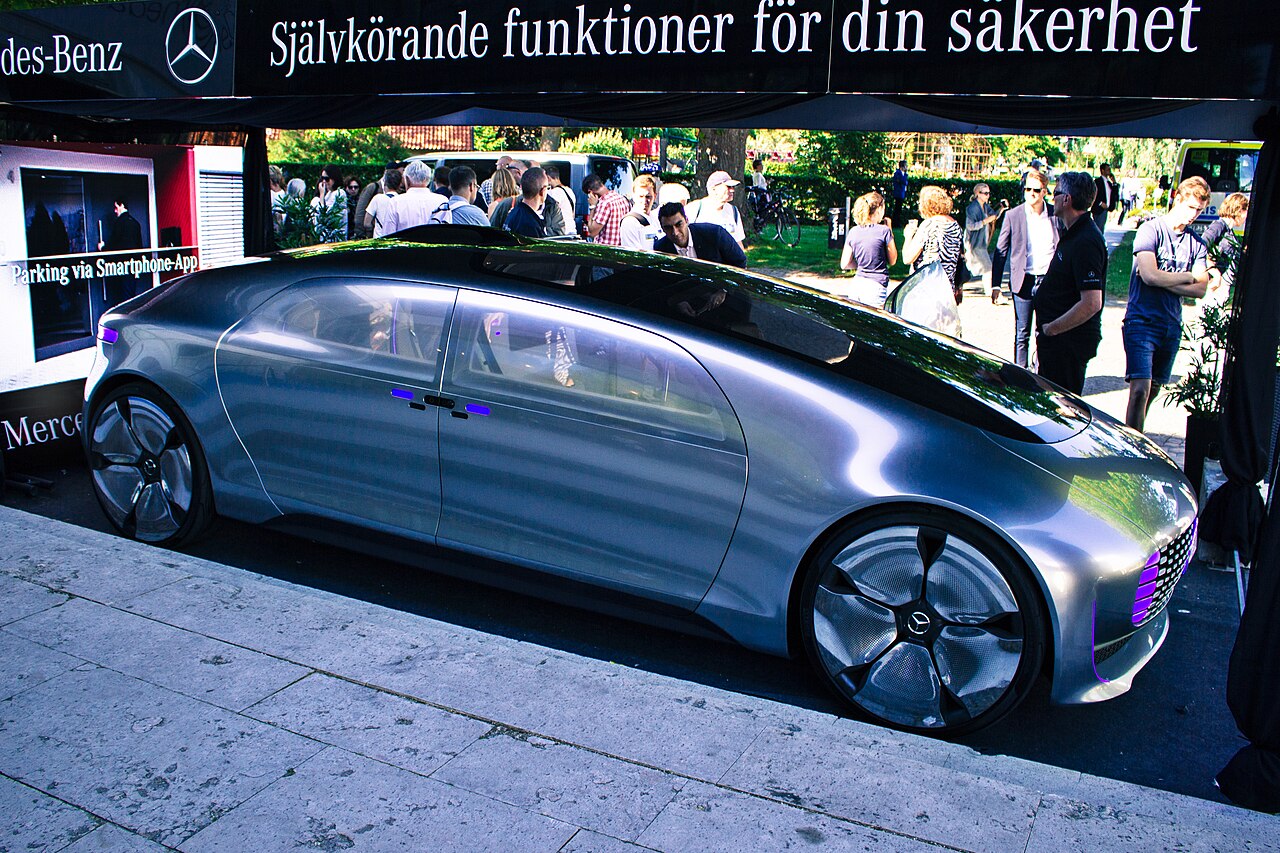 | 2015 | Autonomous travel lounge |
| 04 | 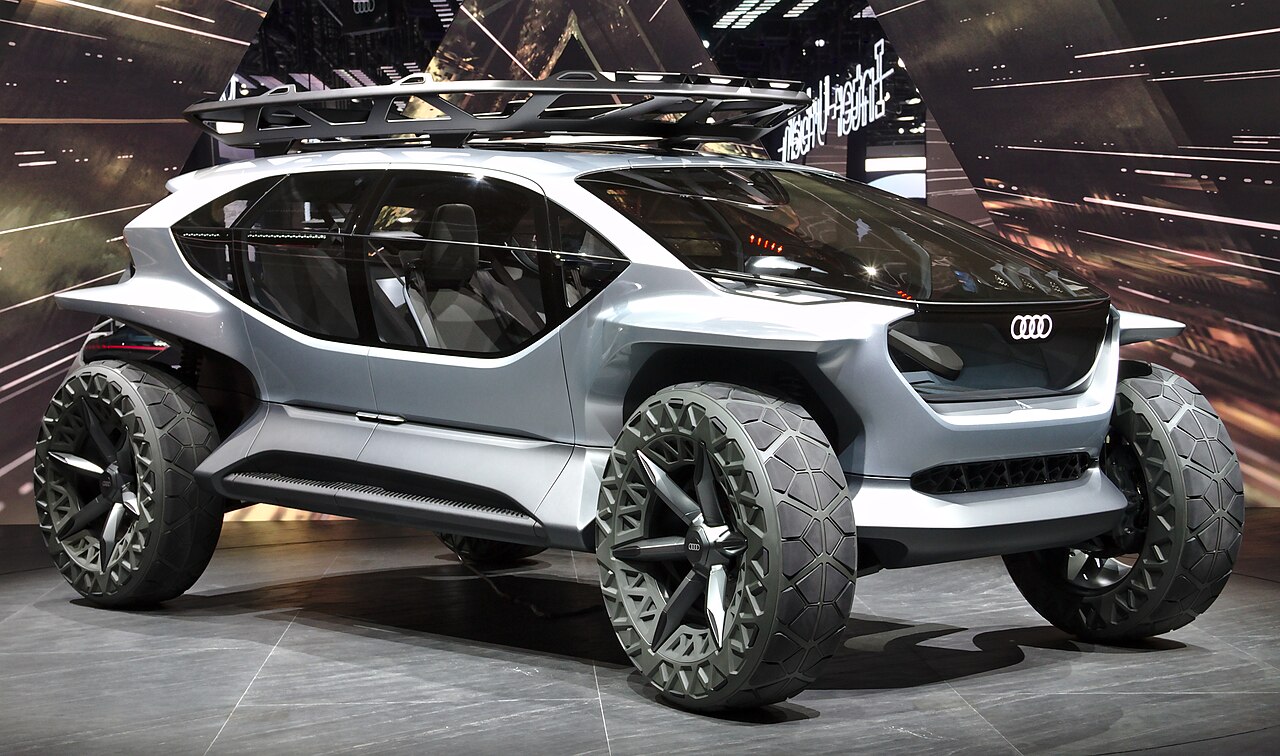 | 2019 | Electric off-road exploration |
| 05 | 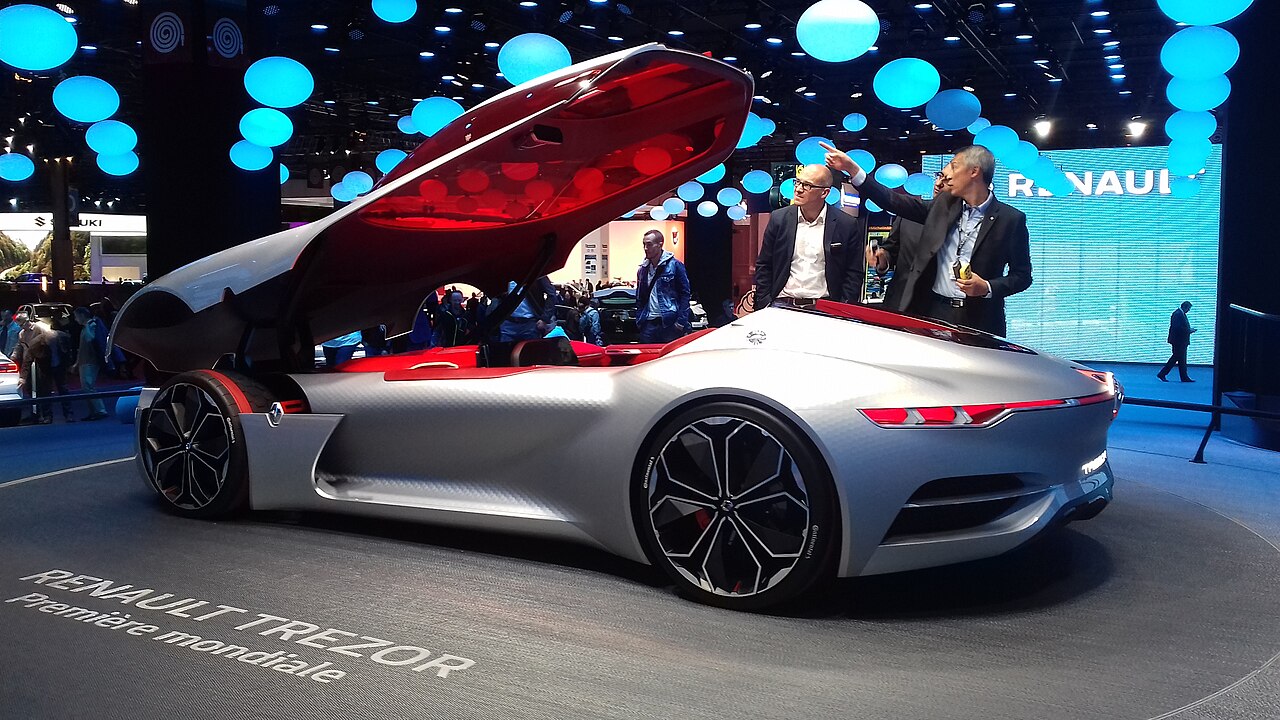 | 2016 | Lifting upper body |
| 06 | 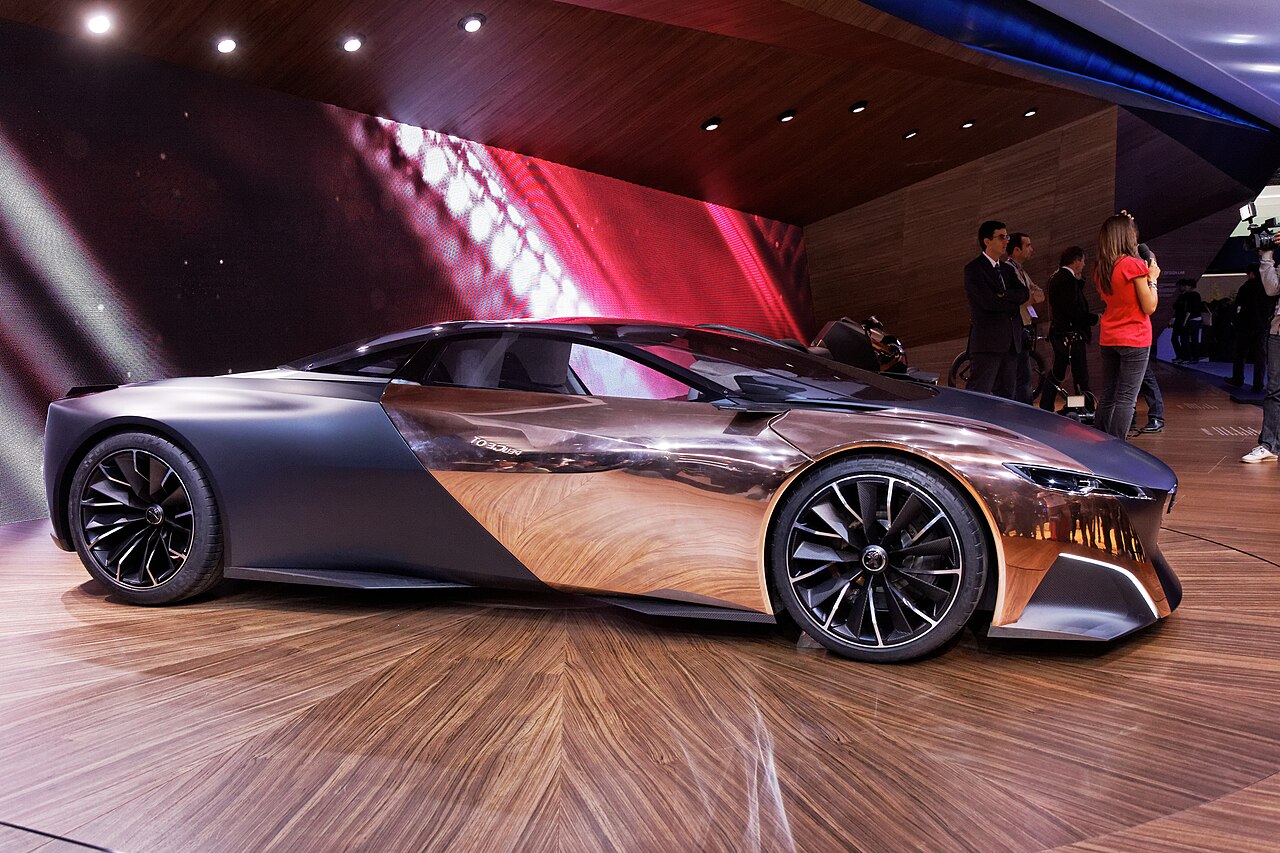 | 2012 | Copper and unusual cabin materials |
| 07 | 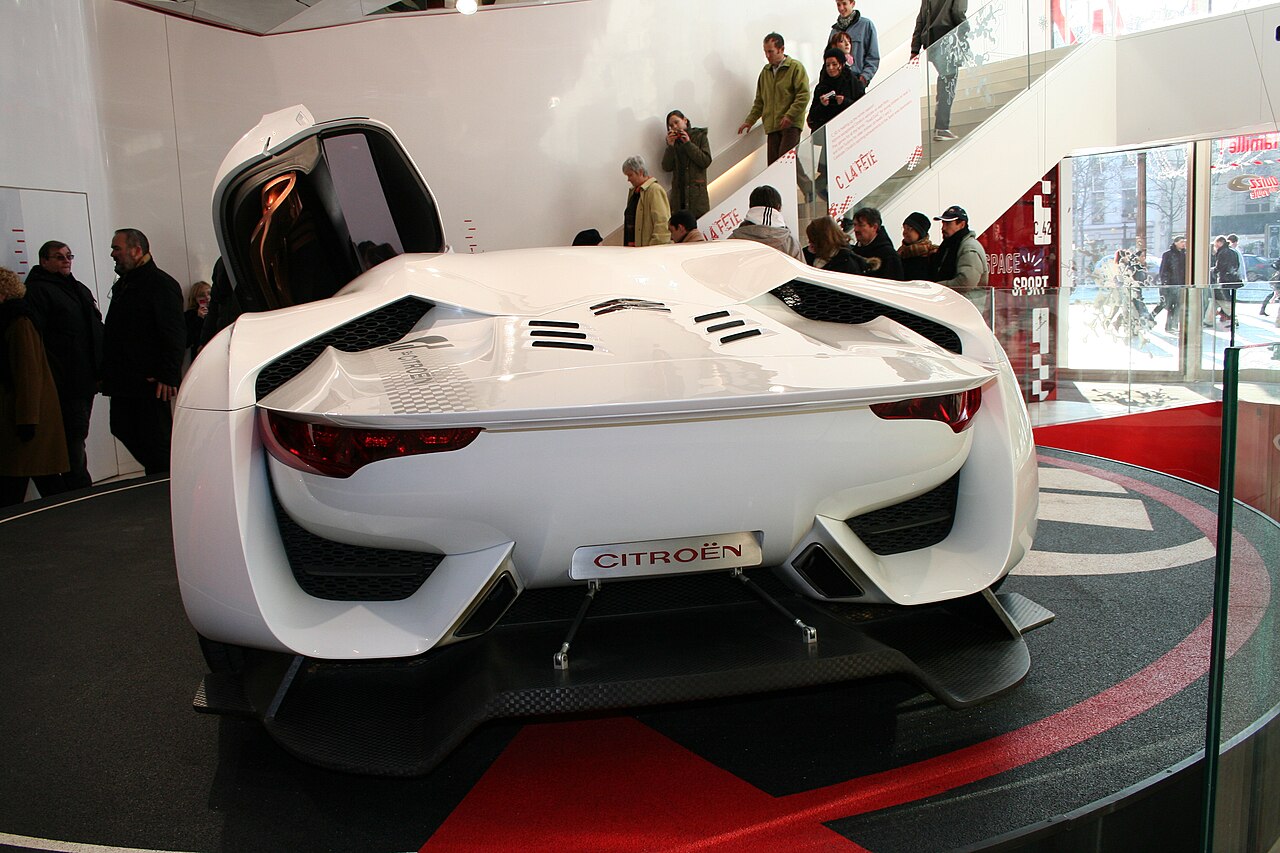 | 2008 | Virtual-to-physical sports car |
| 08 | 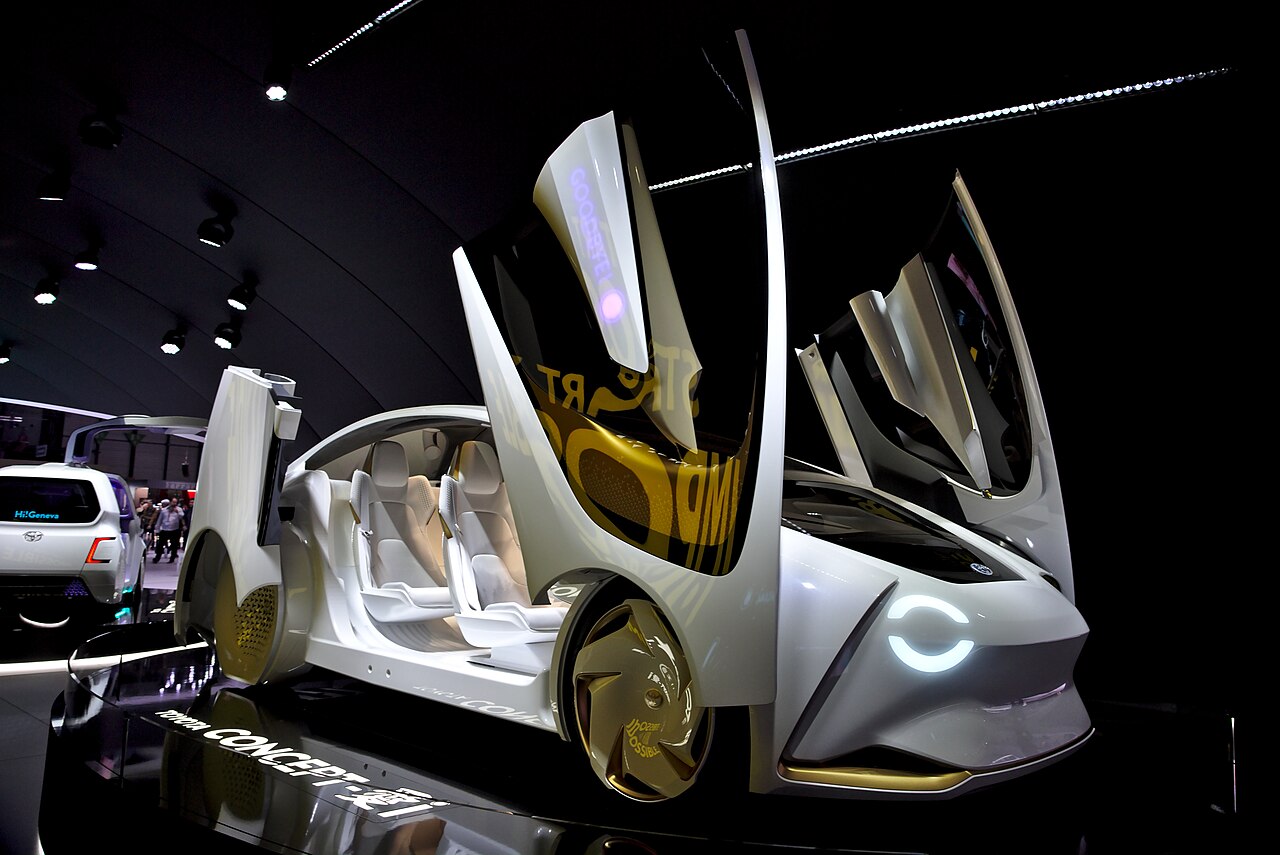 | 2017 | AI-focused occupant interaction |
| 09 | 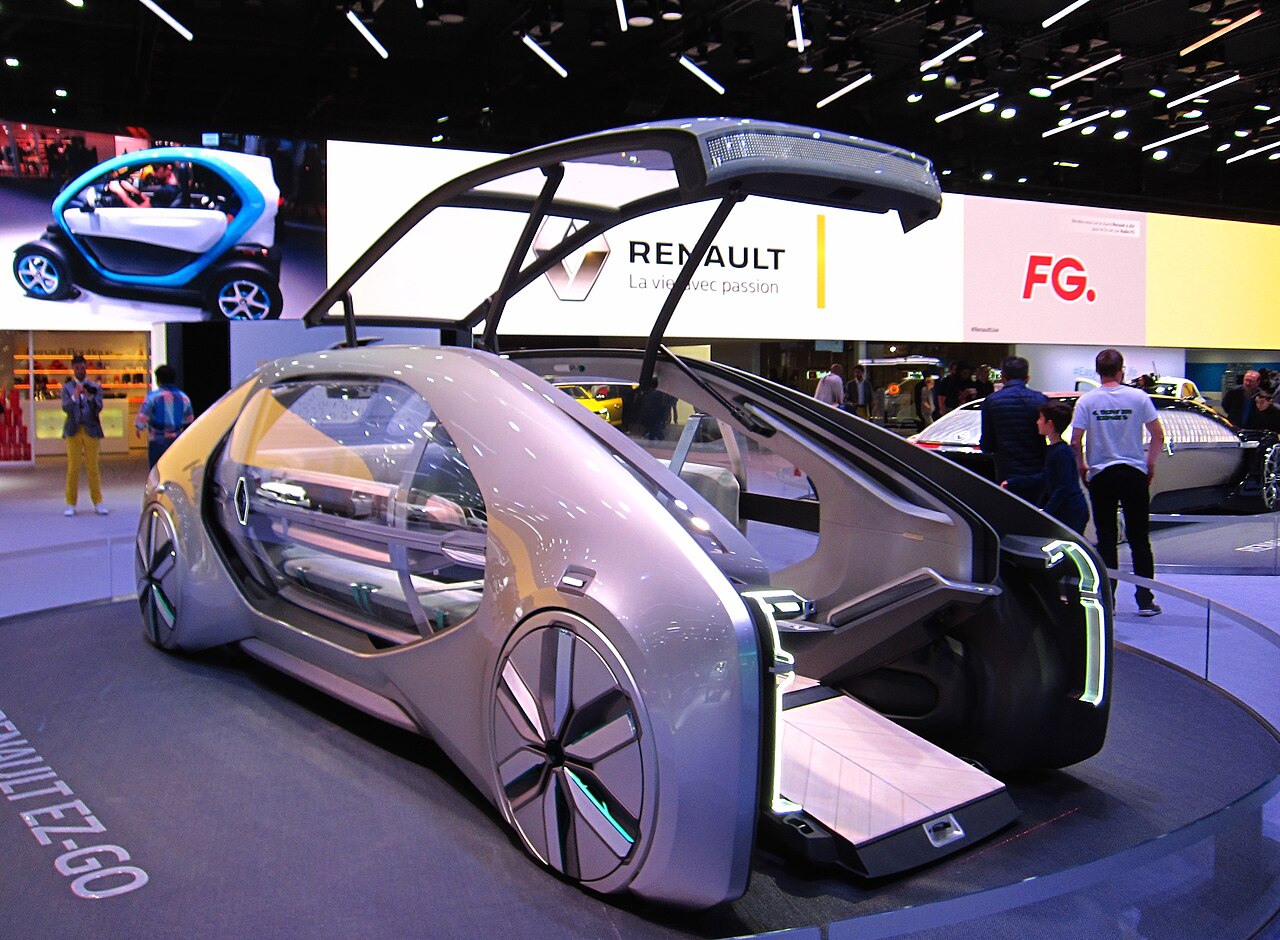 | 2018 | Shared autonomous cabin |
| 10 | 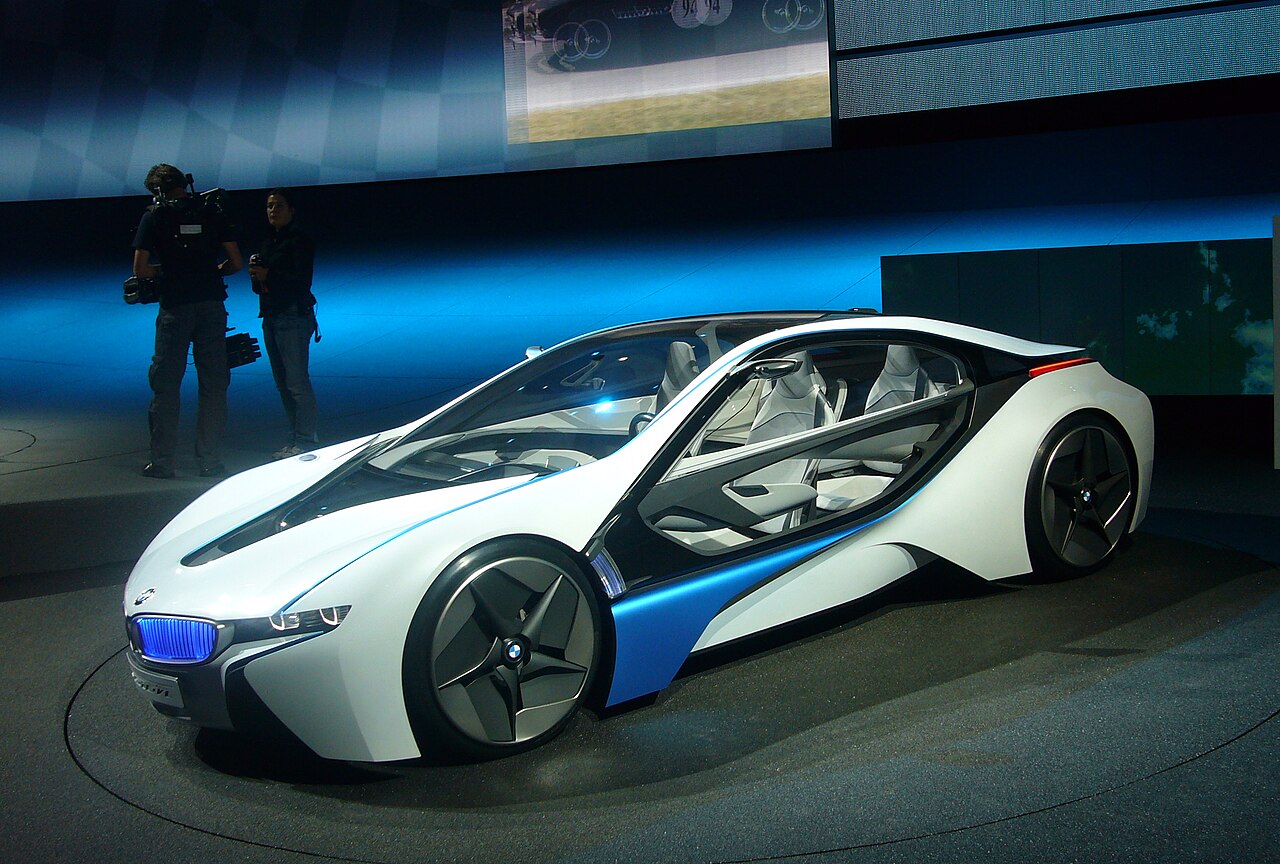 | 2009 | Diesel hybrid sports-car future |
No entries match your search.
The 10 Craziest Future Concept Cars: Entry Details
BMW GINA Light Visionary Model
2008 · Moving fabric bodyA fabric skin stretched over a movable structure challenged the fixed exterior shell. The body’s ability to change makes GINA the most complete unconventional idea here.
- Main idea
- Moving fabric body
- Layout
- Two-seat sports-car study
- Debut
- Public presentation, 2008
Nissan Pivo 2
2007 · Rotating passenger cabinPivo 2 used cabin rotation and unusual wheel control to rethink city manoeuvres. Its physical geometry gives the idea a clear purpose.
- Main idea
- Rotating passenger cabin
- Layout
- Battery-electric urban concept
- Debut
- Tokyo, 2007
Mercedes-Benz F 015 Luxury in Motion
2015 · Autonomous travel loungeA lounge-like cabin made autonomous travel part of the vehicle’s spatial design. The concept treated time inside the car as a different occupant experience.
- Main idea
- Autonomous travel lounge
- Layout
- Autonomous luxury research vehicle
- Debut
- CES, 2015
Audi AI:TRAIL quattro
2019 · Electric off-road explorationLarge glazed areas and proposed drone lighting made the off-road brief visible. Four electric motors belonged to a coherent exploration concept.
- Main idea
- Electric off-road exploration
- Layout
- Battery-electric off-road concept
- Debut
- Frankfurt, 2019
Renault Trezor
2016 · Lifting upper bodyTrezor made its opening upper body section part of the sports-car experience. A clear electric grand-touring brief gave the dramatic access arrangement a purpose.
- Main idea
- Lifting upper body
- Layout
- Two-seat electric grand tourer
- Debut
- Paris, 2016
Peugeot Onyx
2012 · Copper and unusual cabin materialsCopper exterior panels made material ageing part of Onyx’s identity. The cabin continued the experiment with materials beyond the ordinary luxury-car palette.
- Main idea
- Copper and unusual cabin materials
- Layout
- Mid-engine supercar concept
- Debut
- Paris, 2012
GTbyCitroën
2008 · Virtual-to-physical sports carA video-game collaboration became a full-size physical concept. Its exaggerated sports-car proportions made the crossover between digital and real design tangible.
- Main idea
- Virtual-to-physical sports car
- Layout
- Sports-car show model
- Debut
- Paris, 2008
Toyota Concept-i
2017 · AI-focused occupant interactionConcept-i proposed a vehicle that could understand and respond to its driver. Its cabin and visual interface made human interaction central to the mobility idea.
- Main idea
- AI-focused occupant interaction
- Layout
- AI-focused mobility concept
- Debut
- CES, 2017
Renault EZ-GO
2018 · Shared autonomous cabinA wide front opening and shared cabin changed how passengers would enter and occupy an urban vehicle. The shape followed the proposed mobility service.
- Main idea
- Shared autonomous cabin
- Layout
- Shared electric urban concept
- Debut
- Geneva, 2018
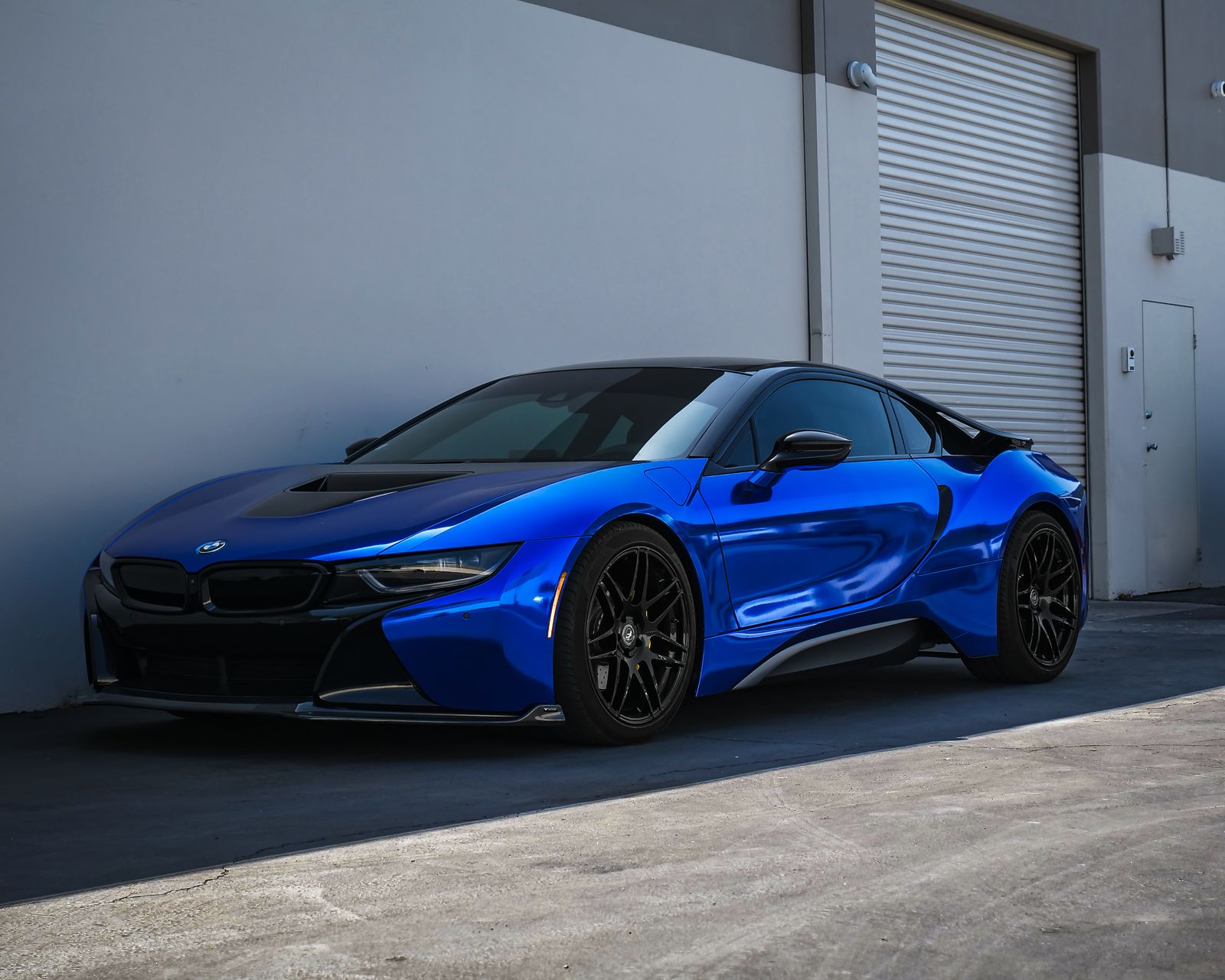
BMW Vision EfficientDynamics
2009 · Diesel hybrid sports-car futureA three-cylinder diesel and two electric motors explored a hybrid sports-car package. Its dramatic glazing and body surfaces pointed toward a different BMW performance direction.
- Main idea
- Diesel hybrid sports-car future
- Layout
- 2+2 plug-in hybrid concept
- Debut
- Frankfurt, 2009
The 10 Craziest Future Concept Cars: Analysis
GINA Challenged the Fixed Metal Body
GINA used a flexible textile skin stretched over a movable structure. Changes in the surface could reveal lamps or alter body details, making the exterior itself part of the vehicle’s behaviour. That coherent mechanical idea gives BMW the strongest entry, with the later Vision EfficientDynamics tackling a more recognisable hybrid sports-car future.
Pivo 2 and F 015 Reconsidered the Cabin
Nissan Pivo 2 combined a rotating cabin with unusual wheel control, addressing awkward city manoeuvres through the vehicle’s geometry. F 015 instead proposed a lounge-like interior for autonomous travel. Their shared ambition was to change the occupant’s relationship with the journey rather than simply make a conventional dashboard more elaborate.
AI:TRAIL, Trezor and EZ-GO Made Access Part of the Idea
AI:TRAIL’s extensive glazing and proposed drone lights tied its body to an off-road exploration brief. Trezor lifted its large upper body section to admit occupants, making entry a major part of the design. Renault EZ-GO used a wide front access opening and shared cabin to explore a different kind of urban service.
Onyx and GTbyCitroën Took Different Routes Beyond Familiar Design
Onyx used copper body panels and unusual interior materials to challenge the ordinary luxury-car palette. GTbyCitroën turned a video-game collaboration into a physical show car with dramatic proportions. Concept-i added an AI-focused interaction proposal, while Vision EfficientDynamics placed a diesel hybrid system inside a transparent-looking sports-car study.
Our verdict
Our verdict
GINA is the strongest physical challenge to conventional car design. Pivo 2 makes the most concrete city-manoeuvring experiment, while F 015 and EZ-GO explore the cabin changes implied by autonomous travel.
Strengths
- Concrete material and body experiments
- Cabins shaped around a travel purpose
- Different approaches to electric mobility
Things to consider
- Fabric bodies need specialised engineering
- Autonomous concepts depend on supporting systems
FAQ: The 10 Craziest Future Concept Cars
What was unusual about BMW GINA’s body?
Its outer skin was flexible fabric rather than conventional fixed panels. A movable underlying structure allowed the surface to change, including how the lamps and other body details appeared.
Could Nissan Pivo 2 rotate its cabin?
Yes. Cabin rotation was part of the concept’s city-mobility idea, alongside wheel control designed to make manoeuvres easier. It changed how the car could face its direction of travel.
Did AI:TRAIL use drones?
Audi proposed drones as part of the concept’s lighting arrangement. They belonged to its electric off-road exploration vision rather than to an ordinary production lighting specification.
Why did Peugeot use copper on Onyx?
Copper made the exterior material itself part of the design. Its ability to develop a patina differed from a conventional painted surface and matched the concept’s broader material experiment.
Was Vision EfficientDynamics fully electric?
No. BMW presented a plug-in hybrid concept using a three-cylinder diesel engine and two electric motors. That original drivetrain differs from later production i8 specifications.
Sources & methodology
Original manufacturer releases identify physical concepts and debut years. Editorial order weighs the originality and coherence of material, body, control and cabin experiments, treating future functions as concept proposals.
Maintained by Artsiom Dusau, a software engineer and BMW 4 Series owner. Editorial policy
View sources (10)
- BMW GINA exhibition account
- Mercedes research-vehicle and fuel-cell history
- Audi original AI:TRAIL introduction
- Nissan original EV development chronology
- Renault Trezor design account
- Peugeot original Onyx introduction
- Citroën original GTbyCitroën release
- Toyota Concept-i manufacturer introduction
- Renault original EZ-GO introduction
- BMW original Vision EfficientDynamics press kit