
Short answer
The 1970 Chevrolet Chevelle SS 454 LS6 is our best Chevy muscle car for its factory big-block specification and midsize coupe body. The sixth-generation Camaro ZL1 is our modern choice.
- Classic choice
- 1970 Chevelle SS 454 LS6
- Modern choice
- Sixth-generation Camaro ZL1
- Original Camaro ZL1 production
- 69 cars
- Aerocoupe model years
- 1986–1987
The 7 Best Chevy Muscle Cars at a Glance
| Editorial place | Chevrolet model | Model years | Engine | Defining feature |
|---|---|---|---|---|
| 01 | 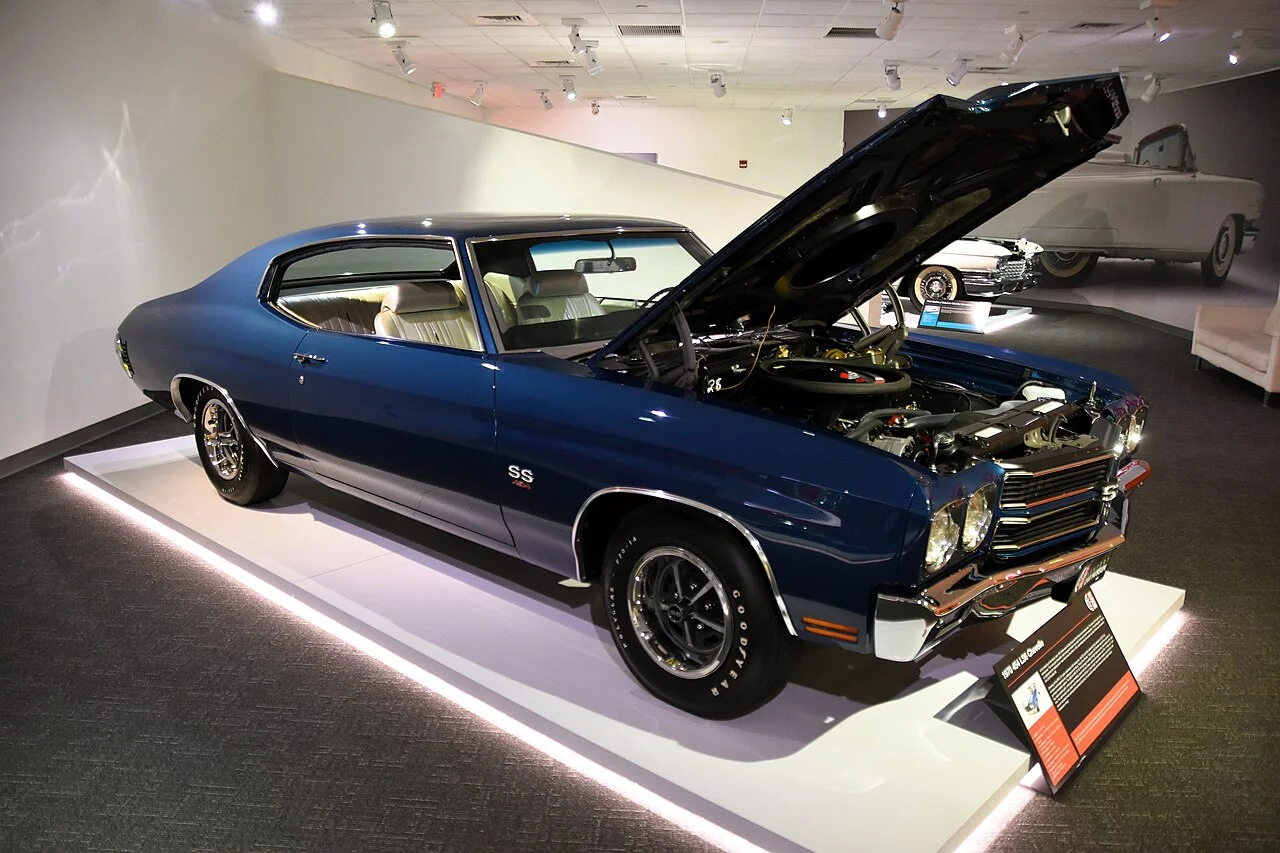 | 1970 | 454 cu in LS6 V8 | The definitive big-block Chevy muscle car |
| 02 | 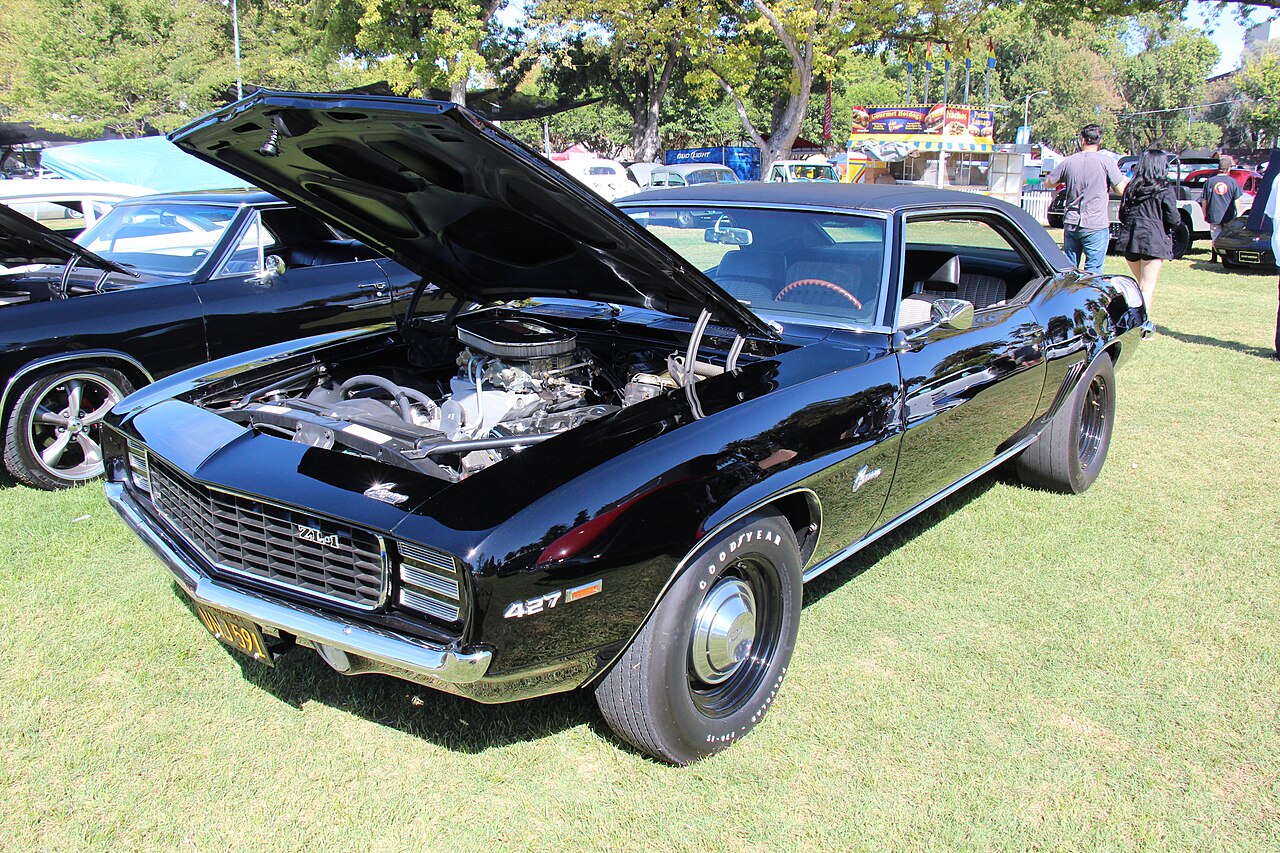 | 1969 | Aluminium 427 cu in ZL1 V8 | Aluminium-engine COPO special |
| 03 | 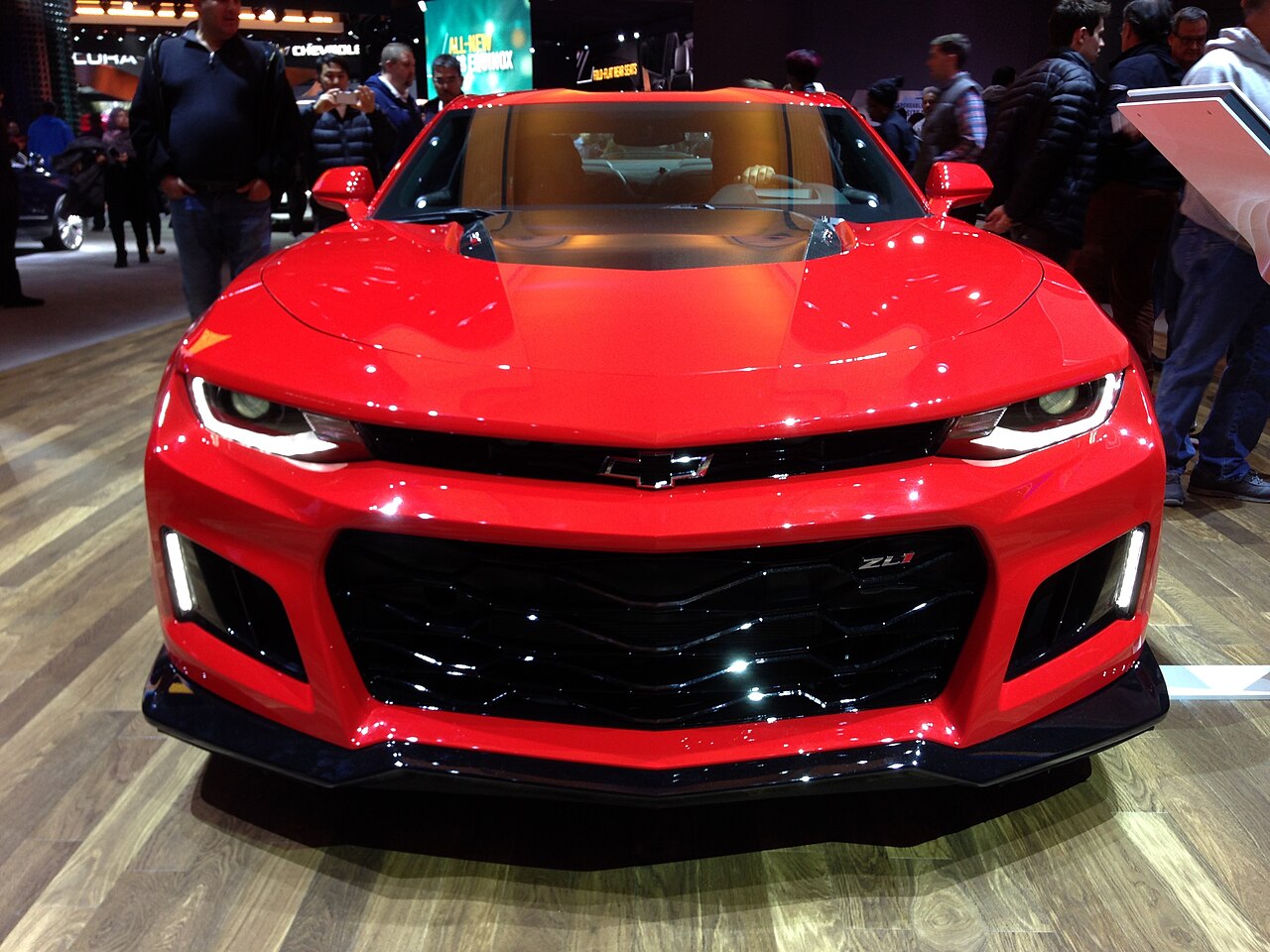 | 2017–2024 | Supercharged 6.2-litre LT4 V8 | Supercharged power with a modern chassis |
| 04 | 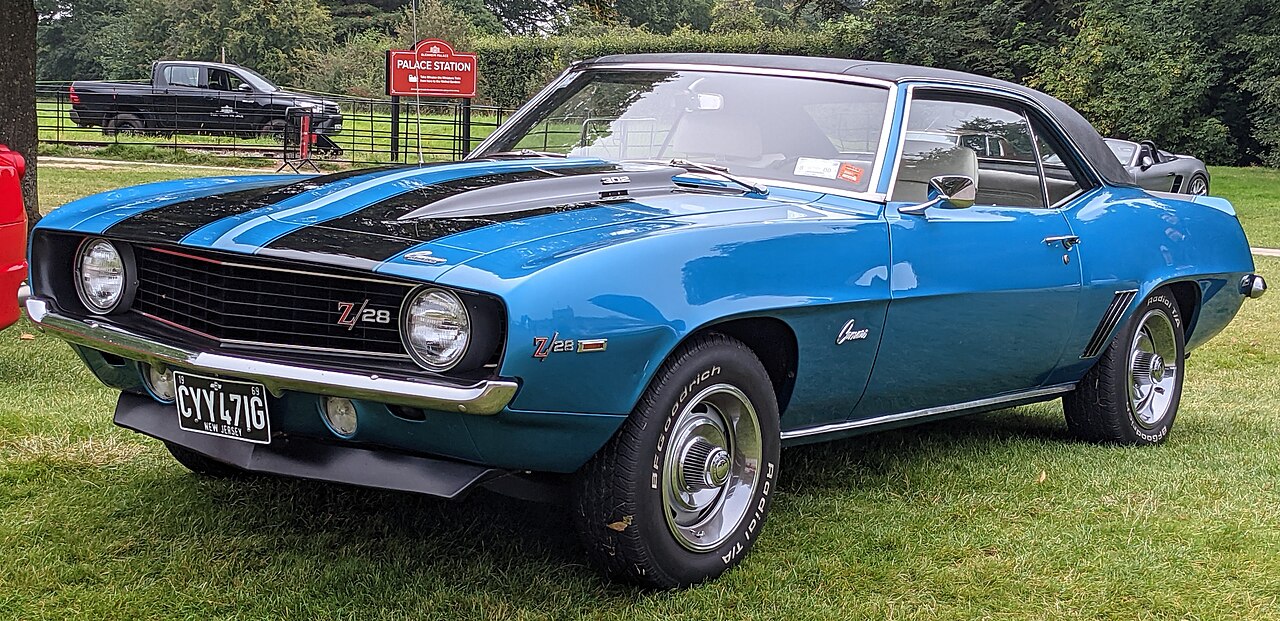 | 1969 | 302 cu in DZ V8 | High-revving small-block performance |
| 05 | Chevrolet Nova SS 396 L781970 | 1970 | L78 big-block V8 | Big-block engine in a compact coupe |
| 06 | Chevrolet Impala SS 4091963 | 1963 | 409 cu in V8 | Full-size performance before the midsize boom |
| 07 | 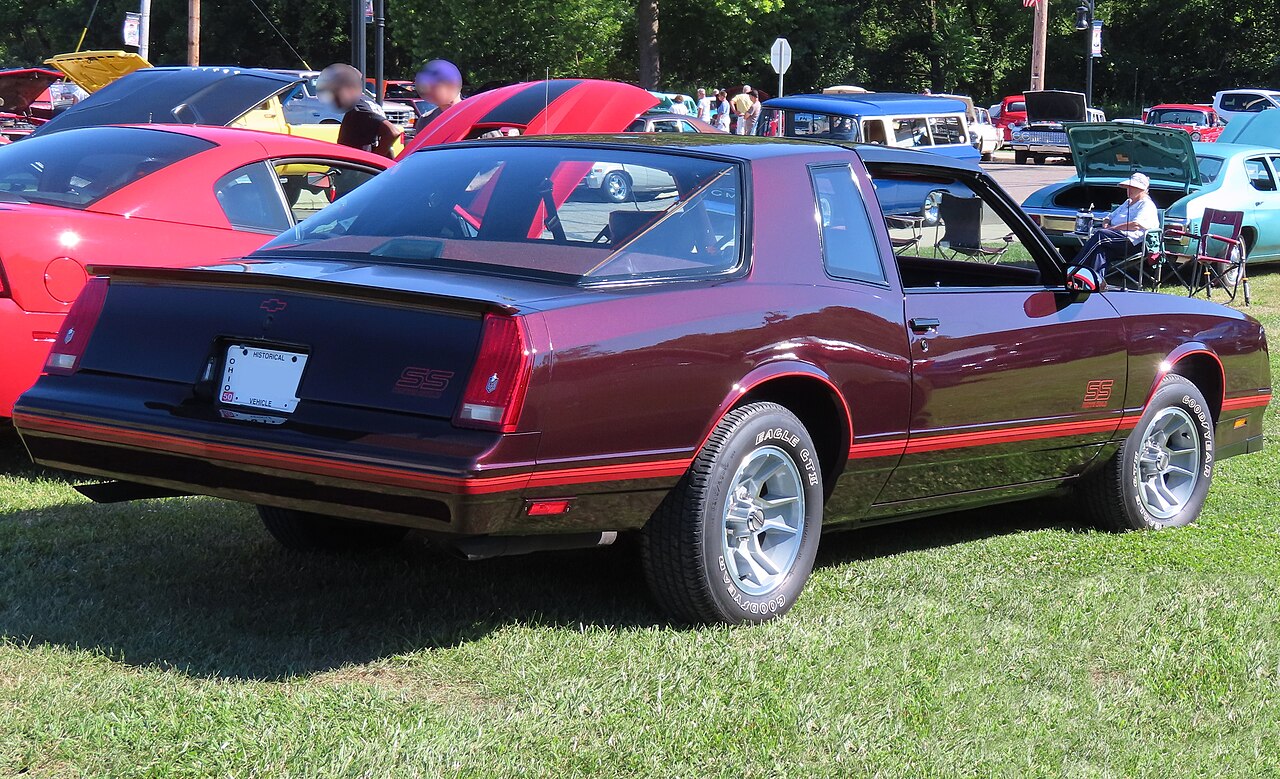 | 1986–1987 | 5.0-litre High Output V8 | Stock-car aerodynamics for the road |
No entries match your search.
The 7 Best Chevy Muscle Cars: Entry Details
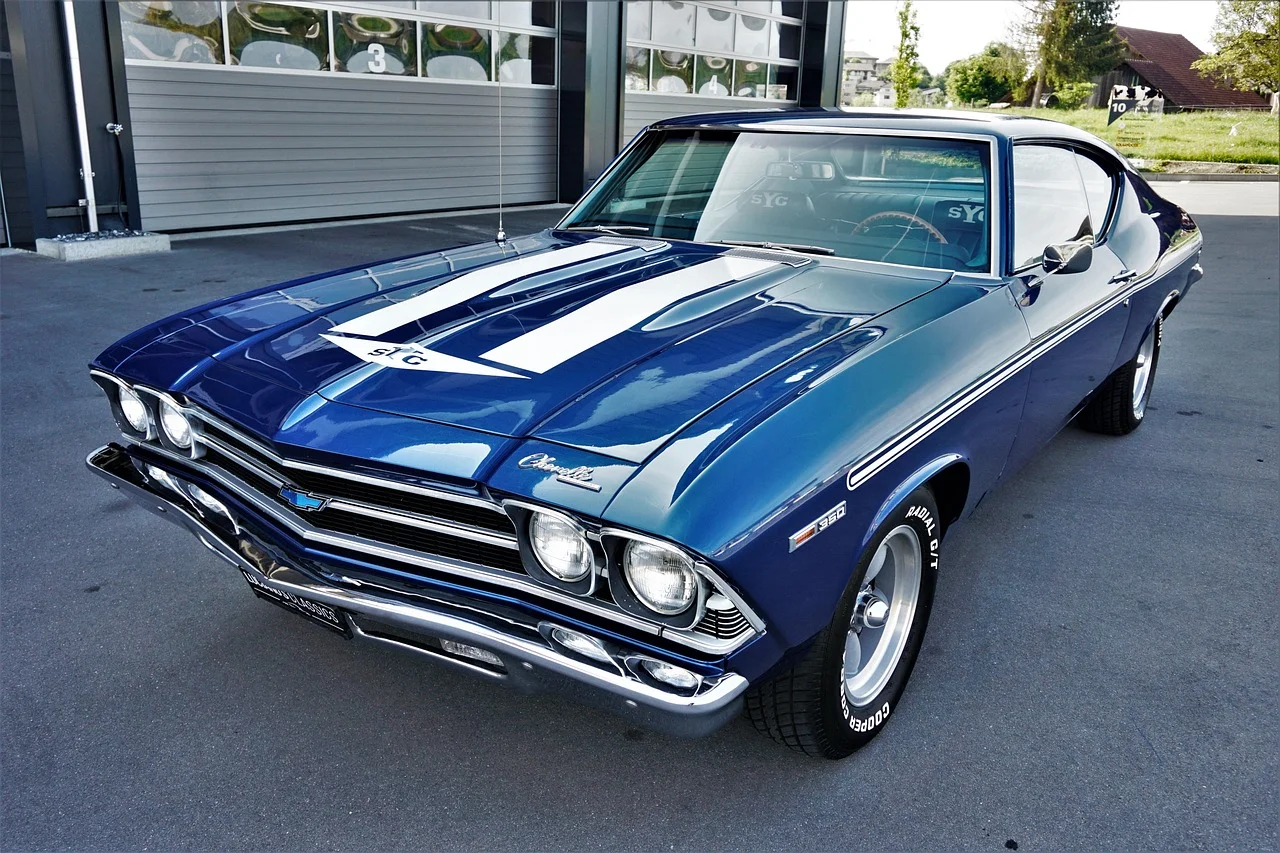
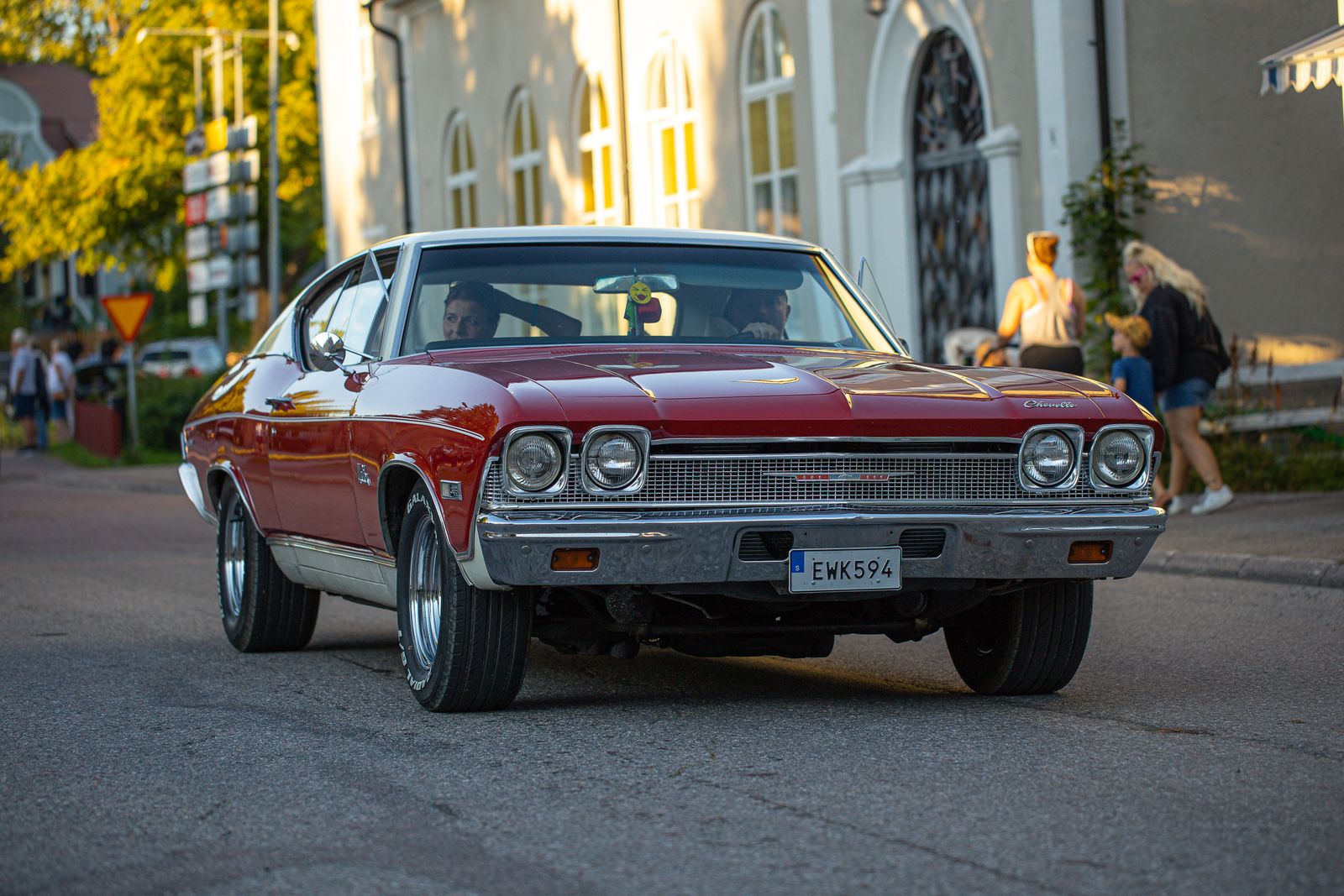
Chevrolet Chevelle SS 454 LS6
1970 · The definitive big-block Chevy muscle carThe LS6 wins for combining Chevrolet’s most concentrated traditional muscle-car recipe with a distinct factory engine specification. The midsize Chevelle offered the big-block experience without turning the car into a purpose-built competition special.
- Engine
- 454 cu in LS6 V8
- Factory rating
- 450 gross hp
- Engine character
- Solid-lifter big-block
Chevrolet Camaro ZL1
1969 · Aluminium-engine COPO specialThe original ZL1 ranks second for bringing specialist racing hardware into a factory-built Camaro. Its aluminium big-block and special-order origins make it more unusual than the Chevelle, but also less representative of everyday showroom muscle.
- Engine
- Aluminium 427 cu in ZL1 V8
- Factory order
- COPO 9560
- Production
- 69 cars
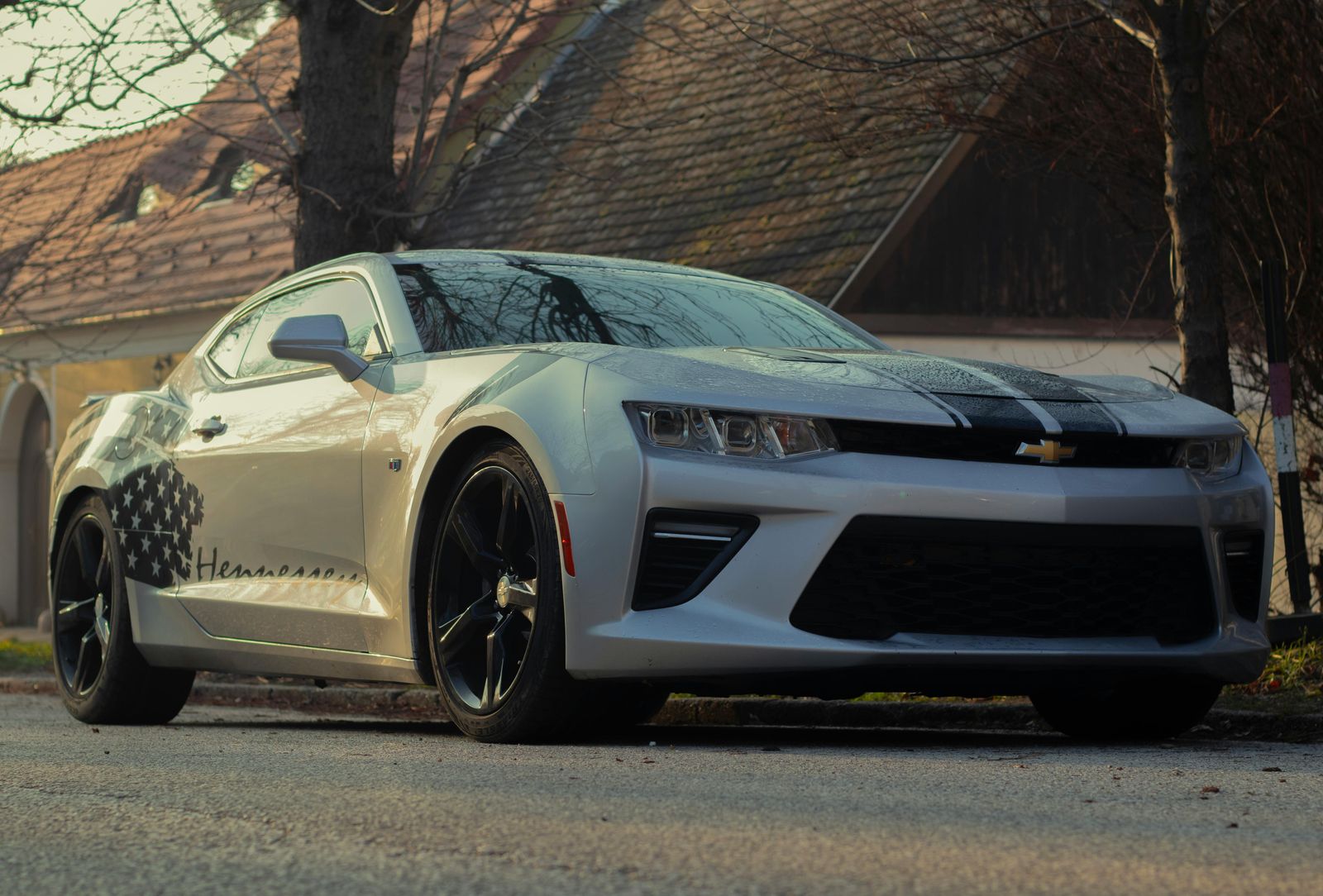
Chevrolet Camaro ZL1, sixth generation
2017–2024 · Supercharged power with a modern chassisThe later ZL1 earns third place by extending Chevy muscle beyond straight-line acceleration. A supercharged V8 and the sixth-generation Camaro platform made it a comprehensive performance coupe, with the later 1LE package sharpening the track-focused end of the range.
- Engine
- Supercharged 6.2-litre LT4 V8
- Factory rating
- 650 net hp
- Generation
- Sixth-generation Camaro
Chevrolet Camaro Z/28
1969 · High-revving small-block performanceThe Z/28 earns its position through a contrasting kind of Chevy performance. Its 302-cubic-inch small-block and four-speed gearbox reward engine speed and driver involvement, giving the Camaro a separate identity from the big-block ZL1.
- Engine
- 302 cu in DZ V8
- Transmission
- Four-speed manual
- Factory rating
- 290 gross hp
Chevrolet Nova SS 396 L78
1970 · Big-block engine in a compact coupeThe Nova brings the big-block formula into Chevrolet’s compact body. The L78 specification earns this version a place above ordinary Nova SS models, with its more focused engine package rather than the badge alone providing the reason for inclusion.
- Engine
- L78 big-block V8
- Factory rating
- 375 gross hp
- Body
- Third-generation Nova coupe
Chevrolet Impala SS 409
1963 · Full-size performance before the midsize boomThe Impala represents Chevy performance before the midsize muscle-car formula took over. A 409-powered SS combined full-size accommodation with substantial V8 performance, but its larger body makes it less concentrated than the Chevelle and Nova above it.
- Engine
- 409 cu in V8
- Body
- Full-size Impala coupe
- Performance identity
- Super Sport equipment with 409 engine
Chevrolet Monte Carlo SS Aerocoupe
1986–1987 · Stock-car aerodynamics for the roadThe Aerocoupe earns the final place for a visible connection between showroom styling and racing aerodynamics. Its sloping rear window is the important feature, distinguishing it from the ordinary Monte Carlo SS without pretending it delivers the performance of the later ZL1.
- Engine
- 5.0-litre High Output V8
- Body
- G-body coupe with extended sloping rear window
- Competition connection
- NASCAR body aerodynamics
The 7 Best Chevy Muscle Cars: Analysis
Why the Chevelle LS6 Is Our Best Chevy Muscle Car
The Chevelle LS6 combined a solid-lifter 454 with the usable proportions of Chevrolet’s midsize coupe. Its appeal comes from how directly the car expresses the classic formula, with a large performance engine in a recognisable showroom body. The 450 gross hp factory rating underlined that purpose.
The LS6’s manual gearbox and short gearing also made launching part of the driving experience. The 1970 quarter-mile comparison follows the Chevelle alongside its Buick and Plymouth rivals through period tests.
The Two Camaro ZL1s Solve Different Problems
The 1969 Camaro ZL1 used COPO 9560 to put an aluminium 427 into Chevrolet’s pony car. Dealer Fred Gibb helped bring the project to life, and its engine drew on competition technology. The result was a rare factory special built around a particular racing ambition.
The sixth-generation ZL1 brought a supercharged LT4 into a much more developed performance platform. Its 650 net hp came with modern chassis capability, while the ZL1 1LE extended the range towards circuit use. The shared badge connects them, but the later car’s appeal reaches well beyond the drag strip.
Camaro Z/28 and Nova SS Show Two Engine Strategies
The Z/28’s 302-cubic-inch small-block and four-speed manual give it a different character from the big-block Camaros. The driver works with engine speed and gear selection rather than choosing the largest available displacement. That distinct identity earns it a position of its own.
The Nova SS L78 goes the other way, bringing a performance big-block into a compact coupe. Chevrolet developed the third-generation Nova alongside the early Camaro, allowing engineering ideas and performance components to move between them. The Chevrolet brand history places those cars within the wider range.
Impala SS and Monte Carlo Aerocoupe Extend the Story
The 409-powered Impala SS represents a full-size branch of Chevrolet performance. The SS equipment and large engine could sit alongside the accommodation of a bigger coupe, before the Chevelle made the midsize format central to Chevy muscle.
The Monte Carlo SS Aerocoupe instead puts its racing connection into the roofline. Its extended rear window was shaped around stock-car aerodynamics. The special body earns its inclusion even though this car’s interest lies in its competition connection rather than an exceptional engine specification.
Important context
- The Chevelle LS6 carried a factory rating of 450 gross hp in 1970.
- The original Camaro ZL1 used an aluminium 427-cubic-inch V8 and Chevrolet’s COPO ordering system.
- The sixth-generation Camaro ZL1 was rated at 650 net hp.
- The Monte Carlo SS Aerocoupe’s sloping rear window connected its road-going body to stock-car racing.
Our verdict
Which Chevy Muscle Car Would We Choose?
The LS6 is the first choice for traditional big-block muscle. Pick the sixth-generation ZL1 for a more complete modern performance car, or the Z/28 for a small-block manual coupe with a different driving rhythm.
Strengths
- Distinct factory performance versions
- Both classic and modern eras
- Engineering reasons for each place
Things to consider
- Editorial order prioritises muscle-car character
- Several factory packages require careful authentication
FAQ: The 7 Best Chevy Muscle Cars
What is the best Chevy muscle car of all time?
Our choice is the 1970 Chevelle SS 454 LS6. The factory big-block specification and midsize coupe body make it the clearest expression of traditional Chevrolet muscle.
How much horsepower did the Chevelle LS6 have?
The 1970 LS6 was rated at 450 gross hp. That is the period factory rating, rather than a modern net output figure.
What makes the 1969 Camaro ZL1 special?
Its aluminium 427-cubic-inch engine and COPO 9560 factory order distinguish it from ordinary Camaros. Only 69 were produced, with dealer Fred Gibb closely involved in the programme.
Is the sixth-generation Camaro ZL1 a muscle car?
Yes, its front-mounted supercharged V8 and rear-wheel-drive coupe layout continue Chevrolet’s muscle-car approach. The more developed chassis also lets it serve as a modern circuit-capable performance car.
Did every Chevrolet Nova SS have a big-block engine?
No. The Nova SS badge covered more than one engine specification. The 1970 L78 version selected here uses the performance big-block, while other SS versions used small-block engines.
What is a Monte Carlo SS Aerocoupe?
The Aerocoupe is the 1986–1987 Monte Carlo SS with the extended sloping rear window. The special body linked the road car to Chevrolet’s stock-car aerodynamic development.
Sources & methodology
Editorial order weighs factory engineering, competition influence and muscle-car character. Chevrolet histories, factory literature and documented auction lots identify versions. Gross and net horsepower are stated separately, without a combined chart.
Maintained by Artsiom Dusau, a software engineer and BMW 4 Series owner. Editorial policy
View sources (9)
- Chevrolet, heritage timeline including Chevelle LS6 and Monte Carlo Aerocoupe
- Chevrolet, Camaro generations and sixth-generation ZL1 output
- Mecum, documented original 1969 Camaro ZL1 and COPO specification
- Barrett-Jackson, authenticated 1969 Camaro Z/28 original drivetrain
- RM Sotheby’s, 1970 Nova SS L78 engine documentation
- Mecum, 1963 Impala SS with 409 engine
- Chevrolet Motor Division, 1987 Monte Carlo factory information kit
- Chevrolet Motor Division, Nova engineering and development history
- Hot Rod, original LS6 road test republished by the publisher