
Short answer
The 1970 Oldsmobile 442 W-30 ranks first because its 455 V8, forced-air induction and performance equipment make the clearest complete expression of classic Oldsmobile muscle. The 1968 Hurst/Olds is the strongest alternative for its distinctive specialist partnership and presentation.
- Leading model
- 1970 442 W-30
- Selection period
- 1964–1983
- Different briefs
- Big-block muscle, compact V8 and later performance coupe
Top 7 Classic Oldsmobile Muscle Cars at a Glance
| Rank | Model or package | Model year | Engine | Character |
|---|---|---|---|---|
| 01 | 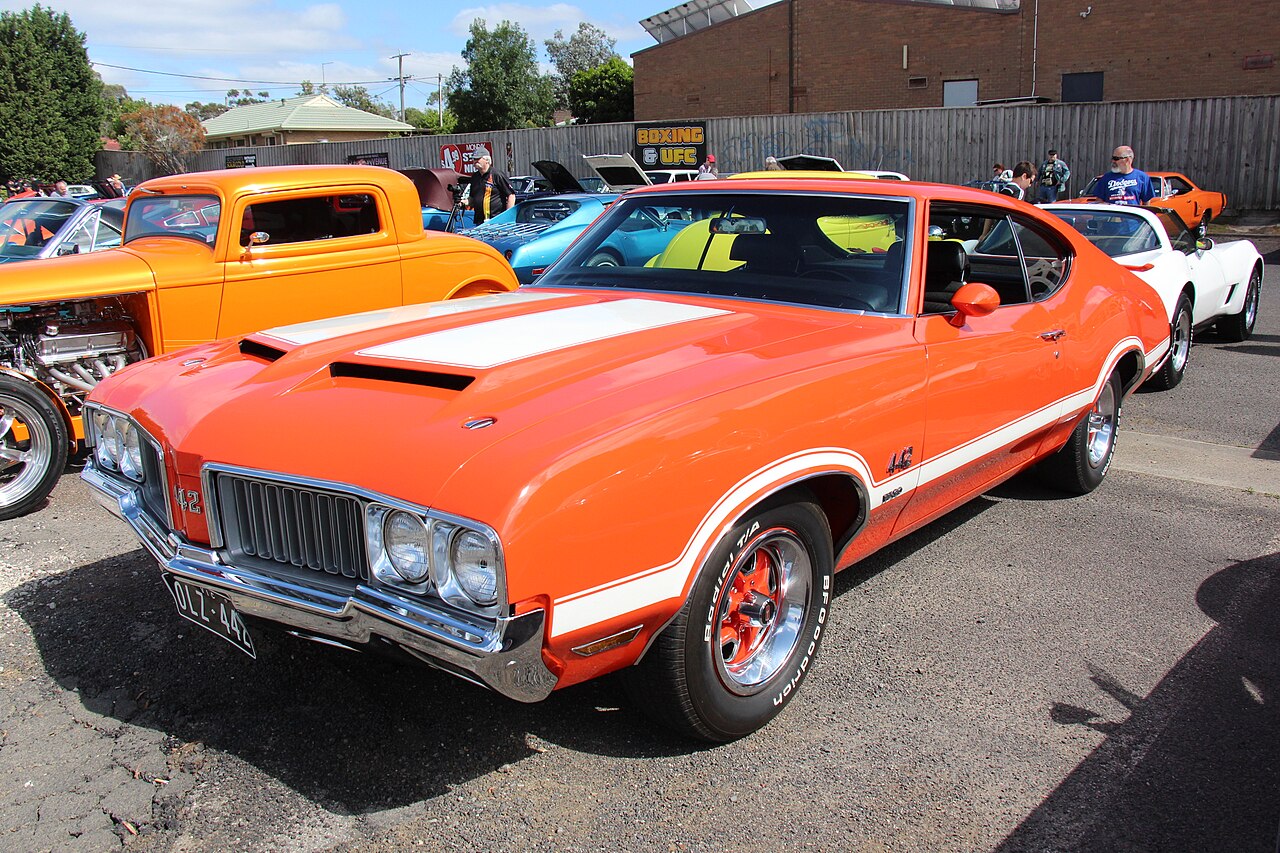 | 1970 | 455-cubic-inch V8 | Complete big-block package |
| 02 | 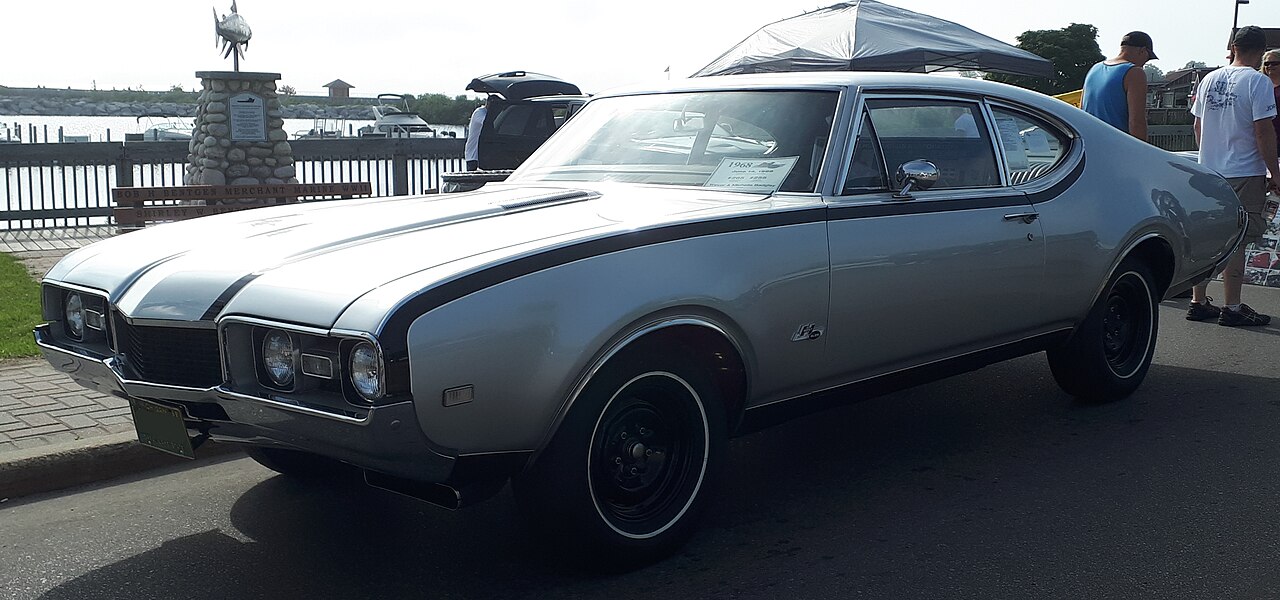 | 1968 | 455-cubic-inch V8 | Specialist partnership |
| 03 | 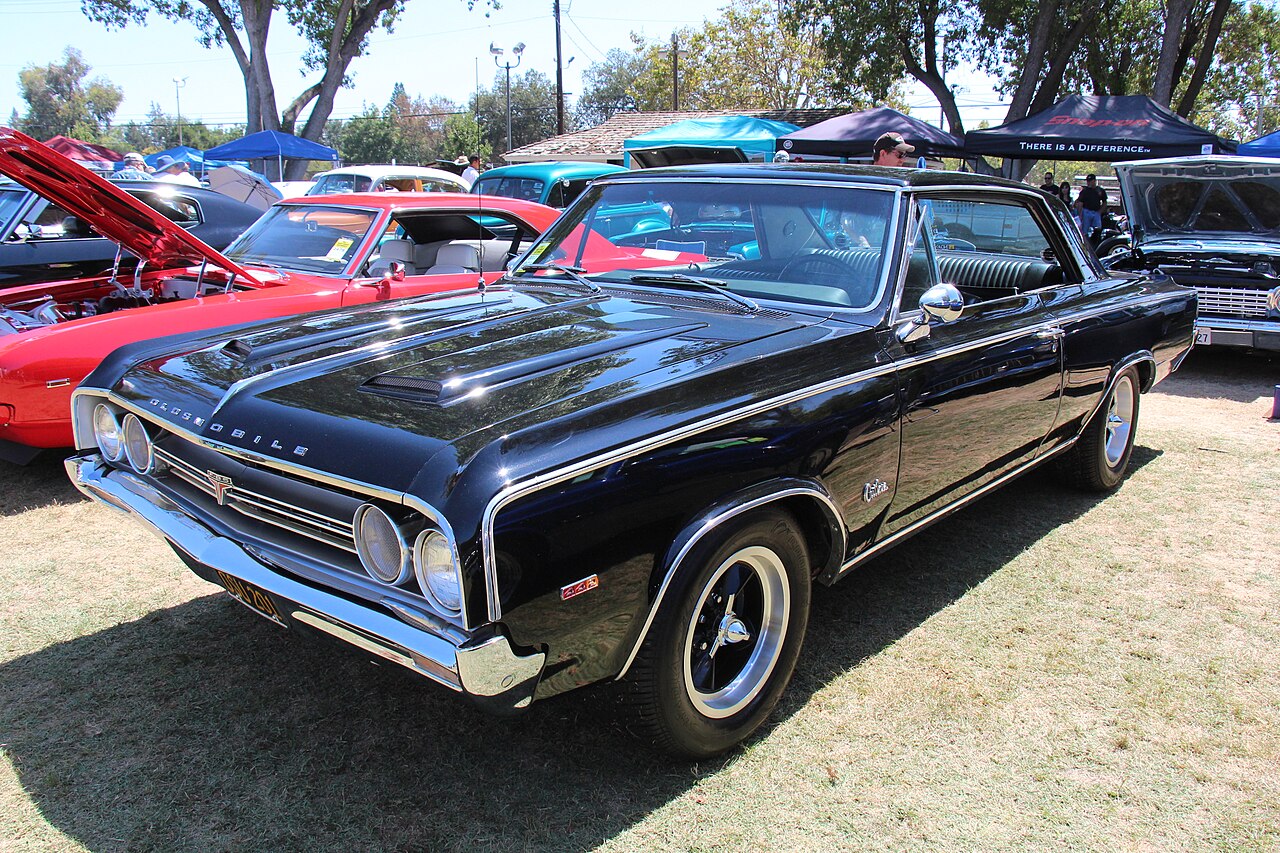 | 1964 | 330-cubic-inch V8 | The original formula |
| 04 | 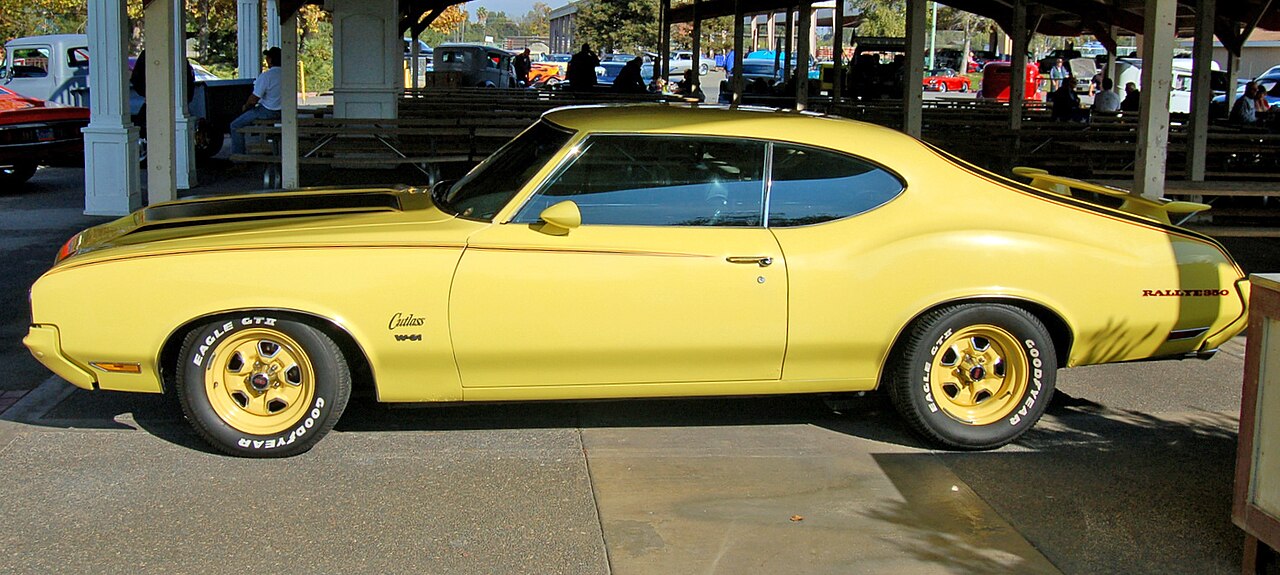 | 1970 | 350-cubic-inch V8 | Smaller-engine muscle |
| 05 | 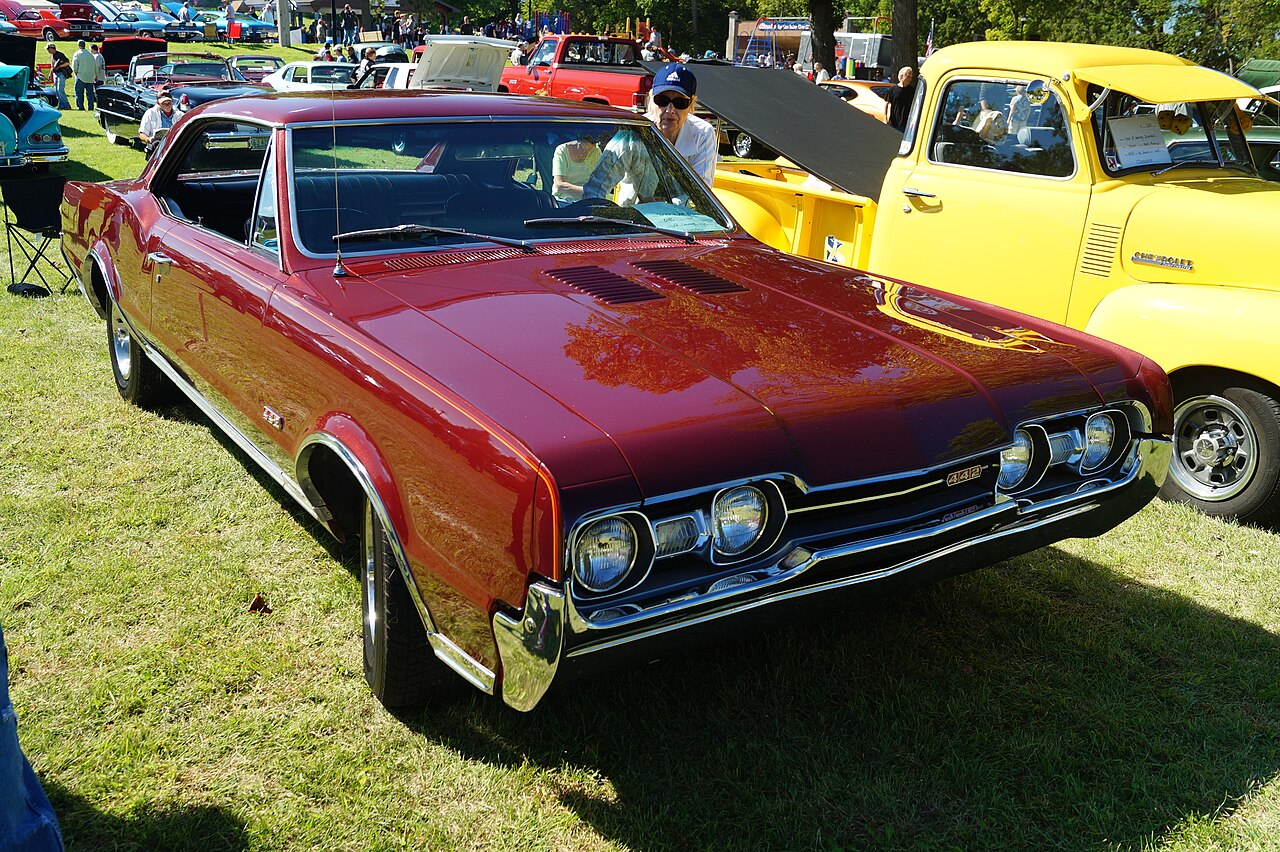 | 1967 | 400-cubic-inch V8 | Mature early 442 |
| 06 | 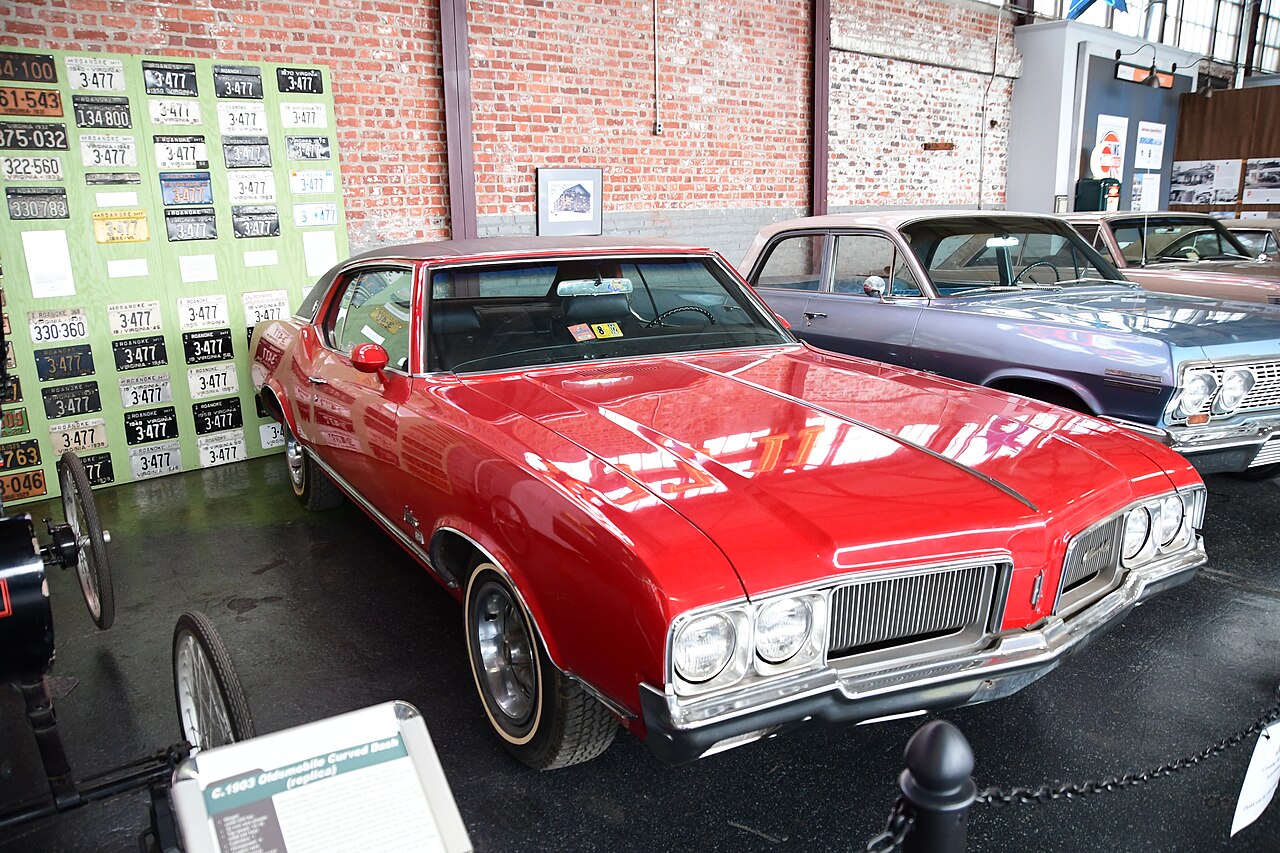 | 1970 | 455-cubic-inch V8 | Quiet big-engine alternative |
| 07 | 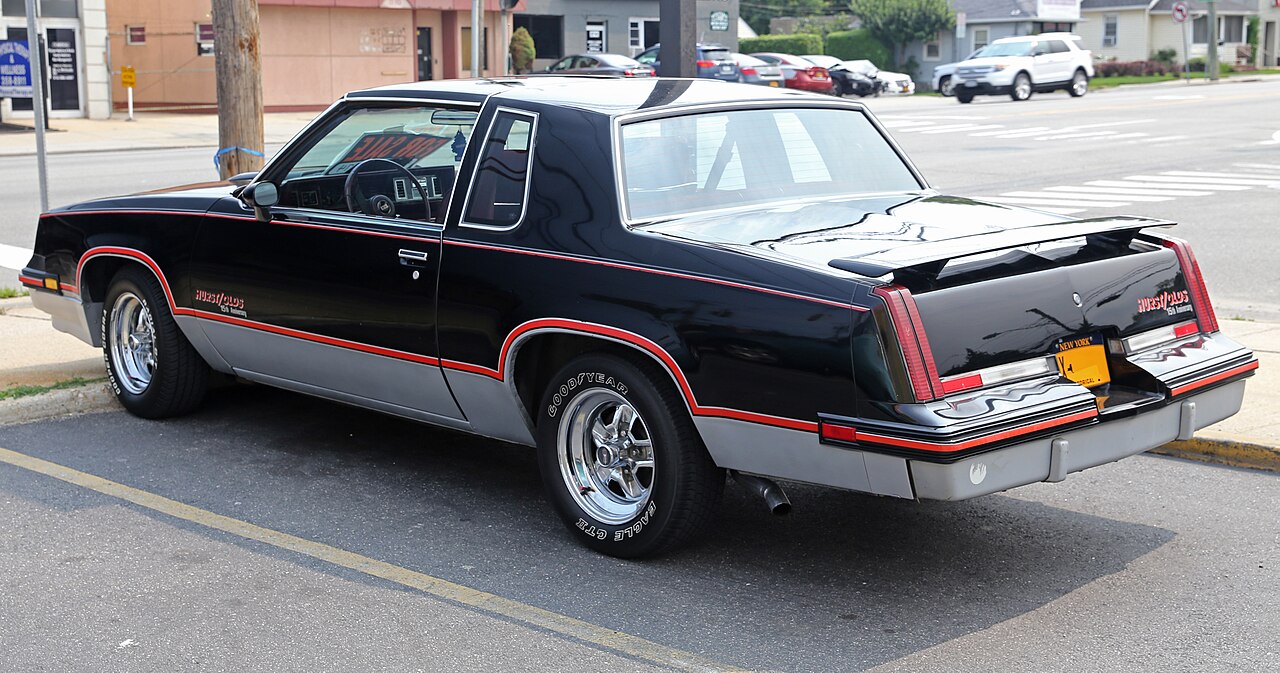 | 1983 | 307-cubic-inch V8 | Later performance identity |
No entries match your search.
Top 7 Classic Oldsmobile Muscle Cars: Entry Details
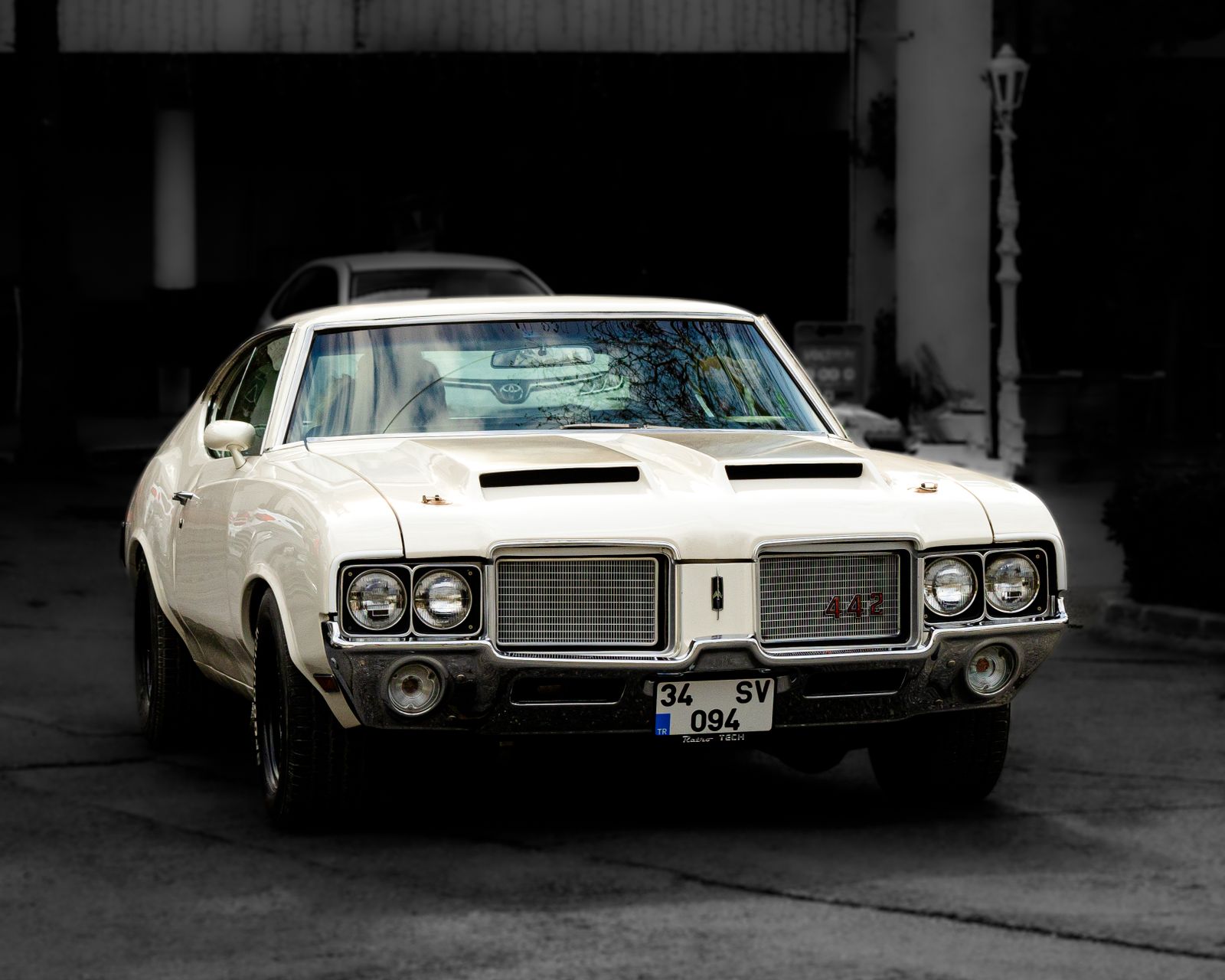
Oldsmobile 442 W-30
1970 · Complete big-block packageThe 455 V8 and forced-air performance package give the 1970 W-30 its clear purpose. It combines substantial engine capacity with the distinctive equipment expected of a flagship Oldsmobile muscle car.
- Engine
- 455-cubic-inch V8
- Defining feature
- W-30 forced-air performance package
- Role
- Flagship intermediate muscle car
Hurst/Olds
1968 · Specialist partnershipThe silver-and-black Hurst/Olds gives the 455-powered Cutlass a distinctive identity. Hurst equipment and a deliberately coordinated appearance make it more than a large-engine option.
- Engine
- 455-cubic-inch V8
- Defining feature
- Hurst equipment and silver-black finish
- Role
- Specialist performance edition
Oldsmobile 442
1964 · The original formulaThe first 442 combines a four-barrel 330 V8, four-speed manual and dual exhaust. Its importance lies in establishing the performance package that later Oldsmobile muscle cars expanded.
- Engine
- 330-cubic-inch V8
- Defining feature
- Four-barrel, four-speed, dual exhaust
- Role
- First 442 performance package
Oldsmobile Rallye 350
1970 · Smaller-engine muscleA 350 V8 sits beneath conspicuous Sebring Yellow paint and matching bumpers. Rallye 350 earns its place by giving the Cutlass performance family a distinct alternative to the larger-engine cars.
- Engine
- 350-cubic-inch V8
- Defining feature
- Sebring Yellow body and bumpers
- Role
- Smaller-engine performance package
Oldsmobile 442
1967 · Mature early 442The 400 V8 gives the earlier 442 formula greater capacity without the 1970 car’s scale. Its relatively restrained appearance makes the performance identity feel integrated rather than decorative.
- Engine
- 400-cubic-inch V8
- Defining feature
- Developed early 442 package
- Role
- Intermediate V8 muscle car
Oldsmobile Cutlass Supreme SX
1970 · Quiet big-engine alternativeThe SX package combines a 455 V8 and automatic transmission with the more luxurious Cutlass Supreme. Its restrained appearance offers a different route to the same large-engine appeal.
- Engine
- 455-cubic-inch V8
- Defining feature
- Y79 SX package with automatic gearbox
- Role
- Luxury-oriented performance Cutlass
Hurst/Olds
1983 · Later performance identityThe 1983 Hurst/Olds pairs a 307 V8 with conspicuous black-and-silver presentation. Its Lightning Rods controls preserve the Hurst connection in a very different muscle-car era.
- Engine
- 307-cubic-inch V8
- Defining feature
- Lightning Rods transmission controls
- Role
- Later Hurst performance coupe
Top 7 Classic Oldsmobile Muscle Cars: Analysis
The 1970 W-30 Completed the Big-Engine Formula
The 455 V8 gave the 1970 442 a larger engine than the earlier 400-powered version. W-30 added a distinct performance package, including forced-air induction. The combination earns first place because the hardware, body details and model identity work together. The broader Oldsmobile history explains how a marque associated with engineering also developed a forceful muscle-car identity.
Hurst/Olds Made the Partnership Visible
The 1968 Hurst/Olds paired 455 power with silver paint, black accents and Hurst equipment. The later 1983 car used a 307 V8 and Lightning Rods automatic-transmission controls. Its place comes from preserving a recognisable partnership under a different performance brief, rather than matching the earlier car’s engine capacity.
Rallye 350 and SX Split the Cutlass Brief
Rallye 350 advertised its identity through Sebring Yellow paint and matching bumpers around a 350 V8. Cutlass Supreme SX went in a quieter direction, pairing a 455 with an automatic gearbox and a more luxurious Cutlass body. The two packages show why the most conspicuous Oldsmobile was not always the one with the largest engine.
The First 442 Established a Complete Package
In 1964, the 442 designation referred to a four-barrel carburettor, four-speed manual transmission and dual exhaust. The package also addressed the chassis, giving its smaller V8 a supporting structure. Like the contemporary Pontiac performance programme, it turned an intermediate car into a distinct proposition before the later displacement race.
Our verdict
Our verdict
The 1970 W-30 is the strongest complete muscle-car package here. Hurst/Olds supplies the clearest specialist identity, while Rallye 350 and SX are worthwhile alternatives for smaller-engine character or a less conspicuous body.
Strengths
- Model years and option packages distinguished
- Original 442 meaning explained
- Engine capacity presented without a misleading power league table
Things to consider
- The 1983 car pursues a different performance brief
- Individual car originality requires separate documentation
FAQ: Top 7 Classic Oldsmobile Muscle Cars
Which classic Oldsmobile muscle car ranks first?
The 1970 442 W-30 leads because its 455 V8 and forced-air performance package make a particularly complete expression of the marque’s big-engine muscle-car period.
What did 442 originally mean?
For the 1964 package, it meant a four-barrel carburettor, four-speed manual transmission and dual exhaust. The equipment behind the name evolved later, so that original explanation should not be applied unchanged to every 442.
What distinguishes the 1968 Hurst/Olds?
It combines a 455 V8 with Hurst equipment and a recognisable silver-and-black appearance. The model represents a specific partnership rather than an ordinary 442 with decorative badges.
Was Rallye 350 a 455-powered car?
No. Its name identifies the 350-cubic-inch V8. Sebring Yellow paint, matching bumpers and performance styling made the smaller-engine package particularly conspicuous.
How does Cutlass Supreme SX differ from 442?
The SX package supplied 455 power and an automatic gearbox in the more luxury-oriented Cutlass Supreme. Its quieter appearance appealed to buyers who wanted the engine without the full 442 presentation.
Did Lightning Rods mean three separate gearboxes?
No. The three levers controlled one automatic transmission. They gave the 1983 Hurst/Olds a distinctive control arrangement and preserved the association with Hurst shifter equipment.
Sources & methodology
Factory history, original Hurst documentation and documented auction examples establish the named packages and engines. Editorial order weighs completeness, historical role and distinctiveness without combining incompatible period power ratings.
Maintained by Artsiom Dusau, a software engineer and BMW 4 Series owner. Editorial policy
View sources (9)
- GM Heritage 1970 Oldsmobile 442
- Oldsmobile original 1970 442 information kit
- Hurst/Olds Club 1968 identification record
- Original 1968 Hurst/Olds manufacturer folder
- RM Sotheby’s documented original 1964 442
- Mecum documented 1970 Rallye 350
- Mecum documented 1967 442
- RM Sotheby’s documented 1970 Cutlass SX
- Mecum documented 1983 Hurst/Olds