
Short answer
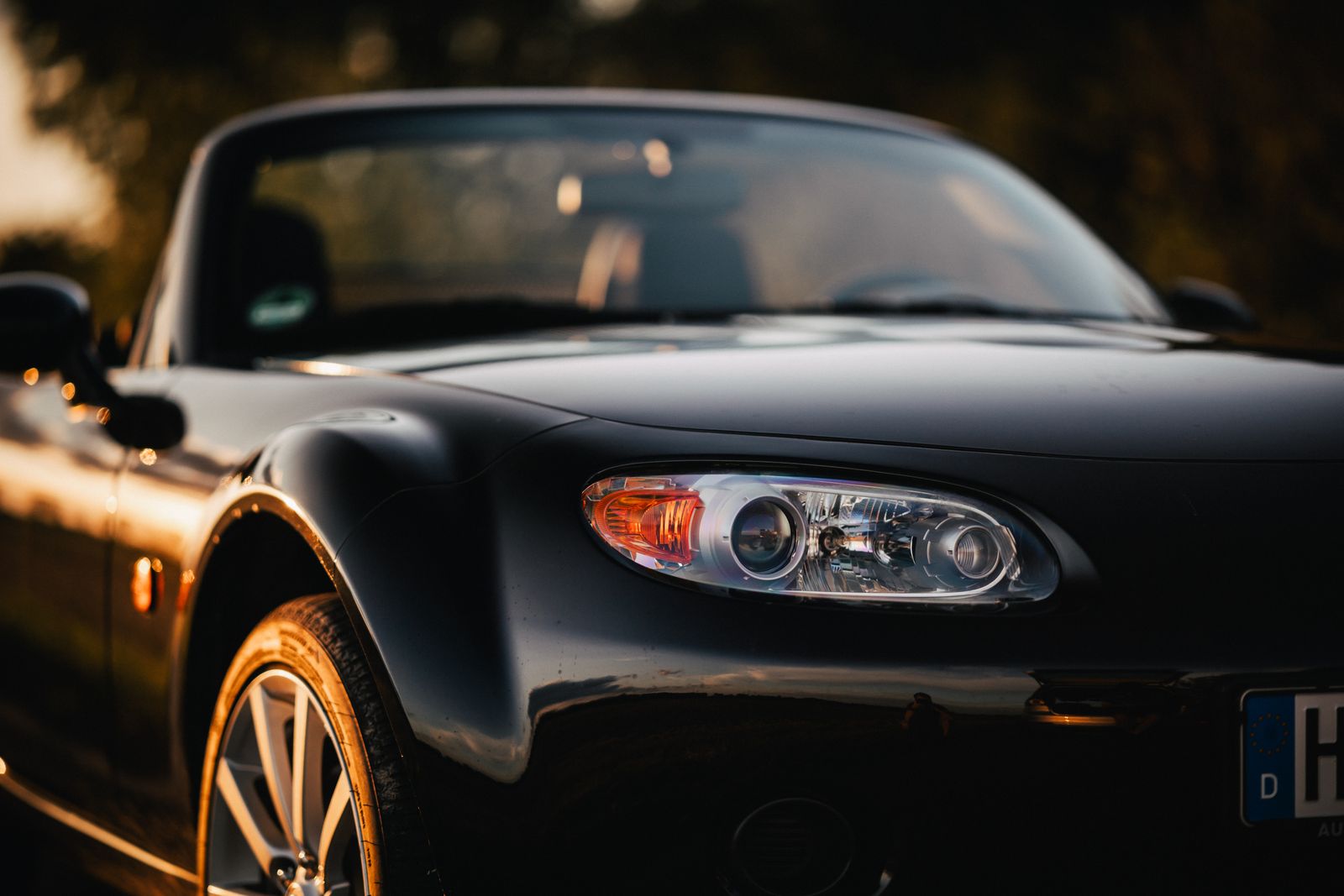
The Mazda MX-5 is our best Mazda overall for sustaining the lightweight rear-drive roadster idea. The RX-7 is our rotary sports-car choice, and the 787B supplies Mazda's defining endurance-racing achievement.
- Roadster milestone
- MX-5 production reached one million in April 2016
- Rotary introduction
- Cosmo Sport launched in 1967
- Racing achievement
- 787B won Le Mans in 1991
- Passenger-car foundation
- R360 Coupe launched in 1960
The 10 Best Mazda Cars of All Time at a Glance
| Rank | Mazda car | Scope | Earns its place for | Character |
|---|---|---|---|---|
| 01 |  | Introduced 1989 | Accessible sports-car idea | Rear-drive roadster |
| 02 |  | Introduced 1978 | Rotary sports-car identity | Rear-drive rotary coupe |
| 03 |  | Introduced 1967 | Production rotary breakthrough | Twin-rotor road coupe |
| 04 |  | 1991 Le Mans | Endurance-racing achievement | Four-rotor racing prototype |
| 05 |  | Introduced 2003 | Rotary performance with four seats | Four-seat rotary sports car |
| 06 | 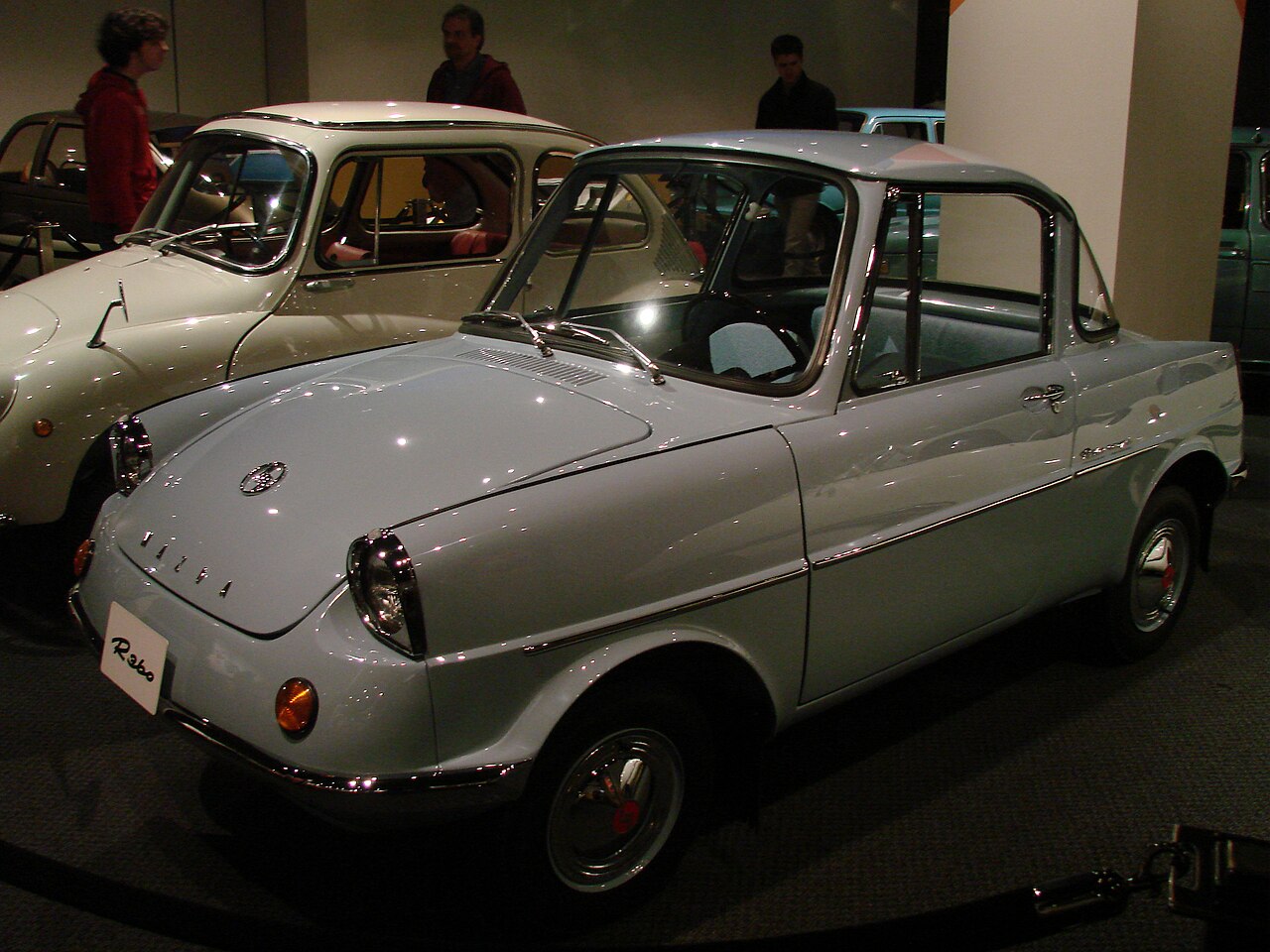 | Introduced 1960 | Passenger-car foundation | Lightweight kei coupe |
| 07 | 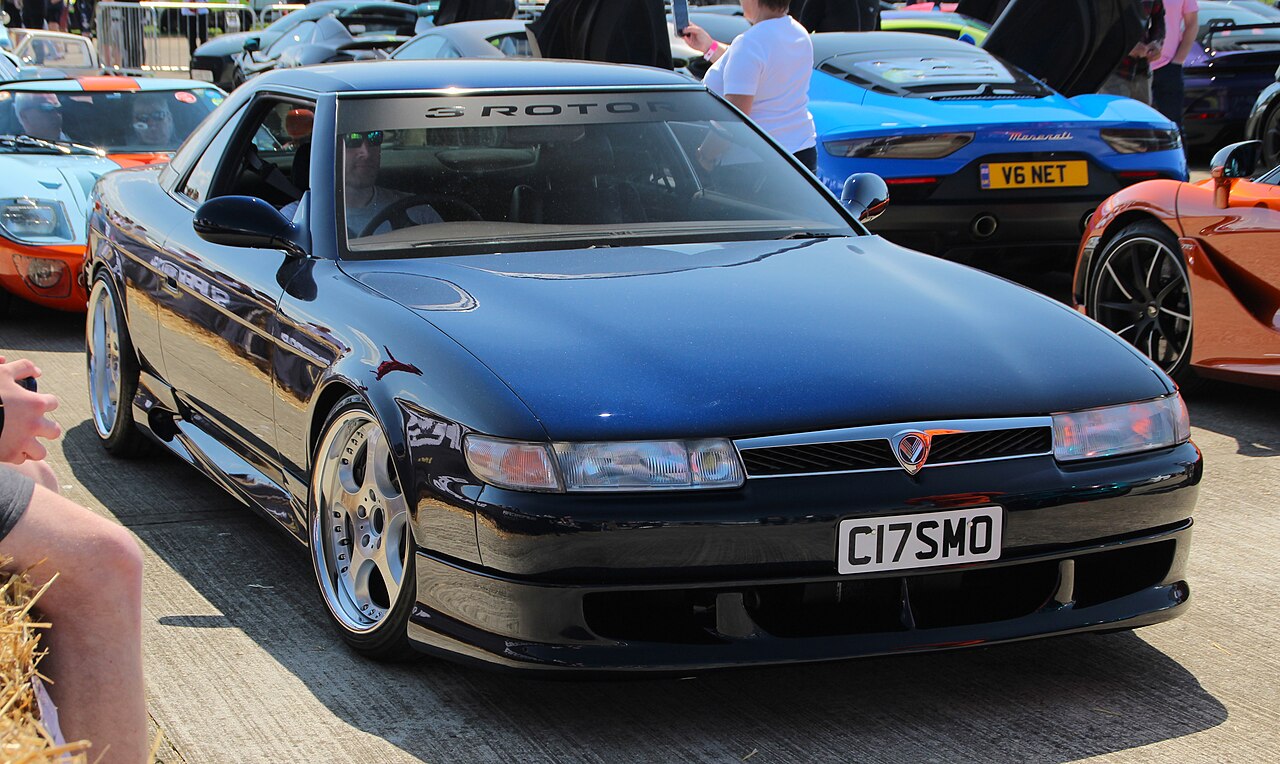 | Introduced 1990 | Ambitious rotary grand tourer | Rotary luxury coupe |
| 08 |  | Introduced 2002 | Driver-focused family car | Midsize family car |
| 09 | 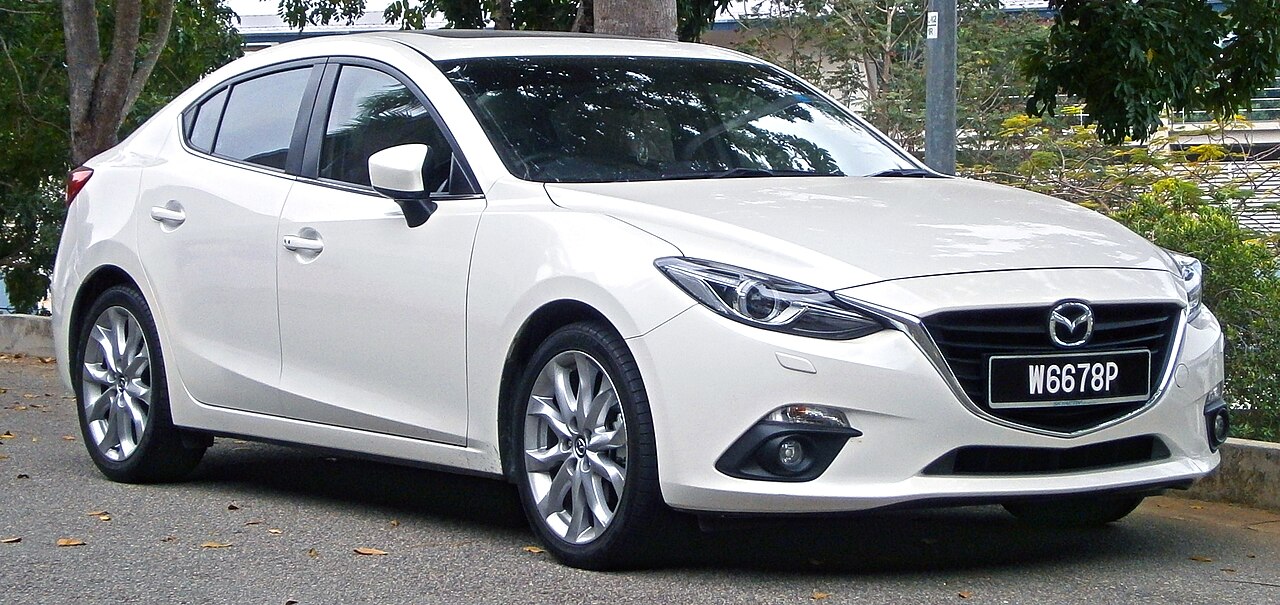 | Introduced 2013 | Modern compact-car engineering | Compact saloon and hatchback |
| 10 |  | Introduced 2012 | SKYACTIV crossover foundation | Compact crossover |
No entries match your search.
The 10 Best Mazda Cars of All Time: Entry Details
Mazda MX-5
Introduced 1989 · Accessible sports-car ideaThe MX-5 restored the lightweight open roadster to a wide audience. It leads because its rear-drive, two-seat formula remained central to the car across generations rather than depending on one special edition or racing result. The most complete expression of Mazda's driver-focused road-car approach.
- Character
- Rear-drive roadster
- Defining evidence
- MX-5 production reached one million cars in April 2016
Strengths & things to consider
Strengths
- Lightweight roadster concept
- Consistent rear-drive layout
Things to consider
- Only two seats
Mazda RX-7
Introduced 1978 · Rotary sports-car identityThe RX-7 used the compact rotary engine to create a dedicated sports car. Its successive generations developed the same core idea, with the later twin-turbo model adding ambition while the original established the name. Mazda's strongest long-running rotary sports-car line.
- Character
- Rear-drive rotary coupe
- Defining evidence
- Three generations beginning with the 1978 model
Strengths & things to consider
Strengths
- Compact rotary packaging
- Dedicated sports-car development
Things to consider
- More specialised coupe packaging than Mazda's family cars
Mazda Cosmo Sport
Introduced 1967 · Production rotary breakthroughThe Cosmo Sport brought Mazda's twin-rotor engine into production inside a low two-seat coupe. It ranks ahead of the 787B because it established the road-car engineering direction that made the later racing programme possible. The foundational Mazda rotary road car.
- Character
- Twin-rotor road coupe
- Defining evidence
- Mazda's first rotary-engined production model
Strengths & things to consider
Strengths
- Twin-rotor production milestone
- Distinctive two-seat coupe body
Things to consider
- A specialised historic car rather than a general-purpose daily driver
Mazda 787B
1991 Le Mans · Endurance-racing achievementThe 787B carried Mazda's rotary work to an overall Le Mans victory. It is the racing entry here, and its achievement places it above later road cars while its specialised competition role keeps it behind the MX-5, RX-7 and Cosmo Sport. Mazda's defining endurance-racing car.
- Character
- Four-rotor racing prototype
- Defining evidence
- Winner of the 1991 24 Hours of Le Mans
Strengths & things to consider
Strengths
- Overall Le Mans victory
- Four-rotor engineering
Things to consider
- Purpose-built race car with no road-car counterpart
Mazda RX-8
Introduced 2003 · Rotary performance with four seatsThe RX-8 made a different case for rotary power by combining its RENESIS engine with four seats and rear-hinged back doors. Its passenger access earns fifth place, though its unusual body remains less versatile than an ordinary family saloon. The most inventive attempt here to combine a rotary sports car with passenger access.
- Character
- Four-seat rotary sports car
- Defining evidence
- RENESIS rotary engine and four-door sports-car concept
Strengths & things to consider
Strengths
- Four-seat sports-car cabin
- Rear-hinged rear doors
Things to consider
- Rear-seat access uses rear-hinged back doors
Mazda R360 Coupe
Introduced 1960 · Passenger-car foundationMazda's first passenger car used a lightweight body and a small four-stroke engine to make a compact coupe for Japan. Its place recognises the engineering restraint that launched Mazda's passenger-car business before its rotary sports cars arrived. A small car with a disproportionately large role in Mazda history.
- Character
- Lightweight kei coupe
- Defining evidence
- Launched in Japan on 28 May 1960
Strengths & things to consider
Strengths
- Lightweight construction
- First Mazda passenger car
Things to consider
- Kei-car size restricts space and performance
Mazda Eunos Cosmo
Introduced 1990 · Ambitious rotary grand tourerThe Eunos Cosmo offered a three-rotor engine and sequential turbocharging in a luxury coupe. It ranks below the R360 because it explored a narrow grand-touring niche, but few Mazda road cars attempted a more unusual technical package. The rotary choice for engineering ambition beyond the sports-car formula.
- Character
- Rotary luxury coupe
- Defining evidence
- First mass-production car to offer a three-rotor rotary engine
Strengths & things to consider
Strengths
- Three-rotor engine available
- Sequential turbocharging
Things to consider
- Larger luxury-coupe brief than the RX-7
Mazda6, first generation
Introduced 2002 · Driver-focused family carThe first Mazda6 took the brand's sporting design direction into a family car offered in several body styles. Its place recognises a broad everyday contribution, with less technical originality than the rotary models above it. The family-car expression of Mazda's early modern sporting direction.
- Character
- Midsize family car
- Defining evidence
- Mazda6 presented in North American specification in 2002
Strengths & things to consider
Strengths
- Saloon and practical alternative body styles
- Driver-focused family-car brief
Things to consider
- Bigger and heavier than Mazda's dedicated sports cars
Mazda3, third generation
Introduced 2013 · Modern compact-car engineeringThe third Mazda3 brought the full SKYACTIV technology suite and Kodo design into the compact range. It places behind the Mazda6's earlier reinvention, while showing how Mazda applied its engineering direction to a widely useful small car. A strong compact example of Mazda's coordinated body, chassis and drivetrain development.
- Character
- Compact saloon and hatchback
- Defining evidence
- First Mazda3 with the full SKYACTIV technology suite
Strengths & things to consider
Strengths
- Full SKYACTIV technology suite
- Kodo design language
Things to consider
- Less specialised than the roadsters and rotary coupes
Mazda CX-5
Introduced 2012 · SKYACTIV crossover foundationThe CX-5 was the first Mazda to combine the full SKYACTIV technology suite with Kodo design. It completes the selection by carrying that engineering into a crossover, a broader family proposition with less sports-car focus than the leaders. The crossover that made Mazda's modern engineering direction a complete production package.
- Character
- Compact crossover
- Defining evidence
- First model with the full SKYACTIV technology suite
Strengths & things to consider
Strengths
- Full SKYACTIV package from launch
- Family-oriented crossover body
Things to consider
- Higher body than an MX-5 or RX-7
The 10 Best Mazda Cars of All Time: Analysis
Why the MX-5 Is Our Best Mazda Car
The MX-5 made the driver, modest mass and an open roof the centre of the car. Its appeal did not require a rotary engine or a racing programme, which let Mazda build a sports-car identity that people could experience on ordinary roads.
The original MX-5 was introduced in 1989, and production reached one million in April 2016. That continuity earns first place ahead of the RX-7's more specialised drivetrain and the Mazda brand's rarer early coupes.
From the Cosmo Sport to the Le Mans-Winning 787B
The Cosmo Sport put the twin-rotor engine on the road in 1967. Mazda later developed the rotary for more focused sports cars and racing, taking advantage of an engine package that differed fundamentally from a conventional piston engine.
The 787B used a four-rotor engine to win Le Mans in 1991. The race car earns fourth place for that result, while the Cosmo Sport sits higher because its production breakthrough opened the engineering path for the cars that followed. Mazda became the first Japanese manufacturer to win overall, before Toyota became the second.
RX-7, RX-8 and Eunos Cosmo Served Different Drivers
The RX-7 centred its rotary engine on a dedicated coupe. The RX-8 moved toward a usable passenger cabin, with rear-hinged doors giving access to its back seats without adopting an ordinary saloon shape.
The Eunos Cosmo pursued luxury and technical ambition through an available three-rotor engine and sequential turbocharging. Mazda used the same broad engine idea for a grand tourer, a sports coupe and a four-seat sports car, giving each a separate reason to exist.
How Mazda6, Mazda3 and CX-5 Took the Brand Beyond Sports Cars
The Mazda6 brought sporting design and several body styles to a family-car brief. The third Mazda3 later combined Kodo styling with the full SKYACTIV technology suite, linking engine, transmission, chassis and body development.
The CX-5 introduced that complete technology suite before the Mazda3. Its place reflects the importance of the package to Mazda's modern range, while the MX-5 remains our leader because the roadster places the driving experience at the centre of its design.
Important context
- The Cosmo Sport introduced Mazda's twin-rotor production engine in 1967.
- The 787B won Le Mans in 1991 with a four-rotor engine, giving Mazda its first overall victory there.
- The RX-8 put a rotary sports-car drivetrain in a cabin with four seats and rear-hinged back doors.
- The R360 Coupe opened Mazda's passenger-car chapter in 1960, before its rotary sports cars existed.
Our verdict
Our Mazda verdict
The MX-5 is our overall choice for sustaining a clear driver-focused road-car idea. The RX-7 is the central rotary sports car, the Cosmo Sport marks the production breakthrough and the 787B supplies the defining racing achievement.
Strengths
- Lightweight roadster continuity
- Rotary engineering developed for road and race cars
Things to consider
- The 787B is a racing prototype
- Two-seat roadsters and specialised coupes restrict passenger versatility
FAQ: The 10 Best Mazda Cars of All Time
What is the best Mazda car of all time?
Our editorial choice is the MX-5. Its lightweight rear-drive roadster formula combines a clear driving purpose with a production history that continued across multiple generations.
Is the Mazda MX-5 the same car as the Miata?
Yes. Miata is the name associated with the MX-5 in North America. Roadster is the name used in Japan, including the original Eunos Roadster.
Which Mazda won the 24 Hours of Le Mans?
The Mazda 787B won overall in 1991. Its four-rotor engine made that victory the high point of Mazda's rotary endurance-racing programme.
What was the first Mazda rotary car?
The Cosmo Sport was Mazda's first rotary-engined production car, introduced in 1967. The RX-7 followed later as a dedicated rotary sports-car line.
Does the Mazda RX-8 have four seats?
Yes. The RX-8 combines four seats with front doors and rear-hinged back doors. Its cabin layout was a major part of the model's attempt to make a rotary sports car usable with passengers.
What makes the Eunos Cosmo different from the RX-7?
The Eunos Cosmo was a luxury coupe and offered a three-rotor engine. The RX-7 followed a more focused sports-car brief with a two-rotor drivetrain.
Sources & methodology
Editorial order weighs driving purpose, engineering originality and lasting influence using Mazda's heritage and launch documents. The MX-5, RX-7 and CX-5 cover model lines, alongside exact generations and the 1991 racing 787B.
Maintained by Artsiom Dusau, a software engineer and BMW 4 Series owner. Editorial policy
View sources (12)
- Mazda, one-millionth MX-5 production milestone
- Mazda USA, RX-7 generations
- Mazda, rotary engine vehicle anniversary
- Mazda, 787B Le Mans victory and RX-8 development
- Mazda, RX-8 launch speech
- Mazda, R360 Coupe development and launch
- Mazda, Cosmo and Eunos Cosmo heritage
- Mazda, Mazda6 at the 2002 North American International Auto Show
- Mazda, third-generation Mazda3 launch
- Mazda USA, original CX-5 engineering
- Mazda, racing rotary-engine development
- Toyota Gazoo Racing, second Japanese manufacturer to win Le Mans