
Short answer
Mulsanne Speed ranks first for combining the modern car’s traditional craftsmanship with a more assertive performance brief. Extended Wheelbase is the better choice for rear-seat passengers, while the 1982 Mulsanne Turbo is the most important engineering turning point.
- All-round choice
- Modern Mulsanne Speed
- Rear-passenger choice
- Mulsanne Extended Wheelbase
- Historical turning point
- 1982 Mulsanne Turbo
The 7 Best Bentley Mulsanne Models at a Glance
| Rank | Mulsanne version | Period | Purpose |
|---|---|---|---|
| 01 | 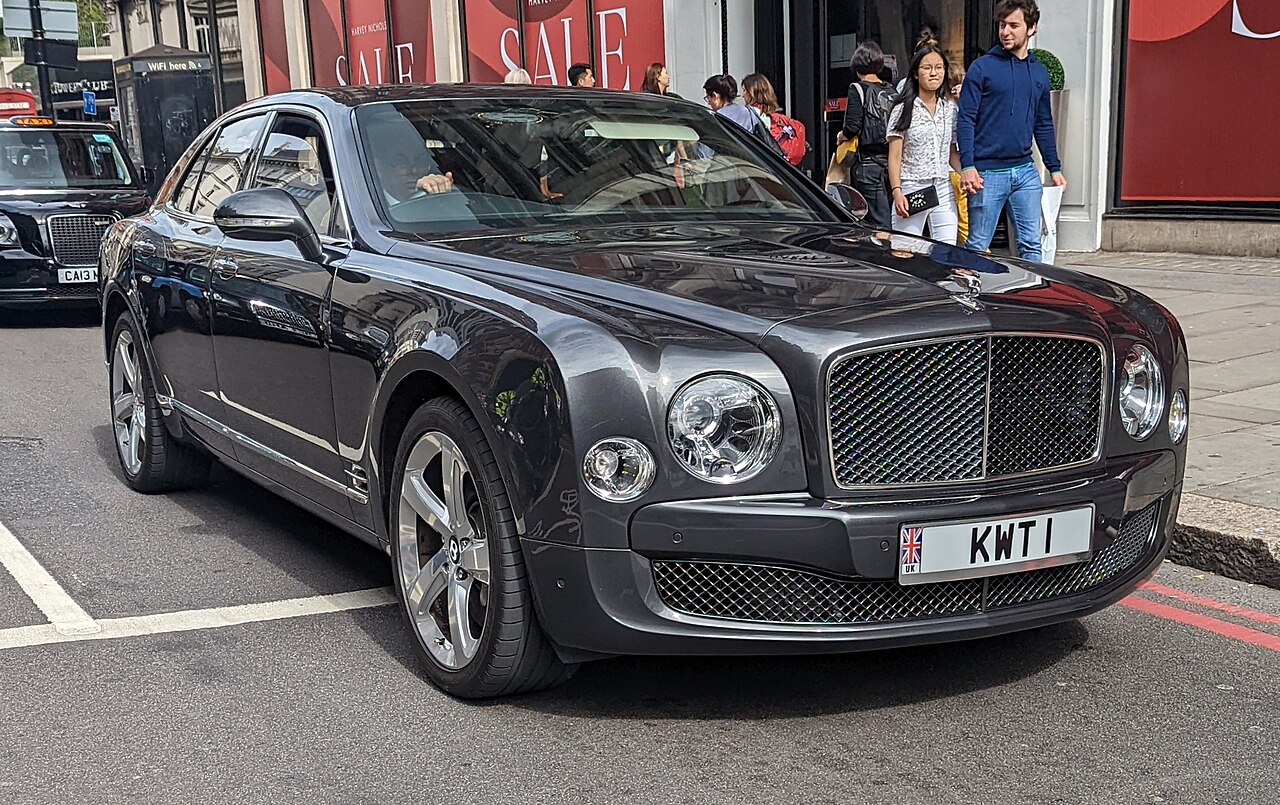 | Introduced 2014 | More assertive driver appeal |
| 02 | 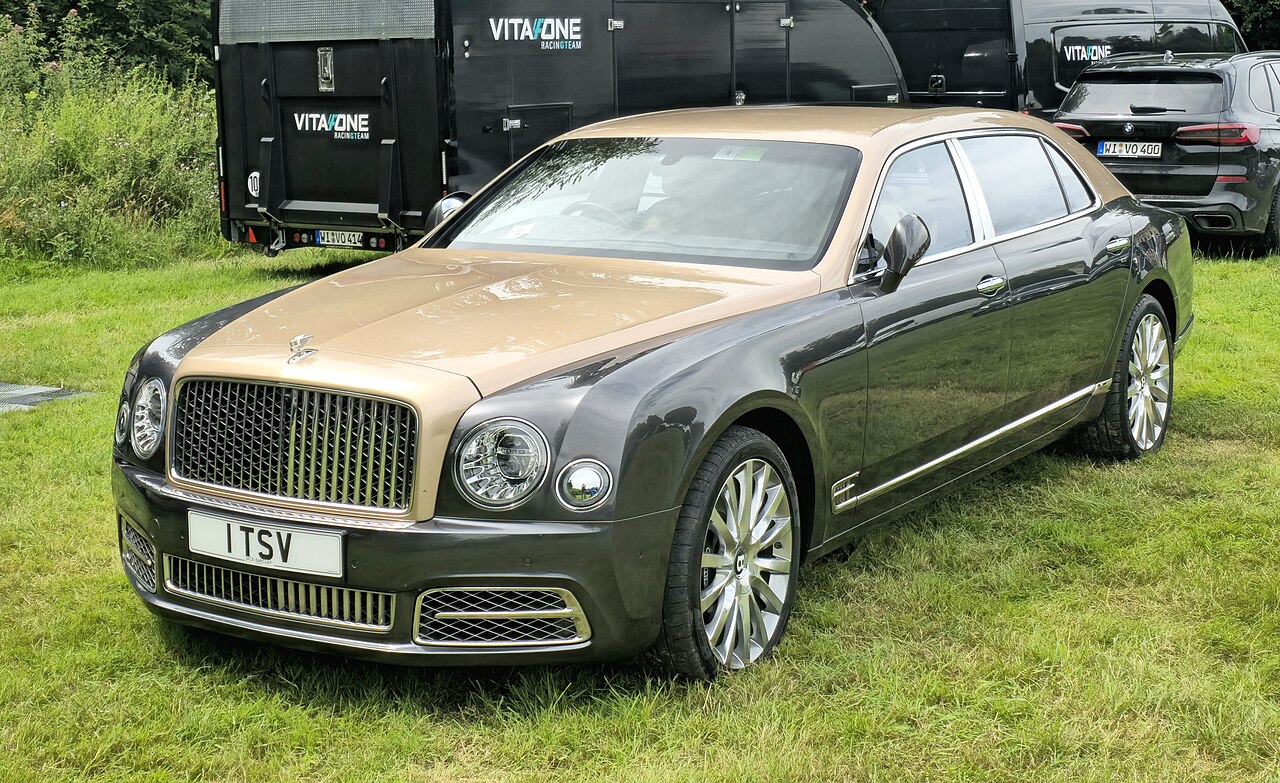 | Introduced 2016 | Additional rear-passenger room |
| 03 |  | Modern generation, 2010 | Traditional flagship saloon |
| 04 | 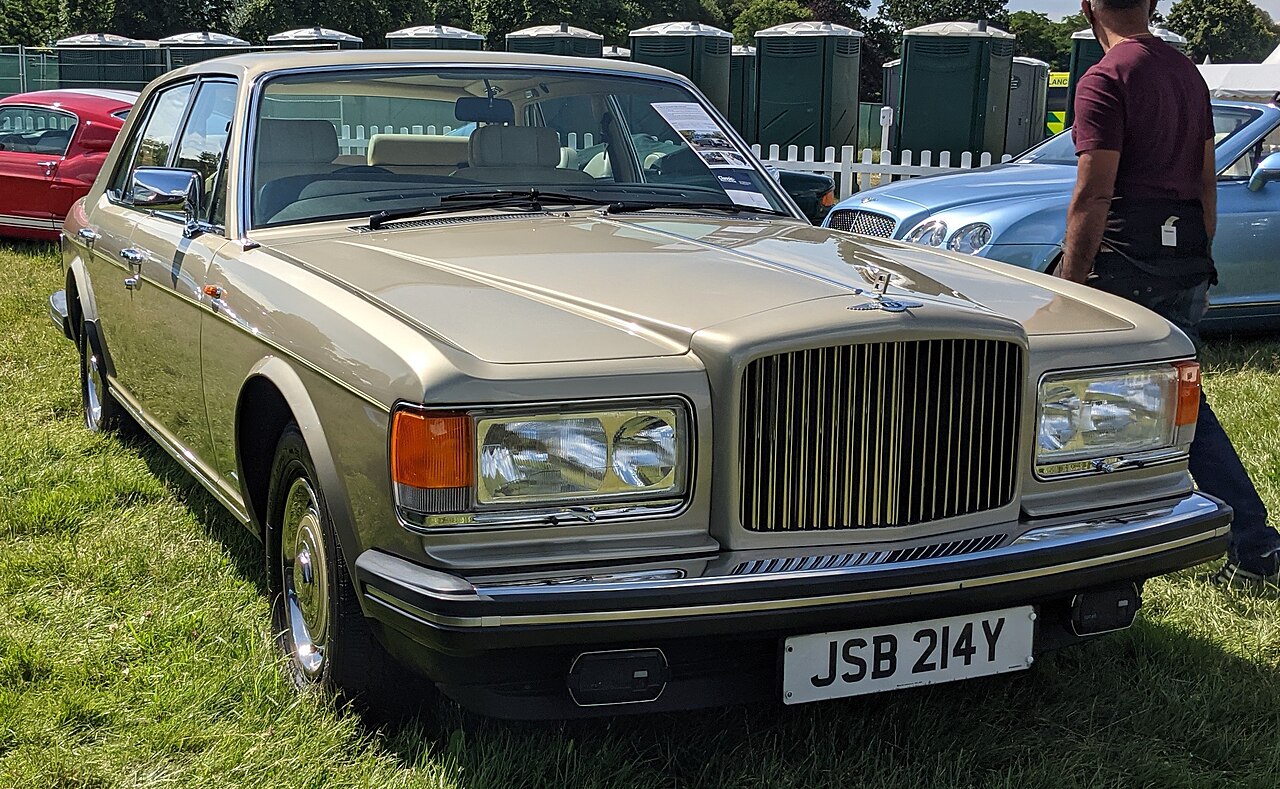 | Introduced 1982 | Stronger Bentley performance identity |
| 05 | 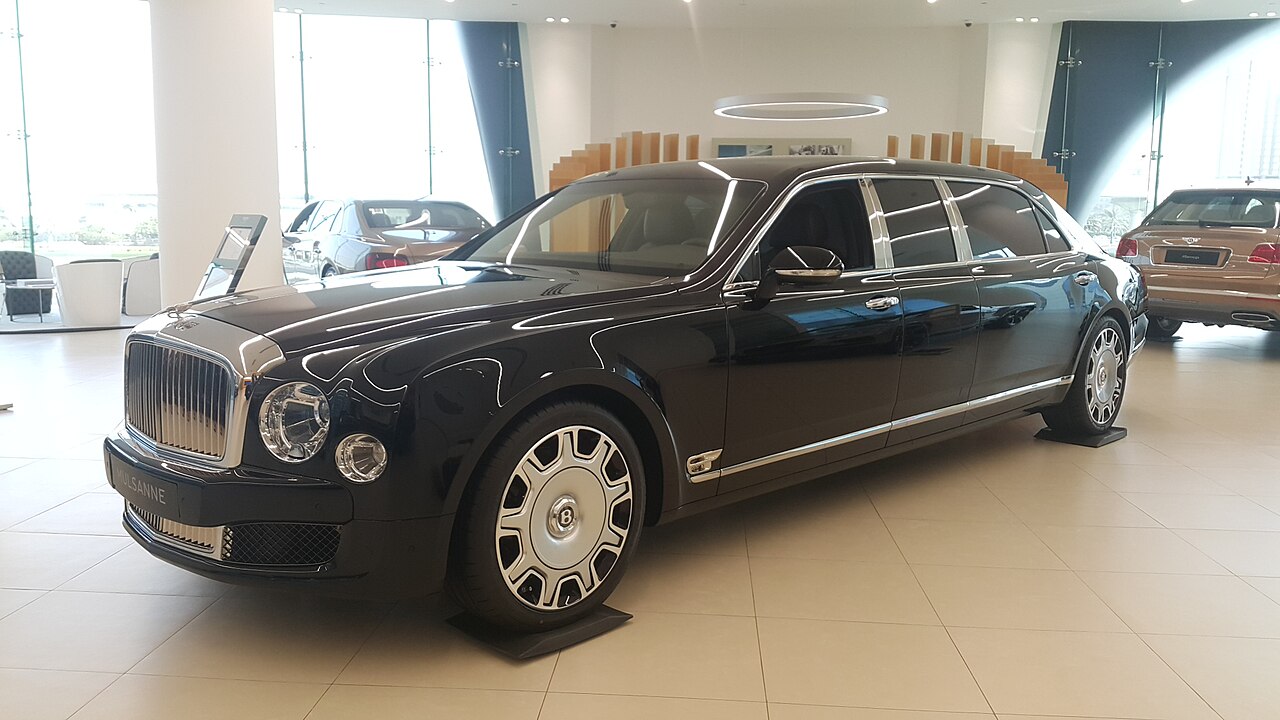 | 2016 | Specialist limousine accommodation |
| 06 | 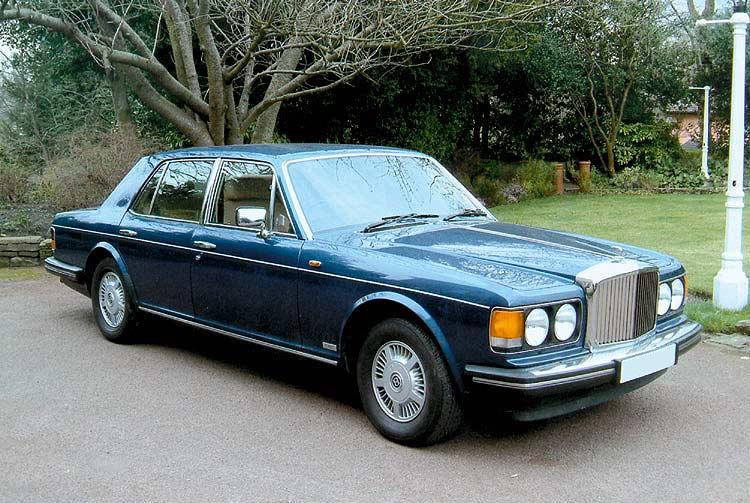 | Original generation, 1980 | Traditional Bentley saloon |
| 07 | 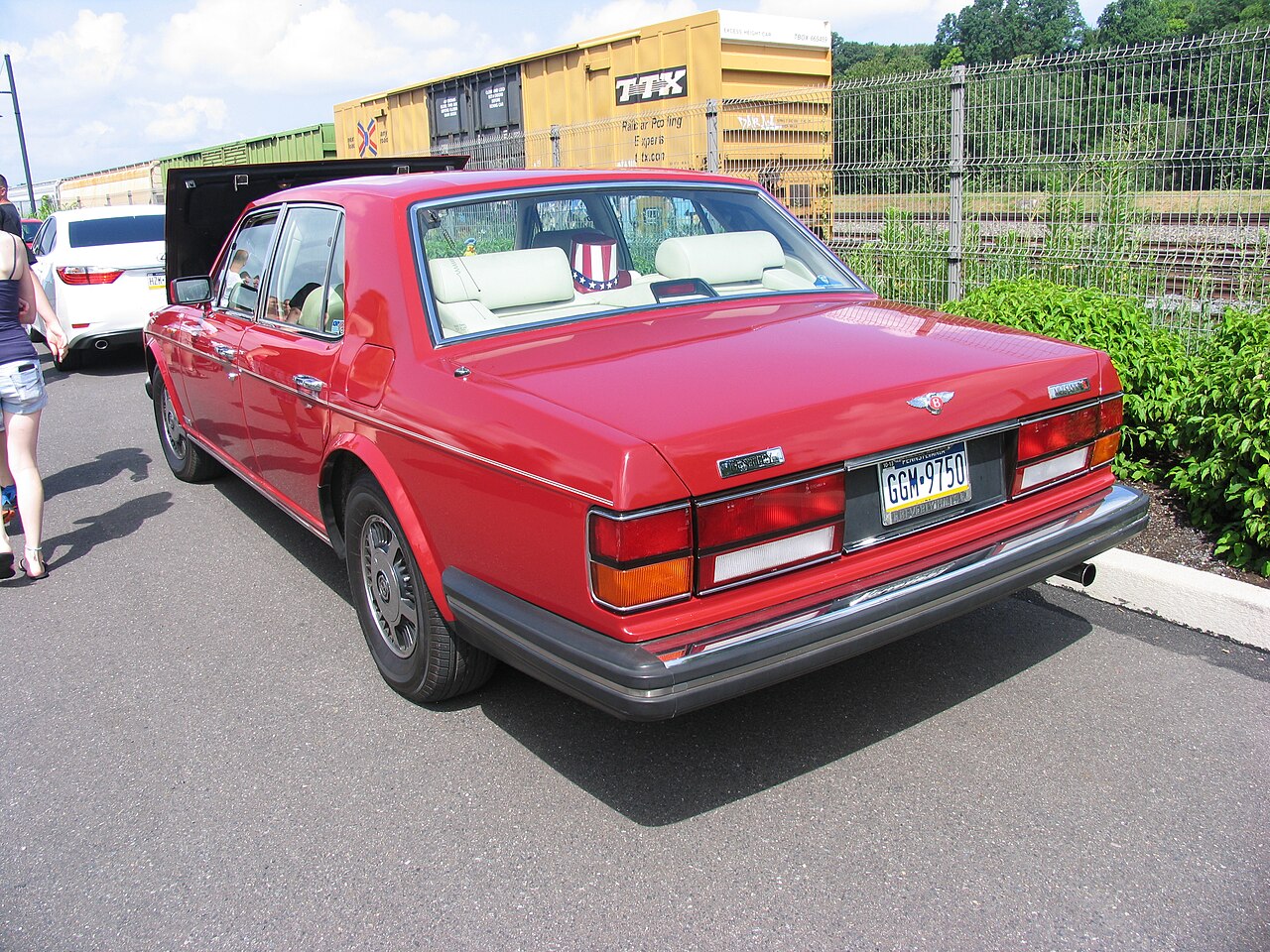 | Late 1980s, 1989 example | Sporting saloon presentation |
No entries match your search.
The 7 Best Bentley Mulsanne Models: Entry Details
Bentley Mulsanne Speed
Introduced 2014 · Sporting luxury balanceSpeed adds a more assertive performance brief to the modern Mulsanne’s crafted cabin. It ranks first because the driver gains a clearer role without losing the traditional flagship atmosphere.
- Generation
- Modern Mulsanne
- Purpose
- More assertive driver appeal
- Engine
- Twin-turbo 6.75-litre V8
Bentley Mulsanne Extended Wheelbase
Introduced 2016 · Rear-seat priorityAdditional rear-cabin room makes EWB the clearest chauffeur-focused Mulsanne for ordinary saloon use. It retains the modern model’s traditional materials while giving passengers a more generous environment.
- Generation
- Modern Mulsanne
- Purpose
- Additional rear-passenger room
- Body
- Extended-wheelbase saloon
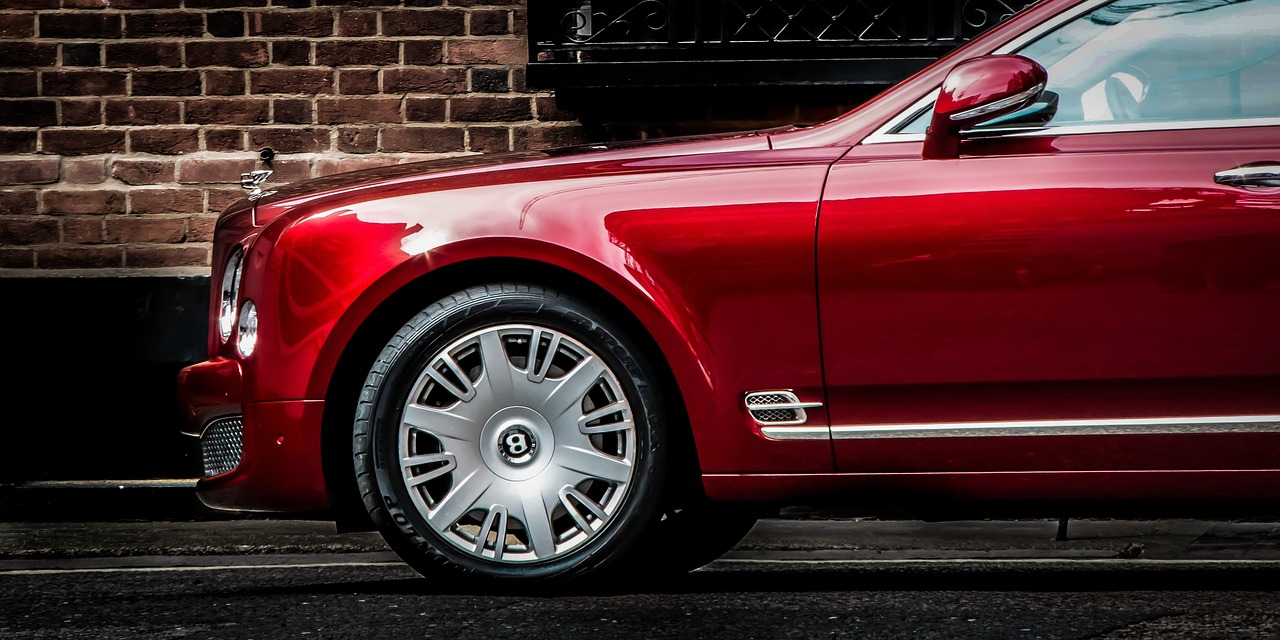
Bentley Mulsanne
Modern generation, 2010 · The modern foundationThe standard modern Mulsanne combines a twin-turbo V8 with a highly individual cabin. It establishes the flagship character that Speed and Extended Wheelbase subsequently take in different directions.
- Generation
- Modern Mulsanne
- Purpose
- Traditional flagship saloon
- Engine
- Twin-turbo 6.75-litre V8
Bentley Mulsanne Turbo
Introduced 1982 · Engineering turning pointThe turbocharged V8 gave the original Mulsanne family a more distinct Bentley performance identity. Its historical importance comes from changing the marque’s direction rather than adding an elaborate cabin feature.
- Generation
- Original Mulsanne family
- Purpose
- Stronger Bentley performance identity
- Engine
- Turbocharged 6.75-litre V8
Bentley Mulsanne Grand Limousine by Mulliner
2016 · Specialist chauffeur carThe stretched body creates a separate passenger compartment with four face-to-face rear seats. It offers exceptional chauffeur accommodation but pursues a much more specialised purpose than the ordinary Mulsanne.
- Generation
- Modern Mulsanne
- Purpose
- Specialist limousine accommodation
- Rear layout
- Four face-to-face seats
Bentley Mulsanne
Original generation, 1980 · The name’s revivalThe original Mulsanne restored a name associated with Bentley’s Le Mans history. Its significance is the foundation it provided for the Turbo and later sporting models.
- Generation
- Original Mulsanne family
- Purpose
- Traditional Bentley saloon
- Name
- Reference to Le Mans
Bentley Mulsanne S
Late 1980s, 1989 example · Sporting presentationMulsanne S supplies a sporting branch of the original saloon family without becoming the Mulsanne Turbo. It rounds out the name’s history by showing a less specialised route to Bentley character.
- Generation
- Original Mulsanne family
- Purpose
- Sporting saloon presentation
- Identity
- Factory heritage record for a 1989 Mulsanne S
The 7 Best Bentley Mulsanne Models: Analysis
Speed Makes the Modern Mulsanne More Purposeful
The modern Speed develops the twin-turbo 6.75-litre V8 around stronger performance and a more assertive chassis setting. Its cabin retains the material richness of the standard car. That balance gives the driver a stronger reason to choose it, while preserving the passenger appeal described throughout Bentley’s history.
Extended Wheelbase and Grand Limousine Serve Passengers
Extended Wheelbase concentrates additional length around the rear cabin. Grand Limousine by Mulliner goes further with four rear seats arranged face to face in a much longer body. The limousine is more specialised, which explains why it ranks below the more versatile Speed and EWB despite its exceptional passenger accommodation.
The 1982 Turbo Changed Bentley’s Direction
The original Mulsanne was related to the contemporary Rolls-Royce saloon family. Adding a turbocharger gave Bentley a more distinct performance role and helped establish the marque’s later sporting direction. That technical turning point matters more than decorative differences. The shared roots also explain the visual relationship with period Rolls-Royce saloons.
Standard Mulsanne and Mulsanne S Retain Separate Roles
The modern standard Mulsanne establishes the crafted-cabin foundation from which Speed and EWB developed. The original 1980 Mulsanne revived a name linked to Le Mans, while the later Mulsanne S offered a sporting presentation without the Turbo model’s defining engine treatment. These are distinct branches, not trim levels from one continuous generation.
Our verdict
Our verdict
Speed is the strongest driver-and-passenger compromise. EWB is the rear-seat choice, and the original Turbo is the key historical model. Grand Limousine makes sense for a specialised chauffeur brief rather than ordinary saloon versatility.
Strengths
- Two generations and their variants distinguished
- Driver and chauffeur priorities compared
- Original Turbo’s historical role explained
Things to consider
- Grand Limousine is a specialist body
- Individual bespoke cabins differ substantially
FAQ: The 7 Best Bentley Mulsanne Models
Which Mulsanne is the best all-round choice?
Speed combines a stronger performance brief with the modern Mulsanne’s traditional cabin. Extended Wheelbase is the more appropriate choice when rear-passenger room matters most.
How does Mulsanne EWB differ from the standard car?
Extended Wheelbase adds space around the rear cabin and places greater emphasis on chauffeur use. The standard modern Mulsanne offers the same broad flagship character in a more conventional saloon body.
What made the original Mulsanne Turbo important?
Its turbocharged V8 gave Bentley a clearer performance identity within a saloon family that shared roots with Rolls-Royce. It helped establish the sporting direction associated with later Bentleys.
Is Grand Limousine just another EWB?
No. Grand Limousine by Mulliner is a substantially stretched specialist car with four face-to-face rear seats. Its passenger compartment and intended use are different from those of the ordinary Extended Wheelbase saloon.
Where does the Mulsanne name come from?
It refers to the Mulsanne section of the Le Mans circuit and connects the saloon with Bentley’s racing history. The name returned on the original 1980 model before being used for the later modern flagship.
Are the old and modern Mulsannes one generation?
No. The original saloon family and the modern Mulsanne introduced for 2010 are separate generations. Turbo and S belong to the older family, while Speed and EWB belong to the modern car.
Sources & methodology
Bentley heritage records, original brochures and manufacturer histories establish seven named versions across two generations. Editorial order weighs the balance of driver appeal, craftsmanship and passenger purpose rather than price or engine output alone.
Maintained by Artsiom Dusau, a software engineer and BMW 4 Series owner. Editorial policy
View sources (9)
- Bentley original 2010 Mulsanne brochure
- Bentley original 2015 Mulsanne and Speed brochure
- Bentley original 2018 model-year Mulsanne range brochure
- Bentley Mulsanne history and Grand Limousine
- Bentley 40-year turbo history
- Bentley official history and Mulsanne name
- Bentley factory heritage record for 1989 Mulsanne S
- Bentley preserved 2020 Mulsanne EWB
- Bentley end of Mulsanne production