
Short answer
The 1969 Dodge Charger Daytona comes first because its bodywork changed what a muscle car could do in stock-car racing. The pointed nose and tall rear wing were engineering responses to a specific competition problem.
- Data period
- Original model specifications
- Entries
- 4
- Comparison
- Editorial distinction
- Topic
- Muscle cars
Most Iconic Classic Dodge Muscle Cars at a Glance
| Rank | Name | Editorial distinction | Context |
|---|---|---|---|
| 01 | 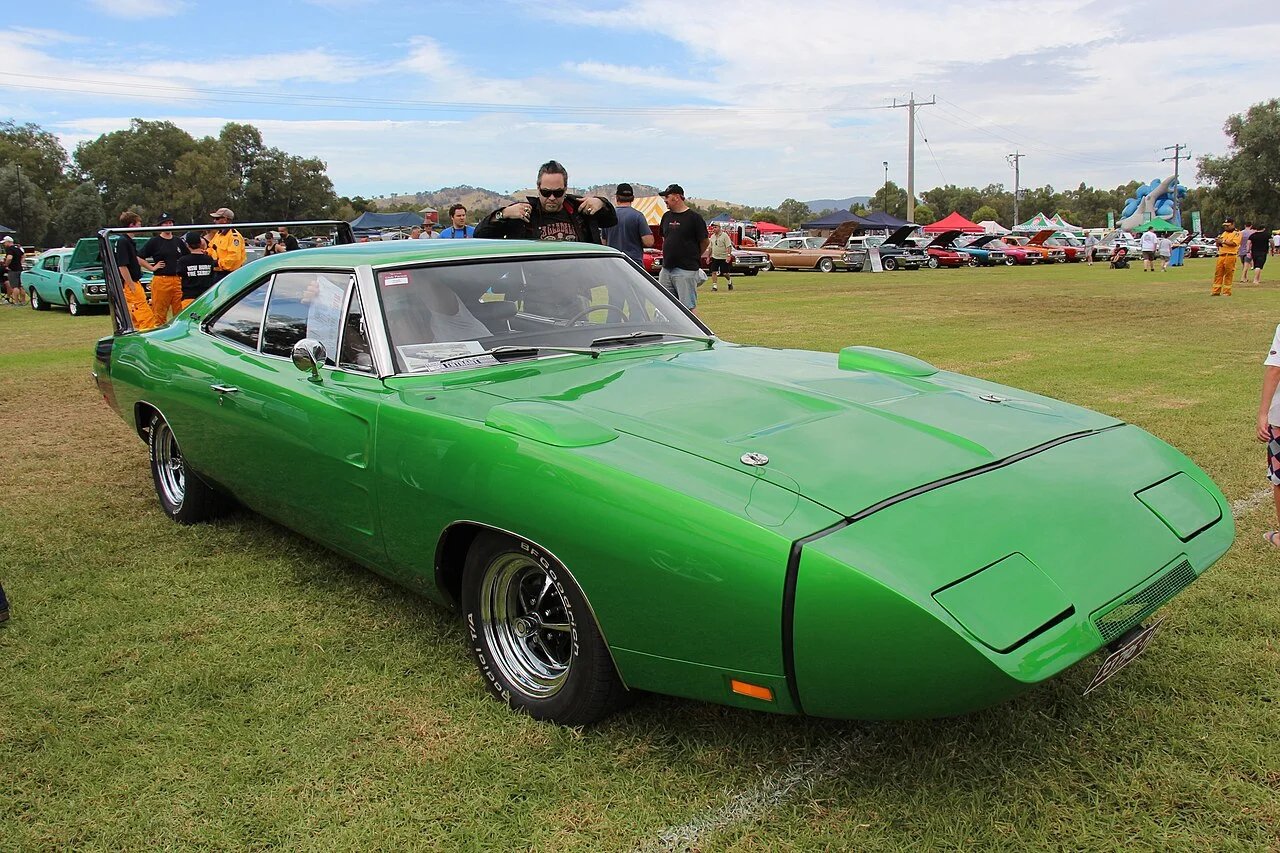 | First choice for racing engineering | 1969 model year |
| 02 | 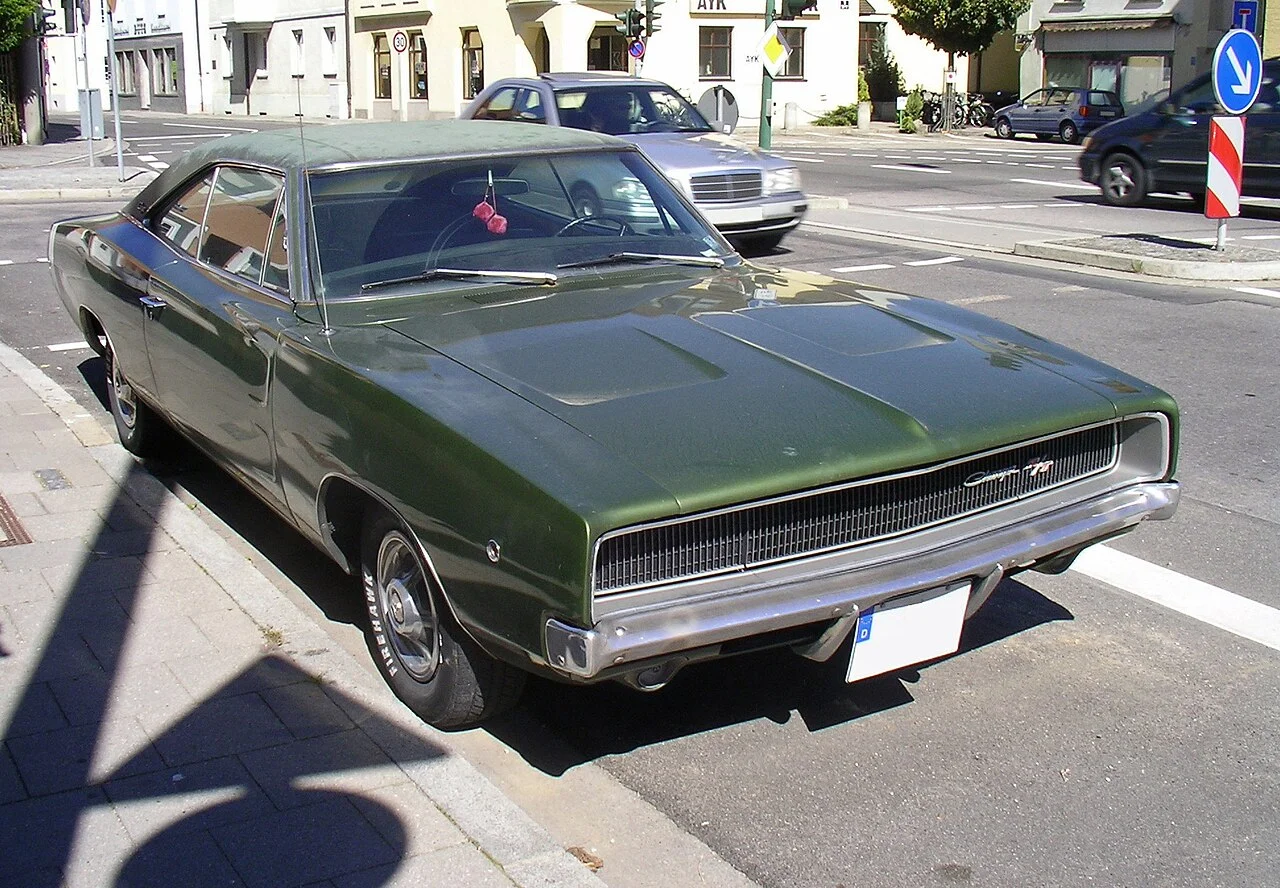 | First choice for the Charger shape | 1968 model year |
| 03 | 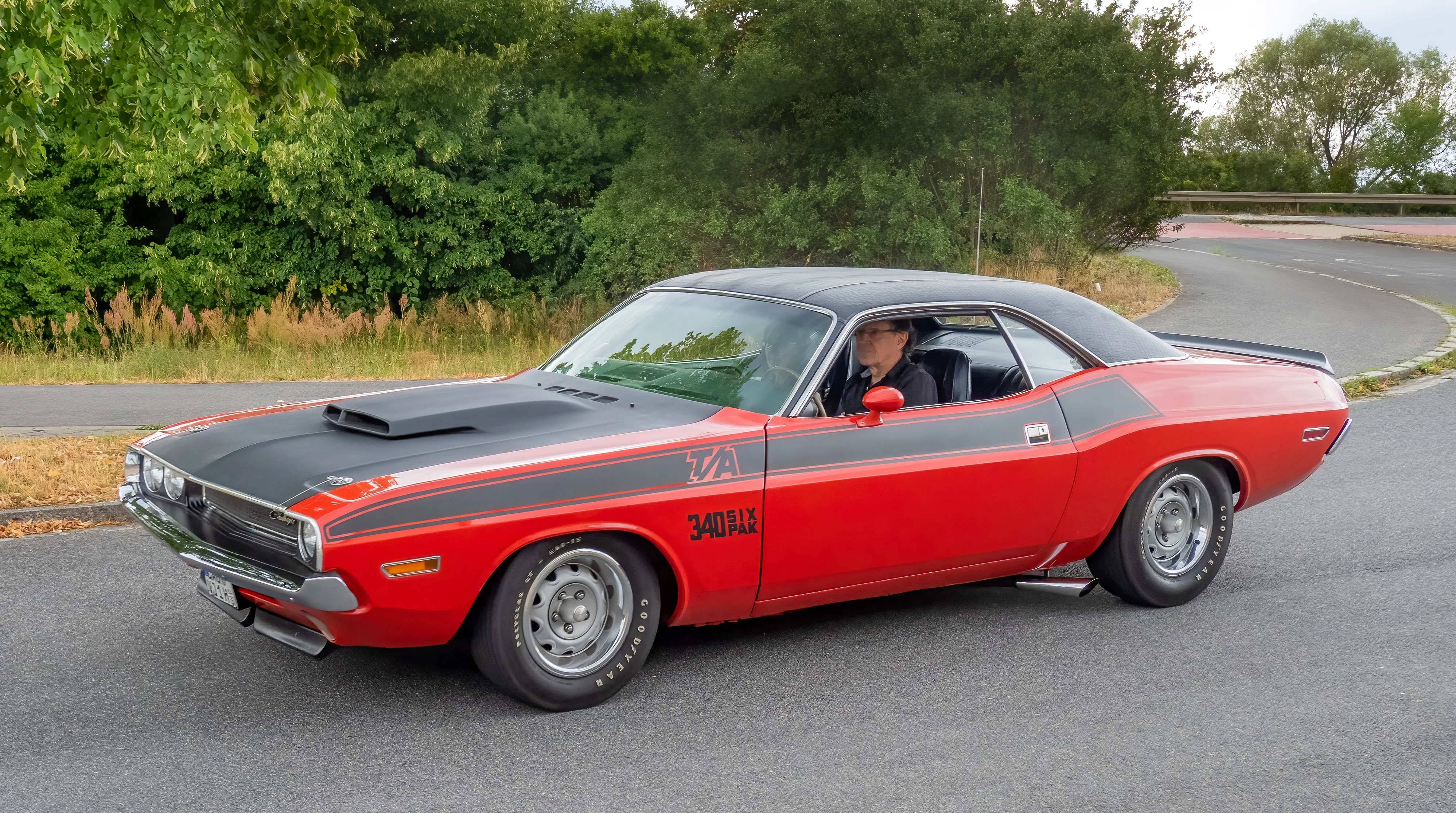 | First choice for a pony car | 1970 model year |
| 04 | 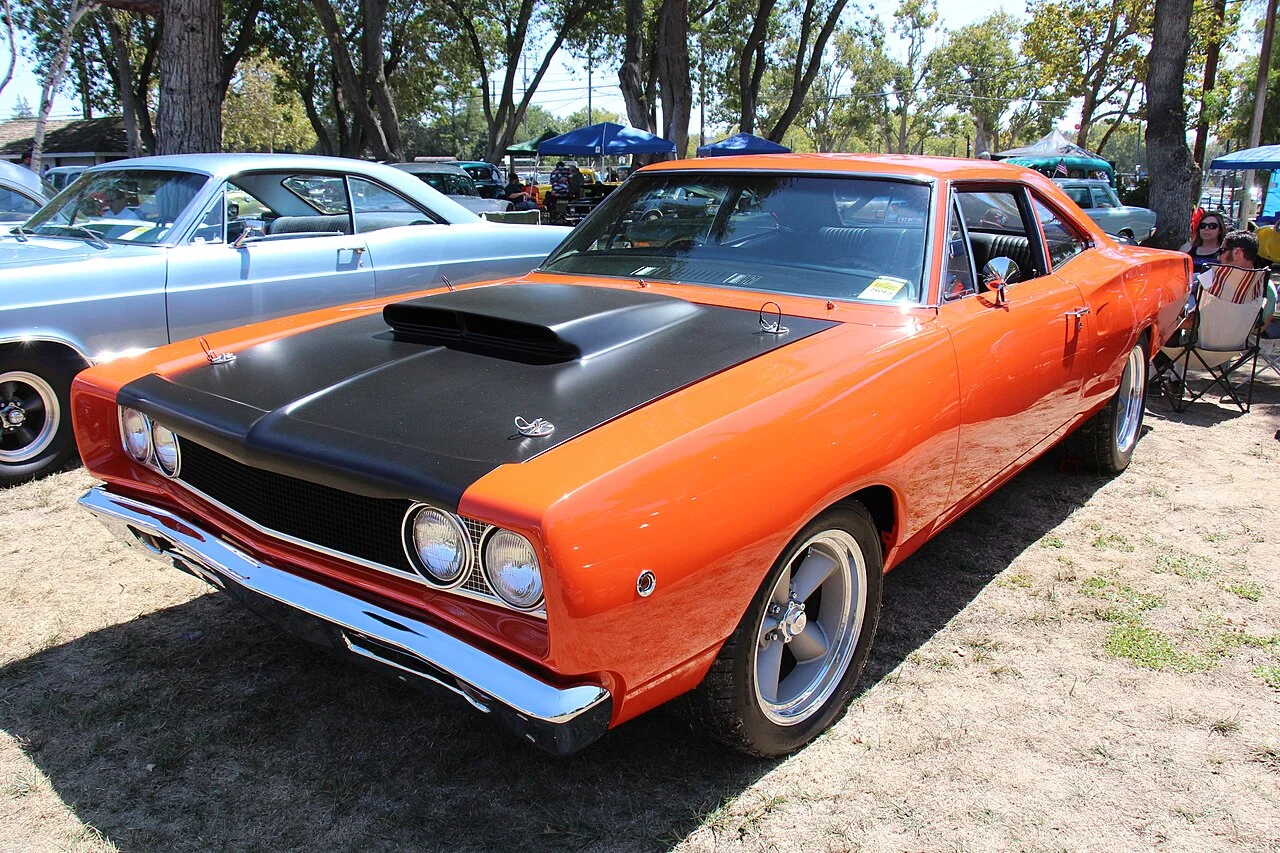 | First choice for the simpler package | 1968 model year |
No entries match your search.
Most Iconic Classic Dodge Muscle Cars: Entry Details
1969 Dodge Charger Daytona
1969 model year · First choice for racing engineeringA pointed nose and tall wing translated a NASCAR aerodynamic programme into an unmistakable road car. A pointed nose and tall wing translated a NASCAR aerodynamic programme into an unmistakable road car.
- Identity
- NASCAR aerodynamics
- Body
- Winged coupe
Strengths & things to consider
Strengths
- Purpose-built aerodynamic body
- Clear NASCAR connection
Things to consider
- Specialised body parts
- Verify genuine Daytona identity
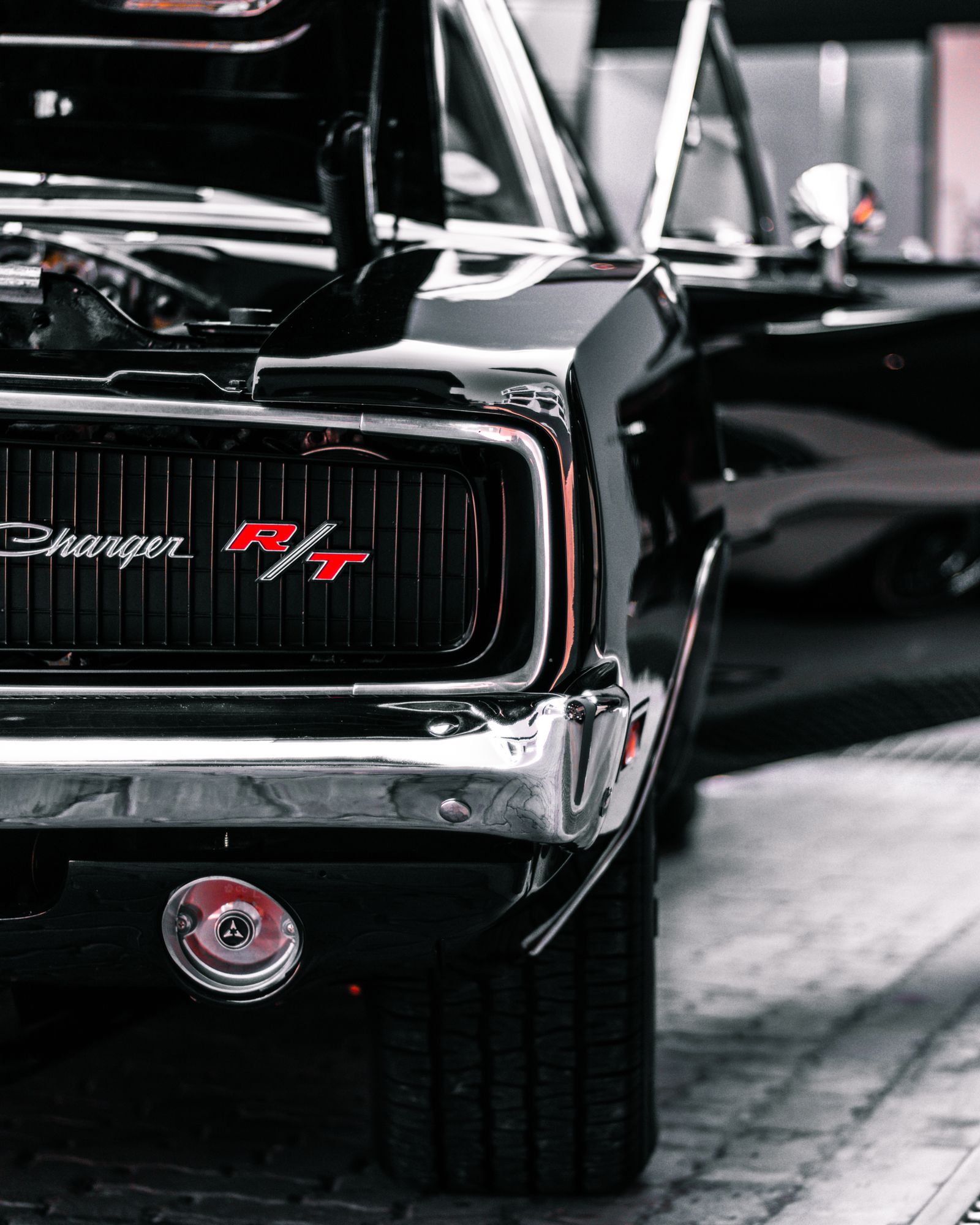
1968 Dodge Charger R/T
1968 model year · First choice for the Charger shapeThe second-generation Charger’s body gave the R/T performance package one of Dodge’s most recognisable settings. The second-generation Charger’s body gave the R/T performance package one of Dodge’s most recognisable settings.
- Identity
- R/T performance coupe
- Body
- Second-generation Charger
Strengths & things to consider
Strengths
- Distinct second-generation body
- R/T performance identity
Things to consider
- Verify trim and original equipment
- Condition depends on the individual car
1970 Dodge Challenger R/T
1970 model year · First choice for a pony carDodge’s new Challenger provided a more compact-looking alternative to the Charger while accommodating high-performance V8 versions. Dodge’s new Challenger provided a more compact-looking alternative to the Charger while accommodating high-performance V8 versions.
- Identity
- Dodge pony car
- Body
- E-body coupe
Strengths & things to consider
Strengths
- Original Dodge pony-car format
- Several performance engine versions
Things to consider
- R/T does not identify one engine
- Check original configuration
1968 Dodge Coronet Super Bee
1968 model year · First choice for the simpler packageCoronet-based performance and distinctive bee graphics gave the Super Bee a different appeal from the more elaborate Charger. Coronet-based performance and distinctive bee graphics gave the Super Bee a different appeal from the more elaborate Charger.
- Identity
- Value-focused performance package
- Body
- Coronet coupe
Strengths & things to consider
Strengths
- Simpler performance package
- Recognisable bee identity
Things to consider
- Do not confuse Coronet and later Charger versions
- Inspect original package documentation
Most Iconic Classic Dodge Muscle Cars: Analysis
Dodge Charger Daytona and NASCAR Aerodynamics
Dodge built the Charger Daytona to compete in NASCAR. A nose cone and elevated rear wing addressed high-speed airflow rather than simply adding a racing decoration. The shape distinguishes the Daytona even from the related Charger. Its competition purpose gives it the clearest engineering identity in this selection.
Dodge Charger vs Challenger Body Styles
The late-sixties Charger combined a broad coupe body with the R/T performance identity. The Challenger arrived for the 1970 model year as Dodge’s entry in the pony-car segment. Its shorter visual proportions created a different setting for large V8 engines. Dodge’s Black Ghost history centres on an original Hemi Challenger owned by Godfrey Qualls.
Dodge Super Bee Performance Package
Dodge introduced the Super Bee on the Coronet body as a less elaborate way into the performance range. Its bee graphics gave the car a recognisable identity without the Daytona’s specialised aerodynamic panels. The period dealership book describes the package and its equipment. The Dodge logo connects these cars with a much older manufacturer, while Ford’s classic models show their contemporary competition.
Our verdict
Our Verdict
Choose the Daytona for competition-led engineering, the Charger for its body shape, the Challenger for the pony-car format, and the Super Bee for the simpler performance package.
Strengths
- Different engineering and styling approaches
- Period manufacturer material supports the model identities
Things to consider
- Restoration quality varies between individual cars
- Originality requires documentation
FAQ: Most Iconic Classic Dodge Muscle Cars
Why does the Charger Daytona have such a tall wing?
The wing formed part of its competition-driven aerodynamic design. Dodge paired it with a pointed nose for high-speed stock-car racing.
When did the first Challenger arrive?
Dodge introduced it for the 1970 model year. The original car belonged to the pony-car segment.
Was the original Super Bee a Charger?
No. The 1968 Super Bee used the Coronet body. The name later moved to a Charger model.
What was the Black Ghost Challenger?
Godfrey Qualls owned the original 1970 Hemi Challenger R/T SE featured in Dodge’s account. Its Detroit street-racing history became part of the car’s identity.
Is this order based on auction prices?
No. The selection prioritises competition engineering, body identity and the role each model played in Dodge’s muscle-car range.
Sources & methodology
Editorial order based on distinct engineering, design and historical role, using Dodge histories and period manufacturer material. Specific original model years are compared. No auction-price, sales-volume or measured-performance hierarchy is claimed.
Maintained by Artsiom Dusau, a software engineer and BMW 4 Series owner. Editorial policy