
Short answer
The original Fiat Multipla is our first choice for the most awkward design because its stepped nose and separate upper lamp pods divide the body into competing shapes. Its six-seat cabin remains one of the most useful ideas in this selection.
- Scope
- Ten production designs
- Basis
- Editorial assessment of exterior design
- Leading example
- Original, pre-facelift Fiat Multipla
10 Ugliest Cars in the World at a Glance
| Rank | Car | Version | Design issue | Useful idea |
|---|---|---|---|---|
| 01 | 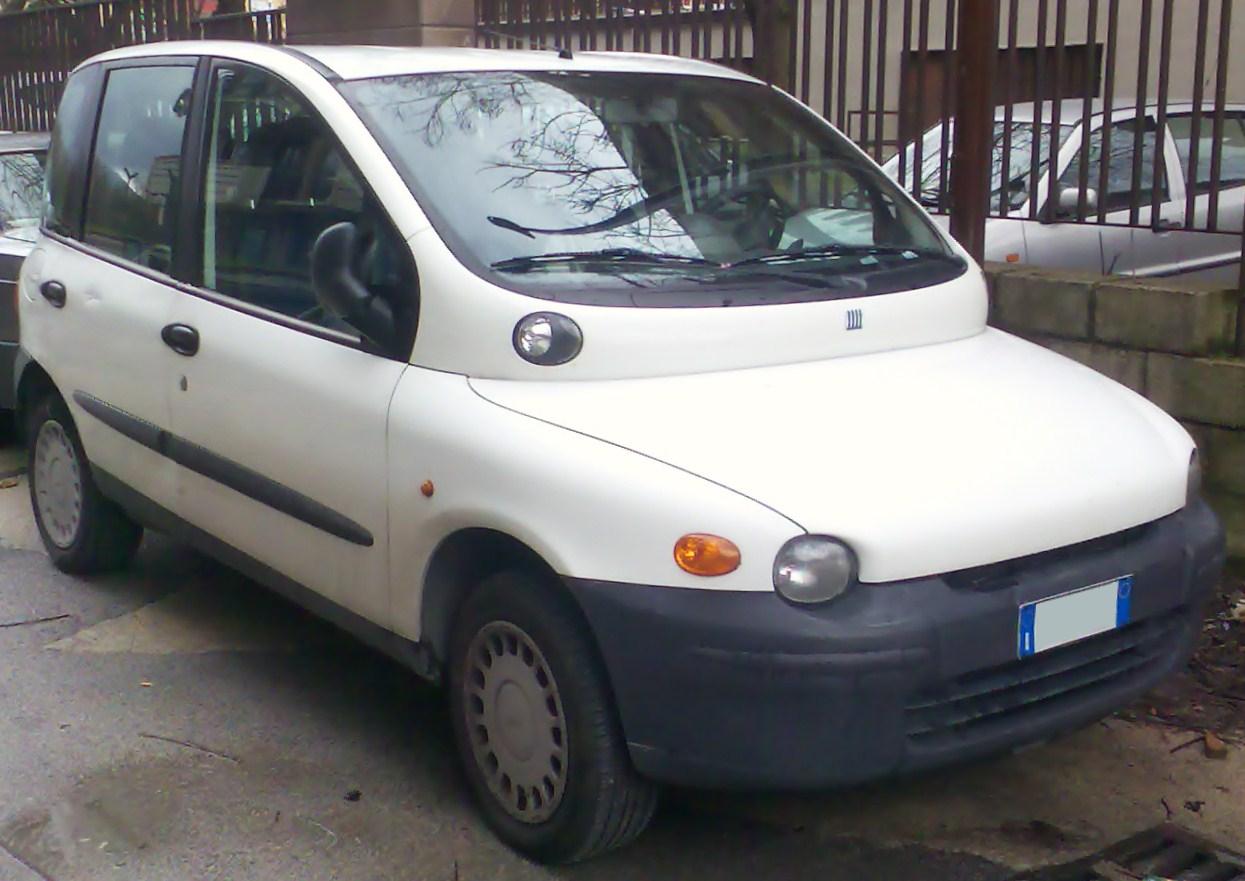 | Original design, 1998 | Separate upper lamp pods | Two rows of three seats |
| 02 | 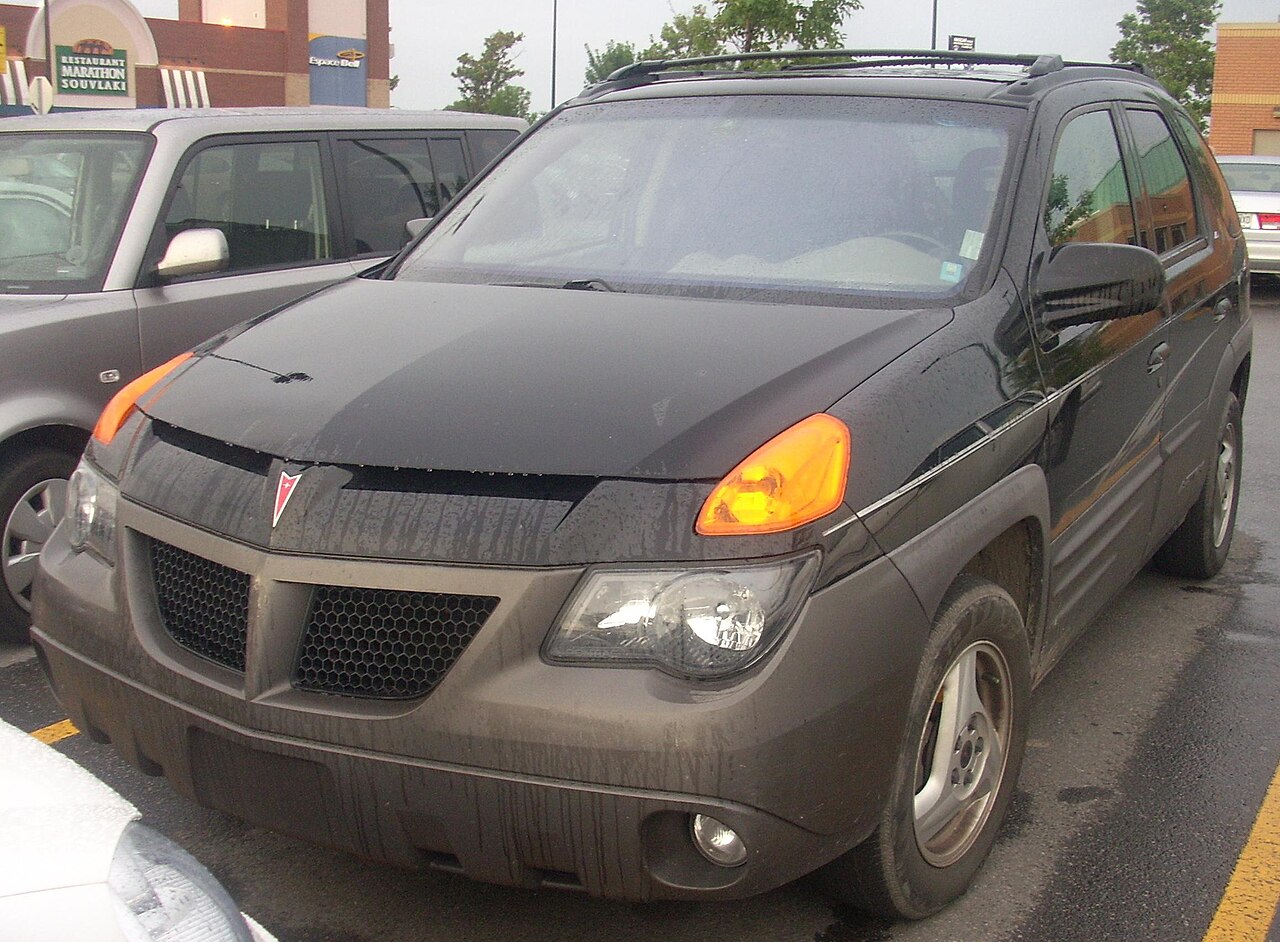 | 2001 model year | Competing front layers | Flexible passenger and cargo space |
| 03 | 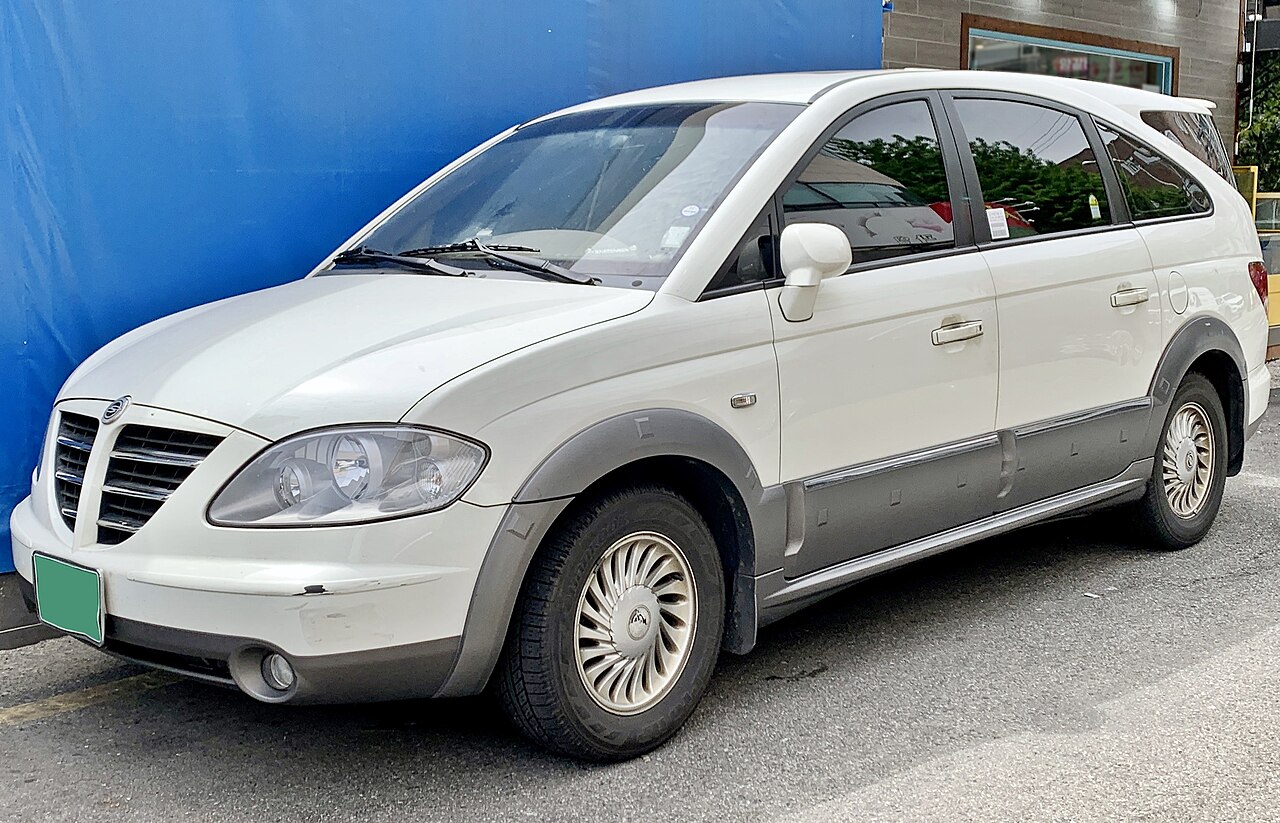 | Original generation, 2004 | Disjointed rear proportions | Seven-seat family transport |
| 04 | 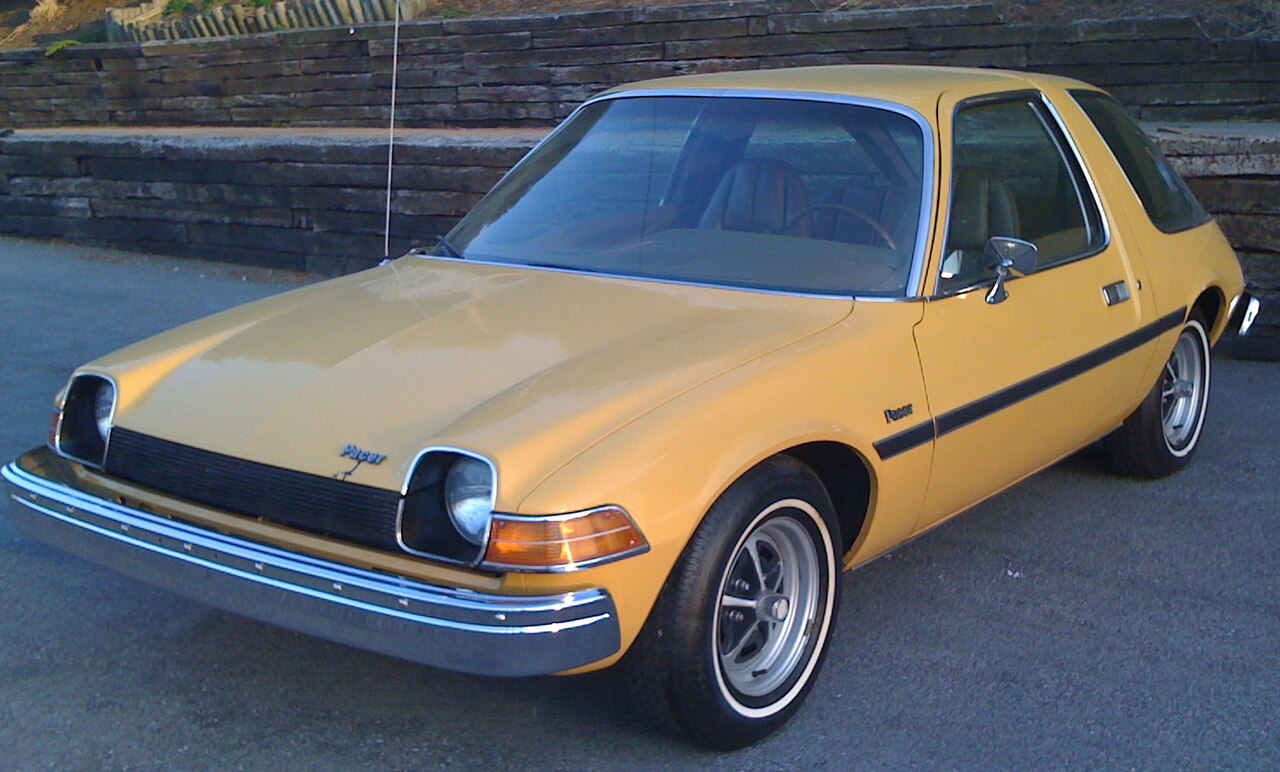 | Introduced 1975 | Width dominates the profile | Broad cabin and large windows |
| 05 | 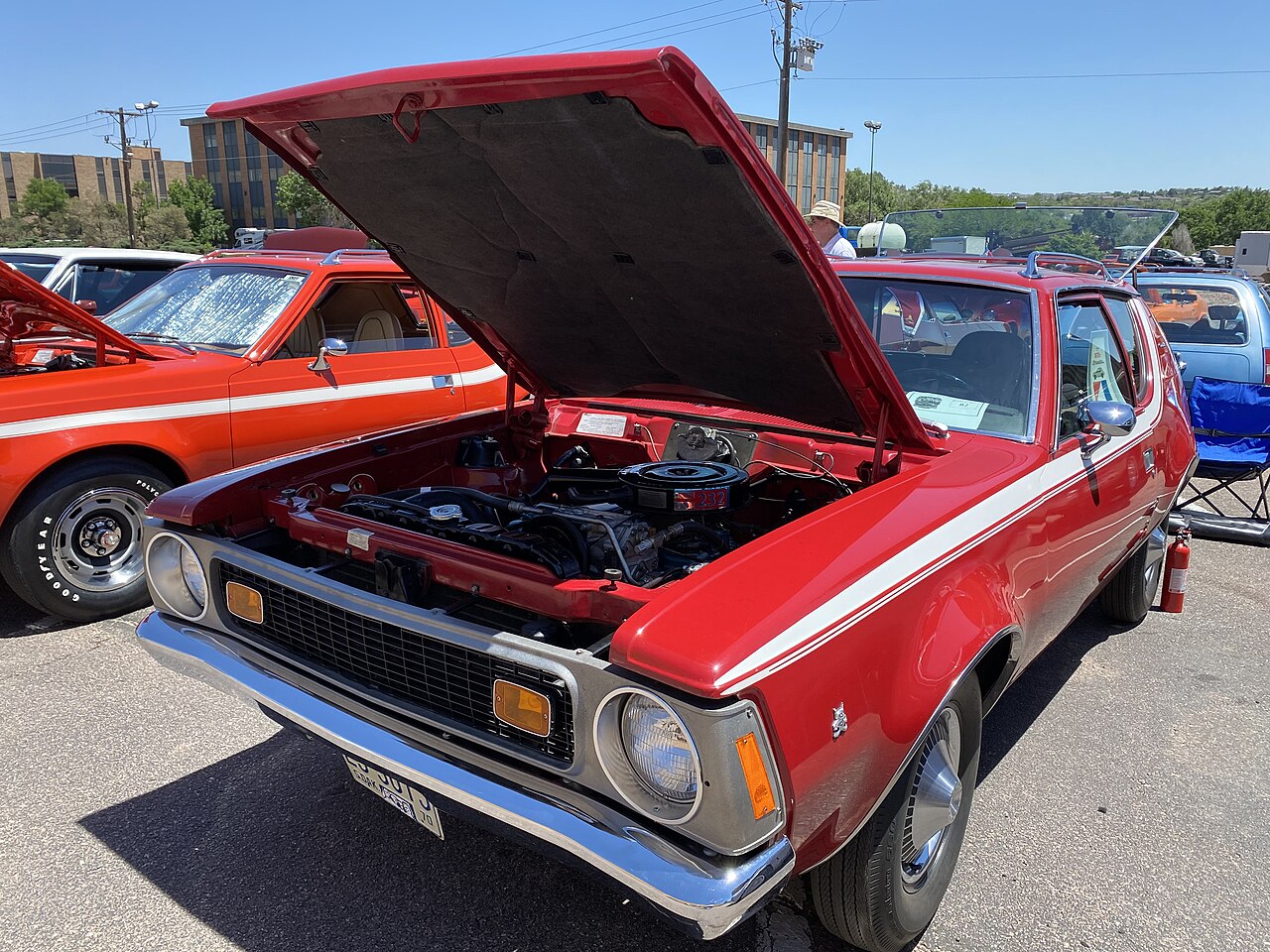 | Introduced 1970 | Long front, sharply cut rear | Compact external footprint |
| 06 | 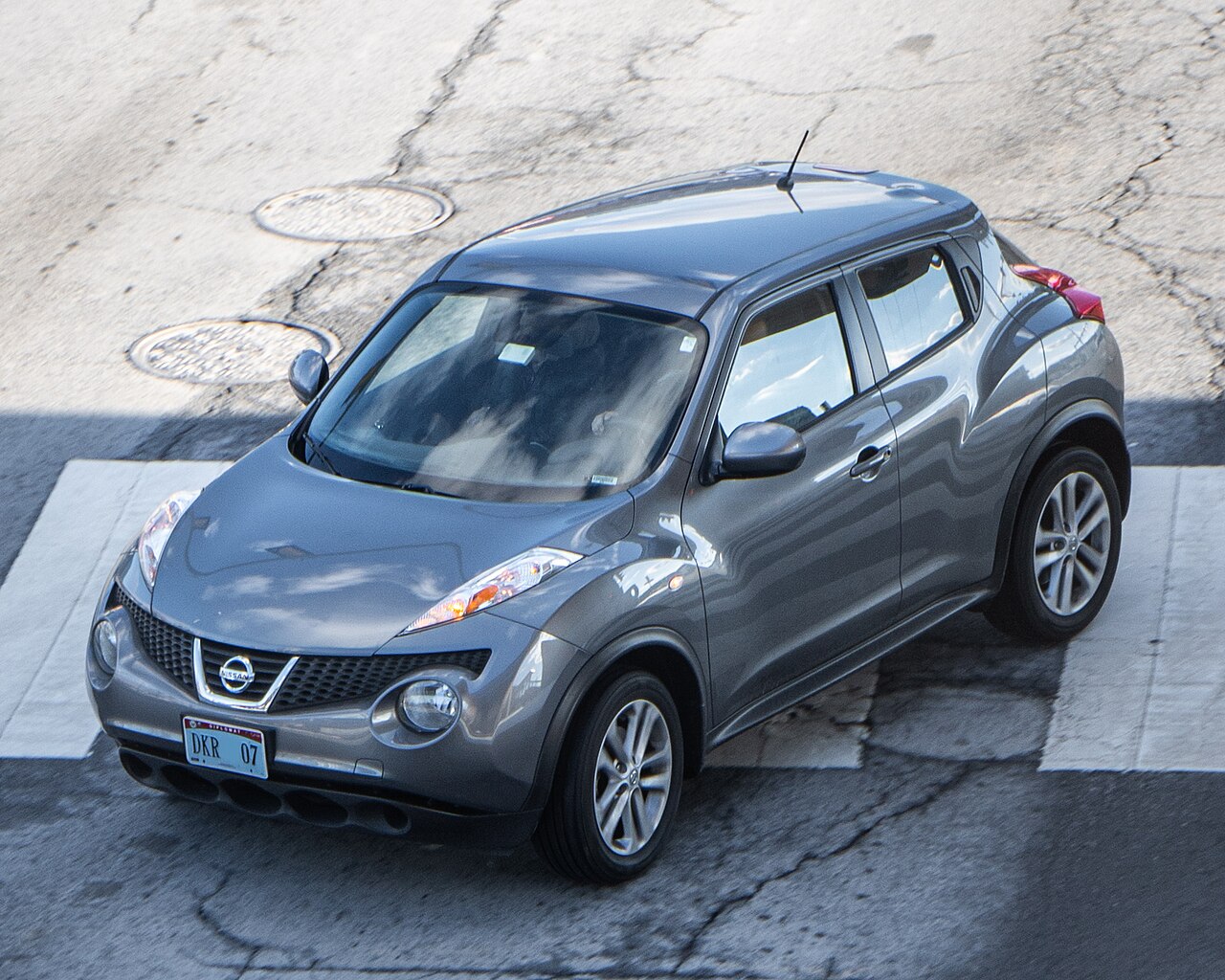 | F15, introduced 2010 | Multiple competing lamp levels | Compact crossover packaging |
| 07 | 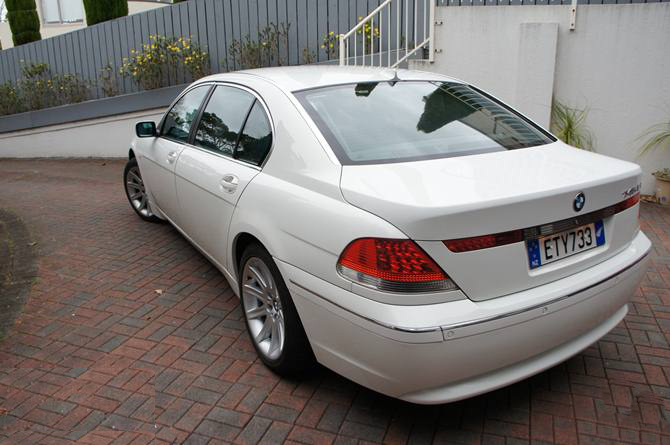 | E65, introduced 2001 | Raised boot appears separate | Large executive cabin |
| 08 | 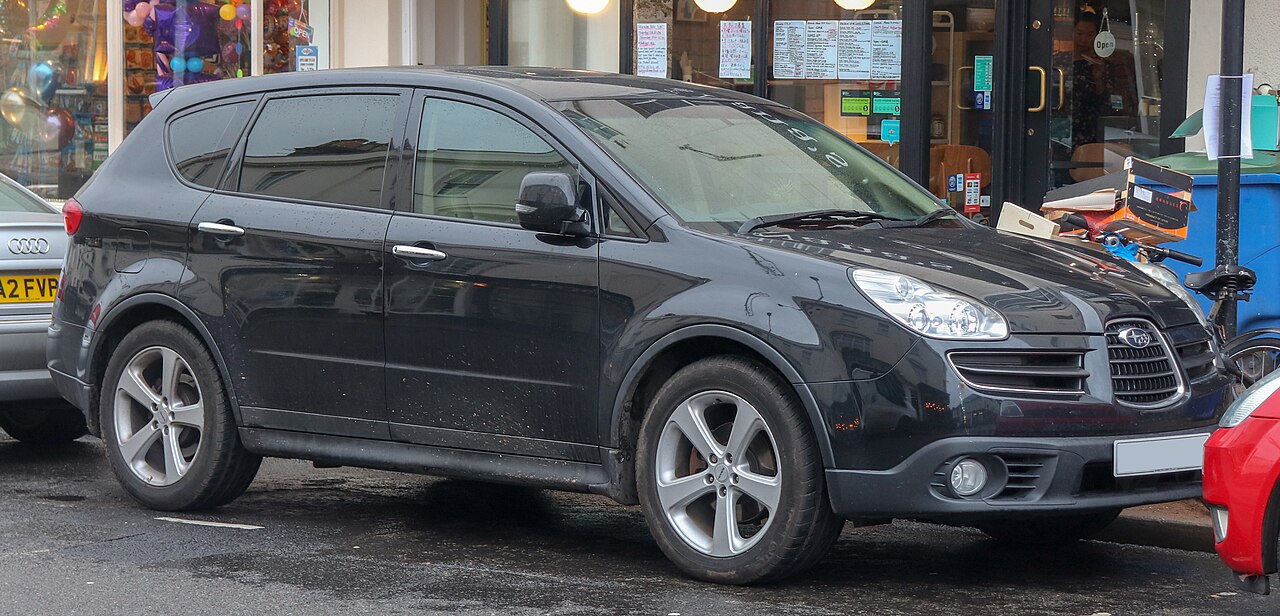 | 2006 model year | Prominent central grille theme | Five- or seven-seat accommodation |
| 09 | 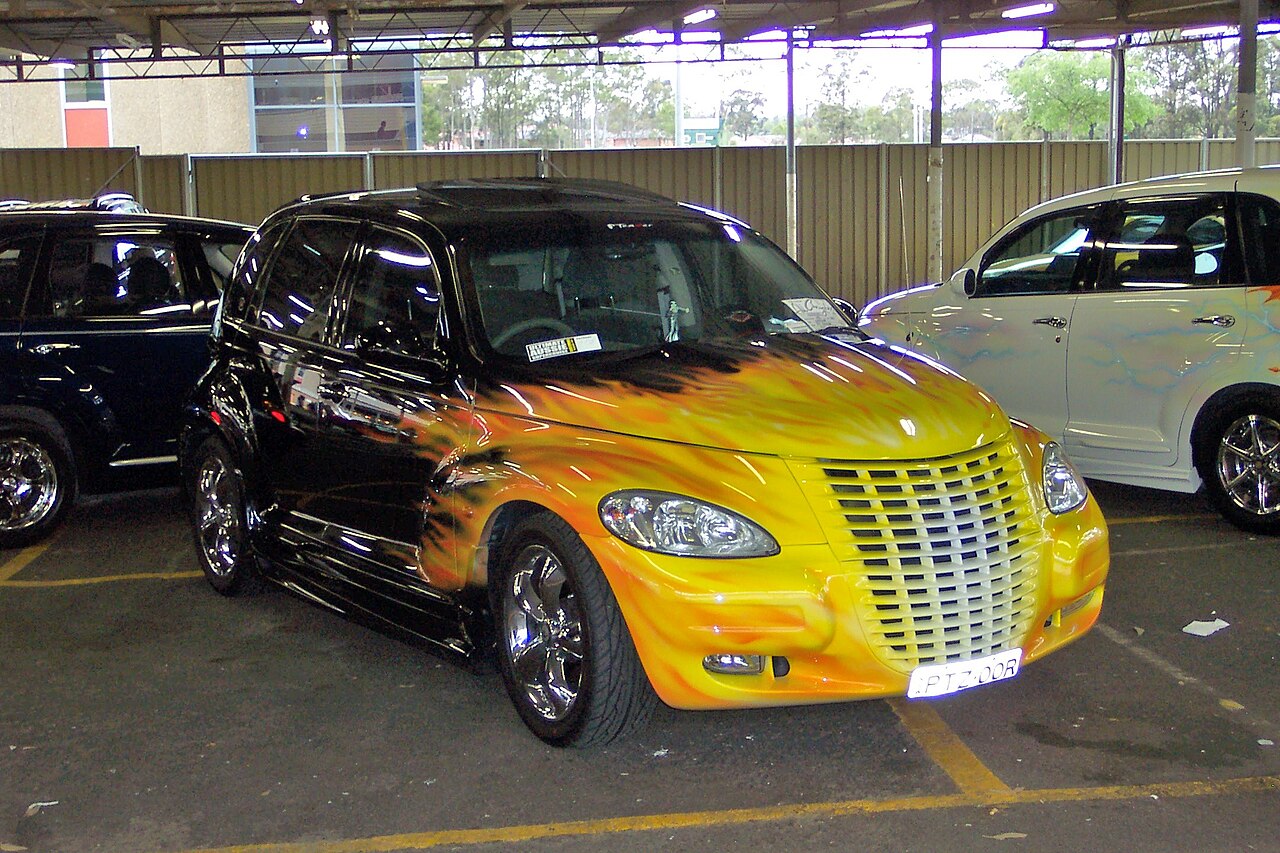 | 2001 model year | Heavy historical references | Tall, flexible five-door cabin |
| 10 | 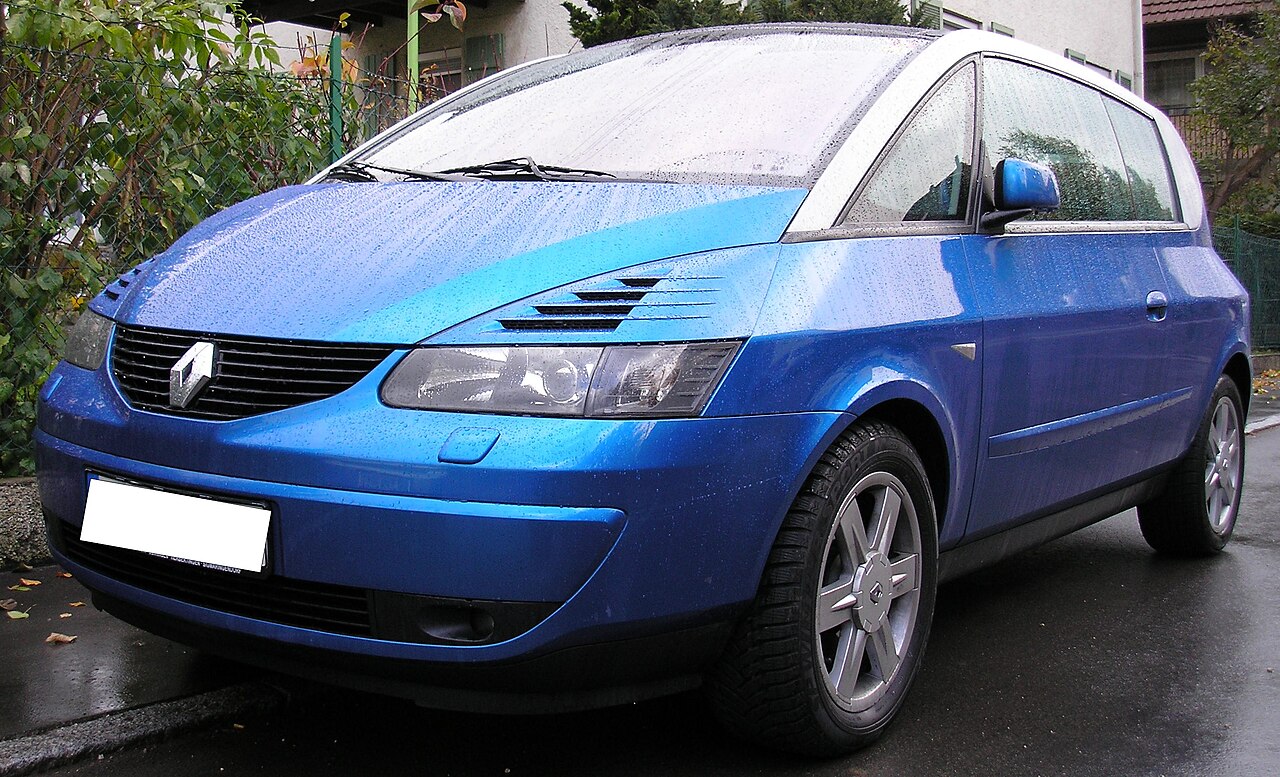 | Introduced 2001 | Tall body with coupe doors | Light-filled four-seat cabin |
No entries match your search.
10 Ugliest Cars in the World: Entry Details
Fiat Multipla
Original design, 1998 · Stepped noseThe upper lamp shelf splits the front into two competing levels. Its awkward exterior conceals an unusually useful six-seat arrangement.
- Design issue
- Separate upper lamp pods
- Useful idea
- Two rows of three seats
- Body
- Compact people carrier
Pontiac Aztek
2001 model year · Layered front endNarrow upper lights, a deep lower face and heavy cladding make the original Aztek look assembled from mismatched layers. Its adaptable rear load area gives the design a practical purpose.
- Design issue
- Competing front layers
- Useful idea
- Flexible passenger and cargo space
- Body
- Crossover utility vehicle
SsangYong Rodius
Original generation, 2004 · Tall rear extensionThe extended rear roof and abrupt tail create a top-heavy profile. The same large body accommodates the people-carrying brief that drove the design.
- Design issue
- Disjointed rear proportions
- Useful idea
- Seven-seat family transport
- Body
- Large people carrier
AMC Pacer
Introduced 1975 · Bubble-like proportionsThe broad body and extensive glazing overwhelm the short overall silhouette. That width also creates an unusually open-feeling cabin for a compact car.
- Design issue
- Width dominates the profile
- Useful idea
- Broad cabin and large windows
- Body
- Compact three-door car
AMC Gremlin
Introduced 1970 · Abrupt rear profileA long bonnet leads into a sharply truncated rear body. The short tail served a compact-car brief, but the front and rear seem to belong to different scales.
- Design issue
- Long front, sharply cut rear
- Useful idea
- Compact external footprint
- Body
- Small hatchback
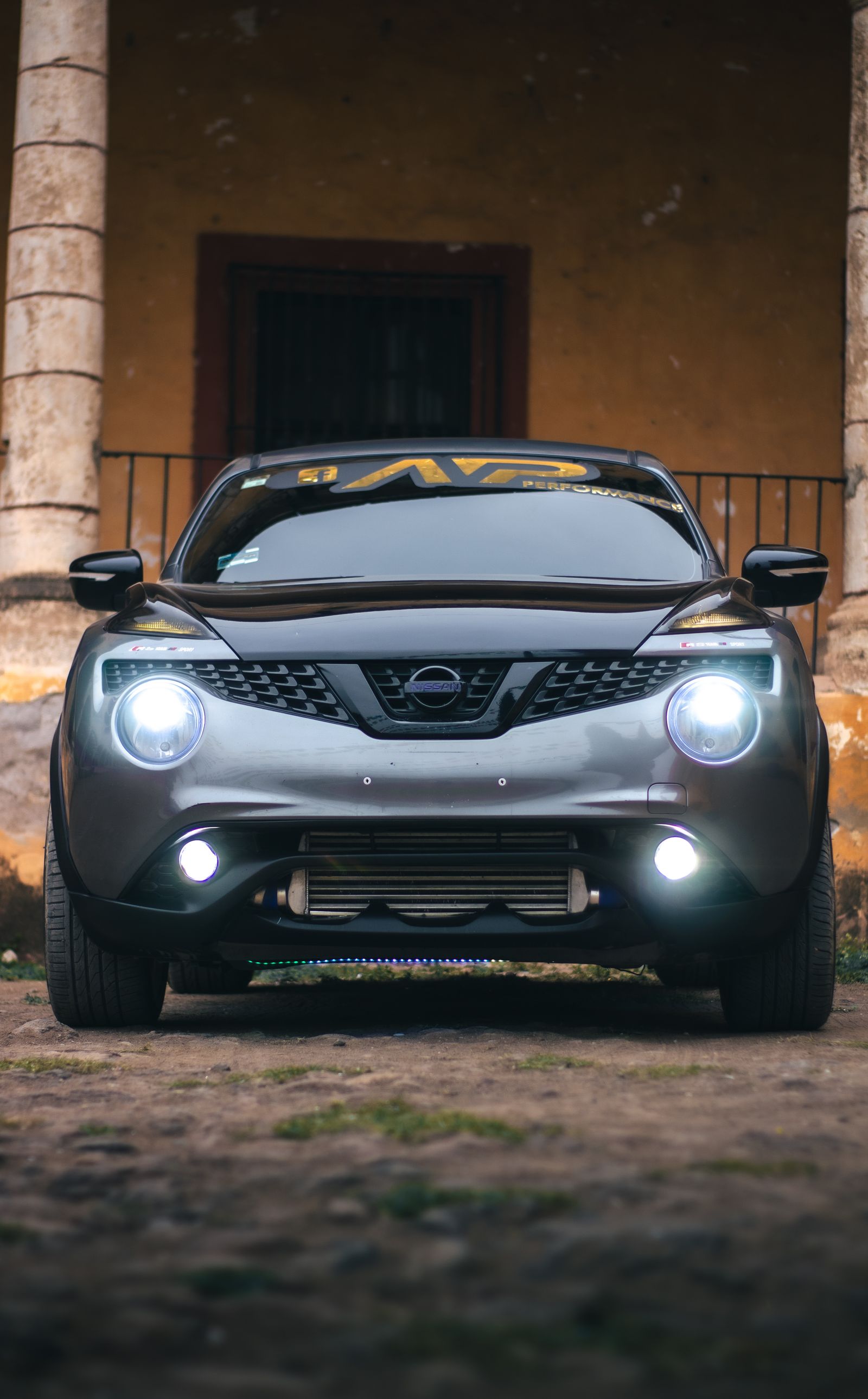
Nissan Juke
F15, introduced 2010 · Competing lamp shapesThe original Juke combines upper marker lights, large round main lamps and a busy lower face. Its compact crossover format makes more practical sense than the front-end composition suggests.
- Design issue
- Multiple competing lamp levels
- Useful idea
- Compact crossover packaging
- Body
- Five-door crossover
BMW 7 Series
E65, introduced 2001 · High boot treatmentThe raised boot surface appears disconnected from the rear wings. Beneath that visual controversy sits a spacious flagship saloon with a substantially rethought control interface.
- Design issue
- Raised boot appears separate
- Useful idea
- Large executive cabin
- Body
- Four-door flagship saloon
Subaru B9 Tribeca
2006 model year · Aircraft-inspired noseThe narrow central grille and spreading side openings compete with the rounded body. Its all-wheel-drive family-crossover layout remains easier to understand than the front-end theme.
- Design issue
- Prominent central grille theme
- Useful idea
- Five- or seven-seat accommodation
- Body
- All-wheel-drive crossover
Chrysler PT Cruiser
2001 model year · Exaggerated retro detailsThe upright grille and rounded wheelarches push the retro theme into caricature. A tall five-door cabin gives the styling exercise more everyday utility than its appearance initially promises.
- Design issue
- Heavy historical references
- Useful idea
- Tall, flexible five-door cabin
- Body
- Front-wheel-drive compact car
Renault Avantime
Introduced 2001 · Oversized coupe bodyA tall people-carrier silhouette sits above a two-door layout, creating an unusual visual mismatch. The large windows and open cabin give that experiment a distinct attraction.
- Design issue
- Tall body with coupe doors
- Useful idea
- Light-filled four-seat cabin
- Body
- Two-door grand touring crossover
10 Ugliest Cars in the World: Analysis
Multipla and Rodius Expose the Packaging Problem
Multipla’s upper lamp shelf makes the cabin appear to sit on a separate vehicle. Rodius extends its roof and rear body into a much larger people carrier, but the tall rear section reads awkwardly against the front. Both designs offer meaningful passenger space. The unusual Fiat is particularly hard to dismiss once all six seats are considered.
Aztek and Juke Split the Front into Layers
The original Aztek places narrow upper lights above a large lower face and broad cladding. Juke separates its lamps even more conspicuously, adding round main lights below the upper units. Our criticism concerns how those pieces compete for attention. Nissan’s motorcycle-inspired cabin and compact crossover format explain why the Juke could still appeal to buyers.
Pacer and Gremlin Prioritise Different Kinds of Space
Pacer’s broad body and large glazed area produce a bubble-like profile. Gremlin uses a short rear section that seems abruptly cut off behind its long front body. These are different compromises rather than the same design mistake. Their compact-car briefs help explain the shapes, but do not make the proportions equally balanced.
Retro References and Flagship Details Can Overload a Body
The PT Cruiser’s upright grille and rounded fenders make its historical references emphatic. Avantime takes the opposite route with a large, geometric two-door body and expansive glass. The E65’s high boot and the original Tribeca’s aircraft-like nose show how one dominant detail can overwhelm an otherwise conventional car. BMW and Subaru later revised those respective designs.
Our verdict
Our verdict
Multipla leads because its front architecture is the least visually unified. Aztek and Rodius follow for different proportional conflicts. The useful packaging ideas explain why controversial styling should not settle a judgement about the whole car.
Strengths
- Original generations identified
- Design criticism explained in concrete terms
- Practical advantages considered
Things to consider
- Visual judgement is subjective
- Photographs may show accessories or custom paint
FAQ: 10 Ugliest Cars in the World
Which car is ranked as the ugliest?
The original Fiat Multipla ranks first in this editorial assessment. Its stepped front and separated lamp pods create the strongest visual conflict, while its six-seat layout remains genuinely useful.
Why does the Rodius rear look unusual?
The tall roof extension and large rear body create a top-heavy outline that reads differently from the front. The shape accommodates a large people-carrier cabin, but that practical brief does not make the profile visually balanced.
Does an ugly design mean a bad car?
No. Passenger space, practicality, handling and reliability are different questions. Multipla’s six seats and the Pacer’s broad cabin are useful even when their exterior proportions divide opinion.
Which Fiat Multipla is included?
The original design introduced in 1998 is included. The smoother 2004 facelift substantially changed the front and should not inherit every criticism of the earlier body.
Why are later versions treated separately?
Tribeca, Multipla and the E65 received visual revisions. The entries identify the original versions so that criticism of an early grille, lamp arrangement or boot treatment is not silently applied to a redesigned car.
What was unusual about the original Tribeca nose?
Its narrow central grille and spreading side openings used an aircraft-inspired theme. That conspicuous feature contrasted with the rounded family-crossover body and was replaced by a more conventional front in the later redesign.
Sources & methodology
Original brochures, manufacturer histories and owner documentation establish models and packaging. The order is our assessment of proportions, visual continuity and crowded details in the specified factory designs, with practicality discussed separately.
Maintained by Artsiom Dusau, a software engineer and BMW 4 Series owner. Editorial policy
View sources (10)
- Fiat heritage account of the original six-seat Multipla
- Pontiac Aztek 2001 owner manual
- KGM history and the 2004 Rodius
- AMC original 1975 full-line brochure
- AMC 1970 original brochure archive
- Nissan Juke ten-year design retrospective
- BMW original E65 press information
- Subaru original B9 Tribeca introduction
- Chrysler original 2001 full-line brochure
- Renault heritage record for Avantime