
Short answer
The BMW M3 E30 is our best BMW M car overall for its touring-car roots and lasting influence. The E46 M3 CSL is our lightweight choice, and the E39 M5 is our sports-saloon choice.
- Original M3
- E30 introduced in 1986 for touring-car homologation
- First V8 M5
- E39 introduced in 1998
- Compact manual M car
- 1 Series M Coupe introduced in 2011
- Track technology
- M4 GTS used intake water injection
The 10 Best BMW M Cars of All Time at a Glance
| Rank | BMW M car | Introduction | Earns its place for | Engine character |
|---|---|---|---|---|
| 01 |  | 1986 | Touring-car foundation | Naturally aspirated four-cylinder |
| 02 | 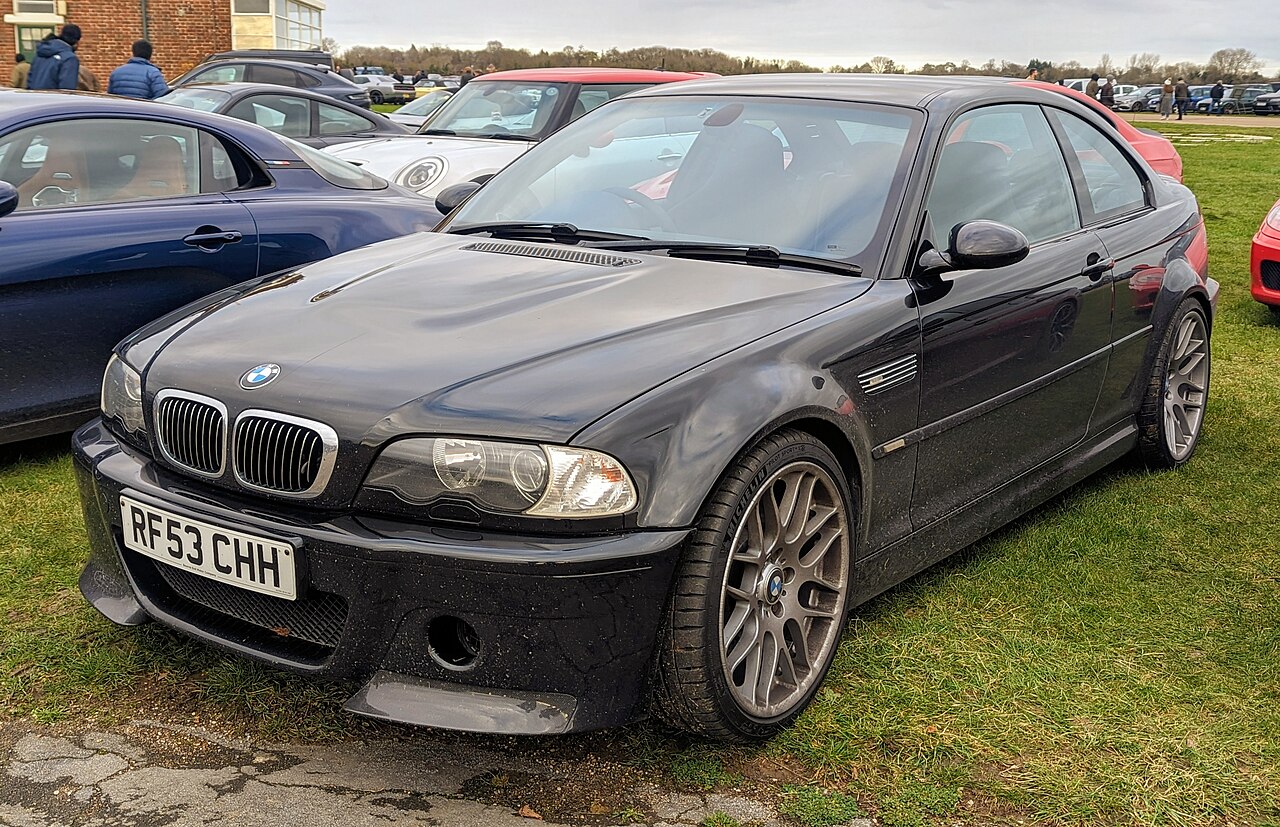 | 2003 | Lightweight engineering | Naturally aspirated inline-six |
| 03 | 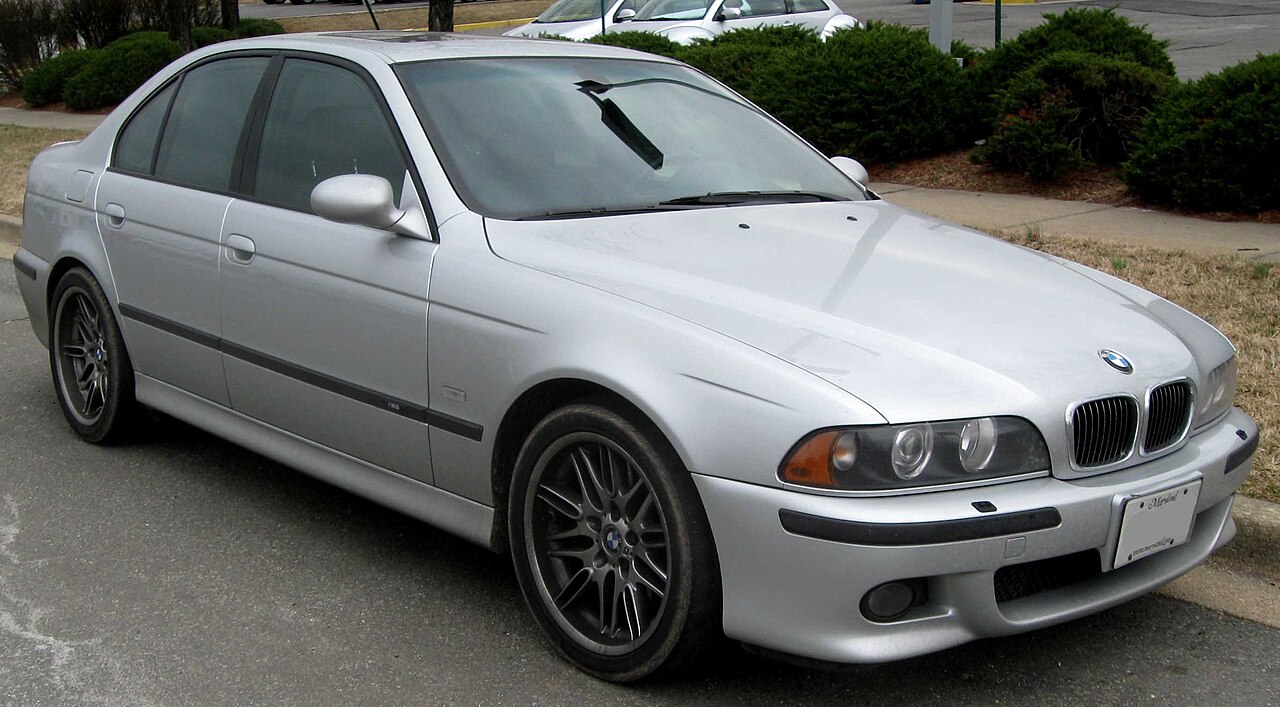 | 1998 | Complete sports saloon | Naturally aspirated V8 |
| 04 |  | 1978 | Motorsport origin | Naturally aspirated inline-six |
| 05 | 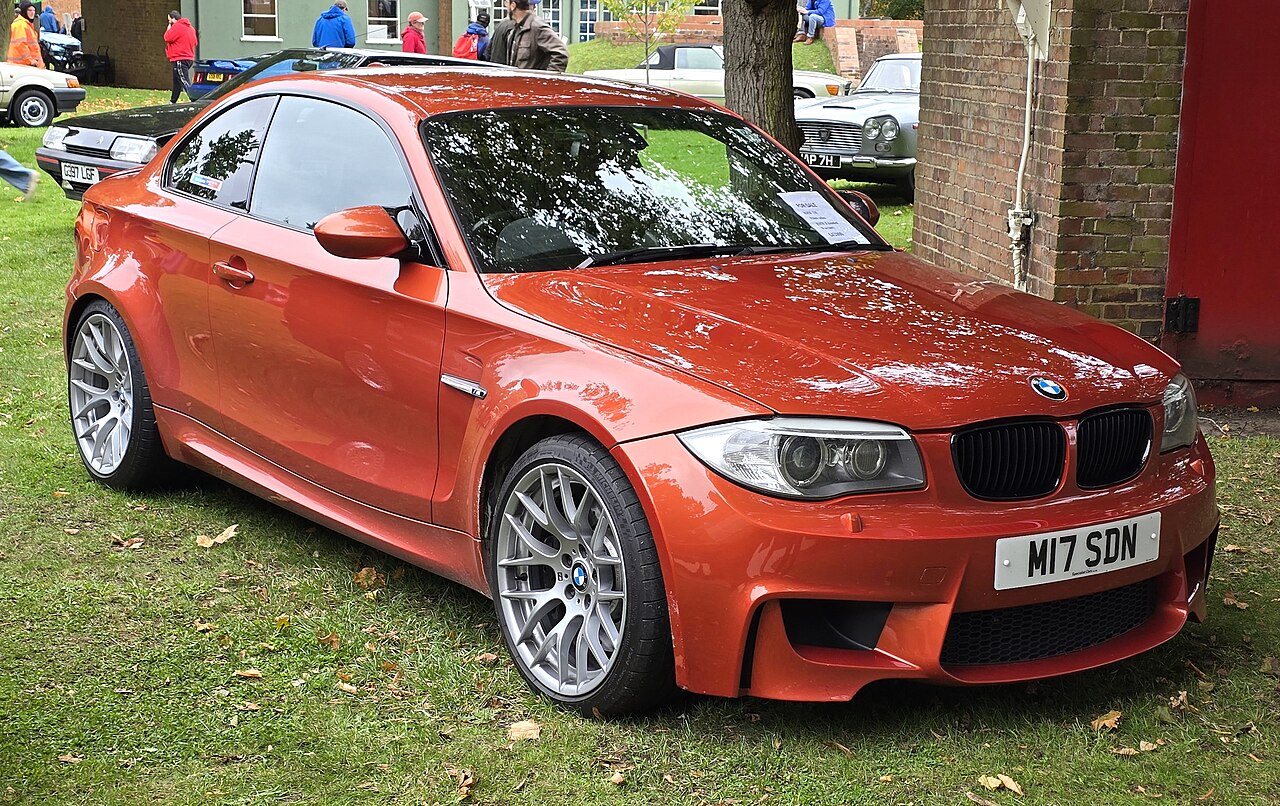 | 2011 | Compact manual formula | Twin-turbocharged inline-six |
| 06 | 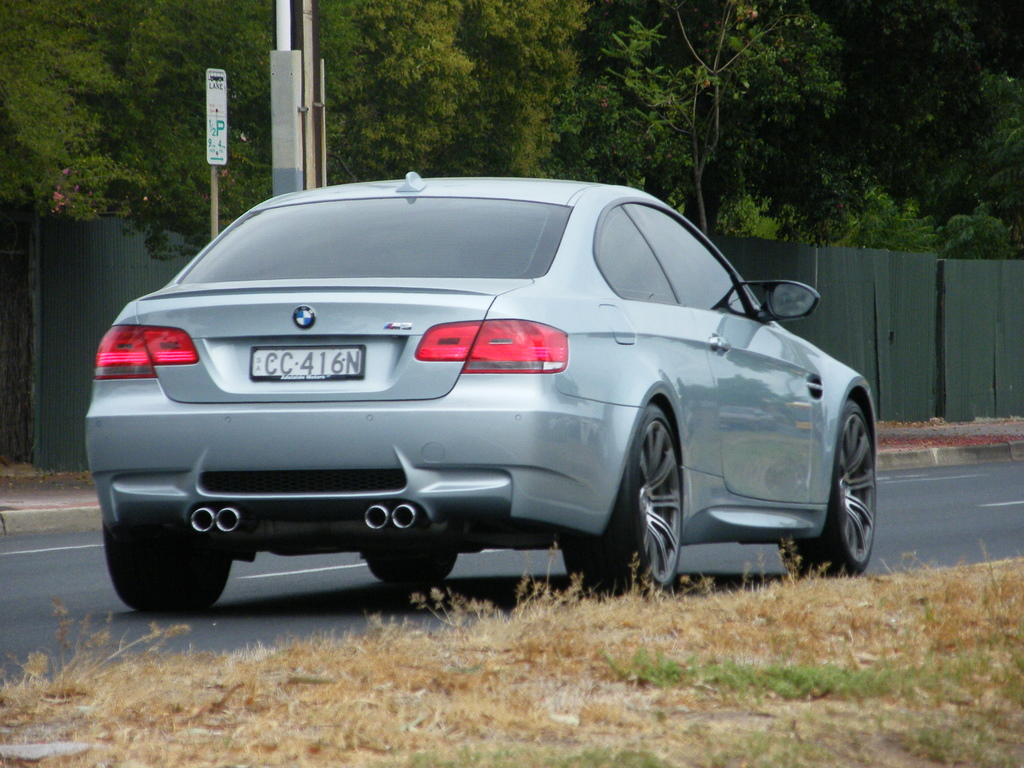 | 2007 | High-revving V8 M3 | Naturally aspirated V8 |
| 07 | 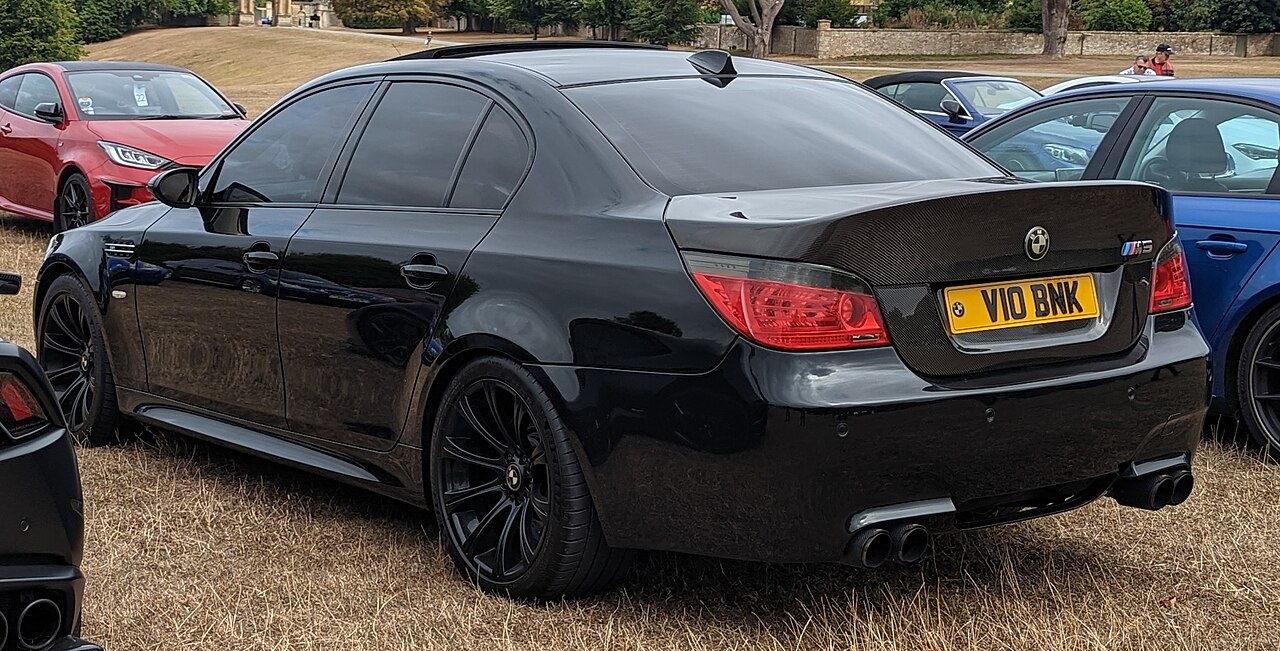 | 2005 | V10 engineering ambition | Naturally aspirated V10 |
| 08 |  | 1997 | Open-top M character | Naturally aspirated inline-six |
| 09 | 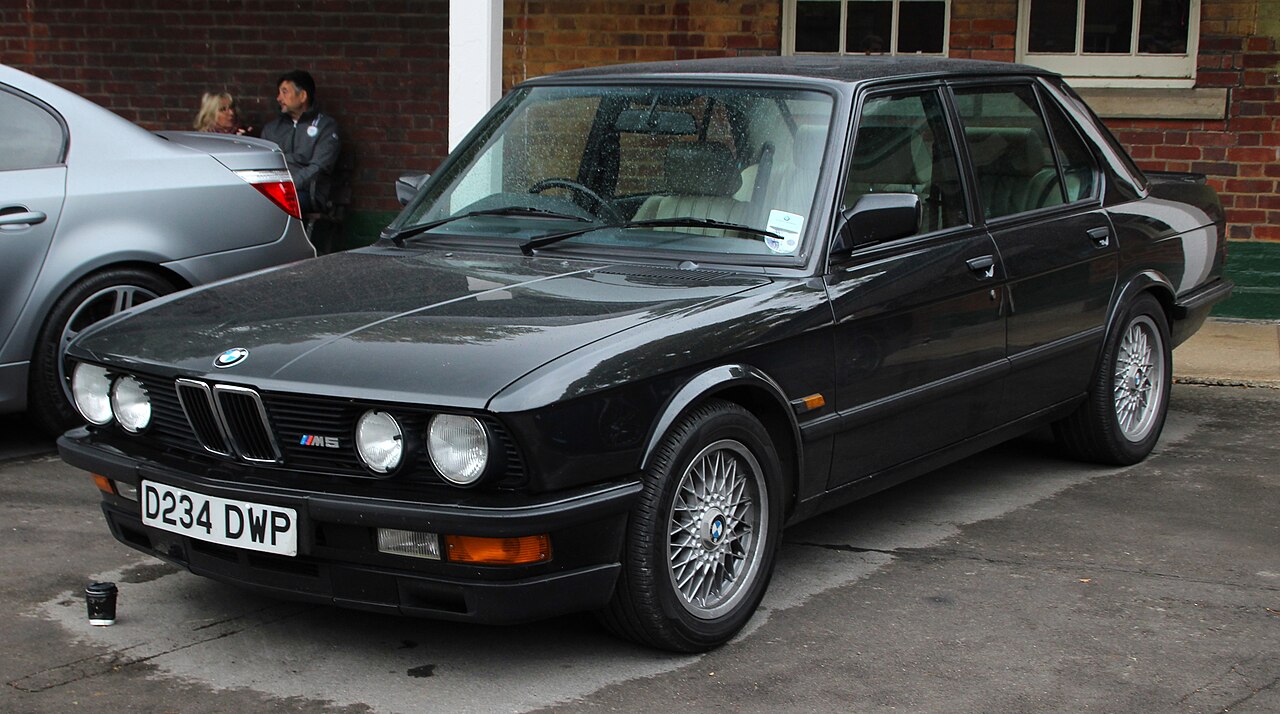 | 1985 | Original M5 blueprint | Naturally aspirated inline-six |
| 10 |  | 2016 | Track-focused innovation | Twin-turbocharged inline-six |
No entries match your search.
The 10 Best BMW M Cars of All Time: Entry Details
BMW M3 E30
1986 · Touring-car foundationThe original M3 turned a compact saloon into a homologation car with model-specific bodywork. Its sporting purpose earns first place because it established the shape, scale and racing credibility of the M3 line. The strongest combination of motorsport purpose and lasting influence in this selection.
- Engine character
- Naturally aspirated four-cylinder
- Defining evidence
- Road model developed for touring-car homologation
Strengths & things to consider
Strengths
- Purpose-built homologation identity
- Compact rear-drive architecture
Things to consider
- Less low-speed torque than later six-cylinder M3s
BMW M3 CSL E46
2003 · Lightweight engineeringThe CSL reshaped the E46 around lighter materials, a carbon-fibre roof and a sharper intake response. It places above the standard E46 because those changes altered the whole car rather than simply increasing engine output. Our choice for the most concentrated naturally aspirated six-cylinder M3.
- Engine character
- Naturally aspirated inline-six
- Defining evidence
- Carbon-fibre roof and dedicated lightweight construction
Strengths & things to consider
Strengths
- Carbon-fibre weight reduction
- Distinctive intake and chassis specification
Things to consider
- SMG transmission only
BMW M5 E39
1998 · Complete sports saloonThe first V8 M5 kept a manual gearbox and a discreet saloon body. It sits ahead of the more exotic M1 for showing how M engineering could transform an everyday executive car without changing its basic usefulness. The most persuasive road-focused sports saloon in our top ten.
- Engine character
- Naturally aspirated V8
- Defining evidence
- First M5 generation with a V8 engine
Strengths & things to consider
Strengths
- V8 with a manual gearbox
- Everyday saloon packaging
Things to consider
- Larger footprint than an M3
BMW M1
1978 · Motorsport originThe M1 put a mid-mounted inline-six behind a Giugiaro-designed body and became the basis of the Procar series. Its singular layout earns fourth place, behind cars that spread the M formula to a broader road-car audience. The clearest expression of BMW Motorsport as a dedicated sports-car maker.
- Engine character
- Naturally aspirated inline-six
- Defining evidence
- Mid-engined road car and Procar racing counterpart
Strengths & things to consider
Strengths
- Mid-engined architecture
- Direct connection to Procar competition
Things to consider
- Two-seat body limits everyday versatility
BMW 1 Series M Coupe
2011 · Compact manual formulaThe 1M combined a turbocharged inline-six with a manual gearbox, widened tracks and an M differential. Its compact body gave a new generation of M buyers a focused alternative to the larger M3. The turbocharged compact M car that most clearly preserved the manual-driver connection.
- Engine character
- Twin-turbocharged inline-six
- Defining evidence
- Six-speed manual and M differential in a compact coupe
Strengths & things to consider
Strengths
- Manual gearbox as standard
- Strong turbocharged mid-range
Things to consider
- Only offered as a coupe
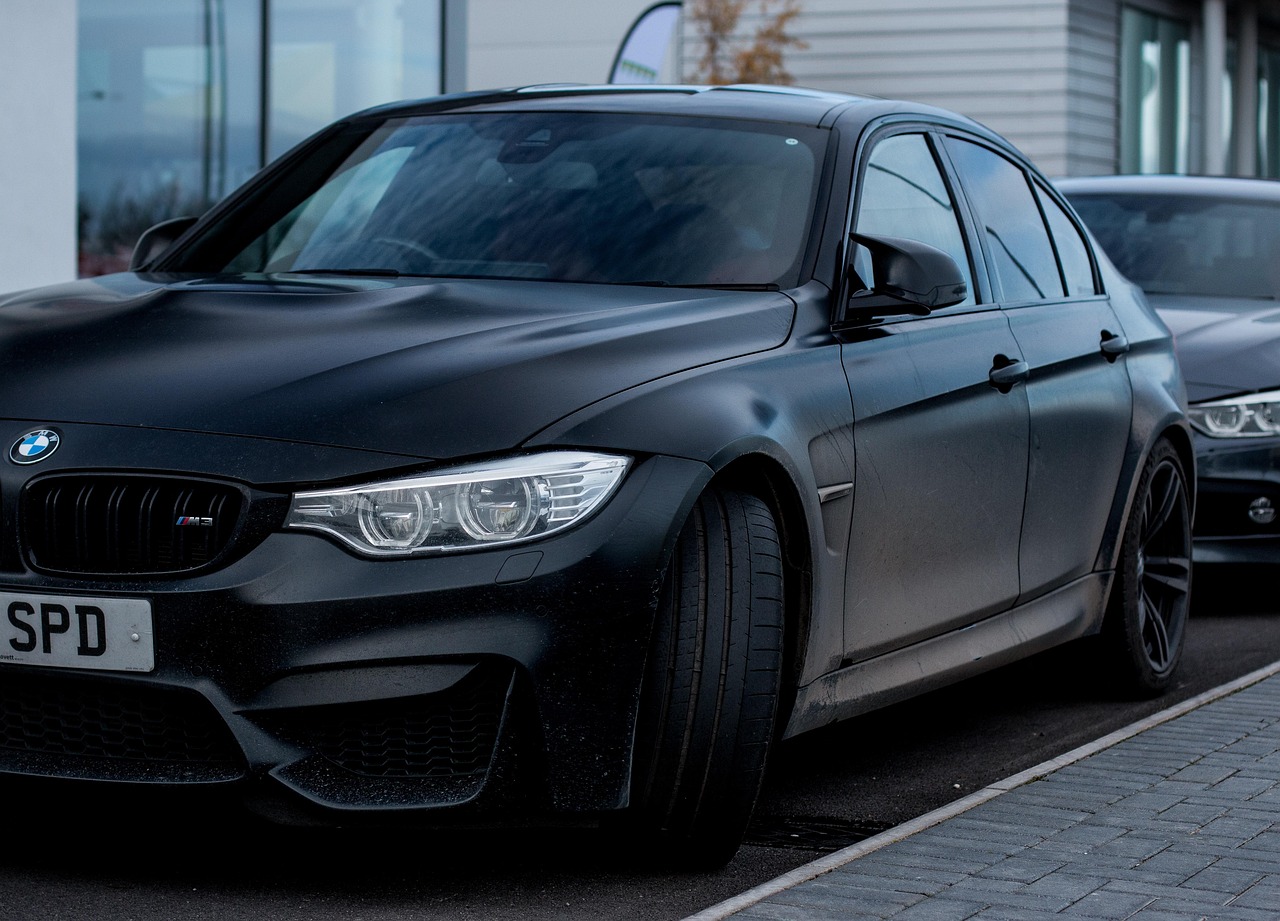
BMW M3 Coupe E92
2007 · High-revving V8 M3The E92 coupe belongs to the only M3 generation powered by a V8. It ranks below the 1M for its larger footprint, but its high-revving engine gives it a character no earlier or later production M3 duplicates. The M3 for readers who value naturally aspirated engine character above compactness.
- Engine character
- Naturally aspirated V8
- Defining evidence
- Only V8-powered M3 generation
Strengths & things to consider
Strengths
- High-revving V8
- Manual and dual-clutch choices
Things to consider
- Larger body than the original M3
BMW M5 E60
2005 · V10 engineering ambitionThe E60 M5 fitted a purpose-built V10 to a full-size saloon. Its engine blocks came from the same BMW foundry used for Formula 1, making this an unusually ambitious road-car project even beside the V8 M3. The boldest engine programme here, with a less conventional everyday character than the E39.
- Engine character
- Naturally aspirated V10
- Defining evidence
- Engine blocks cast at BMW's Formula 1 foundry
Strengths & things to consider
Strengths
- Bespoke naturally aspirated V10
- High-revving performance in a saloon
Things to consider
- SMG automated manual in the European launch specification
BMW Z3 M Roadster
1997 · Open-top M characterThe Z3 M Roadster put M3-derived six-cylinder performance into a small open car. It earns a place for adding roof-down driving to the M story, while its two-seat body makes it a narrower proposition than the saloons and coupes above. The most direct open-top expression of the earlier M road-car formula.
- Engine character
- Naturally aspirated inline-six
- Defining evidence
- M roadster launched in 1997
Strengths & things to consider
Strengths
- Naturally aspirated straight-six
- Compact open-top body
Things to consider
- Two seats and limited cabin space
BMW M5 E28
1985 · Original M5 blueprintThe E28 established the M5 by pairing a powerful inline-six with an understated executive saloon. It ranks behind the E39 and E60 because those successors developed the formula further, but every later M5 starts with this car's idea. Essential for understanding the M5's blend of restrained appearance and serious performance.
- Engine character
- Naturally aspirated inline-six
- Defining evidence
- First M5 generation, assembled by hand
Strengths & things to consider
Strengths
- Founding M5 design
- Hand-built production
Things to consider
- Older chassis and cabin design than the later M5s
BMW M4 GTS F82
2016 · Track-focused innovationWater injection, carbon-ceramic brakes and adjustable aerodynamics made the GTS a serious technical development of the M4. It finishes tenth because its track focus sacrifices the everyday breadth that lifts the E30 M3 and E39 M5 higher. A compelling engineering experiment for the circuit-focused part of M history.
- Engine character
- Twin-turbocharged inline-six
- Defining evidence
- Production water-injection system
Strengths & things to consider
Strengths
- Water-injected turbo engine
- Adjustable chassis and aerodynamics
Things to consider
- Rear seats removed
The 10 Best BMW M Cars of All Time: Analysis
Why the E30 M3 Is Our Best BMW M Car
The E30 M3 was shaped by touring-car homologation. Its wheel arches, rear bodywork and four-cylinder engine served a competition programme, giving the road car a reason for looking and behaving differently from an ordinary 3 Series.
The M1 helped establish the division, but the E30 put that racing purpose into a compact car people could use beyond a weekend outing. The distinction also helps explain why the BMW M badge means more than a styling package.
E46 M3 CSL and E39 M5 Take Different Routes
The M3 CSL concentrated on mass, material choice and response. Its carbon-fibre roof lowered weight high in the body, while its dedicated seats and intake gave the driver a clearer sense of the car's special purpose.
The E39 M5 made a different argument. A V8 and manual gearbox sat inside a recognisable BMW executive saloon, preserving the doors, passenger space and restrained appearance that made the M5 formula useful.
What the V8 M3 and V10 M5 Changed
The E92 M3 and E60 M5 made engine speed a central part of their personalities. Their naturally aspirated V8 and V10 demanded a different driving rhythm from the turbocharged 1M, which could lean on stronger mid-range torque.
The E60's Formula 1 foundry connection concerns how its engine blocks were produced. Its road-car V10 was a dedicated M5 engine, which makes the manufacturing link interesting without turning it into a Grand Prix engine transplant.
Why the M4 GTS Finishes Behind the Road-Focused Cars
The M4 GTS cooled its intake air with injected water, allowing the turbocharged engine to exploit the cooler charge. Adjustable aerodynamic hardware and the absence of rear seats reinforced its circuit brief.
The E39 M5 and 1M kept more of their everyday usefulness. The GTS earns its place for engineering ambition, while those broader talents explain why it sits below the leading road cars.
Important context
- The M1 established the mid-engined road-car branch of BMW Motorsport before the first M3 appeared.
- The E60 M5 and E92 M3 took naturally aspirated M engines in different directions, with a V10 and V8 respectively.
- The 1 Series M Coupe retained a manual gearbox while turbocharging brought stronger low-speed torque to a compact M car.
- The M4 GTS used water injection to cool its intake charge, giving the turbocharged engine a distinctive route to greater output.
Our verdict
Our BMW M verdict
The E30 M3 is our overall choice for combining racing purpose with an enduring road-car idea. Choose the E39 M5's formula for saloon versatility, the CSL for lightweight focus and the 1M for a compact manual turbo car.
Strengths
- Manual sports saloons and focused coupes
- Naturally aspirated engines with distinct characters
Things to consider
- The CSL uses SMG only
- The GTS removes the rear seats
FAQ: The 10 Best BMW M Cars of All Time
What is the best BMW M car of all time?
Our choice is the E30 M3. Its homologation body and four-cylinder engine established a compact touring-car road model that gave the M3 line its original identity.
Which BMW M3 generation had a V8?
The E90, E92 and E93 generation used a naturally aspirated V8. Our selection names the E92 coupe, and no other production M3 generation used that engine layout.
Why is the E46 M3 CSL special?
The CSL combined a carbon-fibre roof, lighter cabin components and a dedicated intake with a sharper chassis specification. Its SMG gearbox was the only transmission offered.
Is the BMW 1M the same as the BMW M1?
No. The 1 Series M Coupe is a compact front-engined turbocharged coupe introduced in 2011. The M1 is the mid-engined sports car introduced in 1978 and associated with Procar racing.
Which BMW M5 had a V10?
The E60 M5 used a naturally aspirated V10. Its predecessor, the E39, introduced V8 power to the M5, and the following F10 switched to a turbocharged V8.
What does water injection do in the BMW M4 GTS?
Water injected into the intake cools the air charge through evaporation. The cooler charge lets the GTS engine operate with a more demanding performance calibration, alongside its track-focused chassis and aerodynamics.
Sources & methodology
Editorial order prioritises motorsport influence, distinctive engineering and road-car usefulness among road-going production models. BMW M heritage articles establish each model's introduction and technical character, without numerical scores.
Maintained by Artsiom Dusau, a software engineer and BMW 4 Series owner. Editorial policy